


If you learned to ride with a single, looped rein, the idea of managing two separate straps can feel clumsy at first. It’s a common feeling, but the supposed difficulty of handling split leather reins is one of the biggest myths out there. In reality, the right pair offers a level of precision and communication that’s hard to match. Their design isn’t just for looks; it’s rooted in safety and practicality, especially for trail riding and ranch work. We’re here to clear up the confusion, helping you choose a quality pair and feel confident from your first ride.
Key Takeaways
- Prioritize safety with a two-piece design: Split reins eliminate the dangerous loop found in closed reins, preventing your horse from getting a hoof tangled. Their length also makes them a practical tool for groundwork or leading your horse on the trail.
- Feel the difference with quality leather: The weight and suppleness of premium leather, like Hermann Oak or Latigo, directly translate to clearer communication with your horse. A good pair feels balanced in your hands and helps your horse understand subtle cues.
- Protect your investment with simple care: Extend the life of your reins by wiping them down after every ride and applying a leather conditioner regularly. Proper storage, like hanging them straight, prevents cracking and maintains their shape for years of reliable use.
What Are Split Leather Reins?
If you’ve spent time in the Western riding world, you’ve definitely seen split leather reins. But what exactly are they? Simply put, split reins are two separate, long pieces of leather. Each rein attaches to one side of the horse's bit, and you hold both individual straps in your hands. Unlike a single, continuous loop rein, they function independently. This design is a hallmark of Western riding for some very good reasons, ranging from everyday practicality to critical safety features that give riders peace of mind.
Split vs. Closed Reins: What's the Real Difference?
The most significant difference between split and closed reins comes down to safety. Closed reins, like English or roping reins, form a continuous loop. While great for certain disciplines, that loop can pose a risk if a horse lowers its head and gets a hoof caught. Split reins eliminate this danger entirely. Because they are two separate pieces, there's no loop to get tangled in. In a worst-case scenario, your horse might step on a rein and break the leather, but they won't be caught or pulled into a dangerous position. This simple design choice is a major reason why they are a staple in many horse tack collections.
A Quick Guide to Other Western Rein Styles
While split reins are incredibly versatile, different Western disciplines have led to the development of specialized rein styles. Each one is designed to give riders an edge, whether they're in the roping pen or racing against the clock. Understanding these other styles can help you appreciate the specific function behind each piece of equipment and choose the right tool for your riding goals. Here’s a quick look at a few other popular types of Western reins you might encounter.
Roping Reins
As the name suggests, roping reins are built for the specific demands of roping. They are typically a single, shorter rein that's thicker and heavier than your average trail rein. This design isn't accidental; the added bulk gives you a secure, confident grip when you need it most, and the continuous loop prevents you from dropping a rein in the middle of a run. Crafted from ultra-durable materials, they are made to handle the intense pressure and friction of the sport. If you're involved in roping, having a dedicated pair of these reins is a matter of both performance and safety.
Barrel Racing Reins
When every second counts, your equipment needs to be fast and responsive. Barrel racing reins are designed with speed in mind. They are usually a single, looped rein made from lightweight materials, which allows for quick and easy adjustments as you fly around the barrels. You'll often find them with knots, rubber grips, or a braided texture to ensure your hands don't slip during a high-speed turn. This style gives you the direct, constant contact needed for precise cues, helping you shave off precious time while maintaining control. They are a specialized piece of horse tack built for performance in the arena.
Romal Reins
Romal reins are a beautiful and functional nod to traditional Vaquero horsemanship. This style consists of two connected reins held in one hand, with a single, longer tail called the "romal" attached at the end. You guide your horse primarily through neck reining with the main reins, while the romal is held in your other hand and can be used for reinforcement cues or to move cattle. This setup encourages a high level of finesse and communication, promoting a light and responsive horse. While they require a bit of practice, romal reins offer a unique blend of precision and tradition for the experienced rider.
Why Riders Swear By Split Reins
Beyond safety, the versatility of split reins is a huge draw. When you're out on the trail and need to dismount to open a gate or clear a branch, your reins instantly become a useful lead. Each rein is typically around eight feet long, giving you plenty of room to work on the ground without letting go of your horse. This practicality extends to training, where the extra length is useful for groundwork. Many riders also feel more secure knowing that if a horse panics or falls, the reins are more likely to break or be dropped without entangling the animal, making them one of our best-selling products for a reason.
Are Split Leather Reins Right for Your Riding Style?
Choosing the right reins is a lot like picking the right pair of boots; what works for one person might not be the best fit for another. Your riding discipline, your horse's training, and even your personal preferences play a huge role in finding the perfect match. Split leather reins are a classic choice for a reason. Their design, which consists of two separate straps of leather, offers a unique combination of control, safety, and versatility that appeals to a wide range of riders.
Whether you spend your time in the arena, out on the trail, or working with cattle, split reins have distinct advantages that can make your ride smoother and safer. They allow for subtle cues and quick, independent hand movements, which is essential for precise communication with your horse. At the same time, their simple, unattached design provides a level of practicality that many riders find indispensable, especially when things don't go as planned. If you're wondering if this traditional style is the right choice for you and your horse, let's look at how they perform across different equestrian activities. Understanding their function in various settings will help you decide if they belong in your tack room.
Your Go-To for Western and Stock Work
If you ride Western, you’re probably already very familiar with split reins. They are a cornerstone of Western riding and stock work for good reason. The design features two individual leather reins, each one attaching separately to the bit. This setup is perfect for one-handed neck reining, allowing you to keep your other hand free for roping, opening gates, or other ranch tasks. The weight and feel of quality leather reins provide clear, direct communication, letting you make subtle adjustments with just a slight movement of your fingers. This level of precision is essential when you’re guiding a horse through a reining pattern or quietly sorting cattle.
The Go-To for Trail Riding and Ground Work
For trail riders, practicality and safety are top priorities, and this is where split reins truly shine. Their length makes them incredibly useful when you need to dismount. As one expert from Young Rider Magazine points out, when you need to get off your horse to open a gate or clear an obstacle, "leather split reins essentially give you 8 feet of lead to do whatever you need to do on the ground." You can safely drop one rein without worrying about it creating a dangerous loop for your horse to step into. This simple feature provides peace of mind and makes handling tasks on the trail much easier and safer for both you and your horse.
Beyond Western: The Versatility of Split Reins
While they are a staple in Western disciplines, the benefits of split reins extend to many other styles of riding. One of their most significant advantages is safety. Unlike closed reins, "split reins have no dangerous hoof catching loop," which is a critical safety feature. In a spook or a fall, a horse is less likely to get a leg tangled in the reins, preventing a bad situation from becoming worse. This makes them an excellent choice for training green horses, everyday pleasure riding, or for anyone who puts safety first. Their straightforward design makes them a reliable and adaptable piece of horse tack for nearly any rider.
Shop This Post

Featured in this article
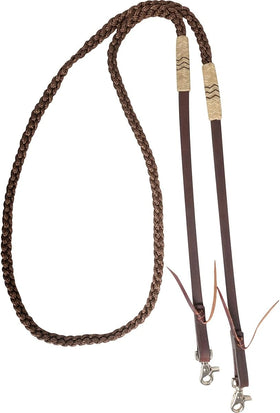
Cashel Adjustable Leather & Rope Reins - Brown with Rawhide Accents & Quick-Release Snaps - 8'
$46.53
Shop Now →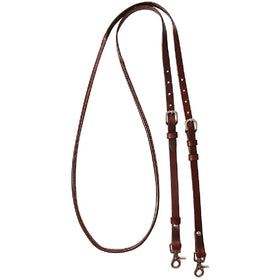
How to Spot High-Quality Split Leather Reins
When you’re shopping for split leather reins, knowing what to look for can make all the difference in your ride. The best reins feel like a natural extension of your hands, offering clear communication with your horse without getting in the way. It’s not about finding the most expensive pair; it’s about identifying the markers of quality that translate to better performance, comfort, and durability. Think of it this way: your reins are your primary line of communication, so you want that line to be as clear and reliable as possible. A flimsy or poorly made pair can create confusion for your horse and frustration for you. On the other hand, a well-crafted set of reins provides a consistent feel that both you and your horse can trust, ride after ride. From the type of leather to the feel in your hands and the sturdiness of the hardware, every detail matters. A great pair of reins will last for years and can even improve your connection with your horse. Let’s walk through the three key areas to inspect so you can confidently choose a pair that’s built to last and designed for a great ride.
Check the Leather Quality and Craftsmanship
The foundation of any great pair of reins is the leather itself. You want to look for reins made from strong, durable materials that can handle regular use. Premium options like Bridle, Harness, Latigo, and Rawhide leather are excellent choices known for their resilience. When you see reins crafted from top-tier leather, like Hermann Oak Harness leather, you know you’re looking at a superior product. The stitching should be even and tight, with clean, well-finished edges. These details are signs of quality craftsmanship and are essential for any piece of horse tack you rely on.
The Feel of Hand-Rubbed Leather
Beyond the type of leather, pay close attention to how it feels in your hands. The best reins have a supple, "broke-in" feel right from the start. This is often achieved through a process where the leather is hand-rubbed, making it smooth and pliable without sacrificing its strength. You want a rein that has enough weight to hang correctly and provide clear signals to your horse, but is soft enough to be comfortable in your hands for long rides. This balance is key. Reins that are too stiff can be difficult to manage and can send jarring cues, while reins that are too flimsy lack the substance needed for effective communication.
Oiled vs. Non-Oiled Finishes
When browsing for reins, you’ll notice some are described as "oiled" while others have a more natural finish. Oiled leather has been treated to enhance its suppleness and weather resistance, often giving it a darker, richer color and that desirable broken-in feel from day one. Non-oiled reins are typically lighter in color and a bit stiffer initially. The advantage here is that you can condition and oil them to your exact preference, and they will develop a unique patina over time. Neither is inherently better; it’s a matter of personal preference for feel and maintenance. You'll also find various hardware options, from simple ties to snaps, so you can choose what works best for your bit and your horse tack setup.
Why "Made in the USA" Can Be a Mark of Quality
While great products come from all over the world, a "Made in the USA" label on leather goods often signals a higher standard of quality. This is especially true in the equestrian industry, where American manufacturers frequently use premium, domestically sourced materials like Hermann Oak leather. These reins are often described as "heavy" and "supple," reflecting a commitment to durability and feel. American leather artisans carry on a long tradition of craftsmanship, and that expertise shows in the final product. It’s a reliable indicator that you’re investing in a piece of equipment built with care and designed to last for years of use in the saddle.
Find the Perfect Weight and Feel
The weight and feel of your reins directly impact how you communicate with your horse. High-quality reins are often made from heavier leather, which helps your horse feel your cues more clearly and allows the reins to hang properly without unnecessary movement. When you pick them up, they should feel substantial but not cumbersome. The ideal reins feel smooth, rich, and almost "broken-in" from the start. This softness and flexibility mean they’ll be comfortable in your hands and gentle for your horse, allowing for subtle, effective communication without stiffness or resistance.
Why Matched Pairs Matter for Balance
Think about how an unbalanced tool feels in your hands—it’s awkward and inefficient. The same goes for your reins. If one is heavier or thicker than the other, it can throw off your feel and send mixed signals to your horse. That’s why high-quality reins are always sold as a matched pair. They are often cut side-by-side from the same hide, ensuring they have the exact same weight and feel. As the artisans at Buckaroo Leather Products put it, they are "PAIRED together, BORN together," which guarantees a perfectly balanced connection from your hands to the bit.
This perfect balance is what allows for such clear communication. The weight and suppleness of premium leather, like Hermann Oak or Latigo, help your horse feel even the slightest cue from your fingertips. A well-made pair of reins feels comfortable and responsive, allowing you to guide your horse with precision whether you're in the arena or on the trail. Investing in a matched set of horse tack like this isn't just about having nice equipment; it’s about refining the conversation between you and your horse, making every ride smoother and more connected.
Inspect the Hardware and Rein Ends
Don’t overlook the small details, because they often have the biggest impact on functionality. Inspect the hardware, like snaps or buckles, to ensure it’s made from a durable material like brass that won’t rust or break easily. Many high-quality reins include thoughtful features like waterloop ends for easy bit changes or slots that prevent the leather from twisting. You’ll also want to check the ends of the reins. Heavier ends, sometimes called poppers, give the reins a good drape and feel, helping them stay balanced in your hands. These features show that the maker understands what riders need in their best selling products.
Decoding Rein Ends: Waterloops, Knots, and Tabs
The ends of your reins might seem like a small detail, but they play a big role in both function and feel. Many quality reins feature "waterloops," which are small leather loops at the bit end that make swapping out bits quick and easy. They also help the reins hang nicely, contributing to a better overall feel in your hands. You might also see other thoughtful details like braided accents or "slot" designs that help prevent the leather from twisting up during your ride. Some reins even have "popper tails," which are heavier leather pieces at the very end that add weight and balance, helping you maintain a steady, consistent contact with your horse. These features are all signs of well-designed horse tack.
The Strength of Doubled and Stitched Construction
When you see reins described as "doubled and stitched," it’s a key indicator of quality and durability. This construction method involves layering two pieces of leather and stitching them securely together. This process is done for "extra strength and a good feel." The added strength means your reins are less likely to stretch or weaken over time, even with daily use. The "good feel" comes from the added weight and substance this technique provides. Doubled and stitched reins feel more substantial and balanced in your hands, which helps you deliver clearer, more precise cues to your horse. It’s a construction detail that promises longevity and a more connected ride.
How to Choose the Right Reins for Your Horse
Choosing the right reins is about more than just completing your tack set; it’s about clear communication with your horse. The perfect pair feels like an extension of your hands, offering control, comfort, and safety. When you're shopping for new split reins, a few key factors will help you find the ideal match for your horse and your riding style. Let's break down what you need to look for to ensure you make a confident choice.
Choosing Your Material: Leather, Nylon, or Poly?
When you're picking out split reins, the material is a key decision that directly impacts your ride. Leather is the traditional favorite, and for good reason. It’s incredibly durable and provides a direct, clear line of communication to your horse, which is essential for precise cues. High-quality options, like Hermann Oak or Latigo leather, have a satisfying weight and supple feel that helps your horse understand even the most subtle signals from your hands. This exceptional feel is why many riders in precision-focused disciplines won't use anything else. A good leather pair feels balanced, molds to your hands over time, and becomes a trusted part of your gear for years to come.
On the other hand, nylon and poly reins are excellent lightweight and often more budget-friendly alternatives. These synthetic materials are typically softer right out of the box, making them comfortable to hold and a great choice for long hours on the trail, especially in unpredictable weather. While they may not offer the same crisp feedback as a premium leather rein, their low-maintenance appeal is a huge advantage—a quick wipe-down is usually all they need. As publications like Horse Illustrated point out, the best material often comes down to personal preference and riding conditions. Understanding the pros and cons will help you choose the right piece of horse tack for your specific needs.
What's the Right Length and Width for Your Horse?
First, let's talk dimensions. Split reins typically come in lengths between 7 and 9 feet, with shorter 5.5-foot options available for ponies. The right length ensures you have enough slack for comfortable riding without excessive rein dragging on the ground. Width is also a matter of personal preference, with 1/2-inch and 5/8-inch being the most common. A wider rein can feel more substantial in your hands, while a narrower one might be more comfortable for riders with smaller hands. Think about what feels best to you and complements your existing horse tack for a balanced setup.
Does Your Discipline Dictate Your Reins?
Split reins are incredibly versatile, which is why they're a staple in so many barns. Their design allows you to easily switch between riding one-handed or two-handed, making them perfect for everything from ranch work to relaxed pleasure riding. They are especially popular for trail riding. If you need to dismount, you can simply drop the reins to ground-tie your horse without worrying about them wandering off. This adaptability makes them a fantastic choice for riders who participate in various activities and need reliable gear that can keep up. They provide the flexibility you need for almost any Western discipline.
Safety First: Key Features to Look For
Safety should always be a top priority, and this is where split reins truly shine. Unlike closed reins, they don't have a loop that a horse could accidentally catch a hoof in during a spook or stumble. This simple design feature prevents a potentially dangerous entanglement. In a worst-case scenario where a horse does get tangled, the leather is designed to break under extreme force. While that might sound like a downside, it’s a critical safety mechanism that allows the horse to break free, preventing serious injury. This thoughtful design gives many riders peace of mind, knowing their equipment is built with their horse's well-being in mind.
Express Your Style: Finding the Right Color
While function and feel are the most important factors, choosing the color of your reins is where you can really let your personality shine. Traditional colors like black, rich chocolate brown, and deep burgundy are always a great choice because they coordinate beautifully with most saddles and other pieces of horse tack. But you don't have to stick to the classics. Many riders love to add a pop of color with reins in shades like red, blue, or even purple to stand out in the arena or on the trail. Just remember that the quality of the leather plays a big role in how the color looks. A premium, well-oiled leather will hold its dye better and develop a beautiful patina over time, making even a classic brown look exceptionally rich and sophisticated.
Common Myths About Split Leather Reins
Split reins are a staple in many barns, but they’re also surrounded by a few persistent myths. If you’re used to riding with closed or looped reins, the idea of managing two separate straps of leather might seem a bit intimidating. But many of the common worries about split reins are based on misunderstandings or experiences with low-quality equipment. Let’s clear the air and look at what makes these reins a trusted choice for so many riders across different disciplines. By separating fact from fiction, you can decide if they’re the right fit for you and your horse.
Myth: Split Reins Aren't Safe
One of the biggest concerns riders have about split reins is safety, but in many situations, they are actually the safer option. Unlike closed reins, they don’t have a loop that a horse could get a hoof or a tree branch caught in, which is a huge plus for trail riding. If you have to dismount suddenly or if you drop a rein, there’s no dangerous loop hanging down. In a worst-case scenario where a horse panics, the single strap of leather is less likely to cause a serious entanglement. This design gives many riders peace of mind, knowing their horse has a better chance of staying out of trouble if things go wrong.
Myth: Split Reins Are Hard to Manage
If you’ve only ever ridden with looped reins, split reins can feel a little awkward at first. But "different" doesn't mean difficult. In fact, many riders find them much easier for one-handed riding, as you simply hold the reins where they cross over. The key is using reins that have a good weight and feel. Quality leather provides a nice drape that helps you maintain a steady, quiet contact with the bit. Once you get the hang of them, you’ll likely find they offer more precision and clearer communication with your horse. It’s less about difficulty and more about a small learning curve that pays off in better horsemanship.
The Real Story on Quality and Durability
Not all split reins are created equal, and this is where the real conversation begins. The quality of the leather makes a massive difference in how the reins feel and perform. A cheap, stiff pair will be frustrating to use, but reins made from soft, supple leather with a decent weight are a joy to hold. When you invest in well-crafted equipment, you get a tool that’s both durable and effective. Properly cared for, a great pair of leather reins can last for years, becoming a favorite piece of your horse tack. The durability isn’t in question; it’s all about choosing quality from the start.
Find Your Perfect Pair of Split Reins
Choosing the right reins is about more than just looks; it’s about clear communication between you and your horse. The right pair feels like a natural extension of your hands, giving you the confidence to guide your horse with subtle, effective cues. With so many options out there, finding that perfect match can feel overwhelming, but it doesn't have to be. By focusing on quality materials, a great feel, and how they’ll work with your current setup, you can find reins that will serve you and your horse well for years to come.
The Hooves and Paws Promise: Quality You Can Feel
Have you ever noticed how a good pair of reins just feels right in your hands? That’s not an accident. High-quality reins, made from substantial leather, have a bit of weight to them. This weight helps your horse feel your cues more clearly, which means you can use lighter signals to get a quicker response. It’s all about creating a better connection. We believe that the right equipment can transform your ride, which is why we handpick every piece of horse tack we carry. We focus on craftsmanship you can feel, so you can focus on the ride.
What Sets Premium Reins Apart
When you’re looking for reins that last, the secret is in the leather. Premium reins are crafted from top-tier materials like Bridle, Harness, Latigo, or Hermann Oak leather. These aren’t just fancy names; they represent leathers that are tanned to be durable, supple, and resistant to stretching and weather. They feel soft and broken-in from the very first ride but are tough enough to handle daily work. Investing in reins made from quality leather means you’re getting a product that will maintain its integrity and feel, giving you a reliable connection to your horse every time you saddle up.
How to Match Reins to Your Existing Tack
Split reins are known for their incredible versatility, making them a great fit for almost any Western tack setup. Because they are two separate pieces, you can easily adjust their length for different situations, whether you’re working one-handed or two. They are an especially good choice when riding with a snaffle bit, as they allow you to use direct, independent cues with each hand. When choosing your reins, think about the type of riding you do most. The adaptability of split reins makes them one of our best-selling products for trail riders, ranchers, and pleasure riders alike.
How to Care for Your Split Leather Reins
Your split leather reins are a key piece of communication with your horse, so keeping them in top condition is about safety and performance, not just looks. Quality leather can last for years, but it needs regular care to stand up to sweat, dirt, and daily use. A simple routine takes only a few minutes after each ride but makes a world of difference in extending the life of your reins. It’s a small investment that protects your gear and keeps you safe in the saddle.
Cleaning and Conditioning Your Reins the Right Way
The best way to maintain your split leather reins is to clean them regularly. After each ride, wipe them down with a damp cloth to remove sweat and dirt. This simple step prevents grime from working its way into the leather fibers and causing damage. For a deeper clean, use a product specifically designed for leather. After cleaning, always apply a quality leather conditioner. This restores moisture, keeps the material supple, and prevents the cracking that can happen when leather dries out. A good conditioner is essential for that perfect, broken-in feel.
How to Store Your Reins to Prevent Damage
How you store your reins is just as important as how you clean them. When you’re done riding, find a cool, dry place away from direct sunlight. Sun and heat can bake the moisture right out of the leather, leading to brittleness and cracking. The best way to maintain their shape is to hang them straight on a hook or rein hanger in your tack room. This prevents tangles, kinks, and unnecessary stress on the leather. For travel, a protective tack bag is a great way to keep them safe and organized.
Signs It's Time for a New Pair of Reins
Even with the best care, all tack eventually wears out. Inspect your reins regularly for signs of wear and tear. Before you tack up, run your hands along the reins, checking for fraying, deep cracks, or spots that have lost flexibility. Pay close attention to the areas under the most stress, like where they attach to the bit. If you notice any of these issues, it’s time to replace them. Your safety isn’t worth the risk, and a fresh, reliable pair of horse tack ensures you can ride with confidence.
Ready to Find Your Next Pair of Reins?
Choosing the right reins is a personal decision that directly impacts your connection with your horse. It’s about more than just steering; it’s about clear communication, comfort, and confidence in your equipment. When you’re ready to find that perfect pair, it helps to know what to look for and where to find it. Focusing on expert guidance and quality materials ensures you get a set of reins that feels right in your hands and serves you and your horse well for years to come. Let’s walk through why these two factors are so important.
Why Shop for Reins with an Expert?
When you buy from a place that lives and breathes the equestrian world, you get more than just a product. You get experience. Experts understand that great reins need to be strong and durable while also providing a comfortable, secure grip for the rider. This control is key for effective communication with your horse. With over 30 years of hands-on experience, we know how different materials and designs suit various riding styles. We can help you find reins that feel like a natural extension of your hands, whether you’re on the trail or in the ring.
Investing in Quality That Lasts
Investing in high-quality reins is an investment in your safety and performance. Premium materials like Hermann Oak Harness leather or top-grain Latigo aren't just for show; they're chosen for their durability and feel. The best reins feel soft and broken-in from the very first ride, offering a consistent weight and smooth feel that cheap alternatives can't match. When you choose well-made horse tack, you’re choosing equipment that can withstand the demands of regular use, giving you reliable performance and peace of mind every time you saddle up.
Understanding the Price Range for Split Reins
When you start shopping for split leather reins, you'll notice the prices can vary quite a bit. This isn't random; the cost directly reflects the quality of the materials and the level of craftsmanship involved. You can find simple, functional pairs at a lower price point, which are great for starting out. On the other end, you'll see premium reins made from top-tier leather like Hermann Oak, which can be a significant investment. When you browse our collection of horse tack, you'll see this range firsthand. Ultimately, a higher price often means you're paying for better leather, more durable hardware, and a design that offers a superior feel and balance. It's an investment in a piece of equipment that ensures clearer communication with your horse and provides safety and reliability for years to come.
Related Articles
Frequently Asked Questions
Are split reins a good choice for someone new to riding? They absolutely can be. While handling two separate reins might feel different at first, many new riders appreciate the built-in safety features. Because there's no loop, you don't have to worry about your horse getting a leg caught if you drop a rein or dismount. The learning curve is small, and the peace of mind they offer is a huge confidence builder, especially out on the trail.
What's the most important safety benefit of split reins? The single most important safety feature is the absence of a closed loop. Closed reins can create a dangerous situation if a horse spooks, stumbles, or lowers its head to graze, as they can easily catch a hoof. Split reins eliminate this risk entirely, which is a major reason why they are a trusted choice for everything from training young horses to trail riding.
How do I choose the right length of split reins for my horse? For an average-sized horse, a standard 8-foot rein is usually a great fit. This gives you enough length to allow your horse to move freely and is also useful for groundwork if you need to dismount. The goal is to have enough slack for comfortable contact without so much extra that the reins are dragging on the ground and creating a hazard.
Can I use split reins with any type of bit? Yes, their versatility is one of their biggest strengths. Split reins work wonderfully with snaffle bits, allowing you to use direct, two-handed cues when needed. They are also the traditional choice for curb bits and one-handed neck reining, which is common in Western disciplines. Their simple design makes them adaptable to most Western tack configurations.
How often should I be cleaning and conditioning my leather reins? For the best results, give your reins a quick wipe with a damp cloth after every ride to remove sweat and dirt. This prevents grime from breaking down the leather fibers. A more thorough cleaning with a quality leather cleaner and conditioner should be done every month or so, depending on how often you ride and the climate you're in. Consistent care keeps them feeling supple and strong.


