


Walking into a tack store and seeing the wall of spurs can feel overwhelming. Long shanks, curved necks, round ends, even little wheels—how do you know where to start? Thankfully, it’s not as complicated as it seems. Each design simply offers a different level of pressure and a unique feel for the horse. We’ll break down the most popular types of English spurs, explaining what they do and who they’re for. From the versatile Prince of Wales to the specialized Swan Neck, you'll learn how to choose the right pair with total confidence.
Key Takeaways
- Think of spurs as a whisper, not a shout: They are tools for refining your leg aids and making your cues more precise, helping you have a clearer conversation with your horse.
- Match the spur to your specific needs: The right pair depends on a combination of your horse's sensitivity, your own leg stability, and the specific demands of your riding discipline.
- Always start with the mildest option: The goal is to use the least amount of pressure necessary for a response, so begin with a gentle style like a knob or ball point spur before considering anything stronger.
What Are English Spurs?
If you're exploring the world of English riding, spurs might seem a bit intimidating at first. But these small metal tools that attach to a rider's boot heel are all about communication, not force. Think of them as a way to whisper, not shout, to your horse. When used correctly, spurs are one of the most recognizable pieces of horse tack designed to help riders give clear, gentle signals. They can encourage a horse to move forward, bend correctly, or perform a specific movement with just a light touch, making them a tool for refinement.
English vs. Western Spurs
While both English and Western riding use spurs, their designs are quite different, reflecting the distinct styles of each discipline. English spurs are typically smaller and more delicate. They have shorter shanks and often feature a simple knob or a small, smooth rowel. This design is meant for the close-contact style of English riding, where the rider's leg is already against the horse's side, allowing for very subtle and precise cues. In contrast, Western spurs tend to be larger with longer shanks and more prominent, often jingling, rowels. This style is suited for a riding position where the rider's leg is further from the horse, requiring a longer shank to make contact. Despite their differences, both types of spurs serve the same fundamental purpose: to refine communication between horse and rider across various equestrian disciplines.
Why Is It Called a Spur?
The name itself gives us a clue about its intended use. To "spur" something on means to encourage it, and that’s exactly the role these tools play in riding. Spurs aren't meant to be a primary cue or a form of punishment; instead, they are designed to help riders talk clearly and gently with their horses. Think of it as adding punctuation to your leg aids. A rider first applies their calf, and if a more specific signal is needed, a light touch from the spur can provide that clarity. As experts note, selecting the right pair of spurs is key to improving communication, which leads to better performance and comfort for your horse. The goal is always to use the lightest aid possible to get the desired response.
Why Do Riders Use Spurs?
The main reason riders use spurs is to add precision to their communication. For a rider with a steady leg, spurs can enhance the subtle cues given through the heel, leading to better performance and responsiveness. Instead of using a larger leg movement, a rider can apply a small, specific touch with a spur to ask for a response. This creates a more harmonious conversation between you and your horse, making it easier to execute complex movements or simply achieve a more willing partnership. It’s all about adding clarity to your leg aids so your horse can better understand what you’re asking.
Beyond Cues: Spurs for Tradition and Appearance
While the primary job of a spur is to refine communication, it also plays a significant role in the overall presentation of the rider. In many English disciplines, a polished and traditional appearance is part of the sport, and spurs are an element of that classic look. Think of them as the finishing touch to your riding attire. The choice of spur can reflect the traditions of a specific discipline, like the elegant, understated styles often seen in the dressage arena. Beyond tradition, modern riders also choose spurs for their aesthetic appeal. The wide array of spurs and spur straps available today includes various finishes and subtle design elements, allowing you to coordinate them with your boots and other tack for a cohesive and professional appearance.
The Parts of an English Spur
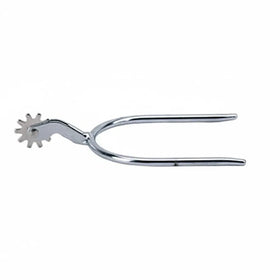
To understand how spurs work, it helps to know their basic parts. The U-shaped piece that wraps around your boot heel is called the yoke or branch. Extending from the back of the yoke is the neck, which is also known as the shank. The design of the shank, including its length and shape, is what determines the spur’s intensity and how it delivers a signal. At the end of the shank, you’ll find different tips, like a rounded knob, a flat hammerhead, or a spinning rowel. Each part plays a role in how the spur feels to the horse.
Spur Materials and Colors
When you're choosing a pair of spurs, the material is a key factor in their longevity and appearance. Most spurs you'll find are made from stainless steel, and for good reason. It’s incredibly durable, resists rust, and is simple to keep clean, which is a huge plus for any piece of tack. While silver-toned stainless steel is the classic choice, you can also find spurs with unique finishes like black, brass, or even rose gold to match your other hardware or add a personal touch to your riding attire. Some designs also incorporate rubber covers on the branches, which helps the spur grip your boot securely and prevents it from shifting while you ride.
Essential Accessories: Spur Straps
A pair of spurs isn't complete without the right straps to hold them in place. These essential accessories wrap through the slots on the spur and around your boot to ensure they sit correctly on the heel. You have a few options when it comes to materials. Leather spur straps offer a timeless, traditional look that’s perfect for the show ring and softens with use. For everyday riding or wet conditions, synthetic materials like rubber or nylon are fantastic because they’re durable and easy to wipe clean. Braided nylon straps also come in a variety of colors if you want to express a little personality. No matter which material you choose, a well-fitted strap is crucial for keeping your spur secure and effective.
How Spurs Refine Your Leg Aids
Spurs act as an extension of your leg, allowing you to be more specific with your cues. Instead of a broad press with your entire calf, you can use a light touch from the spur to target a precise area on your horse’s side. This helps guide their movement, influence their speed, and improve their overall responsiveness. When you can communicate with such precision, you build a stronger connection and trust with your horse. The goal is to make your aids so subtle that it looks like you’re doing almost nothing at all, creating a seamless picture of teamwork.
A Guide to Different English Spur Types
Spurs are not a one-size-fits-all tool. When you start looking at them, you'll find a surprisingly diverse world of designs, each offering a different way to communicate with your horse. The shape of the shank (the arm that extends from the heel), the style of the end, and even the material can change how your leg aid is received. Think of it like choosing the right words in a conversation; some situations call for a whisper, while others need a clear, direct statement.
Understanding these differences is the first step to choosing the right pair for you and your horse. The goal is always to make your cues clearer, gentler, and more effective, not harsher. From the popular Prince of Wales, a great all-around option, to the more specialized Swan Neck used in dressage, each type serves a unique purpose. Whether you're training a young horse, competing in a specific discipline, or simply working on refining your aids, there's a spur designed to support your goals. Exploring the different types of horse tack can feel like a lot, but we're here to break it down. Let's look at some of the most common styles you'll find and what makes each one unique.
Prince of Wales Spurs
If you've seen English spurs, you've likely seen the Prince of Wales style. It's one of the most common types for a reason. These spurs feature a simple, flat-ended, and blunt shank that offers a gentle but clear cue. They are an excellent starting point for riders new to using spurs and are versatile enough for almost any discipline. The design provides a mild nudge, making it a great tool for encouraging forward movement or adding precision to a leg aid without being too sharp. Because of their straightforward and effective nature, Prince of Wales spurs are a staple in many riders' tack trunks, suitable for everyday schooling and competition alike.
Prince of Wales Tom Thumb Variation
A popular offshoot of the classic Prince of Wales is the Tom Thumb variation. The main difference is its shorter shank, which makes it an even milder option. This design is ideal for riders with long legs who might find a standard-length spur makes contact too easily, or for horses that are very sensitive to leg aids. Because the shank is shorter, it requires a very precise and quiet leg to apply the cue, making it a great tool for riders who have already developed good leg stability. Like the standard version, it features a blunt, flat end, ensuring the communication remains gentle. These spurs are perfect for fine-tuning your aids without adding unnecessary pressure.
Swan Neck Spurs
Swan Neck spurs are easily recognizable by their elegant, upward-curving shank. This unique shape is designed to sit higher on the horse's side, which is particularly useful for riders with long legs or those riding in a long-legged dressage position. The curve allows the rider to apply a very precise and subtle cue with just a small movement of the heel, eliminating the need to lift the entire leg. This design is favored in disciplines like dressage, where refined contact and quiet communication are essential for performing complex movements. If you're looking for a tool that helps you deliver nuanced aids without disrupting your leg position, the Swan Neck might be the perfect fit.
Rowel Spurs
Rowel spurs feature a small, rotating wheel or disk at the end of the shank. While they might look intimidating, the points on an English rowel are typically dull and designed to roll across the horse's side rather than poke. This rolling action provides a very distinct and precise signal, making it a highly communicative tool. Because the effect can be more specific than a blunt spur, rowels are generally favored by experienced riders with a steady leg and independent seat. They allow for a more nuanced application of the aid, which is helpful for advanced training where subtle cues make all the difference. It's a tool that requires a soft touch and good control.
Ball Point and Roller Spurs
For horses that are particularly sensitive or just need a little encouragement, Ball Point or Roller spurs are an incredibly gentle option. Instead of a traditional shank end, these spurs have a smooth, round ball or a small roller that glides across the horse's side. This design distributes pressure over a wider surface area, making the cue very soft and mild. It’s an excellent choice for riders who want the presence of a spur to refine their leg position but need to give the softest possible signal. If your horse tends to overreact to sharper aids, a Ball Point spur can provide that gentle reminder to move forward or sideways without causing any anxiety or discomfort.
Knob and Hammer Spurs
Knob and Hammer spurs are designed for directness. The Knob spur has a simple, rounded end, while the Hammerhead style has a wider, squared-off end. Both provide a clear, direct pressure when applied. These styles are considered stronger than a Prince of Wales because the contact area is more defined. They are often used by riders who need a more assertive cue for a horse that might be less responsive to a softer leg aid. The key is that the pressure is blunt, not sharp. It’s a tool for getting a clear response when a subtle nudge isn't quite enough, ensuring your communication is understood without ambiguity.
Dummy and Le Spur Styles
Dummy spurs are the gentlest option available, designed to be almost entirely non-intrusive. They feature a very short, rounded, or blunt nub instead of a shank, providing minimal contact. So, why use them? They're perfect for riders who want to maintain a correct leg position but have a horse that doesn't need any extra encouragement. They are also great for getting a young or sensitive horse accustomed to the feeling of a spur without any real pressure.
The Le Spur, sometimes called an Impulse spur, offers a completely different design. Instead of a shank, these spurs have small, dull teeth built into the inside of the heel band. This allows you to apply a cue by simply squeezing your heel against the horse's side, without needing to turn your foot. It’s a unique tool for riders who need a quick, subtle signal.
Slip-On Spurs
For riders who value convenience, Slip-On spurs are a fantastic solution. Instead of dealing with traditional straps, these spurs are designed to slide directly onto the heel of your riding boot, making them incredibly easy to put on and take off. This design is perfect for riders who may not need a spur for their entire ride—perhaps just for schooling in the arena but not on the trail. They also offer great flexibility for trainers or riders who work with multiple horses, allowing you to quickly switch your equipment as needed. This practical approach lets you tailor your aids to the specific horse or exercise at hand without any fuss, making them a smart addition to any tack collection.
Humane Spurs
While any spur should be used humanely, some designs are specifically created with extra gentleness in mind. These are often called "humane spurs." This category includes styles like the Ball Point or Roller spurs we mentioned earlier, which are designed to be exceptionally mild. They feature rounded ends or soft rollers that glide across the horse's side, distributing pressure evenly and preventing any sharp pokes. The purpose is to offer a gentle reminder that enhances your leg aid without causing discomfort or anxiety. Choosing one of these spurs is an excellent option for sensitive horses, young horses, or for riders who want to ensure their communication remains as soft as possible.
Shop This Post

Featured in this article
Weaver Leather Women's 21st Century Stainless Steel Spurs - 1" Shank, 3/4" Band
$56.99
Shop Now →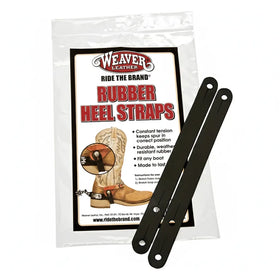

How Spurs Improve Communication with Your Horse
When used correctly, spurs are not about making a horse go faster. Instead, they are a tool for refining the conversation you’re already having with your leg aids. Think of them as a way to add nuance and clarity to your cues, much like using a specific word instead of a vague gesture. For a rider with quiet, independent legs, spurs can help ask for more precise movements, like encouraging a horse to step under themselves for better collection or to move their hindquarters with more accuracy.
The goal is to create a more responsive and harmonious partnership. By providing a clear and specific point of contact, spurs can help your horse better understand what you’re asking. This reduces confusion and can even lead to a lighter, more responsive horse over time, as they learn to react to subtle leg pressure without needing the spur’s touch. It’s all about enhancing the aids you already have, making your horse tack work with you to build a stronger connection. Ultimately, spurs should support a quiet leg and a willing equine partner, not replace good horsemanship.
Matching Spur Pressure to Your Horse's Needs
Every horse is an individual, and their sensitivity to pressure varies greatly. Some horses are thin-skinned and react to the slightest touch, while others have a duller response and may need a clearer signal. The key is to match the type of spur and the pressure you apply to your horse’s specific needs. Using a spur that’s too severe for a sensitive horse can create anxiety and resistance, while using one that’s too mild on a less responsive horse might be ignored completely.
As equestrian professionals often advise, "choosing the right spur requires balancing the horse’s sensitivity, rider experience, and riding discipline." It’s a delicate balance that requires careful observation. Always start with the mildest option possible and work closely with a trainer to gauge your horse’s reaction. This ensures the spur remains a tool for clear communication, not a source of discomfort or confusion for your partner.
Giving Clearer Cues in Your Discipline
Spurs act as an extension of your leg, allowing you to give more precise and localized cues. Instead of a broad squeeze with your entire calf, a spur lets you apply a light touch to a specific spot on your horse’s side. This precision is invaluable across all English disciplines. For a dressage rider asking for a half-pass, a spur can help isolate the cue that asks the hind legs to cross over. For a jumper, a quick touch can encourage a horse to stay straight in a combination or move off the leg on a tight turn.
This clarity helps eliminate ambiguity for your horse. When your cues are distinct and easy to understand, your horse can respond more quickly and confidently. As a tool for communication, spurs can extend the rider’s leg to guide the horse’s movement and responsiveness with greater accuracy, leading to a more polished and effective performance.
Using Spurs for Advanced Movements
As you and your horse progress to more advanced work, the required cues become more subtle. Complex movements like pirouettes, flying changes, or extensions demand a high degree of collection and engagement from the hindquarters. Spurs allow you to ask for this engagement with a very quiet, almost invisible aid. This is crucial because a large or disruptive leg movement can throw your horse off balance and disrupt the flow of the maneuver.
When used correctly, spurs can enhance the subtle communication needed for top-level performance. A light touch can remind your horse to stay active behind or to maintain impulsion through a difficult exercise without you having to use a stronger, less refined leg aid. This refinement helps you and your horse execute advanced movements with more grace, power, and precision, strengthening your partnership along the way.
How to Choose the Right English Spurs
Picking the right pair of spurs is a personal decision that depends on you, your horse, and what you’re trying to achieve together. Think of it less like buying a standard piece of equipment and more like finding the perfect communication tool. The goal is always to use the lightest pressure necessary to get a response, making your aids clearer and more precise. It’s not about making your horse go faster, but about refining the conversation you’re already having through your leg.
Choosing the right spur involves a careful balance of several factors. You need to consider your horse’s personality and sensitivity, your own experience in the saddle, the specific demands of your riding discipline, and of course, a proper fit. Getting this combination right ensures that spurs remain a tool for refinement, helping you have clearer and more subtle conversations with your horse. If you’re ever unsure, discussing your options with a trusted trainer is one of the best steps you can take. They can offer personalized advice based on watching you and your horse work together, which is invaluable when you're trying to make the best choice for your partner.
Start with Your Horse's Temperament
Every horse is an individual, and the first step in choosing a spur is to think about your horse’s unique sensitivity. Is your horse forward-thinking and sensitive to a light touch of your leg? Or are they a bit more laid-back and sometimes need a clearer reminder to pay attention? A horse that is more sensitive will need a much milder spur.
For these horses, a simple knob or a rounded ball point spur provides a gentle nudge. The idea is to add a touch of clarity, not to create a bigger reaction. For a horse that is less sensitive to leg aids, a slightly more defined spur, like a Prince of Wales, might be appropriate. The key is to match the spur to your horse’s needs, ensuring your cues are understood without causing irritation or anxiety.
Be Honest About Your Rider Skill Level
Before you even add spurs to your horse tack, it’s important to do an honest self-assessment. Spurs are designed to refine your leg aids, which means you need to have a steady, independent leg first. If your lower leg isn't quiet, you risk accidentally poking your horse, which can lead to confusion, frustration, or even dulling their response to your leg.
If you’re a novice rider, it’s often best to focus on developing your seat and leg position without spurs. As you become more experienced, you can introduce a very mild pair, like a dummy spur, under the guidance of your instructor. The most effective riders use spurs with precision and intention, and that level of control comes from a strong foundation and a stable position in the saddle.
Match Your Spurs to Your Riding Discipline
The type of riding you do plays a big role in which spurs are appropriate. Different disciplines have their own standards and regulations, so what works for a dressage rider might not be suitable for someone in the hunter ring. For example, dressage often allows for a wider variety of spurs, including some rowel styles, to help with the precise cues needed for advanced movements.
In contrast, show jumping and eventing often call for spurs that are effective but won’t get in the way. It’s crucial to check the rulebook for your specific discipline before heading to a show. This ensures your equipment is legal for competition and appropriate for the tasks you’ll be asking your horse to perform. Choosing a spur that aligns with your discipline’s expectations helps you stay focused on your performance.
How to Get the Perfect Spur Fit
Once you’ve decided on a style, making sure your spurs fit correctly is the final piece of the puzzle. An ill-fitting spur can be just as problematic as the wrong type. Your spurs should sit comfortably on the spur rest of your riding boots. They shouldn’t be so tight that they pinch or so loose that they slide down your heel.
A good rule of thumb is that the spur should be slightly wider than the heel of your boot. This allows for a small amount of movement, so the spur can fall away when not in use. When you put them on, they should feel secure but not restrictive. Taking a moment to ensure a proper fit makes them more comfortable for you and more effective as a communication tool.
Understanding Sizing and Price Ranges
When you're ready to choose a pair of spurs, getting the sizing right is just as important as picking the style. Spurs should fit snugly on the spur rest of your boot, but not so tight that they pinch. A good guideline is to find a pair that's slightly wider than your boot's heel, allowing them to sit securely without sliding around. This ensures they're there when you need them and fall away when you don't. As for price, you'll find that the cost can vary significantly. Basic styles are very affordable, while more intricate designs made from premium materials can be a bigger investment. For instance, some simple English spurs can be found for under $10, while specialized pairs can cost over $100. Exploring the different spurs and spur straps available will give you a good sense of what fits your needs and budget.
Top English Spur Brands for Every Rider
When you’re ready to buy a pair of spurs, you’ll find a lot of options out there. Investing in a pair from a trusted brand ensures you get a well-made, durable tool that’s designed with both horse and rider in mind. Different brands are known for different things, from cutting-edge designs to budget-friendly reliability. We’ve gathered a few of our favorites to help you find the perfect match for your needs.
Our Top Picks for English Spurs
Here are four brands that consistently deliver quality, performance, and value. Whether you're a seasoned competitor or a weekend rider, you'll find a great option among these trusted names in the equestrian world.
Herm Sprenger
Herm Sprenger is a name you’ll hear often in the equestrian community, and for good reason. This German brand is famous for its exceptional quality and innovative designs that prioritize clear, gentle communication. They are particularly well-known for their Ultra Fit Spurs, which are crafted to fit perfectly on your boot and prevent slipping or rubbing. This secure fit means your cues are more precise and your horse is more comfortable. If you’re looking for a top-of-the-line spur that’s built to last and designed with incredible attention to detail, Herm Sprenger is an excellent choice for any piece of horse tack.
Stübben
With a long history of fine craftsmanship, Stübben is another top-tier brand that riders trust. Their spurs are known for being incredibly durable and effective, making them a staple in many tack rooms. Stübben offers a variety of classic styles, including the popular Swan Neck and Rowel spurs, which are favored by riders who need precision and refinement in their aids. The brand focuses on creating balanced, effective tools that feel like a natural extension of your leg. When you choose Stübben, you’re investing in a piece of equipment that combines traditional quality with reliable performance for years of riding.
Korsteel
If you’re looking for a dependable and affordable option, Korsteel is a fantastic choice. This brand proves that you don’t have to break the bank to get a quality pair of spurs. Korsteel offers a wide range of popular designs, from the gentle Prince of Wales to the more assertive Hammerhead, catering to many different riding styles and horse temperaments. They are a go-to for everyday riders, lesson programs, and anyone who needs a solid, no-fuss tool that gets the job done. Korsteel spurs are a practical and reliable addition to any rider’s collection.
Centaur
Centaur strikes a great balance between functionality, style, and value. This brand is known for producing spurs that are not only effective but also comfortable and easy to use. Their designs focus on enhancing the connection between you and your horse, allowing for subtle and clear communication. Centaur offers a solid selection of spurs that are suitable for various disciplines, making them a versatile choice for many riders. You can find their products among our best-selling products because they consistently deliver the quality and performance that riders expect. They are a great option if you want a stylish, well-made spur that performs reliably.
Browse our full range of English spurs to find the right style, shank length, and rowel type for your discipline.
Toklat
Toklat is a brand that truly understands the partnership between horse and rider, known for its commitment to quality and innovation. Their spurs are designed to enhance communication, featuring ergonomic shapes that prioritize both rider comfort and clear functionality. This focus makes them a great fit for riders at any level. Toklat uses durable materials, so you can trust that their spurs will hold up to the demands of regular riding while still providing effective, gentle cues. If you’re looking for a well-designed spur that feels like a natural extension of your leg, Toklat offers reliable options that help refine your aids with precision and care.
M. Toulouse
For riders who appreciate a touch of elegance without sacrificing performance, M. Toulouse is a perfect choice. This brand beautifully combines traditional craftsmanship with modern, stylish designs. Their spurs are crafted with incredible attention to detail, ensuring they not only look great but also function flawlessly as a communication tool. M. Toulouse offers a variety of spur types, making it easy to find the right fit for both novice and experienced riders. Their blend of style and functionality has made them a favorite for those who want their equipment to perform well and reflect a sophisticated aesthetic in the ring.
Weaver Leather
Weaver Leather has earned its reputation as a trusted name in the equestrian community by consistently producing durable and reliable products. Their spurs are designed with the everyday rider in mind, offering a range of styles that cater to horses with different levels of sensitivity. What makes Weaver Leather so popular is their ability to offer excellent quality at an affordable price point, making them a go-to for professionals and amateurs alike. Their commitment to solid craftsmanship ensures you get a functional and effective communication aid that you can depend on, making them a smart addition to your collection of spurs and spur straps.
Using and Caring for Your English Spurs
Once you've chosen the right spurs, it's just as important to know how to use them correctly and keep them in great shape. Proper use is all about clear communication and respect for your horse, while regular care ensures your equipment stays reliable and safe. Think of it as part of your commitment to being a thoughtful and effective rider.
Use Spurs as a Tool, Not a Punishment
It’s easy to misunderstand the purpose of spurs, but here’s the most important thing to remember: they are tools for communication, not punishment. Think of them as an extension of your leg, used to give subtle, precise cues. When you apply a spur, you’re refining a leg aid to guide your horse’s movement, speed, and responsiveness. It’s a quiet conversation, not a loud command. Using spurs harshly or out of frustration can damage your horse’s trust and create anxiety. Instead, focus on using light, brief contact to support your leg aids. Monitoring these signals and adjusting your spur use ensures your horse’s welfare and keeps your partnership strong.
How to Keep Your Spurs in Top Condition
Keeping your spurs in top condition is a simple but essential part of your tack care routine. Regular cleaning prevents rust and ensures any moving parts, like those on rowel or roller spurs, function smoothly. After each ride, take a moment to wipe them down with a soft, dry cloth to remove sweat and dirt. For a deeper clean, you can use a mild soap solution and a soft brush, but be sure to dry them completely to prevent rust. While you’re at it, give your spur straps a quick check for any signs of cracking or wear. A little maintenance goes a long way in preserving your horse tack and keeping you and your horse safe.
Are Your Spurs Competition Legal?
If you plan to compete, knowing the rules for your discipline is non-negotiable. Different riding styles have specific regulations for spurs, and what’s acceptable in a dressage test might not be allowed in a jumper class. For example, some disciplines have strict limits on the length of the shank or the type of rowel that can be used. Before you head to a show, always check the official rulebook for your governing organization, like the United States Equestrian Federation (USEF). Showing up with illegal equipment can lead to elimination, and it’s a frustrating mistake that’s easy to avoid with a little preparation. When in doubt, ask your trainer or a show official.
Related Articles
- English Spurs on Boots Guide | Hooves & Paws
- How to Fit English Spurs on Boots: A Simple Guide
- Horse Spurs 101: The Ultimate Buyer's Guide
- Equestrian Spurs for Sale: A Buyer's Guide
Frequently Asked Questions
Are spurs cruel to the horse? When used correctly by a rider with a steady leg, spurs are not cruel. They are a tool for refining communication, not for punishment. Think of it this way: any piece of equipment can be used harshly. The problem isn't the tool itself, but how it's applied. The goal with spurs is to use the lightest touch possible to add clarity to your leg aid, creating a more subtle and precise conversation with your horse.
How do I know if I'm ready to start using spurs? The most important prerequisite for using spurs is having a quiet, independent leg. This means your lower leg doesn't move unintentionally when you use your seat or hands. If your leg still swings or grips for balance, you risk accidentally jabbing your horse and causing confusion. A great way to know if you're ready is to discuss it with your trainer, who can give you an honest assessment of your position and control in the saddle.
My horse can be lazy. Will spurs fix this? Spurs are not a magic button to make a horse go forward. Their purpose is to refine the aids you already have, not to create motivation. If your horse seems unresponsive to your leg, it's important to first rule out other issues like saddle fit, physical discomfort, or training gaps. Once those are addressed, spurs can help make your leg cue clearer, but they won't solve an underlying problem that's causing the lack of energy.
Which type of spur is the mildest to start with? If you and your trainer decide you're ready, it's always best to start with the gentlest option. Dummy spurs, which have just a small, blunt nub, are the mildest choice and are great for getting a horse used to the feel. Ball Point or Roller spurs are also incredibly gentle because they glide across the horse's side. These options allow you to refine your leg position without applying any sharp pressure.
How should my spurs fit on my boots? A proper fit is key for both comfort and effectiveness. Your spurs should rest securely on the spur rest of your boot heel without sliding up or down. They should be snug enough not to move around, but not so tight that they pinch your boot. A good guideline is to have the spur's opening be just slightly wider than your heel, which allows it to fall away naturally when you aren't actively using it.


