


A great helmet should feel like it's barely there. It does more than just protect you in a fall; it impacts your comfort and focus on every single ride. For those who spend long hours under the sun, the right western helmet brim is a total game-changer. It provides crucial shade for your face and neck, cuts down on glare, and helps keep you cool. This lets you concentrate on the trail ahead. We’re here to help you find a helmet that goes beyond safety ratings to enhance your entire riding experience.
Key Takeaways
- Confirm your helmet is certified for safety: Always look for the ASTM/SEI certification sticker inside any helmet you consider. This is your guarantee of tested protection, and features like MIPS technology can offer an even greater level of safety.
- Get the right fit by measuring first: A helmet only works if it fits correctly, so measure your head and compare it to the brand's specific sizing chart. Your helmet should feel snug and secure, with no wobbling or uncomfortable pressure points.
- Opt for a brim for function and style: A Western helmet with a brim provides excellent sun and rain protection, which improves your comfort and visibility. It’s the best way to get that classic look you love without compromising on modern safety standards.
Our Top 5 Western Riding Helmets with Brims
Finding the right helmet is the most important gear decision you’ll make as a rider. You need something that keeps you safe, feels comfortable after hours in the saddle, and fits your personal style. For a long time, Western riders felt they had to choose between a traditional cowboy hat and a certified helmet. Thankfully, that’s no longer the case. The best Western riding helmets with brims give you the best of both worlds: ASTM/SEI-certified protection and a classic look that provides great sun coverage.
We know how overwhelming it can be to sort through all the options. That’s why we’ve done the research for you. We looked at safety features, comfort, rider reviews, and overall value to pick our top five favorites. Whether you’re hitting the trails for a weekend ride or getting ready for a show, there’s a helmet on this list for you. Let’s find the perfect one to add to your horse tack collection.
Troxel Rebel Western Helmet
If you love to show off your personality, the Troxel Rebel is for you. It’s one of the most popular helmets on the trail, and for good reason. Troxel offers the Rebel in a bunch of fun, stylish designs, from bold graphics to more understated patterns. But it’s not just about looks. This helmet is lightweight and features the DialFit system, which makes it easy to get a snug, secure fit with a quick turn of a dial. With great ventilation to keep you cool, it’s a comfortable and fashionable choice for everyday riding.
Troxel Spirit Western Helmet
The Troxel Spirit is another fantastic option that delivers on safety and style without a high price tag. It’s a bit more streamlined than the Rebel but still offers a variety of colors and finishes to match your gear. The Spirit is known for its low-profile design, which means it won’t feel bulky on your head. It also includes excellent ventilation and an adjustable fit system to ensure it stays put. It’s a reliable, no-fuss helmet that’s perfect for riders who want a classic Western look combined with modern, certified protection.
IRH F1 Wide Brim Riding Helmet
For riders who spend long days under the sun, the IRH F1 Wide Brim is a game-changer. Its standout feature is the extra-wide, flexible brim that provides amazing sun protection for your face and neck. Beyond the brim, this helmet is built for comfort. It has a moisture-wicking liner to keep you dry and front vents to maximize airflow. Riders consistently praise its secure, comfortable fit and durable build. If you’re looking for a helmet that works hard to keep you cool and protected, the IRH F1 is an excellent investment.
Tipperary Western Wide Brim Helmet
The Tipperary Western Wide Brim is a favorite among riders who want a helmet that feels like it was made just for them. It’s known for its exceptionally comfortable, low-profile fit that cradles your head without feeling restrictive. The design is sleek and subtle, making it a great choice for both schooling and showing. The integrated wide brim offers great sun coverage while maintaining a polished look. This helmet is a top pick for its quality construction and the sense of security it provides, allowing you to ride with confidence and focus on what matters most.
Charles Owen Western Pro II
When safety and performance are your top priorities, the Charles Owen Western Pro II is in a class of its own. This premium helmet combines a sophisticated, traditional look with advanced safety technology. It features a soft, leather-look harness and a classic Western-style brim. Inside, it’s packed with features designed for a superior fit and feel, including a comfortable, cushioned liner. Charles Owen is a leader in equestrian safety, and this helmet is one of the most popular riding helmets for serious riders who want the highest level of protection without compromising on style.
How to Choose the Right Western Helmet with a Brim
Choosing the right Western helmet is about more than just finding one that looks good with your favorite boots. It’s about finding a piece of gear that keeps you safe, comfortable, and protected from the elements. With so many options out there, it helps to know exactly what features make a helmet great. When you’re shopping, focus on four key areas: safety certifications, brim design, fit system, and ventilation. Nailing these details will ensure you get a helmet you’ll love to wear on every ride, from a quick loop around the pasture to an all-day trail adventure.
Safety First: Understanding Certifications and MIPS
This is the most important factor, hands down. A helmet’s primary job is to protect your head, so you want one that’s been proven to do so. Always look for an ASTM/SEI certification sticker inside the helmet. This means the helmet has passed rigorous testing for impact resistance and stability. An ASTM/SEI-certified helmet has gone through intense testing for impact absorption and retention, ensuring it can take a hit and will stay on. For an added layer of protection, consider a helmet with MIPS (Multi-directional Impact Protection System). This technology is a low-friction layer inside the helmet that allows for a slight sliding movement on impact, which can reduce the harmful rotational forces that cause concussions. When it comes to your safety, these certifications are non-negotiable features in your horse tack.
Get More Sun Protection with the Right Brim Design
One of the biggest draws of a Western-style helmet is the wide brim, and for good reason. It offers fantastic sun protection for your face, ears, and neck, which is a game-changer on long, sunny rides. Many riders who switch to a brimmed helmet often say they could never go back to a skinny, traditional brim. When looking at different models, pay attention to the brim’s construction. Some are fully integrated and rigid, while others are more flexible or even detachable. A wider, more substantial brim provides maximum shade and can help reduce glare, improving your visibility. Think about the kind of riding you do most often to decide if a fixed or flexible brim is the better fit for your needs.
Insist on an Adjustable Dial-Fit System
A helmet can only protect you if it fits properly, and a dial-fit system is one of the best ways to get a secure, customized fit. You’ll typically find a small dial on the back of the helmet that tightens or loosens an internal harness. This allows you to fine-tune the fit to the exact shape of your head, preventing the helmet from shifting, wobbling, or sliding down over your eyes while you ride. This feature is also incredibly practical. It makes it easy to adjust for different hairstyles, like a low ponytail, or to accommodate a thin liner for warmth during cold-weather rides. A snug, comfortable fit is essential for safety, and a dial system makes achieving that fit simple and precise.
Stay Cool with a Lightweight, Ventilated Design
Let’s be honest, no one wants to wear a helmet that feels heavy or makes them overheat. Modern helmets are designed with comfort in mind, using lightweight materials that don’t sacrifice safety. A lighter helmet reduces strain on your neck and shoulders, making it much more comfortable for extended periods in the saddle. Ventilation is just as important, especially if you ride in a warm climate. Look for helmets with multiple air vents strategically placed to promote airflow and keep your head cool. A well-ventilated helmet wicks away sweat and prevents you from feeling stuffy. When a helmet is this comfortable, you’re more likely to wear it every single time you ride. You can find some great comfortable options in our collection of best-selling products.
Find a range of certified brim-style options in our riding helmets and safety collection, designed for western riders who want protection without sacrificing style.
Why Certified Helmets Look Different Than Cowboy Hats
A traditional cowboy hat is an iconic part of Western style, offering great shade from the sun. But when it comes to riding, its job ends there—a cowboy hat provides zero protection in a fall. This is the fundamental reason certified helmets look different. Their primary job is safety. To earn an ASTM/SEI certification, a helmet must be built with a hard outer shell and an impact-absorbing liner designed to protect your head from serious injury. Manufacturers now blend this necessary function with the classic Western aesthetic by adding wide brims for that familiar look and sun coverage. The core structure, however, will always be that of a protective helmet, not a felt or straw hat. It’s the best way to get the style you love without compromising on the safety you need in your riding helmet.
Shop This Post

Featured in this article
Troxel Dakota Western Riding Helmet - Matte Duratec, ASTM/SEI Certified, SureFit Pro - Multiple Sizes
$104.99
Shop Now →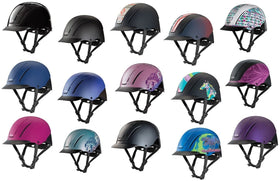
How to Find Your Perfect Helmet Size and Fit
Finding a helmet that fits perfectly is the most important step in choosing the right one. A poor fit can be uncomfortable at best and unsafe at worst. The goal is a snug, secure feel without any pressure points or wobbling. It might sound tricky, but it’s actually pretty straightforward once you know what to do. Taking a few minutes to measure correctly will ensure your helmet can do its job, keeping you safe and comfortable whether you’re on the trail or in the ring. Let’s walk through the three simple steps to find your perfect fit.
How to Properly Measure Your Head
First things first, you need to know your head size. Grab a soft, flexible measuring tape for the most accurate result. If you don’t have one, a piece of string and a ruler will work just fine. Wrap the tape or string around the widest part of your head, which is typically about an inch above your eyebrows and ears. Make sure the tape is level all the way around. This measurement, usually in centimeters or inches, is the number you’ll use to find your helmet size. Getting this right helps you select a helmet that fits your head shape and ensures any horse tack you wear with it, like a western brim cover, sits properly.
How to Read a Manufacturer's Sizing Chart
Once you have your measurement, you can start looking at helmets. Every brand has its own sizing chart, so it’s essential to check the specific chart for the helmet you’re interested in. A “medium” in one brand might be a “large” in another. The chart will match head circumference measurements to the corresponding helmet size (e.g., Small, Medium, Large). Many of our best-selling products include advanced safety features, so look for things like a “Dial-Fit” system for easy adjustments or “MIPS” technology. MIPS is a special liner that helps reduce rotational forces on the brain during certain types of impacts, adding an extra layer of protection.
How to Test for a Secure and Comfortable Fit
When your helmet arrives, it’s time to test the fit. Place it on your head so it sits level, not tilted back or forward. It should feel snug all around, with firm, even pressure. A great way to check this is to put it on without fastening the chin strap and gently shake your head side-to-side. The helmet shouldn’t slide around. If it has a dial on the back, you can use it to fine-tune the fit until it feels secure. The helmet should also be comfortable, with padding that doesn’t create pressure points. Finally, fasten the chin strap. You should be able to fit one or two fingers between the strap and your chin for a secure but comfortable fit.
Other Western Helmet Brands and Styles to Consider
While our top picks represent some of the best ready-to-wear options on the market, the world of Western head protection doesn't stop there. Many riders are looking for something that pushes the boundaries of style or offers a more customized approach. From brands that specialize in hat-like designs to creative DIY solutions, there are several other avenues to explore. It’s all about finding the right balance of safety, comfort, and personal expression for your time in the saddle. If you're curious about what else is out there, these alternative styles and brands are worth knowing about as you search for the perfect addition to your collection of horse tack.
Resistol Western Helmets
Resistol is a name that’s deeply respected in the world of traditional cowboy hats, and they’ve brought that expertise into the helmet space. Their helmets are specifically designed to mimic the look and feel of a classic felt hat, which many riders appreciate. They often feature unique shapes and finishes that you won’t find with other brands. However, the aesthetic can be polarizing. Some riders feel the designs, while innovative, still look a bit funky compared to a traditional hat. If you’re looking for a certified helmet that gets as close as possible to a cowboy hat silhouette, Resistol is definitely a brand to check out.
Custom Hat-Style Helmets
For riders who want the absolute best of both worlds and are willing to invest in a custom solution, there are companies that specialize in building helmets that look nearly identical to Western hats. These are not just covers; they are fully integrated, certified helmets crafted to your specifications. For example, there are specialty manufacturers that can create a helmet that blends safety technology with traditional aesthetics seamlessly. This is a premium option that offers a truly personalized look without compromising on protection, perfect for the serious competitor or anyone who refuses to settle for anything less than their exact vision.
Under-Hat Shells
You may come across products called under-hat shells, which are essentially hard fiberglass inserts designed to be worn underneath a regular cowboy hat. While they might seem like a simple solution, it’s critical to understand their limitations. These shells can offer a minimal degree of protection from a small bump, like knocking your head on a low-hanging branch. However, they are not ASTM/SEI-certified and do not provide the impact absorption necessary to protect you in a fall. Think of them as a step above wearing nothing, but they are not a safe substitute for a proper riding helmet.
Customizing Your Helmet for a Western Look
Maybe you already own a certified helmet you love, or you’ve found a great, comfortable model that just doesn’t have that Western flair you’re looking for. The good news is, you don’t have to start from scratch. There are plenty of ways to customize a standard equestrian helmet to give it a Western-inspired look. From simple add-ons that provide extra sun protection to creative DIY projects, you can easily transform your gear. These solutions allow you to prioritize the fit and safety of your chosen helmet while still achieving the style you want for the trail or show ring.
Add-On Brims and Helmet Covers
One of the easiest and most popular ways to get a Western look is by using an add-on brim or a helmet cover. These accessories are designed to fit over most standard helmet models, instantly changing their appearance. A high-quality cover can make your schooling helmet look like a completely different piece of gear, while an add-on brim gives you that classic wide-brimmed silhouette along with functional sun protection. This approach is budget-friendly and versatile, allowing you to switch up your style whenever you want without needing to own multiple helmets.
Detachable Brims
A detachable brim is a fantastic accessory that offers both style and function. Products like the Troxel Helmet Brimmer™ allow you to add a wide, 4.5-inch palm leaf brim to your existing helmet. It attaches securely but can be easily removed, giving you the flexibility to use it when you need extra sun protection and take it off when you don’t. This is a perfect solution for riders who want maximum shade on sunny trail rides but prefer a more traditional look for arena work. It’s a simple, effective way to make your helmet more versatile.
Western Hat Helmet Covers
If you want to completely transform your helmet, a Western hat cover is the way to go. You can find a huge variety of these covers on platforms like Etsy, designed to look like everything from a classic felt cowboy hat to a straw hat. These fabric covers slip over your certified helmet, giving you the full aesthetic of a Western hat while your head stays protected by modern safety technology. It’s a clever and affordable way to get the look you love without any of the safety compromises of wearing a non-certified hat.
DIY 'Hellhat' Solutions
For the crafty equestrian, the "hellhat" has become a popular DIY project. The concept involves combining a certified helmet with the brim of a real cowboy hat to create a custom, one-of-a-kind piece of headwear. This approach gives you complete control over the final look, from the shape and size of the brim to the color and style. While it requires a bit of work, the result is a helmet that perfectly marries your personal style with the non-negotiable safety of a certified helmet. It’s the ultimate expression of function-meets-fashion for the modern Western rider.
How Much Should You Expect to Spend on a Western Helmet?
When you start shopping for a new Western helmet, you’ll notice that prices can vary quite a bit. It’s not just about the brand name; the cost often reflects the materials, safety technology, and comfort features packed into the helmet. Think of it as an investment in your safety and comfort in the saddle. A higher price tag can mean advanced impact protection systems, lighter and more durable materials, better ventilation for hot days, and more sophisticated fit systems that keep the helmet perfectly in place.
Deciding on your budget is a great first step. Whether you’re a weekend trail rider or a dedicated competitor, there’s a helmet out there that will meet your needs without breaking the bank. Understanding what you get at different price points will help you make a confident choice. We’ll walk through the typical budget, mid-range, and premium options so you can see what to expect and find the perfect balance of features and value for your riding style.
Budget-Friendly Options (Under $100)
If you’re just starting out or ride more casually, you can find excellent, certified helmets for under $100. These options provide all the necessary safety features to protect you on the trail or in the ring. While they may not have the advanced ventilation or intricate fit systems of pricier models, they offer solid protection and comfort. You can find great entry-level Western riding helmets starting around $45, making safety accessible for every rider. They are a practical and smart choice for anyone who needs reliable head protection without a hefty price tag.
Mid-Range Helmets ($100-$200)
For riders looking for a step up in comfort and features, the $100 to $200 range offers a fantastic balance of quality and affordability. In this category, you’ll start to see helmets with superior ventilation, more comfortable and moisture-wicking padding, and adjustable dial-fit systems. That little dial on the back makes a huge difference, allowing you to customize the fit for maximum security and comfort. These helmets are often lighter and have a more streamlined design, making them some of the best helmets for Western riders who spend long hours in the saddle and want enhanced features without moving into the premium price bracket.
Premium Helmets ($200+)
When safety and performance are your top priorities, premium helmets priced at $200 and up are worth the investment. These models feature the latest in advanced safety technologies, like the MIPS (Multi-directional Impact Protection System), which is designed to reduce rotational forces on the brain during an impact. They are constructed with high-end, lightweight materials and often feature luxurious finishes and exceptional ventilation. Models like the Charles Owen Kylo or the Samshield Shadowmatt can cost over $500, but for dedicated riders, the superior protection, comfort, and durability justify the price.
Where to Find the Best Value
Finding the best value doesn’t always mean buying the cheapest helmet. It’s about getting the most important features for your money. To do this, look for helmets that are consistently well-reviewed by other riders. Often, the most popular best sellers are the ones that offer a great mix of safety, comfort, and a fair price. Models like the Ovation Deluxe Schooler or the Tipperary Sportage are frequently praised for providing reliable, certified protection and a comfortable fit that riders love, proving you don’t have to spend a fortune to stay safe and comfortable.
What Do Other Riders Say in Their Reviews?
Product descriptions can tell you a lot, but nothing beats hearing from people who have actually spent hours in the saddle wearing the helmet you’re considering. We looked through forums, product pages, and rider discussions to see what people are really saying about western helmets with brims. Think of it as getting advice from hundreds of your most knowledgeable trail buddies.
Listening to other riders helps you understand how a helmet performs in the real world. Does the ventilation actually keep you cool on a hot day? Is the fit system easy to adjust with gloves on? Does the brim offer enough shade without getting in your way? These are the kinds of practical details that reviews can answer. By learning from the collective experience of the equestrian community, you can feel much more confident in your final decision and find a helmet that you’ll love for years to come.
Rider Reviews on Comfort and Fit
When you’re spending a full day riding, comfort is key. In reviews, riders consistently praise helmets with adjustable dial-fit systems because they allow for a truly customized and secure feel. Another feature that gets a lot of positive attention is a wide, sun-shielding brim, which adds to overall comfort by keeping the sun out of your eyes. Brands like Troxel are frequently mentioned for creating comfortable designs that cater to different head shapes and riding styles. Ultimately, the best reviews highlight helmets that riders forget they’re even wearing, which is the true test of a great fit.
Rider Reviews on Safety and Durability
Safety is the number one reason to wear a helmet, and it’s a major focus in rider reviews. You’ll see experienced equestrians emphasizing the importance of choosing a helmet with an ASTM/SEI certification. This seal means the helmet has passed rigorous testing for impact absorption and will stay securely on your head during a fall. Riders often share stories of how their certified helmet protected them, reinforcing why you should never compromise on safety. Positive reviews also frequently mention durable construction, as riders want gear that can handle the demands of regular use. Checking out a store's best-selling products is often a good way to find helmets that are already trusted by the community.
Common Complaints to Look Out For
Reading the less-than-perfect reviews can be just as helpful. A common complaint you’ll see is about brims that are too skinny to offer real sun protection, which is why many riders specifically seek out wider-brimmed styles. Some riders also express concern that a very rigid brim could become a pressure point in a fall, highlighting the importance of choosing a helmet from a reputable brand that designs for safety first. Other issues that pop up include poor ventilation that leads to overheating or fit systems that loosen over time. Our team at Hooves and Paws carefully selects products to avoid these common pitfalls, because we believe in providing quality you can trust. You can learn more about our commitment on our About Us page.
Why Choose a Western Helmet with a Brim?
Let’s be honest, nothing beats the iconic look of a classic cowboy hat. But when it comes to time in the saddle, safety is always the top priority. For years, Western riders felt they had to choose between their traditional style and modern head protection. Thankfully, those days are over. Western helmets with brims give you the best of both worlds, blending that classic silhouette with the certified safety you need for peace of mind on the trail or in the arena.
These helmets aren't just about looks; they offer real, practical advantages. From shielding you from the elements to keeping your vision clear, a brimmed helmet is a smart piece of gear. It’s a functional upgrade that respects the heritage of Western riding while embracing the safety standards every rider deserves. If you're looking for a helmet that works as hard as you do, exploring options with a brim is a great place to start.
More Sun Protection on the Trail
Spending hours on the trail means significant sun exposure. A helmet with a wide brim acts like a personal shade, protecting your face, ears, and neck from direct sunlight. This is more than just a comfort feature; it’s a crucial way to guard against sunburn and reduce your risk of long-term skin damage. A good brim also cuts down on glare, helping you see the path ahead more clearly without constantly squinting. When you’re comfortable and protected from the sun, you can focus less on the heat and more on enjoying your ride and the performance of your horse tack.
Get Western Style with Modern Safety
You don’t have to give up your Western identity to stay safe. The best part about today’s brimmed helmets is how they seamlessly merge classic style with essential protection. Manufacturers have perfected designs that echo the look of a traditional cowboy hat while incorporating ASTM/SEI-certified safety features. These helmets offer the critical coverage and impact resistance you need, all wrapped in western-inspired designs with finishes like leather and suede. It’s the perfect solution for the modern rider who values both heritage and their well-being, proving you can look the part without compromising on safety.
See Clearly in Both Sun and Rain
A brim does more than just block UV rays; it’s a huge help for maintaining clear vision in all kinds of weather. On a bright, sunny day, the brim casts a shadow over your eyes, which reduces eye strain and helps you spot subtle changes in the terrain ahead. This can make a huge difference in preventing trips or missteps. When a light rain starts to fall, that same brim works to keep water from dripping into your eyes and blurring your vision. By keeping the elements out of your face, a brimmed helmet allows you to stay focused, confident, and in control, no matter what the weather decides to do.
Myths About Western Riding Helmets, Busted
When it comes to Western riding helmets, especially those with brims, there are a few persistent myths floating around the barn. These misconceptions can make it tough to decide on the right headwear for your rides. Let's clear the air and separate fact from fiction so you can choose your next helmet with confidence. From safety concerns to style debates, we'll address the most common worries riders have about making the switch from a traditional hat to a certified helmet.
Myth: The Brim Compromises Safety
A common concern is that a helmet's brim could catch on a branch or the ground during a fall, potentially causing more harm. While this might have been a valid point with older designs, it’s not something you need to worry about with today's helmets. Modern riding helmets are engineered with safety as the top priority. Manufacturers design brims that are flexible or designed to break away upon impact, ensuring they don’t interfere with the helmet's protective capabilities. You can enjoy the sun protection of a brim without sacrificing an ounce of safety.
Myth: They're Too Heavy and Hot
No one wants to feel weighed down or overheated on a long trail ride. The good news is that the days of bulky, suffocating helmets are long gone. Manufacturers now use advanced, lightweight materials and incorporate extensive ventilation systems to keep you cool and comfortable. Many helmets feature wide, sun-shielding brims that provide excellent shade without adding significant weight. You’ll find that a well-designed modern helmet is so comfortable you might even forget you’re wearing it. You can find a great selection of comfortable and safe horse tack that fits your needs.
Myth: Helmets Aren't Part of a "Traditional" Look
For many, the cowboy hat is an iconic part of the Western riding tradition, and a helmet can feel like a departure from that classic look. However, the culture around safety is shifting, and helmet designs are evolving right along with it. Many brands now offer helmets that blend seamlessly with Western aesthetics, featuring finishes like leather and suede. Some are even shaped to give you a helmet cowboy hat look, allowing you to protect your head while still fitting in with the crowd. Safety and style can, and should, go hand in hand.
Caring for Your Western Riding Helmet
Your helmet is the most important piece of gear you own, and taking good care of it ensures it can protect you when you need it most. A little routine maintenance not only keeps it looking great but also preserves its safety features and comfortable fit. Think of it as an investment in your own well-being. With just a few simple habits, you can extend the life of your helmet and ride with confidence, knowing your gear is in top condition.
How to Clean and Store Your Helmet
Keeping your helmet clean is about more than just appearances; it helps maintain the materials and comfort features that make it enjoyable to wear. For the exterior shell, a simple wipe-down with a soft, damp cloth is usually all you need. Avoid harsh chemical cleaners, as they can degrade the protective finish. Many helmets have removable liners that you can hand-wash with a mild soap. If your liner isn't removable, use a helmet-specific cleaning spray or a damp cloth to freshen it up. When you’re not riding, store your helmet in a cool, dry place away from direct sunlight. A dedicated helmet bag or a shelf is ideal for protecting it from scratches and impacts.
Know When It's Time to Replace Your Helmet
This is the golden rule of helmet safety: always replace your helmet after a fall or significant impact, even if you don’t see any damage. An ASTM/SEI-certified helmet is designed to absorb a single major impact, and the protective foam inside can be compromised without any visible signs. Beyond accidents, materials naturally degrade over time from exposure to sweat and sunlight. Most manufacturers recommend replacing your helmet every five years from the date of first use. Regularly inspect it for cracks, frayed straps, or a fit that feels loose. If you notice any of these signs, it’s time for a new one. Your safety is always worth the investment.
How to Protect the Brim from Damage
The wide brim on your Western helmet is fantastic for sun protection, but it needs a little extra care to stay in shape. To prevent it from getting bent or warped, always store your helmet on a flat surface or a proper stand, never resting on its brim. When you’re traveling to a show or the trail, a padded helmet bag is your best friend, protecting the brim from getting crushed by other horse tack. While brims are designed to be safe and functional, a damaged one can become a distraction. By handling your helmet carefully and storing it properly, you can keep the brim looking sharp and doing its job without compromising the helmet’s integrity.
Related Articles
- The Ultimate Brown Horse Riding Helmet Guide
- Troxel Dakota Western Riding Helmet
- Troxel Intrepid Western Riding Helmet
Frequently Asked Questions
How can I be sure my new helmet fits correctly? A great fit should feel snug all around your head without any specific pressure points or pinching. When you put it on, it should sit level, about an inch above your eyebrows. Before fastening the chin strap, try shaking your head gently from side to side; the helmet shouldn't wobble or slide around. Once you buckle it, you should be able to fit one or two fingers comfortably between the strap and your chin.
Are more expensive helmets really safer than budget-friendly ones? Any helmet with an ASTM/SEI certification has passed the same rigorous safety tests, so you can trust that it provides the necessary protection. The price difference usually comes down to comfort and technology. More expensive models often use lighter materials, have better ventilation systems, and include advanced features like a dial-fit system or MIPS technology for added protection against rotational forces.
Do I need to replace my helmet if I just drop it from a short distance? You should always replace your helmet after any fall where you hit your head, no matter how minor it seems. If you simply drop it from your hands onto a soft surface like grass, it's likely fine. However, a hard drop onto a surface like concrete could compromise the internal protective foam, even if you can't see any damage. When in doubt, it's always safest to replace it.
Why is an ASTM/SEI certification so important? Can't I just use another type of sports helmet? Equestrian helmets are designed and tested for the specific types of accidents that happen around horses. The ASTM/SEI certification ensures the helmet can withstand impacts from a fall from a horse's height and protect against things like a kick from a hoof. A bike helmet, for example, is built to handle very different kinds of impacts and won't provide the right protection for riding.
How do I clean the inside of my helmet, especially after a hot ride? The best way to clean the inside is to follow the manufacturer's instructions. Many helmets have a removable liner that you can hand-wash with a mild soap and let air dry completely. If the liner isn't removable, you can use a helmet-specific cleaning spray or wipe it down with a damp cloth. Letting it dry fully before your next ride is key to keeping it fresh.


