


Let's be honest: does every single ride truly require a breast collar? For a gentle warm-up in a perfectly flat arena, maybe not. But the moment you introduce a steep hill, a sharp turn, or a horse with low withers, that answer changes. A properly fitted breast collar becomes an essential tool for both stability and safety. It’s not just about keeping your saddle in place—the wrong one can cause serious discomfort or even injury. This guide will help you understand your horse’s specific needs, match a collar to your riding discipline, and get the fit just right.
This guide is designed to help you navigate the latest trends and best practices for selecting the right breast collar. We will break down the different types, materials, fit, and care tips, so you can make informed decisions for your horse’s comfort and performance.
Whether you ride trails, compete, or simply want the best for your horse, learning how to choose the ideal breast collar is essential. Use this comprehensive guide to gain confidence in your choices and keep your horse performing at its best.
We’ll cover breast collar basics, styles, materials, fitting and sizing, care, and expert tips for 2025.
What Is a Breast Collar and Why Use One?
A breast collar is more than just an accessory; it is a vital piece of tack that ensures the safety and comfort of both horse and rider. Whether you are an experienced competitor or a dedicated trail enthusiast, understanding the function and importance of a breast collar is essential for effective, secure riding.
A Brief History of the Breast Collar
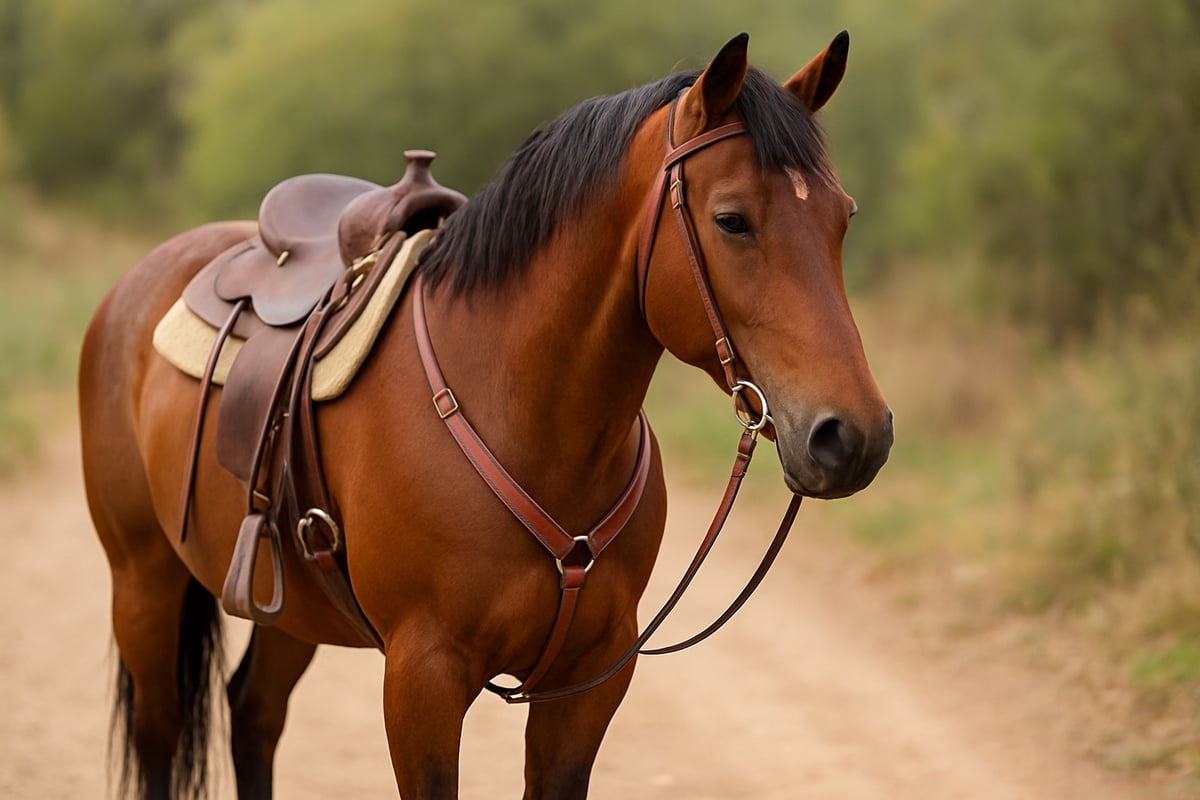
The breast collar is far from a new piece of equipment; its history goes all the way back to the 1500s with Spanish riders like Cortez. They quickly realized that rugged terrain and demanding riding required extra security to keep their saddles from sliding backward. To solve this, they developed the breast collar. Often, they used it alongside a crupper, which is a strap that fits under the horse's tail to provide even more stability. This combination of tack ensured the saddle stayed exactly where it needed to be, a principle that remains just as important for riders today. This foundational design addressed a fundamental challenge in horsemanship: maintaining equipment stability for the safety and effectiveness of both horse and rider.
As riding evolved, so did the breast collar. By the 1800s, it had become a standard-issue component of American cavalry saddles. The military depended on reliable gear that could endure long marches and intense battle conditions, and the breast collar proved essential for keeping saddles secure on varied and unpredictable ground. This historical use in such a demanding environment highlights its practical importance. In more recent times, that same need for reliability has made the breast collar a favorite in competitive events, especially in sports like contest roping. A secure saddle is critical for the explosive starts and quick maneuvers required in the arena, protecting both the horse and the rider during high-stakes performance.
Today, the design of the breast collar continues to adapt to the specific needs of modern horses and riders. We now have specialized options that go beyond the traditional Y-strap or straight-strap designs. For example, the tripping breast collar offers wider coverage across the chest to give extra support and stability, which is particularly helpful for horses that might stumble on trails or during strenuous work. Understanding this history helps us appreciate why there are so many different styles available. It’s not just about looks; it’s about a long legacy of functional design. Choosing the right piece from a collection of quality horse tack means you're selecting a tool with a purpose refined over centuries.
How a Breast Collar Works with Your Saddle
A breast collar's primary function is to prevent the saddle from sliding backward, especially when riding on uneven ground or during high-intensity activities. This tack piece keeps your gear secure by anchoring the saddle and distributing pressure evenly across the horse’s chest and shoulders.
Disciplines such as roping, trail riding, ranch work, and endurance rely heavily on the stability provided by a breast collar. For example, ropers count on this equipment to keep their saddles in place while performing fast, sharp maneuvers. Properly fitted, a breast collar safeguards against chafing and injury, making it invaluable for long rides or challenging events.
Research shows that over 75 percent of Western riders use a breast collar for added security. The right fit is crucial for comfort and performance, and expert guidance, such as that found in the Breast Collars: Adjusting for a Proper Fit resource, can help ensure your equipment meets your horse's needs.
How You and Your Horse Both Benefit
Choosing the right breast collar brings substantial advantages to both horse and rider. Safety is significantly enhanced, as the risk of saddle slippage and tack-related accidents is minimized. This is particularly important during demanding activities or when riding horses with rounded barrels.
A breast collar also improves saddle fit and balance, which is vital for horses with unique body types. By reducing the chances of tack-related injuries, it promotes long-term health and comfort. Riders benefit from increased confidence, knowing that their gear will remain secure regardless of the terrain or activity.
- Promotes even pressure distribution
- Allows natural shoulder movement
- Reduces risk of chafing and sores
For those who frequently ride in challenging environments, the breast collar is a key investment in both safety and performance.
An Essential Piece of Safety Gear
Think of a breast collar as a seatbelt for your saddle. Its most important job is to keep the saddle from sliding backward, which is a non-negotiable on steep trails or during quick maneuvers. This stability is a huge factor in preventing accidents. But it also acts as a critical backup. If your girth or cinch were to break, a breast collar gives you precious time to slow your horse and dismount safely. This added security offers invaluable peace of mind on every ride. Investing in quality horse tack isn't just about performance; it's about ensuring you and your horse are protected from preventable mishaps.
Improving Rider-Horse Communication
A secure saddle does more than just keep you safe—it helps you communicate more effectively with your horse. When a saddle fits well and stays put, your horse can move freely and comfortably without the distraction of pinching or chafing. A comfortable horse is a more responsive partner. A well-fitted breast collar contributes to this by improving the overall balance of your tack, which is especially helpful for horses with unique conformations. As a rider, you'll feel more confident and stable, allowing you to give clearer, more subtle cues. This creates a better riding experience where your horse can focus on you, not on ill-fitting equipment.
Does Your Horse Actually Need a Breast Collar?
A breast collar is especially necessary for horses with certain conformations, such as mutton withers or broad chests, where saddle slippage is more likely. It becomes indispensable during activities that involve steep inclines, fast turns, or pulling, such as ranch work or trail riding.
While some riders may opt out of using a breast collar for flat arena work, many find the extra security invaluable on varied terrain. For example, trail riders tackling hilly paths benefit from the added stability and peace of mind provided by this tack.
Not every horse requires a breast collar, but for many, it is an essential part of a safe and effective riding setup. Evaluating your horse’s build and your riding discipline will help determine whether this equipment should be part of your regular tack.
Finding Your Style: A Guide to Breast Collar Types
Selecting the right breast collar is essential for your horse’s comfort and safety. With so many styles available, understanding the differences between each type helps riders make the best choice for their discipline and horse. The following guide breaks down the most common breast collar types and their unique features.

The Classic Straight: Simple and Effective
The classic straight breast collar is a time-tested design used in both Western and English riding. This style features simple, straight straps that run across the horse’s chest, attaching to the saddle’s D-rings and girth.
- Ideal for general riding and light work
- Popular in show and pleasure riding, especially in leather
- Provides basic saddle stability without extra bulk
Many riders choose a straight breast collar for its traditional look and reliable function. This type remains a staple for those who value simplicity and ease of use.
The Contoured Collar: Freedom of Movement
Contoured breast collars are shaped to follow the natural curve of the horse’s shoulders. This ergonomic design provides a closer, more comfortable fit and helps prevent rubbing during movement.
- Reduces chafing and pressure points
- Allows greater freedom of movement
- Gaining popularity, accounting for 40 percent of new sales in 2024
A contoured breast collar is an excellent choice for performance and sport horses that need maximum comfort during demanding activities. These collars are often recommended for horses with sensitive skin or those prone to tack-related discomfort.
The Pulling Collar: For Heavy-Duty Work
A pulling breast collar is designed specifically for ranch work, roping, and heavy-duty tasks. Unlike other types, it sits higher on the horse’s shoulders, attaching closer to the pommel for improved movement.
- Prevents restriction during lateral motion
- Commonly used by working cowboys and competitive ropers
- Built for strength and durability in tough conditions
This style is favored in situations where the breast collar must withstand significant force, such as dragging calves or maneuvering cattle. It is a practical option for those who need resilience and performance.
Pulling Collar Design Variations
The pulling collar’s unique design is what sets it apart. It's specifically engineered to sit higher on the horse's shoulders, with straps that attach closer to the saddle's pommel. This specific placement is key because it frees up the horse's shoulders, allowing for the full range of lateral motion needed for quick turns and powerful movements. This style is a favorite among ranchers and ropers because it's built to handle serious force without restricting the horse. Its main job is to keep the saddle from sliding backward, which is critical when you're dragging a calf or maneuvering cattle. At Hooves and Paws, we know that working horses need gear that's as tough as they are, which is why we select durable and functional horse tack designed for resilience and performance.
Roper and Tapered Styles for Performance
Roper breast collars are wide and sturdy, distributing pressure over a larger area during events that involve sudden stops or high stress. Tapered breast collars, on the other hand, are narrower at the ends, making them lighter and less bulky.
- Roper: Suitable for high-stress disciplines
- Tapered: Ideal for performance horses needing agility
- Both styles balance function with specific discipline needs
If your horse participates in roping or barrel racing, these options offer tailored benefits for enhanced comfort and performance.
Specialty Collars for Your Discipline
Specialty breast collar designs cater to unique needs or personal preferences. Mohair and alpaca collars, for example, are perfect for sensitive horses or show situations due to their soft, natural fibers.
- Bamboo and synthetic options provide lightweight, eco-friendly alternatives
- Custom and decorative styles are popular for showmanship
- Mohair options, like those discussed in the Martin Saddlery Mohair Breast Collar Guide, offer both comfort and performance
These designs allow riders to match their breast collar to their values, whether seeking sustainability or standout style.
The Tripping Collar
A tripping breast collar is a specialized piece of horse tack built for safety and performance during intense activities like roping or cutting. Its main job is to keep the saddle from sliding back during quick stops and sharp turns. This collar is typically wider and more padded than a standard breast collar, offering extra support across the horse's chest and shoulders. As noted by riding experts, this design provides crucial stability for horses that might trip or stumble. Proper fitting is key; the collar should rest just above the horse's shoulder without restricting natural movement. For riders in demanding disciplines, a tripping collar is an essential tool that secures the saddle and contributes to the horse's overall comfort and safety.
How to Match the Collar to Your Riding Discipline
Your riding discipline significantly influences which breast collar will work best. Western and English styles have subtle differences in design and function. Trail and ranch riders often choose sturdy, weather-resistant collars, while barrel racers prefer lightweight, contoured options for speed.
| Style | Best For | Key Feature |
|---|---|---|
| Straight | General, show | Simple, traditional |
| Contoured | Performance, sport | Ergonomic fit |
| Pulling | Ranch, roping | High shoulder placement |
| Roper/Tapered | Roping, racing | Wide or narrow ends |
| Specialty | Sensitive, show | Unique materials, custom |
Selecting the appropriate breast collar ensures both you and your horse enjoy greater comfort, safety, and performance on every ride.
English-Style Breastplates
While Western riding has its distinct styles, English disciplines also rely on breastplates to keep saddles secure, especially during dynamic activities like jumping or cross-country. English breastplates are designed to be functional without interfering with the horse's movement, and they come in a few key variations. Each style offers a different level of security and freedom, making it important to choose the right one for your specific needs. Understanding these differences ensures you select the best piece of horse tack for both performance and your horse's comfort.
Hunting or Stockman's Breastplate
The hunting breastplate is one of the most traditional and secure English styles. It features straps that go over the horse's neck and shoulders, a strap that runs between the front legs to the girth, and two additional straps that connect to the D-rings on the saddle. This design provides excellent stability, making it a favorite for eventing, fox hunting, and jumping, where the saddle needs to stay firmly in place over obstacles and uneven terrain. It effectively prevents the saddle from slipping back without restricting shoulder movement.
Racing or Polo Breastplate
Designed for speed and agility, the racing or polo breastplate functions more like a breast collar. It consists of a primary strap that runs around the horse's chest, buckling directly to the saddle's billets on either side. A wither strap goes over the horse's neck to hold it at the correct height. This style allows for maximum shoulder freedom, which is critical in sports like horse racing and polo where a full range of motion is essential for performance. It offers security without the additional straps of a hunting breastplate.
Breastgirth or Loop Breastplate
The breastgirth is the most minimalist option. Typically made of strong elastic, it’s a simple strap that runs across the horse's chest, attaching to the saddle's D-rings or looping around the stirrup bars. Unlike other styles, it does not have a wither strap to hold it up. This design is popular in show jumping and sometimes dressage because it offers a basic level of security against saddle slippage while being the least restrictive to the horse's shoulders, allowing for complete freedom of movement.
Riding vs. Harness Breast Collars
It’s easy to confuse a riding breast collar with one used for a driving harness, but their jobs are completely different. A riding breast collar is designed to keep a saddle from slipping backward. In contrast, a harness breast collar is the piece of equipment a horse pushes against to pull a load, like a cart or wagon. Because of this, harness breast collars are built for a different kind of pressure. They are typically much wider and heavily padded to distribute the force of pulling across the horse's chest and shoulders comfortably.
While a harness breast collar is suitable for pulling lighter loads, it’s important to know its limits. For very heavy work, a full collar and hames system is used because it spreads the pressure over an even larger surface area, preventing injury and allowing the horse to pull more efficiently. Understanding these fundamental differences is key to using equipment safely and correctly, reflecting the kind of deep equine knowledge we value. With over 30 years of experience, we know that the right gear for the right job is non-negotiable for your animal's well-being, which is why we stand by our commitment to expertise.
Shop This Post

Featured in this article
Doggie Design Black Top Dog Flight Harness Coat - Vegan Leather Bomber Jacket with Matching Leash - Multiple Sizes
$29.99
Shop Now →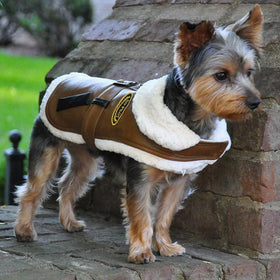
Choosing the Right Material: Leather vs. Synthetic
Selecting the right material for your breast collar is crucial for both comfort and performance. In 2025, riders have more choices than ever, with innovations in traditional and modern materials shaping the market. Understanding the strengths of each option ensures you choose a breast collar that meets the needs of your horse, discipline, and budget.
The Pros and Cons of Leather
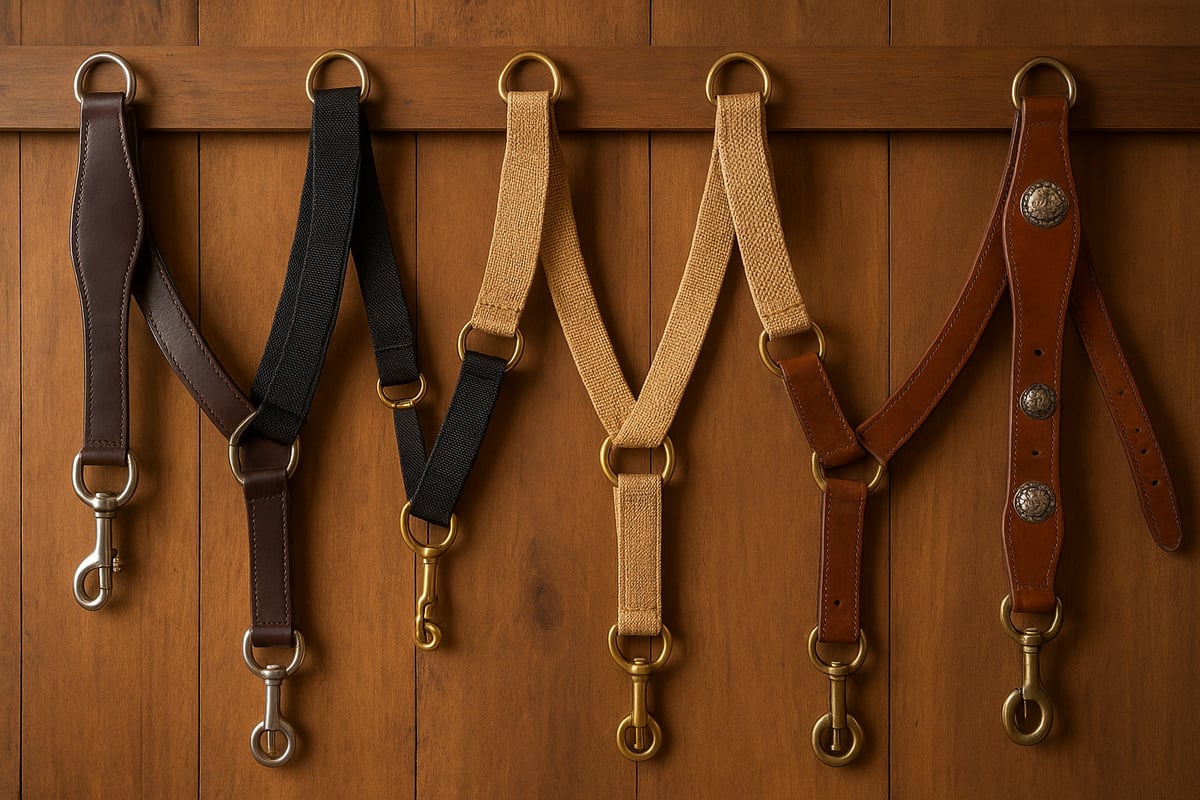
Leather breast collars remain a top choice for many riders due to their durability, classic look, and feel. Bridle leather is known for its smooth finish, while harness and latigo leathers are praised for strength and flexibility. Oiled leather offers enhanced water resistance and longevity, but requires regular conditioning to prevent drying or cracking.
For example, Weaver Equine’s canyon rose leather breast collar is popular among riders who need rugged gear for daily use. According to surveys, 60% of riders still prefer leather for their breast collar, valuing its reliability and traditional style. Proper care, such as cleaning with saddle soap and routine oiling, helps maintain the quality and lifespan of a leather breast collar.
Exploring Synthetic and Modern Options
Synthetic materials are gaining traction among riders seeking lightweight, affordable, and easy-to-maintain breast collar options. Nylon breast collars are especially popular for their low cost and quick-drying properties. Bamboo blends provide a sustainable, hypoallergenic alternative that is soft on sensitive horses and environmentally friendly.
Mohair and alpaca fibers are natural choices for horses prone to rubbing or irritation, offering a gentle touch and excellent breathability. New brands like EcoLuxe™ are making bamboo breast collars a trend in 2025, appealing to eco-conscious riders. Choosing the right synthetic or eco-friendly breast collar can improve comfort and reduce maintenance time.
Don't Forget the Hardware and Finishes
The hardware on a breast collar is just as important as the material itself. Stainless steel and brass are the most common choices, known for their rust resistance and strength. Decorative conchos add flair for show or parade purposes, while functional buckles and snaps provide secure attachment points.
Riders can select from a range of finishes, including classic black, brown, tan, or vibrant colors to match other tack. Quality hardware ensures the breast collar holds up under stress and maintains its appearance over time. Always inspect hardware regularly to avoid unexpected failures during rides.
Common Widths and Sizes
Breast collars come in a range of widths, typically from one to four inches, to suit different horses and disciplines. A wider collar distributes pressure over a larger surface area, making it a great choice for demanding work like roping or pulling, where your horse experiences more force. For lighter activities like trail riding or pleasure classes, a narrower, lighter collar might be more comfortable and provide plenty of stability without unnecessary bulk. When choosing, consider your horse's build and your primary riding activity. A well-proportioned collar ensures your horse stays comfortable and can move freely, which is why finding the right horse tack is so important for performance.
Decorative Elements and Leather Finishes
Beyond function, a breast collar is a fantastic way to show off your personal style. From intricate leather tooling and basket weaving to eye-catching silver conchos and colorful inlays, the design options are nearly endless. These decorative elements are especially popular in the show ring but can add a touch of personality to any riding setup. You'll also find different leather finishes, such as smooth, oiled, or roughout, each offering a unique look and feel. While it's fun to pick a design you love, always make sure the craftsmanship is solid. High-quality materials and secure hardware are what truly make a breast collar reliable and long-lasting.
How to Pick the Best Material for You
Choosing the right breast collar material means balancing durability, aesthetics, budget, and care requirements. Leather offers timeless appeal and strength but needs more upkeep. Synthetic options are cost-effective and simple to clean, making them ideal for frequent riders or harsh weather. Eco-friendly choices like bamboo or mohair cater to sensitive horses and sustainability goals.
Below is a quick comparison to help you decide:
| Material | Durability | Maintenance | Comfort | Cost |
|---|---|---|---|---|
| Leather | High | Regular | Excellent | Higher |
| Nylon | Moderate | Low | Good | Lower |
| Bamboo Blends | Moderate | Low | Very Good | Moderate |
| Mohair/Alpaca | Moderate | Low | Excellent | Moderate |
For more guidance on how breast collar materials fit into your overall tack selection, see the Horse Tack Essentials Overview.
How to Get the Perfect Breast Collar Fit
Achieving the right fit for your breast collar is crucial for your horse’s comfort and your riding performance. A well-fitted breast collar prevents saddle slippage, reduces the risk of injury, and allows your horse to move freely. Let’s break down how to measure, fit, and adjust your breast collar for optimal results.
How to Measure Your Horse Correctly
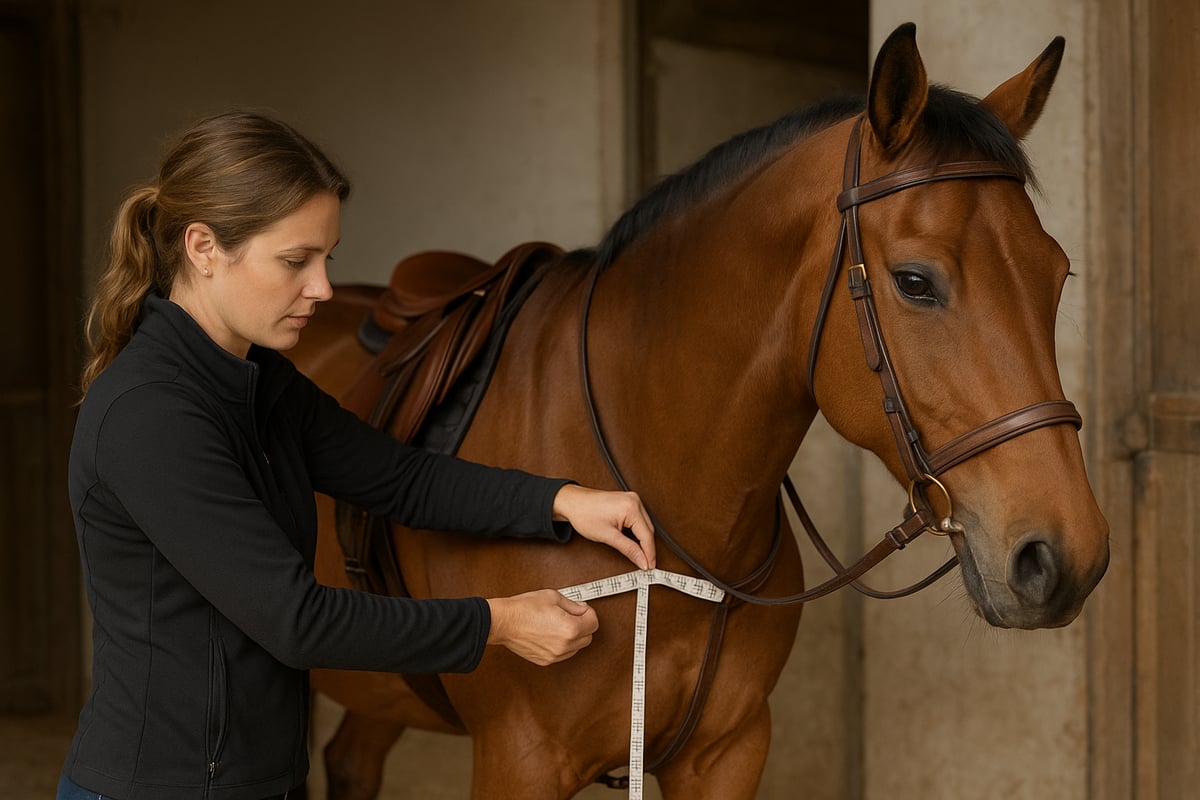
Start by gathering a soft tape measure and ensure your horse is standing square. Accurate measurements are the foundation of a well-fitted breast collar. Measure the width of the chest from one side to the other, following the line where the breast collar will sit. Next, note the angle of your horse’s shoulders and the height where the collar will attach to the saddle’s D-rings.
Recording these details helps you compare options and select the right size. For a visual step-by-step, you can consult How To Fit A Breast Collar, which offers clear placement and adjustment tips.
Adjusting the Fit for Your Horse's Build
Every horse is unique, so breast collar fit must be tailored to your horse’s build. Horses with mutton withers or broad shoulders may require a contoured or adjustable design to avoid pinching or slipping. For narrow-chested horses, ensure the breast collar sits high enough to prevent rubbing.
Watch for signs of poor fit, such as hair loss, restricted movement, or visible discomfort. Adjust straps as needed to ensure the collar lies flat without sagging or digging in. Proper fit protects your horse from long-term soreness and keeps tack performing at its best.
How to Properly Adjust and Secure the Collar
Correct adjustment is essential for balanced pressure and security. Attach the breast collar to the saddle’s D-rings, girth, or cinch, depending on style and discipline. The collar should be snug but not tight, allowing two to three fingers between the strap and your horse’s chest.
Pulling breast collars, often used for ranch work, are secured higher on the shoulder for maximum freedom of movement. Always check that the breast collar does not restrict your horse’s stride or breathing during exercise.
Quick Fitting Rules to Remember
Getting the fit right can feel tricky, but a few simple rules will help you check your work. The most common guideline is the two-to-three finger rule: you should be able to comfortably slide two or three fingers between the breast collar and your horse’s chest. This ensures it’s snug enough to be effective without being restrictive. Always make sure the collar sits above the point of the shoulder to allow for a full range of motion and prevent chafing.
Here are a few key points to keep in mind every time you tack up:
- Check for even pressure: The straps should lie flat against your horse without any twisting or gapping.
- Watch for rubbing: After a ride, check for any signs of hair loss or skin irritation where the collar made contact.
- Observe their movement: Your horse’s stride should be free and natural, not shortened or stiff.
Remember that a proper fit is the final, crucial step after you find the right equipment. Taking a moment to double-check these details ensures your horse stays comfortable and your saddle stays secure, ride after ride.
Common Fitting Mistakes (And How to Fix Them)
Missteps in sizing a breast collar can lead to discomfort and even injury. Over-tightening restricts movement and causes chafing, while a loose fit allows the saddle to shift. Ignoring your horse’s movement when fitting is a common error—always check fit at rest and in motion.
A recent industry statistic shows that improper fit is a leading cause of tack-related soreness in horses. Avoid these pitfalls by regularly inspecting the breast collar’s fit and making adjustments as needed.
| Mistake | Consequence |
|---|---|
| Too tight | Chafing, discomfort |
| Too loose | Saddle slippage |
| Wrong attachment point | Pressure points |
When to Consider a Custom Fit
Sometimes, standard sizes do not provide the perfect fit, especially for horses with unique builds or growing youngsters. Custom breast collars offer tailored sizing and design, ensuring maximum comfort and performance. Adjustable models, with buckles or sliding straps, are ideal for horses that change shape or for riders with multiple mounts.
Opting for an adjustable breast collar allows flexibility and can be a smart investment for long-term use. Always prioritize your horse’s comfort and check adjustments regularly to maintain the ideal fit.
Making Your Breast Collar Last: Care and Maintenance
A well-cared-for breast collar not only protects your horse but also ensures your investment lasts for years. Proper cleaning, regular inspections, and smart storage practices can dramatically extend the life of your breast collar. Let’s break down each essential step for maintaining your tack in top condition.
How to Clean Leather vs. Synthetic Collars
Routine cleaning is vital for keeping your breast collar in excellent shape. For leather, use a damp cloth to wipe away dirt, followed by saddle soap to clean deeper. Conditioning with a quality leather oil prevents cracking and keeps the material supple. Always let your breast collar air dry away from direct sunlight.
Synthetic breast collars require less maintenance. Simply wash with mild soap and water, rinse thoroughly, and air dry. Avoid harsh chemicals that may weaken fibers. For natural fibers like mohair, gently brush off debris and spot clean as needed.
Regular cleaning not only maintains the appearance of your breast collar but also preserves its strength and comfort for your horse.
How to Inspect Your Collar for Safety
Frequent inspections are essential to catch small issues before they become major problems. Examine your breast collar for cracks in leather, fraying on synthetic straps, and loose or rusty hardware. Check all stitching and buckles to ensure they are secure.
Pay special attention to areas that contact your horse’s skin, as these spots are prone to wear. If you notice uneven pressure or shifting during rides, review fit and positioning. For more detailed guidance, refer to Breast Collar Fit: Position, Ring Style, and Sizing for expert tips on identifying early signs of wear and poor positioning.
Early detection and prompt repairs keep your breast collar safe and reliable.
The Right Way to Store Your Breast Collar
Proper storage can make a significant difference in the longevity of your breast collar. Always store your breast collar in a dry, well-ventilated area, away from direct sunlight to prevent fading and drying out. Hanging your breast collar on a tack hook keeps its shape better than folding or laying it flat.
For travel, use a dedicated tack bag or wrap the breast collar in a soft cloth to protect it from dust and moisture. Avoid storing your breast collar in damp or humid environments, as this can lead to mold or mildew, especially with leather.
By following these guidelines, you help maintain the integrity and appearance of your breast collar between rides.
Repair or Replace? How to Decide
Knowing when to repair or replace your breast collar can save you money and protect your horse. Minor issues like a loose uptug or small crack can often be fixed with simple repairs. Replacement hardware and straps are widely available and easy to install.
However, if the main body of your breast collar is severely cracked, stretched, or shows large areas of damage, replacement is the safer choice. Compare the cost of repair versus purchasing a new breast collar, especially if your current one is several years old.
Investing in a new breast collar when needed ensures continued comfort and safety for your horse.
Simple Tricks to Make Your Tack Last Longer
Consistent maintenance routines are key to maximizing the lifespan of your breast collar. Set a regular schedule for cleaning, conditioning, and inspection, ideally after every few rides. Use protective covers or bags when transporting or storing your breast collar for added protection.
Well-maintained breast collars not only perform better but also retain their value if you decide to sell or upgrade. By caring for your breast collar, you invest in your horse’s comfort and your own peace of mind.
Common Breast Collar Myths Debunked
Breast collars are a staple in many tack rooms, but they're also surrounded by a surprising number of misconceptions. These myths can prevent riders from using this valuable piece of equipment correctly or from using it at all. Let's clear up some of the most common misunderstandings so you can feel confident about the gear you choose for your horse.
Myth 1: Tripping Collars Are Only for Roping
While tripping collars are a favorite among ropers, their usefulness extends far beyond the rodeo arena. The name is a bit of a misnomer; their main job is to stop the saddle from sliding backward during quick stops and sharp turns. This function is incredibly valuable in any discipline that involves speed or uneven terrain. Trail riders navigating steep hills, barrel racers making tight turns, and ranch riders working cattle all benefit from the stability a tripping collar provides. Think of it as an essential piece of safety equipment that keeps your saddle secure, no matter the activity.
Myth 2: Breast Collars Are Uncomfortable for the Horse
This is one of the most persistent myths, and it almost always comes down to one thing: improper fit. A breast collar that is too tight, too loose, or positioned incorrectly will absolutely cause discomfort, chafing, and restricted movement. However, a well-fitted breast collar does the opposite. When adjusted correctly, it sits above the point of the shoulder, is centered on the chest, and allows for a full range of motion. According to experts, a properly fitted breast collar actually enhances safety by preventing painful saddle slippage and tack-related sores. The key is choosing quality horse tack and taking the time to ensure it fits your horse's unique build.
How to Choose the Perfect Breast Collar
Selecting the right breast collar in 2025 requires a thoughtful approach. The right choice supports your horse’s comfort, ensures safety, and can even boost performance. Here are expert strategies to help you navigate the process with confidence and clarity.
What Do You Really Need in a Breast Collar?
Begin by analyzing your discipline and riding frequency. A breast collar for daily ranch work will differ from one used for occasional trail rides or arena events. Consider your horse’s conformation, such as wide shoulders or mutton withers, which may necessitate a specific collar design.
If you ride in various weather conditions, prioritize materials that withstand moisture and temperature changes. For Western riders, pairing the right breast collar with your saddle is vital for stability and comfort. For more on integrating gear, see Western Saddle Fit and Accessories.
How to Spot Quality Craftsmanship
Inspect every breast collar for solid stitching, robust hardware, and even finishing. Stainless steel or brass buckles resist rust and extend the collar’s lifespan. Handmade options, while pricier, often deliver superior detail and durability compared to mass-produced counterparts.
Check brand reputation and customer feedback. Trusted brands with proven craftsmanship tend to offer better warranties and long-term performance. If possible, compare similar models side by side to assess quality firsthand.
Finding the Sweet Spot Between Price and Quality
Set a realistic budget that aligns with your riding goals. Investing in a high-quality breast collar pays off for frequent riders or those competing at higher levels. Consider where to allocate your resources—premium materials, strong hardware, or custom adjustments.
Popular brands like Professional’s Choice and Weaver Equine offer options across price ranges. Remember, a mid-priced, well-fitted breast collar may outperform a costly but ill-suited alternative.
Comparison Table: Budget vs. Performance
| Feature | Entry-Level | Mid-Range | Premium |
|---|---|---|---|
| Material Quality | Basic synthetic | Sturdy leather/nylon | Premium leather, mohair |
| Hardware | Nickel-plated | Stainless/brass | Custom/engraved |
| Customization | Limited | Adjustable | Fully custom |
Understanding Common Price Points
Breast collar prices can vary quite a bit, typically ranging from around $95 to over $395. This wide spectrum reflects differences in materials, brand reputation, and craftsmanship. Generally, you'll find that premium leather collars from well-known saddleries sit at the higher end, prized for their durability and classic style. In fact, many riders still prefer leather for its proven reliability. On the other hand, synthetic options are often more budget-friendly and are gaining popularity because they're lightweight and incredibly easy to clean. You can see this variety firsthand when you browse our collection of horse tack, where quality and value meet across different price points.
Why You Should Always Try Before You Buy
Whenever possible, test fit the breast collar on your horse. Ensure it allows full shoulder movement, sits snugly without pinching, and keeps the saddle secure. Look for signs of rubbing or uneven pressure during a short ride.
Explore retailers with generous return policies or satisfaction guarantees. For a detailed look at fitting techniques and visual examples, visit Breast Collar Fit.
What's New in Breast Collar Designs?
This year, eco-friendly materials and innovative designs are in high demand. Bamboo blends and mohair options offer comfort for sensitive horses. Customization, from personalized tooling to color choices, continues to grow in popularity.
Data shows a 15% increase in sustainable tack preferences. If environmental impact matters to you, seek out brands leading in green manufacturing and ethical sourcing.
Where to Find High-Quality Breast Collars
Compare local tack shops and reputable online retailers. In-store shopping lets you handle and examine each breast collar directly, while online sources often provide broader selection and competitive pricing.
Check product reviews, warranties, and customer service ratings before purchasing. Leading sources like Weaver Equine and Teskey’s are known for quality and support.
When to Ask a Professional for Advice
When in doubt, seek advice from trainers, saddle fitters, or veterinarians. Professional input is especially valuable for performance horses or if you encounter persistent fit issues.
Many competitive riders rely on expert recommendations to optimize their breast collar choice. Scheduling a professional fitting session can make a lasting difference in comfort and safety.
Now that you understand the key elements of choosing the right breast collar—from fit and material to maintaining long term comfort and safety—you’re ready to make a confident decision for your horse’s needs in 2025. At Hooves and Paws, you’ll find a carefully curated selection of quality breast collars and essential tack, backed by years of experience serving horse owners just like you. With free US shipping and flexible payment options, it’s never been easier to invest in your horse’s wellbeing and performance. If you’re ready to find the perfect fit, explore your options and Buy Now.
Frequently Asked Questions
Do I really need a breast collar for every ride? For a casual ride in a flat, enclosed arena, you might not need one. However, the moment your ride includes hills, sharp turns, or faster work, a breast collar becomes a key piece of safety equipment. It’s also essential for horses with low withers or a round build that makes saddles prone to slipping. Think of it as a seatbelt for your saddle—you’re always better off having it, just in case.
What's the most common mistake riders make when fitting a breast collar? The most frequent error is making the collar too tight. It’s easy to think that tighter means more secure, but this actually restricts your horse’s shoulder movement and can even interfere with their breathing. A properly fitted collar should be snug, but you should still be able to slide two or three fingers comfortably between the strap and your horse’s chest. This ensures it does its job without causing discomfort or hindering performance.
How can I tell if my breast collar is uncomfortable for my horse? Your horse will give you subtle clues. Look for a shortened or choppy stride, especially when going uphill, as this can indicate restricted shoulder movement. After your ride, check for any rubbed spots, hair loss, or swelling where the collar sits. If your horse seems irritable when you tack up or is resistant to moving forward, an ill-fitting breast collar could be the culprit.
Can I use the same breast collar for trail riding and arena work? Absolutely. A well-made, versatile style like a classic straight or a contoured breast collar can easily handle both environments. As long as it fits your horse correctly and is made from durable materials, it will provide the stability you need on the trails and won't be too bulky for arena work. The only time you might need a specialized collar is if you’re getting into a demanding discipline like roping.
Is a leather breast collar always the best choice? Leather is a fantastic, durable option with a classic look, but it’s not the only choice. Modern materials offer great benefits, too. Synthetics like nylon are incredibly easy to clean and great for riding in wet conditions. Natural fibers like mohair are exceptionally soft and breathable, making them a wonderful option for sensitive horses. The "best" material really comes down to your specific needs, your horse's comfort, and how much time you want to spend on maintenance.
Key Takeaways
- Prioritize a Proper Fit for Safety and Comfort: A breast collar only works if it fits correctly. Make sure it rests above the point of the shoulder and allows you to slide two or three fingers underneath to prevent chafing and ensure your horse can move freely.
- Match the Breast Collar Style to Your Discipline: Different activities require different designs. A pulling collar is built for the demands of ranch work, while a contoured collar offers more freedom for performance horses. Choosing a style suited to your riding ensures it functions as intended.
- Proper Care Makes Your Tack Last: Whether you choose classic leather or easy-to-clean synthetics, your breast collar is an investment. Regular cleaning and inspections for wear and tear, like cracked leather or loose stitching, are crucial for keeping your gear safe and reliable.
Related Articles
- Weaver Leather Back in Black Tapered Ring-in-Center Breast Collar
- Cashel Fleece Lined Nylon Straight Breast Collar - Black, 3/4 inch
- Cashel 2-Inch Chestnut Basket Tooled Leather Horse Breast Collar
- The Ultimate Guide to Equine Comfort & Performance: Why the Martin Saddlery 3" Black Mohair Breast Collar Is Essential


