


Let's clear something up right away: a headstall is the framework that holds the bit, while a bridle is the complete setup including the headstall, bit, and reins. While the terms are often swapped, especially in Western circles, understanding the difference is crucial for any rider. This isn't just a lesson in vocabulary. Knowing the distinction in the 'headstall vs bridle' discussion helps you understand how your equipment works together to create a line of communication with your horse. We'll explore the core components, look at different styles for various disciplines, and explain why a proper fit is so important for safety and performance.
Key Takeaways
- A headstall is the core framework: Think of the headstall as the essential strapwork that fits over your horse's head to hold the bit. A bridle is the complete package, which includes the headstall plus the bit and reins.
- Match your tack to your horse and discipline: A proper fit is crucial for your horse's comfort and clear communication. Always choose gear that is correctly sized for your horse and functionally appropriate for your specific riding style, whether it's trail riding or show jumping.
- Consistent care extends the life of your gear: Simple maintenance, like wiping down your tack after each ride and storing it properly, prevents damage and ensures safety. Regular care protects your investment and keeps your equipment reliable for years.
What is a Headstall? A Look at the Core Components
Think of a headstall as the foundational framework of a bridle. It’s the essential piece of horse tack that fits over your horse’s head to hold the bit in their mouth. While you might hear the term used interchangeably with 'bridle,' a headstall is technically just one part of the complete setup. It consists of several interconnected straps designed to work together for a secure, comfortable fit, which is the basis for clear communication between you and your horse. Getting to know each part isn't just about learning terminology; it's about understanding how your equipment functions. When you know what each strap does, you can make better choices when buying new gear, ensure a proper fit, and troubleshoot any issues that might come up during a ride. A well-fitted headstall keeps your horse comfortable, happy, and ready to listen. It’s the difference between a smooth, enjoyable ride and one filled with frustration for both of you. So, before we get into the full bridle, let's break down the core components of the headstall itself.
The Crown Piece
The crown piece is the main strap resting over your horse's head, just behind the ears. As the primary support for the entire headstall, it bears the weight of the bit and other attachments. A well-designed crown piece is crucial for your horse's comfort because it helps distribute pressure evenly across the sensitive poll area. When you're shopping, pay close attention to the shape and padding of the crown piece. A wider, anatomically shaped crown can make a world of difference in keeping your horse happy and focused during your ride, preventing pinching or soreness.
Cheek Pieces
Running down the sides of your horse’s face are the cheek pieces. These straps are the direct connection between the bit and the rest of the headstall. Their main job is to hold the bit at the correct height, and they are adjustable with buckles to get the fit just right. The cheek pieces are vital for how you communicate with your horse, as they help transfer pressure from your reins to the bit. A proper fit is key; you generally want to see one or two soft wrinkles at the corner of your horse's mouth when the bit is in place.
The Throat Latch
The throat latch is the strap that goes from the crown piece, under your horse’s throat, and buckles on the other side. Its purpose is purely for safety. This simple strap is essential for preventing the entire headstall from accidentally slipping forward over your horse's ears if they rub their head. It’s a critical component for keeping the headstall secure during any activity. When you fasten it, make sure it’s not too tight. A good rule of thumb is to leave enough room to fit three or four fingers sideways between the strap and your horse’s jaw.
So, What's a Bridle? Understanding the Key Differences
Now that we've covered the headstall, let's look at the complete picture: the bridle. While the terms are often used interchangeably, especially in Western riding circles, a bridle is technically the entire assembly you use to communicate with your horse. Think of the
The Parts of a Complete Bridle
A bridle is the full set of horse tack that goes on your horse’s head to allow for steering and control. It includes the headstall we just discussed, plus a few other essential components. A complete bridle typically consists of the headstall (crownpiece, cheekpieces, and browband or earpiece), a bit that sits in the horse's mouth, and the reins you hold to guide them. Many bridles also include a noseband, which is a strap that goes around the horse’s nose to help keep their mouth closed on the bit, and a throatlatch, which secures the entire bridle in place. Every piece works together to create a direct line of communication between you and your horse.
How a Headstall Fits into a Bridle
The simplest way to remember the difference is that a headstall is part of a bridle. The headstall is the series of straps that fits over your horse’s head, and its main job is to hold the bit securely and comfortably in the horse's mouth. When you add the bit and the reins to the headstall, you have a complete bridle. So, while you can purchase a headstall on its own, it isn't functional for riding until you add the other components. The bridle is the entire setup that allows you to ride and communicate effectively, with the headstall serving as its essential foundation.
Clearing Up Common Confusion
It’s easy to see why people mix these terms up. In the Western riding world, it's very common for riders to use the word "headstall" when they're actually referring to the entire bridle. This is largely just a regional or disciplinary habit, but it can be confusing if you're new to the sport or switching between riding styles. The key takeaway is this: the headstall is just the strapwork. The bridle is the whole package: headstall, bit, and reins. Knowing the correct terminology helps you shop for gear more effectively and ensures you're talking about the same thing as your trainer or fellow riders.
Shop This Post

Featured in this article
AV Bob Avila Double Ring Snaffle Horse Bit - Sweet Iron Mouthpiece, 3" Rings - Multiple Sizes
$165.00
Shop Now →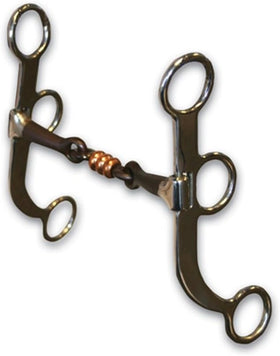

Find Your Style: Common Types of Headstalls and Bridles
Once you understand the basic parts, you can start exploring the different styles of headstalls and bridles. The right choice often comes down to your riding discipline, your horse's needs, and your personal taste. Think of it like choosing the right pair of running shoes; what works for a marathoner isn't best for a sprinter. The same principle applies to your horse's gear. From the rugged functionality of Western tack to the refined look of English bridles, each style is designed with a specific purpose. Understanding these differences will help you select gear that supports clear communication and comfort for your horse.
Western vs. English Styles
If you’ve spent time in the Western riding world, you’ve probably heard “headstall” and “bridle” used almost interchangeably. That’s because a headstall is the Western term for the main part of the bridle that goes over the horse’s head, without the bit or reins. A bridle is the complete setup: headstall, bit, and reins. So, while every Western bridle includes a headstall, the term "headstall" itself usually refers specifically to the headgear used in Western riding. It’s a subtle difference, but knowing it clears up a lot of confusion when you’re shopping for horse tack.
Bridles for Different Disciplines
The type of riding you do is the biggest factor in choosing a bridle. An English bridle, for instance, is typically simple and elegant, designed for disciplines like dressage or show jumping where subtle cues are key. In contrast, a Western bridle is built to be stronger with longer reins, making it ideal for activities like trail riding or rodeo events. For more advanced English disciplines, you might see a Double Bridle, which uses two bits and four reins to allow for highly precise communication between the horse and rider. Each design is tailored to the demands of the sport.
Choosing Your Material: Leather, Nylon, and More
The material of your headstall or bridle affects its look, feel, durability, and maintenance. Leather is the traditional choice, loved for its classic appearance, strength, and how it molds to your horse over time. It requires regular cleaning but can last a lifetime with proper care. For a low-maintenance option, many riders turn to nylon. It’s lightweight, affordable, and easy to clean. You can also find synthetic options like Biothane, which is waterproof and incredibly durable, making it a great choice for training in all weather conditions. Many of our best-selling products include a mix of these trusted materials.
Why This Gear Matters: The Function of Headstalls and Bridles
Choosing between a headstall and a full bridle might seem like a small detail, but this gear is fundamental to your relationship with your horse. It’s much more than just a set of straps to hold a bit; it’s your primary tool for connection and guidance. The right setup creates a clear, comfortable line of communication, ensuring every ride is safe and productive. When your tack fits well and is appropriate for your discipline, it allows you to give subtle cues that your horse can easily understand. This builds trust and helps you work together as a team, whether you’re on a quiet trail ride or competing in the show ring. Understanding the function behind the gear helps you make the best choice for both you and your equine partner.
A Clear Line of Communication
Think of your bridle as the phone line between you and your horse. It’s the complete system, including the headstall, bit, and reins, that translates your gentle hand movements into signals your horse can understand. The headstall’s job is to hold the bit correctly in the horse’s mouth, while the reins allow you to apply light pressure. This setup is what you use to guide your horse’s head, asking for turns, speed changes, or a stop. A well-chosen bridle makes this conversation clear and quiet, removing confusion and helping your horse respond confidently. The goal is to use the lightest cues possible, and having the right horse tack is the first step to achieving that.
Ensuring Safety for Horse and Rider
Properly fitted tack is non-negotiable when it comes to safety. A bridle that is too loose can slip, causing the bit to move incorrectly or even fall out of the horse's mouth, leading to a complete loss of control. If it’s too tight, it can cause pain, sores, and pinching, making your horse anxious and resistant. An uncomfortable horse is often an unpredictable one. By selecting the right size and style of bridle and ensuring it’s correctly adjusted, you create a safer experience for everyone. It shows your horse that you care about their comfort, which strengthens your bond and trust. Our team's deep expertise is built on a foundation of prioritizing animal well-being and safety.
The Right Tack for Your Training Goals
The type of bridle you use should directly support what you’re trying to accomplish with your horse. Different riding styles have developed specific tack for a reason. For example, a Western rider in a reining competition uses a bridle that allows for loose-rein control and quick responses, while an English dressage rider uses a bridle designed for steady contact and precise communication. Your choice of gear can help you refine specific skills and movements. Whether you’re teaching a young horse the basics or perfecting advanced maneuvers, matching your bridle to your training goals sets you both up for success and makes the learning process clearer for your horse.
How to Choose the Right Tack for Your Horse
Picking out the right headstall or bridle is about more than just looks. It’s about finding the perfect combination of fit, function, and quality for you and your horse. With so many options out there, it helps to narrow things down by focusing on what truly matters: your horse’s comfort, your riding style, and the durability of the gear. Let’s walk through how to make the best choice.
Get the Right Fit for Your Horse's Comfort
An ill-fitting bridle is like a pair of shoes that are too tight; it’s uncomfortable and distracting. A proper fit is essential for clear communication and your horse’s well-being. When you’re trying on a new headstall, make sure it isn’t too tight or too loose. A good rule of thumb is that you should be able to fit about two fingers between your horse's head and the straps. Check for any signs of rubbing or pinching, especially around the poll, browband, and noseband. Taking the time to find the right size ensures your horse stays happy and focused, making every ride better for both of you.
Match the Tack to Your Riding Discipline
The type of riding you do plays a huge role in selecting the right gear. Each discipline has its own traditions and functional needs, so you’ll want to choose a style that fits your specific activity. If you’re a trail rider, a simple, durable nylon or biothane bridle might be the perfect low-maintenance choice. For those competing in Western pleasure, a beautiful leather headstall with silver detailing is more appropriate for the show ring. Thinking about how you’ll be using your horse tack will help you find a piece that not only works great but also looks the part for your chosen discipline.
What to Look for in Quality, Lasting Gear
When you invest in tack, you want it to last. The material is a great place to start. Leather is a classic choice, known for its strength and timeless look, and it gets even better with age if you care for it properly. For something lighter and easier to clean, nylon is a fantastic and often more affordable option. There’s also biothane, a synthetic material that’s waterproof and requires very little upkeep. Beyond the material, pay attention to the details. Look for even stitching and sturdy, rust-resistant hardware. Choosing well-made gear from trusted brands means you’re getting safe, reliable equipment that will serve you well for years to come.
Keep Your Tack in Top Shape: Care and Maintenance Tips
Your headstall and bridle are more than just accessories; they are essential tools for communication and safety. Taking proper care of your horse tack not only keeps it looking great but also ensures it remains strong, reliable, and comfortable for your horse. A little bit of regular maintenance can prevent accidents, save you money on replacements, and preserve the quality of your gear for years to come. Think of it as an investment in your horse’s well-being and your own peace of mind. By building a few simple habits for daily care, deep cleaning, and smart storage, you can protect your equipment and keep it in peak condition for every ride.
Your Daily Care Routine
A quick post-ride check-up can make all the difference. After each use, take a few minutes to wipe down your headstall and bridle with a damp cloth to remove sweat, dirt, and saliva. These can break down leather fibers over time if left to sit. While you’re wiping it down, make it a habit to inspect the gear for any signs of wear and tear. Look closely at the stitching, check for any cracks in the leather, and make sure the buckle holes haven't stretched out. Catching these small issues early can prevent a piece of equipment from failing when you need it most. This simple five-minute routine is one of the easiest ways to prolong the life of your tack and ensure every ride is a safe one.
How to Deep Clean and Condition Leather
While daily wipe-downs are crucial, your leather tack also needs a periodic deep clean to stay supple and strong. Depending on how often you ride, aim to give your headstall and bridle a thorough cleaning and conditioning every month or so. Start by taking it apart completely. Use a quality leather cleaner or saddle soap on a damp sponge to gently scrub away any built-up grime. Once it's clean, allow it to air dry away from direct sunlight or heat. Before the leather is completely dry, apply a good leather conditioner to restore moisture and flexibility. This process prevents the leather from becoming brittle and helps you avoid using any tack that is cracked or broken, which is a major safety risk.
Smart Storage to Extend the Life of Your Tack
How you store your tack is just as important as how you clean it. Tossing your bridle in a pile on the floor or leaving it in a hot car can cause serious damage. The ideal storage spot is a cool, dry, and well-ventilated tack room. This environment helps prevent mold and mildew from growing and stops the leather from drying out and cracking. Always hang your headstall and bridle on a rounded hook or a dedicated bridle rack. This helps the crown piece maintain its shape and prevents the leather from creasing or stretching unnaturally. Proper storage is a simple step that protects your investment and ensures your gear is always ready for your next ride.
Related Articles
Frequently Asked Questions
What's the simplest way to remember the difference between a headstall and a bridle? Think of it this way: a headstall is the essential framework of straps that goes over your horse's head. Its main job is to hold the bit. A bridle is the complete, ready-to-ride package, which includes the headstall plus the bit and the reins. You can't ride with just a headstall, but every bridle has a headstall as its foundation.
How can I tell if my headstall is fitted correctly on my horse? A good fit is all about your horse's comfort and your safety. When the bit is in place, you should see one or two soft wrinkles at the corners of your horse's mouth. For the throat latch, you should be able to comfortably slide three or four fingers sideways between the strap and your horse's jaw. Also, check that the crown piece isn't pinching their ears and the browband isn't pulling the headstall forward.
Does the material of my bridle really matter? Yes, it absolutely does, mostly because it affects durability and the amount of care required. Leather is the traditional choice for its strength and classic look, but it needs regular cleaning and conditioning to stay in good shape. Synthetic materials like nylon or biothane are fantastic if you want something lightweight, easy to clean, and great for riding in wet conditions. The best choice really depends on your climate, how often you ride, and how much time you want to spend on maintenance.
How often do I really need to deep clean my leather tack? A quick wipe-down after every ride is a great habit, but a deep clean depends on your usage. If you ride several times a week, especially in a hot or humid climate where sweat builds up, aim for a full cleaning and conditioning once a month. For more casual riders, every few months might be enough. The key is to never let the leather get dry and brittle, so adjust your schedule based on how your tack feels.
Can I mix and match parts from different bridles? While it can be tempting, it's best to be cautious. Things like reins can often be swapped out without an issue. However, mixing structural components like cheek pieces or a crown piece from different sets can create an improper fit. A mismatch in strap width or length could cause the bit to sit incorrectly or create uncomfortable pressure points for your horse. Your top priority should always be a safe, secure, and comfortable fit.


