


Is your horse tossing his head, leaning on the reins, or refusing to turn smoothly? Before you blame training, take a closer look at his mouth. A comfortable horse is a happy horse, and the right horse bit is crucial for that comfort. An ill-fitting or inappropriate bit can cause pain and confusion, leading to the very resistance you're trying to solve. Finding a better bit isn't just about control—it's about clear communication and care. This guide will help you read your horse's signals and choose an option that makes him a relaxed, willing partner.
Key Takeaways
- Prioritize clear communication and a comfortable fit: A bit is a tool for conversation, not control. The right fit, often indicated by one or two soft wrinkles at the corners of the mouth, is the foundation for a safe and responsive partnership with your horse.
- Match the bit to your horse, discipline, and training level: There is no one-size-fits-all solution. Consider your horse’s unique mouth anatomy and temperament, along with your specific riding goals, to find the most effective and gentle option.
- Invest in quality materials and practice consistent care: A well-made bit from a trusted brand provides clearer signals and is safer for your horse. Protect your investment and your horse's health by cleaning your bit after every ride and storing it properly.
What is a Horse Bit, and Why is it So Important?
If you're new to riding, the world of horse bits can feel a little overwhelming. Let's start with the basics. A horse bit is a piece of metal, rubber, or synthetic material that rests inside a horse's mouth. It's a key part of the bridle and connects to the reins, acting as a direct line of communication between you and your horse. The main part of the bit sits in a space between your horse's front incisors and back molars, an area on the lower jaw known as the "bars."
Think of a bit not as a brake pedal, but as a tool for conversation. When you gently use the reins, the bit applies light pressure, sending signals that help guide your horse's speed and direction. Choosing the right bit is one of the most important decisions you'll make for your riding partner. It's about finding a comfortable and effective way to communicate, ensuring every ride is a positive experience for both of you. A well-chosen bit is a cornerstone of good horsemanship and an essential piece of horse tack. Understanding its function is the first step toward building a stronger, more responsive relationship with your horse, based on trust rather than force. It's less about control and more about creating a clear dialogue.
How a Bit Helps You 'Talk' to Your Horse
A bit works by applying gentle pressure to different parts of the horse's mouth, like the tongue, lips, and bars. This pressure is how you send cues. It’s a nuanced language that works alongside signals from your legs and seat to create a full picture for your horse. For example, a simple snaffle bit uses direct pressure; when you pull on the left rein, it applies pressure to the left side of the horse’s mouth, asking for a turn. A skilled rider on a well-trained horse barely needs to move the reins, as the horse learns to respond to the slightest change in pressure). It’s all about clear, quiet signals, not force.
How the Right Bit Keeps You Both Safe
A comfortable horse is a happy and safe horse, and that starts with a properly fitting bit. An ill-fitting bit can cause pain, sores, and even long-term damage to your horse's teeth and gums. This discomfort often leads to behavioral issues like head tossing, resistance, or tension, which can make riding unsafe and unpleasant. A good rule of thumb is to look for one or two small, soft wrinkles at the corners of the horse's mouth when the bit is in place. However, every horse is different, so paying close attention to their comfort is the most important part of a proper fit. Taking the time to get this right protects your horse's health and strengthens your partnership.
Anatomy of a Horse Bit: Understanding the Parts
To choose the right bit, you first need to know what you’re looking at. Every bit has a few key components that determine how it works and feels to your horse. Think of it like learning the parts of a car engine—you don’t have to be a mechanic, but knowing the basics helps you make smarter choices. Understanding the function of each part will help you see why a simple change in design can create a completely different line of communication. Let's break down the main components you'll find on most bits, from the mouthpiece that sits inside the horse's mouth to the rings or shanks on the outside.
The Mouthpiece: The Core of Communication
The mouthpiece is the central part of the bit that rests inside your horse's mouth on the bars, which is the toothless space between their incisors and molars. This is where the most direct communication happens. When you apply pressure to the reins, the mouthpiece acts on the horse's tongue and bars to deliver your cue. The design, material, and thickness of the mouthpiece all influence how this signal is received. A thicker, smoother mouthpiece is generally milder, distributing pressure over a wider area, while a thinner or more textured one provides a sharper, more precise signal. The goal is to find a mouthpiece that your horse is comfortable with and responds to softly.
Common Mouthpiece Designs: Ports, Joints, and More
Mouthpieces come in many shapes, each designed for a specific purpose. A straight bar, or "mullen" mouth, offers even pressure across the tongue and bars. Jointed mouthpieces, with one or two breaks, create a "nutcracker" action that applies more focused pressure. A bit with a "port," or an inverted U-shape in the middle, is designed to give the horse's tongue more room and can act on the roof of the mouth when the reins are engaged. You'll also see different materials and textures, from smooth stainless steel to copper rollers that encourage salivation, each offering a unique feel for your horse.
The Rings and Shanks: Applying Pressure
The pieces on the side of the bit are called either rings or shanks, and they determine how rein pressure is applied. Bits with rings—like D-rings, O-rings, or eggbutts—are known as snaffle bits. They work with direct pressure, meaning the force you apply to the reins is the force the horse feels on the side of its mouth. Bits with shanks, the long cheekpieces common in Western riding, work through leverage. When you pull the reins, the shanks rotate, applying pressure not only in the mouth but also on the poll (behind the ears) and under the chin. The longer the shank, the more leverage you have, which is why they are best suited for finished horses and riders with gentle hands. You can explore a wide variety of both types in our horse tack collection.
The Curb Chain and Guard: Essential Accessories
Some bits rely on accessories to function correctly and comfortably. A curb chain or strap is an essential partner to any bit with shanks. This thin chain or leather strap attaches to the top of the bit and sits in the horse's chin groove. Its job is to limit how much the bit can rotate in the horse's mouth, preventing excessive pressure and refining the rein signal. For snaffle bits, some riders use bit guards, which are simple rubber or gel discs that slide over the bit rings. They help prevent the rings from pinching the corners of the horse's mouth, which is especially helpful for sensitive horses or those just starting their training. According to Practical Horseman, proper adjustment of these accessories is key to their effectiveness.
Snaffle, Curb, or Combo? A Guide to Horse Bit Types
Choosing the right bit can feel overwhelming with so many options out there. But it really comes down to understanding how each type communicates with your horse. The main differences are in how they apply pressure to send your cues. Let's walk through the most common types so you can find the best fit for you and your riding partner.
Snaffle Bits: For Direct Communication
Snaffle bits are one of the most common pieces of horse tack you'll see, and for good reason. They are designed for direct communication. When you pull on the reins, your horse feels that pressure directly on their tongue, lips, and the toothless bars of their mouth. This straightforward action-and-reaction makes it easy for your horse to understand cues for turning, slowing down, or stopping. Because of their simple design, snaffles are a popular choice for training young horses and for many English riding disciplines. They offer a clear, uncomplicated way to talk to your horse without using leverage.
D-Ring and Eggbutt Snaffles
If you're looking for a stable, straightforward bit, the D-Ring and Eggbutt are excellent choices. Their rings are fixed to the mouthpiece, which prevents them from sliding around and offers a more consistent feel for your horse. This stability also reduces the chance of pinching the corners of the mouth, making them a kind option. D-Ring and Eggbutt snaffles are designed for direct communication. When you pull on the reins, your horse feels that pressure directly on their tongue, lips, and the toothless bars of their mouth. This straightforward action-and-reaction makes it easy for your horse to understand cues for turning, slowing down, or stopping. They are a favorite in the hunter ring and for riders who prefer a quiet, steady connection with their horse's mouth.
Loose Ring and Full Cheek Snaffles
For riders seeking a bit with more play, the Loose Ring snaffle is a great option. As the name suggests, the rings can slide freely through the mouthpiece. This movement can discourage a horse from leaning on the bit and encourages them to stay light and responsive. Loose Ring snaffles allow for more movement in the bit, which can help the horse to be more responsive to subtle cues. On the other hand, Full Cheek snaffles are fantastic training tools, especially for green horses. The long bars, or "cheeks," extend above and below the rings, providing more lateral stability. This design helps prevent the bit from being pulled through the horse's mouth and provides a gentle guiding pressure on the side of the face, which is a great way to reinforce steering aids.
French Link and Roller Snaffles
When gentleness is the top priority, many riders turn to bits with double-jointed mouthpieces. French Link snaffles are a gentle, double-jointed option that distributes pressure more evenly across the horse's mouth, making them suitable for young horses or those that are sensitive. Unlike a single-jointed bit, it won't create a "nutcracker" effect on the tongue and bars. For horses that tend to be a bit fussy or tense in the jaw, a Roller snaffle can be a game-changer. These bits feature small, movable rollers on the mouthpiece. Roller bits encourage horses to play with the bit, which helps them relax their jaw and accept the bit more willingly. This can be a wonderful tool for soothing an anxious horse and promoting a softer contact.
Curb Bits: Adding Leverage and Finesse
Curb bits introduce the concept of leverage, which makes them a bit more complex than snaffles. You can spot them by their side pieces, called shanks. When you engage the reins, these shanks create leverage, applying pressure not just inside the mouth, but also on the poll (the top of the horse's head) and under the chin via a curb strap or chain. This allows for more subtle and refined cues, which is why you often see them in Western riding and with more advanced horses. A curb bit isn't about being harsher; it's about using nuanced signals with a horse that already understands the basics.
Combination Bits: The Best of Both Worlds?
Just like the name suggests, combination bits blend the features of different bit types to offer more versatility. A great example is the Pelham bit, which looks like a curb bit but can be used with two sets of reins. This setup gives you the best of both worlds. One rein attaches directly to the mouthpiece ring for direct, snaffle-like action, while the other attaches to the shank for leverage-based curb action. This allows you to choose the type of pressure you need in the moment, making it a flexible tool for riders who need options for different situations, like jumping or cross-country.
Leverage and Specialized Bits
Once you and your horse have mastered the basics, you might explore more specialized bits. These tools are designed for specific disciplines or to address particular training challenges. They often use leverage or unique mouthpiece designs to refine communication. It’s important to remember that a stronger bit is never a substitute for good training. These are tools for experienced riders and well-schooled horses who understand subtle cues. Using them correctly requires a deep understanding of how they work and a commitment to gentle, precise communication with your horse.
Kimberwick and Tom Thumb Bits
The Kimberwick and Tom Thumb are two bits that introduce mild leverage, but they're often misunderstood. The Kimberwick, used in English riding, is a step up in strength from a snaffle and can help encourage a horse to lower its head. The Tom Thumb is a Western bit that, despite its jointed mouthpiece, is a leverage bit, not a snaffle. Its shanks create pressure on the poll and chin, making it a tool for horses that might ignore direct rein signals. Both of these bits require a rider with steady hands who understands how to apply pressure correctly and release it instantly when the horse responds.
Gag Bits and Correction Bits
Gag bits and correction bits are designed for very specific training purposes. A gag bit is intended for horses that tend to pull hard, as it applies pressure on the lips and poll simultaneously to encourage the horse to lift its head. You'll often see them used in fast-paced sports like polo or show jumping. A correction bit, on the other hand, is a training tool frequently used in disciplines like reining. It has a port and shanks, and it's designed to work off tongue and bar pressure. Both of these bits are for advanced riders and horses, as they provide a much stronger signal than a standard snaffle or curb.
Advanced Bits: Spade, Spoon, and Twisted Wire
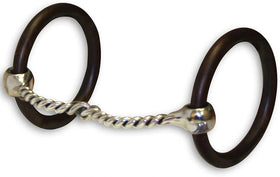
Some bits are reserved for the highest levels of training and should only be used by expert horse people. The spade bit, for example, is a complex Western bit with long shanks and a high port that is the result of years of dedicated training. Similarly, a twisted wire bit is a very severe option used to get an immediate response from a horse that pulls hard, but it's not appropriate for a horse with a sensitive mouth. These are not everyday pieces of horse tack; they are highly specialized tools for situations where the slightest cue needs to be understood perfectly between a horse and rider who have a long-established partnership.
Specialized Setups and In-Hand Bits
Beyond the bits used for everyday riding, there are specialized setups and tools designed for specific situations, from high-level dressage competitions to basic groundwork. These aren't your typical bridles and bits. They serve unique functions that require a particular skill set or are meant to solve a specific handling issue. Understanding these options can give you a fuller picture of the communication tools available in the equestrian world, even if you don't use them yourself.
The Double Bridle Explained
If you’ve ever watched upper-level dressage, you’ve likely seen a double bridle. This sophisticated setup uses two bits at once: a small, slender snaffle called a bradoon and a curb bit called a weymouth. The rider holds two sets of reins, allowing for incredibly fine-tuned and delicate control. According to a helpful bit guide, this setup is reserved for experienced riders who have an independent seat and hands, as it allows them to apply snaffle and curb pressure independently. It’s a beautiful example of refined communication but is only suitable for highly trained horse and rider pairs.
In-Hand Bits for Groundwork
Not all bits are for riding. Some are designed exclusively for handling a horse from the ground. These in-hand bits are used for leading and groundwork, especially with horses that may be difficult to manage. The Chifney anti-rearing bit is a well-known example. It’s a circular bit that applies sharp pressure when a horse pulls back or tries to rear, making it a tool for specific safety situations rather than general training. These bits are not meant to be attached to a bridle for riding and should only be used for their intended purpose of in-hand control.
Going Bitless: A Gentle Alternative for Your Horse
It’s important to remember that a bit isn't always the answer. Some horses simply respond better without one. Bitless bridles are a fantastic alternative that uses pressure on the nose, chin, and poll to guide the horse, completely bypassing the mouth. This can be an ideal solution for horses with sensitive mouths, dental issues, or past negative experiences with bits. Many riders find their horses are more relaxed and responsive in a bitless bridle. It’s all about finding what makes your horse comfortable and what helps you communicate most effectively as a team. Listening to your horse is always the best approach.
Shop This Post

Featured in this article
AV Bob Avila Double Ring Snaffle Horse Bit - Sweet Iron Mouthpiece, 3" Rings - Multiple Sizes
$165.00
Shop Now →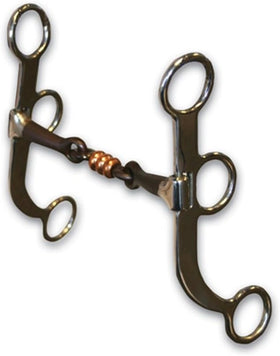

Does the Material of Your Horse Bit Really Matter?
When you’re browsing for new horse tack, it’s easy to focus on the shape and style of a bit. But the material it’s made from is just as important. The metal or synthetic material sitting in your horse’s mouth can influence everything from salivation to how willingly they accept the bit. Some materials are neutral, while others have a distinct taste that can encourage a softer, more responsive mouth. Understanding the properties of different horse bits) is a key step in finding the perfect match for your horse’s comfort and your communication needs. Let’s walk through the most common options you’ll find and what makes each one unique.
Stainless Steel: The Reliable, All-Around Choice
Stainless steel is the workhorse of bit materials, and for good reason. It’s incredibly durable, won’t rust, and is easy to clean, making it a practical choice for everyday riding. This material has a neutral taste, so it doesn’t actively encourage salivation the way some other metals do. For many horses, this is perfectly fine. It provides a consistent, straightforward feel in the mouth without any extra bells and whistles. If you’re looking for a reliable, no-fuss option that will stand the test of time, a stainless steel bit is an excellent place to start.
Copper Bits: For a Softer, More Responsive Mouth
If you’ve noticed your horse seems a bit tense in the jaw, a bit with copper elements could be a great solution. Copper warms up quickly in the horse’s mouth and has a taste that naturally encourages salivation. A wet mouth is a more comfortable mouth, which helps the horse relax, soften its jaw, and become more receptive to your cues. You’ll often find copper inlaid as strips or rollers in a stainless steel mouthpiece. This design gives you the durability of steel with the mouth-watering benefits of copper, creating a win-win for you and your horse.
Sweet Iron: The Palatable Pick for Picky Horses
Just like its name suggests, sweet iron has a sweet taste that many horses find appealing. This material is designed to oxidize, or rust, when it comes into contact with moisture, which is what creates that pleasant flavor. This process encourages the horse to salivate and gently play with the bit, promoting acceptance and relaxation. While the idea of rust might sound concerning, it’s a harmless and intentional feature of sweet iron. Just be sure to wipe it down after each ride to keep it in good condition. It’s a fantastic choice for picky horses or those who need a little encouragement to soften up.
Rubber & Synthetics: Prioritizing Gentle Comfort
For horses with sensitive bars or those who are a bit fussy about having metal in their mouths, rubber or synthetic bits offer a much softer alternative. These materials are flexible and gentle, reducing the risk of rubbing or pinching. Many are also infused with pleasant flavors like apple or peppermint, making them even more inviting for a young or sensitive horse. While they are softer, they are still designed to provide clear communication. A rubber or synthetic bit can be an excellent training tool or a long-term solution for horses who simply prefer a milder feel.
How to Fit a Horse Bit Correctly
A well-fitting bit is crucial for clear communication and your horse's comfort. Think of it like finding the right pair of shoes; a poor fit can cause pain, frustration, and resistance. Taking the time to get the size and placement just right ensures your horse is happy and responsive, making every ride better for both of you. A proper fit prevents sores and pinching while allowing the bit to function as intended. Let's walk through the steps to ensure your horse's bit fits perfectly.
Step 1: How to Measure for the Right Size
Finding the right bit width is the first step. A bit that’s too narrow will pinch the corners of your horse's mouth, while one that’s too wide will slide back and forth, creating confusing signals and discomfort. The goal is to have the bit rest comfortably across the bars of the mouth without pressure.
To check the fit, place the bit in your horse’s mouth. You should see about a quarter-inch of the mouthpiece extending past your horse's lips on each side. This small amount of space prevents the bit rings from rubbing or pinching their face. If you're shopping for a new bit and aren't sure of the size, you can gently place a smooth dowel or a piece of string in your horse's mouth where the bit would sit, mark the edges of the lips, and then measure the distance between your marks.
A General Horse Bit Size Guide
While measuring your horse directly is always the best way to find a perfect fit, it helps to have a general idea of where to start when you're looking at options. Horse bit sizes are measured in inches, and they typically correspond to the general size and breed of the horse or pony. Knowing these common ranges can give you a solid starting point when you're browsing for new horse tack or trying to determine if a current bit is way off the mark. It saves you time and helps narrow down the choices to what is most likely to work for your partner. Here’s a quick rundown of typical sizes to guide your search:
- Small Pony: 4" to 4.5"
- Large Pony/Cob: 4.5" to 5"
- Average Horse: 5" to 5.25"
- Large Horse/Warmblood: 5.5" to 6"
Remember, these are just guidelines, not strict rules. Every horse is an individual, and factors like a delicate head or a wider jaw can mean your horse needs a size outside the typical range for its breed. Always use these ranges as a starting point, but trust your direct measurements and the quarter-inch rule above all else. The ultimate goal is to find a bit that fits your horse’s unique mouth conformation perfectly. This ensures they are comfortable, happy, and ready to communicate clearly with you on your next ride, strengthening the partnership you share.
Step 2: Checking for Correct Placement
Once you have the right width, you need to adjust the height using the bridle’s cheekpieces. The bit should rest gently in the corners of your horse's mouth, creating a soft, slight smile. The general rule of thumb is to look for one-half to one wrinkle at the corners of the mouth. This indicates the bit is sitting in the correct position without putting constant pressure on their mouth when the reins are loose.
If you don't see any wrinkles, the bit is likely too low and could bang against your horse's teeth. If you see several tight wrinkles, the bit is too high, creating constant pressure and making it difficult for your horse to relax its jaw. Adjust the cheekpieces one hole at a time until you find that sweet spot.
Common Horse Bit Fitting Mistakes to Avoid
Beyond the bit itself, the entire bridle contributes to a proper fit. It's easy to overlook other parts of your horse tack that can cause issues. A common mistake is making the noseband or curb strap too tight, which restricts your horse's ability to relax its jaw and swallow. You should be able to fit one or two fingers comfortably underneath them.
Another frequent error is having a headstall that is too long or too short, which affects the bit's position. Every piece of the bridle works together, so it's important to check the fit of each component. If you’re ever unsure, don’t hesitate to ask an experienced trainer or a professional bridle fitter for a second opinion. It’s always better to be safe and ensure your horse is comfortable.
Is Your Horse's Bit Uncomfortable? Signs to Watch For
Your horse will often tell you when something is wrong. Learning to read their signals is key to identifying a poorly fitting bit. Signs of discomfort can range from subtle to obvious. You might notice your horse tossing its head, chewing on the bit excessively, gaping its mouth open, or refusing to accept the bit in the first place. Excessive drooling can also be a sign that something isn't right.
These behaviors are your horse's way of communicating pain or annoyance. A bit that doesn't fit well can cause painful pressure points, sores in the mouth, and even damage to the jaw joint over time. Paying close attention to your horse's behavior when bitted is one of the best ways to catch a problem early and make the necessary adjustments.
Troubleshooting Common Bitting Issues
Even with the best intentions, you might run into some bumps along the road. If your horse suddenly starts resisting cues or showing signs of discomfort, it’s time to play detective. These issues are often your horse’s way of telling you that something about the bit or your communication isn’t working. The good news is that most common bitting problems can be solved with a few careful adjustments and a willingness to listen to what your horse is trying to say.
Solving Steering and Stopping Problems
When your horse isn’t responding to steering or stopping cues, it’s easy to think you need a stronger bit, but the opposite is often true. A bit is a tool for conversation, and if your horse isn't listening, it might be because the signal is confusing or painful. A bit works by applying gentle pressure to ask for a response; for example, a pull on the left rein creates pressure on the left side of the mouth to ask for a turn. If the bit is too wide, it can slide around, making that signal unclear. If it’s too severe, your horse might brace against the pain instead of yielding to the cue, leading to a frustrating power struggle for both of you.
Before you change anything else, go back to basics and check the fit. Ensure the bit isn't too wide and that it's adjusted to the correct height. Sometimes, the simplest solution is to switch to a milder bit, like a basic snaffle, to re-establish clear, gentle communication. You can explore a variety of horse tack options to find one that suits your horse's needs. It’s also a good time to assess your own riding. Heavy or unsteady hands can create constant, confusing pressure, teaching your horse to ignore your aids. Focus on using light, clear signals with your reins, supported by your seat and leg cues.
Addressing Mouth Sores and Discomfort
Finding a sore in your horse’s mouth is a clear sign that something needs to change immediately. An ill-fitting bit can cause significant pain, leading to sores, bruising, and even long-term damage to your horse's teeth and gums. This discomfort is often the root cause of behavioral issues. Your horse isn't being difficult; they're trying to escape the pain. By learning to read their signals—like head tossing, excessive chewing, or refusing the bit—you can catch problems before they become serious. A proper fit is non-negotiable for your horse's well-being and your safety.
If you discover a sore, give your horse’s mouth a break from the bit until it has fully healed. During this time, carefully inspect your equipment. Is the bit too narrow, pinching the corners of their mouth? Is the mouthpiece smooth, or does it have rough spots? Sometimes the material itself is the issue, and a switch to a softer rubber or synthetic bit can make all the difference. Remember to check the entire bridle, ensuring the noseband and curb strap aren't too tight. A comfortable horse is a willing partner, and taking the time to solve these issues will strengthen your bond.
Choosing a Horse Bit: What Should You Look For?
Choosing the right bit can feel like a huge decision, but it really comes down to a few key elements. Think of a bit not as a way to control your horse, but as a tool to refine the conversation you’re already having. A well-chosen bit makes your cues clearer, your horse’s responses softer, and your partnership stronger. The goal is always to find the gentlest option that still allows for effective communication, because a comfortable horse is a happy and willing partner. Remember, your hands, seat, and legs do most of the talking; the bit is just there to add nuance and precision to your aids.
When you start looking at the wall of bits in a tack shop or browsing online, it’s easy to get overwhelmed by the sheer variety. To simplify the process, you can focus on three main things: the quality of the craftsmanship, the design of the mouthpiece, and the style of the rings on the side. Each of these components plays a big role in how the bit functions and, more importantly, how it feels inside your horse’s mouth. Understanding these basics will give you the confidence to sort through the options and find a bit that works for both you and your horse, turning a potentially confusing task into an informed choice.
Explore Our Handpicked Horse Bit Selection
With so many options out there, it helps to start with a collection that’s already been vetted for quality and performance. We’ve put a lot of care into curating our selection of horse tack to include bits that we trust for our own horses. Whether you need a simple snaffle for daily training or something more specific for your riding discipline, having a range of reliable choices makes the process much easier. Take your time looking through the different styles. Think about what you’re trying to achieve with your horse and how each design might help you get there. A great bit is out there, and we’re here to help you find it.
Why Quality and Craftsmanship Always Come First
When it comes to something that goes in your horse’s mouth, quality is non-negotiable. A well-made bit from a trusted brand is an investment in your horse’s comfort and your safety. Look for bits made from high-quality materials with smooth, seamless joints and no rough edges. Poorly made bits can pinch, create sore spots, or even break under pressure, which can be dangerous for both of you. Brands like Weaver Equine are known for their focus on craftsmanship, ensuring their products are durable and designed for performance. A quality bit not only lasts longer but also provides clearer, more consistent signals to your horse.
Mouthpiece Design: Does Thickness Make a Difference?
The mouthpiece is where the magic happens. Its shape, material, and thickness all change how your horse feels the pressure from your reins. For example, a thick, smooth mouthpiece generally distributes pressure over a wider area, making it a milder option. However, a horse with a small mouth or a low palate might find a thinner bit more comfortable. You’ll also see different designs, like single-jointed mouthpieces that create a "nutcracker" effect, double-jointed ones that conform better to the tongue, and solid mullen mouths that offer even pressure. Considering your horse’s unique mouth anatomy is the first step to finding a comfortable fit.
From D-Rings to Full Cheeks: How Styles Change the Cue
The rings on the sides of the bit, often called cheeks, determine how your rein aids are transferred. Different styles offer varying levels of stability and signal. For instance, a loose-ring snaffle allows for more movement and can encourage a horse to relax its jaw, while a D-ring or eggbutt snaffle is more stable against the horse’s face, preventing pinching. These are all considered direct pressure bits), where the pressure you apply on the reins is felt directly in the mouth. Understanding how each style works helps you choose one that complements your riding style and clarifies your cues for your horse.
How to Find the Perfect Bit for Your Horse
Choosing the right bit is less about finding a single perfect solution and more about finding the right communication tool for you and your horse. It’s a thoughtful process that takes your horse's unique needs, your riding style, and your shared goals into account. Think of it as a key piece of your horse tack that helps translate your cues into clear signals your horse can understand. The best bit is one that allows for quiet communication, keeps your horse comfortable, and helps you both perform your best.
There isn't a one-size-fits-all answer, and what works for one horse might not work for another. You’ll want to consider three key areas to narrow down your options: your horse’s physical comfort and personality, the specific demands of your riding discipline, and where you both are in your training journey. By looking at these factors together, you can make an informed choice that strengthens your partnership and sets you both up for success, whether you're on the trail or in the show ring.
Start with Your Horse: Assess Their Mouth and Temperament
Before you even think about bit types, take a close look at your horse. Every horse has a unique mouth structure, from the shape of their bars to the thickness of their tongue and the height of their palate. A horse with a low palate and a thick tongue, for instance, might find a thick, single-jointed snaffle uncomfortable. Also, consider your horse's personality. Is he sensitive and quick to respond, or does he tend to lean on the bit? A more sensitive horse might prefer a softer material, while a stronger horse might need a different mouthpiece design to encourage lightness. The bit should always rest gently, creating just one or two soft wrinkles at the corners of the mouth.
Does Your Discipline Dictate Your Bit Choice?
The type of riding you do plays a huge role in selecting the right bit. Different disciplines have different expectations for how a horse carries itself and responds to cues. For English riding, the goal is often clear and direct communication that keeps the horse comfortable and performing well. This is why you’ll see a lot of snaffle bits in disciplines like jumping and dressage. In contrast, Western disciplines that involve neck reining often use curb bits, which work with leverage. The equipment is designed to support the specific skills required for that activity, so matching your bit to your discipline is a great starting point.
Matching the Bit to Your Horse's Experience
A bit is a tool for communication, not control. A common mistake is moving to a stronger bit to solve a training issue. The truth is, a well-schooled horse needs very little pressure from a skilled rider. For young or green horses, starting with a simple, mild snaffle is usually the best approach as they learn to accept contact. However, even simple bits can cause discomfort if they aren't used correctly or don't fit the horse's mouth. As your horse advances and your communication becomes more refined, you might explore different bits that allow for more subtle cues, but the foundation should always be solid training and a soft hand.
Consider the Rider's Experience Level
Just as important as your horse’s training is your own skill level in the saddle. The effectiveness of any bit is directly tied to the hands holding the reins. A rider with an unsteady hand can make even the mildest snaffle feel harsh, while an experienced rider with a quiet, independent seat can use a more advanced bit with incredible subtlety. It’s a common mistake to think a stronger bit will fix a training problem, but the real solution is almost always found in better riding and clearer communication. The foundation of good horsemanship is a soft hand and solid training, not a specific piece of horse tack. Your goal should be to develop your skills to the point where you need only the lightest cues to communicate with your horse.
When to Consult a Professional Trainer
If you find yourself feeling uncertain or overwhelmed by the options, the best thing you can do is ask for help. There is absolutely no shame in seeking a second opinion from an experienced trainer or a professional bridle fitter. In fact, it’s a sign of a responsible and caring horse owner. A professional can offer personalized advice based on your horse’s specific anatomy and your riding style, often spotting subtle issues you might have missed. Their expertise can save you time, money, and frustration, all while ensuring your horse’s comfort. Remember, it’s always better to be safe and certain. Taking the time to get it right is a core part of our philosophy and the key to building a trusting and responsive partnership with your horse.
Common Horse Bit Myths, Busted
Exploring the world of horse bits can feel overwhelming, especially with so much conflicting advice out there. It’s easy to fall for common myths that can lead to discomfort for your horse and frustration for you. Let’s clear up a few of these misconceptions and focus on what truly matters: clear communication, proper fit, and your horse’s well-being. By understanding the facts, you can make more confident and compassionate choices for your equine partner.
Myth: A Stronger Bit Gives You More Control
It’s a common assumption that if a horse isn’t responding, you need a stronger, more severe bit to gain control. In reality, control comes from good training, a balanced seat, and clear communication through the reins, not from force. Even a simple snaffle bit can cause discomfort or pain if used improperly. A harsher bit often just masks the root problem, which could be anything from dental issues to poor saddle fit or a training gap. Instead of reaching for a more severe piece of horse tack, it’s better to assess why your horse is resistant and address the underlying cause with patience and correct training.
Myth: A Horse "Grabbing the Bit" is Being Defiant
When a horse clamps down on the bit, it’s easy to interpret the action as stubbornness or a willful act of defiance. However, this behavior is almost always a reaction to discomfort, not a sign of a bad attitude. A horse grabbing the bit is often trying to relieve pressure or find a more comfortable position for a piece of equipment that is causing pain. This can be due to a bit that is too harsh, doesn't fit their mouth anatomy correctly, or is positioned poorly by the bridle. It could also be a sign of dental problems or tension carried through the rider's hands. Instead of seeing it as a battle of wills, consider it a clear signal that something isn't right with their horse tack and needs to be investigated.
Myth: Any Bit Will Do the Job
Just like a pair of boots, a horse bit must fit correctly to function properly and be comfortable. A bit that’s too wide will slide through the horse’s mouth, while one that’s too narrow will pinch the corners of their lips. A great rule of thumb for placement is to look for one-half to one wrinkle at the corners of the horse's mouth. If you see no wrinkles, the bit is likely sitting too low and could bang against their teeth. If there are too many wrinkles, it’s too high and puts constant pressure on their mouth. Taking the time to find the right size and adjust it properly is a fundamental step in responsible horsemanship.
The Truth: A Comfortable Horse is a Responsive Horse
Ultimately, your horse’s comfort should be the top priority when selecting and fitting a bit. An ill-fitting bit can cause everything from sores and calluses to behavioral problems like head tossing, tension, or resistance. When a horse is comfortable, they are more relaxed, responsive, and willing to work with you. Making sure the bit you choose) is appropriate for your horse’s mouth anatomy and training level is essential for building a trusting partnership. A happy horse performs better and makes every ride more enjoyable for both of you.
Why Steady Contact Matters
Think of the reins as your direct line of communication with your horse. Steady contact means keeping that line consistent—not pulling hard, but also not letting it go completely slack. It’s like a quiet, constant conversation that’s reassuring for your horse. When the pressure is predictable and gentle, they learn to trust your hands and can better understand your cues. Inconsistent contact, with sudden tugs or floppy reins, can be confusing and stressful, often leading to resistance or anxiety. By maintaining a soft, steady connection, you create a clear dialogue that encourages your horse to relax, listen, and respond willingly, making for a much smoother and more harmonious ride for both of you.
How to Care for Your Horse Bits
A good bit is an investment in clear communication with your horse. Just like any important piece of equipment, it needs regular care to function properly and last for years. Taking a few minutes after each ride to clean and store your bits correctly not only preserves them but also protects your horse’s sensitive mouth. Proper maintenance is a key part of responsible horsemanship, ensuring every ride is safe and comfortable for your partner. Here’s how to keep your bits in top condition.
Your Post-Ride Routine: How to Clean Your Bit
This is one of the most important habits you can develop. Cleaning your bit after every ride removes saliva and food particles that can harden and cause sores in your horse’s mouth. While you can find special bit cleaners, a simple solution of warm water and a splash of vinegar works wonders. Just be careful not to soak the bit for more than five or ten minutes, as too much water exposure can cause rust, especially on bits made of iron. A quick scrub with a soft brush, a thorough rinse, and a wipe-down with a clean towel is all it takes to keep your horse tack hygienic and ready for the next ride.
Sanitizing Metal Bits Safely
If you’re sharing a bit between horses or just picked one up secondhand, taking a moment to sanitize it is a smart step to prevent the spread of germs. For metal bits, a great and safe option is a diluted Chlorhexidine solution, which is an effective disinfectant. You can simply soak the bit for a few minutes in the solution, then give it a very thorough rinse with clean water to make sure all the residue is gone. For your regular, day-to-day cleaning where full sanitization isn't necessary, you can keep it simple. A quick scrub with a bit of mild dish soap, like Dawn, and warm water is all you need to keep your metal horse tack clean and ready for your next ride.
Cleaning Rubber and Synthetic Bits
Rubber and synthetic bits are wonderful for sensitive horses, but their softer materials mean they need a gentler cleaning approach to stay in great condition. For the most part, a good rinse with hot water right after your ride is all it takes to get them clean. If you’re dealing with some stubborn grime, you can use a tiny amount of mild dish soap, but it’s best to use it sparingly and rinse it off completely. You’ll want to avoid harsh chemicals or too much scrubbing, as these can degrade the material over time, causing it to become brittle or tacky. Keeping the cleaning process simple will help maintain the integrity of the bit and ensure it stays comfortable for your horse.
How to Store Bits to Prevent Damage
Where you keep your bit between rides matters just as much as cleaning it. Tossing a damp bit into a dusty corner is a recipe for rust and damage. Always store your bits in a dry, clean place away from direct sunlight or extreme temperatures. A dedicated hook on a bridle rack in a well-ventilated tack room is ideal. This prevents moisture from settling on the metal and protects any rubber or synthetic components from deteriorating. Proper storage keeps your bit in great shape, so it’s always safe and comfortable for your horse when you tack up. It’s a simple step that protects your gear and your horse.
When Should You Replace Your Horse's Bit?
Even with the best care, bits don’t last forever. It’s crucial to know the signs that a bit is worn out or no longer fitting correctly. Pay close attention to your horse’s behavior. If they start tossing their head, drooling more than usual, or seem reluctant to take the bit, it could be a sign of discomfort. Also, regularly inspect the bit itself for sharp edges, deep grooves from wear, or any rust that won’t come off. These imperfections can injure your horse’s mouth. When you spot these signs, it’s time to find a new, high-quality replacement to ensure your horse stays happy and responsive.
A Brief History of the Horse Bit
The bit is one of the most fundamental pieces of horse tack, and its history is as long and rich as the partnership between humans and horses itself. Understanding where this tool came from gives us a deeper appreciation for its evolution and the ongoing quest for better communication with our equine partners. From ancient, simple designs to the specialized equipment we use today, the story of the bit is a fascinating journey through time.
From Ancient Origins to Modern Design
The story of the horse bit stretches back thousands of years. Long before we had shiny stainless steel, the very first bits were likely made from simple, natural materials like rope, bone, or even hardwood. It wasn't until around 1300 BC that a major shift happened with the introduction of metal bits, usually crafted from bronze. This was a huge leap forward, allowing for more refined communication between horse and rider. Over the centuries, the design has continued to evolve, with different cultures and disciplines shaping the bits we see today. Now, we have an incredible variety of horse tack available, with bits made from advanced materials designed for specific purposes, all stemming from those humble, ancient origins.
Common Phrases Inspired by Horse Tack
It’s fascinating how the world of horses has woven its way into our everyday language. You’ve probably heard someone say they’re “champing at the bit” when they’re eager or impatient to get started on something. This phrase comes directly from observing horses. An energetic or anxious horse will often chew or "champ" on its bit, a clear sign that it’s ready and waiting to go. This expression perfectly captures that feeling of restless anticipation. It’s a great reminder of how deeply connected our history is with these incredible animals, with their behaviors and equipment becoming a part of our own cultural vocabulary.
Finding a Quality Horse Bit on Any Budget
Finding the right bit for your horse doesn’t mean you have to empty your wallet. The goal is to find a high-quality piece of equipment that facilitates clear communication and keeps your horse comfortable, and that can be done at any price point. It’s all about knowing what to look for and shopping smart. By focusing on craftsmanship, the right fit, and a company that stands behind its products, you can find the perfect bit that offers incredible value for years to come.
How to Shop Smart for Quality and Value
When you’re looking for a new bit, it’s wise to prioritize quality construction. A well-made bit from a trusted brand is an investment in your horse's comfort and your own peace of mind. Brands like Weaver Equine focus on creating products that are designed and tested by horse experts, using durable materials that are built to last. Investing in quality horse tack ensures you get a reliable tool that performs well ride after ride. Instead of focusing solely on the price tag, look for signs of good craftsmanship, like smooth finishes and sturdy metals.
Is a More Expensive Horse Bit Always Better?
It’s a common myth that a more expensive bit is automatically a better one. The truth is, the best bit is the one that works for your specific horse and your riding style. The ultimate goal is to find a tool that helps you communicate clearly and ensures your horse is comfortable and responsive. An expensive, complicated bit won’t do you any good if it’s not what your horse needs. Often, a simple, well-fitting snaffle can be far more effective than a pricey, specialized bit. Focus on the design, material, and fit rather than letting a high price convince you of a bit’s effectiveness.
Shop with Confidence: Our Satisfaction Guarantee
True value isn’t just about the initial cost; it’s about getting a quality product with the confidence that it’s the right choice for you and your horse. Shopping with a retailer that offers a satisfaction guarantee gives you the freedom to find the perfect fit without the risk. We want you to be completely happy with your purchase, which is why we offer a 365-day satisfaction guarantee on all our products. This commitment ensures you can shop with confidence, knowing that if a bit doesn’t meet your expectations, we’ll be here to help make it right.
Related Articles
- Horse Bridles: The Complete Guide for Riders
- Elevator Bit Guide: Your Essential Handbook for 2026
- Pelham Bit Guide: Expert Tips for Riders in 2026
- Snaffle Bit Guide 2025: Fit, Trends & Expert Tips
- Saddlery Guide 2025: Expert Tips, Trends & Buying Advice
Frequently Asked Questions
My horse seems fussy with his current bit. What are the first things I should check? Before you consider buying a new bit, always start by checking the fit of your current one. Make sure it's the right width, with about a quarter-inch of space on either side of your horse's lips to prevent pinching. Also, check the height. You should see one or two soft wrinkles in the corners of his mouth. If the fit seems correct, then you can think about the material. A horse that is tense in the jaw might appreciate a bit with copper or sweet iron to encourage salivation and relaxation.
What's the real difference between a snaffle and a curb bit? The simplest way to think about it is direct pressure versus leverage. A snaffle bit works on direct pressure, meaning when you pull on a rein, your horse feels that signal directly on that side of his mouth. A curb bit uses shanks (the long side pieces) to create leverage. This means your rein cue applies pressure in several places at once: inside the mouth, under the chin, and on the poll. Curb bits allow for more refined signals and are typically used for more advanced horses, especially in Western disciplines.
Is a bitless bridle a good option for any horse? A bitless bridle can be a wonderful tool for many horses, not just those with dental problems or sensitive mouths. Some horses are simply more relaxed and responsive when pressure is applied to their nose and poll instead of inside their mouth. It’s not about which option is better, but about what helps you and your horse communicate most clearly. If your horse seems unhappy with traditional bits despite correct fitting and gentle hands, a bitless bridle is definitely worth exploring.
How do I know which bit material is right for my horse? Observing your horse is the best way to decide. Stainless steel is a great neutral, durable starting point that works well for most horses. If you notice your horse has a dry mouth or seems tense, a bit with copper or sweet iron can encourage salivation and a softer jaw because of their taste. For a horse that is very sensitive or new to wearing a bit, a softer rubber or synthetic option can provide a gentler introduction and more comfort.
Do I need different bits for different riding activities, like trail riding versus arena work? Not necessarily. Many riders find a simple, well-fitting snaffle is perfectly suitable for all sorts of activities. The need for different bits usually depends on your horse's training and the specific goals of your discipline. For example, you might use a simple snaffle for daily training and trail rides but switch to a Pelham for a jumping competition where you need more nuanced communication. The key is to use the mildest, most effective tool for the job at hand.


