


Your riding boots are one of the most critical pieces of safety equipment you own. A proper boot does more than just complete your look; it features a distinct heel to prevent your foot from slipping through the stirrup and a sturdy sole to give you a secure grip. When you're choosing a new pair, you're choosing a partner that will protect your feet and ankles. While it can be tempting to cut corners, your safety isn't the place to do it. A good men's leather riding boots sale makes it possible to access top brands known for their protective features and durable construction. This article will help you understand the key safety elements to look for, ensuring your next pair provides the peace of mind you need to ride with confidence.
Key Takeaways
- Insist on Quality Leather and Safety Basics: A great boot starts with full-grain leather for durability and includes non-negotiable safety features, specifically a defined heel to prevent stirrup slips and a sturdy sole for grip. This combination ensures your boots are built for both performance and protection.
- Match the Boot to Your Daily Routine: Think about how you'll use your boots beyond the saddle. Paddock boots are perfect for all-day comfort and chores, tall boots offer the best leg protection for serious riding, and cowboy boots provide rugged support for the Western discipline.
- Get the Fit Right and Make Them Last: A perfect fit is crucial, so always measure your foot and calf before you buy and expect a brief break-in period for new leather. To make your boots last for years, create a simple care habit: wipe them down after rides, condition the leather regularly, and use boot trees for storage.
What Makes a Great Riding Boot?
Finding the right pair of men's leather riding boots can feel like a major quest, but it really comes down to a few key things. A great boot is more than just a stylish accessory for the barn; it’s a critical piece of equipment that impacts your safety, comfort, and performance in the saddle. The best craftsmanship combines high-quality materials with technical features that help you ride your best, whether you're training, competing, or hitting the trail. When you invest in a quality pair, you're paying for durability that will last for years and a design that keeps your feet secure and comfortable.
The difference between a mediocre boot and a great one lies in the details of its construction. It starts with the quality of the leather and extends to the design of the sole, the type of closure, and the sturdiness of the stitching. These elements work together to give you a boot that not only looks good but also provides the support and protection you need. As you browse different styles, understanding what to look for will help you choose the perfect pair of riding boots for your needs.
Understanding Leather Quality: Full-Grain vs. Genuine
When you see "leather" on a boot's description, it's important to know that not all leather is created equal. The best riding boots are typically made from full-grain leather. This is the highest quality grade you can get, taken from the top layer of the hide. It's incredibly durable, breathable, and develops a beautiful, rich patina over time. A boot with a full-grain leather upper offers the comfort and longevity you need for long hours at the barn. In contrast, "genuine leather" is a lower-quality grade made from the bottom layers of the hide. While it's still real leather, it's not as strong or long-lasting as its full-grain counterpart. For a boot that will stand up to wear and tear, always opt for full-grain leather.
Essential Features for Safety, Comfort, and Durability
Beyond the leather, the specific features of a boot determine how well it performs. For safety, the most important elements are a defined heel (usually about one inch) and a sturdy sole. The heel prevents your foot from accidentally sliding through the stirrup, while a quality outsole provides excellent traction on the ground and a secure feel in the iron. When it comes to comfort, look for cushioned footbeds and moisture-wicking liners that keep your feet dry. Paddock boots, for example, are practical and comfortable, often coming in lace-up or zip-up styles for a more customized fit. Some riders prefer the breathability of short boots, while others value the extra ankle and shin protection of tall boots. Finally, durability comes from strong stitching and reliable hardware, ensuring your boots can handle the demands of daily riding.
Western vs. English: Which Boot Style Is Right for You?
The world of riding is broadly split into two traditions: Western and English. Your choice of discipline often guides the gear you use, especially your boots. But even if you don't ride competitively, understanding the differences can help you find a boot that offers the right mix of safety, comfort, and style. Western boots are known for their distinct angled heel and rugged build, designed for long days in the saddle. English boots have a more streamlined and traditional appearance, emphasizing close contact with the horse.
While your riding style is a major factor, it’s not the only one. Many riders choose boots based on what feels best for groundwork, barn chores, or even a trip into town. The right boot supports your foot, protects your leg, and helps you stay secure in the stirrup. Exploring the specific styles within each tradition is the best way to figure out which one truly fits your life, both in and out of the saddle.
Decoding the Styles: Paddock, Tall, and Cowboy Boots
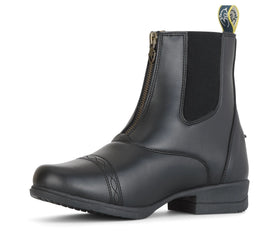
Let's break down the three most common types of riding boots. Paddock boots are the ankle-high workhorses of the English riding world. They’re practical, comfortable, and come in easy-to-wear zip-up or classic lace-up styles. Next are tall boots, the quintessential choice for the English show ring. These boots rise to just below the knee, offering a sleek profile and excellent leg support. A popular variation is the field boot, which looks like a tall boot but includes laces at the ankle for added flexibility. Finally, there’s the iconic cowboy boot, the staple of Western riding. Its taller shaft protects from brush and its angled heel helps keep your foot securely in the stirrup.
From the Barn to Town: Why Versatility Matters
Your boots need to perform well beyond the arena. For many riders, versatility is key. Paddock boots are a fan favorite for this reason; they’re comfortable enough for all-day wear and perfect for barn chores. When you’re ready to ride, you can pair them with half chaps to get the grip and protection of a tall boot. This two-part system gives you flexibility that a single tall boot can’t.
Some riders swear by the breathability of short boots for groundwork, while others prefer the full shin and ankle protection of a tall boot, no matter the task. Ultimately, choosing the right riding boots comes down to what your daily routine looks like. The best pair will feel just as good walking through the pasture as it does in the stirrups.
Shop This Post

Featured in this article
Shires Moretta Clio Plus Paddock Boots - Black, Lace-Up Equestrian, Gently Used
$29.99
Shop Now →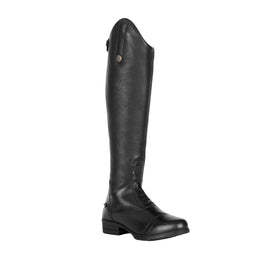
Top Brands for Men's Leather Riding Boots
When you're investing in a pair of leather riding boots, you want to know you're choosing a brand that stands for quality, durability, and comfort. After all, these boots are a critical piece of gear, whether you're in the saddle for hours or working around the barn all day. The market is full of options, but a few names consistently rise to the top, earning the trust of equestrians everywhere. These are the brands that have perfected the art of bootmaking, combining timeless craftsmanship with modern innovations to meet the demands of today's riders.
We've handpicked these brands for our collection because they align with our own commitment to providing high-quality, reliable products. They understand what riders need: a boot that offers support, protects your foot, and holds up to the wear and tear of daily use. From classic Western styles to sleek English designs, these companies have spent decades honing their craft. They don't just sell boots; they build gear that becomes a trusted partner in your equestrian life. Let's take a closer look at what makes Ariat, Justin Boots, Durango, and Twisted X some of the most respected names in the business. Each one brings something unique to the table, ensuring there's a perfect boot out there for every rider.
Ariat
Ariat has built a stellar reputation for integrating athletic footwear technology into its riding boots, resulting in exceptional comfort and performance. If you spend long hours on your feet, this is a brand you need to know. Models like the WorkHog are praised for their incredible comfort, making them a go-to for barn work and long days. What really sets many Ariat boots apart is the minimal break-in period. Riders often report that boots like the Ariat Heritage Lacer feel comfortable right out of the box, which is a huge advantage. This blend of durability and immediate comfort makes Ariat a top choice for everyone from professional trainers to weekend trail riders.
Justin Boots
With a history stretching back over a century, Justin Boots is a true icon in the world of Western footwear. This brand is synonymous with traditional craftsmanship and high-quality materials. When you choose a pair of Justin Boots, you're getting a piece of heritage built to withstand the demands of the Western lifestyle. They are known for their durable leather and classic designs that feel both timeless and authentic. For riders who appreciate solid construction and a boot that can handle rigorous use day in and day out, Justin Boots remains a trusted and reliable choice. Their commitment to quality ensures you get a boot that's not just stylish but also incredibly dependable.
Durango
Durango is the brand for the rider who values rugged style just as much as performance. Known for their distinctive and often fashion-forward designs, Durango boots don't compromise on the features that matter in the barn. They are built to be durable and supportive, offering the comfort you need for a long day of riding or work. If you're looking for a boot that transitions seamlessly from the stable to a night out without missing a beat, Durango offers plenty of options. Their unique blend of function and flair makes them a popular choice for equestrians who want their gear to reflect their personal style.
Twisted X
Twisted X stands out for its focus on comfort and modern innovation, often with an eco-friendly approach. This brand is all about creating exceptionally comfortable footwear from the ground up. Many of their boots feature a more relaxed fit and incorporate moisture-wicking technology to keep your feet dry and comfortable all day long. Twisted X isn't afraid to play with style, offering fresh designs while prioritizing the functional needs of a rider. If you're looking for a boot that feels great from the first wear and is made with thoughtful, modern materials, Twisted X is definitely a brand to check out.
Comparing Boot Styles: Comfort and Function
Once you’ve settled on a general style, it’s time to look at the features that define a boot’s daily performance. The height of the shaft and the type of closure system are two of the most important factors that influence your comfort, safety, and convenience both in and out of the saddle. A tall, pull-on boot offers a completely different experience than a short, laced one. Understanding these distinctions will help you find a pair of riding boots that feels like it was made just for you. Thinking about how you’ll use your boots, from mucking stalls to schooling in the arena, will guide you toward the perfect design for your needs.
Protection and Performance: Tall Boots vs. Short Boots
The choice between tall and short boots often comes down to balancing protection with flexibility. Tall boots are a classic for a reason; they shield your entire lower leg from rubs against the saddle and stirrup leathers, offering excellent stability. It's why some riders swear by the extra ankle and shin protection that tall boots provide. This makes them a top choice for formal disciplines and for anyone who wants maximum coverage while riding.
On the other hand, short boots, like paddock boots, provide fantastic comfort and breathability. They’re perfect for groundwork, walking around the barn, and riding in warmer climates. Many riders pair them with half chaps to get the leg protection of a tall boot with the ankle flexibility of a short one, creating a versatile and practical combination for everyday use.
Fit and Convenience: Lace-Up vs. Pull-On
How you get your boots on and off might seem like a small detail, but it greatly affects fit and daily use. Lace-up boots, particularly English field boots, offer a highly adjustable fit. As one guide explains, field boots look a lot like tall boots, but they have one key difference: laces at the ankle. This feature allows you to achieve a snug, customized fit around the ankle, which can prevent rubbing and improve comfort during long rides.
In contrast, pull-on and zip-up styles prioritize convenience. Dress boots and most Western boots are typically pull-ons, making them quick to slip on before you head to the barn. Paddock boots also offer great versatility, coming in both lace-up and zipper styles. This variety allows you to select a boot that perfectly matches your personal preference for either a precise fit or effortless convenience.
Are Quality Riding Boots a Good Investment?
When you’re staring at the price tag on a pair of high-quality leather riding boots, it’s easy to wonder if they’re really worth it. The short answer is yes. Think of it less as a purchase and more as an investment in your safety, comfort, and long-term budget. A well-made boot from a trusted brand is designed to withstand the rigors of barn life, from mucking stalls to long hours in the saddle. The superior materials and construction provide essential support for your foot and ankle, which is critical for proper form and preventing injury.
While cheaper boots might save you money upfront, they often wear out quickly, leading to replacement costs that add up over time. They can also lack the structure needed for safe riding, putting you at risk. A quality pair, on the other hand, can last for years, sometimes even decades, with the right care. They are built for performance and durability, offering a level of reliability that gives you confidence every time you swing into the saddle. It’s about having gear you can count on, day in and day out.
Calculating Cost-Per-Wear: Why Good Leather Lasts
The concept of "cost-per-wear" is a simple way to understand the value of quality boots. A $100 pair that you have to replace every year is more expensive in the long run than a $400 pair that lasts for five years or more. High-quality leather and expert craftsmanship mean your boots are built to last, allowing you to perform at your best without worrying about your gear. Good leather molds to your foot for a custom-like fit, and durable soles and stitching can handle constant use.
These boots aren't just beautiful; they're functional workhorses. When you invest in premium riding boots, you're paying for materials that can be cleaned, conditioned, and even repaired, extending their life far beyond that of a cheaper alternative. This durability makes them a smarter and more sustainable choice for any serious rider.
What Riders Say About Popular Boot Styles
The debate between different boot styles is a common one around the barn. Many riders love paddock boots because they are practical, comfortable, and often more affordable. Paired with half chaps, they offer great versatility and are easy to wear for chores after your ride. They come in both zip-up and lace-up styles, so you can find the closure that works best for you.
Other riders won't go without the traditional look and feel of tall boots. They argue that the extra ankle and shin protection is non-negotiable for safety and a secure leg position. Within this category, you’ll find styles like field boots, which have laces at the ankle for added flexibility, and dress boots, which offer a sleek, formal appearance. Ultimately, the right choice depends on your discipline, comfort, and personal preference.
How to Find the Perfect Fit
Finding the right fit is the most important part of buying new riding boots. It’s the difference between a boot that supports you for years and one that causes painful blisters after a single ride. A proper fit affects not just your comfort, but also your safety and performance in the saddle. The process isn't difficult, but it does require a little attention to detail. It all comes down to two key steps: taking accurate measurements before you buy and understanding what to expect as the new leather breaks in and molds to your foot and leg. Getting this right ensures your new boots will feel like they were made just for you.
Sizing Your Boots Correctly
Your new boots should feel snug all around your foot and leg, but they should never be painful. Before you start shopping, grab a soft measuring tape and put on the socks you normally wear for riding. For any style, you’ll need your foot length. If you’re looking at tall boots, you have two more measurements to take. While sitting in a chair with your knees bent at a 90-degree angle, measure the widest part of your calf. Then, measure the height from the floor to the bend behind your knee. Once you have your numbers, always compare them to the specific brand's size chart, as sizing can vary between different makers of riding boots.
What to Expect During the Break-In Period
New leather boots always have a break-in period, so it’s helpful to know what’s normal. Expect them to feel tight and stiff at first, especially around the ankle. This is completely fine. However, if you feel any sharp pinching or genuine pain, the boots are likely the wrong size or shape for your foot. For tall boots, remember the "drop." New tall boots should feel about a half-inch to an inch too tall when you first try them on. As you wear them, the leather around the ankle will soften and compress, causing the shaft to settle into the perfect height. To speed this up, try wearing your new boots around the house for short periods.
How to Care for Your Leather Riding Boots
Once you’ve invested in a quality pair of men's leather riding boots, taking care of them is the best way to protect your purchase. Proper care doesn’t just keep them looking sharp; it preserves the leather, maintains their supportive structure, and ensures they stay comfortable for years of rides. Think of it as part of your regular tack maintenance. A little bit of attention after each ride goes a long way in preventing cracks, fading, and stiffness. With just a few simple habits, you can dramatically extend the life of your boots, making sure they’re always ready for the stirrup or a walk around town. The following steps will help you establish a routine that keeps your boots in top condition, protecting the leather from the barn's daily wear and tear.
The Basics of Cleaning and Conditioning
A consistent cleaning routine is the foundation of good leather care. After each ride, take a moment to wipe away dust and sweat with a soft, damp cloth. For more significant dirt or mud, use lukewarm water and a cloth to gently clean the surface, then pat them dry immediately to avoid water spots.
Once your boots are clean and completely dry, it’s time to condition them. A good leather conditioner restores moisture, keeping the material supple and preventing the painful cracks that can develop over time. Apply a small amount with a clean cloth, working it into the leather in gentle, circular motions. This simple step is key to keeping the leather supple and ensuring your boots mold comfortably to your feet.
Simple Storage Tips to Make Your Boots Last
How you store your boots is just as important as how you clean them. Tossing them in a corner is a quick way to cause creases and damage their shape. Instead, always store your boots upright in a cool, dry place away from direct sunlight, as UV rays can cause the leather to fade and dry out.
To help your boots maintain their shape, it’s a great idea to use boot trees. These inserts slide into your boots to hold their form, preventing the ankle from dropping and stopping creases from setting in. If you don’t have boot trees, even loosely rolled-up magazines will do the trick in a pinch. For long-term storage, placing them in a breathable dust bag will also protect them from scratches and dirt.
Related Articles
- The Ultimate Guide to Genuine Leather Riding Boots
- Riding Leather Boots 101: A Complete Guide
- How to Choose the Best Horse Riding Leather Boots
- The Buyer's Guide to Genuine Leather Riding Boots
Frequently Asked Questions
What is the most important feature to look for in a riding boot? While high-quality leather is great, the most critical feature for your safety is a distinct heel of about one inch. This design prevents your foot from accidentally slipping all the way through the stirrup, which can be very dangerous. A sturdy sole that provides good traction is also essential for keeping you secure both in the saddle and on the ground.
I'm new to riding. Which type of boot is best for a beginner? Paddock boots are an excellent starting point for new riders. These ankle-high boots are comfortable, practical for barn chores, and generally more affordable than tall boots. As you progress, you can easily pair them with half chaps to get the grip and leg protection of a tall boot, making them a very versatile choice. You can explore a great selection of riding boots to find a pair that fits your needs.
My new boots feel really tight. Did I get the wrong size? New leather boots should feel snug all over, but they should never be painful. A bit of stiffness and tightness, especially around the ankle, is completely normal during the break-in period. If you're trying on tall boots, they should even feel a little too tall at first; they will "drop" and settle around your ankle as you wear them. However, if you feel any sharp pinching or real pain, they are likely the wrong size or shape for your foot.
How often do I really need to clean my leather boots? A good habit is to give your boots a quick wipe-down with a damp cloth after every ride to remove sweat and dust. This simple step prevents buildup that can damage the leather over time. You should do a more thorough cleaning and conditioning whenever they look dirty or feel dry, which might be once a month or so depending on how often you ride and in what conditions.
Can I wear my cowboy boots for English riding? It's generally not recommended to wear Western-style cowboy boots for English riding. Cowboy boots are designed with a thicker sole and a more angled heel suited for a Western saddle and stirrup. English boots have a much thinner sole to allow for closer contact with the horse and a straight heel that fits securely in an English stirrup iron. Using the wrong boot can affect your balance, safety, and communication with your horse.


