


Finding the right balance between a clear cue and a gentle touch can be a real challenge, especially with a sensitive horse. You need to get their attention and encourage responsiveness, but the last thing you want is to cause discomfort. This is where the right equipment makes all the difference. English roller spurs are designed specifically for this purpose. Instead of a fixed point, their unique rolling ball glides smoothly along your horse's side, distributing pressure evenly. This prevents any sharp sensation, protecting their skin while still allowing for the clear communication needed for a great ride.
Key Takeaways
- Clarify your cues with a gentle touch: Roller spurs are meant to refine your existing leg aids, offering a more precise way to communicate with your horse without resorting to harsh pressure.
- Choose spurs that fit you and your horse: The most effective roller spurs are tailored to your needs; consider the shank length, roller ball size, and how they fit your boots to ensure your cues are consistent and comfortable.
- Practice proper pressure and release: Always use your leg aid first. If you need to use the spur, apply a light touch and remove the pressure the moment your horse responds to teach them to stay sensitive and willing.
What Are English Roller Spurs?
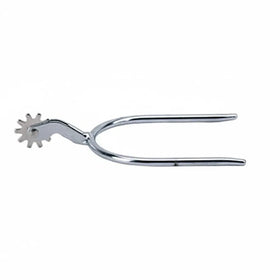
If you've ever felt like you needed a more precise way to communicate with your horse, English roller spurs might be the tool you're looking for. Unlike the sharp, pointy spurs you might see in old Westerns, these are designed for refinement and clear communication. They are a specific type of spur featuring a small, movable ball or cylinder at the end of the shank. This roller is designed to glide smoothly along the horse's side, offering a gentler and more subtle cue than a fixed-end spur.
Think of them as an extension of your leg aids, allowing you to give nuanced signals without having to use stronger leg pressure. They’re a popular choice in many English disciplines, from dressage to eventing, because they help riders achieve a higher level of precision. When used correctly, roller spurs can strengthen the partnership between you and your horse, making your aids clearer and your rides more harmonious.
How Do Roller Spurs Actually Work?
The magic of English roller spurs lies in their simple yet effective design. Most are crafted from durable stainless steel, which stands up to regular use while remaining lightweight. At the end of the shank (the arm that extends from the heel), there's a small ball that rolls freely. When you apply a leg aid, this ball glides across your horse’s side instead of poking. This rolling action helps distribute pressure more evenly, preventing a sharp or jarring sensation. It’s a much kinder way to get your horse’s attention, making them an excellent piece of horse tack for riders seeking a softer touch.
Roller Spurs vs. Traditional: Which Is Right for You?
It’s easy to group all spurs together, but roller spurs are quite different from their traditional counterparts. While a standard spur has a fixed end, a roller spur’s moving ball creates a more fluid and less direct pressure. For many horses, this rolling sensation is less intimidating and encourages a better response. Some riders also feel more comfortable using them, especially if they are worried about accidentally jabbing their horse with a long-necked or pointed spur. The goal isn't to apply more pressure, but to make the pressure you do apply more effective. Roller spurs allow for a subtle cue that says, "Hey, listen a little closer," rather than a sharp command.
Comparing with Knob and Rounded Spurs
Knob and rounded spurs, sometimes called ball spurs, are among the mildest options available. They feature a simple, blunt end that provides a soft, steady pressure against the horse's side. These are often recommended for riders just learning to use spurs or for very sensitive horses that only need a light reminder. While both roller and rounded spurs are gentle, the sensation they create is different. A rounded spur offers a dull, constant pressure point. A roller spur, on the other hand, provides a more distinct, moving cue as the ball glides. For a horse that might lean on or ignore a simple knob spur, the rolling action can be a more effective way to get their attention without increasing the force of your aid.
Comparing with Prince of Wales Spurs
The Prince of Wales spur is a classic for a reason. It has a flat, blunt end on a slightly longer shank, giving the rider a bit more reach and a very clear, direct signal. It’s a step up in directness from a rounded spur and is used to apply a distinct, static nudge. The main difference comes down to static versus dynamic pressure. The Prince of Wales delivers a straightforward tap, while the roller spur creates a gliding sensation. Neither is inherently harsh, but they communicate differently. If your goal is a quick, precise cue, the Prince of Wales is effective. If you want a softer, rolling reinforcement of your leg, the roller spur is the better choice for your horse tack collection.
Comparing with Rowel Spurs
Rowel spurs feature a small, rotating wheel at the end of the shank. These wheels can range from smooth, pizza-cutter styles to ones with distinct points, and they are designed to provide a very sharp, specific signal with just a light touch. However, they require an extremely steady leg, as even a small movement can cause the rowel to dig in and cause discomfort. Roller spurs offer a much safer alternative. The smooth, solid ball is designed to roll, not prick, distributing pressure and preventing the sharp sensation a rowel can create. For most riders in English disciplines, a roller spur provides all the refinement needed without the risks associated with a toothed rowel.
Are Roller Spurs Harsh? Debunking Common Myths
Let’s clear the air on the biggest myth about spurs: that they are tools for punishment. This couldn't be further from the truth. Spurs are not meant to hurt a horse or force it to go faster. Instead, they are sophisticated tools used to refine a rider's cues. When you’ve taught your horse to respond to a light leg squeeze, a spur can add a layer of precision to that signal. It’s about enhancing communication, not creating it with force. As we cover in our complete guide to equestrian spurs, these tools are intended to support your aids, not replace them. When used with skill and empathy, roller spurs help you have a clearer, quieter conversation with your horse.
Why Use Roller Spurs in English Riding?
When used correctly, spurs are not about making a horse go faster; they're about clarity. Think of them as a tool for fine-tuning the conversation you're already having with your leg aids. Roller spurs, in particular, offer a unique way to communicate with precision and gentleness. Their design allows them to roll along your horse's side, which can be a softer and more effective way to deliver a cue compared to traditional spurs that have a fixed, and sometimes sharper, end. This rolling action is what sets them apart, making them a favorite for riders who prioritize their horse's comfort.
For many riders, roller spurs are the perfect middle ground. They provide the refinement needed for advanced movements without being harsh. Whether you're training a young horse, competing in the dressage ring, or simply want to improve your connection, these spurs can help you give clearer signals. They are an excellent choice for protecting sensitive horses while still achieving the responsiveness you need. By understanding their benefits, you can decide if they are the right addition to your horse tack collection. It's all about finding the right tool that helps you and your horse work together as a team, and for many, roller spurs are exactly that.
Refine Your Aids for Clearer Communication
Roller spurs act as an extension of your leg, allowing you to give more specific and subtle cues. When your leg aid alone isn't quite enough to get the desired response, a light touch with a roller spur can add the necessary emphasis. This is especially helpful for encouraging lateral movements or asking for more engagement from the hindquarters. The goal is to use the lightest aid possible, and these spurs can help you enhance that subtle communication. Instead of a stronger leg squeeze, a simple roll of the spur can communicate your request clearly and quietly, leading to a more responsive and willing partner.
A Gentler Choice for Sensitive Horses
If you have a horse with thin or sensitive skin, you know how easily they can get rubs or marks. Traditional spurs can sometimes cause irritation, but roller spurs are designed to be much gentler. The smooth, rolling ball glides across the horse's coat and skin, minimizing friction and preventing the pinching or poking that can happen with other spur types. This design makes them an ideal choice for sensitive horses that still need the guidance of a spur. You can maintain clear communication without worrying about causing your horse discomfort or leaving unsightly marks on their sides.
Achieve Softer, More Consistent Pressure
The key advantage of a roller spur is its ability to apply pressure smoothly and consistently. Instead of a single, sharp point of contact, the rolling ball distributes the pressure as it moves. As one expert from the American Quarter Horse Association notes, rolling the spur up the horse's side is often more effective than a simple jab. This creates a continuous, flowing sensation that your horse can easily understand and respond to. It’s a clearer, less startling cue that encourages movement without startling your horse, fostering a more trusting and cooperative relationship between you and your mount.
From the Dressage Ring to the Trail: A Versatile Tool
Roller spurs aren't limited to one style of riding; they are a popular tool across many English disciplines. In dressage, they help riders ask for the precise, nuanced movements required for high-level tests. For jumpers, they can provide the extra encouragement needed to move forward energetically toward a fence. Because they come in various shank lengths and roller ball sizes, you can find a pair that suits your specific needs and riding style. From training young horses to competing at the highest levels, roller spurs offer a versatile and effective way to refine your aids.
Shop This Post

Featured in this article
Weaver Leather Heel Straps with Rubber - 8" Length - Durable Black Rubber and Leather Spur Straps
$13.75
Shop Now →
How to Choose the Right English Roller Spurs
Picking the right pair of roller spurs isn’t about finding the fanciest or most expensive option. It’s about finding the right tool for you, your horse, and your riding goals. The perfect spurs should feel like a natural extension of your leg, allowing you to communicate with quiet precision. Think of them as a way to whisper, not shout, your aids. Making the right choice is a key part of responsible horsemanship, as the wrong pair can send mixed signals or cause discomfort, while the right pair can refine your communication and strengthen your partnership. When you’re shopping, you’ll want to think about four key things: how they fit your boots, what they’re made of, the length of the shank, and the size of the roller ball itself. Getting these details right will make all the difference in your ride, ensuring your cues are both gentle and effective. Let’s walk through each of these factors so you can choose your next pair with confidence.
Getting the Perfect Fit for Your Boots
Before you even think about materials or shank length, start with the fit. Your spurs need to sit securely on your riding boots to work correctly. A loose or wobbly spur can slide down your heel, making your cues inconsistent and sloppy. On the other hand, a spur that’s too tight can pinch and damage your expensive leather boots.
Spurs are designed to be worn on the heel to extend the rider's leg and provide subtle, precise cues. For that to happen, they need to stay put. When you try on a pair, make sure they rest comfortably on your boot’s spur ledge without any slipping. The arms of the spur should hug the sides of your heel without digging in. A great fit means the spur becomes part of your boot, giving you a reliable point of contact every time you use your leg.
Understanding Spur Sizing for Men, Women, and Children
Spurs aren't a one-size-fits-all piece of equipment. They typically come in sizes for men, women, and children, but these labels are more of a guideline than a strict rule. The main difference lies in the width and length of the spur's arms. Men's spurs are generally wider with longer arms to accommodate a larger, wider boot, while women's and children's sizes are proportionally smaller. However, the best fit for you really depends on your boot. If you have a smaller foot, a children's or women's spur might be perfect, regardless of your age. The goal is to find a pair that hugs your heel securely without slipping or pinching. Don't get too caught up in the label; focus on finding the right conformation for your specific boot from a quality horse tack selection.
When to Get a Professional Fitting
While you can often find a great fit by trying on a few pairs, don't hesitate to ask for a second opinion, especially if you're new to using spurs. A proper fit is essential because the wrong size can cause the spur to sit incorrectly on your boot, leading to inconsistent cues or discomfort for your horse. A trusted trainer or an experienced equestrian can offer valuable feedback on how a spur fits and whether it's appropriate for your riding level and your horse's temperament. They can help you assess if the spur is positioned correctly to refine your aids, not interfere with them. Getting it right from the start ensures the spur becomes a tool for clear communication, strengthening your partnership. This commitment to finding the right equipment is something we value deeply, drawing on our team's expertise to help riders make confident choices.
Metal vs. Plastic Rollers: Which Should You Choose?
Roller spurs generally come in two materials: stainless steel or a durable plastic composite. Stainless steel is the traditional choice, known for its longevity and classic look. It has a bit of weight to it, which some riders prefer because it helps the spur hang correctly off the boot. They are a fantastic long-term investment for any rider’s collection of horse tack.
Plastic spurs are a lighter and often more budget-friendly alternative. They are a great starting point if you’re new to spurs or just want to try the roller ball style without a big commitment. As one rider on a forum noted, "I have the plastic Mark Todd ones and have never had a problem with them." Ultimately, the best material is the one that feels right for you and your budget.
Other Materials and Finishes to Consider
While the roller itself is a key component, the material of the spur's body is just as important for durability and feel. The vast majority of high-quality spurs are crafted from stainless steel, and for good reason. It’s incredibly strong, resists rust, and has a classic, polished look that never goes out of style. This makes it a reliable, long-term investment for your gear. You might also find spurs made from German silver, which offers a slightly different color, or newer composite plastics that are lightweight. Ultimately, stainless steel remains the industry standard for its proven performance and longevity, ensuring your spurs will be a lasting part of your tack collection for years to come.
Special Features like Rubber-Covered Arms
Beyond the basic materials, many modern spurs include thoughtful features designed to protect your gear and enhance your overall look. One of the most practical innovations is rubber-covered arms. This simple addition creates a soft, grippy layer between the metal spur and your expensive riding boots, preventing scratches and scuffs while also helping the spur stay in place. Other spurs come with a black finish, which helps them blend seamlessly with black boots for a more elegant and discreet appearance in the show ring. These small details show that a manufacturer understands the practical needs of equestrians, which is something we always look for in the products we select for our store.
Matching Shank Length to Your Discipline
The shank is the arm that extends from the back of the spur, and its length is a critical factor. A longer shank requires less movement from your heel to make contact with your horse’s side, while a shorter shank requires a more deliberate leg aid. Your ideal shank length depends on your leg length and your primary riding discipline.
Riders with longer legs may need a slightly longer shank to give clear cues without disrupting their leg position. Some spurs even feature adjustable shanks, allowing you to fine-tune the pressure depending on the horse and riding situation. For example, a dressage rider might use a longer shank for nuanced signals, while a show jumper might prefer a shorter, blunter style to prevent accidental contact over a fence.
Picking the Right Roller Ball Size and Style
The magic of these spurs is right in the name: the roller ball. This small ball rotates as it touches the horse’s side, creating a rolling pressure instead of a poke. This design is often gentler and clearer for sensitive horses. For riders who need a bit more refinement in their aids, roller ball spurs are incredibly effective.
The size of the ball matters, too. A larger, smoother ball distributes pressure over a wider area, making it a milder option. Smaller balls provide a more defined point of contact. When you’re starting out, it’s always best to choose the gentlest option that your horse responds to. The goal is to whisper your cues, not shout them.
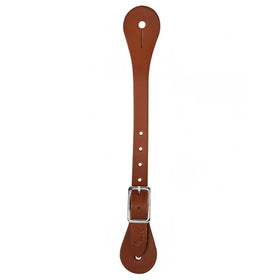
Choosing the Right Spur Straps
Once you’ve found the perfect pair of roller spurs, the final piece of the puzzle is choosing the right straps. It might seem like a small detail, but the straps are what anchor the spur to your boot, ensuring it stays in the correct position for clear and consistent cues. A strap that slips or stretches can make your aids feel sloppy and unreliable. The most common materials you’ll find are classic leather and durable nylon, and we carry a great selection of both in our horse tack collection. Your choice will depend on your riding discipline and budget, so it’s worth taking a moment to consider which material best suits your needs.
Leather vs. Nylon Straps
Leather straps are the traditional choice for a reason. They offer a timeless, polished look that’s perfect for the show ring and are incredibly durable. Over time, leather will soften and mold to your boot, creating a custom-like fit that prevents slipping. They are also generally easy to wipe clean after a dusty ride. On the other hand, nylon straps are a fantastic, budget-friendly alternative. They are lightweight, strong, and often more resistant to rain and mud, making them a practical pick for daily schooling. While some riders prefer the classic aesthetic of leather, many appreciate that nylon options are affordable without sacrificing quality. The best choice comes down to your personal priorities—whether you value the classic feel of leather or the practical, all-weather appeal of nylon.
Top English Roller Spur Brands to Trust
When you’re shopping for roller spurs, the brand name on the box is more than just a label. It represents a certain standard of quality, design, and philosophy. Choosing a reputable brand means you’re investing in a tool that’s been thoughtfully engineered for clear communication and your horse’s comfort. The materials will be more durable, the roller mechanism will be smoother, and the overall shape will be more ergonomic for both you and your horse. Think of it like buying any important piece of equipment; the craftsmanship matters. A well-made spur will have balanced weight, a secure fit on your boot, and a roller that moves freely without catching. These small details make a huge difference in how your horse perceives your cues.
Conversely, a poorly made spur can be ineffective or even unkind. The metal might be rough, the roller could stick, or the shank might be angled improperly, leading to confusing signals or discomfort for your horse. This is why taking the time to learn about different brands is so important. It’s not about brand loyalty for its own sake, but about understanding which companies prioritize the same things you do: safety, effectiveness, and a strong, positive relationship with your horse. While there are many options out there, a few brands consistently earn the trust of riders for their commitment to excellence and equine welfare. Below, we’ll walk through some of the top names in the industry to help you make a confident choice.
Our Favorite Picks at Hooves and Paws
Here at Hooves and Paws, we believe that every piece of equipment should strengthen the connection you have with your horse. It's a common myth that spurs are just a gas pedal. In reality, they are designed to provide subtle cues to the horse, enhancing communication between rider and horse. This philosophy is at the core of our equestrian spurs guide and the products we choose to carry. We carefully select brands that share our commitment to quality craftsmanship and ethical horsemanship, ensuring you get a tool that is both effective and kind.
Herm Sprenger: The Gold Standard
Herm Sprenger is a name that equestrians have trusted for generations, and for good reason. Known for exceptional German engineering, their spurs are crafted with precision and high-quality materials that last. Their roller spurs are particularly favored for their gentle design, making them suitable for sensitive horses that require a very light touch. The rollers are incredibly smooth, allowing for a fluid, subtle cue rather than a sharp poke. If you’re looking for a top-of-the-line spur that offers refined communication, Herm Sprenger is an excellent choice.
Stubben: A Legacy of Quality
Another powerhouse in the equestrian world, Stubben is renowned for producing durable and highly effective riding equipment. Their roller spurs are no exception. Riders often choose Stubben for their reliability and straightforward, classic designs that perform well in any arena. They are built to provide clear communication without being harsh on the horse, making them a fantastic all-around option for training and showing. If you need a dependable, no-fuss pair of spurs that will stand up to daily use while keeping your horse comfortable and your cues precise, Stubben is a brand you can count on.
KM Elite: Innovation for Modern Riders
KM Elite roller ball spurs are a great choice for riders especially concerned about their horse’s comfort and well-being. Crafted from high-quality stainless steel, these spurs are designed to be gentle on the horse's skin, minimizing the risk of rubs or irritation. The roller ball provides a smooth, dispersed pressure that is ideal for horses with fine coats or sensitive sides. They offer a kind yet effective way to refine your aids without a sharp point, making them a popular option for conscientious riders across various disciplines who want the softest possible touch.
Other Notable Brands to Consider
Freejump®
If you're a rider who loves innovative gear, Freejump® is a brand that should be on your radar. They are well-known for designs that put rider comfort and horse welfare first. Their roller spurs are a perfect example of this philosophy, crafted to give a gentle but clear cue that’s ideal for sensitive horses. The magic is in the unique rolling ball, which glides to distribute pressure smoothly, keeping your communication precise without causing any discomfort. It’s this thoughtful approach to equestrian equipment that has made Freejump® a go-to for riders who want to perform at their best while prioritizing their horse's happiness.
Suffolk™ and Halter Ego®
For riders who appreciate beautiful craftsmanship and meticulous attention to detail, Suffolk™ and Halter Ego® are two brands that consistently deliver. Their roller spurs are designed to help you refine your aids, providing that delicate touch needed for disciplines that demand precision. Both brands are focused on creating durable, effective products, so you can trust their spurs to perform ride after ride. Halter Ego®, in particular, is known for blending high performance with stunning style. These brands are a great fit for any rider looking to strengthen their connection with their horse through clearer, gentler communication.
Balancing Price and Long-Term Value
When you’re comparing spurs, it’s important to think about both price and long-term value. While budget-friendly options might seem appealing, higher-priced spurs often offer better materials and design, which can enhance their effectiveness and longevity. Investing in a well-made pair from a trusted brand means you’re getting a tool that will perform reliably for years. More importantly, you’re investing in your horse’s comfort and the quality of your communication, which is essential for using spurs properly and building a positive partnership.
Typical Price Ranges for Quality Spurs
The cost of English roller spurs can vary quite a bit, but you don't have to break the bank to find a quality pair. You can generally expect to find solid, reliable options from reputable brands starting in the $20 to $40 range. These are often perfect for daily use and for riders just starting to incorporate spurs into their training. For more specialized designs or premium brands known for their superior materials and craftsmanship, prices for different horse riding spurs can go up, sometimes exceeding $100 for a single pair. While it might be tempting to go for the cheapest option, remember that a higher price often reflects better balance, smoother rollers, and more durable construction. Think of it as an investment in a tool that ensures clear, gentle communication with your horse, which is always worth it.
How to Use Roller Spurs Effectively
Using roller spurs is all about refining your communication, not creating it. Think of them as a tool for adding clarity and nuance to your leg aids, much like a whisper instead of a shout. Before you even strap them on, it’s essential to have a solid, independent seat and a quiet leg. Your horse should already understand your basic leg cues. When used correctly, roller spurs can help you achieve a lighter, more responsive ride. The goal is always to use the lightest touch possible to get the desired response, rewarding your horse instantly when they listen. This approach builds trust and strengthens your partnership, ensuring the spur remains a tool for precision, not punishment.
Why a Correct Leg Position Is Non-Negotiable
Your effectiveness with any spur starts with your leg position. A stable, correct leg is non-negotiable. If your lower leg swings or moves unintentionally, you risk bumping your horse with the spur when you don’t mean to, which can confuse or irritate them. With a steady leg, you can be incredibly precise. Instead of a jab, the proper technique is to turn your toe out slightly and roll the spur up your horse's side. As one AQHA judge explains, this rolling motion creates a new sensation with each part of the rowel that touches the horse, making it a clearer and more effective cue.
How to Introduce Roller Spurs to Your Horse
Never surprise your horse with a new piece of equipment. A gradual introduction helps your horse understand the new pressure without becoming anxious. A great time to introduce spurs is during suppling exercises, when your horse might be tempted to lean on your leg. According to Downunder Horsemanship, this is an ideal scenario because it allows you to use the spur to reinforce your leg aid when your horse ignores the initial cue. Start by applying your normal leg pressure. If your horse doesn’t respond, gently roll the spur and release it the moment they move away from the pressure. This teaches them to stay light and responsive.
Perfecting Your Pressure and Release Technique
The golden rule of using spurs is pressure and release. The spur should always be a secondary aid, used only after your primary aids (your leg, seat, and hands) have been ignored. Start by asking with your calf. If you don't get a response, then you can reinforce the cue with a light touch from the roller spur. The instant your horse responds correctly, release the pressure. This immediate reward is how your horse learns. It’s a conversation, not a command. This method of applying gentle pressure and releasing as needed ensures your horse stays sensitive and willing.
Keeping Your Horse Comfortable and Mark-Free
While roller spurs are designed to be mild, they can still leave marks if used improperly or on a particularly sensitive horse. To avoid this, focus on keeping your leg still and applying only the lightest touch needed. If you notice any irritation or rub marks, reassess your leg position and the amount of pressure you’re using. Ensure all your horse tack fits correctly and isn't contributing to the problem by causing your leg to shift. Consistent, gentle application is key to keeping your horse comfortable and his coat pristine.
Your Pre-Purchase Checklist for Roller Spurs
You’ve done your research, and you’re ready to find the perfect pair of roller spurs. That’s great! But before you add them to your cart, there are a few final things to consider to make sure you’re making a smart investment for both you and your horse. Thinking through these points will help you choose a pair that’s effective, durable, and right for your riding goals. From checking what other riders are saying to finding a retailer you can trust, a little extra diligence now will pay off in the long run.
Always Check Competition and Discipline Rules
Before you enter the show ring, it's essential to know the rules of your specific discipline, especially when it comes to equipment. Regulations for spurs can vary significantly between organizations and events. While roller spurs are widely permitted in disciplines like dressage and eventing, some competitions may have restrictions on shank length or the type of roller ball allowed. As one major retailer wisely advises, you should always check the rules to make sure your spurs are legal for your event. Taking a few minutes to verify the regulations saves you from potential disqualification and lets you focus on what really matters: your ride. Knowing the rules helps you choose the right horse tack with confidence.
See What Other Riders Are Saying
One of the best ways to get honest feedback is to see what other equestrians are saying. Rider reviews can give you real-world insight into how a specific pair of spurs performs. You might find someone who notes how well they worked for their sensitive horse, with one rider sharing, “Our horse needed something less harsh than regular English spurs. These work great.” Forums are also a goldmine of information, where you can find discussions about the pros and cons of different styles. Getting a feel for the community’s experience can help you make a confident choice.
Assessing Durability for Long-Term Use
Your riding gear works hard, and you want spurs that can keep up. When you’re shopping, pay close attention to the materials. While some riders have success with plastic roller balls, high-quality stainless steel or metal options often provide better longevity and a smoother roll over time. Investing in a well-made pair from a reputable brand means you won’t have to worry about them breaking or the roller mechanism sticking. Think of it as choosing a piece of equipment that will be a reliable part of your tack collection for years to come.
How to Clean and Care for Your Spurs
Like any piece of tack, your roller spurs need a little TLC to stay in top condition. The rolling mechanism can pick up dirt and arena footing, which can cause it to stick or not move freely. A quick clean after each ride is a great habit to get into. Just wipe them down with a damp cloth and make sure the ball spins smoothly. Proper care not only extends the life of your spurs but also ensures they function correctly, providing the gentle, consistent contact your horse relies on.
Where to Buy from a Trusted Retailer
Where you buy your spurs is just as important as which pair you choose. A knowledgeable retailer does more than just sell products; they provide guidance and stand behind the quality of their gear. It’s crucial to buy from a source that understands that spurs are tools for refinement, not punishment. At Hooves and Paws, we’ve spent over 30 years handpicking products we believe in. We’re riders ourselves, and we’re committed to helping you find the right tools to build a great partnership with your horse.
Related Articles
- Horse Spurs 101: The Ultimate Buyer's Guide
- How to Fit English Spurs on Boots: A Simple Guide
- English Spurs with Rowels: A Complete Guide
Frequently Asked Questions
Can a beginner rider use roller spurs? It's generally best to wait until you have a secure and independent leg position. Spurs are tools for refining cues, not for balance or creating forward movement. If your leg is not yet completely stable, you risk accidentally bumping your horse and sending confusing signals. Focus on developing a solid seat first, and then you can think about adding spurs to make your aids more precise.
How do I know if my horse actually needs spurs? That's a great question to ask. Spurs are helpful when your horse understands your leg aids but has become a bit slow to respond, requiring you to use more pressure than you'd like. They can also add clarity for more complex movements. If you feel like you're "shouting" with your legs, a gentle roller spur can help you go back to "whispering" your cues.
Are roller spurs harsher than traditional spurs? Not at all; they are often considered a gentler alternative. A traditional spur has a fixed end, but a roller spur is designed to glide smoothly along your horse's side. This rolling action distributes pressure more evenly and is often better received by sensitive horses because it's less likely to poke or pinch the skin.
What's the real difference between a large roller ball and a small one? The size of the ball affects how the pressure feels to your horse. A larger ball spreads the contact over a wider surface area, which results in a milder, softer cue. A smaller ball provides a more defined point of contact for a more precise signal. If you're just starting with roller spurs or have a particularly sensitive horse, choosing a larger ball is a great place to start.
How often should I clean my roller spurs? Making it a habit to wipe them down after each ride is a smart move. The roller mechanism can easily get clogged with arena footing, dirt, and hair, which can prevent it from spinning smoothly. A quick clean with a damp cloth ensures the roller works correctly, providing the gentle and consistent cue your horse expects.


