


A stable lower leg is everything in the saddle. It’s the foundation for clear communication with your horse. But that stability is impossible when your boots are working against you. Boots that gap, slide, and rotate create an unstable base, turning your precise aids into background noise. This isn't just about looks; it's about performance. Finding a pair of calf riding boots that fits securely is a fundamental step toward becoming a more effective rider. We'll cover the styles and brands that provide that essential close-contact feel for better communication and confidence.
Key Takeaways
- Rely on measurements, not clothing size: The secret to a perfect fit is measuring the widest part of your calf and the height of your lower leg. These two numbers are far more important than your pant size when reading a boot chart.
- Focus on fit-enhancing details: To get a sleek, no-gap silhouette, choose boots with features like elastic gussets, adjustable top buckles, or a tapered ankle. These elements provide a more customized fit right off the shelf.
- Use boot trees to preserve the shape: Proper storage is just as crucial as cleaning. Using boot trees is the best way to maintain the boot's structure, prevent the ankle from dropping, and ensure a snug fit for years to come.
How to Choose the Best Riding Boots for Slim Calves
Finding riding boots that fit slim calves can feel like a never-ending quest. The dreaded gap between your leg and the boot is not just a style issue; it can affect your stability and comfort in the saddle. But the perfect fit is out there. The key is knowing exactly what to look for before you start shopping.
First, forget about your clothing size. The biggest myth is that your pant size determines your boot width, but it all comes down to your actual calf measurement. For a close, comfortable fit, you need to measure your calves correctly. Sit in a chair with your feet flat on the floor and your knees at a 90-degree angle. Measure the widest part of your calf over your usual riding pants and socks. This number is your starting point for finding a boot that hugs your leg without sagging.
Next, pay attention to the boot’s design and material. Look for styles specifically labeled as "slim calf" or those with features like a tapered ankle, stretch leather panels, or adjustable buckles. A boot that’s wide through the ankle will bunch and sag, even if it fits your calf perfectly. Stiffer leather often holds its shape better than softer, slouchy materials. Finally, remember that proper care is essential for maintaining the boot's structure. Investing in a good pair of boot trees will help your boots keep their shape and prevent creases, ensuring a snug fit for years to come.
Top Riding Boot Brands for Slim Calves
Finding the right brand can feel like searching for a needle in a haystack, but don't worry, we've done the legwork for you. Over the years, we’ve identified several brands that consistently get it right for riders with slender calves. Whether you’re looking for a custom fit, a performance-driven design, or a touch of luxury, there’s a boot out there for you. These are the brands we recommend time and time again because they understand that a great fit is non-negotiable.
Why We Love the Hooves and Paws Collection
We know the slim-calf struggle firsthand, which is why we’ve dedicated a part of our collection to solving it. Our handpicked selection of horse tack and apparel includes riding boots designed specifically to provide a sleek, no-gap silhouette. We focus on brands and styles that feature a more tapered ankle and a snugger shaft, so you can finally get that painted-on look you’ve been searching for. From classic dress boots for the show ring to durable field boots for everyday schooling, our curated options ensure you never have to choose between style and a secure fit.
DuoBoots: For a Custom Fit
If you’re tired of settling for "good enough," DuoBoots might be your perfect match. This brand revolutionized boot shopping by letting you order based on two separate measurements: your shoe size and your exact calf width. This made-to-order approach ensures a truly customized fit without the typical custom price tag. It’s an ideal solution for riders who fall between standard sizes or have a significant difference between their foot size and calf measurement. With DuoBoots, you can finally get a pair of boots that feels like it was made just for you, because it practically was.
Ariat: Where Technology Meets the Perfect Fit
For riders who demand both performance and precision, Ariat is a top contender. Known for its innovative technology and athletic-inspired designs, Ariat offers many of its popular English riding boots in extra-slim and even xx-slim calf sizes. Their boots are engineered to support you in the saddle with features that promote proper posture and comfort, all while providing an exceptionally close fit. If you need a boot that works as hard as you do and hugs your calf perfectly, Ariat’s technology-driven approach is hard to beat.
Stuart Weitzman: The Ultimate Luxury Option
For those ready to make an investment in timeless style and impeccable quality, Stuart Weitzman offers some beautiful narrow-calf options. While they come with a luxury price tag, the craftsmanship and premium materials speak for themselves. These boots are built to last and offer a sophisticated look that transitions effortlessly from the barn to a night out. A great tip is to keep an eye out for their seasonal sales, where you can often find these stunning boots at a more accessible price point. It’s a fantastic way to add a high-end staple to your wardrobe.
Naturalizer: When Comfort Comes First
Comfort is key, especially when you’re on your feet all day. Naturalizer is a brand that masterfully blends all-day comfort with classic style, and they offer excellent options for slim calves. Their boots are designed with cushioned insoles and flexible materials that make them a joy to wear right out of the box. One of the best features is on their website, where you can easily filter their boot selection by "narrow calf," taking all the guesswork out of your search. It’s a simple, straightforward way to find a stylish and comfortable boot that fits just right.
Your Guide to Finding the Perfect Fit
Finding a riding boot that fits like a glove is a game-changer for your comfort and performance in the saddle. But when you have slim calves, the search can feel a little daunting. The key is to move beyond your shoe size and focus on specific leg measurements. With a few simple steps, you can take the guesswork out of shopping and find a pair of boots that offers the sleek, no-gap fit you’ve been looking for. Think of it as creating a custom fit without the custom price tag. Let’s walk through how to measure correctly, read sizing charts like a pro, and avoid the usual pitfalls so you can step into your perfect pair with confidence.
How to Measure Your Calves for Riding Boots
Getting an accurate calf measurement is the most important step. Grab a flexible measuring tape and have a seat with your feet flat on the floor and your knees at a 90-degree angle. While staying in this position, "wrap the tape around the widest part of your calf, usually midway between your knee and ankle." Make sure the tape is snug but not tight, and jot down the measurement in inches. It’s a good idea to measure both legs, as it's common to have slight differences. Using the larger of the two measurements will ensure you find a comfortable boot fit for both legs.
Decoding Boot Sizing Charts Like a Pro
Once you have your measurements, you’re ready to tackle the sizing charts. These charts usually have columns for foot size, calf width, and boot height. To find your ideal height, stay seated and measure from the floor to the crease behind your knee. For a close, comfortable fit, it's best to measure while wearing your usual riding pants and socks. A great rule of thumb is to "add 1–1.5 inches (2.5–4cm) for leather drop before choosing your size." This extra height accounts for the boot settling around your ankle as you break it in, preventing it from becoming too short over time.
Shopping Tips for Wide Calves
Always Check for Calf Measurements
Just as with slim calves, the key to finding a great fit for wider calves starts with your measurements, not your clothing size. Before you even start browsing, it's a good idea to "always measure your calves before you shop so you know what size to look for." This simple step saves you from the frustration of boots that are too tight or restrictive. An accurate measurement ensures you find a pair that provides support and a clean leg line without pinching or cutting off circulation, allowing you to focus on your ride instead of on uncomfortable boots. It’s the foundation for finding a boot that feels custom-made.
Consider Laces for a More Custom Fit
If you've struggled with zip-up boots that just won't close, field boots with laces might be your new best friend. The advantage is simple: "Boots with laces let you adjust the fit more than boots with only zippers." This built-in flexibility is a game-changer, allowing you to create a more personalized fit through the ankle and up the front of your leg. You can loosen them for a little extra room or tighten them for more support, accommodating the unique shape of your calf. This adjustability ensures your boots stay securely in place without feeling restrictive, giving you both comfort and a polished look.
Prioritize Materials with Stretch
The right material can make all the difference between a boot that fights you and one that moves with you. For riders with athletic or wider calves, "boots with some stretch will feel more comfortable." When browsing our collection of riding boots, keep an eye out for styles that feature a full-length elasticized panel next to the zipper or a stretch leather insert. These design elements provide that extra give you need for a snug, comfortable fit without sacrificing the boot's structure or durability. This allows for better flexibility in your ankle and a close-contact feel against your horse.
Common Riding Boot Fit Mistakes to Avoid
It’s easy to fall into a few common traps when buying boots. The biggest myth is that your clothing size determines your boot width. As one expert puts it, "It doesn't — your calf measurement does." Always trust your tape measure over your jean size. Also, consider your overall leg shape. Even if a boot fits your slim calf, a poor fit around the ankle can cause sagging or bunching. Look for styles with a more tapered ankle to get the best support from your riding gear. A snug ankle is just as important as a snug calf for that polished, secure feel.
How Much Should You Budget for Riding Boots?
Riding boots are an investment in your comfort and safety, and prices can vary widely based on material, brand, and features. You can find great synthetic options for under $150, while high-end leather boots can cost several hundred dollars or more. Don’t be discouraged by the initial price tag, as many retailers offer sales throughout the year. It's not uncommon to find boots on sale for "around $179.95 - $198.00, down from original prices like $225.00 - $279.99." Setting a budget beforehand will help you narrow your options and find a quality pair that will last for years.
For a Wide Fit
Finding boots that accommodate a wider calf shouldn't mean sacrificing style or a secure fit. For years, riders with athletic or fuller calves were left with limited, often ill-fitting options. Thankfully, many brands now recognize that a great fit comes in all sizes. The key is to look for boots designed with wider dimensions from the start, rather than just stretched-out versions of a standard model. As you browse different riding boots, keep an eye out for features like strategic elastic panels, adjustable lacing, or even dual zippers, which can make all the difference. We’ve rounded up some of the best wide-calf boots that deliver on comfort, function, and style, so you can find a pair that feels made for you.
Aerosoles Della: For Adjustable Comfort
If you need a boot that can adapt to your leg, the Aerosoles Della is a fantastic choice. Its standout feature is a dual-zipper system that allows you to adjust the calf circumference for a perfect fit, expanding from a standard 15.8 inches to over 17 inches. This adjustability ensures your boots stay securely in place without pinching or slipping down, whether you’re wearing them over jeans or breeches. Praised for their all-day comfort, these boots are a reliable option for long days at the barn or in the saddle. The ability to customize the fit makes them a go-to for anyone whose calf size might fluctuate slightly.
Amazon Essentials: For a Budget-Friendly Option
For those just starting out or looking for a budget-friendly pair for occasional wear, the Amazon Essentials boot is worth considering. It comes in a variety of attractive colors and offers a very accessible price point, making it easy to add a new style to your wardrobe without a big investment. It’s important to note that these are made from a thin faux leather material, so they may not hold up to the rigors of daily riding for more than a season or two. However, if you need a stylish boot for light use or want to try out the look before committing to a more expensive pair, this is a solid starting point.
Dream Pairs: For a Customizable, Warm Fit
When the temperature drops, having a warm and comfortable boot is a must. Dream Pairs boots are designed with colder weather in mind, featuring a cozy fur lining that keeps your feet and legs warm during chilly rides or barn chores. What makes them especially great for a wide fit is the full-length lacing system. This design allows for significant calf size adjustment, letting you create a truly customizable fit that’s as snug or relaxed as you need. The combination of warmth and adjustability makes them a practical and comfortable choice for winter riding.
Dr. Scholl's Brilliance: For All-Day Walking Comfort
If you spend hours on your feet, whether teaching lessons or managing the barn, the Dr. Scholl's Brilliance boot is engineered for you. As the name suggests, comfort is the top priority. These boots are made from a thick, sturdy material and feature a flat heel that provides excellent stability for walking on uneven ground. They are specifically designed to offer all-day walking comfort, reducing foot fatigue so you can focus on your work. The durable construction means they can handle the demands of a busy equestrian lifestyle while still providing a supportive and comfortable fit.
Steve Madden Riggs: For a Trendy Leather Look
For the rider who loves to blend fashion with function, the Steve Madden Riggs boot is a standout. Crafted from incredibly soft, buttery leather, these boots are known for their exceptional comfort right out of the box. The leather is designed to slouch naturally, creating a trendy, relaxed look that’s both stylish and forgiving. While they offer a fashionable appearance, they don’t skimp on comfort, making them perfect for someone who wants a versatile boot that looks just as good with a pair of jeans as it does with breeches. It’s a great way to express your personal style without sacrificing that all-day comfortable feel.
Dolce Vita Glory: For Extra-Wide Calves
Finding a boot that fits an extra-wide calf can be a real challenge, but the Dolce Vita Glory is designed to solve that problem. These boots are exceptionally accommodating, fitting calves up to 20 inches in circumference, which is a game-changer for many riders. Unlike some wider boots that can feel flimsy, the Glory features a structured design that offers excellent support and helps the boot maintain its shape. This means you get the room you need without the boot collapsing or sagging around the ankle. It’s a fantastic option for anyone who has struggled to find a truly wide-fitting boot that is both supportive and stylish.
Shop This Post

Featured in this article
Shires Moretta Clio Plus Paddock Boots - Black, Child, Lace-Up Equestrian, Gently Used
$29.99
Shop Now →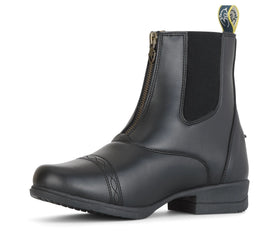
Flattering Styles and Materials for Slim Calves
Once you have your measurements, you can start thinking about the fun part: the style and material of your boots. The right design details can make all the difference between a boot that gaps and one that fits like a glove. Focusing on specific features and high-quality materials will not only give you a better fit but also ensure your boots are comfortable and built to last through countless rides. Let’s explore what to look for.
The Best Boot Styles for a Sleek Silhouette
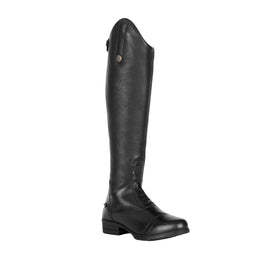
Finding a boot that complements a slim calf often means looking for styles designed for a snug, streamlined silhouette. The goal is to avoid that frustrating gap between the boot and your leg. Many riders with narrow calves find success with field boots, which often feature front laces that allow for a more adjustable fit around the ankle. Dress boots can also be a great option if they have a contoured shape or a full-length zipper paired with a subtle elastic panel. Don’t be afraid to explore different brands, as some specifically design their horse tack with varied calf sizes in mind, offering a more tailored feel right out of the box.
Choosing Materials for Comfort and Longevity
The material of your riding boot is key for both comfort and longevity. High-quality, full-grain leather is a classic choice because it’s durable, breathable, and molds to your leg over time for a custom-like fit. However, don’t overlook modern synthetic materials. Many are designed to offer excellent flexibility and support while being easier to clean and maintain. Whichever you choose, look for a material that has a bit of structure but also enough give to move with you. A stiff, unyielding material is more likely to gap and cause discomfort, while a soft, supple material will hug your calf for a secure and comfortable ride.
Suede: Soft with Natural Give
Suede offers a unique combination of softness and flexibility that many riders love. As a type of leather with a napped finish, it has a natural give that allows it to conform beautifully to the shape of your leg—a huge plus when you're trying to get a close fit on a slim calf. This material provides a comfortable, broken-in feel almost immediately, reducing the break-in period. However, that softness comes with a trade-off. Suede isn't as durable as full-grain leather and requires more diligent care to protect it from water, dirt, and stains. While it might not be the top choice for rugged, everyday use in wet conditions, it’s a fantastic option for creating a polished look with your horse tack in the show ring or for schooling on dry days.
Faux Leather: Versatile and Stretchy
Don’t underestimate the power of modern synthetic materials. Faux leather boots have become a popular choice for good reason, offering excellent versatility and stretch that’s perfect for slim calves. These materials are often engineered with elastic panels or an inherent flexibility that hugs the leg for a sleek, gap-free fit without the break-in time of traditional leather. Plus, they are typically more budget-friendly and much easier to maintain—a simple wipe-down is often all you need. While high-quality synthetics are quite durable, they may not offer the same breathability as real leather. For riders seeking a low-maintenance, weather-resistant, and affordable option that still delivers a secure fit, faux leather is an outstanding choice.
Key Design Details That Make a Difference
Certain design elements are a game-changer for achieving a perfect fit on a slim calf. An elastic gusset or panel running alongside the zipper is one of the most effective features. This allows the boot to stretch and conform to the unique shape of your leg, eliminating gaps without feeling restrictive. Adjustable buckles at the top of the boot, sometimes called a "Spanish top," can also help you cinch in any extra space for a secure fit. Similarly, boots with a full lace-up front offer the ultimate in customization, letting you tighten them precisely from ankle to knee.
Where to Shop for Riding Boots
Now that you’re armed with your measurements and know which styles and features to look for, the final piece of the puzzle is knowing where to shop. The good news is that you have more options than ever before, whether you’re looking for a brand new pair from a specialty collection or hoping to score a deal on a high-end brand. From dedicated online retailers that curate boots for specific fits to consignment shops offering incredible value, the perfect pair is within reach. It’s all about knowing where to direct your search to find boots that will support your ride and fit your budget.
Exploring Specialty Brand Collections
Many brands are finally getting the message that one-size-fits-all doesn't work for riding boots. You'll find companies like Vince Camuto dedicating entire collections to wide-calf fits, while others, like Naturalizer, focus on providing comfortable options for slimmer legs. This shift means you can often go directly to a brand's website and filter for your specific needs. An even easier approach is to shop with a retailer that does the curating for you. Here at Hooves and Paws, we carefully select riding boots from trusted brands known for their exceptional fit and quality, saving you the time and effort of sifting through endless options. This way, you can shop with confidence, knowing every pair is chosen with a rider's needs in mind.
Finding Deals at Consignment Shops
If you love high-end brands but not the high-end price tags, consignment shops are your secret weapon. These stores are treasure troves for finding premium boots from top equestrian brands at a significant discount. Online shops like The Tried Equestrian offer a fantastic selection of pre-owned tall boots, with potential savings of up to 80% off the original retail price. Shopping consignment is not only budget-friendly but also a great way to find boots that are already partially broken in, saving you some of the initial discomfort. It’s a smart, sustainable way to get the quality and style you want without breaking the bank.
How to Break in New Riding Boots (Pain-Free!)
After you’ve found the perfect pair, it’s essential to break them in properly. This step ensures they become truly comfortable and adapt to your specific shape. Start by wearing your new boots around the house for short periods. This gentle approach allows the materials to soften and stretch without causing blisters or discomfort. Once they feel a bit more flexible, you can wear them for light barn chores before your first ride. A good rule of thumb is to wear your riding boots during less demanding activities first, which helps the leather or synthetic material conform perfectly to your feet and calves.
How to Care for Your Riding Boots
Once you’ve found that perfect pair of slim-calf riding boots, you’ll want to keep them in great shape. Proper care protects your investment and ensures your boots stay comfortable and supportive for years. Leather needs regular attention to prevent cracks and damage from moisture and dirt. A simple routine can extend the life of your boots and keep them ready for your next ride. Think of it as part of your overall horse tack maintenance.
Your Simple Daily Boot Care Routine
The best way to maintain your boots is with a quick clean after every ride. This takes just a few minutes but makes a huge difference. Get into the habit of regularly removing the dirt and dust that builds up in the barn and arena. Use a damp cloth to wipe down the entire boot, paying attention to seams and zippers where grime gets trapped. For stubborn mud, a soft-bristled brush works well. Letting dirt sit on the leather draws out its natural oils, leading to dryness and cracking. A quick daily wipe-down keeps the leather healthy and simplifies deeper cleaning.
Long-Term Care: Leather vs. Synthetic Boots
Beyond the daily wipe-down, your boots need more thorough cleaning and conditioning every few weeks. Leather tends to dry out over time, especially when exposed to moisture and temperature changes. Start by cleaning your boots with a dedicated leather cleaner. Once they are completely dry, apply a quality leather conditioner with a soft cloth to replenish the oils and keep the leather supple. For extra protection, a water-repellent spray can help shield the leather from water and stains. Synthetic boots don't need conditioning but still benefit from regular cleaning with a gentle soap.
How to Store Your Boots to Maintain Their Shape
How you store your boots is just as important as how you clean them. Tossing them in a corner can cause the ankles to slump and create permanent creases. To avoid this, invest in boot trees. They are essential for maintaining the shape of your boots, which helps prevent the leather from weakening and zippers from breaking. Always store your boots upright in a cool, dry place away from direct sunlight or heat, as these can cause the leather to fade and dry out. For travel or long-term storage, a padded boot bag offers great protection from scuffs and dust.
Related Articles
- Equestrian Riding Boots: The Ultimate Guide
- Best Equestrian Riding Boots Guide | Hooves & Paws
- The Ultimate Guide to Women's Equestrian Riding Boots
- Women's Equestrian Riding Boots Guide | Hooves & Paws
- 9 Best Equestrian Riding Boots: Our 2026 Picks
Frequently Asked Questions
What's the single most important thing to do before I even start shopping for boots? Before you look at a single pair of boots, you need to measure your calves. Sit in a chair with your knees bent at a 90-degree angle and use a flexible tape to measure the widest part of your calf. Do this over the breeches and socks you normally ride in. This measurement is your true starting point and is far more important than your shoe or pant size.
My boots fit my calf but still bunch up around my ankles. What's causing this? This is a common issue and it usually means the boot isn't tapered enough through the ankle for your leg shape. A great calf fit won't matter if the ankle is too wide. When shopping, look specifically for styles described as having a contoured or tapered ankle. This design provides a snugger fit all the way down, preventing that frustrating sagging and creating a much cleaner line.
Are there specific features I should look for that help with a slim fit? Absolutely. An elastic panel or gusset running alongside the zipper is a fantastic feature, as it allows the boot to stretch for a custom-like feel. You can also look for boots with adjustable buckles at the top, which let you cinch in any extra room. For the most personalized fit, field boots with laces down the front give you the ability to tighten the boot precisely to your leg.
Why do sizing charts tell me to add extra height to my measurement? That extra inch or so accounts for the "drop" that happens as you break in your boots. New leather boots are stiff, but as you wear them, they will soften and settle around your ankle. Adding a little height to your initial measurement ensures that once the boots have dropped, they won't be too short for a proper fit in the saddle.
How can I make sure my investment in good boots lasts? Consistent care is key. The best habit you can form is to wipe your boots down with a damp cloth after every ride to remove dirt and sweat, which can dry out the leather. Beyond that, regular conditioning keeps the leather supple. Most importantly, always store them with boot trees inside. This helps them hold their shape, prevents deep creases, and protects the zippers from strain.


