


That heavy, unyielding feeling in the reins is a common challenge for many equestrians. But a "strong" horse isn't always a disobedient one; often, they are trying to communicate discomfort. This behavior can stem from dental issues, an ill-fitting saddle, or simply a lack of understanding. Before you invest in a new bit for a strong horse, it’s crucial to investigate these potential root causes. This article will guide you through the essential checks to ensure your horse is comfortable, then we’ll explore the top bits designed to improve control and foster clear communication.
The right bit for a strong horse can make all the difference in your training and partnership. In this article, we reveal the top 7 bits for strong horses in 2026, backed by the latest innovations and rider feedback.
You will discover detailed features, benefits, pricing, and ideal use cases for each recommended bit. We also share essential tips to help you confidently choose the best option for your horse.
Ready to transform your riding experience? Read on to find the solution that matches your needs and brings out the best in your strong horse.
Why Finding the Right Bit for a Strong Horse is Tricky
Riding a strong horse can be both rewarding and demanding. If you find yourself struggling to maintain control, you are not alone. Many riders experience challenges with horses that pull, lean, or resist aids, making the search for the right bit for a strong horse a top priority.
What Do We Mean by a "Strong" Horse?
A “strong” horse typically exhibits behaviors such as pulling on the reins, leaning against the contact, or showing resistance to rider cues. These horses may ignore subtle aids and become difficult to slow down or steer, especially in high-energy environments.
Common causes include a naturally forward or bold temperament, gaps in training, mouth sensitivity, or using an unsuitable bit for a strong horse. For example, dressage horses might lean into the hand, jumpers may rush fences, and trail horses could pull on long stretches.
Why Your Bit Choice is So Important
Choosing the right bit for a strong horse is crucial for both control and communication. The wrong bit can create mouth injuries, escalate resistance, and even lead to behavioral problems. Research shows that over 60% of riders report improved control and responsiveness after switching to a more suitable bit.
Selecting a well-fitted, thoughtfully designed bit reduces discomfort and confusion for the horse. For further guidance on how to make the best choice, consider reading Choosing the Right Bit for Your Horse.
What Really Makes a Bit Work?
When evaluating a bit for a strong horse, several factors come into play:
| Factor | Options/Examples | Impact |
|---|---|---|
| Material | Titanium, sweet iron, leather | Affects comfort, salivation |
| Design | Jointed, mullen, ported, roller | Changes pressure distribution |
| Sidepieces | Loose ring, D-ring, pelham, gag | Alters leverage and stability |
Material choice can influence sensitivity, while design and sidepieces affect how the bit communicates with the horse.
Balancing Control and Your Horse's Comfort
Not all strong horses are insensitive. Some may pull or resist yet react harshly to severe bits. For these horses, a bit for a strong horse must offer both control and gentleness. Consider the case of a horse that pulls yet evades strong curb bits; a softer, ergonomically shaped bit can provide the necessary balance.
Rule Out Pain and Management Issues First
Before you start shopping for a new bit, it’s important to consider that your horse's "strength" might be a symptom of another issue. Reaching for a stronger bit is often a temporary fix for problems that stem from discomfort or how your horse is managed. Taking the time to investigate these areas first can save you time and frustration, but more importantly, it ensures your horse is comfortable and happy. Addressing the root cause will do more for your partnership and communication than any piece of equipment ever could.
Check for Physical Discomfort
A horse that pulls, leans, or resists the bit is often trying to tell you something is wrong. Pain is one of the most common reasons for this behavior, so it's the first place you should look. Start with a thorough check of their mouth for any sores or sharp points on their teeth that could be causing pain when the bit is engaged. It's also crucial to evaluate saddle fit and check for general body soreness, as discomfort in the back or poll can travel down the reins. Before making any equipment changes, ensure your horse has had a recent check-up with a qualified equine dentist to rule out any underlying physical issues.
Evaluate Diet and Turnout
Your horse's daily routine and diet have a huge impact on their behavior under saddle. A horse with too much pent-up energy from standing in a stall all day will naturally feel stronger and more forward during a ride. Make sure your horse gets enough turnout time to stretch their legs and relax. Similarly, their feed could be a factor. Diets high in sugar and starch can make some horses feel overly energetic or "hot." A simple adjustment to their feed program, perhaps with guidance from an equine nutritionist, can result in a calmer, more focused horse who is more responsive to your aids.
Why Professional Fittings and Vet Checks Are a Must
Before changing the bit for a strong horse, it is essential to consult with an equine dentist and a professional trainer. Mouth or dental issues, poor saddle fit, or physical discomfort can all contribute to strength and resistance. A well-fitted bit, combined with regular veterinary checks, prevents injuries and promotes long-term comfort.
How Your Riding Impacts Your Bit Choice
The rider’s hands and experience play a significant role in bit effectiveness. For an amateur, a milder bit for a strong horse may offer greater safety and reduce the risk of harsh handling. Advanced riders can often manage more complex or leverage designs, but proper training is always essential.
Training vs. Tack: Why a Stronger Bit Isn't Always the Answer
It’s easy to fall into the trap of thinking a new piece of equipment will solve a training issue. When a horse feels strong, reaching for a more severe bit seems like a logical next step. However, effective horsemanship is built on communication and training, not just leverage. Before you change your bit, it’s important to consider whether the root of the problem lies in your training approach or your horse's understanding. True progress comes from building trust and a shared language with your horse, creating a partnership where they willingly respond to your cues. Relying solely on tack can mask underlying issues and prevent you from achieving this deeper connection.
The Problem with "Bitting Up"
Many riders believe that "bitting up," or moving to a progressively harsher bit, is the solution for a horse that pulls. While it might offer a temporary sense of control, this approach often backfires. A horse can become desensitized to the increased pressure over time, learning to ignore it and pull even harder. This creates a frustrating cycle where you constantly need a stronger bit to get the same response. The reality is, a horse that is truly determined to run can do so in any piece of horse tack, no matter how severe. The goal should be to create a light, responsive partner, not one who submits to force.
Using Your Seat and Legs for Control
True control comes from your entire body, not just your hands. Your seat and legs are your primary aids for communicating with your horse, while the reins are meant for refining those signals. When you want to shorten your horse's stride or ask for more collection, the impulse shouldn't be to simply pull back. Instead, focus on engaging your core, sinking your weight into your seat, and applying leg pressure to ask the hind end to step under. This whole-body approach, often called a half-halt, is far more effective than relying on rein pressure alone and teaches your horse to listen to your body's subtle cues.
A Note on Bolting: When a Bit Won't Help
Bolting is a serious and frightening behavior, but a stronger bit is rarely the answer. It's critical to investigate *why* your horse is bolting in the first place. The cause could be excitement, a learned habit, or a reaction to your riding technique. More often than not, it stems from a physical problem like dental pain, an ill-fitting saddle, or other discomfort. A harsher bit won't fix any of these underlying issues and may even increase your horse's fear and pain, making the situation more dangerous. If you're dealing with bolting, your first step should be to consult a veterinarian and a qualified trainer to identify and address the root cause.
Emerging Trends in Bit Design
Bit technology continues to evolve, with a focus on horse welfare and competition rules. Innovations in materials like titanium and leather, along with adjustable designs, are gaining popularity. Regulatory bodies are also emphasizing humane practices and approving more ergonomic options, making it easier to find the right bit for a strong horse that meets both ethical and practical standards.
Training Solutions for a Strong Horse
While finding the right bit is an important piece of the puzzle, it’s crucial to remember that a bit is a communication tool, not a steering wheel or a set of brakes. The most effective way to manage a strong horse is by combining appropriate tack with consistent, correct training. Relying solely on a stronger bit can often mask underlying issues and create new problems. True control comes from building a foundation of respect, responsiveness, and understanding between you and your horse. The following training strategies can help you address the root cause of the pulling, creating a lighter, more willing partner.
The Power of Groundwork
Before you even think about the saddle, your training should start on the ground. Groundwork establishes the fundamentals of your relationship, teaching your horse to respect your space and respond to subtle cues. As many trainers will tell you, interacting with your horse on the ground allows you to address behavioral issues in a more controlled setting. It builds a language between you that translates directly to your work under saddle. Simple exercises can make a world of difference in creating a more focused and responsive partner who looks to you for guidance.
Essential Groundwork Exercises
Start with exercises that teach your horse to yield to pressure. Using quality horse tack like a rope halter and lead, you can practice asking your horse to move their shoulders, hindquarters, and head away from light, steady pressure. For example, gently pressing on their side until they step away teaches them to respond to your leg aids later on. As noted by the American Quarter Horse Association, these exercises improve your connection and enhance their overall training. The goal is to get a soft response from the lightest cue possible, which is the foundation for a soft and responsive ride.
Exercises Under Saddle
Once you have a respectful and responsive horse on the ground, you can carry those principles into your riding. The goal is to keep your horse thinking, balanced, and engaged, rather than letting them lean on the bit and power forward. Transitions are your best friend here. Practice frequent changes of gait—walk to trot, trot to halt, halt to canter—to keep your horse listening to your seat and leg aids instead of anticipating the next move. This simple but effective technique prevents them from building momentum and pulling on your hands, reminding them that they need to wait for your cue.
Using Poles and Gymnastics to Slow a Rushing Horse
For a horse that tends to rush, incorporating poles and gymnastics into your riding sessions is incredibly effective. Setting up a simple line of ground poles forces your horse to slow down, think about where they are placing their feet, and use their body correctly. They have to lift their back and engage their hind end to clear the poles, which naturally discourages them from leaning on their forehand and pulling. This mental engagement breaks the habit of rushing and encourages a more balanced, controlled gait, making your rides safer and more productive for both of you.
When to Seek a New Trainer
Sometimes, despite your best efforts, you might feel stuck. If you’re struggling to make progress or feel unsafe, there is no shame in seeking professional help. A qualified trainer with experience handling strong horses can provide a fresh perspective and a tailored training plan. They can identify subtle issues in your riding or your horse's behavior that you might be missing. Investing in a few lessons can provide you with the tools and confidence needed to overcome challenges and build a stronger, more harmonious partnership with your horse. It's a proactive step toward success.
Shop This Post

Featured in this article
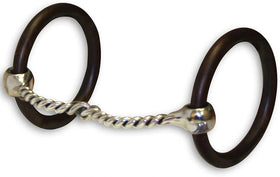
AV Bob Avila Double Ring Snaffle Horse Bit - Sweet Iron Mouthpiece, 3" Rings - Multiple Sizes
$165.00
Shop Now →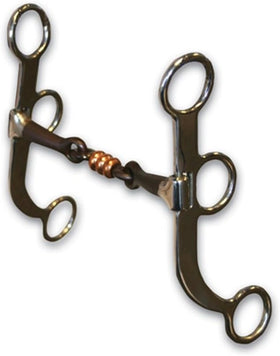

How to Choose the Right Bit for a Strong Horse
Selecting the best bit for a strong horse can feel overwhelming, but a thoughtful process will lead to better control and comfort. Let’s break down the key steps to help you make the right choice.
How to Assess Your Horse's Unique Needs
Every horse is unique, so the first step is to evaluate what makes your horse strong. Is your horse heavy in the hand, resistant to aids, or quick to pull? Observing these behaviors will guide your bit for a strong horse selection.
Some horses get long and low, leaning on the bit, while others become high-headed and unsteady. Sensitivity to mouthpiece shape or material is also important. Exploring a Bits and Curbs Collection can help you compare options designed for strong horses.
Understanding Your Horse's Mouth Conformation
Before you can choose the right bit, you need to get familiar with your horse's mouth. Think of it like finding the right pair of shoes—what works for one person won't work for another. A horse's mouth anatomy, including the height of their palate, the thickness of their tongue, and the shape of their lips, plays a huge role in how a bit fits and functions. A bit that's too thick for a horse with a low palate and a fleshy tongue can cause constant, uncomfortable pressure, which might be the real reason they're leaning on your hands. The wrong bit can lead to mouth injuries and escalate resistance, turning a training issue into a pain-related problem. A thoughtfully designed bit that fits your horse's unique conformation reduces discomfort and makes your cues much clearer for them to understand.
Identifying Your Type of "Strong" Horse
The term "strong" can mean different things for different horse and rider pairs. Pinpointing your specific challenge is the next step. Does your horse get long and low, leaning on the bit like a freight train? Or do they become high-headed and unsteady, ignoring your aids as they rush forward? A "strong" horse is one that pulls, leans against contact, or resists your cues, making them difficult to slow down or steer. This behavior can stem from their bold temperament, gaps in training, or discomfort from an unsuitable bit. By identifying whether you have a "leaner" or a "rusher," you can narrow down your search for horse tack that addresses the specific problem instead of just trying a stronger bit without a clear goal.
Snaffle vs. Curb vs. Combination: What's the Difference?
Understanding the differences between snaffle, curb, and combination bits is crucial. Snaffles offer direct pressure and are often gentler, while curbs provide leverage for stronger control. Combination bits blend these effects, giving more adaptability for various riding scenarios.
Choose a bit for a strong horse based on your discipline and the specific challenges you face. For horses that rush or lean, certain sidepieces like D-rings or pelhams can offer more stability and control.
Staying Legal: Competition Rules for Bits
If you compete, always check your discipline’s bit regulations. Organizations like USEF and FEI update their approved bit lists regularly. Using an unapproved bit for a strong horse could result in disqualification, so review the latest rules before you buy.
Some bits that work well for training may not be show legal, so plan accordingly.
From Sweet Iron to Titanium: Why Bit Material Matters
The material of a bit for a strong horse affects comfort and responsiveness. Here is a quick comparison:
| Material | Benefits | Best For |
|---|---|---|
| Titanium | Lightweight, hypoallergenic | Sensitive, strong horses |
| Sweet Iron | Increases salivation | Horses needing softer contact |
| Leather | Molds to mouth | Horses with metal sensitivity |
| Stainless Steel | Durable, easy to clean | General use, most horses |
Choose a material that matches your horse’s sensitivity and your riding goals.
Finding the Perfect Fit: Adjustability and Custom Options
Modern bits offer interchangeable sidepieces and mouthpieces, allowing you to tailor the bit for a strong horse as needs evolve. Adjustability is particularly useful if your horse’s training or mouth shape changes over time.
Look for bits with customizable features to maximize long-term value.
When to Ask for a Professional Opinion
Consulting a trainer, veterinarian, or certified bit fitter can prevent costly mistakes. These experts can assess your horse’s mouth, recommend the right bit for a strong horse, and ensure proper fit.
Online resources, quizzes, and comparison tools can also help narrow your options if you’re shopping independently.
How to Budget for a Quality Horse Bit
Quality bits for strong horses range from affordable to premium prices. While the upfront cost may be higher for advanced designs, investing in a durable, well-fitted bit saves money and ensures your horse’s comfort.
Balance your budget with value, prioritizing fit and function over brand alone.
Beyond the Bit: Alternative Tack Options
While finding the right bit is a huge step, it’s not the only tool in your toolbox. Sometimes, the answer to better communication doesn’t lie inside your horse’s mouth at all. Before you decide on a stronger bit, it’s worth exploring other parts of the bridle that can influence control and responsiveness. A well-chosen noseband, for example, can address specific evasions and help you regain a clear line of communication without needing to change the bit itself. Thinking about the bridle as a complete system allows you to find more nuanced solutions for your horse.
Different pieces of horse tack work together to create a comfortable and effective setup. A simple adjustment to your noseband could be the missing piece of the puzzle for a horse that leans, crosses its jaw, or opens its mouth to ignore your aids. By understanding how these alternatives work, you can make a more informed choice that supports your training goals while prioritizing your horse’s comfort. Let’s look at a few noseband options that are specifically designed to help with stronger horses.
How Nosebands Can Help with Control
A noseband is much more than a piece of leather that holds the bridle together; it’s a functional piece of equipment that can significantly impact how your horse responds to the bit. Its primary job is to discourage evasions that allow a horse to ignore your rein aids. When a horse opens its mouth, crosses its jaw, or gets its tongue over the bit, the pressure from the reins is lost, and your communication becomes ineffective. A correctly fitted noseband applies gentle, consistent pressure to discourage these habits, helping to keep the horse’s mouth quietly closed and focused on the bit. This allows for softer, more subtle cues from your hands.
The Kineton Noseband
If you’re dealing with a very powerful horse that pulls, the Kineton noseband is an option worth considering. Instead of adding more pressure inside the mouth, it works by transferring a portion of the rein pressure to the bridge of the horse's nose. This unique design can provide significant control without resorting to a harsher bit. It’s a specialized tool often used for strong eventers or jumpers on cross-country, giving the rider more influence when it’s needed most while remaining passive when the horse is responsive.
The Grackle (Figure 8) Noseband
The Grackle, easily identified by its figure-eight shape, is specifically designed to prevent a horse from crossing its jaw. This is a common evasion tactic used to avoid the bit’s action. The crossover design applies pressure evenly and effectively discourages the behavior, helping to keep the bit centered and stable in the horse’s mouth. It’s a popular choice in fast-paced disciplines like show jumping and eventing because it provides excellent control without restricting breathing, thanks to its placement higher up on the horse's face.
The Combination Noseband
As its name suggests, the combination noseband offers a two-pronged approach. It applies pressure on both the nose and the chin groove, making it effective for horses that not only cross their jaw but also try to pull their head down and lean on the bit. This design gives the rider a bit more leverage and helps to keep the horse’s mouth closed and responsive to the aids. It’s a step up in action from a standard flash noseband and can be a useful tool for strong horses that have learned multiple ways to evade contact.
The Golden Rule of Noseband Fitting
No matter which noseband you choose, proper fitting is non-negotiable. An overly tight noseband is not only uncomfortable but can cause serious harm, including restricting your horse's breathing, causing sores, damaging facial nerves, and even altering bone structure over time. The golden rule is simple and effective: you should always be able to comfortably fit two adult fingers between the noseband and the bony part of your horse's jaw. This ensures the noseband can do its job without causing pain or distress, maintaining the trust and partnership you’ve worked so hard to build with your horse.
Where to Find the Best Bits for Strong Horses
Choosing where to purchase a bit for a strong horse is as important as selecting the bit itself. Quality, fit, and expert advice make a real difference in your horse’s comfort and your riding success. Let’s explore trusted sources and considerations so you can shop with confidence.
Hooves and Paws: Your Trusted Source for Equestrian Bits
Since 1994, Hooves and Paws has built a reputation as a leading retailer for riders seeking the right bit for a strong horse. Their extensive selection features top brands and the latest models specifically designed to address control and comfort challenges.
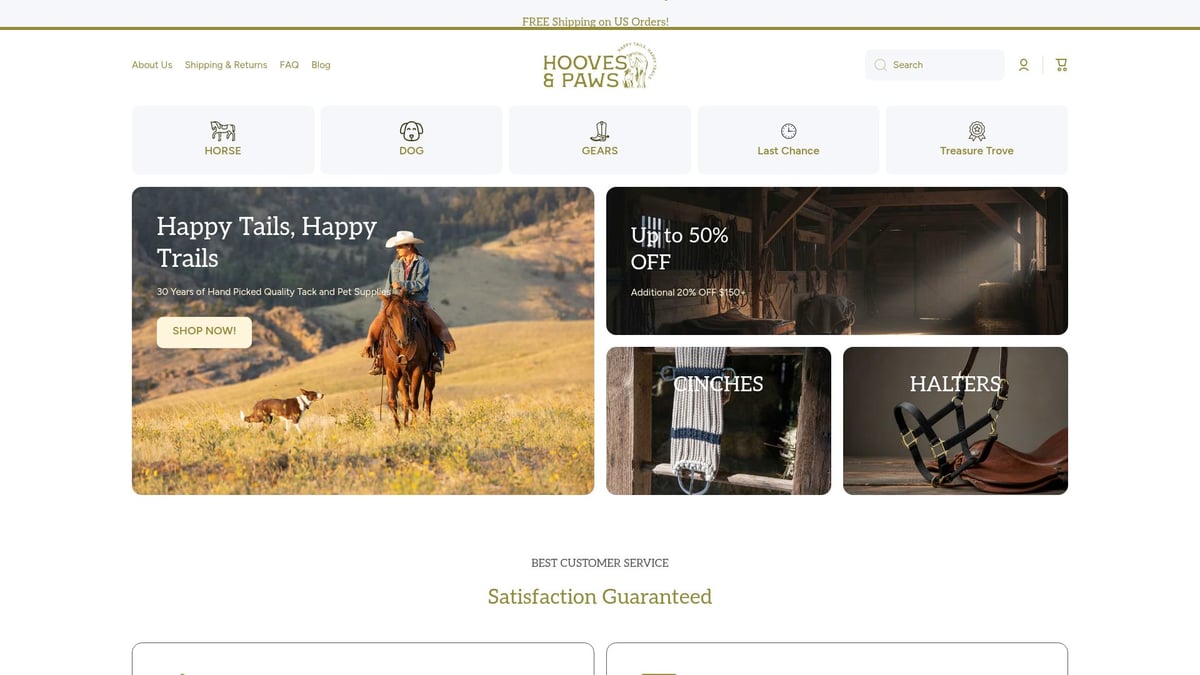
Shopping at Hooves and Paws offers more than just variety. Enjoy free US shipping, flexible payment options, and a generous 365-day return policy. Their expert customer service ensures you find the ideal bit for a strong horse, whether you’re a seasoned competitor or a dedicated trail rider.
Riders nationwide trust Hooves and Paws for quality, reliability, and competitive pricing. It’s the perfect one-stop shop for all your tack and riding gear needs.
Other Recommended Retailers and Brands
Beyond Hooves and Paws, you’ll find reputable brands like Fager, Shires, and Professional’s Choice offering innovative bits for strong horses. Always buy a bit for a strong horse from established retailers to ensure warranty support and expert guidance.
Keep in mind, research shows that one in four horses have ill-fitting bits, which can lead to discomfort and training setbacks. According to One in Four Horses' Bits Don't Fit, careful selection and proper fitting are essential for both horse welfare and rider control.
Compare prices, review return policies, and look for retailers that offer fitting advice or trial programs. This diligence helps you invest wisely in the best bit for a strong horse.
Should You Buy Online or at a Local Tack Shop?
Deciding between online and local tack shops involves considering convenience, support, and fit. Online retailers often provide a wider range of bit for a strong horse options, sometimes at better prices and with customer reviews to guide your choice.
Local tack shops, on the other hand, offer the advantage of hands-on fitting and immediate expert advice. Trying bits in person can help you ensure the right size and style for your horse’s needs.
Whichever route you choose, prioritize correct sizing and professional fitting. This approach guarantees your investment in a bit for a strong horse delivers the best results for both you and your horse.
7 of the Best Bits for a Strong Horse
Choosing the right bit for a strong horse can be the difference between an enjoyable ride and constant struggle. The market in 2026 is filled with innovative designs, advanced materials, and thoughtful engineering to help riders achieve better control while prioritizing horse comfort. The following list spotlights the top 7 bit for a strong horse options, each selected for their unique benefits, effectiveness, and rider feedback.
A Word of Caution on Gag Bits
When you're searching for a bit to manage a strong horse, gag bits often come up as an option because their design provides significant leverage. However, it's important to approach them with caution. The unique sliding action of a gag bit creates an uplifting effect on the horse's head, which can be confusing and even distressing for some animals. Instead of encouraging softness and acceptance of the contact, this action can cause a horse to become tense or resistant. Many experienced equestrians find that relying on a harsher bit is often a temporary fix that masks underlying training issues. A horse can learn to run through almost any bit, so focusing on foundational training and exploring other horse tack options is a more effective long-term strategy for building a true partnership.
1. Sally Titanium Bit – Fager
For riders seeking a lightweight and effective bit for a strong horse, the Sally Titanium Bit from Fager is a top contender. Priced between $150 and $200, this bit features a premium titanium mouthpiece, central roller, and gentle tongue relief.

Titanium offers hypoallergenic properties and durability, making it ideal for sensitive horses. The roller encourages relaxation and softens contact, allowing for a lighter, more responsive ride. Riders often report that strong or stiff horses become more willing and balanced with this bit.
Pros:
- Lightweight and flexible
- Multiple sidepiece options for customization
- Hypoallergenic and suitable for sensitive mouths
Cons:
- Premium price point
- May not suit extremely sensitive horses
The Sally Titanium stands out for its ability to offer gentle control without harshness, making it the preferred bit for a strong horse that resists traditional snaffles. Its innovative design reflects the latest research on bit movement and horse comfort, as confirmed by Factors Influencing Intra-Oral Bit Movement.
2. John Sweet Iron Kimblehook – Fager
The John Sweet Iron Kimblehook is another excellent bit for a strong horse, especially those that are both powerful and sensitive. With pricing around $120 to $160, this bit features a sweet iron mouthpiece, smooth joints, and the versatile kimblehook sidepiece that allows for adjustable leverage.

Sweet iron encourages salivation and acceptance, while the smooth action reduces the risk of pinching or discomfort. The kimblehook offers leverage for extra brakes, making it suitable for unbalanced or hard-to-turn horses.
Pros:
- Palatable for fussy horses
- Adjustable leverage for tailored control
- Gentle on sensitive mouths
Cons:
- Requires skilled, steady hands for optimal use
This bit for a strong horse is especially valued for its combination of taste, comfort, and stability. Riders dealing with horses that evade contact or rush fences find it particularly effective.
3. Wilma Titanium Bit – Fager
The Wilma Titanium Bit is a flexible and lightweight solution for horses that get stiff or resistant with standard bits. Priced in the $150 to $200 range, this bit features multiple joints and a soft, conforming titanium mouthpiece.

Its flexibility allows it to adapt to the unique shape of your horse’s mouth, reducing pressure points and encouraging a more relaxed jaw. The lightweight construction ensures that even the strongest horses do not become heavy in the hand.
Pros:
- Adapts comfortably to mouth shape
- Reduces stiffness and resistance
- Suitable for various disciplines
Cons:
- Lacks the leverage of curb bits
When searching for a bit for a strong horse that also values comfort, Wilma Titanium is a standout. Its innovative design helps riders maintain control without resorting to harsh equipment.
4. Julia Sweet Iron Show Pelham – Fager
The Julia Sweet Iron Show Pelham merges leverage with gentle mouthpiece design, making it a powerful bit for a strong horse that needs more control. Priced between $160 and $210, it features a sweet iron mouthpiece, central roller, and show pelham sidepiece.

This combination increases stopping power while promoting soft, steady contact. The roller encourages relaxation, while sweet iron boosts salivation for comfort. Riders appreciate its effectiveness in both show and training environments.
Pros:
- Versatile for competition and schooling
- Promotes salivation and acceptance
- Softer feel than traditional pelham bits
Cons:
- Requires two reins or pelham straps
- Not recommended for beginners
Its unique blend of leverage and gentleness helps riders achieve control without sacrificing horse welfare. Proper fit is crucial, as improper selection or use of a bit for a strong horse can lead to oral lesions, as highlighted in studies like the High Rate of Bit-Related Lesions in Trotting Horses.
5. Adam Leather Bit Baby Pelham – Fager
For horses with metal sensitivities or mouth injuries, the Adam Leather Bit Baby Pelham is a unique bit for a strong horse. Priced at $140 to $190, it features a high-quality leather mouthpiece and a baby pelham sidepiece for mild leverage.
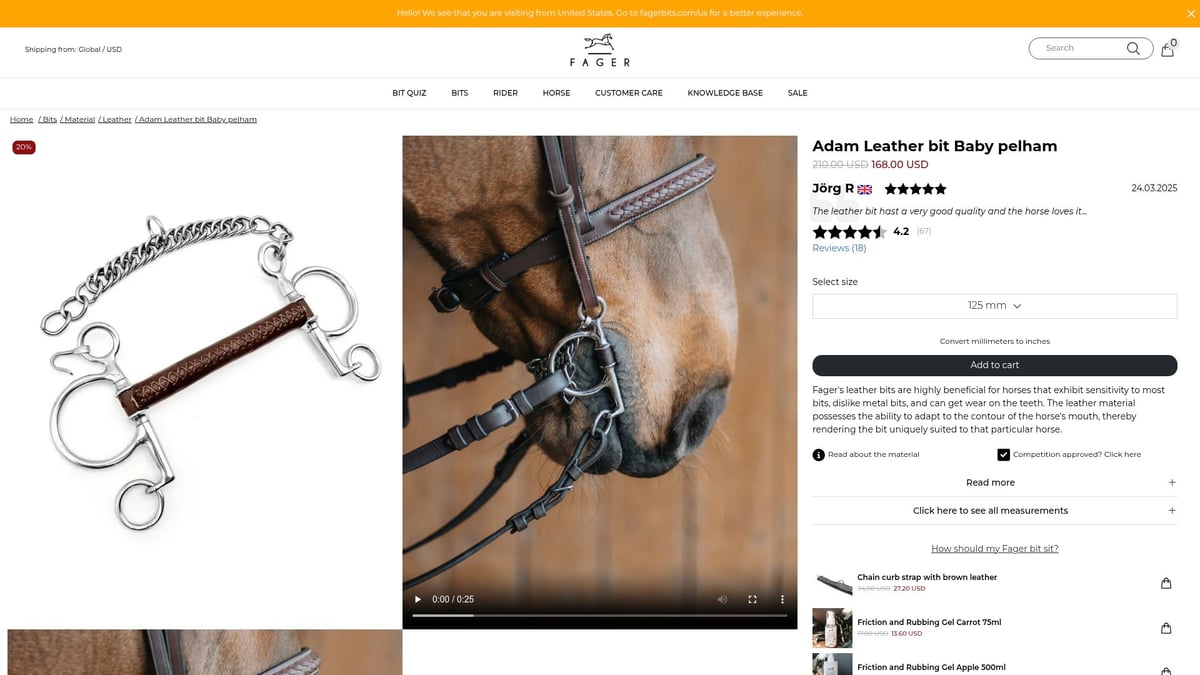
Leather adapts to the horse’s mouth, providing a custom fit and reducing the risk of sores or pressure points. This bit is especially useful for horses that dislike metal or have experienced mouth trauma.
Pros:
- Comfortable and natural feel
- Reduces dental wear
- Ideal for sensitive horses
Cons:
- Requires regular maintenance and cleaning
- Less durable than metal options
This bit for a strong horse offers effective control and comfort, making it popular among riders dealing with challenging or rehabilitating mounts.
6. Bianca Titanium Bit – Fager
The Bianca Titanium Bit is engineered for horses that are strong and stiff, yet require a responsive and balanced connection. Priced from $150 to $200, it combines titanium construction with a central roller and flexible tongue pressure.

This bit for a strong horse delivers a light, quick response, encouraging engagement of the hind legs and improved balance. Its durability and compatibility with various sidepieces make it a versatile choice for multiple disciplines.
Pros:
- Lightweight and durable
- Promotes engagement and responsiveness
- Suitable for many riding styles
Cons:
- Not ideal for horses that evade tongue pressure
The Bianca Titanium’s balance of strength and sensitivity makes it a reliable bit for a strong horse when precision and comfort are equally important.
7. Gustav Sweet Iron Baby Pelham – Fager
The Gustav Sweet Iron Baby Pelham rounds out the list as a gentle yet effective bit for a strong horse, especially those with large or sensitive tongues. Priced between $140 and $180, it features a sweet iron mouthpiece with small tongue relief and a baby pelham sidepiece.

This bit offers gentle leverage, stability, and a frame-creating effect, making it suitable for strong horses that are also sensitive. The sweet iron encourages salivation, enhancing comfort and acceptance.
Pros:
- Gentle yet effective control
- Versatile rein options
- Encourages a soft, steady contact
Cons:
- May require two reins or a delta bridle
The Gustav Sweet Iron Baby Pelham is a trusted bit for a strong horse needing extra brakes without sacrificing mouth comfort. Its thoughtful design supports long-term oral health and rideability.
Your Guide to a Smooth Bit Transition
Transitioning to a new bit for a strong horse requires patience, planning, and attention to detail. A smooth change can support better communication, comfort, and control while reducing the likelihood of resistance.
Preparing Your Horse for the Change
Start by introducing the new bit for a strong horse in short, relaxed sessions. Allow your horse to explore the feel of the bit without pressure. Use positive reinforcement, such as gentle praise and treats, to associate the change with a pleasant experience.
Monitor closely for any signs of discomfort, like head shaking or refusal to accept the bit. Schedule regular dental checks to rule out mouth pain, which can make the transition more difficult.
Adjusting Your Riding for the New Bit
When using a new bit for a strong horse, lighten your aids and focus on soft, consistent contact. Softer hands help your horse adapt and prevent unnecessary tension. Work with a knowledgeable trainer who can provide guidance on timing, pressure, and rein management.
Stay patient as your horse learns to respond to subtle cues. Progress may be gradual, but consistent technique builds trust and responsiveness.
What to Do If You Run Into Problems
If your horse exhibits resistance, such as head tossing or excessive salivation, assess whether the bit for a strong horse is the right fit. Some resistance is normal during adjustment, but persistent issues may require a different approach.
Explore gentle solutions if your horse reacts negatively. For more insights on addressing bit resistance, read Solve Pony Bit Resistance. Consult with a professional if problems persist.
How to Clean and Care for Your Bit
Proper care extends the life of your bit for a strong horse and ensures safety. Clean metal bits after each ride to remove residue and saliva. For leather bits, wipe down with a damp cloth and use leather conditioner as needed.
Inspect bits regularly for sharp edges, cracks, or wear. Replace any damaged components promptly to prevent injury.
Why You Should Track Your Horse's Progress
Keep a training diary to document your horse’s response to the bit for a strong horse. Note changes in behavior, control, and comfort over time. Tracking progress helps identify what works and when adjustments are needed.
Use photos or short videos to monitor subtle improvements or setbacks. Share these records with your trainer or veterinarian for additional feedback.
Is It Time for a Change? When to Reassess
Reevaluate your bit for a strong horse if you notice increased resistance, new behavioral issues, or if your training goals evolve. Horses’ needs can change with age, fitness, or experience.
Stay proactive—regular reassessment ensures your bit choice continues to support your horse’s comfort and performance.
After exploring the latest bit options and understanding what really makes a difference for strong horses, you deserve a shopping experience that’s just as thoughtful. At Hooves and Paws, you’ll find a carefully curated selection of top bits from trusted brands, backed by decades of expertise and a commitment to your horse’s comfort and performance. Enjoy free US shipping, flexible payment choices, and friendly support from a team that truly understands your needs. If you’re ready to give your horse the control and comfort they deserve, take the next step and Buy Now.
Frequently Asked Questions
My horse is really strong. Isn't the fastest solution just to use a stronger bit? It's tempting to think a stronger bit will solve the problem quickly, but it's usually just a temporary fix. This approach often masks the real reason your horse is pulling, which could be anything from dental pain to a training gap. True, lasting improvement comes from figuring out the "why" behind the behavior. Focusing on communication and comfort will do more for your partnership than simply increasing leverage ever could.
How can I tell if my horse is pulling because of pain or just being difficult? Pain is often the primary culprit for a horse that suddenly becomes strong or resistant. Before you assume it's a behavioral issue, start with the most common physical causes. Have a qualified equine dentist check their mouth for any sharp points or sores, and get your saddle fit evaluated by a professional. A horse that is uncomfortable will always try to find a way to relieve that pressure, and pulling is one of the most common signs.
What's the difference between a "strong" horse and a "hot" horse? While the terms are sometimes used together, they describe different issues. A "strong" horse is one that leans on the bit, pulls down, and feels heavy in your hands. A "hot" horse has excess energy, making them feel forward, quick, and sometimes anxious or spooky. A hot horse might need a change in their diet or more turnout, whereas a strong horse's issues are more directly related to training, comfort, and their response to the bit.
I've tried several different bits and nothing seems to help. What should I do next? Feeling stuck is frustrating, but it's also a sign that it's time for a fresh perspective. If you've already ruled out physical pain and tried different equipment without success, the next best step is to work with a qualified trainer. They can observe you and your horse together and identify subtle issues that are hard to see from the saddle. Getting professional guidance isn't a step back; it's a proactive move toward a real solution.
The bits you recommended are quite expensive. Is it really necessary to spend that much? You don't have to buy the most expensive bit on the market, but investing in a well-made bit from a reputable brand is a smart choice. Higher-quality bits are often designed with a deeper understanding of equine mouth anatomy, using materials that promote comfort and acceptance. Think of it less as an expense and more as an investment in your horse's well-being and the quality of your communication. A comfortable horse is a more willing partner.
Key Takeaways
- Investigate Pain Before Tack: A horse that pulls is often communicating discomfort. Before changing your bit, rule out physical causes like dental issues or poor saddle fit, and evaluate their diet and turnout to ensure their behavior isn't simply energy-related.
- Train for Lightness, Not Leverage: A stronger bit is a temporary fix, not a long-term solution. Build true control by using groundwork and riding exercises like transitions to teach your horse to respond to your seat and legs, creating a more willing partner.
- Match the Bit to Your Horse's Needs: Once you've addressed training and comfort, choose a bit that solves your specific problem. Consider your horse's mouth conformation and whether they lean or rush to select a design and material that improves communication, not just force.


