


Your connection with your horse is built on trust and clear communication, and your gear should support that partnership. Your boots are a critical point of contact, providing the stability you need to give subtle, precise aids. The right pair of leather horseback riding boots feels like a natural extension of your leg, offering a close-contact feel without sacrificing support or comfort. This guide will help you understand what makes a boot truly exceptional, from the quality of the leather to the thoughtful design features that enhance your ride. Let’s find the pair that will help you feel secure and connected.
Key Takeaways
- Match Your Boot to Your Riding Style: The best boot is designed for your specific discipline. Field boots offer ankle flexibility for jumping, dress boots support a quiet leg for dressage, and Western boots provide the durability needed for ranch work or trail riding.
- Prioritize a Perfect Fit for Safety and Performance: Before you shop, measure your calf width and height to find a boot that feels custom-made. A snug, supportive fit is essential for stability, preventing blisters, and maintaining clear communication with your horse.
- Extend the Life of Your Boots with Proper Care: A simple maintenance routine makes a huge difference. Wiping your boots down after each ride, conditioning the leather regularly, and using boot trees for storage will protect your investment and keep them in top condition.
Find Your Style: Types of Leather Riding Boots
Choosing the right riding boot is a lot like finding the perfect pair of jeans. It all comes down to fit, function, and your personal style. The boot you need for a dressage test is very different from one you’d wear for a day of trail riding. Your boots are a key piece of your horse tack, providing support, safety, and a direct line of communication to your horse. Let’s look at the main types of leather riding boots so you can find the pair that feels made for you.
Tall Boots for English Disciplines
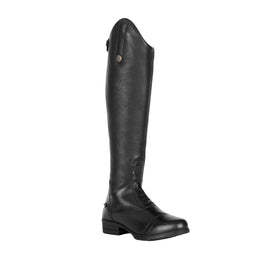
When you picture classic English riding, you’re probably thinking of tall boots. These boots reach just below the knee and create a long, elegant leg line that’s essential for the show ring. They’re designed to help you keep a stable leg position and protect your skin from the stirrup leathers. There are two main styles to know: Dressage boots, which are very stiff for maximum support, and Field boots, which offer more flexibility. Both provide that polished, traditional look that English disciplines are known for.
Paddock Boots for Versatile Riding
Paddock boots are the practical, everyday choice for many equestrians. These ankle-high boots, also called jodhpur boots, are incredibly versatile. You can wear them for everything from mucking out stalls and grooming to schooling in the arena. For extra grip and protection while riding, many people pair them with half chaps, which gives you the feel of a tall boot with the comfort of an ankle boot. If you’re looking for one boot that can do it all, the paddock boot is a fantastic option.
Field Boots for Jumping and Schooling
Specifically designed for riders who spend their time over fences, field boots are a staple for hunters, jumpers, and equitation riders. What sets them apart from other tall boots are the laces at the ankle. This feature provides the flexibility you need to shorten your stirrups and sink into your heels for a secure jumping position. They offer excellent support through the calf without feeling restrictive, giving you the freedom of movement required for dynamic riding while still looking sharp in the show ring.
Western Riding Boots
Western riding boots are built to be as tough and hardworking as the riders who wear them. Traditionally crafted from durable, full-grain leather, they can handle long hours in the saddle and demanding work around the ranch. The distinct heel helps prevent your foot from slipping through the stirrup, and the tall shaft protects your legs. While leather remains a top choice for its breathability and ability to mold to your foot, you can also find great synthetic options that offer similar performance and an easier break-in period.
What Makes a Great Riding Boot?
A great riding boot is more than just footwear; it’s an essential tool that supports your performance, ensures your safety, and keeps you comfortable in the saddle. The right pair feels like a natural extension of your leg, providing stability and clear communication with your horse. But with so many options out there, what separates a good boot from a great one? It comes down to a few key elements working together in harmony. A truly great boot is built from quality materials that can withstand the demands of the barn while offering a supportive fit that doesn't quit.
It’s about finding the perfect balance between function and form. The construction should prioritize your safety with features like a proper heel and a sturdy sole, but it also needs to deliver on all-day comfort so you can focus on your ride, not your feet. From the material it’s made of to the lining that keeps you dry, every detail matters. Understanding these core components will help you look past the price tag and brand name to see what really makes a boot worth your investment. Let's look at what you should focus on when making your choice.
Choose Your Material: Leather vs. Synthetic
For generations, leather has been the go-to material for high-quality riding boots, and for good reason. Premium full-grain leather is respected for its incredible durability, breathability, and ability to mold to your foot for a custom-like fit over time. It offers a classic, professional look that never goes out of style in the show ring. On the other hand, synthetic materials have come a long way and present a fantastic alternative. They often come at a lower price point, are easier to clean, and require less break-in time. While they may not offer the same longevity as genuine leather, modern synthetics provide excellent support and performance for riders at all levels.
Look for All-Day Comfort Features
Your boots should support you through long hours at the barn, whether you’re schooling, trail riding, or cleaning stalls. The quality of the materials directly impacts both performance and comfort, so look for boots with features designed for extended wear. A cushioned insole can absorb shock, while a supportive footbed helps reduce fatigue. Many modern boots also include flexible ankle construction and moisture-wicking linings to keep your feet comfortable and dry. A great boot shouldn’t be something you can’t wait to take off. Instead, it should provide consistent support that allows you to focus entirely on your ride and your horse.
Prioritize Safety and Durability
Safety should always be a top priority in the saddle. A proper riding boot is designed with specific safety features, including a distinct heel (typically around one inch) to prevent your foot from sliding through the stirrup. A sturdy, well-constructed sole also provides grip and stability. When it comes to durability, material matters. Leather holds its own with superior abrasion resistance, meaning it can stand up to the rigors of daily riding and barn chores. Investing in a durable pair of riding boots not only protects you but also ensures your gear will last for years, making it a smart financial choice for any dedicated equestrian.
Stay Dry with Breathable Linings
Comfort isn't just about cushioning; it's also about temperature and moisture control. Breathable boots are essential for keeping your feet dry and comfortable, especially during intense rides or in warm climates. Leather naturally offers good breathability, allowing air to circulate. Many boots also feature advanced moisture-wicking linings that pull sweat away from your skin, preventing blisters and discomfort. To protect your boots from the outside elements, consider treating them with a water-repellent product. This simple step helps shield the leather from rain and mud, keeping your feet dry and extending the life of your investment. Proper care ensures your boots stay in top condition ride after ride.
Trusted Brands for Leather Riding Boots
When you’re investing in a pair of leather riding boots, you want to know they’ll last. The right brand can make all the difference, offering a reliable blend of quality materials, thoughtful design, and consistent performance. Some brands are known for their cutting-edge technology, while others are celebrated for their timeless craftsmanship. Finding the one that aligns with your needs, riding style, and budget is the key to a great purchase.
We’ve spent years in the saddle and behind the counter, so we know which names consistently deliver. Think of this as your shortlist of the most trusted brands in the equestrian world. These are the companies that riders return to again and again, and for good reason. From everyday paddock boots to elegant show boots, these brands have earned their reputation for excellence one ride at a time.
Our Hooves and Paws Selection
Here at Hooves and Paws, we’re riders and animal lovers first. We only stock products we’d use ourselves, and that’s especially true for something as important as your boots. Our selection of horse tack and apparel comes from brands we trust for their commitment to quality and durability. We look for boots that offer superior comfort for long days at the barn, safety features that give you peace of mind, and craftsmanship that stands up to the demands of equestrian life. When you shop with us, you can be confident you’re getting gear that’s been vetted by people who share your passion.
Ariat
Ariat is a powerhouse in the equestrian world, known for blending traditional style with innovative footwear technology. They offer an extensive range of boots for both English and Western disciplines, so you’re likely to find a perfect match no matter how you ride. What sets Ariat apart is its focus on athletic performance; their boots are designed to support your feet and reduce fatigue, both in and out of the saddle. It’s no surprise they’re considered one of the leading brands for horse riding footwear, making them a reliable choice for riders of all levels.
Tredstep
Hailing from Ireland, Tredstep is celebrated for its sophisticated and thoughtfully designed riding boots. The brand excels at creating a close-contact feel that enhances communication with your horse, without sacrificing comfort. Tredstep boots are known for their elegant silhouette and features like a specialized flexion design that allows for a more comfortable and secure leg position. They offer a beautiful fit that often feels custom-made right out of the box, making them a favorite among dressage riders, eventers, and hunter-jumpers who value both style and functional riding boots.
DeNiro
If you’re looking for luxury and impeccable Italian craftsmanship, DeNiro is the brand for you. These boots are a true investment piece, made from high-quality leathers with meticulous attention to detail. DeNiro is famous for its stunning designs and extensive customization options, allowing you to create a boot that is uniquely yours. While they come with a premium price tag, their superior comfort, durability, and elegant appearance make them a top choice for serious competitors and riders who want the absolute best in equestrian footwear.
Dublin
Dublin offers fantastic quality and comfort at a more accessible price point, making it a go-to brand for everyday riders. Their boots are designed with practicality in mind, providing durable and comfortable options that are perfect for schooling, trail riding, and daily barn chores. Dublin is particularly well-regarded for offering a wide range of calf sizes, which helps more riders find a great off-the-shelf fit without needing custom alterations. They prove that you don’t have to break the bank to get a reliable and stylish pair of riding boots that will serve you well.
Mountain Horse
As the name suggests, Mountain Horse creates boots that are built to handle the elements and the rigors of equestrian life. This Swedish brand is known for its durable, functional, and incredibly comfortable footwear. Many of their styles feature waterproof materials and warm linings, making them ideal for riders in colder climates or those who spend a lot of time outdoors. Mountain Horse focuses on creating supportive and safe boots that perform well in the saddle while being comfortable enough to wear around the barn all day, solidifying their reputation as a trusted brand for riding boots.
Shop This Post

Featured in this article
Shires Moretta Clio Plus Paddock Boots - Black, Child, Lace-Up Equestrian, Gently Used
$29.99
Shop Now →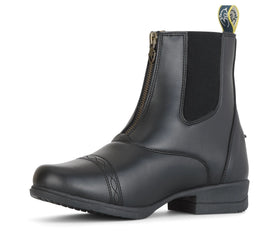
How Much Should You Expect to Spend?
Let's talk about the price tag. Horseback riding boots come in a wide range of prices, and it’s helpful to know what to expect before you start shopping. The cost often reflects the quality of materials, craftsmanship, and durability, so it's best to think of it as an investment in your comfort and safety in the saddle. A good pair of boots isn't just about looking the part; it's about providing the right support for your ankles, protecting your feet, and ensuring you have a secure grip in the stirrups. When you're considering your budget, remember that a higher price often means better materials that will last longer and feel more comfortable through long hours of riding. This is especially true for leather boots, where the grade of the leather can make a huge difference in how the boot breaks in and holds up over time. Whether you’re a weekend trail rider or a competitive equestrian, there’s a great pair of boots that fits your budget. We'll walk through the different price tiers, from entry-level options perfect for beginners to premium boots designed for the show ring. Understanding what you get at each price point can help you make a confident choice and find the perfect balance between cost and quality for your specific needs.
Entry-Level Boots ($77-$200)
If you're new to riding or just need a reliable pair of boots for occasional use, the entry-level range is the perfect place to start. You can find quality boots in this price bracket that provide the necessary safety and support without a huge financial commitment. These boots are often made from durable synthetic materials or more affordable grades of leather. They are a fantastic choice for young riders who are still growing or for anyone taking weekly lessons. While they may not have the longevity of a premium pair, they are an excellent way to get started comfortably and safely.
Mid-Range Boots ($200-$350)
For riders who spend a good amount of time at the barn, mid-range boots offer a significant step up in quality and comfort. In this price range, you’ll find boots made from better leather with more refined construction. They often include features like comfortable cushioned footbeds and durable zippers designed to withstand regular use. These boots are a popular choice for dedicated amateurs and schooling riders who need footwear that can keep up with their training schedule. This price point represents a solid investment, giving you a great balance of performance and durability that will last for years with proper care.
Premium Boots ($350-$550+)
When you’re ready for top-tier performance and style, premium boots are the way to go. These boots are crafted from the finest full-grain leathers and feature exquisite craftsmanship. Designed for serious equestrians and competitors, they offer a close, contoured fit that feels almost custom-made. You’ll find advanced technical features, elegant styling perfect for the show ring, and superior materials that provide exceptional comfort and longevity. While they are a bigger investment, premium boots are built to perform at the highest levels and make a statement in and out of the arena.
What Are You Paying For?
So, what’s behind the price differences? The single biggest factor is the quality of the leather. Higher-end boots use premium full-grain leather that is supple, durable, and molds beautifully to your leg over time. This material has excellent abrasion resistance and longevity, making it the top choice for riding gear. Beyond the leather, you're also paying for craftsmanship, brand reputation, and advanced features like moisture-wicking linings and shock-absorbing soles. A well-made boot from a trusted brand is an essential piece of horse tack that supports your ride and protects you in the saddle.
Match Your Boots to Your Riding Discipline
The right pair of boots can make a world of difference in your ride, affecting everything from your leg position to your comfort in the saddle. Just as you’d choose specific horse tack for a particular activity, your boots should align with your discipline. Whether you’re executing a precise dressage test or navigating a rugged trail, the design of your boot is tailored to support the unique demands of your sport. Think of your boots as a key piece of equipment, not just an accessory. Choosing the right style ensures you can communicate effectively with your horse and ride with confidence and security, no matter where your equestrian adventures take you.
For Dressage and English Disciplines
In dressage and other formal English disciplines, your boots are a critical part of your presentation and performance. Dressage boots are known for their tall, stiff construction and polished, traditional appearance. This rigidity isn't just for looks; it helps keep your lower leg still and encourages a correct, elongated leg position, allowing for subtle and precise aids. While they enhance your performance, they also contribute to a professional and elegant look in the show ring. A well-fitted pair of dress boots provides support without hindering communication, making them an essential tool for any serious English rider.
For Jumping and Equitation
If you spend your time in the jumping or equitation rings, Field Boots are likely your best match. You can spot them by the laces over the instep, which provide extra flexibility at the ankle. This feature is essential for maintaining the proper heels-down position needed for jumping fences. Field boots offer structured support and a sleek, close-fitting design that helps you keep a secure leg. Their popularity in these disciplines comes from this perfect blend of function and form, giving you the ankle mobility you need without sacrificing the classic, polished look judges expect.
For Western Riding Styles
When it comes to Western riding, it’s important to know that not all cowboy boots are created equal. A true riding boot is designed differently from a fashion boot. Look for a taller, angled heel designed to prevent your foot from slipping through the stirrup and a smooth leather sole that allows for an easy exit if needed. The construction of a proper Western riding boot is all about enhancing your comfort and performance in the saddle for long hours. Choosing the right pair from our best-selling products ensures you have the stability and safety required for everything from ranch work to reining.
For Trail and Endurance Riding
Trail and endurance riders need boots that can handle long distances and varied terrain. These boots prioritize comfort and durability above all else. Often made from specialized materials, they are designed to hold up in different weather conditions while keeping your feet comfortable for hours. Many feature cushioned insoles, supportive arches, and rugged outsoles that provide traction both in the stirrup and on the ground. As a company built on over 30 years of expertise, we know that quality gear is non-negotiable for riders who cover serious miles, and a great pair of endurance boots is a worthy investment.
How to Break In Your New Leather Boots
That fresh-out-of-the-box stiffness is a sign of quality leather, but it can be a real pain. Breaking in new riding boots is a rite of passage for every equestrian. The goal is to mold that sturdy leather to the unique shape of your leg and foot for a custom-fit feel. While it takes a bit of patience, the process doesn't have to be a miserable one filled with blisters. With the right approach, you can ease into your new boots and get them ready for the barn and the ring without all the discomfort. Think of it as the first step in a long, happy partnership with your new favorite pair of boots.
How Long Will It Take?
There’s no magic number here, as the break-in period depends on the leather's quality and how often you wear your boots. Generally, you can expect it to take anywhere from a few rides to a couple of weeks of consistent wear. Stiffer, high-quality leather might take a little longer, but the payoff is a boot that offers incredible support and durability. As you wear them, your body heat and movement will naturally soften the leather, allowing it to stretch and conform perfectly to your leg and ankle. Just remember that patience is key; soon enough, they'll feel like they were made just for you.
Tips for a Pain-Free Break-In
Ready to get those boots feeling like a second skin? A few simple tricks can make the break-in process much smoother and save your feet from blisters.
- Start with a good conditioner. Before you even put them on, apply a quality leather conditioner to help soften the material. This makes the leather more pliable and ready to mold to your shape.
- Wear them at home. Put on your riding socks and wear your new boots around the house for short periods. This lets your feet adjust and begins the stretching process without the added pressure of being in the stirrups.
- Try the warm water trick. A classic method is to generously spritz the inside of the boots with warm water, put them on, and wear them until they dry. The moisture helps the leather form to your foot and ankle. Just be sure to condition them well afterward.
- Use heel lifts. If the top of the boot is digging into the back of your knee, pop in a pair of heel lifts. This will give you a little extra height until the ankle drops and settles into place.
Know the Signs of a Perfect Fit
So, how do you know when you’ve successfully broken in your boots? The initial feeling of tightness will be replaced by a snug, secure fit that feels supportive, not restrictive. A perfectly broken-in boot should feel like an extension of your own leg. You’ll notice that there’s no more painful pinching at the ankle or rubbing on your heel. Your toes will have enough room to wiggle, but your foot won’t slide around. Ultimately, you should be able to walk and ride with complete comfort, focusing on your horse instead of your feet. That custom-molded feeling is the ultimate sign that your boots are officially ready for action.
How to Find the Perfect Fit
A great pair of riding boots is an investment in your comfort, safety, and performance in the saddle. But even the highest-quality boots won't do you any good if they don't fit correctly. An ill-fitting boot can lead to painful blisters, chafing, and an unstable leg position. Taking the time to get your measurements right is the single most important step in finding a pair you’ll love for years. It’s simpler than it sounds, and getting it right from the start will save you a lot of hassle later. Let’s walk through how to measure yourself at home and understand what those sizing charts really mean.
Measure Your Feet and Calves at Home
Before you even start browsing, grab a soft measuring tape. For the most accurate numbers, measure while wearing the breeches and socks you typically ride in. Start with your foot length by placing your foot flat on a piece of paper and tracing it. Then, measure the distance from your heel to the tip of your longest toe. Next, for your calf, remain standing with your feet flat on the floor and your knees slightly bent. Wrap the tape around the widest part of your calf to find its circumference. It’s a good idea to measure both legs, as they can sometimes differ slightly.
Decode Boot Sizing (Width and Height)
Riding boot sizes aren't just about your foot size; they also include calf width and boot height. Once you have your calf circumference, you can match it to the width options on a sizing chart (e.g., slim, regular, wide). For height, you’ll need to measure from the floor up to the crease behind your knee while seated. Tall boots should be snug and tall enough that they don't interfere with your knee when you bend it. Keep in mind that new leather boots will drop slightly as you break them in. With these key measurements, you can confidently browse our horse tack and find a pair that feels made for you.
Is Custom Fitting Worth It?
You might wonder if you should spring for custom-fitted boots. For many riders, a quality pair of off-the-shelf boots will fit perfectly, especially with the variety of width and height combinations available today. However, custom fitting is an excellent option if you have a hard time finding a standard size that works for you, like if you have particularly wide calves or a significant difference between your two legs. A custom boot is tailored precisely to your measurements, offering unmatched comfort and support that can make a real difference during long hours of riding. It’s a bigger investment, but for dedicated equestrians, the perfect fit is often worth it.
Keep Your Leather Boots in Top Condition
A great pair of leather riding boots is an investment in your comfort and safety. To make that investment last, a little care goes a long way. Taking care of your boots prolongs their life and keeps them looking sharp and feeling comfortable. Just like your other essential horse tack, your boots need regular attention to stand up to the demands of the barn. By building a few simple habits, you can protect the leather from the elements and prevent premature wear.
Your Daily Cleaning Routine
The most important habit you can form is cleaning your boots after every ride. It only takes a minute and makes a huge difference. Dirt, sweat, and grime can slowly break down the leather, causing it to dry out and crack. To prevent this, simply use a damp cloth to wipe down the entire surface of your boots, paying special attention to the seams and zippers where dirt loves to hide. This quick wipe-down removes damaging particles before they can set in, keeping the leather healthy. Think of it as the foundation of your boot care.
How to Condition and Waterproof Your Boots
Leather is a natural material that can dry out, especially when exposed to moisture, mud, and changing temperatures. That’s where conditioning comes in. A quality leather conditioner or cream acts like a moisturizer, restoring essential oils to keep the leather flexible and prevent cracking. You don’t need to do this daily, but applying a conditioner every few weeks or whenever the leather feels dry works wonders. For extra protection during wet seasons, use a water-repellent product. This creates a barrier that shields your boots from water and dirt, making daily clean-up even easier.
Store Your Boots the Right Way
How you store your boots between rides is just as important as how you clean them. Tossing them in a corner can cause the leather to crease, slump, and lose its shape. The best way to store your tall boots is upright in a cool, dry place away from direct sunlight or heat, which can dry out and fade the leather. Using boot trees is a fantastic way to help your boots maintain their form, support the ankles, and prevent deep creases from forming. Proper storage ensures your boots are always ready for your next ride.
Where to Find Honest Boot Reviews
Investing in a new pair of leather riding boots is a big decision, and you want to get it right. While product descriptions are helpful, nothing beats hearing from someone who has actually worn the boots in the barn, in the ring, and on the trail. Sifting through opinions online can feel overwhelming, but knowing where to look and what to look for makes all the difference. The best reviews come from fellow riders who understand that boots are essential equipment, not just a fashion statement. By tapping into the right resources, you can find candid feedback that helps you choose a pair you’ll love for years to come.
Check Equestrian Forums and Communities
Online equestrian forums and social media groups are goldmines for unfiltered, honest feedback. These are places where riders gather to share their real-world experiences, and they aren't afraid to get specific about what works and what doesn't. You’ll find discussions about how a particular boot holds up to daily use, how comfortable it is after hours in the saddle, and whether the quality justifies the price. Members of these online communities often prioritize practicality and protection over brand names, giving you a clear picture of a boot's true performance. It’s the perfect place to ask questions and get advice from people who are just as passionate about riding as you are.
Read Professional Reviews and Ratings
While forums offer personal stories, professional reviews and retailer ratings provide a more structured look at different boots. Reputable online tack shops often feature detailed product descriptions alongside customer ratings, giving you a solid overview of a boot's features and how it's been received by other buyers. Many brands also explain the specific purpose behind their designs, helping you find boots that balance performance with style. Looking through our own curated collection of horse tack is a great starting point, as we only stock brands we trust and believe in. These reviews can help you compare different models and narrow down your options before you buy.
How to Spot a Helpful Review
A truly helpful review goes beyond a simple star rating. Look for comments that give you specific details about fit, comfort, and durability. The most valuable feedback often comes from riders who describe their own leg and foot shape (e.g., "I have a wide calf and these fit perfectly") or their riding discipline. Pay close attention to comments about the break-in period, the quality of the zipper, and how the leather softens over time. A great review will address how the boots feel both on the ground and in the stirrups, because as every rider knows, comfort and proper fit are non-negotiable.
Avoid These Common Boot-Buying Mistakes
Investing in a new pair of leather riding boots is exciting, but a few common missteps can lead to discomfort and buyer's remorse. By keeping a few key things in mind, you can choose a pair that you’ll love for years to come. Let’s walk through the most common mistakes to avoid.
First, don’t settle for a generic fit. Proper riding boots need to fit snugly around your calf to give you the right support and prevent your leg from slipping. Many mainstream boots are made with a looser calf to accommodate more people, but this can compromise your stability and contact in the saddle. Always measure your calf and choose a boot designed for a close, secure fit.
Another frequent mistake is treating all leather the same. The leather used for boots is often different from what’s used for your saddle or bridle. Using the wrong leather care products, especially those with strong softening agents, can actually damage the boot’s structure. Always check the manufacturer’s care instructions to maintain the boot’s shape and durability.
Also, consider where you ride most often. If you frequently ride through wet fields or muddy arenas, you can’t ignore the impact of moisture. Leather is a natural material that can break down with prolonged exposure to water. To protect your investment, either choose boots with water-resistant properties or be prepared to apply a protective treatment regularly.
Finally, try not to sacrifice quality for a lower price. While it’s tempting to go for the cheapest option, a well-made boot is a better long-term investment. Quality materials and construction mean your boots will last longer and provide better support, saving you money and sore feet down the road. A great pair of leather riding boots will support you for countless hours in the saddle.
Related Articles
- How to Choose the Best Horse Riding Leather Boots
- 9 Best Equestrian Riding Boots: Our 2026 Picks
- The Ultimate Guide to Genuine Leather Riding Boots
- Equestrian Riding Boots: The Ultimate Guide
- The Buyer's Guide to Genuine Leather Riding Boots
Frequently Asked Questions
What’s the real difference between using paddock boots with half chaps and just wearing tall boots? Think of it as a choice between versatility and specialized function. Paddock boots paired with half chaps give you the feel and grip of a tall boot but with more flexibility. You can wear the paddock boots alone for barn chores, which makes them a great everyday option. Tall boots, on the other hand, offer a more streamlined, traditional look and provide seamless support along your entire lower leg, which is often preferred for showing and formal training.
Is leather really that much better than synthetic materials? It’s less about one being "better" and more about what suits your needs and budget. Genuine leather is incredibly durable and breathes well, and over time it molds to your leg for a nearly custom fit. Synthetic boots have improved a lot; they are often more affordable, easier to clean, and require almost no break-in time. For a rider who wants a long-lasting boot that gets better with age, leather is a great investment. For someone who needs a practical, low-maintenance option, synthetics are a fantastic choice.
I'm buying my first pair of riding boots. What is the single most important thing I should look for? Above all else, focus on fit and safety. Your first pair of boots must fit your foot and calf snugly without being painful, and they absolutely need a heel of about one inch. This heel is a critical safety feature that helps prevent your foot from sliding through the stirrup. While materials and brands are important, a boot that doesn't fit correctly or isn't designed for riding won't do you any good, no matter how nice it looks.
How do I know if my new boots fit correctly? A well-fitting boot should feel snug, like a firm handshake around your calf and ankle. Your toes should have a little wiggle room, and your heel shouldn't slip up and down as you walk. For tall boots, expect them to feel a bit too tall at first; they should hit right at the crease behind your knee. This is normal, as they will drop about an inch as the ankle softens and breaks in.
Why do some leather boots cost so much more than others? The price difference almost always comes down to the quality of the materials and the craftsmanship. Premium boots are made from higher grades of full-grain leather, which is more supple, durable, and molds better to your leg. You're also paying for more detailed construction, better quality zippers, and advanced comfort features inside the boot. A more expensive boot is typically an investment in longevity and a superior fit that will last for many years of riding.


