


Picking the right gear for your horse can be a challenge, especially with so many options on the market. Even a simple piece of tack like bit guards has evolved far beyond the traditional rubber rings. Today's choices include everything from soft, hypoallergenic gels to ultra-flexible neoprene and convenient easy-on designs. These modern materials can make a real difference in your horse's comfort and the bit's performance. Feeling a little lost in the options? You're not alone. Let's break down what's new and help you find the perfect fit for your horse.
This guide will explain everything you need to know. Discover what bit guards are, why they matter, the latest materials, fitting tips, top products for 2026, and expert advice for ongoing care.
With new innovations and expert insights, you will be ready to select the perfect solution for your horse. Let’s get started on making your horse’s ride safer and happier.
What Are Bit Guards and Does Your Horse Need Them?
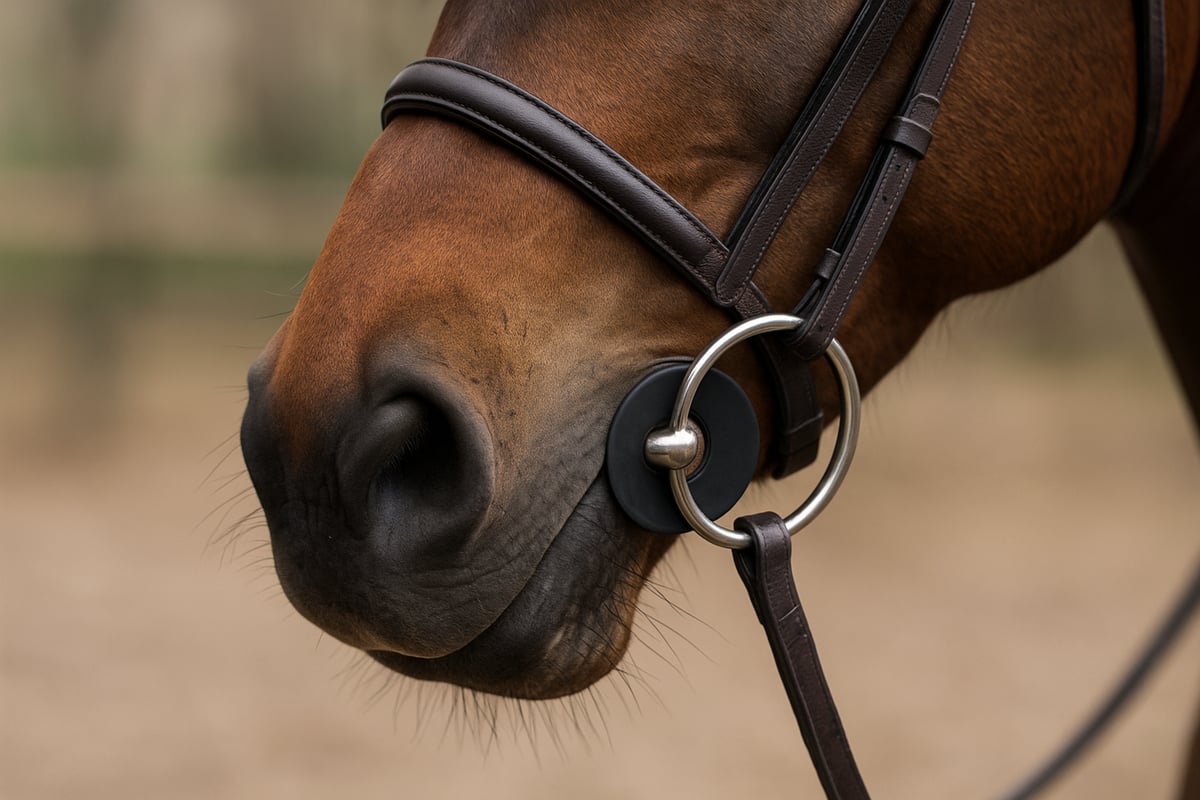
Bit guards are small, flexible discs placed on either side of a horse’s bit. They form a crucial part of equestrian tack, designed to sit snugly between the bit rings and the horse’s lips. Riders often use bit guards to prevent the bit from pinching or rubbing sensitive skin, especially with loose ring snaffles. For a comprehensive overview of their history and function, see the Bit guard article.
Bit guards serve several important purposes. First, they act as a protective barrier, reducing friction and the risk of mouth injuries. Horses with delicate skin or those new to bits can benefit greatly from this added protection. Bit guards also help stabilize the bit, keeping it centered and preventing excessive movement that could cause discomfort.
Common scenarios for using bit guards include riding young or green horses who are still adapting to tack, as well as working with sensitive breeds prone to mouth sores. Many riders opt for bit guards when using loose ring snaffles or bits that tend to shift during work. In these situations, bit guards can make a noticeable difference in both comfort and performance.
The benefits of bit guards go beyond simple protection. Horses often show improved relaxation and responsiveness when mouth discomfort is minimized. Bit guards can enhance communication between horse and rider, leading to a more harmonious partnership. According to equestrian studies, mouth injuries account for a significant portion of tack-related issues in sport horses. For example, one veterinary survey found that over 30% of competition horses showed signs of bit-related mouth trauma. Using bit guards has been shown to reduce the incidence of sores, bruising, and soft tissue damage.
Here’s a quick summary of the main benefits and potential drawbacks of bit guards:
| Benefits | Potential Drawbacks |
|---|---|
| Prevents pinching and rubbing | Can cause bulkiness if not fitted |
| Reduces friction and injuries | Some horses may not tolerate them |
| Improves bit stability | Not legal in all competitions |
| Enhances rider-horse communication | May mask underlying bit issues |
While bit guards offer many advantages, they are not always necessary. In some cases, a well-fitted bit alone may be sufficient. Overuse or improper sizing can lead to bulkiness, interfering with subtle rein aids. Riders should also note that certain competitions restrict the use of bit guards, so it is important to check regulations before entering events.
A real-world example illustrates the value of bit guards. A competitive jumper developed persistent lip sores from a loose ring snaffle. After fitting bit guards, the horse’s sores healed, and performance improved noticeably. This success story is echoed by many riders in the modern equestrian community, where the use of bit guards is seen as a sign of attentive, horse-centered care.
Perspectives on bit guards continue to evolve. While once viewed as a quick fix, they are now recognized as an essential tool for horse welfare, particularly with advances in materials and design. As more research highlights the importance of oral comfort, riders and trainers are increasingly open to using bit guards thoughtfully and proactively.
The Purpose and Function of Bit Guards
At their core, bit guards serve two primary functions: protecting your horse’s mouth and improving the fit of the bit. Think of them as a simple yet effective tool to increase comfort and clear up communication between you and your horse. They create a soft barrier that prevents the sensitive skin on your horse’s lips and cheeks from getting pinched by the bit rings, which is especially common with loose-ring snaffles. Additionally, they can help stabilize a bit that might be just a fraction too wide, preventing it from sliding uncomfortably in your horse’s mouth. By addressing these common issues, bit guards help create a more positive and comfortable experience for your horse under saddle.
Preventing the Bit from Pulling Through
The most common reason riders use bit guards is to prevent pinching and rubbing. The guards sit flat against the horse's cheeks, creating a buffer between their skin and the metal bit rings. This simple barrier stops the bit from pulling through the mouth or catching the delicate skin at the corners of the lips, which can cause painful sores. This is particularly beneficial for young or green horses who are still learning to respond to rein pressure, as well as for any horse with sensitive skin. Ensuring all your horse tack fits comfortably is key to a happy partnership, and bit guards are an excellent addition to your toolkit for achieving that goal.
Making a Slightly Large Bit Fit Better
Bit guards can also be a great solution if your horse's bit is just a little too wide. By taking up a few millimeters of extra space on either side, they help the bit sit more securely and centrally in the horse's mouth. This added stability prevents the bit from sliding from side to side, which can be distracting for the horse and can interfere with clear rein aids. While they can’t fix a bit that is drastically oversized, they are perfect for making those minor adjustments that can significantly improve your horse's comfort and responsiveness. Getting the right fit is everything, and our team has decades of hands-on experience to help you find what works best for your horse.
A Guide to Bit Guard Types, Materials, and Designs
Choosing the right bit guards in 2026 means understanding the full spectrum of options available. From classic rubber to cutting-edge tech materials, the market offers more choices than ever. Let’s explore how these options compare and what’s best for your horse.
Traditional vs. Modern: Which Style is Best?
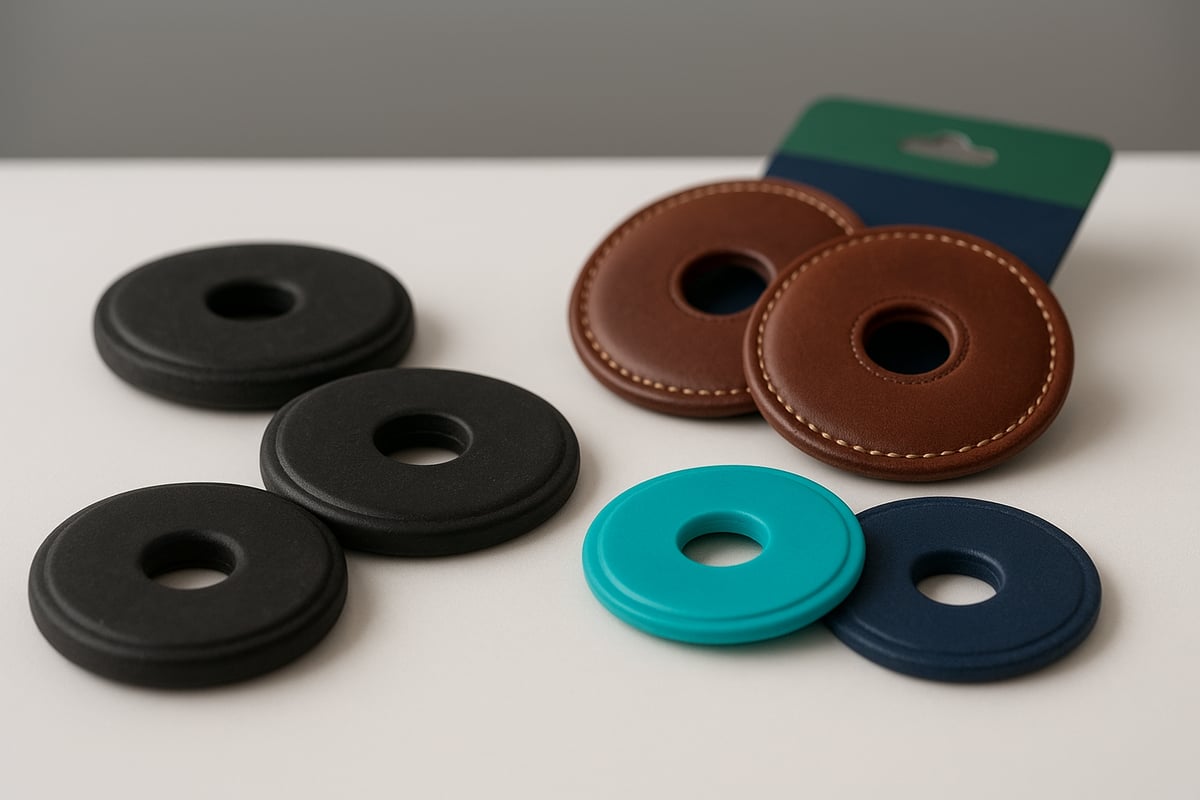
Traditional bit guards are most commonly made from durable rubber. These bit guards offer flexibility and a reliable barrier against pinching, making them a staple in many tack rooms. Riders have long trusted classic rubber bit guards for everyday schooling and show jumping, valuing their simple design and ease of use.
Leather bit guards present a more refined look and are often preferred for their traditional aesthetic. Synthetics, meanwhile, have gained popularity for being lightweight and requiring minimal maintenance. Each material has its pros and cons: rubber is affordable and flexible, leather is durable but needs regular care, and synthetics are easy to clean but may lack the classic feel.
Here’s a quick comparison:
| Material | Pros | Cons |
|---|---|---|
| Rubber | Flexible, affordable | Can degrade over time |
| Leather | Durable, traditional | Needs more maintenance |
| Synthetic | Lightweight, easy | Less traditional appearance |
Recent trends show a shift toward modern synthetics and custom options, especially in competitive settings. For example, show jumpers often favor classic rubber bit guards for their reliability during high-intensity rounds. For more insights on pairing bit guards with the right bit, see Choosing the right bit for your horse.
Beyond Rubber: New Materials and Technology
The arrival of 2026 has brought a wave of innovation to bit guards. Hypoallergenic materials are now widely available, helping horses with sensitive skin avoid irritation. Antimicrobial and eco-friendly options are trending, offering riders peace of mind about hygiene and sustainability.
Manufacturers are leveraging 3D printing to create bit guards with enhanced flexibility and custom-fit designs. These advancements allow riders to order bit guards tailored to their horse’s specific measurements, improving comfort and performance. The increased flexibility reduces pressure points, making these bit guards ideal for sensitive horses or those competing in high-performance disciplines.
Many riders share positive experiences after switching to modern bit guards. For example, a dressage competitor reported that her horse became more responsive and relaxed after upgrading to a tech-enhanced, custom-fit guard. These new options not only improve comfort but can also enhance communication between horse and rider.
As the industry continues to evolve, innovative bit guards are becoming the go-to choice for those seeking optimal welfare and performance. With a focus on both horse comfort and rider convenience, these products are redefining standards across disciplines.
Exploring Gel and Neoprene Options
Riders are increasingly choosing bit guards made from gel and neoprene, and for good reason. These materials offer superior comfort and flexibility compared to traditional rubber. They provide a soft, cushioned barrier that conforms to the shape of your horse’s mouth, creating a snug fit that helps prevent painful pinching and rubbing. If you have a sensitive horse or one that is prone to sores, gel or neoprene bit guards can be a game-changer, allowing for a more comfortable and focused ride. You can explore a variety of modern horse tack solutions that prioritize this level of comfort.
Key Features: Non-Toxic and Water-Resistant Materials
When selecting any equipment that comes into contact with your horse’s mouth, safety should be a top priority. Many modern bit guards are now made from non-toxic materials, giving you peace of mind that you’re not exposing your horse to harmful substances. Additionally, these materials are often water-resistant, which is a huge plus for anyone who rides outdoors. Whether you’re training in the rain or simply rinsing off your tack after a ride, water-resistant guards won’t degrade or become stiff, ensuring they remain durable and effective through all conditions.
Easy-On Designs: Hook-and-Loop Cheek Guards
Fumbling with stiff, traditional bit guards can be a frustrating part of tacking up. Thankfully, many newer designs feature easy-on closures, like hook-and-loop systems. This simple but effective feature makes attaching and removing bit guards incredibly fast and straightforward. For busy equestrians who need to make quick adjustments or switch bits between horses, this convenience is invaluable. It saves time and hassle, letting you focus more on your ride and less on struggling with your equipment. These thoughtful designs are often found among the best-selling products trusted by riders everywhere.
Explore our full range of horse bit guards and bits — thoughtfully designed options trusted by riders everywhere for comfort and reliable performance.
Matching Bit Guards to Your Discipline
Bit guards are no longer one-size-fits-all. In 2026, manufacturers offer specialized designs tailored to dressage, jumping, eventing, and western riding. For example, dressage bit guards are often discreet and made from ultra-soft materials to comply with strict rules. Jumping and eventing models prioritize durability and secure fit, often featuring reinforced edges.
Customization is also a growing trend. Riders can select from various colors and even add team logos or initials, making bit guards a subtle way to personalize tack for shows or schooling. Regulatory considerations are crucial: major organizations like FEI and USEF have specific guidelines on which bit guards are legal in competition.
A notable example is the use of brightly colored bit guards in team competitions, helping riders and spectators quickly identify horses during fast-paced events. These discipline-specific designs ensure that every horse, regardless of sport, benefits from optimal comfort and style.
Specialized Guards for Trail and Working Horses
When your horse is out on the trail or putting in a hard day's work, you need gear that can keep up. Bit guards designed for these activities prioritize durability and stability, helping keep the bit securely in place as you cover uneven ground or tackle demanding tasks. A stable bit isn't just about preventing rubs and sores; it's also key for clear communication and control, especially when you need a quick response. The last thing you want is the bit shifting and pinching your horse’s mouth corners during a long ride. A good set of guards provides that extra layer of protection, ensuring your horse stays comfortable and focused on the job at hand.
Modern materials are a huge advantage here. Innovations like hypoallergenic and antimicrobial polymers are perfect for working horses that are often exposed to sweat, dirt, and moisture for extended periods. These materials actively reduce the risk of skin irritation and infection, which is a top priority for any dedicated horse owner. Plus, they're incredibly easy to clean and maintain. When you’re looking for reliable horse tack, choosing bit guards made from these advanced materials ensures your horse gets the best in both comfort and hygiene, no matter where the trail takes you.
Shop This Post

Featured in this article
AV Bob Avila Double Ring Snaffle Horse Bit - Sweet Iron Mouthpiece, 3" Rings - Multiple Sizes
$165.00
Shop Now →

How to Choose the Right Bit Guards: A 7-Step Guide
Choosing the right bit guards can make a significant difference in your horse’s comfort, performance, and overall well-being. This step-by-step guide walks you through the key considerations, ensuring you select the best fit for your unique horse.
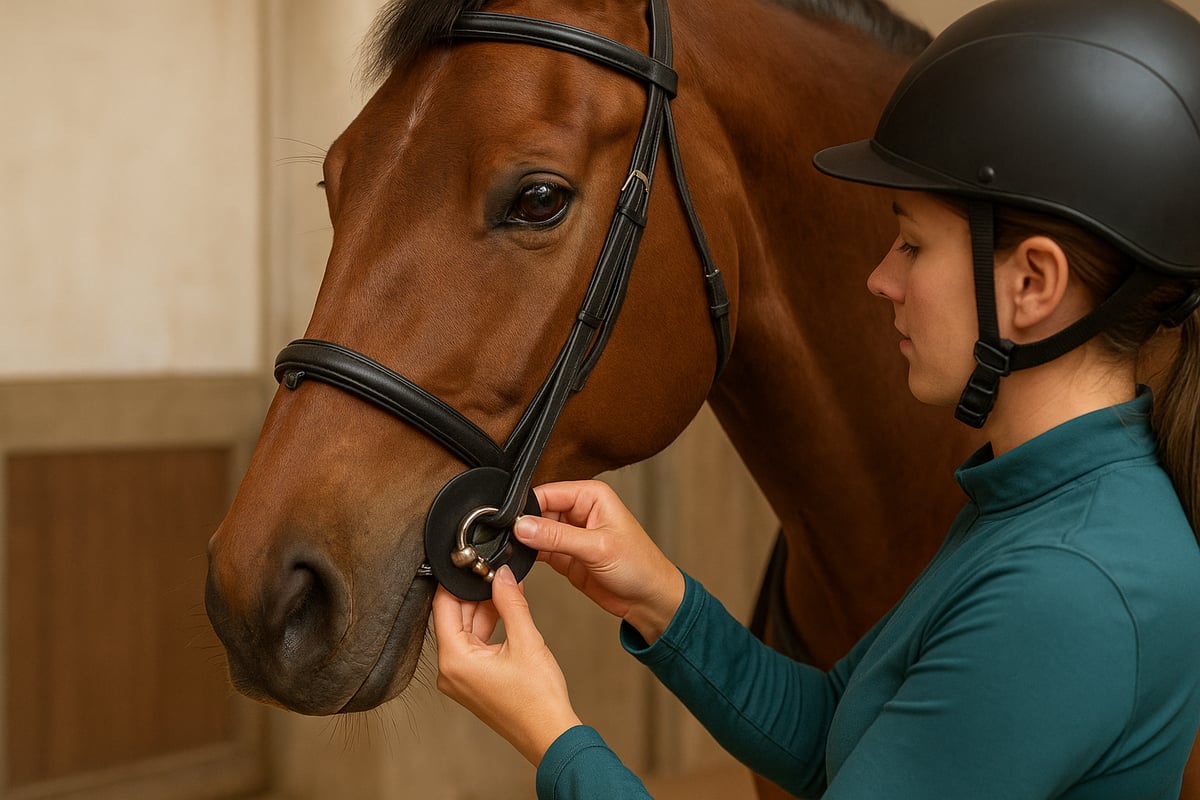
Step 1: Consider Your Horse’s Needs
Start by evaluating your horse’s individual requirements before choosing bit guards. Consider the shape and size of their mouth, any past mouth injuries, and known sensitivities.
Take into account your horse’s breed, age, and discipline. For example, sensitive-mouthed Thoroughbreds often benefit from softer, more flexible bit guards, while Quarter Horses may require more robust options.
Consult your veterinarian or trainer if your horse has a history of mouth issues. For a deeper understanding of how proper equipment selection can affect comfort and welfare, review this study on bit use and its relevance for rider safety, rider satisfaction and horse welfare in equestrian sport.
By thoughtfully assessing your horse’s needs, you lay the groundwork for choosing bit guards that enhance comfort and performance.
Step 2: Choose the Right Material and Design
Once you have a clear picture of your horse’s needs, focus on choosing bit guards with the right material and design.
Rubber bit guards are flexible and affordable, ideal for most general riding. Leather options offer a traditional look and are often preferred in the show ring. Synthetic materials, including hypoallergenic and antimicrobial options, are excellent for horses with allergies or sensitive skin.
Match the design to your riding discipline and bit type. For example, flat guards may suit loose ring snaffles, while contoured versions can provide extra comfort for sensitive horses.
If your horse reacts to certain materials, opt for hypoallergenic bit guards to avoid irritation. Always prioritize comfort and safety when making your selection.
Step 3: Measure for the Perfect Fit
Proper measurement is crucial for ensuring bit guards are effective and comfortable. Begin by measuring the diameter of your horse’s bit and the width of their mouth. Use a soft measuring tape or string for accurate results.
Follow these steps:
- Remove the bit and lay it flat.
- Measure the distance from one ring to the other.
- Compare this measurement to the manufacturer’s sizing chart for the bit guards you are considering.
Common mistakes include measuring with the bit still attached to the bridle or failing to account for the thickness of the bit guards themselves. Avoid selecting guards that are too tight, which can cause pinching, or too loose, which may slip during use.
A correct fit allows the bit guards to move freely without restricting the bit’s action or causing discomfort.
Step 4: How to Put On and Adjust Bit Guards
Installing bit guards is a straightforward process, but attention to detail ensures safety and comfort. Begin by soaking rubber guards in warm water to soften them, making them easier to stretch over the bit rings.
Slide one edge of the bit through the center hole of the guard, then gently work the rest of the guard over the bit ring. Repeat for the other side. For leather or synthetic guards, follow the manufacturer’s instructions, as some may have snaps or Velcro closures.
Check that the bit guards sit evenly on both sides and do not bunch or twist. They should be secure but not restrict the bit’s natural movement. For example, when installing on a loose ring snaffle, ensure the guard covers the ring edges without compressing the horse’s lips.
Practical Tips for Installing Stiff Bit Guards
Let's be honest, getting a new pair of stiff bit guards onto a bit can feel like a real workout. If you're struggling, you're not alone. Before you give up, try these simple tricks to make the process much smoother for both you and your hands. First, soak the new guards in a bowl of hot water for a few minutes. This softens the material, making it significantly more pliable and easier to stretch over the bit rings. For particularly stubborn guards, you can also use a slippery, non-toxic substance to help them slide on, but be absolutely sure to wash the bit and guards thoroughly with soap and water before it goes anywhere near your horse’s mouth. You can watch a demonstration of these techniques to get a better visual. Once installed, double-check that the guards sit flat against the bit rings without bunching and don't interfere with the bit's action, ensuring a comfortable and correct fit for your horse.
Step 5: Take a Trial Ride
After installation, observe your horse closely during the first few rides with the new bit guards. Watch for signs of discomfort, such as head tossing, resistance, or excessive mouth movement.
Monitor improvements, too, like reduced rubbing or better acceptance of the bit. If you notice persistent issues or increased sensitivity, consider adjusting the fit or trying a different material or design.
Remember, every horse is unique, and finding the right bit guards may require some experimentation and patience.
Step 6: How to Make Your Bit Guards Last
Caring for your bit guards extends their lifespan and keeps your horse comfortable. Clean rubber and synthetic guards regularly with mild soap and water, then allow them to dry completely before reuse. Leather guards should be wiped with a damp cloth and conditioned as needed.
Inspect bit guards for signs of wear, such as cracks or tears, and replace them promptly to prevent injury. Proper storage, away from direct sunlight and extreme temperatures, can also help maintain their integrity.
With consistent maintenance, your bit guards will remain effective and safe for long-term use.
Step 7: Troubleshooting Common Issues
Even with careful selection and maintenance, you may encounter issues such as rubbing, slipping, or allergic reactions. If your horse develops sores or irritation, try switching to a softer or hypoallergenic material.
For slipping, double-check the fit and ensure the guards are installed correctly. Persistent problems may require professional advice from your veterinarian or trainer.
Addressing issues quickly ensures your horse’s comfort and maximizes the benefits of using bit guards.
Our Top Picks: The Best Bit Guards Reviewed
Choosing the right bit guards can transform your horse’s comfort and performance. In 2026, the market offers a wide variety of bit guards designed for every type of horse and rider. Let’s explore the top picks, standout features, and expert recommendations to help you make an informed decision.
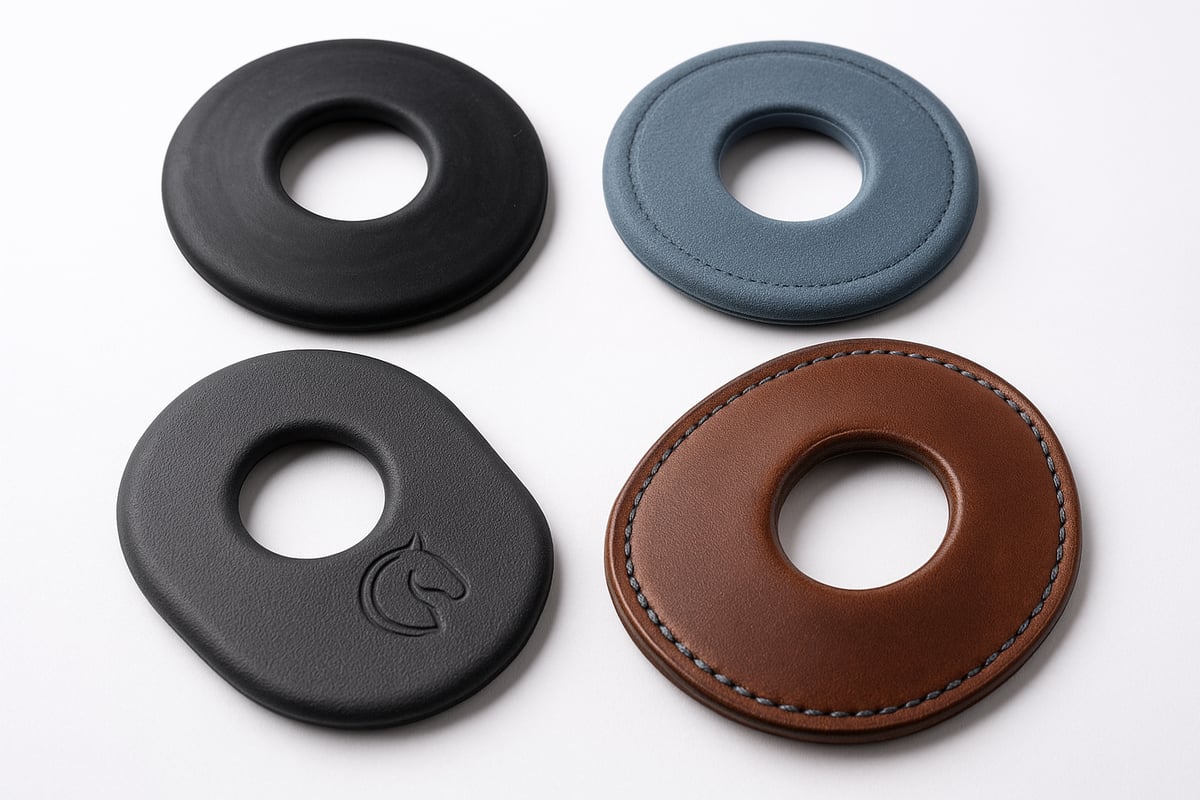
Best Overall Bit Guard
For most riders, the best overall bit guards combine comfort, durability, and value. In 2026, top-rated options often feature soft, flexible rubber that resists cracking, yet remains gentle on your horse’s mouth. Many riders appreciate guards with slightly raised edges for added protection.
Features to look for:
- High-grade rubber or synthetic material
- Easy to install and remove
- Consistent sizing for popular bits
For example, one leading brand’s classic black rubber bit guards scored high in user reviews for reliability and ease of cleaning. These bit guards fit a variety of disciplines and are trusted by both amateurs and professionals.
Best for Sensitive Horses
Horses with sensitive skin or a history of mouth irritation need bit guards made from non-irritating materials. Hypoallergenic silicone and medical-grade polymers lead the way in 2026, offering softness and gentle contact.
Notable benefits:
- No latex or common allergens
- Smooth, rounded edges to prevent rubbing
- Lightweight, flexible design
A rider with a sensitive-mouthed Warmblood noted a significant reduction in mouth sores after switching to soft, hypoallergenic bit guards. For these horses, comfort is non-negotiable, making the right material a top priority.
Best for Competition Use
When it comes to competition, bit guards must meet strict regulations while remaining discreet. Many FEI and USEF-approved models are now thinner, sleeker, and available in neutral or team colors.
Competition-ready features:
- Low-profile, unobtrusive shapes
- Legal for use in major events
- Multiple color choices for team identification
One popular competition model, favored by show jumpers, features a slim, white design that blends seamlessly with the bit and bridle. Riders appreciate that these bit guards meet all current rule standards and look sharp in the ring.
Best Budget-Friendly Option
Value-conscious riders do not have to sacrifice quality. The best budget bit guards in 2026 are affordable, yet constructed from reliable materials. Many brands offer multi-packs for riders with several horses or frequent tack changes.
Budget-friendly highlights:
- Durable rubber or synthetic blends
- Easy-clean surfaces
- Consistent performance over time
A comparison of price points reveals that some budget models perform nearly as well as premium options, making them ideal for schooling, training, or backup use. These bit guards deliver practical protection without breaking the bank.
Typical Price Range: What to Expect
When shopping for bit guards, you'll find that prices are generally quite affordable, making them an accessible piece of equipment for any rider. Most options fall within a range of about $5 to $20. For example, simple yet effective rubber or synthetic guards, like those from Cashel Company or Weaver Equine, often cost between $5 and $12. More specialized designs, such as Fager's flexible silicon guards, might be priced slightly higher, around $11. The price you pay often reflects the material, brand reputation, and any unique features like hypoallergenic properties or an easy-on design. Ultimately, you can find a quality pair that fits your budget without much trouble. To see how different options compare, you can explore our collection of horse tack and find the perfect fit for your horse and your wallet.
Most Innovative Design
Innovation in bit guards has accelerated, with new materials and designs making headlines. In 2026, eco-friendly options and advanced manufacturing set certain models apart.
Latest innovations:
- Biodegradable or recycled materials
- 3D-printed custom shapes for perfect fit
- Built-in antimicrobial properties
For example, a newly released guard uses plant-based polymers and is fully compostable after use. Riders who value sustainability and cutting-edge technology find these bit guards especially appealing.
The Rider's Choice
Community feedback remains one of the best indicators of real-world performance. Equestrian forums and social media groups in 2026 highlight certain bit guards as consistent favorites.
Top community picks:
- Guards with over 4.5-star average ratings
- Models praised for easy installation
- Products recommended by both professionals and amateurs
A recent poll on a leading equestrian site showed that riders value bit guards that are simple to clean and rarely slip out of place. These trusted choices enjoy strong word-of-mouth support.
Tips for Buying Bit Guards Online
Buying bit guards online offers convenience, but it pays to be cautious. To ensure authenticity, always purchase from reputable retailers and double-check sizing guides.
Smart shopping tips:
- Read verified customer reviews
- Check return and exchange policies
- Avoid deals that seem too good to be true
If you are looking for compatible bits or want to explore more options, the Bits and curbs collection is a valuable resource for finding gear that matches your bit guards perfectly. This helps ensure a safe and comfortable fit for your horse.
Customization: Finding Colors to Match Your Tack
Your horse's gear is an extension of your partnership, and bit guards offer a great way to add a personal touch. Customization is a growing trend, allowing you to move beyond basic black and choose from a wide array of colors to match your saddle pads, wraps, or barn colors. This is a simple yet effective way to create a polished, coordinated look for schooling or shows. Some riders even add team logos or initials, which is perfect for competitions as it helps you stand out and makes your horse easy to identify. Whether you want a subtle match or a pop of color, custom bit guards let you express your unique style while keeping your horse comfortable. You can coordinate them with your entire collection of horse tack for a truly professional appearance.
Related Bit Accessories to Explore
While bit guards are fantastic for preventing pinching, they are just one part of creating a comfortable and effective bridle setup. To fine-tune your horse's experience, you might want to explore other bit accessories that work alongside them. Items like curb straps, delta straps, and bit tape can further enhance the stability and function of your bit. For instance, a properly fitted curb strap can add precision to your aids, while bit tape can be used to soften a bit's surface or adjust its fit slightly. Thinking about your bridle system as a whole ensures every component works together harmoniously. Exploring these additions can help you build the perfect setup tailored to your horse's specific needs and your riding goals.
Getting the Fit Right: Tips for Safety and Comfort
Ensuring your bit guards fit correctly is essential for your horse's comfort and safety. A well-fitted pair protects sensitive mouth tissue, encourages clear communication, and supports overall performance. Yet, even experienced riders can overlook small issues that may lead to discomfort or injury.
What a Good Fit Looks Like
Bit guards should sit snugly against the horse's lips without pinching or restricting movement. The guard must cover the bit ring completely, allowing the bit to move freely while preventing direct contact with the skin.
| Sign of Proper Fit | What to Look For |
|---|---|
| No pinching or redness | Skin is smooth and unmarked |
| Free bit movement | Bit rotates and slides easily |
| No slippage | Guards stay in place during ride |
If you notice marks, swelling, or excessive chewing, the bit guards may be too tight or incorrectly positioned.
Is Your Horse Uncomfortable? What to Look For
Watch for subtle changes in your horse's behavior, such as head tossing, reluctance to accept the bit, or sudden resistance. These can indicate discomfort caused by bit guards. Address issues promptly by checking the fit, trying different materials, or consulting a professional.
Sensitive horses may benefit from hypoallergenic or softer guard materials. As highlighted in studies on mouthpiece temperatures and horse comfort, environmental factors like heat can influence how equipment feels inside the mouth, so always monitor your horse's response during seasonal changes.
Introducing Bit Guards to a Young Horse
Young or green horses often require extra patience when introducing bit guards. Start with short sessions, using the softest available materials. Gradually increase ride duration as the horse adapts. Adjust as needed for growth or dental changes.
If your horse is transitioning from riding without bit guards, observe closely for any differences in acceptance or chewing patterns.
Adjusting for Weather and Environment
Temperature and humidity can affect how bit guards perform. In hot weather, rubber guards may become softer, while in cold conditions, they may stiffen and rub more easily. Adjust your cleaning routine and check for wear more frequently. This attention to detail helps prevent irritation or sores, especially during seasonal shifts.
What the Pros Say About Bit Guards
Professional riders and veterinarians recommend regular checks before and after each ride. Data from equestrian studies show that proper use of bit guards can reduce the incidence of lip sores by up to 35% in competition horses. These results underscore the value of ongoing observation and timely replacement.
For a comprehensive overview of how bit guards fit into your overall tack setup, consider reviewing the Essential horse tack guide.
Quick Safety Checks Before You Ride
Before every ride, run your fingers along the edge of the bit guards to check for cracks, rough spots, or sticky residue. Replace guards that show wear or cause irritation. If you notice persistent issues—such as recurring sores or behavioral changes—consult a qualified trainer or equine dentist.
A simple pre-ride check can prevent most problems and keep your horse comfortable and responsive.
Frequently Asked Questions About Bit Guards
Choosing and using bit guards can raise several questions for horse owners. Here are the most common queries answered to help you make informed decisions for your horse’s comfort and performance.
Can bit guards be used with all types of bits?
Bit guards are most often used with loose ring snaffles but can be adapted for other snaffle types. However, they are not suitable for every bit, such as curb bits or certain specialty designs. Always check compatibility before use.
Are bit guards allowed in all competitions?
Not all competitions permit bit guards. Most show jumping and eventing organizations allow them, but dressage and some breed-specific events may restrict their use. Always consult the latest rulebook for your discipline to ensure compliance.
FEI Dressage Rules Explained
In the world of dressage, precision and tradition are key, and the rules for equipment reflect that. When it comes to FEI-sanctioned dressage competitions, bit guards are explicitly prohibited. The official reasoning is that they can act like a tongue plate, altering the function of the bit in a way that goes against the sport's principles. This rule ensures a level playing field and maintains the focus on pure communication between horse and rider. Before heading into the ring, it's crucial to double-check that your tack is compliant. Accidentally using a non-permitted item like a bit guard can unfortunately lead to disqualification, so always review the latest FEI equipment regulations to be sure.
Cross Country Safety Restrictions
For the high-speed, high-stakes cross country test in eventing, safety is the absolute top priority. Because of this, the FEI does not permit the use of bit guards during this phase. The concern is that in the event of a rotational fall or if the horse gets tangled, a bit guard could potentially catch on an obstacle or part of the tack, increasing the risk of injury to the horse. While they offer protection in many situations, the unique and unpredictable environment of a cross country course presents a different set of risks. To ensure you and your horse are as safe as possible and remain eligible to compete, make sure your tack adheres to all current safety standards before you leave the start box.
How often should bit guards be replaced?
Inspect bit guards regularly for wear, cracking, or stiffness. Replacement frequency depends on material and usage but should be done at the first sign of damage. Clean, well-maintained bit guards last longer and keep your horse comfortable.
What are signs that my horse needs bit guards?
Look for mouth sores, pinching, or increased sensitivity around the lips. If your horse fusses with the bit or develops rub marks, bit guards may help. Consulting with your trainer or veterinarian can confirm the need.
Do bit guards affect rein aids or communication?
When fitted correctly, bit guards should not interfere with rein aids or clear communication. In fact, they can enhance stability and comfort, supporting better contact between rider and horse.
How do I clean and disinfect bit guards?
Remove bit guards from the bit for thorough cleaning. Use warm water and mild soap, then rinse and dry completely. For more on maintaining overall tack hygiene, see Horse bridles and their importance.
Can I use colored bit guards for shows?
Some competitions allow colored bit guards for schooling or team identification, but many require neutral colors in the show ring. Always check the rules for your specific event to avoid disqualification.
What if my horse resists the bit after adding guards?
If your horse starts resisting after fitting bit guards, check for pinching, improper fit, or allergic reactions. Remove and inspect the guards, and consult a professional if issues persist.
Now that you understand the importance of bit guards and how to choose the best fit for your horse, you’re ready to put this knowledge into action. Whether your horse needs extra comfort, protection from pinching, or a solution tailored for competition, you deserve products you can trust. At Hooves and Paws, you’ll find a carefully curated range of bit guards and equestrian essentials, all backed by decades of expertise, free US shipping, and flexible payment options. If you’re ready to upgrade your horse’s comfort and performance in 2026, take the next step and Buy Now.
Key Takeaways
- Focus on Comfort for Clearer Communication: Bit guards are primarily a tool to prevent painful pinching and rubbing. By creating a more comfortable experience for your horse, you enable them to relax, focus, and respond more willingly to your rein aids.
- Choose a Material That Suits Your Horse and Discipline: Your options extend far beyond basic rubber. Consider soft gels or neoprene for sensitive horses, durable designs for trail work, and discipline-approved styles for competition to find the perfect match for your needs.
- Ensure a Proper Fit to Guarantee Effectiveness: An ill-fitting bit guard can cause more problems than it solves. The guard must lie flat against your horse’s cheek without bunching or interfering with the bit’s action to provide safe and effective protection.


