


In the world of Western riding, some pieces of equipment gain an almost legendary status. You hear about them from trainers, see them on winning horses, and wonder what makes them so special. The Classic Equine Moon Bit is one of those tools. It has a reputation for creating softness, encouraging collection, and providing clear communication without being harsh. But what’s behind the hype? We’ll take a close look at its design, explore which disciplines it suits best, and share what real riders are saying to help you understand why this bit has become a staple in so many tack rooms.
Key Takeaways
- A Tool for Refinement, Not a Starting Point: The Moon Bit is best for finished horses and experienced riders who understand subtle cues. It is designed to refine communication in disciplines like reining and cowhorse, not to teach foundational skills.
- Design Dictates Communication: Its straight shanks provide quick, clear signals for immediate responsiveness. You can also tailor the bit to your horse by choosing a mouthpiece material (like sweet iron or copper) that encourages softness and acceptance.
- Rider Responsibility Is Paramount: A bit is only as gentle as the hands holding the reins. The Moon Bit's effectiveness depends on a rider with a soft touch and ensuring a proper fit, making it a tool for partnership rather than force.
What Is the Classic Equine Moon Bit?
If you’ve spent time in the Western riding world, especially around cowhorse disciplines, you've likely come across the Classic Equine Moon Bit. At its core, this bit is a specialized piece of equipment designed with the working cowhorse in mind. It's not your average, everyday bit; it's built for a specific job that demands clear and precise communication between horse and rider. The design, often featuring a spade roller, allows for subtle cues, which is essential when you're in the show pen or working cattle on the ranch. Think of it as a tool for refinement. It's part of a broader category of horse tack that helps skilled riders communicate with a light touch.
When you're asking your horse for quick turns, stops, and subtle shifts in body position, your signals need to be instant and unmistakable. The Moon Bit is engineered to deliver just that. Its design helps translate the slightest movement of your hands into a clear message for your horse, reducing confusion and encouraging a more willing partnership. This makes it an excellent choice for riders moving into more advanced stages of training or competing in events where every second and every movement counts. It’s a piece of equipment that respects the horse while giving the rider the confidence to perform complex maneuvers.
What Makes the Moon Cheek Design Unique?
The "Moon Cheek" name refers to the specific shape and function of the bit's shanks. What sets this design apart is its straight shank, which is built for quick action. When you pick up the reins, there's very little delay before the bit engages, allowing for immediate and clear signals. This is paired with loose rein rings, which further enhance communication by providing a distinct signal to the horse. With a 5-inch shank and a 2-1/2-inch purchase, the bit is engineered for responsiveness without being overly harsh, making it a balanced choice for riders who value precision.
Its Roots in California Cowhorse Tradition
The Moon Bit isn't just a random design; it's deeply rooted in the California cowhorse tradition. This style of horsemanship, known as the vaquero tradition, emphasizes creating a highly responsive and finished bridle horse over a long period. The equipment, including bits like the Moon Cheek, was developed to facilitate this refined communication. It was designed for the working cowhorse, an animal that needed to be agile, intelligent, and perfectly in sync with its rider. This heritage tells you that the bit is intended for finesse and partnership, not force, reflecting a philosophy of horsemanship that values lightness and cooperation.
A Closer Look at the Moon Bit's Design
The Classic Equine Moon Bit's thoughtful design is what sets it apart. Every curve and component serves a purpose, from the materials used to the way it sits in your horse's mouth. Let's break down the specific features that make this bit a favorite among riders.
Craftsmanship: Iron Shanks and Silver Details
The first thing you'll notice about the Moon Bit is its quality construction. The shanks are made from browned iron, giving them a classic, rustic look that’s also incredibly durable. But it’s the details that really make it shine. The bit features beautiful, hand-engraved German silver accents that add a touch of elegance to its functional design. This combination of rugged iron and refined silver creates a bit that not only performs well but also looks great in the show ring or on the ranch.
How the Straight Shank Improves Communication
One of the Moon Bit's most significant features is its straight shank. This design isn't just for looks; it's engineered for better communication. The straight shape allows for quick action, meaning your rein cues are transmitted without delay. When you pick up the reins, your horse feels the signal immediately. This direct line of communication helps create a more responsive partner. The loose rein rings also play a part, providing a clear signal that helps your horse easily distinguish your cues from neutral rein pressure.
The Function of Rein Rings and Slobber Chains
Beyond the shanks, the Moon Bit includes other key components that enhance its function. The loose rings where your reins attach move freely, which helps deliver a crisp and immediate signal when you apply pressure. This prevents the muddled communication that can happen with fixed rings. The bit also comes with stainless steel slobber chains. These aren't just for show; they prevent the bit from over-rotating and pinching your horse's lips. This detail makes a big difference in your horse's comfort, a top priority for any piece of horse tack.
Weight, Balance, and Overall Feel
A bit's performance isn't just about its shape; it's also about how it feels in your hands and your horse's mouth. Riders often praise the Moon Bit for its substantial weight and excellent balance. This helps the bit hang correctly and provides a steady, comfortable feel for the horse. A well-balanced bit allows for more subtle cues and a more controlled ride. The design is carefully considered to fit a horse's mouth well, ensuring you and your horse can work together comfortably.
Choosing the Right Mouthpiece
While the signature cheekpiece gives the Moon Bit its name, the mouthpiece is where you and your horse have a direct line of communication. The material of the mouthpiece can significantly change how your horse perceives and responds to your rein cues. A bit is only as good as the horse’s willingness to accept it, and the right material can make all the difference in achieving a soft, responsive feel. Classic Equine understands this, offering the Moon Bit with several different mouthpiece options to suit a variety of horses and training goals.
The three most common materials you’ll find are sweet iron, stainless steel, and copper. Each one has a unique set of properties that affects its taste, temperature, and texture in the horse’s mouth. One isn’t inherently better than another; instead, the best choice depends entirely on your horse’s individual sensitivity, training level, and personal preference. Understanding the differences will help you select a bit that not only fits your discipline but also fosters clear communication and comfort for your equine partner. Let’s look at what makes each material distinct.
Sweet Iron Mouthpieces
If you’re looking for a bit that encourages acceptance and softness, a sweet iron mouthpiece is an excellent choice. This material is designed to oxidize, or rust, when it comes into contact with moisture. This process creates a sweet taste that most horses enjoy, promoting salivation and a more relaxed jaw. According to experts, sweet iron is often preferred for its ability to create a warm, inviting feel that encourages the horse to relax and respond better to the rider's cues. This makes it a fantastic option for young horses just learning to carry a bit or for any horse that tends to be a little fussy or dry in the mouth.
Stainless Steel Mouthpieces
For durability and straightforward communication, a stainless steel mouthpiece is a reliable classic. Unlike sweet iron, stainless steel is resistant to rust and corrosion, so it won’t change over time. It has a neutral taste and provides a more direct, clear signal from your hands to the horse’s mouth. Its longevity and simple upkeep make it a practical choice for everyday riding and competition. As noted by Horse & Rider, stainless steel is often chosen for its longevity and ease of maintenance, making it a popular choice among competitive riders. If your horse works well in a standard bit and doesn’t need extra encouragement to salivate, stainless steel is a solid, no-fuss option.
Copper Mouthpieces
Copper is another material known for promoting a soft and responsive mouth. It warms quickly and has a distinct taste that encourages salivation and chewing, which are signs of relaxation and acceptance. Many riders find that using bits with copper elements can lead to better communication and a more supple feel in the reins. An article from The Horse explains that copper bits can help create a more responsive horse by encouraging chewing and relaxation. This makes copper an ideal choice for horses that are sensitive or tend to brace against the bit, as it can help them soften and listen more closely to your cues.
Match the Mouthpiece to Your Horse
Ultimately, selecting the right mouthpiece comes down to knowing your horse. There is no one-size-fits-all answer, and what works for one horse may not work for another. Pay close attention to your horse’s behavior: Does he fuss with the bit, or does he carry it quietly? Is his mouth often dry, or does he salivate easily? Your horse’s training level, mouth conformation, and overall temperament are all important factors. As one guide explains, matching the mouthpiece to your horse's comfort and responsiveness is key to effective communication. Exploring our full range of horse tack can help you compare different options and find the perfect match for your partner.
Shop This Post

Featured in this article
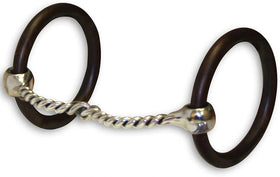
AV Bob Avila Double Ring Snaffle Horse Bit - Sweet Iron Mouthpiece, 3" Rings - Multiple Sizes
$165.00
Shop Now →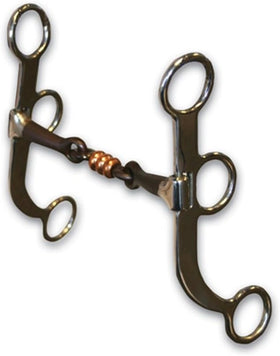

Which Disciplines Suit the Moon Bit?
The Moon bit isn't a one-size-fits-all tool; its specific design shines in certain situations. Because of its roots in the California vaquero tradition, it’s a natural fit for Western disciplines that demand clear, subtle communication between horse and rider. It’s a piece of equipment for a finished horse that understands neck reining and responds to light cues. This isn't the bit you'd typically use for starting a young horse, but rather one you'd transition to for more refined work.
Whether you're in the show pen competing in high-stakes events or spending a long day working cattle on the ranch, this bit is built to perform when responsiveness is key. Let's look at the specific disciplines where the Classic Equine Moon bit truly excels and why its unique features make it such a popular choice for experienced riders.
Working Cowhorse, Cutting, and Reining
The Moon cheek was originally designed with the working cowhorse in mind, making it a fantastic choice for disciplines that require precision and speed. In events like cutting, reining, and working cowhorse, you need to give your horse clear signals instantly. The bit’s straight shank provides that quick action, while the loose rein rings offer a pre-signal before the curb engages. This allows for subtle communication, which is exactly what you need when every second and every movement counts. It’s a staple piece of horse tack for competitors who need their horse to be light, responsive, and ready to move with them as one.
Ranch Work and Everyday Western Riding
Beyond the show ring, the Moon bit is an incredibly practical tool for ranch work and everyday Western riding. It was designed for horses that work on a ranch, where you might need to open a gate, move cattle, or cover varied terrain all in a day's work. The straight shank allows for quick, effective communication when you need your horse to stop or turn suddenly. At the same time, the design gives a good signal to the horse, so you can ride on a looser rein with confidence. This versatility makes it a reliable part of your Western tack for handling the diverse demands of daily ranch life and trail riding.
Is the Moon Bit a Harsh Bit?
The question of whether a bit is "harsh" is a common one, and the answer is rarely simple. Any bit can be severe in the wrong hands, while a skilled rider can use a stronger bit with finesse and subtlety. The Moon Bit, with its straight shanks and potential for leverage, often sparks this debate. However, its design is focused on clear communication rather than force. The key is to understand how its features work and to recognize that a bit is just one part of the conversation you have with your horse.
Ultimately, the "harshness" of any piece of horse tack depends on the rider's hands, the horse's training level, and whether the equipment is appropriate for the job. Let's look at how the Moon Bit is designed to balance clear signals with the horse's comfort.
Understanding Shank Communication
The effectiveness of any bit comes down to communication. The Moon Bit’s straight shank design allows for what many riders describe as quick action, which is essential for clear and timely cues. When a rider adjusts the reins, the signal is transmitted without much delay, helping the horse understand the request immediately. This direct line of communication is further enhanced by the loose rings where the reins attach. They provide a very clear signal, allowing the horse to feel the cue and respond promptly. This setup helps prevent the kind of muddy, confusing signals that can frustrate both horse and rider, leading to a more responsive and willing partner.
Balancing Control and Comfort
A good bit should provide the rider with effective control while ensuring the horse remains comfortable and confident. The Moon Bit is crafted to strike this delicate balance. While the straight shanks offer quick engagement, the overall design aims to help a rider maintain control without relying on excessive pressure. This is especially important in disciplines like ranch work, where a horse needs to be responsive and maneuverable for long periods. In fact, the Moon Cheek was specifically developed for horses that work on ranches, highlighting its practical design for demanding situations. It’s built for a job where clear communication is non-negotiable, but the horse's well-being is just as important for a long day's work.
Is the Moon Bit Right for Your Horse?
Deciding on a new bit is a big step, and the Classic Equine Moon Bit is no exception. It’s a beautiful and effective piece of equipment, but it’s not a one-size-fits-all solution. The real question is whether it’s the right tool for you and your horse as a team. Answering that means taking an honest look at a few key things: your horse’s current level of training, how the bit fits, its long-term durability, and if the investment makes sense for your riding goals. This isn’t about finding a magic fix or a shortcut to better performance, but about choosing equipment that clarifies your communication and strengthens your partnership.
A bit is one of the most direct lines of contact you have with your horse, so the choice reflects your understanding of their needs and sensitivity. It’s a decision that requires careful thought and observation. Before you add it to your cart, it’s worth taking the time to get it right. Let’s walk through what you need to consider to make a confident choice for your horse, ensuring that this new piece of tack helps you both move forward together.
Consider Your Horse's Training and Temperament
The Moon Bit is designed for a horse that already has a solid education. It’s best suited for a finished horse or one well on its way, who understands how to respond to neck reining and works off of subtle seat and leg cues. Because it’s a leverage bit, it’s a step up from a snaffle. It’s intended to refine communication, not to force a response. If your horse is still learning the basics or tends to be anxious with new equipment, this might be too much bit too soon. The goal is to provide gentle yet clear signals, making it a great match for a trained horse that just needs a bit more finesse in its performance.
How to Find the Perfect Fit
A bit can only work correctly if it fits properly. An ill-fitting bit can cause pain, create resistance, and damage your horse’s trust. To find the right size, you can measure your horse’s mouth from corner to corner where the bit will sit. A good rule of thumb is to have about an eighth to a quarter of an inch of space on either side. The mouthpiece should rest comfortably on the bars of the mouth without pinching the cheeks against the molars. When you’re exploring different horse tack, pay close attention to both the width and the diameter of the mouthpiece to ensure your horse has a comfortable and positive experience.
How Durable Is the Moon Bit?
When you invest in quality tack, you expect it to last. The Classic Equine Moon Bit is known for its solid construction. Made from materials like iron and stainless steel, it’s built to handle the demands of regular riding, whether you’re in the arena or out on the ranch. According to a review in Horse & Rider, a well-made bit can provide years of reliable service. With proper care, the iron will develop a patina that many riders like, and the structural integrity of the bit will remain sound. This isn’t a piece of equipment you should have to replace season after season; it’s a dependable tool designed for the long haul.
Is It Worth the Investment?
The price of a quality bit can feel like a big purchase, but it’s helpful to think of it as an investment in your riding partnership. The right bit can make communication clearer, your cues more subtle, and your horse more responsive and willing. This often leads to better performance and a more enjoyable experience for both of you. For riders in disciplines that demand precision, like reining or working cowhorse, the enhanced communication the Moon Bit offers can be invaluable. Ultimately, if the bit helps you and your horse work together more harmoniously, many riders find the initial cost is well worth the long-term benefits.
What Are Riders Saying?
When you’re considering a new piece of equipment, especially something as important as a bit, hearing from other riders is invaluable. The Classic Equine Moon Bit has earned a strong reputation in the western riding community, and for good reason. It’s one of those pieces of horse tack that riders tend to stick with once they find it works for their program. To give you a clear picture, I’ve gathered the most common feedback from riders who have put this bit to the test in arenas and on the ranch.
Overall, the consensus is overwhelmingly positive. Riders often describe it as a game-changer for horses that need a bit more refinement and body control. It’s frequently praised for its balanced feel and the clear, but gentle, communication it offers. Many appreciate how it helps a horse learn to carry itself correctly without being overly severe. However, no single bit is perfect for every horse and rider pair. Some find its design has a few quirks, and its popularity can sometimes make it a challenge to track down. Let’s look at the specific pros and cons that riders share most often so you can decide if it’s the right choice for you and your horse.
The Pros: What Riders Love
Riders consistently praise the Moon Bit for its exceptional balance and weight. Many find it sits comfortably in a horse's mouth and provides clear signals without being harsh. It’s often celebrated as an excellent transition bit for horses moving from a snaffle into a shanked curb bit. Horse owners report that it helps encourage collection, softness in the poll, and better shoulder control. The design allows for subtle cues, rewarding horses that are responsive while offering enough control when needed. For its price point, many feel it delivers the quality and performance of a much more expensive custom bit, making it a favorite for both training and competition.
The Cons: Common Criticisms
The most frequent complaint about the Moon Bit isn't about its performance, but its availability. Because it’s so popular, it can sometimes be difficult to find in stock. Beyond that, a few riders note that like any curb bit, it requires soft, educated hands. For a novice rider or a very sensitive horse, the leverage from the shanks could be too strong if not used with care. While many love the shank length, some riders in faster-paced disciplines occasionally mention they might prefer a shorter shank for quicker communication. Ultimately, the main criticisms are less about flaws in the bit and more about ensuring it’s the right match for the rider’s skill and the horse’s needs.
How Does It Compare to Other Bits?
Choosing the right bit can feel like a huge decision, but it really comes down to understanding how different designs communicate with your horse. The Moon Bit has its own unique feel, and seeing how it stacks up against other popular options can help you decide if it’s the right fit for your program. When you’re browsing different types of horse tack, you’ll notice these key differences in action and design.
Moon Bit vs. Argentine and Seven Cheek Bits
The Moon Bit’s signature curved shank is designed to distribute pressure more evenly across the tongue and bars. This can lead to clearer, softer communication, which is especially helpful for sensitive horses. In contrast, a traditional Argentine bit often has a single jointed mouthpiece that can create a "nutcracker" effect, concentrating pressure in the center of the mouth. While many horses work well in an Argentine, it requires a soft hand. The Seven Cheek bit offers significant leverage for more control, but that same leverage can sometimes apply too much poll and chin pressure. Understanding how to choose the right bit is key to avoiding resistance. The Moon Bit strikes a balance, offering control without being overly harsh.
When to Choose a Snaffle or Different Curb Bit
Snaffle bits are the foundation of most training programs for a reason. They work with direct pressure, making them a straightforward tool for teaching young or green horses the basics of rein cues. The Moon Bit is a curb bit, meaning it uses leverage, and is generally considered a step up from a snaffle. It’s for a horse that understands neck reining and is ready for more refined signals. If your horse is still learning to yield to pressure or you’re still developing your own feel, sticking with a snaffle is usually the best path. The decision to move to a curb bit like the Moon Bit should always be based on your horse’s responsiveness and your confidence as a rider.
Where to Buy Your Classic Equine Moon Bit
Once you’ve decided the Classic Equine Moon Bit is the right choice for you and your horse, the next step is finding where to purchase it. Investing in quality gear means buying from a source you can rely on. This ensures you get an authentic, well-made bit and have support if you need it. Let’s walk through what to look for in a retailer and how to get the best value for your money.
Choose a Trusted Retailer
When you're buying important equipment like a bit, it’s best to shop with a retailer that has real-world equestrian experience. A knowledgeable seller can answer your questions and stand behind the products they offer. At Hooves and Paws, our family has been in the business for over 30 years, so we only stock gear we’d use on our own horses. When you’re ready to add a Moon Bit to your collection of horse tack, buying from a trusted source gives you peace of mind. You’ll know you’re getting an authentic Classic Equine product backed by our 365-day satisfaction guarantee.
Find the Best Price
Everyone loves a good deal, but the lowest price isn't always the best value, especially when it comes to your horse's comfort and your communication in the saddle. Instead of just looking at the price tag, consider the total value. Does the retailer offer free shipping? What about a satisfaction guarantee? These benefits can save you money and hassle in the long run. We believe in offering fair, honest prices on high-quality gear. Plus, with perks like free shipping anywhere in the continental U.S. and same-day order processing, you get your new bit quickly without any surprise costs at checkout.
How to Care for Your Moon Bit
Taking good care of your Classic Equine Moon Bit is about more than just keeping it shiny. Proper maintenance protects your investment, ensures the bit functions as intended, and keeps it comfortable for your horse. A little bit of care after each ride goes a long way in preserving its performance and appearance for years to come. The two most important habits to develop are consistent cleaning and smart storage. By following a simple routine, you can prevent rust, avoid damage, and make sure your bit is always ready for your next ride.
Clean the Iron and Silver
To keep your Moon Bit in top shape, a quick rinse with warm water after every ride is a great habit. This removes saliva and any food particles before they have a chance to dry. For a more thorough cleaning, use a soft brush and a mild, horse-safe soap to gently scrub the entire bit, paying close attention to the joints and mouthpiece. After scrubbing, rinse it completely to remove all soap residue. The most important step is to dry the bit thoroughly with a clean cloth. Since the shanks are iron, they can rust if left wet. Proper care is essential for all your horse tack, and your bit is no exception. To keep the silver accents bright, you can occasionally use a silver polish, making sure to wipe away any excess before use.
Store Your Bit for a Longer Life
How you store your bit is just as important as how you clean it. The key is to keep it in a dry, climate-controlled environment, like a dedicated bridle rack or a drawer in your tack room. This prevents moisture from causing rust on the iron components. To avoid scratches and dings from other equipment, consider storing your Moon Bit in a soft protective bag. This simple step helps maintain the finish on both the iron and silver. For more ideas on long-term storage, you can find great tips on caring for your horse's bit. Avoid leaving it in direct sunlight or in places with extreme temperature swings, as this can degrade the materials over time.
Related Articles
- Professional's Choice 7" Shank Western Curb Horse Bit - 5 1/8" Mouthpiece
- Snaffle Bit Guide: Expert Tips for Riders in 2025
- 8 Best Barrel Racing Bits for Faster Runs in 2025
- Horse Bit Basics: Find the Right Fit
Frequently Asked Questions
Is the Moon Bit a good choice for a beginner rider or a young horse? This bit is designed for refinement, not for teaching the basics. It's best suited for experienced riders with soft hands and for horses that already have a solid foundation, understand neck reining, and respond to subtle cues. For a young horse or a rider still developing their feel, a simpler snaffle bit is usually a better starting point to build clear communication without the added leverage.
How do I know when my horse is ready to move up to the Moon Bit from a snaffle? A horse is generally ready for a leverage bit like this when it consistently works well in a snaffle. Look for signs like a soft, responsive mouth, a solid understanding of neck reining, and the ability to carry itself in a balanced frame without resistance. The move to a curb bit should be about refining your cues and achieving more subtle body control, not about fixing a training problem. As your horse progresses, you'll naturally explore different types of horse tack to match their level.
My horse tends to have a dry mouth. Which mouthpiece material is best? If your horse has a dry or fussy mouth, a sweet iron or copper mouthpiece would be an excellent choice. Sweet iron is designed to oxidize, which creates a pleasant taste that encourages salivation and a relaxed jaw. Similarly, copper warms quickly in the horse's mouth and has a distinct taste that also promotes moisture and acceptance. Both materials can help your horse become more comfortable and responsive.
Why is the iron on my bit starting to look rusty? Is it still safe to use? That's a great question, and it's a common one for bits with sweet iron components. That "rust" is actually intentional oxidation. When sweet iron comes into contact with moisture, it creates a sweet taste that most horses really like. This process encourages salivation and a softer mouth. So, not only is it perfectly safe, but it's also one of the key features that makes the material so effective.
Can I use this bit for casual trail riding, or is it only for competition? While it's a star in the show pen, the Moon Bit is also incredibly practical for everyday riding. It was originally designed for the working ranch horse, so it’s built for versatility and reliability. Its ability to provide clear signals on a looser rein makes it a fantastic choice for trail riding, where you might need a quick, precise response on varied terrain. It offers confidence and control without requiring constant contact.


