


When it comes to your equipment, nothing is more important than safety. While we often focus on helmets and proper footwear, the material of your reins plays a surprisingly critical role in keeping you and your horse out of harm’s way. The discussion around leather roping reins vs nylon often circles back to this very point. Nylon is famous for its strength, but that same quality means it is very unlikely to break under pressure in a wreck, which can create a dangerous situation if a horse gets tangled. Leather, while durable, has a natural breaking point. This "breakaway" feature can be a literal lifesaver, preventing a bad fall from becoming much worse. Understanding this key safety difference is essential before you purchase your next piece of horse tack.
Key Takeaways
- Feel Dictates Communication: The material you choose directly affects how you talk to your horse. Leather's weight often allows for clearer, more subtle cues, while nylon's lighter feel is great for fast-paced events where quick responses are key.
- Balance Durability with Upkeep: Your decision comes down to a trade-off between convenience and care. Nylon offers incredible durability with minimal cleaning, whereas leather requires regular conditioning to maintain its strength and supple feel.
- Prioritize the Breakaway Factor for Safety: In an emergency, leather is designed to break under extreme pressure, which can prevent serious injury. Nylon's superior strength means it will not snap, creating a potential safety hazard if your horse gets tangled.
Leather vs. Nylon Reins: What’s the Difference?
When you're in the saddle, your reins are your direct line of communication with your horse. The material they're made from can completely change how that conversation feels. The two most common choices in horse tack are classic leather and modern nylon. While they both get the job done, they offer very different experiences in terms of how they're constructed, how they feel in your hands, and how they perform under pressure. Let's break down the key distinctions to help you figure out which one is the right fit for you and your horse.
How They're Made
Leather roping reins are a timeless choice for a reason. They are crafted from high-quality leather, making them incredibly durable for daily riding and tough enough to handle dust, sweat, and changing weather. This natural material is built to last. On the other hand, nylon reins are made from synthetic fibers. This makes them lightweight and often more budget-friendly. Nylon is naturally resistant to moisture and mildew, which is a big plus if you often ride in wet conditions. The construction is different, but both are designed to provide a secure connection to your horse.
How They Feel in Your Hands
The feel of the reins is where many riders have a strong preference. Leather reins typically have more weight and substance, which can help provide clearer, more subtle cues to your horse. Many riders find that this added weight allows for better responsiveness, as the horse can feel the slightest adjustment. Good quality leather also molds to your hands over time, creating a comfortable, custom-fit feel. Nylon reins are much lighter and can sometimes feel a bit stiffer, especially when new. While some riders appreciate the lighter touch, others find it harder to maintain a steady, quiet contact with the horse's mouth.
The Benefits of Leather Reins
Leather has been the go-to material for horse tack for centuries, and for good reason. It’s more than just a traditional look; leather offers a unique combination of feel, function, and safety that many experienced riders refuse to compromise on. If you're weighing your options, it’s worth understanding why this classic material has stood the test of time and remains a top choice for equestrians in nearly every discipline. Let's get into the specific advantages you'll find with a quality pair of leather reins.
Classic Comfort and Feel
There's an undeniable quality to the way a good pair of leather reins feels in your hands. They have a natural weight and substance that feels balanced and secure. Unlike some synthetic materials that can feel flimsy or stiff, leather offers a comfortable, pliable grip from the start. Some riders, especially those in disciplines like reining, prefer heavier and thicker reins because they believe it helps with responsiveness. This substantial feel provides a direct, yet gentle, connection to your horse, giving you a sense of confidence and control as you ride.
Superior Grip and Communication
The weight of leather reins isn't just for comfort; it plays a huge role in how you communicate with your horse. That little bit of heft helps your horse feel your cues more clearly. According to some experts at Horse and Rider, quality reins with some weight make it easier for your horse to understand your signals and respond quickly. This means you can use subtler hand movements to guide your horse, fostering a softer and more responsive partnership. Finding the right set of horse tack is all about improving this connection, and leather is a fantastic tool for it.
How Leather Improves Over Time
One of the most beautiful things about leather is that it gets better with age. A new pair of leather reins might feel a little firm, but with regular use and proper care, they will transform. As many riders on The Horse Forum note, leather reins become soft and flexible over time, molding perfectly to your hands. This creates a custom-fit feel that you just can't get from other materials. Think of it like breaking in a favorite pair of boots; the initial effort pays off with unparalleled comfort that lasts for years to come.
The Breakaway Safety Advantage
Safety should always be a top priority, and this is one area where leather has a distinct advantage. In a dangerous situation, like if a rein gets snagged on a branch or your horse gets tangled, you want the equipment to give way before anyone gets hurt. Leather is designed to break under extreme pressure. While nylon is known for its strength, that same quality can be a liability in a wreck. Leather's ability to snap can be a crucial safety feature, potentially preventing serious injury to both you and your horse.
The Benefits of Nylon Reins
While leather has a classic charm, nylon reins have earned their place as a go-to for riders of all disciplines. They offer a set of practical benefits that are hard to ignore, making them a valuable addition to any horse tack collection. If you prioritize durability, low maintenance, and performance in any weather, nylon might be the perfect choice for you and your horse.
Unmatched Durability
Nylon is known for its incredible strength and resilience. These reins are built to withstand the rigors of daily use, from training young horses to long hours on the trail. Unlike leather, which can weaken or snap under extreme pressure, nylon is much tougher and less likely to break. This durability gives you peace of mind, knowing your equipment can handle demanding situations without failing. For riders who are tough on their gear or simply want equipment that lasts, the sheer toughness of nylon makes it a dependable and cost-effective option for the long haul.
All-Weather Reliability
One of nylon's biggest advantages is its performance in less-than-perfect weather. If you’ve ever been caught in a downpour, you know that leather reins can become slick and heavy. Nylon, on the other hand, is great in the rain or if something spills on it. It doesn’t absorb water, so it maintains its texture and grip, allowing you to keep a secure connection with your horse. This makes nylon an excellent choice for trail riders, eventers, or anyone who rides outdoors where conditions can change in an instant. You won’t have to worry about your reins stretching, stiffening, or getting damaged by moisture.
Simple to Clean and Maintain
If you’d rather spend more time in the saddle and less time cleaning tack, you’ll appreciate how easy it is to care for nylon reins. While leather requires regular cleaning and conditioning to stay supple, nylon is far simpler to maintain. After a dusty or muddy ride, you can just wipe your nylon reins with a damp cloth or even dunk them in a bucket of water for a quick wash. They dry quickly and are ready for your next ride without any special treatment. This convenience is a huge plus for busy equestrians who need their gear to be as hardworking as they are.
Lightweight for Fast-Paced Events
In disciplines where speed is key, every ounce of equipment matters. Many riders prefer lighter reins for speed events like barrel racing because they reduce fatigue and allow for quicker, more subtle cues. Nylon reins are exceptionally lightweight, providing a direct and responsive feel without adding unnecessary weight. This can give you a competitive edge when fractions of a second count. The light feel also benefits riders who prefer minimal interference, allowing for clear communication and swift responses from your horse during high-intensity runs or fast-paced work.
Shop This Post

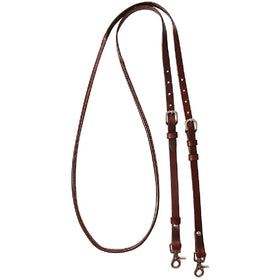
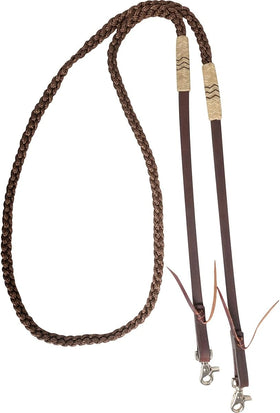
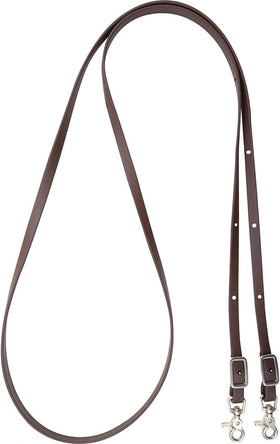
What Are the Downsides of Each?
As much as we love both leather and nylon, neither material is perfect. Each comes with its own set of challenges, and what might be a minor inconvenience for one rider could be a dealbreaker for another. Understanding these downsides is key to making a choice you'll be happy with for years to come. Let's break down the potential issues you might face with both leather and nylon reins.
Leather's Challenges: Moisture, Cost, and Upkeep
While leather feels amazing in your hands, it does ask for a bit more TLC. The biggest complaint is how it handles moisture. On a hot day, sweaty hands can make leather reins feel slick and difficult to hold securely. New leather can also be stiff and bulky, which might be a challenge for riders with smaller hands until it's properly broken in. Then there's the upkeep. To keep your leather soft and prevent it from cracking, you'll need to apply a good leather conditioner regularly and store your reins away from direct sunlight and heat. This commitment to care is what keeps leather performing its best.
Nylon's Challenges: Stiffness, Feel, and Tangles
Nylon reins are tough, but that strength can be a double-edged sword. Some riders find nylon to be too stiff, lacking the soft, pliable feel of well-worn leather. This can sometimes get in the way of subtle communication with your horse. The more significant concern, however, is safety. Because nylon is so strong, it won't break under pressure if your horse gets tangled or takes a fall. This has led to some serious concerns within the equestrian community about the risk of injury. While you're browsing for new horse tack, it's an important safety factor to keep in mind. Nylon is incredibly durable, but it's not a perfect fit for every situation.
How Rein Material Impacts Your Ride
The reins you choose do more than just complete your tack set; they are your direct line of communication with your horse. The material you hold in your hands affects everything from the clarity of your cues to your own safety in the saddle. Whether you prefer the traditional feel of leather or the rugged durability of nylon, understanding how each material performs can make a significant difference in your ride. Let's look at how the choice between leather and nylon plays out in three key areas: communication, grip, and safety.
Communicating with Your Horse
Your reins are how you have a conversation with your horse, and the material plays a big role in how clearly your message is received. Good quality leather reins tend to have a bit of weight to them. This heft helps your horse feel your cues more distinctly, allowing for quicker responses to subtle hand movements. Think of it as a clearer phone connection. Lighter reins, like some nylon options, might not provide that same definitive feel, potentially making your signals less precise. For disciplines that rely on finesse and quiet communication, the weight and feel of your horse tack are essential for a responsive partner.
Maintaining Your Grip Under Pressure
When you’re in the middle of a run or working hard on a hot day, a secure grip is non-negotiable. This is where nylon often shines. Nylon reins are less likely to get slick from sweaty hands, giving you a reliable hold during intense activities. Leather can become slippery when wet, though well-maintained, oiled leather offers a substantial and comfortable grip that many riders prefer. Ultimately, your ability to hold on confidently affects your performance and your horse’s response, so considering how a material feels with moisture is a practical step in making your choice.
Important Safety Factors to Consider
Safety should always be top of mind, and your rein material is a bigger factor than you might think. Nylon is incredibly strong and durable, which is great for longevity but can be a serious risk in a wreck. Because nylon is so tough, it’s unlikely to break under pressure. If your horse gets tangled or falls, a nylon rein that doesn't give way can lead to severe injury. Leather, on the other hand, has a natural breaking point. While you never want your tack to fail, a rein that snaps in a dangerous situation can be a literal lifesaver, freeing the horse and preventing a bad situation from getting worse.
Best Reins for Your Discipline
Choosing the right reins is about more than just style; it’s about finding the right tool for the job. The demands of a fast-paced barrel run are completely different from a long day of ranch work, and your reins should reflect that. The material, weight, and feel all play a huge role in how you communicate with your horse and perform in your chosen discipline. Whether you're a seasoned competitor or a weekend trail rider, matching your reins to your activity ensures better performance, safety, and comfort for both you and your horse. Let's look at which type of rein from our horse tack collection typically works best for some of the most popular Western disciplines.
For Team Roping and Ranch Work
When you’re roping or spending long hours in the saddle doing ranch work, you need gear that’s as tough as you are. This is where leather roping reins truly shine. They are the traditional choice for a reason: quality leather is built to withstand the rigors of daily use, handling dust, sweat, and changing weather without failing. The substantial weight and classic feel of leather provide excellent communication, allowing for the subtle cues needed for precise work. A good set of leather reins offers a reliable grip and a durable connection to your horse that you can count on day in and day out.
For Western Pleasure and Trail Riding
In disciplines like Western pleasure and trail riding, clear, quiet communication is key. Many riders find that the weight and feel of the reins are crucial for connecting with their horse. Heavier split reins, often made of harness or latigo leather, are a popular choice. Their weight allows them to drape nicely, helping you maintain a steady, light contact without constant adjustments. For long hours on the trail, the comfortable, familiar feel of well-worn leather is hard to beat. It molds to your hands over time, providing a secure and pleasant grip that makes the ride more enjoyable for everyone.
For Barrel Racing and Speed Events
When every second counts, your equipment needs to be lightweight and reliable. For barrel racing and other speed events, many riders prefer nylon reins. These lighter reins don’t add unnecessary weight, allowing for quick, responsive handling as you navigate tight turns. Nylon is also incredibly durable and easy to grip, even when your hands get sweaty. Since it doesn’t absorb water, it maintains its feel and integrity no matter the conditions. This makes nylon a practical and dependable choice for fast-paced work where you need to trust your gear completely.
Leather vs. Nylon: A Head-to-Head Comparison
Trying to decide between leather and nylon reins can feel like a big commitment, but there’s no single right answer for every rider. Both materials have loyal fans for very good reasons, and the best choice often comes down to your riding discipline, personal preferences, and even the climate you live in. To help you find the perfect fit for you and your horse, let's put these two popular materials side-by-side and compare what really matters.
Strength and Durability
This is a classic debate you’ll hear in any barn. Many riders argue that high-quality nylon is tougher and far less likely to snap under extreme pressure. On the other hand, traditional leather that is properly cared for is incredibly resilient and has been a trusted choice for generations. The main difference is maintenance. Nylon’s strength is ready to go right off the shelf, while leather’s durability depends on you keeping it clean and conditioned to prevent it from becoming dry and brittle.
Feel and Rider Communication
The way reins feel in your hands directly impacts the conversation you have with your horse. Leather offers a substantial, traditional weight that provides a direct line of communication. Over time, it softens and molds to your grip for a custom feel. Nylon reins are generally lighter and can sometimes feel a bit slick or stiff, depending on the specific style. For fast-paced events, some riders prefer that lighter feel, but for detailed work, many equestrians favor the classic feedback of leather.
Safety in a Pinch
This might be the most critical factor to weigh. While nylon’s near-unbreakable strength is great for longevity, it can become a safety risk. If a horse panics and gets tangled, nylon is very unlikely to give way. According to many equestrian discussions, leather often has a breaking point under extreme force. This "breakaway" feature can be a crucial advantage, potentially preventing a serious injury to you or your horse and is a key reason many riders stick with leather for their everyday horse tack.
Weather-Resistance and Upkeep
If you frequently ride in the rain or live in a humid area, nylon is the undisputed champion. It doesn’t absorb water, won’t get slippery when wet, and is incredibly easy to clean with a quick rinse. Leather, however, requires more effort. It can become slick with sweat or rain and needs to be dried carefully and conditioned regularly to keep it supple and strong. If you’re looking for a low-maintenance, grab-and-go option, nylon is tough to beat.
How to Care for Your Roping Reins
No matter which material you choose, taking good care of your roping reins is non-negotiable. It’s not just about making them last longer; it’s about safety for both you and your horse. Dirt, sweat, and sun can break down even the toughest materials over time, leading to weak spots you might not see until it’s too late. A little bit of regular maintenance goes a long way in keeping your gear reliable, comfortable, and ready for your next ride. Here’s a simple breakdown of how to care for both leather and nylon reins.
Maintaining Your Leather Reins
Leather reins need a bit of love to stay in top shape, but the process is pretty straightforward. After every ride, take a moment to wipe them down with a clean, damp cloth to remove sweat and dirt. This simple step prevents grime from building up and degrading the leather. On a regular basis, you’ll want to apply a quality leather conditioner. This keeps the material soft, supple, and prevents it from drying out and cracking. When you’re not using them, store your reins in a cool, dry place away from direct sunlight, which can cause the leather to become brittle. Consistent care ensures your reins feel great in your hands and remain a reliable piece of your horse tack.
Maintaining Your Nylon Reins
One of the biggest perks of nylon reins is how incredibly easy they are to maintain. Unlike leather, you don’t have to worry about them drying out or cracking. When they get dirty, just give them a good cleaning with simple soap and water. You can use a bucket and a soft brush to scrub away any mud or grime, then rinse them thoroughly and hang them to dry. This is especially important if you ride in muddy or dusty conditions, as grit can wear on the material over time. Regular cleaning keeps them looking fresh and ensures they function smoothly without any stiffness or stickiness, so they’re always ready for action.
How to Choose the Right Reins for You
Choosing between leather and nylon reins ultimately comes down to finding the right fit for you, your horse, and your riding goals. There’s no single "best" option, only the one that works for your specific needs. Many riders I know keep both types in their tack room, swapping them out depending on the day’s plan. By thinking through a few key factors, you can feel confident in your decision and select a pair of reins that feels like a natural extension of your hands. Consider your primary riding activities, your budget and experience level, and what simply feels right to you.
Your Riding Environment
First, think about where and how you ride. Are you mostly in the arena practicing precise maneuvers, or are you out on the trail or competing in speed events? Leather reins are often favored for training and show disciplines where a specific feel and connection are key. On the other hand, if you’re frequently riding in wet weather or need something that can handle the rigors of ranch work, nylon’s durability and resistance to moisture make it an excellent choice. For fast-paced events like barrel racing, the lightweight nature of nylon can also be a significant advantage.
Your Experience and Budget
Your budget and how much time you want to spend on gear maintenance are also important considerations. Nylon reins are generally more affordable and incredibly easy to clean, making them a practical pick if you want low-maintenance tack. Leather reins require a bigger initial investment and consistent care, but they offer unique benefits. For instance, leather can be customized with knots for a better grip or tailored to fit smaller hands, which can be a huge help for riders at any skill level. A quality pair of leather reins is an investment that, with proper care, can last a lifetime.
Your Personal Preference and Style
Never underestimate the power of personal preference. The weight, thickness, and texture of your reins directly impact how you communicate with your horse, so it’s essential to choose something that feels good in your hands. Some riders love the classic, substantial feel of a good quality leather rein, believing its weight helps deliver clearer cues. Others prefer the lighter, more consistent feel of nylon. The best way to figure out your preference is to try both. Exploring different types of horse tack will help you discover what gives you the most confident and comfortable grip for your riding style.
Find Your Perfect Horse Tack at Hooves and Paws
Choosing between leather and nylon reins ultimately comes down to what feels right for you, your horse, and your riding discipline. There’s no single right answer. Maybe you love the way a good pair of leather reins softens and molds to your hands over time, giving you that perfect feel for quiet communication on the trail. Or perhaps you need the undeniable strength and easy-care nature of nylon for the demands of ranch work or the speed of barrel racing. Many riders even find it useful to keep a set of each in their tack room for different occasions.
Whatever your preference, the most important thing is having equipment you can count on. At Hooves and Paws, we’re riders and animal lovers ourselves, and we understand how crucial that trust is. We’ve spent years curating a collection of high-quality reins and other essentials because we believe your focus should be on the ride, not on worrying about your gear.
We invite you to explore our complete horse tack collection to find your perfect match. Every product we carry is handpicked for its quality and durability and is backed by our 365-day satisfaction guarantee. As a family-owned business with over 30 years of experience, we only sell what we’d use with our own horses. Plus, with free, same-day shipping, you can get the gear you need and get back in the saddle faster.
Related Articles
- Leather Split Reins with Clips: A Buyer's Guide
- The Ultimate Guide to Roping Reins for Riders
- Roping Reins 101: Choose the Perfect Pair | Hooves & Paws
- The Ultimate Guide to Horse Saddle Reins
Frequently Asked questions
Is it true that leather reins are safer than nylon? This is a really important topic, and there's a strong safety argument for leather. Because it's a natural material, leather has a breaking point. In a dangerous fall or tangle, a leather rein is more likely to snap under extreme force, which could free your horse and prevent a serious injury. Nylon is incredibly strong and far less likely to break, which can become a liability in a wreck. It's a critical safety factor to consider when choosing your horse tack.
Which type of rein is easier to take care of? Nylon wins the convenience award, hands down. You can simply wipe nylon reins down with a damp cloth or even wash them with soap and water after a muddy ride. They don't require any special conditioning. Leather demands more commitment; it needs to be wiped down after use to remove sweat and dirt, and regularly treated with a conditioner to keep it soft and prevent it from cracking.
Do leather reins really help you communicate better with your horse? Many riders feel they do, and it comes down to weight. A good pair of leather reins has a certain substance and heft that helps your horse feel your cues more clearly, even with very subtle hand movements. This can lead to a softer, more responsive feel. Lighter nylon reins might not offer that same distinct signal, though some riders prefer the lighter touch, especially for fast-paced work.
I'm a new rider. Should I start with leather or nylon reins? Either choice can be a great starting point, but they offer different benefits. Nylon is often more budget-friendly and its simple care routine is a big plus when you're just starting out. However, learning to properly care for leather is a fundamental part of horsemanship. If you're willing to learn the upkeep, a quality pair of leather reins can be a wonderful tool that will last for years.
Do I really need to own both leather and nylon reins? You certainly don't need both, but many riders find it very practical to have a set of each. You might prefer your comfortable, broken-in leather reins for training in the arena but switch to a durable, weather-proof pair of nylon reins for a long trail ride on a day when it might rain. Having both gives you the flexibility to choose the best tool for the specific ride you have planned.


