


Choosing the right bit is one of the most important decisions we make for our horses. It's our direct line of communication, yet finding the perfect one often feels like a frustrating guessing game. That drawer full of expensive, barely-used bits? We've all been there. The Myler bit system offers a clear path forward. It’s not just another piece of metal; it’s a thoughtful system built around your horse’s comfort and training level. This guide will give you the expert insights you need for selecting, fitting, and using the right Myler for truly great results.
You will discover an overview of myler bits, their innovative features, step-by-step selection, fitting tips, current trends, and the latest expert recommendations. Ready to improve your horse’s performance and deepen your connection? Let’s get started.
What Makes Myler Bits Different?
Choosing the right equipment for your horse is vital for both comfort and communication. Myler bits have redefined what riders expect from a bit, combining modern science with decades of equestrian experience.
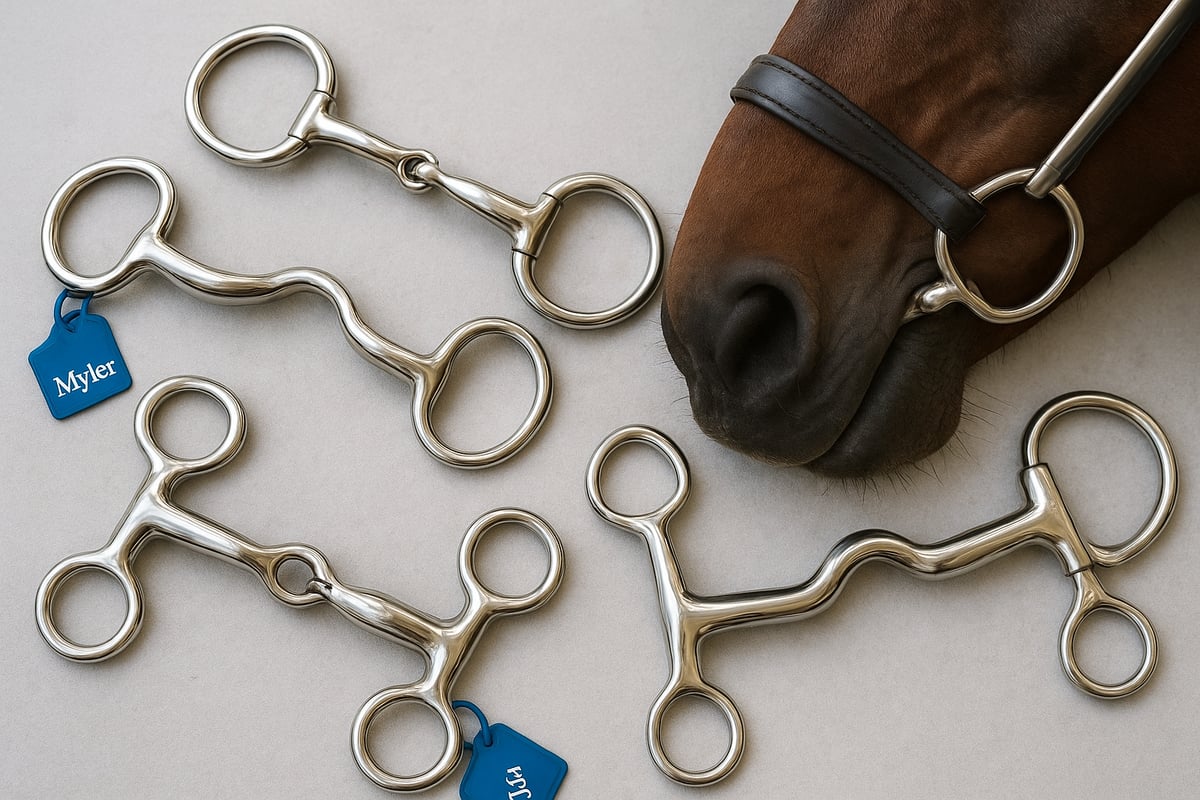
Breaking Down the Myler Bit System
Myler bits were developed by the Myler brothers, Dale, Ron, and Bob, who brought together practical horsemanship and engineering expertise. Their core philosophy centers on improving the horse's comfort, promoting communication, and providing tongue relief. Unlike traditional bits that often apply uniform pressure, myler bits are designed to accommodate the horse’s oral anatomy and encourage relaxation.
A major difference is the focus on tongue relief. Many myler bits feature ported mouthpieces and independent side movement, allowing horses to swallow and move their tongues freely. This innovation stems from studies of equine oral anatomy, showing that excess tongue pressure can cause resistance and discomfort. Riders across disciplines—dressage, jumping, western, trail, and training—have reported enhanced acceptance and improved performance after switching to myler bits.
For example, riders have observed softer mouths and less head tossing, which translates to better connection and clearer cues. Testimonials often highlight how horses previously considered “difficult” become more responsive when properly fitted with myler bits.
There are misconceptions about myler bits, such as the belief that all ported bits are severe. In reality, the design aims to reduce pressure rather than increase it. For a deeper dive into the development and fitting philosophy, explore the Myler Bitting System Guide, which details the evolution, fitting process, and practical applications of myler bits.
What Sets Myler Bits Apart?
One of the standout aspects of myler bits is the range of mouthpiece shapes and levels. The system is divided into Level 1, Level 2, and Level 3, each tailored to a horse’s training stage and sensitivity. Level 1 provides the most tongue pressure for green horses, while Level 3 offers maximum tongue relief for advanced, responsive horses.
Materials also play a significant role. Myler bits are crafted from stainless steel, sweet iron, and copper inlays. Sweet iron encourages salivation, promoting a softer mouth, while copper inlays can enhance taste and acceptance.
Patented features set myler bits apart. The signature barrel in the center allows for independent side movement, so the rider can communicate clearly with each side of the horse’s mouth. Ergonomic mouthpiece shapes fit the natural contours of the horse’s mouth, distributing pressure more evenly.
These innovations address common bitting problems such as resistance, gaping, or head tossing. Studies have shown that myler bits provide better pressure distribution and significant tongue relief, which can help resolve long-standing behavioral issues. Many horses transitioning from traditional bits to myler bits show immediate improvements in relaxation and responsiveness.
Myler bits have become a preferred choice for riders seeking both horse comfort and precise communication. Their unique design, rooted in scientific research and practical feedback, continues to set new standards in equestrian equipment.
Core Design Philosophy: Comfort and Communication
At the heart of every Myler bit is a simple yet profound idea: a comfortable horse is a willing partner. Developed by brothers Dale, Ron, and Bob Myler, these bits were born from a blend of practical horsemanship and thoughtful engineering. Their core philosophy is built on improving the horse's comfort to foster clearer communication between horse and rider. Unlike many traditional bits that apply consistent pressure across the tongue, Myler bits are specifically designed to work with the horse’s oral anatomy. By providing significant tongue relief and encouraging relaxation, they create an environment where your horse can listen to your cues without discomfort or anxiety.
How Myler Bits Differ from Traditional Bits
The most significant departure from traditional bit design is the Myler system's focus on tongue relief. Many Myler mouthpieces feature a port or a curved shape that gives the horse space to swallow and move its tongue naturally. This design is based on an understanding of equine anatomy, which shows that constant, excessive tongue pressure is a primary cause of resistance and discomfort. When a horse can relax its tongue and jaw, it is far more receptive to the rider's aids. This is why riders in every discipline, from dressage to trail riding, often see a noticeable improvement in their horse's acceptance and performance when they explore different tack options like a Myler bit.
The Role of the Center Barrel
A patented feature that truly sets Myler bits apart is their signature center barrel. This small, rotating barrel sits in the middle of the mouthpiece and allows each side of the bit to move independently. What does this mean for you in the saddle? It means you can give a precise, clear signal to one side of your horse's mouth without engaging the other. For example, when you ask for a turn with one rein, the pressure is isolated, preventing the confusing "nutcracker" effect of many single-jointed snaffles. This independent side movement refines your communication, making your cues easier for your horse to understand and respond to correctly.
Key Features for Clearer Signals
The combination of ergonomic shapes, the central barrel, and a commitment to tongue relief directly addresses common bitting issues like head tossing, gaping, or leaning on the bit. By distributing pressure more evenly across the bars and lips while freeing the tongue, Myler bits help resolve behavioral problems that often stem from oral discomfort. Many equestrians who transition to Myler bits report immediate improvements in their horse's relaxation and responsiveness. These features work together to create a clearer, quieter line of communication, allowing for a more harmonious and effective partnership with your horse.
A Guide to Myler Bit Types and Their Jobs
Selecting the right Myler bits can transform both horse comfort and rider control. With a wide range of options, understanding the types and uses of Myler bits is essential for every equestrian looking to optimize performance.
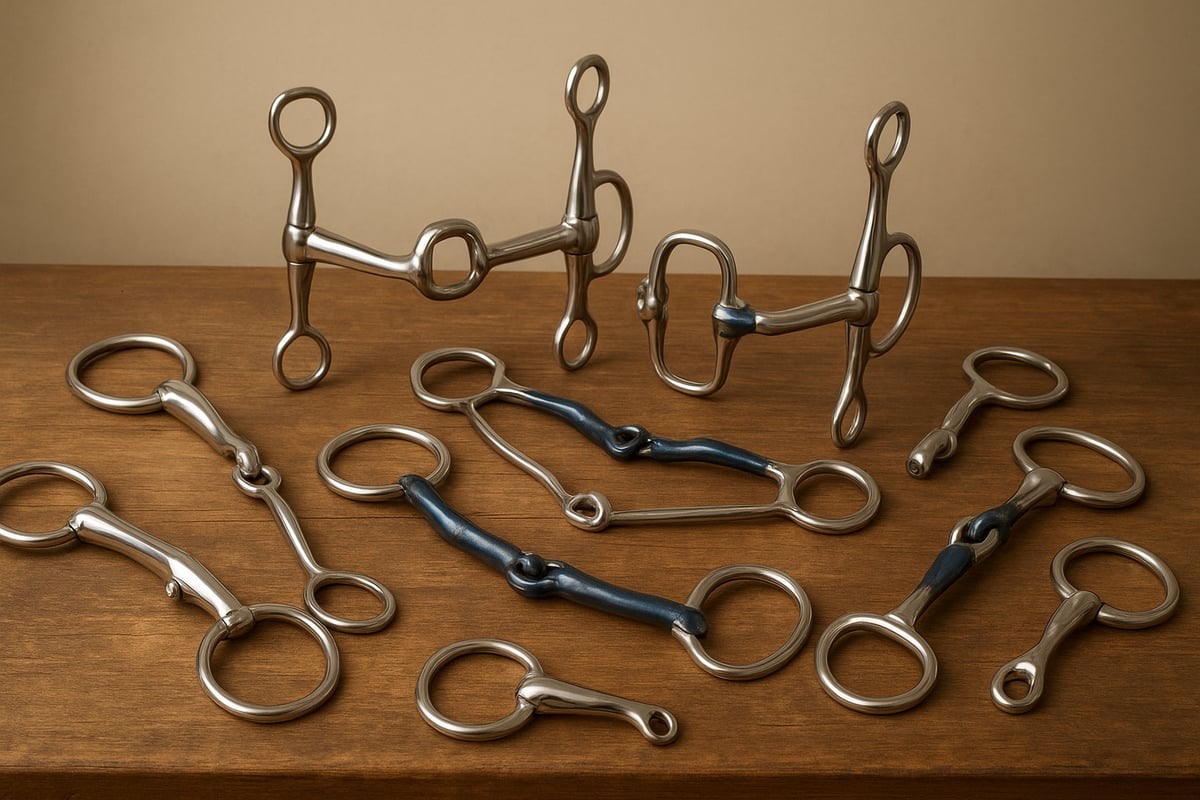
Exploring the Myler Bit Levels
Myler bits are designed to address the diverse needs of horses across disciplines. The main categories include snaffles, curbs, combination bits, and specialty designs. Each type offers unique features suited to specific training levels and riding styles.
Snaffle Myler Bits:
These bits are popular for their gentle communication and are often used in early training or for sensitive horses. Snaffles use direct rein pressure and come in various mouthpiece options. For a deeper dive into bit types and their uses, see this Guide to Horse Bits Types and Uses.
Curb Myler Bits:
Curbs introduce leverage, making them suitable for more advanced horses or those needing refined cues. The shank length and mouthpiece style influence the amount of pressure applied.
Combination Myler Bits:
These innovative bits blend direct and leverage action, distributing pressure across the horse's mouth, poll, and nose. Combination bits are versatile and can help horses transitioning between bit types.
Specialty Designs:
Myler bits also include unique options like the correctional ported barrel and wide low port, which cater to specific oral conformations or behavioral challenges.
English vs. Western Myler Bits:
English styles typically favor eggbutt, loose ring, and dee ring cheekpieces, while Western bits often use shanks or curb styles. Both lines offer the same core mouthpiece innovations, ensuring Myler bits meet a variety of rider and horse needs.
Bit Levels and Mouthpieces
Myler bits are organized into levels, matching a horse's experience and temperament:
| Level | Horse Experience | Mouthpiece Characteristics |
|---|---|---|
| 1 | Green or sensitive | Minimal port, more tongue contact |
| 2 | Intermediate | Slight port, some tongue relief |
| 3 | Advanced, finished horse | Higher port, maximum tongue freedom |
Choosing between ported and non-ported mouthpieces depends on the desired tongue relief and the horse's oral anatomy. Ported options generally offer more freedom, while non-ported designs provide straightforward communication.
Cheekpiece Styles:
- Eggbutt: Stable, minimizes pinching
- Loose ring: More movement, encourages relaxation
- Dee ring: Helps with lateral control
- Shank: Adds leverage, used in curbs
- Combination: Blends features for versatility
Understanding these categories ensures that Myler bits can be tailored for every riding scenario.
How Pressure Shifts Through the Levels
The genius of the Myler system lies in how it systematically shifts pressure as your horse advances in its training. Level 1 bits are designed for green or sensitive horses, applying broad, gentle pressure across the tongue with their minimal port. This creates a clear, easy-to-understand signal for a horse just learning to yield and accept contact. As your horse progresses to Level 2, the bit introduces a slight port, offering the first degree of tongue relief. This design begins to transfer pressure from the tongue to the bars of the mouth, rewarding the horse for correct responses and encouraging a softer, more relaxed jaw.
By the time a horse is ready for a Level 3 bit, they are considered "finished" and responsive to subtle cues. These bits feature a higher port that provides maximum tongue freedom, allowing the horse to swallow and carry the bit comfortably. Communication now primarily occurs through pressure on the bars, and with curb bits, the poll and chin groove. This evolution from tongue pressure to bar and poll pressure is fundamental to the Myler philosophy. It’s a system that rewards learning with comfort, making it easier to find the right piece of horse tack that matches your horse’s specific stage of training and communication needs.
Matching a Myler Bit to Your Riding Discipline
Each riding discipline benefits from specific Myler bits, matching their unique demands with optimal horse comfort.
Dressage:
For dressage, legal Myler bits often include Level 1 or Level 2 snaffles with comfort mouthpieces. Sensitive horses may respond best to low-port or wide-barrel designs, enhancing subtle communication.
Jumping:
Jumpers require control and flexibility. Myler bits with moderate ported barrels or combination cheekpieces can improve responsiveness over fences while reducing resistance.
Western:
Western riders often choose curb Myler bits with longer shanks for precise rein effects. Level 2 or 3 mouthpieces, like the correctional ported barrel, suit seasoned horses needing refined cues.
Trail and Endurance:
Long rides demand comfort and minimal fatigue. Myler bits with soft, ergonomic mouthpieces and stable cheekpieces help maintain steady contact without causing soreness.
Training and Green Horses:
Beginner horses benefit from Level 1 Myler bits, which prioritize tongue relief and gentle communication. As training progresses, riders may move to higher levels for more nuanced control.
Case Studies:
A jumper struggling with head tossing found relief with a Level 2 Myler combination bit, improving focus and jump technique. Meanwhile, a green Western horse transitioned smoothly from a basic snaffle to a Level 1 curb, gaining confidence without resistance.
Top trainers consistently report that thoughtful selection of Myler bits, tailored to discipline and individual horse needs, delivers measurable improvements in performance and rider satisfaction.
The Myler Combination Bit: A Gentle Option
The Myler Combination Bit is an excellent tool for gentle yet effective communication. It’s designed to distribute pressure across multiple points—the nose, poll, jaw, tongue, and bars—instead of concentrating it in one area. This makes it a fantastic choice for young or nervous horses, or any horse that seems uncomfortable with traditional bits. Riders often report that this bit helps create a softer mouth and reduces behaviors like head tossing, leading to a better connection and clearer cues. Its innovative design, which allows for independent side movement, lets you communicate more precisely with each side of your horse’s mouth, encouraging relaxation and responsiveness. This thoughtful approach to horse tack truly prioritizes comfort, helping you build a stronger partnership with your horse.
Understanding and Solving Bit Resistance
When your horse starts resisting the bit, it can be frustrating and confusing. But it's important to remember that this isn't bad behavior—it's communication. Your horse is trying to tell you something is wrong, whether it's discomfort, confusion, or pain. Signs like head tossing, chomping on the bit, opening their mouth, or trying to get their tongue over the bit are all signals that they're trying to escape pressure. Understanding the root cause is the first step toward finding a solution that works for both of you and strengthens your partnership.
Common Reasons for Resistance
One of the most frequent reasons for bit resistance is a horse's attempt to relieve pressure on their tongue so they can swallow. This is a natural, instinctual response. However, resistance can also signal a deeper physical issue. Before changing your horse tack, it's crucial to rule out pain. An equine veterinarian or dentist should check for sharp points on their teeth, wolf teeth that may need removing, or even old scars on the tongue that could cause sensitivity. Sometimes, the problem isn't physical but learned. If a horse doesn't receive a clear release of pressure when they respond correctly, they may learn that resisting is the only way to get relief, a habit that can be reinforced by inconsistent hands from current or past riders.
Troubleshooting Steps for a Happier Horse
If your horse is fighting the bit, start with a health check. Schedule a visit with your veterinarian or a certified equine dentist to conduct a thorough oral exam. This will eliminate any underlying physical causes like dental problems or tongue injuries that could be the source of the discomfort. Once you've confirmed there are no health issues, you can evaluate your equipment. Is the bit fitted correctly? Does it suit your horse's mouth conformation and training level? A bit designed to offer tongue relief, like many in the Myler system, can make a world of difference for a sensitive horse. Finally, consider your own role. Working with a qualified trainer can provide valuable feedback on your rein contact and the timing of your release, ensuring your cues are clear, fair, and effective.
The Rider's Role: Bitting Principles and Best Practices
While finding the right bit is essential, it's only one piece of the puzzle. The most sophisticated piece of equipment is only as effective as the hands that guide it. Ultimately, a bit is a tool for communication, not control. True horsemanship is built on a foundation of clear signals, consistent aids, and an understanding of how a horse learns. By focusing on your role as a rider, you can create a more responsive and willing partner, regardless of the specific bit you use. This approach fosters trust and turns every ride into a productive conversation.
Common Bitting Misconceptions
A common myth in the equestrian world is that certain bits are inherently "harsh" while others are "mild." The truth is, a bit's severity is determined almost entirely by the rider's hands. A simple snaffle can feel severe and confusing with unsteady, heavy hands, while a more complex bit can be used with incredible subtlety by an experienced rider. The Myler brothers built their system on the principle that bits don't train horses—riders do. The bit is simply there to help you communicate your aids more clearly. It won't cause pain or discomfort unless the rider applies excessive or unrelenting pressure, highlighting that the responsibility for the horse's comfort always lies with the person holding the reins.
Why the Rider's Hands Matter Most
Your hands are the most direct line of communication you have with your horse's mouth. Developing independent, soft, and steady hands is one of the most important skills a rider can learn. Good horsemanship requires a deep understanding of how horses respond to pressure. The goal is to use the lightest possible cue to get the desired response. This means your hands should be quiet, following the horse's motion without bouncing, and ready to give and take pressure instantly. When your hands are clear and consistent, your horse learns to trust the bit and your signals, leading to a more relaxed and confident partnership. It's this trust that allows for truly refined communication.
The Importance of the Release in Training
The single most important aspect of teaching a horse to respond to bit pressure is the release. The release is the reward; it's how you tell your horse, "Yes, that's exactly what I wanted." If a horse yields to the bit and doesn't get an immediate release of pressure, the correct response hasn't been reinforced. Instead, the horse will keep searching for a way to get that release, often by trying other behaviors like rooting the reins or tossing their head. When they finally find a behavior that makes the pressure go away—even if it's the wrong one—that's what they'll learn to do next time. Timing is everything. An instant, complete release the moment your horse gives the correct response is the key to building a soft, willing, and responsive partner.
Your 4-Step Guide to Selecting a Myler Bit
Selecting the right myler bits for your horse is a process that requires careful evaluation, expert input, and a deep understanding of your horse’s needs. In 2025, advancements in bit technology and equine science have made it easier than ever to tailor your bit choice for optimal comfort and communication. Let’s walk through each step to ensure you make an informed selection and set your horse up for success.

Step 1: Consider Your Horse's Training and Temperament
Begin by observing your horse’s behavior with its current bit. Signs like head tossing, gaping, excessive salivation, or resistance under saddle can indicate discomfort. Review your horse’s training history and mouth conformation. Horses with low palates, thick tongues, or past bitting issues may benefit from the unique features of myler bits.
Consult with your trainer, veterinarian, or equine dentist. Their expertise helps match the correct myler bits level to your horse’s experience, sensitivity, and responsiveness. For green horses or those new to myler bits, starting with a Level 1 mouthpiece is advisable.
A case in point: A young gelding transitioning from a traditional snaffle to a myler bit often displays increased relaxation and willingness, thanks to improved tongue relief. For further guidance on evaluating your horse’s needs, explore resources like Choosing the Right Bit for Your Horse.
Remember, the foundation of effective communication begins with understanding your horse’s individual requirements and using myler bits designed for comfort and clarity.
Step 2: Pick the Right Mouthpiece and Cheeks
Selecting the correct mouthpiece shape and cheekpiece style is crucial for optimal pressure distribution and clear communication. Myler bits offer a variety of mouthpieces, each suited to different training levels and horse temperaments.
Here’s a quick comparison of popular myler mouthpieces:
| Mouthpiece Model | Level | Features | Best For |
|---|---|---|---|
| MB02 | 1 | Comfort snaffle, no port | Green horses, sensitive mouths |
| MB04 | 2 | Low port, independent sides | Horses needing some tongue relief |
| MB33 | 3 | Wide low port, maximum tongue relief | Advanced horses, experienced riders |
Cheekpiece style affects rein action and rider control. Eggbutt and dee ring offer stability, while loose rings encourage softer contact. Shank or combination cheeks are ideal for advanced cues and leverage.
Measure your horse’s mouth carefully to ensure a proper fit. A bit that is too wide or narrow can cause rubbing or pinching, impacting comfort and performance. When comparing myler bits, consider both the mouthpiece and cheekpiece to match your riding goals and your horse’s conformation.
Sizing and Price Considerations
Once you've narrowed down the mouthpiece and cheekpiece, the final pieces of the puzzle are sizing and price. Getting the size right is non-negotiable for your horse's comfort. Myler bits typically come in sizes from 4 1/4 to 6 inches, and a bit that's too wide or too narrow can cause pinching and rubbing, undermining all your hard work. When it comes to price, Myler bits are an investment, with costs generally ranging from about $60 to over $280, depending on the specific design. While it might seem like a wide range, it means there's likely an option that fits your budget. Think of it as investing in clearer communication and a happier horse. At Hooves and Paws, we know that the right piece of horse tack makes all the difference in your horse's comfort and performance.
Step 3: How to Test and Adjust the Fit
Introducing new myler bits should always begin with a trial period. Start by allowing your horse to wear the bit briefly during groundwork, observing for signs of acceptance such as relaxed jaw, steady chewing, and a quiet mouth. Monitor for unwanted behaviors like persistent head shaking or resistance.
Gradually increase ride duration as your horse adjusts. Assess the fit and bit position regularly; the mouthpiece should rest comfortably at the corners of the lips, without causing wrinkles or pressure points. If you notice ongoing discomfort, consider adjusting the bit height or switching to a different myler bits level.
Keep detailed notes on your horse’s reactions. This helps you and your trainer make informed decisions about when to move up or down in mouthpiece complexity or try an alternative design. Many riders report significant improvements in responsiveness and relaxation after switching to myler bits, especially when the transition is managed thoughtfully.
Step 4: Keeping Your Myler Bit in Top Shape
Proper maintenance of myler bits is essential for safety, hygiene, and longevity. After each ride, rinse the bit thoroughly with warm water to remove saliva and debris. For stainless steel and sweet iron bits, use a soft brush and mild soap as needed, then dry thoroughly to prevent rusting.
Inspect your myler bits regularly for sharp edges, cracks, or excessive wear. Damaged bits can cause discomfort and injury. Store bits in a dry, clean area, ideally hanging or laid flat to avoid bending. For sweet iron bits, occasional light oiling can help maintain the finish.
Routine care not only extends the life of your myler bits but also ensures your horse’s comfort and safety. Well-maintained bits support consistent communication and performance, making them a valuable investment in your horse’s well-being.
Fitting Your Myler Bit: Do's and Don'ts
Achieving the right fit with myler bits is essential for your horse’s comfort and performance. Proper fitting not only enhances communication but also prevents discomfort and behavioral issues. Let’s explore how to ensure an optimal fit and avoid the most common pitfalls riders face.
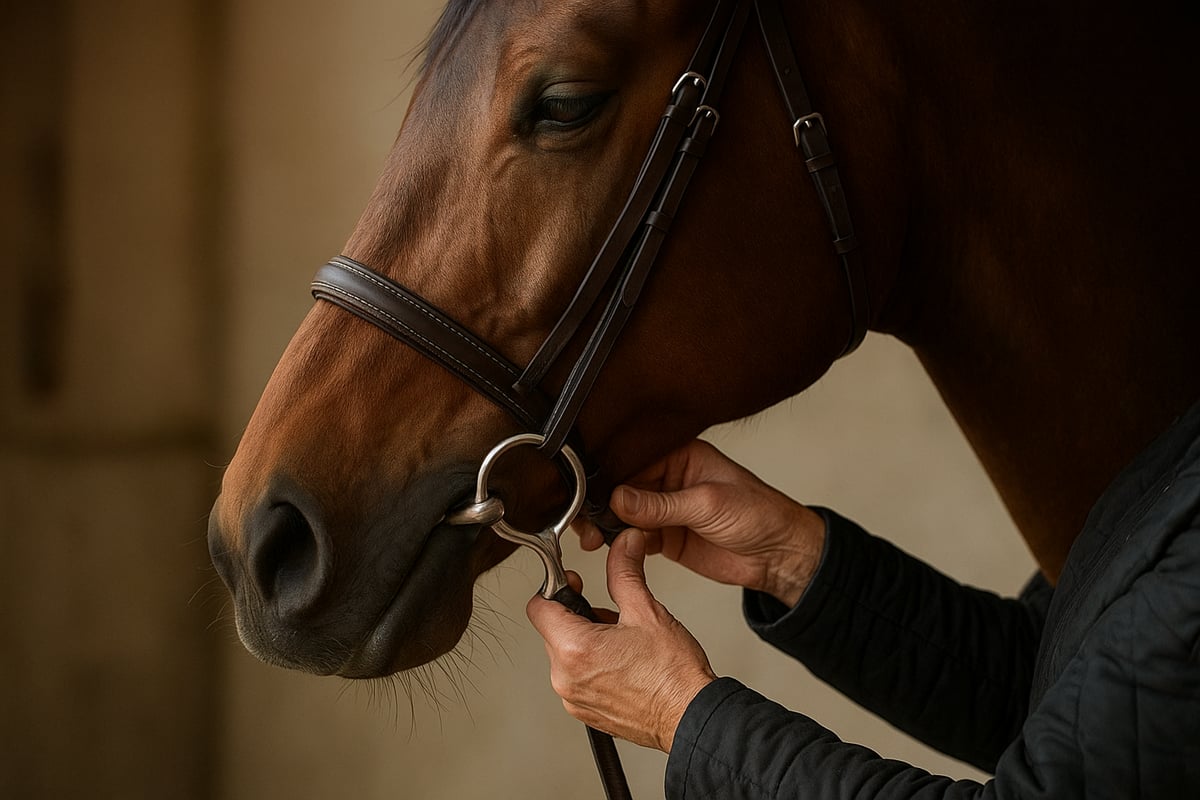
What a Perfect Myler Bit Fit Looks Like
To fit myler bits correctly, start by placing the bit in your horse’s mouth and ensuring the mouthpiece rests comfortably at the corners. The bit should create a soft wrinkle at each corner without pulling the lips tight. If the bit hangs too low, it may cause the horse to mouth or play with it excessively.
Check for even pressure across the tongue and bars. Myler bits are designed for tongue relief, so make sure the port or barrel sits centrally and does not press into the palate. Examine both sides for symmetry, confirming that the bit is not pinching the lips or cheeks.
It’s important to watch for signs of discomfort such as head tossing, gaping, or excessive salivation. These may indicate an ill-fitting bit or pressure points. If you see rub marks or pinching, try using bit guards or adjusting the cheekpiece.
Here is a quick comparison table to help recognize a well-fitted vs. poorly-fitted myler bit:
| Fit Indicator | Well-Fitted Myler Bit | Poorly-Fitted Myler Bit |
|---|---|---|
| Lip Wrinkles | 1-2 Soft Wrinkles | Excessive or None |
| Bit Height | Sits at mouth corners | Too high or too low |
| Cheek Rubbing | None | Redness or sores |
| Horse’s Attitude | Relaxed, accepting | Tossing, resisting |
Be sure to monitor your horse’s reaction during rides. If you notice any resistance, it may be time to reassess the fit or consider the mouthpiece style. For horses prone to tongue resistance, explore gentle tongue relief options as discussed in Solving Pony Bit Resistance.
Regularly inspect the bit for signs of wear, especially at moving parts or joints. Clean myler bits after each use to maintain hygiene and longevity. Remember, a properly fitted bit leads to steady contact, clear communication, and a calmer horse.
Are You Making These Myler Bit Mistakes?
One common mistake is choosing the wrong level of myler bits for your horse’s training stage. Over-bitting, where the bit is too advanced or severe, can cause confusion and discomfort. Under-bitting, using a bit that is too mild for a strong or experienced horse, may reduce control and effectiveness.
Ignoring your horse’s feedback is another pitfall. Always pay attention to behavioral cues such as jaw crossing, reluctance to move forward, or head shaking. These often signal that the myler bits are not suited or incorrectly fitted.
Using incompatible bridles or reins with myler bits can also impact performance. Ensure your equipment complements the bit style and allows for independent side movement, which is a key feature of myler bits.
A frequent error is misinterpreting bit movement and rein action. Riders may expect instant results, but adaptation takes time. Introduce new myler bits gradually, allowing your horse to adjust. If resistance persists, revisit the fitting process or consult with a professional.
Research shows that riders who follow proper fitting protocols report up to 80% improvement in their horse’s acceptance and performance. By staying attentive and correcting mistakes early, you maximize the benefits of myler bits for both horse and rider.
What's New in the World of Myler Bits?
The landscape of myler bits is evolving rapidly as we step into 2025. Riders and trainers are demanding more from their equipment, seeking both enhanced performance and ethical horse care. This year, the focus is on advanced engineering, sustainability, and data-driven design, making myler bits more effective and horse-friendly than ever before.
How Technology is Changing Myler Bits
Manufacturers are pushing boundaries with myler bits by introducing smart materials like bio-compatible stainless steel and sweet iron blends. These materials help maintain optimal salivation and reduce oral fatigue during long rides, providing a significant comfort upgrade.
Patented mouthpiece technologies, such as rotating barrels and independent side movement, remain at the forefront of innovation. The latest models now include micro-adjustable ports and ergonomic profiles that better reflect equine oral anatomy. These features enable precise communication and reduce pressure points, supporting both novice and advanced riders.
Customization is a notable trend for 2025. Riders can now select from a broader range of mouthpiece widths, port heights, and even engraved cheekpieces to fit their horse’s unique needs. Some myler bits even integrate subtle copper inlays or antimicrobial coatings for enhanced hygiene.
Sustainability is another key development. Manufacturers are adopting eco-friendly production techniques and recyclable materials, responding to the growing demand for responsible equestrian gear. Studies show that anatomical bits like myler bits are gaining popularity as riders seek options that balance performance and welfare. For deeper insights into these patented technologies, see Myler Bits' Patented Mouthpiece Technologies.
Key Innovations to Watch
| Feature | Benefit for Horse & Rider |
|---|---|
| Rotating Barrels | Improved tongue relief |
| Smart Materials | Enhanced comfort, reduced fatigue |
| Custom Engraving | Personalized fit and style |
| Eco-friendly Manufacturing | Lower environmental impact |
Market data also indicates a steady rise in demand for anatomical and adjustable bits. For more details, check the Global Horse Bit Market Trends.
What Riders and Trainers are Asking For
The surge in innovation around myler bits is fueled by direct feedback from professional riders, trainers, and veterinarians. Their collective priority is horse comfort, precise communication, and compliance with evolving competition rules.
Recent updates in eventing and dressage regulations have expanded the list of legal myler bits, leading to their adoption at international competitions. Riders value the ability to fine-tune rein effects and pressure distribution, which is crucial for sensitive or green horses. Trainers report improved acceptance and performance when transitioning horses to myler bits, especially those with unique mouth conformations.
There is a clear shift toward ethical training and welfare-driven equipment choices. Riders are increasingly aware of the long-term health implications of poor bitting and now favor solutions that promote relaxation and steady contact. The future of myler bits will likely involve further integration of smart technology, such as sensors for pressure feedback, and continued emphasis on sustainable materials.
Looking ahead, experts predict that myler bits will continue to set industry standards for design, comfort, and adaptability. As the equestrian world evolves, staying informed about these trends ensures that both horse and rider achieve their best partnership in and out of the arena.
Where to Find More Myler Resources
Choosing the right Myler bit is a significant step, but the journey doesn't end there. At Hooves and Paws, we believe that understanding your equipment is just as important as owning it. The Myler system is detailed, but thankfully, there are some fantastic resources available to guide you. Whether you prefer one-on-one guidance or enjoy doing your own research, you can find the support you need to make a confident decision for your horse. This ensures you're not just buying a piece of tack, but investing in a better line of communication and comfort for your equine partner.
Getting Personalized Bitting Advice
Every horse and rider combination is unique, which is why personalized advice is so valuable. If you're feeling unsure about which Myler bit is right for your horse, you can get help directly from the source. The Myler brothers offer a special Myler Bitting Questionnaire that you can fill out with details about your horse and your riding goals. Dale or Bob Myler will personally review your information and contact you with specific recommendations. This is an incredible opportunity to remove the guesswork and benefit from the creators' unparalleled expertise. Their goal has always been to educate riders, helping them understand how bits work to create a better partnership with their horses.
Recommended Books and Videos
If you're the type of person who loves to learn all the details, there are some excellent in-depth resources available. The book and video titled "A Whole Bit Better" are highly recommended for anyone wanting to fully grasp the Myler philosophy. They explain how bits function in the horse's mouth and walk you through the process of selecting the best option. For those interested in the engineering and patented designs that make these bits unique, you can find more information on Myler's specific mouthpiece technologies. These materials empower you with knowledge, helping you become a more informed and effective partner for your horse.
Frequently Asked Questions About Myler Bits
Choosing the right bit can raise many questions, especially as myler bits gain popularity for their comfort and communication benefits. Here are answers to the most common queries equestrians face.
Are myler bits legal in all competitions?
Not all myler bits are permitted in every competition or discipline. While many dressage organizations allow certain snaffle models, others, like the Myler Combination Bit, have restrictions. For the latest updates on FEI eventing rules, review the Myler Combination Bit in FEI Regulations. Always consult your specific rulebook before competing.
How do I know if my horse needs a myler bit?
Signs include resistance to contact, head tossing, gaping, or general discomfort with current bits. If your horse shows these behaviors or has a sensitive mouth, myler bits may offer improved comfort and clearer communication. Consulting with a professional can help determine suitability.
Can myler bits help with specific behavioral issues?
Yes, myler bits are designed to address common problems like bit evasion, head shaking, or tension. Their unique mouthpieces and pressure distribution can reduce discomfort and encourage relaxation, leading to better focus and responsiveness during training.
How long does it take for a horse to adjust to a myler bit?
Most horses adapt to myler bits within a few sessions, especially if introduced gradually. Observe for signs of acceptance, such as relaxed chewing and steady head carriage. Every horse is different, so allow time for adjustment and monitor progress closely.
What’s the difference between myler bits and other anatomical bits?
Myler bits stand out due to their patented barrel, independent side movement, and focus on tongue relief. Unlike some anatomical bits that only modify mouthpiece shape, myler bits incorporate ergonomic features to accommodate a wide range of oral conformations. For more on snaffle designs, see Snaffle Bits Explained.
How often should I replace my myler bit?
With proper care, myler bits are durable and long lasting. Inspect regularly for wear, sharp edges, or corrosion. Typically, replacement is only needed if you notice significant damage or after several years of heavy use.
Troubleshooting: What to do if my horse resists the new bit?
If resistance occurs, double check fit and positioning. Ensure the correct myler bits level and mouthpiece for your horse’s needs. Sometimes, stepping down a level or consulting a trainer or bit specialist helps resolve issues.
Quick-reference chart: Myler bit levels and recommended horse types
| Myler Bit Level | Horse Experience | Typical Use |
|---|---|---|
| Level 1 | Green or sensitive, little training | Gentle introduction |
| Level 2 | Some training, moderate responsiveness | Progression, schooling |
| Level 3 | Advanced, responsive, light contact | Refined aids, competition |
Selecting the right myler bits improves comfort, communication, and performance, ensuring a positive experience for both horse and rider.
After exploring the ins and outs of Myler bits, from their innovative design to expert fitting tips and the latest trends for 2025, you now have the knowledge needed to make the best choice for your horse’s comfort and performance. Whether you’re refining your bit selection for a seasoned competitor or introducing a green horse to a gentler approach, investing in the right equipment truly makes a difference. If you’re ready to put these expert recommendations into practice and experience the benefits firsthand, you can find a wide selection of Myler bits—plus free US shipping and flexible payment options—at Buy Now.
Key Takeaways
- Prioritize Tongue Relief for Better Communication: Myler bits are designed to give your horse space to swallow and relax its tongue. This fundamental comfort eliminates a major source of resistance, allowing your horse to focus on your aids instead of discomfort.
- Match the Bit Level to Your Horse’s Experience: The Myler system uses Levels 1, 2, and 3 to correspond with your horse's training progress. Start with Level 1 for green horses and advance as they become more responsive, ensuring the bit's signals are always clear and appropriate.
- Remember That a Bit Is Only as Good as Your Hands: No bit can replace good horsemanship. The key to a soft, responsive horse is using quiet hands and providing an immediate release of pressure the moment your horse responds correctly.


