


If you’ve ever fumbled with or dropped a rein during a quick maneuver, you know the frustration. It breaks your focus and disrupts the conversation with your horse. This is exactly the problem roping reins were designed to solve. Their continuous, closed-loop design is incredibly secure and easy to manage, even with one hand. This gives you a huge amount of confidence, whether you’re in the arena or on a challenging trail. But the advantages go far beyond just security. The right roping reins for horses can improve your communication, helping you deliver clearer cues and build a more responsive partnership.
Key Takeaways
- Match your reins to your ride: The ideal reins depend on your discipline and your horse's sensitivity; choosing the right length, weight, and style ensures clear, comfortable communication.
- Choose the right material for your needs: Whether you prefer the classic feel of leather, the low-maintenance durability of synthetics, or the excellent grip of rope, your choice affects both performance and upkeep.
- Prioritize quality for safety and performance: Always inspect for strong hardware and solid construction to ensure a reliable connection with your horse, and use a simple care routine to protect your investment.
So, What Are Roping Reins?
If you’ve ever watched a roping event, you’ve seen roping reins in action. Unlike split reins, which are two separate strips of leather,
But these reins aren't just for ropers. Many trail riders and barrel racers prefer them for their simplicity and security. They provide a direct line of communication from your hands to the bit, allowing for clear, uncomplicated cues. A good set of roping reins feels balanced in your hands and helps you maintain a steady, confident connection with your horse. They are a fundamental piece of horse tack for any rider who values precision and a secure feel, whether you're in the arena or out on the trail.
Understanding the Basics: Reins and Riding Styles
Choosing the right reins is a lot like picking the right pair of running shoes—what works for a marathoner isn't ideal for a sprinter. Your reins are the primary line of communication between you and your horse, and your riding discipline heavily influences which style will work best for both of you. The continuous loop of a roping rein offers a different feel and function compared to the two separate reins common in English riding. Getting this piece of equipment right is fundamental to building a better partnership. Understanding these differences is the first step in refining your ride and ensuring your cues are as clear as possible for your horse.
Western vs. English Reining
The most obvious difference between riding styles is reflected in the reins. Western riding often involves one-handed neck reining, especially in speed events or when a rider needs a free hand for a task, like opening a gate or, of course, roping. As Quarter Horse News points out, "Roping reins are actually a single rein...commonly used in roping and other speed events." This single, continuous loop is a game-changer because it prevents you from dropping a rein and allows for quick, easy adjustments with one hand. In contrast, English disciplines typically use two separate split reins, which allows the rider to maintain a more constant, direct contact with the bit using both hands for more detailed signals.
How Your Bit Affects Your Reins
Your reins and bit work together as a system to communicate with your horse. As the experts at Stagecoach West explain, "The reins are attached to the bit in the horse's mouth and are used to guide the horse's movements." This direct connection means the type of bit you use directly impacts how your rein cues are felt by your horse. A responsive, well-fitted bit allows the subtle pressure from your roping reins to be understood clearly, creating a seamless line of communication. A good set of roping reins feels balanced in your hands and helps you maintain a steady, confident connection with your horse. Finding that perfect balance in all your horse tack is what allows for those quiet conversations rather than loud commands.
Why a Closed Loop Design Works
The most obvious feature of roping reins is their closed-loop design, and it’s a game-changer for active riders. Because the reins are connected, you’re far less likely to drop one and lose control, especially during a quick maneuver. This is essential in roping, where a rider might need to drop their reins over the horse's neck to use their lariat. The reins stay put, ready to be picked up again in an instant. This design gives you the freedom to focus on the task at hand without fumbling with your equipment. It’s a simple feature that provides a huge amount of confidence and security when you need it most.
Get Better Control and Communication
Great horsemanship is all about clear communication, and your reins are one of your primary tools for that conversation. Roping reins offer a direct, unbroken connection to your horse’s mouth, which helps make your cues more precise. A quality pair, especially one made of supple leather, has a substantial feel that allows for subtle signaling. You can guide your horse with slight movements of your wrist and fingers instead of big, clumsy pulls. This consistent contact helps your horse understand what you’re asking for, leading to quicker responses and a more harmonious partnership. It’s about creating a clear, quiet dialogue between you and your horse.
Essential Safety and Quick-Release Features
Effective communication isn't just about applying pressure; it's also about releasing it at the right moment. Using reins should feel like a polite request, and a quick release is your horse's reward for responding correctly. The weight and design of good roping reins allow for an instant release of pressure the moment your horse gives you the right response. This clear "thank you" helps your horse learn faster and builds trust. When a horse understands that yielding to pressure brings immediate relief, they become more willing and responsive. This makes your training more effective and your rides safer and more enjoyable for both of you.
Roping Reins vs. Other Western Reins
While roping reins are a fantastic, versatile tool, they are just one style in the diverse world of Western riding. Different disciplines and training philosophies call for different types of reins, each designed to optimize communication and control for specific tasks. From the precision of reining to the relaxed pace of a trail ride, the reins you choose can significantly impact your ride. Understanding the key differences between roping reins and other common styles like split, barrel, and romal reins will help you select the perfect piece of horse tack for your needs. The right choice depends on your riding style, your horse's level of training, and ultimately, your personal preference for feel and function.
Split Reins
Split reins are what many people picture when they think of classic Western riding. They consist of two long, separate strips of leather that are not connected at the ends. This design offers incredible versatility, as they can be held in one or both hands, making them popular for everything from trail riding to reining. Unlike a continuous roping rein, there is a risk of dropping one rein, which requires you to stop and retrieve it. However, their length and separation allow for nuanced, independent cues on each side of the horse's head, which is essential for certain training exercises and disciplines that require precise two-handed communication.
Barrel Reins
At first glance, barrel reins look very similar to roping reins because they are also typically a single, continuous loop. However, they are designed specifically for the high-speed, tight turns of barrel racing. To accommodate this, they are generally shorter than roping reins and often feature knots, rubber grips, or a braided texture. These features provide a secure, non-slip grip, allowing the rider to quickly shorten or lengthen their hold as they navigate the pattern. While a roping rein is designed to be smooth for easy dropping and retrieval, a barrel rein is built to be held securely at all times.
Romal Reins
Romal reins represent a more specialized style of horsemanship rooted in the Vaquero tradition. This unique setup consists of two parts: a set of closed reins connected to the bit, and a single, longer strap called the romal, which is attached to the reins. The rider holds the reins in one hand for neck reining, while the other hand holds the romal. The romal is not used for striking the horse but rather for providing subtle cues and balance. This style is typically used on highly finished bridle horses and is a hallmark of traditional California-style horsemanship, making it quite different from the more utilitarian design of roping reins.
How to Choose the Best Rein Material
The material of your roping reins directly impacts your grip, their durability, and how clearly you can communicate with your horse. Each option has its own unique feel and set of benefits. Understanding the differences between leather, synthetics, and rope will help you pick the perfect pair for your riding style and needs. Let's look at the most common materials so you can make a confident choice for your next ride.
Leather: The Durable, Classic Choice
Leather is the timeless choice for a reason. It offers a classic look and feel that many riders love. High-quality leather roping reins provide a supple, broken-in feel right from the start, making them a fundamental piece of horse tack for any rider who values precision and a secure connection with their horse. While leather requires regular cleaning and conditioning to stay in top shape, its durability is unmatched when properly cared for. A good pair of leather reins can last for years, molding perfectly to your hands over time and becoming a trusted part of your equipment.
Harness and Bridle Leather
When you see "harness" or "bridle" leather, know that you're looking at a material specifically tanned for strength and resilience. This type of leather is engineered to withstand the constant stress and friction that comes with active riding. It’s an excellent choice for roping reins because it provides a secure grip and reliable performance, even during the quickest turns and stops. This isn't just any leather; it's a material purpose-built for the most demanding pieces of quality horse tack. Its durability ensures that your reins won't stretch or weaken over time, giving you a consistent feel and a safe connection to your horse, ride after ride.
The Feel of Premium Hermann Oak Leather
For riders who want the absolute best feel right out of the box, Hermann Oak leather is the gold standard. This premium American leather is famous for its supple, broken-in feel from the very first use—no stiff breaking-in period required. It’s incredibly durable, but its real magic lies in how it molds to your hands over time, creating a custom grip that feels like a natural extension of you. This enhanced feel improves the connection and communication between you and your horse, allowing for more subtle cues. Investing in reins made from Hermann Oak leather is a choice for superior performance and a deeper partnership, which is why you'll often find it used in best-selling tack.
Browse our selection of roping reins and western tack to find leather and synthetic options built for performance in the arena and on the ranch.
Nylon & Synthetics: Your Low-Maintenance Option
If you're looking for a low-maintenance and budget-friendly option, nylon or other synthetic reins are an excellent choice. They are a great pick if you prefer lighter reins or want more color options to match your gear. Designed to be durable and weather-resistant, they won’t get stiff in the cold or slippery when wet, offering a consistent grip in all conditions. Cleaning is simple; just use soap and water. Synthetics are perfect for trail riding, training in unpredictable weather, or for anyone who wants reliable best selling products without the upkeep of traditional leather.
Polyester and Brahma Webb
For riders who want the resilience of synthetics without the sometimes-stiff feel of nylon, polyester and Brahma Webb are fantastic alternatives. Brahma Webb, in particular, is a standout material. It’s a coated webbing that feels softer and more pliable in your hands, almost like well-worn leather, but with all the benefits of a modern synthetic. This material is incredibly durable and weather-resistant, so you don't have to worry about it getting damaged in the rain or cracking in the sun. Best of all, it’s exceptionally easy to care for—a quick wipe with soap and water is all it takes to keep it looking great. This combination of a comfortable grip, durability, and low maintenance makes it a smart choice for any piece of horse tack.
Natural Rope: For Superior Grip and Feel
Rope reins are favored by many trainers for the exceptional feel and clear communication they provide. The weight and texture of rope make your signals much clearer to the horse and encourage a quick release of pressure, which is key for effective training. This direct line of communication helps build a more responsive and trusting partnership. Rope offers a fantastic grip that won't slip, even when your hands get sweaty. It’s a durable and practical material that connects you to your horse with every cue, making it a popular choice in many horse tack collections for both training and everyday riding.
Rawhide and Yacht Braid Rope
Within the rope category, you'll find specialized options like rawhide and yacht braid rope. Braided rawhide reins are a traditional favorite, valued for their durability and substantial feel. While pure, dry rawhide can be stiff, the best reins are crafted to have a slight fat content, which enhances their flexibility and makes them more comfortable to handle without sacrificing strength. On the other hand, yacht braid rope is a modern marvel popular in natural horsemanship. Typically made from soft, double-braid polyester, it offers a slick, comfortable feel for both you and your horse, providing excellent control and durability. Both are fantastic choices found in quality horse tack collections, offering distinct advantages for feel and performance.
Shop This Post

Featured in this article
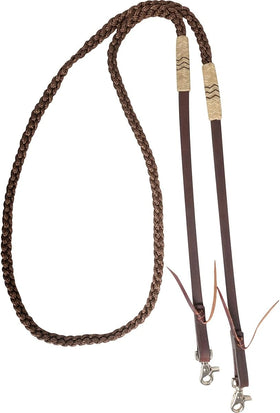
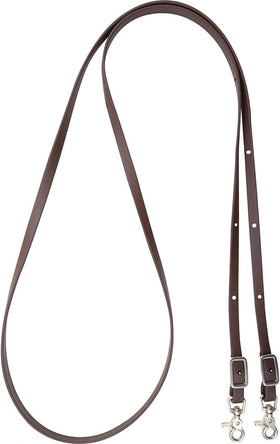
Cashel Adjustable Leather & Rope Reins - Brown with Rawhide Accents & Quick-Release Snaps - 8'
$46.53
Shop Now →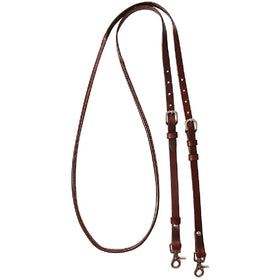
How to Find the Perfect Roping Reins
Choosing the right roping reins is about finding the perfect match for you, your horse, and how you ride together. It’s not a one-size-fits-all situation. The best reins feel like a natural extension of your hands, allowing for clear and gentle communication with your horse. Think of it as a conversation; the right equipment makes sure you’re both speaking the same language.
The perfect pair of reins combines several key elements: top-notch materials, the right dimensions for both of you, a texture that feels secure in your grip, and a weight that helps your horse feel your slightest cue. When you get these details right, you build a stronger, more trusting connection. Let’s walk through how to pick the ideal reins by looking at your riding style, your horse’s personality, and the specific measurements that will work best for your team.
Match the Reins to Your Discipline
What you do in the saddle is the first clue to finding the right reins. Roping reins are designed as a single, connected loop, which is a huge advantage when you’re focused on a task. If you’re roping, this design makes it much easier to manage your reins with one hand and reduces the risk of dropping one in a critical moment.
But their usefulness doesn't stop at roping. Many riders in other Western disciplines, like barrel racing and trail riding, also prefer the simplicity of a single looped rein. It keeps things uncomplicated and prevents reins from getting tangled. Consider how you ride and what you need from your horse tack. If you need to work with one hand or simply prefer a straightforward setup, roping reins are an excellent choice.
Think About Your Horse’s Responsiveness
Every horse has a unique personality and level of training. Some are incredibly sensitive and respond to the lightest touch, while others need a clearer signal. The material and weight of your reins play a big role in how your horse feels your cues. For a sensitive horse, a lighter pair of leather or synthetic reins might be all you need to communicate effectively.
For a horse that’s a bit less responsive, a heavier rein can provide a more noticeable signal without you having to pull harder. High-quality leather roping reins are fantastic because they offer a supple, broken-in feel that helps create clear communication and a secure connection. Pay attention to how your horse reacts to different types of pressure and choose reins that will help you have a more productive and gentle conversation.
Choosing the Right Length, Width, and Weight
Once you’ve considered your discipline and your horse, it’s time to get into the specifics of size. The right dimensions are crucial for both comfort and control. The length should allow your horse full freedom of movement without being so long that it becomes a safety hazard. The width should fit comfortably in your hands; a rein that’s too wide or too narrow can cause hand fatigue and affect your grip.
The weight is just as important. A well-balanced rein helps transmit your cues clearly, allowing your horse to feel even subtle movements. A rein that’s too light might get lost in the noise, while one that’s too heavy could send unintended signals. Finding the perfect combination of length, width, and weight will make your ride safer, more comfortable, and more effective for both you and your horse.
Common Rein Dimensions
Rein length isn't universal; it changes based on your discipline and your horse's size. For Western riders, the industry standard for roping reins length is typically between 8 and 9 feet. This provides enough slack for freedom of movement without creating a dangerous loop. To give you some perspective from another discipline, standard English reins for a full-size horse are generally around 1.5 meters, or about 5 feet long. As you might expect, pony reins are shorter, usually measuring about 1.3 meters, or just over 4 feet. Knowing these benchmarks helps you narrow down your options and ensures you select a rein that is both safe and functional for your specific needs.
Finding Pony-Sized Reins
Getting the right fit for a pony is just as important as it is for a horse, ensuring both comfort and control. When searching for pony-sized equipment, you'll find that pony reins often come in a 5/8 inch width, which is a comfortable size for smaller hands and provides a proportional feel for the pony. According to a helpful horse reins size guide, a standard pony length is recommended for ponies ranging from 11.3hh to 12.3hh, while larger ponies up to 13.3hh may need the next size up. Ensuring you have the right horse tack for your smaller equine partner is key to building a safe and confident partnership in the saddle.
Techniques for Holding Your Reins
Once you've chosen the right reins, the next step is learning how to hold them effectively. Your grip is a direct line of communication to your horse, and different disciplines and rein types call for different techniques. Mastering the correct hold isn't just about looking professional; it's about providing clear, consistent cues that your horse can easily understand. A proper hold prevents mixed signals, reduces hand fatigue, and builds a more responsive partnership. Let's go over a few common methods for holding your reins so you can feel confident and connected in the saddle.
The One-Handed Method for Curb Bits
When riding Western with a curb bit, you'll typically use one hand. The goal is to maintain a straight line from your elbow to the horse's mouth for subtle communication. Hold both reins together, with your pinky finger separating them. Keep your hand upright with your thumb on top, but avoid the stiff "hitchhiker's thumb," as this creates tension in your wrist and arm. A relaxed hand is key to making small adjustments and feeling your horse's responses, ensuring your horse tack works with you, not against you.
The Bridging Method for Split Reins
If you're using split reins, creating a "bridge" keeps them secure and prevents one from slipping. Hold one rein in each hand, then take the tail end of the rein from your left hand and lay it across to your right, holding it with the other rein. This creates a loop, or bridge, over the horse's neck. This method gives you a secure grip and makes it easy to adjust rein length quickly without fumbling. It’s a popular technique for trail riding or any situation where you need to keep your reins organized and ready for action.
Creating a "Bubble" for Roping
The closed-loop design of roping reins allows for a unique and highly effective hold. By holding the single rein in one hand, you create a "bubble" of control that offers a steady, consistent connection to your horse. This method is incredibly secure, and as the roping reins guide explains, it allows you to drop the reins over the horse's neck to use your hands for another task, like swinging a rope, without losing them. The reins stay in place, ready to be picked up instantly. This provides security and freedom, which is why many riders in fast-paced disciplines prefer this simple setup.
What Makes a Quality Pair of Roping Reins?
When you're shopping for roping reins, it's easy to focus on just one aspect, like the color or the price. But a truly great pair of reins is a sum of its parts. The best reins combine top-notch materials and construction, the right dimensions for you and your horse, a texture that suits your grip, and hardware that won’t fail you. Investing in quality means you're getting gear that not only performs well but also keeps you and your horse safe. Think of your reins as your primary line of communication. A quality pair feels like a natural extension of your hands, allowing you to send the slightest cue and feel your horse's response instantly. This connection is built on trust, and your equipment plays a huge role in that. Cheaply made reins can stretch, slip, or even break, creating dangerous situations and undermining your horse's training. By prioritizing quality, you're choosing reliability and consistency. You're getting gear that will stand up to the demands of regular use and the elements, rather than something you'll need to replace after just one season. Let's look at the specific details that separate a good pair of reins from a great one, so you can make a choice you'll be happy with for years to come.
Don't Forget the Hardware and Attachments
The hardware is the backbone of your reins, so don't overlook it. Check the snaps and connectors to make sure they're made from durable, rust-resistant materials like stainless steel or solid brass. Cheaply plated metals can rust, weaken, and break at the worst possible moment. Also, pay close attention to how the hardware is attached. Look for strong, even stitching or sturdy leather ties (water loops) that secure the bit ends. This is a common failure point on low-quality reins. Reliable hardware is a non-negotiable part of any piece of quality horse tack, ensuring your connection to your horse remains secure, ride after ride.
Hardware Types: Snaps and Buckles
The snaps on your reins are small but mighty, playing a huge role in both convenience and safety. You’ll often see scissor snaps or quick-change snaps on roping reins, and for good reason. These styles make it incredibly easy to switch your reins between different bits or bridles, which is a real time-saver if you ride multiple horses or use different setups. When you're inspecting hardware, look for materials like solid brass or stainless steel. These metals resist rust and corrosion, ensuring they won't weaken over time. Quality saddlery supplies often come in various finishes, so you can find hardware that is not only durable but also matches the rest of your tack. Choosing sturdy, well-made snaps gives you peace of mind that your equipment will hold up when you need it most.
Attachment Styles: Water Ties and Pineapple Knots
How your reins connect to the bit is one of the most critical aspects of their construction. This connection point takes a lot of stress, and it's often where lower-quality reins fail. A traditional and highly reliable method is the water tie, which uses strips of leather looped through the bit and rein. When you inspect a pair of reins, look for thick, sturdy leather ties that are securely fastened. Another excellent option you might see, especially on rope reins, is a pineapple knot. This type of knot creates a secure and adjustable connection at the bit end. The ability to make small adjustments can be very useful, and like water ties, these knots are designed for strength and durability, ensuring your reins provide a safe and dependable connection to your horse.
Find a Grip and Texture You Love
The way your reins feel in your hands directly impacts your communication with your horse. You want a pair that feels comfortable and secure, not stiff or slippery. Look for reins made from supple, high-quality leather that offers a nice feel and flex right from the start. A good pair of reins should feel broken-in on the very first ride, allowing you to maintain a light, consistent contact without straining your hands. The right texture gives you a confident grip, whether you're riding with or without gloves. This tactile connection is essential for subtle cues and quick responses, making your ride smoother and more intuitive.
Grip-Enhancing Braids and Markers
Beyond the base material, many reins include special features designed to give you a better grip. You might see different braiding styles, like 3-plait or 5-plait designs, or hand-laced sections. These aren't just for decoration; the varied texture helps you keep a secure hold, even if your hands are sweaty or you're riding without gloves. Some reins also feature a rolled or weighted center, which serves as a tactile marker to help you keep your reins even without looking down. These thoughtful details contribute to a more confident feel in your hands, allowing you to focus on your horse instead of your equipment. When you're shopping for new horse tack, look for these features that can make a real difference in your control and comfort during a ride.
Look for Weather and Wear Resistance
Your reins are going to be exposed to the elements, from sweat and rain to sun and dust. Quality reins are built to handle it all. They are made to be strong and last a long time, resisting cracking, stretching, or becoming brittle with use. High-grade, properly tanned leather or durable synthetic materials are designed to withstand these conditions. While all gear needs care, starting with a weather-resistant pair saves you headaches down the road. You want reins that maintain their integrity and supple feel, so you can rely on them for years. Investing in durable equipment from our selection of best-selling products ensures you get performance that lasts.
Consider the Finish: Oiled vs. Non-Oiled
When you're looking at leather reins, you'll often see them described as oiled or non-oiled. Oiled reins have been pre-conditioned by the manufacturer, giving them a darker color and a soft, supple feel right out of the package. This is a great option if you want that ready-to-use, broken-in feel from day one. Non-oiled reins, on the other hand, are lighter in color and a bit stiffer initially. They offer a blank slate, allowing you to apply your own preferred conditioner and break them in exactly to your liking. No matter which you choose, remember that leather requires regular cleaning and conditioning to stay in top shape, but its durability is unmatched when properly cared for. This regular maintenance ensures your investment lasts for years and continues to perform reliably.
The Importance of Craftsmanship
Craftsmanship is about so much more than just how a pair of reins looks; it’s about how they perform. It’s the thoughtful details—the even stitching, the smoothly beveled edges, the balanced weight—that transform a simple strap of leather into a precise communication tool. A quality pair feels like a natural extension of your hands, allowing you to send the slightest cue and feel your horse's response instantly. Poorly made reins with rough edges can be uncomfortable to hold, while inconsistent construction can lead to stretching or weak spots. Investing in good craftsmanship means you’re choosing gear that is safer, more effective, and helps you build a better partnership with your horse, which is what we all want.
Hand-Finishing for a Broke-In Feel
One of the biggest signs of quality craftsmanship is hand-finishing. This is the process where an artisan takes the time to hand-rub the edges, work the leather, and apply oils by hand to create a supple, flexible feel. This meticulous work eliminates the stiff, awkward break-in period that often comes with mass-produced gear. High-quality leather roping reins provide a supple, broken-in feel right from the start, making them a fundamental piece of horse tack for any rider who values precision and a secure connection with their horse. This isn't just about comfort; it's a functional advantage that allows for clearer communication from your very first ride, helping you and your horse work together seamlessly.
Where to Find the Best Roping Reins
Now that you know what to look for in terms of material and fit, let's talk about where to find your perfect pair. The brand you choose matters just as much as the type of rein. A great manufacturer understands the connection between horse and rider and builds its products to strengthen it. Here’s how to spot a trusted brand and explore some of the best options available.
What Makes a Brand Trustworthy?
A trusted brand consistently delivers on quality and performance. When you're comparing options, focus on the details. The best reins are a combination of top-notch leather and construction, durable hardware that won’t fail, and a weight that helps your horse feel every subtle cue. Look for companies that are transparent about their materials and craftsmanship. They should offer reins that feel supple and broken-in from the first ride, allowing for clear communication and a secure connection with your horse. A brand that prioritizes these elements is one you can rely on for tack that lasts.
Our Handpicked Roping Rein Selection
We know how important it is to have gear you can count on, which is why we've carefully curated a collection of roping reins from brands we trust. Our selection of horse tack includes options for every rider, from classic leather reins perfect for the rodeo arena to rope reins that are fantastic for training sessions. We choose products that are not only durable but also designed to improve your ride. For example, certain rope reins are excellent for helping riders develop softer hands and more precise cues. By handpicking our inventory, we make it easier for you to find high-quality reins that will become a staple in your tack room.
How Much Do Roping Reins Cost?
When you start shopping for roping reins, you'll notice that prices can vary quite a bit. You can find a functional pair for as little as $15, while high-end, handcrafted options can cost over $100. This wide range is actually great news because it means there’s a perfect pair of reins out there for every rider and every budget. The cost of roping reins usually comes down to three main factors: the material, the craftsmanship, and the brand. A simple pair of nylon reins will naturally be more affordable than a set of hand-braided leather reins with detailed tooling. As you explore your options, think about how often you ride and what you need your reins to do. Are you a casual trail rider or a competitive roper? Answering that question will help you decide where you want to land on the price spectrum and what features are most important for you and your horse. It's all about matching the reins to your specific needs, ensuring you get a product that feels right in your hands and gives you the connection you want with your horse, without spending more than you need to.
A Breakdown of Different Price Points
At the lower end of the price range, you’ll find basic reins made from materials like nylon or cotton. These are solid, functional choices for everyday riding or for someone just starting out. As you move into the mid-to-high price range, you’ll see reins made from premium materials like Hermann Oak leather or high-quality braided nylon. These reins not only offer a superior grip and feel but also tend to be more durable and provide clearer communication with your horse. For serious riders, investing in a higher-quality pair is often worth it for the performance and longevity they provide.
Entry-Level vs. Premium Reins
So, what’s the real difference between a $20 pair of reins and a $100 pair? It really comes down to materials and craftsmanship. Entry-level reins, often made from nylon or basic cotton rope, are a fantastic, functional choice for casual riding or if you're just starting out. They get the job done reliably without a big investment. However, when you step up to premium reins, you’re investing in a noticeable upgrade in feel and performance. These are often crafted from top-tier materials like supple Hermann Oak leather or high-quality braided rope. This upgrade isn't just for looks; it translates to a better grip, enhanced durability, and clearer communication with your horse. The right piece of horse tack can truly refine your ride, and premium reins are a perfect example of this.
How to Find the Best Value for Your Budget
Finding the best value doesn’t always mean buying the cheapest option. Instead, focus on finding the most durable and functional reins your budget allows. Prioritize features like a comfortable, secure grip and strong, reliable hardware. Take some time to compare different materials to see what works for you. A good pair of braided nylon reins can offer excellent performance without the higher price tag of leather. As you browse different styles in our horse tack collection, remember that we offer free shipping on all orders, so you can get the best reins for your needs delivered right to your door without any extra cost.
Common Mistakes When Buying Roping Reins
Picking out new reins should be exciting, but a few common slip-ups can lead to frustration in the saddle. The right pair feels like an extension of your hands, while the wrong ones can hinder communication and even be unsafe. By knowing what to watch for, you can invest in a quality set of reins that will serve you and your horse well for years. Let's walk through two of the most frequent mistakes so you can shop with confidence.
Ignoring Size and Material Needs
One of the easiest mistakes to make is grabbing reins that are the wrong size. Reins that are too short can restrict your horse's movement, while reins that are too thick or stiff can be uncomfortable and difficult to hold, especially during long rides. The material also plays a huge role in your experience. While a lower price tag might be tempting, poor-quality materials can feel stiff and unforgiving. High-quality leather roping reins, for example, should offer a supple, broken-in feel from the very first ride, giving you a secure and comfortable grip.
Forgetting Key Safety Features
Safety should always be top of mind when selecting any piece of horse tack. With roping reins, their connected loop design is a key feature, making it much less likely that you'll drop one at a critical moment. However, you also need to inspect the hardware. Weak snaps or buckles can break under pressure, creating a dangerous situation. Always check that the attachments are sturdy and well-made. Clear communication is also a form of safety. Reins that allow for precise cues help you stay in control, ensuring you and your horse are always on the same page, whether you're in the arena or out on the trail.
How to Care for Your Roping Reins
Once you've found the perfect pair of roping reins, you'll want to make them last. Proper care not only extends the life of your tack but also ensures it stays safe, comfortable, and reliable for every ride. A little bit of maintenance goes a long way in preserving that perfect broken-in feel and protecting your investment. The good news is that it doesn’t require a lot of time or effort, just a consistent routine. Here’s how to keep your roping reins in top condition, ensuring they feel great in your hands and provide clear cues to your horse.
Your Simple Cleaning and Care Routine
The best way to prevent grime and wear is to clean your reins regularly. After each ride, take a moment to wipe them down with a slightly damp cloth. This simple step removes sweat, dirt, and dust before it has a chance to settle in and break down the material. For a deeper clean, especially for leather reins, use a cleaner specifically designed for tack every few weeks or as needed. This helps maintain the supple, flexible feel you need for clear communication with your horse. Keeping your horse tack clean is one of the easiest ways to ensure it performs well for years.
How to Properly Store and Condition Them
How you store your reins is just as important as how you clean them. Always let your reins air dry completely before putting them away to prevent mold and mildew. Store them in a cool, dry place away from direct sunlight, which can cause leather to fade and crack. Hanging them neatly on a hook is a great way to help them keep their shape. Every few months, treat your leather reins with a quality conditioner. Think of it as a moisturizer that keeps the leather from becoming brittle and stiff, preserving its strength and flexibility. Proper care ensures your gear is always ready for your next ride.
Related Articles
Frequently Asked Questions
Are roping reins just for ropers? Not at all. While they were designed for roping, their simple, continuous loop design is fantastic for many other riders. Trail riders love them because you can’t drop one side, and barrel racers appreciate the uncomplicated feel when they need to focus on speed. If you want a secure, straightforward connection to your horse without managing two separate reins, they are an excellent choice for everyday riding.
How do I choose the right length for my roping reins? A good rule of thumb is to ensure the reins are long enough for your horse to lower its head and stretch its neck comfortably without pulling the reins from your hands. For most full-sized horses, an 8-foot rein is a great starting point. However, you should also consider your horse’s build and your riding style. You want enough length for freedom of movement but not so much that you have excessive slack that could become a safety issue.
What's the best rein material for a beginner rider? For someone new to riding, I often recommend starting with nylon or another synthetic material. These reins are very low-maintenance, offer a consistent grip even in wet weather, and are typically more budget-friendly. This allows you to focus on developing your skills without worrying about the upkeep of traditional leather. As you gain experience, you can always explore leather options to see if you prefer their classic feel.
My horse is very sensitive. Will heavier reins be too much for him? That's a great question. It might seem counterintuitive, but a rein with a bit of weight can actually be better for a sensitive horse. The weight helps your horse clearly feel the release of pressure, which is their reward for responding correctly. This can help you develop lighter hands because you don't need to pull to get a response; a slight lift is often enough. It’s all about creating a clear, quiet conversation.
How can I tell if the hardware on a pair of reins is high quality? The hardware is a critical safety component, so it's smart to inspect it closely. Look for snaps and connectors made from solid, rust-resistant metals like stainless steel or brass, not cheaply plated materials that can chip and weaken. Also, check how the hardware is attached to the rein itself. You want to see strong, even stitching or sturdy leather ties that look like they can withstand consistent pressure.


