


Is your tack room a bit of a disaster zone? I've been there. Every equestrian knows the struggle of keeping gear organized. A good saddle stand is more than just a place to put your saddle—it's a game-changer. It protects your expensive equipment, streamlines your daily routine, and saves you from costly damage down the road. I've sorted through the options to find the very best, focusing on durability, smart design, and overall value. Here are my top picks, complete with honest pros and cons to help you find the perfect fit for your space.
Why a Good Saddle Stand is a Tack Room Essential
Keeping your tack room organized is more than a matter of aesthetics. The right saddle stand can safeguard your equipment, streamline routines, and support a safer barn environment. As equestrian needs evolve, understanding the importance of investing in a high-quality saddle stand is essential.
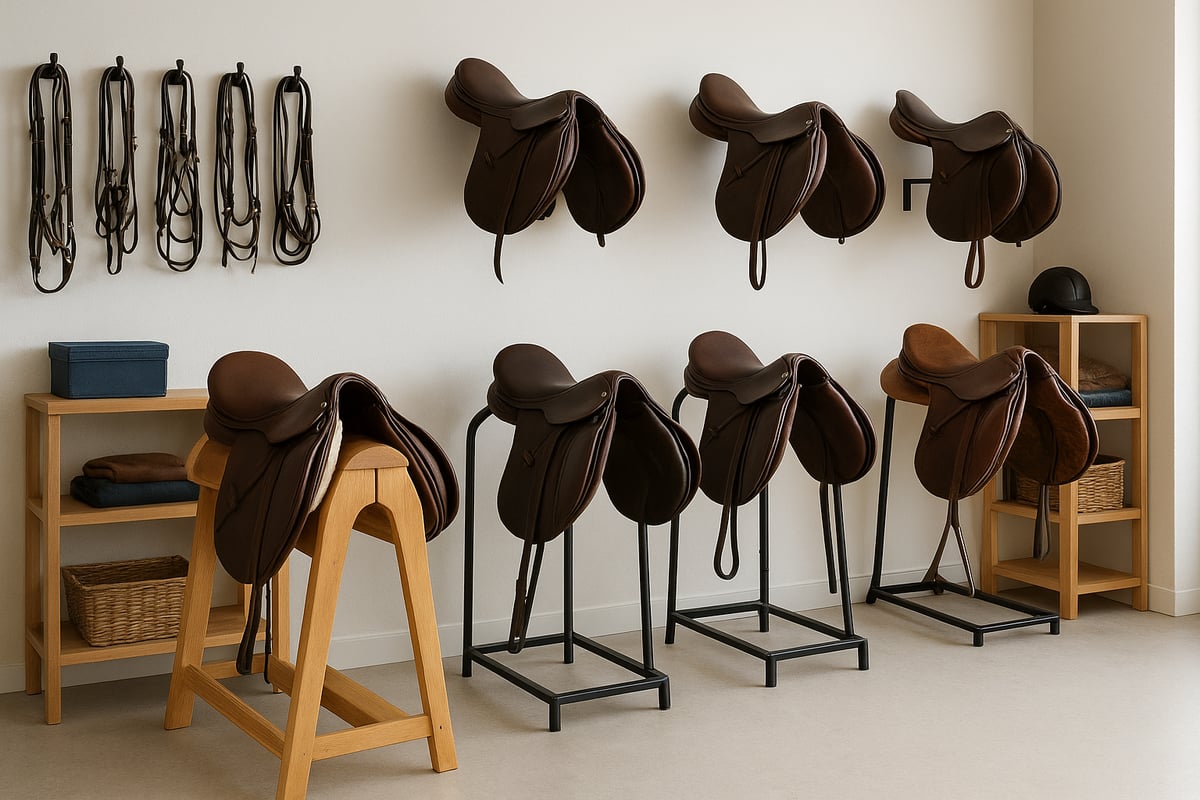
Protect Your Saddle, Protect Your Investment
A saddle is often one of the most significant purchases an equestrian makes, with average prices ranging from $500 up to $5,000 or more. Storing your saddle incorrectly can result in costly damage—warping, mold, and cracked leather are common outcomes of poor support or damp environments.
A quality saddle stand provides stable, structured support, helping to maintain the correct shape and condition of your saddle. Professional tack room managers consistently recommend using purpose-built stands rather than makeshift solutions, as this minimizes repair costs and extends saddle life. For detailed guidance on preventing damage, see these Horse Saddles Storage Tips.
Finally Get Your Tack Room Organized
An organized tack room improves the daily experience for every rider. Placing each saddle on a dedicated saddle stand keeps valuable tack off the floor and out of harm’s way. This simple step reduces clutter and eliminates tripping hazards, making the space safer and easier to clean.
Efficient storage also supports a smoother workflow. Riders can locate, prepare, and return saddles quickly, saving time during busy barn routines. In before-and-after case studies, the introduction of multiple saddle stands transformed chaotic spaces into streamlined, functional areas.
A Smart Solution for the Modern Rider
Barns today house a wider range of saddles, from English to Western to endurance models. As a result, the modern saddle stand is designed for versatility. Many now include adjustable racks, hooks for bridles, and even shelves for grooming supplies.
Trends for 2025 show a rise in portable and multi-saddle stands, especially in shared barns or professional stables. These innovations help optimize both space and convenience, ensuring every saddle—no matter its type—has a secure home.
The Surprising Safety Benefits
Proper saddle storage is a critical component of barn safety. A sturdy saddle stand prevents accidental falls, reducing the risk of injury to both horses and handlers. By keeping saddles off the ground, the stand also limits exposure to moisture and bacteria, which can lead to mold growth.
Statistics reveal that poorly organized tack rooms are linked to a higher incidence of injuries. Investing in the right saddle stand not only protects your equipment but also promotes a safer, healthier environment for everyone in the barn.
What Makes a Great Saddle Stand?
Choosing the right saddle stand is essential for protecting your tack and maintaining an efficient tack room. Not all stands are created equal, so understanding the features that separate top models from average ones will help you make a confident investment.
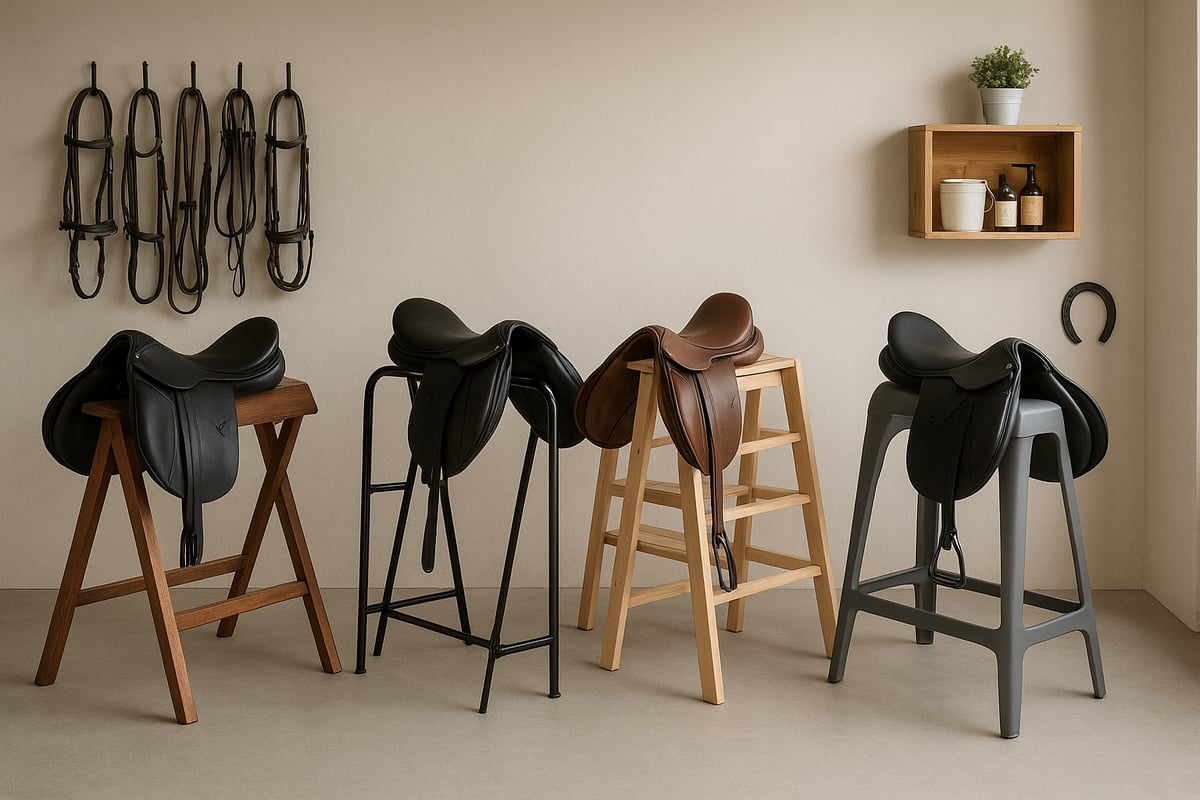
Wood vs. Metal: Choosing the Right Material
The foundation of any reliable saddle stand lies in its material and build quality. Wood, metal, and plastic are the most common choices, each with its own advantages.
Wood stands offer a classic look and excellent durability, perfect for traditional barns. Metal, especially powder-coated steel, is strong and often more weather-resistant, making it suitable for outdoor use. Plastic models are lightweight and budget-friendly but may lack the strength needed for heavy saddles.
A sturdy saddle stand is crucial for supporting your investment. For example, a wooden model may provide superior stability, while a steel version excels in harsh conditions. Always assess construction to ensure longevity and safety.
Home or Away: Finding a Portable Solution
Portability is a major factor for riders who travel or have limited tack room space. Foldable saddle stands are lightweight and easy to transport, making them ideal for competitions or clinics. Fixed stands, on the other hand, provide greater stability and are better for permanent installations.
Consider the weight and dimensions of each saddle stand. Compact designs are perfect for small tack rooms or shared spaces. Some portable stands can be stored flat or disassembled quickly, saving valuable room when not in use.
When evaluating options, think about your mobility needs. Competition riders often prefer portable models to streamline their routines, while home barns might benefit from a more substantial stand.
Will It Fit Your Saddle? A Guide to Versatility
Not every saddle stand fits all saddles. Some are specifically designed for English, Western, or all-purpose saddles, while others offer a more universal fit. Adjustable features, such as width or height settings, add versatility for barns with multiple saddle types.
Multi-saddle racks can support several saddles at once, maximizing storage efficiency. Universal fit models accommodate a range of seat sizes and shapes, making them practical for mixed-discipline stables.
Before purchasing, check that the saddle stand matches your tack's requirements. This ensures your saddle is properly supported and protected, regardless of its style or size.
Don't Forget the Details: Helpful Add-Ons
Modern saddle stands often include integrated accessories that enhance organization and usability. Look for built-in bridle hooks, storage shelves, and blanket bars to keep all your gear in one place. Non-slip feet add stability, especially on slick floors.
Customization options, such as branded finishes or coordinated colors, can help personalize your tack room. Accessory integration is particularly valuable in busy barns, where efficiency and order are top priorities.
For more detailed strategies on optimizing your tack room, see this Tack Room Organization Guide, which highlights how accessory-rich stands can streamline daily routines and reduce clutter.
Our 7 Favorite Saddle Stands for Every Rider
A well-chosen saddle stand can transform your tack room from chaotic to calm. With so many options available, selecting the right model for your needs is essential. Below, you will find a detailed review of the top 7 saddle stand choices for 2025, covering design, durability, versatility, and value. Each review highlights what makes these stands unique and how they can improve your tack room organization and daily routines.
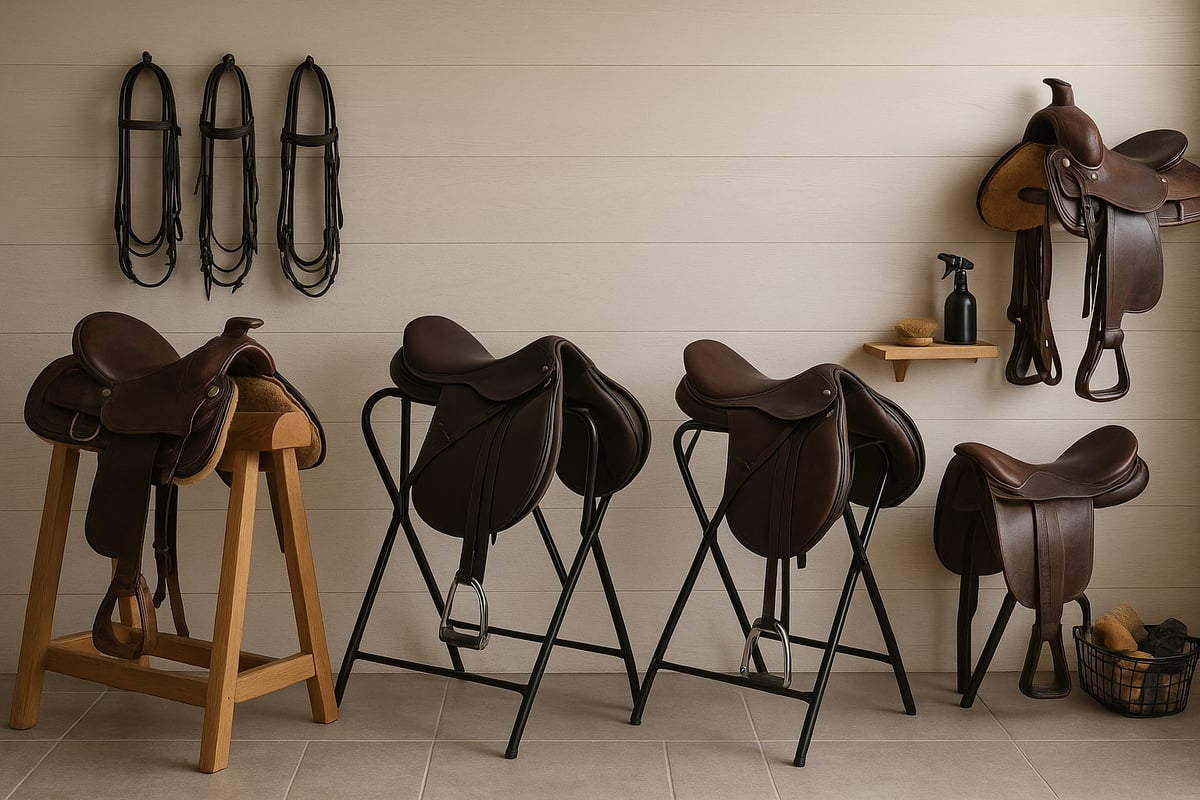
Hooves and Paws Premium Wooden Saddle Stand
The Hooves and Paws Premium Wooden Saddle Stand is crafted from solid hardwood for durability and a classic look. At $129.99, it offers a blend of function and style that appeals to discerning horse owners. This saddle stand includes built-in bridle hooks and a shelf, providing organized storage for grooming supplies and accessories.
Assembly is straightforward, and the stand's sturdy construction ensures your valuable saddle remains protected. While it is heavier than metal alternatives, its solid build makes it ideal for permanent tack room setups where aesthetics matter.
Pros:
- Sturdy and reliable support for any saddle stand
- Attractive design complements barn décor
- Easy assembly
- Exceptional customer support
Cons:
- Heavier than most metal stands
- Not foldable for travel
A standout feature is the 365-day return policy, offering peace of mind. If you value a long-lasting, stylish saddle stand that keeps your investment safe, this model is an excellent choice for any tack room.
Shires Folding Saddle Stand
The Shires Folding Saddle Stand is a budget-friendly and portable solution at $59.99. Made from lightweight, powder-coated steel, this saddle stand is ideal for riders who travel to shows or need flexible storage options.
Its foldable design allows for quick setup and compact storage when not in use. The stand accommodates both English and Western saddles, making it versatile for multi-discipline barns.
Pros:
- Affordable and accessible saddle stand option
- Lightweight and easy to carry
- Folds flat for storage
Cons:
- Not as stable as fixed stands
- Limited hooks for accessories
Perfect for small tack rooms or riders on the go, the Shires Folding Saddle Stand delivers practical storage without taking up valuable space. Its portability makes it a favorite among show riders and those needing a mobile solution.
Dover Saddlery Deluxe Wooden Saddle Rack
The Dover Saddlery Deluxe Wooden Saddle Rack stands out with its elegant wood construction and lacquered finish. Priced at $169.95, this saddle stand supports even the heaviest saddles, making it a premium choice for home barns and professional stables.
A lower shelf provides extra space for boots or a grooming tote, helping keep the tack room tidy. The saddle stand's custom engraving option allows for a personalized touch, perfect for teams or those who want to showcase their barn’s identity.
Pros:
- Attractive and durable saddle stand
- Multi-functional with additional storage
- Custom engraving available
Cons:
- Higher price point
- Requires assembly
If you seek a saddle stand that combines form and function, this model brings both elegance and practicality to your tack room. It is built to last and impress.
Tough-1 Collapsible Saddle Stand
The Tough-1 Collapsible Saddle Stand is designed for those who need portability without sacrificing utility. At $49.99, this metal saddle stand features a powder-coated frame that collapses flat, making it easy to store or transport to clinics and shows.
It comes equipped with two bridle hooks and a lower shelf for extra storage. While not as decorative as wood models, this saddle stand meets the demands of busy equestrians who prioritize convenience and budget.
Pros:
- Lightweight and easy to move
- Affordable saddle stand solution
- Collapsible for space-saving storage
Cons:
- Less decorative for display
- May not support extremely heavy saddles
This saddle stand is a practical choice for trainers, mobile tack rooms, or anyone needing a no-frills, budget-friendly option.
Stubbs Retro Wall-Mounted Saddle Rack
For barns with limited floor space, the Stubbs Retro Wall-Mounted Saddle Rack offers a sturdy, permanent storage solution at $89.99. Made from heavy-duty steel, this wall-mounted saddle stand keeps saddles off the floor, making cleaning and organization easier.
Its design saves valuable space and provides exceptional support for your saddle. Installation is required, but once in place, this saddle stand is virtually maintenance-free.
Pros:
- Extremely sturdy and reliable
- Saves floor space in small tack rooms
- Easy to clean underneath
Cons:
- Not portable for travel
- Requires wall installation
Ideal for professional barns, riding schools, or compact home tack rooms, this saddle stand ensures safety and organization for your valuable gear.
Weaver Leather Portable Saddle Stand
The Weaver Leather Portable Saddle Stand is a versatile all-metal option priced at $74.99. Powder-coated to resist rust, this saddle stand features detachable legs for portability and includes bridle hooks and a storage tray.
Designed for outdoor and flexible use, it is durable enough to withstand the elements and frequent transport. The industrial look is balanced by its practical features, making it a popular choice for trail riders.
Pros:
- Weather-resistant and durable saddle stand
- Easy to assemble and disassemble
- Portable for outdoor use
Cons:
- Industrial appearance may not suit all tack rooms
- Tray size may be limiting for some users
If you need a saddle stand that can handle both barn and trail environments, this model is a dependable choice for flexible storage.
Roma Three-Tier Saddle Rack
The Roma Three-Tier Saddle Rack maximizes vertical space in busy tack rooms. At $149.95, this sturdy tubular steel saddle stand holds up to three saddles of any type, making it ideal for multi-horse owners or shared barns.
Each tier supports a different saddle, helping keep your tack room organized and clutter-free. Assembly is required, but the payoff is significant for barns needing efficient storage.
Pros:
- Efficient use of vertical space
- Ideal for owners with multiple saddles
- Sturdy construction
Cons:
- Large footprint in smaller rooms
- Requires assembly
For those who need to store several saddles securely, this saddle stand offers both capacity and durability. Its design fits the needs of busy equestrian facilities.
Comparison Table: Top 7 Saddle Stand Picks for 2025
| Model | Material | Price | Type | Portability | Extra Features |
|---|---|---|---|---|---|
| Hooves and Paws Premium Wooden Saddle Stand | Hardwood | $129.99 | Floor | No | Hooks, shelf, warranty |
| Shires Folding Saddle Stand | Steel | $59.99 | Foldable | Yes | Lightweight |
| Dover Saddlery Deluxe Wooden Saddle Rack | Wood | $169.95 | Floor | No | Shelf, engraving |
| Tough-1 Collapsible Saddle Stand | Metal | $49.99 | Collapsible | Yes | Hooks, shelf |
| Stubbs Retro Wall-Mounted Saddle Rack | Steel | $89.99 | Wall-mount | No | Space-saving |
| Weaver Leather Portable Saddle Stand | Metal | $74.99 | Portable | Yes | Tray, bridle hooks |
| Roma Three-Tier Saddle Rack | Steel | $149.95 | Floor | No | 3 tiers |
Choosing the right saddle stand is crucial for maintaining a tidy tack room and protecting your investment. For more ideas on optimizing your storage, explore these Tack Room Organization Tips to complement your new saddle stand and ensure a clutter-free, safe environment.
Shop This Post

Featured in this article
Professional's Choice 2XCOOL Sports Medicine Horse Boots - 4-Pack Neoprene-Free with Kevlar Support & brrr° Cooling
$159.23
Shop Now →

A Different Kind of Saddle: Stands for Hunting
While our expertise at Hooves and Paws is rooted in the equestrian world, we know many in our community are passionate about all aspects of the great outdoors. When you hear the word "saddle," you likely picture the beautiful leather tack we use for riding. But in the world of hunting, "saddle" refers to something entirely different. Saddle hunting is a method that's gaining popularity for its mobility, safety, and effectiveness. It involves using a specialized harness—the "saddle"—to hunt from an elevated position in a tree. This approach requires specific gear, including stands and platforms, that are designed to be lightweight and quiet. Let's explore this unique style of hunting and the equipment that makes it possible.
What Are Saddle Hunting Stands and Platforms?
So, what exactly are saddle hunting stands? Unlike the bulky tree stands you might be familiar with, this gear is designed for the mobile hunter. A hunting saddle is a lightweight harness system that you wear, which connects you securely to the tree. The "stand" is actually a small, compact platform for your feet, giving you a stable base to stand on while you wait. The entire setup—saddle, ropes, and platform—is incredibly compact. It can easily fit into a backpack, leaving your hands free as you hike to your hunting spot. This minimalist approach is a game-changer for hunters who prefer to stay on the move rather than being tied to a single location.
Designed for Mobility and Durability
The primary design principle behind saddle hunting gear is "less is more." A typical hunting saddle weighs under five pounds, a stark contrast to traditional tree stands that can weigh anywhere from 10 to 45 pounds. This massive weight reduction makes it much easier to travel deep into the woods or to change locations quickly if the situation calls for it. But don't let the light weight fool you; this equipment is built to last. Made from strong, durable materials, these systems are engineered for safety and reliability, ensuring you feel secure while elevated. This combination of portability and toughness is what makes the system so appealing to serious hunters.
Key Benefits of Saddle Hunting vs. Tree Stands
If you're wondering why a hunter might choose a saddle over a traditional tree stand, it comes down to a few significant advantages. The differences in weight, noise level, and mobility can have a huge impact on the hunting experience. Traditional stands have their place, but for hunters who value stealth, flexibility, and a minimalist setup, the benefits of saddle hunting are hard to ignore. This method allows for a more dynamic and adaptable approach, which can often lead to greater success in the field. Let's break down some of the key benefits that are convincing more hunters to make the switch to this modern hunting style.
Weight and Size
As we touched on, the most immediate benefit is the dramatic reduction in weight and bulk. Carrying a 40-pound metal stand through the woods is a workout in itself and can limit how far you're willing to go. With a saddle hunting setup, you're carrying a fraction of that weight. This makes the hike to your spot less strenuous and allows you to access more remote or difficult-to-reach areas where game may be less pressured. The compact size also means your gear is less likely to get snagged on branches or make noise, making your approach quieter and more efficient from the very start of your hunt.
Noise Reduction
Stealth is everything in hunting, and unwanted noise can ruin a perfect setup. Metal tree stands are notorious for being loud—clanking parts during transport, squeaking joints when you shift your weight, and noisy setup processes can easily alert game to your presence. Saddle hunting gear, on the other hand, is made from soft, quiet materials like webbing and fabric. This design minimizes noise from the moment you leave your truck to the second you take your shot. The quiet nature of a saddle setup gives you a significant advantage when you need to be completely silent, allowing you to get closer to your target without being detected.
360-Degree Mobility
One of the biggest functional advantages of saddle hunting is the freedom of movement it provides. In a traditional tree stand, your movement is often restricted to a small platform, limiting your shooting lanes to what's in front of you. With a saddle, you can pivot around the entire circumference of the tree. This 360-degree mobility means you can always position yourself for the perfect shot, no matter which direction the game approaches from. You can also use the tree itself as cover, simply swinging around to the backside to stay hidden as an animal gets closer, a maneuver that's impossible in a fixed stand.
Safety Advantages of Saddle Hunting
Beyond the practical benefits, safety is a major reason many hunters are drawn to this method. With a saddle, you are connected to the tree from the moment you leave the ground until you're back down. This constant connection significantly reduces the risk of falls, which are unfortunately a common and serious danger associated with traditional tree stands. The harness system is designed to keep you secure at all times, providing peace of mind while you're elevated. For many, this built-in safety system is the most compelling reason to adopt saddle hunting, as it allows them to focus on the hunt without worrying about a potentially life-threatening accident.
How to Choose the Right Saddle Stand for You
Selecting the right saddle stand is essential for creating an organized, efficient tack room that truly meets your needs. With so many options available, making an informed decision can help you protect your equipment and streamline your daily routine.
First, Consider Your Tack Room Space
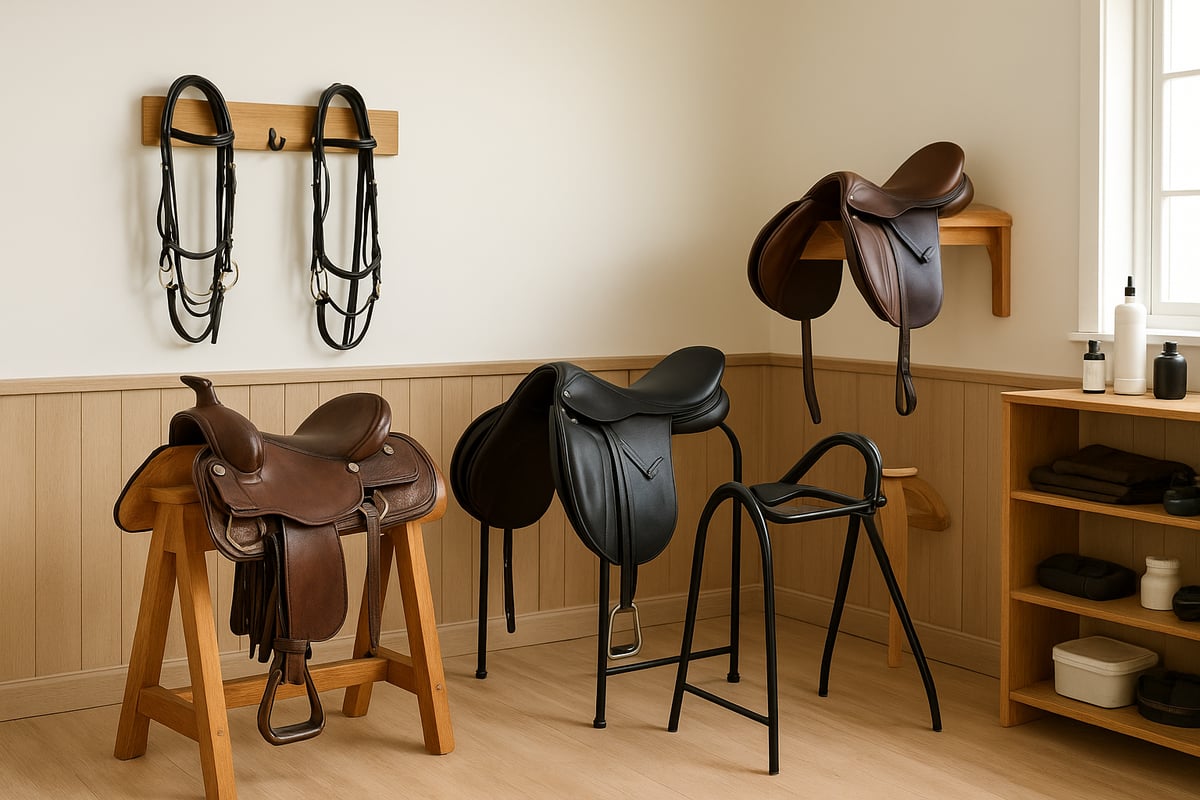
Before purchasing a saddle stand, measure your available space carefully. Consider both floor area and ceiling height, especially if you are interested in multi-tier designs. For smaller barns or tack rooms, a wall-mounted option can maximize floor space and make the area safer and easier to clean. Portable and foldable stands can be stored away when not in use, freeing up valuable room. If you manage a busy barn or experience seasonal changes, adaptable storage is key. For further tips on adjusting your setup through the year, see Seasonal Tack Room Organization. Evaluate your current layout to identify whether a fixed or portable saddle stand best fits your environment.
Match Your Stand to Your Riding Style
Your riding discipline directly impacts which saddle stand features will serve you best. English, Western, and endurance saddles vary in shape and size, so check that the stand you choose is compatible with your equipment. Adjustable or universal stands are ideal for multi-discipline riders or shared barns. If you ride English, consider stands designed to support narrower trees and shorter panels, while Western saddles require broader, sturdier bases. For added protection and longevity, review English Saddle Maintenance Advice to ensure your saddle stand supports proper care routines. Matching your stand to your discipline ensures your equipment remains in optimal condition.
Price vs. Value: What Should You Spend?
When investing in a saddle stand, balance your budget with the value of your saddles and the features you require. While economical options are available, premium stands often provide superior durability, additional accessories, and longer warranties. Consider the cost of potential saddle repairs if improper storage leads to damage. In many cases, spending a bit more on a high quality saddle stand can save money over time by extending the life of your equipment. Evaluate the long-term benefits, such as reduced repair costs and improved organization, to determine the best value for your situation.
Simple Care for a Longer Lifespan
Proper maintenance of your saddle stand ensures it remains functional and safe for years to come. For wooden stands, wipe them down regularly and treat the wood to prevent moisture damage. Metal stands may require periodic checks for rust, especially if used outdoors, and should be cleaned to avoid dirt buildup. Inspect all hardware, hooks, and shelves for signs of wear or instability. Accessories like bridle hooks and storage trays should be cleaned and tightened as needed. By keeping your saddle stand in excellent repair, you protect your investment and maintain an efficient, organized tack room.
Saddle Care and Storage Beyond the Stand
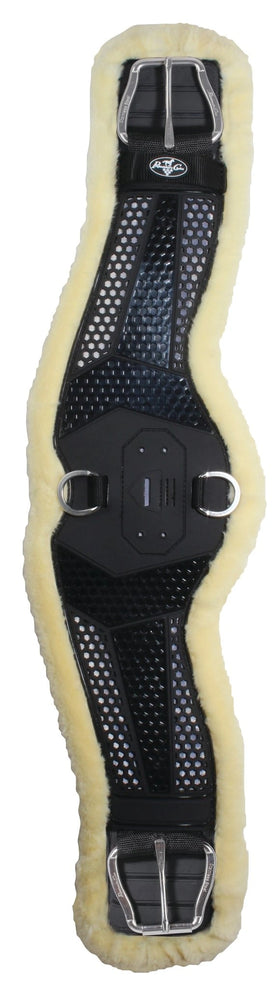
While a dedicated saddle stand is the best way to protect your saddle, comprehensive tack care involves more than just one piece of equipment. The small details, like how you store your latigo and cinch after a ride, make a huge difference in the longevity and safety of your gear. Developing a consistent routine for putting away your tack properly prevents unnecessary strain on leather, reduces wear on hardware, and keeps everything organized for your next ride. This attention to detail is what separates well-maintained equipment from gear that fails prematurely. It’s a simple practice that protects your investment and ensures every component is reliable when you need it most.
Proper storage also makes your daily routine more efficient. When every piece of your horse tack has a designated spot and is stored correctly, you can tack up faster and with more confidence. You won't have to untangle straps or inspect for damage caused by improper handling. These habits are just as crucial as regular cleaning and conditioning. In the following sections, we’ll cover some practical tips for caring for your entire tack setup, even when you don’t have a dedicated stand, and how to handle essential components like latigos and cinches to keep them in top shape.
How to Store a Saddle Without a Rack
A saddle rack is always the best choice because it distributes the saddle's weight evenly, helping it maintain its shape and preventing the tree from warping. But what do you do when a rack isn't available? The most important thing is to avoid putting uneven pressure on the saddle. Never hang it by the horn or cantle, and don't leave it propped awkwardly against a wall. Instead, find a clean, soft, and flat surface, like a thick blanket on the floor or a sturdy trunk. Lay the saddle down carefully on its side to prevent any single point from bearing all the weight, which can cause permanent damage to the leather and internal structure.
Preparing Your Tack for Proper Storage
Your post-ride routine is just as important as your long-term storage solution. Taking a few moments to properly secure straps and hang components can prevent a lot of headaches later on. When you're tired after a long ride, it’s tempting to just pull the saddle off and leave everything as is, but this can lead to tangled straps, stretched leather, and damaged equipment. Creating a simple, consistent process for putting away your tack ensures that every piece is ready to go for your next ride. These small habits are fundamental to good horsemanship and responsible equipment ownership, helping your gear last for years.
Caring for Latigo Straps
Properly securing your latigo strap after each use keeps it clean, protected, and out of the way. Instead of leaving it hanging, undo the strap and pull it through until it’s folded in half. From the top, wrap the strap tightly around itself three or four times. To secure the wrap, just tuck the end of the strap through the loops you created. This simple technique keeps the latigo from dragging on the ground, getting tangled, or suffering unnecessary wear and tear. It also makes saddling up next time much quicker and easier.
Storing Cinches Correctly
Your cinch is a critical piece of equipment, and how you store it affects its shape and durability. When you remove your cinch, avoid twisting it or balling it up. The best practice is to pull it off straight and hang it straight on a dedicated cinch hanger or hook in your tack room. This allows it to air out properly and helps it maintain its original shape, preventing the material from stretching or warping over time. A straight-hanging cinch is also easier to inspect for wear before your next ride, ensuring it remains safe and comfortable for your horse.
Smart Ideas for a Tidy Tack Room
An organized tack room is essential for every equestrian, and 2025 brings fresh approaches to make the most of your space. Whether you are upgrading your barn or seeking ways to enhance efficiency, the right saddle stand plays a central role in maintaining order and protecting your equipment. Explore the latest trends and practical tips to transform your tack room into a safe, efficient, and personalized workspace.
How to Maximize Your Tack Room Space
Maximizing tack room space starts with choosing the right saddle stand for your needs. Multi-tier racks and wall-mounted options help you use vertical space, keeping saddles off the floor and creating a more navigable environment.
Integrating saddle stands with bridle racks and blanket bars allows for a seamless workflow. For example, pairing a wall-mounted saddle stand with overhead shelving can double your storage without sacrificing floor space.
Consider modular storage systems that adapt as your collection grows. For inspiration, check out Tack Room Design Ideas to see how creative layouts and saddle stand placement can transform any barn. Efficient use of space not only reduces clutter but also improves safety and accessibility for daily routines.
Go Modern: Tech and New Materials
Innovative saddle stand designs are now integrating technology and eco-friendly materials to meet modern demands. Some stands feature built-in charging ports for grooming tools or smart sensors that monitor humidity, helping prevent leather damage.
Lightweight composites and recycled plastics are gaining traction for their durability and sustainability. These materials make moving your saddle stand easier, especially for show or clinic travel.
Manufacturers are also experimenting with weather-resistant coatings, so stands can be used in both indoor and outdoor settings. The result is a saddle stand that supports your equipment while aligning with your values and the latest barn trends.
Prioritize Safety and Easy Access
Safety remains a top priority when organizing your tack room. Selecting a saddle stand with non-slip feet and a stable base helps prevent accidental falls, protecting both your gear and your team.
Rounded edges and ADA-compliant heights ensure that every barn member, regardless of ability, can access saddles safely. Some stables are even customizing stand heights and widths to accommodate specific disciplines or rider needs.
A well-designed saddle stand reduces tripping hazards and makes cleaning easier. Incorporating these safety features into your tack room layout leads to fewer injuries and a smoother workflow.
Add a Personal Touch to Your Space
Personalizing your saddle stand can make your tack room feel unique and professional. Many brands now offer custom colors, finishes, and engraving options, letting you coordinate stands with your barn décor or team branding.
Modular designs allow you to expand or rearrange your setup as your barn evolves. For those seeking affordable ideas, Budget-Friendly Tack Room Solutions provides clever ways to create a personalized look without overspending.
Personal touches, such as team logos or color-coordinated accessories, can boost morale and make your space stand out. The right saddle stand not only organizes your tack but also reflects your style and commitment to excellence.
Now that you’ve explored the top saddle stand picks for 2025 and learned how the right storage can protect your investment and transform your tack room, why not take the next step toward a more organized and efficient space? At Hooves and Paws, you’ll find premium options backed by years of expertise and a commitment to quality—plus free US shipping and flexible payment plans to make upgrading your tack room easier than ever. If you’re ready to streamline your routine and give your saddles the care they deserve, Buy Now and experience the difference for yourself.
Frequently Asked Questions
Can I use the same saddle stand for both my English and Western saddles? Many modern saddle stands are designed with a universal fit that can accommodate both English and Western saddles. However, the most important factor is support. Western saddles are typically heavier and wider, so they require a sturdier base with a broad top to properly support the tree. If you ride in multiple disciplines, look for an adjustable model or one specifically marketed as "all-purpose" to ensure your gear is safe and secure.
What's the best way to store my saddle if I don't have a stand? If a proper stand isn't available, the goal is to avoid putting uneven pressure on the saddle's tree. Never hang your saddle by its horn, cantle, or stirrups, as this can cause permanent warping. The best temporary solution is to lay it carefully on its side on a clean, flat, and soft surface, like a thick blanket on the floor of a dry room. This distributes the weight more evenly than propping it against a wall.
Is a wooden stand really better than a metal one? Neither material is universally better; the right choice depends on your needs. Wooden stands offer excellent stability and a classic aesthetic that looks great in a permanent tack room. Metal stands, particularly those made from powder-coated steel, are often lighter, more weather-resistant, and frequently designed to be portable or foldable. If you travel for shows or have a damp barn, metal might be more practical. If you want a durable, stationary piece of furniture, wood is a fantastic choice.
How do I decide between a floor stand and a wall-mounted rack? Your decision should come down to space and flexibility. Wall-mounted racks are a brilliant solution for small or crowded tack rooms because they free up valuable floor space, making the area easier to clean and navigate. Floor stands are a better fit if you need portability, whether that means moving your saddle around the barn or taking it on the road for competitions. If you have the room, a sturdy floor stand often provides the most straightforward and stable storage.
I saw the section on hunting saddles. Are those stands useful for riding saddles too? No, the equipment used for saddle hunting is completely different and not interchangeable with equestrian gear. A hunting "saddle" is a wearable harness, and its "stand" is a small foot platform used for stability in a tree. An equestrian saddle stand is a piece of furniture specifically shaped to support the structure of a riding saddle. Using a hunting platform for your riding saddle wouldn't work and could cause significant damage to your tack.
Key Takeaways
- Preserve Your Saddle's Shape and Value: A proper saddle stand provides the structured support needed to prevent warping and leather damage, protecting one of your most significant tack investments from costly repairs.
- Create a More Efficient and Safer Tack Room: A dedicated stand keeps your saddle off the floor, which clears up space, reduces tripping hazards, and makes your daily tacking-up routine quicker and smoother.
- Choose a Stand That Fits Your Barn and Riding Style: Consider your available space, saddle type (English vs. Western), and whether you need a portable option for travel to find a stand that perfectly suits your specific needs.


