


Your saddle is your main point of contact, translating every subtle cue between you and your horse. When that fit is off, the conversation breaks down. A poorly fitting saddle can cause pain, resistance, and sour a willing partner. Finding the right western leather horse saddle is about honoring your commitment to your horse's comfort and well-being. This guide will show you how to select a saddle that fits your horse’s unique shape and your riding style, strengthening your partnership with every single ride.
Key Takeaways
- Make fit your top priority: A saddle must fit your horse's back correctly to prevent soreness and your own seat to ensure balance. Taking accurate measurements for both of you is the most important step in your search.
- Match the saddle to your discipline: Different riding styles require different features. A trail saddle is built for comfort, while a barrel saddle is designed for speed and security, so choose one that supports how you ride.
- Treat your saddle as a long-term investment: Focus on the best quality you can afford from a trusted brand. A consistent care routine of cleaning, conditioning, and correct storage will protect your purchase and ensure it lasts for years of riding.
What to Look for in a Western Saddle
Choosing a Western saddle can feel like a huge decision, and it is. This piece of equipment is the primary connection between you and your horse, impacting comfort, safety, and performance for both of you. A great saddle is an investment that can last a lifetime with the right care, so it pays to know what you’re looking for. Beyond just fitting your horse and your riding style, the best saddles share a few key characteristics.
When you start shopping, you’ll want to pay close attention to four main areas: the internal structure, or tree; the quality of the leather and the skill of its construction; the design of the horn, seat, and cantle for rider security; and the rigging and stirrups that keep everything stable. Understanding these components will help you assess any saddle, whether it’s brand new or has seen a few years on the trail. It’s about looking past the shiny silver and focusing on the fundamentals that create a safe, comfortable, and durable ride. Let’s break down exactly what to inspect.
Why the Saddle Tree Is Crucial for a Good Fit
Think of the saddle tree as the skeleton of your saddle. It’s the internal frame that gives the saddle its shape and, most importantly, determines how it fits your horse’s back. A poorly fitting tree can cause pain, pressure points, and long-term back problems for your horse, so getting this right is non-negotiable. The tree needs to match the width and angle of your horse’s withers and back. When you’re looking at different Western saddle styles, you’ll notice they are built on different trees designed for specific disciplines. A roping saddle tree is built for strength, while a trail saddle tree is designed to distribute weight evenly for long hours of riding. Always prioritize a tree that fits your horse perfectly before considering any other feature.
How to Judge Leather Quality and Stitching
The quality of the leather and the way it’s put together will tell you a lot about a saddle's durability. High-quality saddles are typically made from American skirting leather, which is strong, supple, and holds up to years of use. Look for consistent color, a smooth grain, and clean, even stitching throughout the saddle. Details like hand-tooled finishes and rawhide-covered trees are often signs of superior craftsmanship. These time-tested construction methods create a saddle that not only looks beautiful but can handle the demands of riding. A well-made saddle is a true piece of functional art that will serve you and your horse for years to come.
Understanding Leather Grades and Hides
At its core, leather is animal hide that has been treated through a process called tanning to make it strong and long-lasting. Quality leather has three distinct layers: the grain on top, which is the smooth outer surface; the corium in the middle, which provides strength and flexibility; and the flesh side on the bottom. For most horse tack, cowhide is the gold standard because it’s incredibly tough and durable. While some high-end saddles might use softer materials like calfskin for the seat or knee pads, a solid cowhide construction is a reliable sign of a saddle built to last. Understanding this basic anatomy helps you appreciate why certain leathers are chosen for their ability to withstand the rigors of riding.
Common Leather Finishes and Their Properties
The finish applied to the leather affects its appearance, feel, and resistance to wear and tear. Full-grain leather is prized because it uses the hide's top layer with its natural markings, while corrected-grain leather has been sanded to remove imperfections, which can make it feel a bit stiffer. Other finishes like aniline look beautiful and natural but can stain easily, and suede or nubuck have a soft, velvety texture that requires special care. For a Western saddle that will see regular use, a top-grain leather with a pigmented finish often provides the best combination of durability and stain resistance, keeping your saddle looking great while standing up to the elements.
How the Horn, Seat, and Cantle Keep You Secure
These three components are all about keeping you secure and comfortable in the saddle. The horn, while a defining feature of a Western saddle, varies in size and shape depending on its purpose. A thick, sturdy horn is essential for roping, while a smaller, lower horn is common on barrel racing saddles to stay out of the rider’s way. The seat is your base of support. Many riders prefer a deep, padded seat for comfort on long rides, while others might look for a roughout or suede seat that provides extra grip to keep you from sliding, especially during quick movements. The cantle, or the back of the seat, offers support and helps keep you in position.
Checking Rigging and Stirrups for a Stable Ride
The rigging is the system of rings and straps that connects the cinch to the saddle, holding it securely on your horse’s back. Its position can affect the saddle's stability and your horse's comfort, so it’s an important feature to check. Trail saddles, for example, often have rigging that allows for multiple cinching options to keep the saddle stable on varied terrain. The stirrups are just as important for your stability and comfort. Look for stirrups that hang freely and can be easily adjusted to the correct length. Wider stirrups can help distribute your weight and reduce fatigue in your feet and ankles, making them a popular choice for trail and endurance riders.
Does Your Saddle Match Your Riding Discipline?
Western saddles are not one-size-fits-all. The type of riding you do most will determine the best design for you and your horse. A saddle built for leisurely trail rides has different features than one made for the fast-paced action of barrel racing. Choosing the right type gives you the support, security, and comfort you need to perform your best and enjoy your time in the saddle. Let's look at a few of the most common styles and the horse tack that goes with them.
Trail Saddles: Built for Comfort on Long Rides
If your perfect day involves exploring scenic trails for hours, a trail saddle is your best friend. These saddles are built with one primary goal: comfort for both horse and rider. They typically have deep, padded seats and wider stirrups to reduce fatigue on long rides. You’ll also find plenty of D-rings and ties for attaching saddlebags and other gear you might need for a day out. A good trail saddle is designed for general riding, distributing weight evenly to keep your horse comfortable over varied terrain. It’s the ideal choice when endurance and enjoyment are the top priorities.
Barrel Saddles: Designed for Speed and Agility
For riders who live for the thrill of speed and tight turns, a barrel racing saddle is essential. These saddles are designed to be lightweight, allowing your horse maximum freedom of movement. The high cantle and deep seat work together to hold you securely in place as you navigate the pattern at top speeds. Unlike trail saddles, barrel racing saddles have slim stirrups and exposed stirrup leathers, giving you more flexibility for quick adjustments. The horn is also taller and slimmer, making it easy to grab for balance during a sharp turn. Every feature is built to help you shave seconds off your time.
Roping Saddles: The Workhorse for Ranch and Arena
Built for the demanding work of roping cattle, these saddles are the heavy-duty workhorses of the Western world. A roping saddle is much heavier than other types because it needs to be incredibly strong and durable. Its most critical feature is a thick, sturdy horn designed to withstand the force of a dallied rope. The seat is often made of roughout or suede leather to provide extra grip, keeping you from sliding when the action gets intense. Their solid construction makes them a reliable choice for ranch work and roping events, which is why you'll often find them among the best-selling products for serious riders.
Shop our selection of western saddles and tack built for serious riders who demand performance on the ranch and in the arena.
Shop This Post

Featured in this article
Professional's Choice 2XCOOL Sports Medicine Horse Boots - 4-Pack Neoprene-Free with Kevlar Support & brrr° Cooling
$159.23
Shop Now →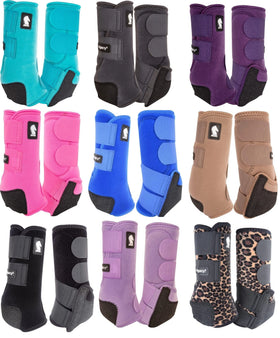

How to Get the Perfect Saddle Fit for You and Your Horse
A saddle is the most important piece of equipment connecting you and your horse, so getting the fit right is non-negotiable. An ill-fitting saddle can cause soreness for your horse and put you in an unbalanced position. Finding the perfect match means taking a few key measurements for both your horse’s unique shape and your own body. This ensures every ride is safe and comfortable. Let’s walk through the three most important steps to finding that perfect fit.
Why Consulting a Professional Fitter Is a Smart Move
Even with all this information, nothing beats having an expert look at your horse in person. A professional saddle fitter does more than just measure; they assess your horse’s conformation, movement, and any unique sensitivities while also evaluating your balance in the saddle. This step is non-negotiable because a poorly fitting saddle tree can cause pain, pressure points, and long-term back issues for your horse. A fitter ensures your investment in a quality saddle is a wise one, helping you understand how different components and even saddle pads will work for your specific team. Think of them as a personal shopper who guarantees comfort and safety for your four-legged partner, making sure the connection you share is supported by the right equipment.
How to Measure Your Horse for Gullet Size
First, let's focus on your horse. The gullet is the channel on the saddle's underside, and its width is critical. It sits over your horse's withers, and if it's too narrow, it will pinch and cause pain. If it's too wide, the saddle will sit too low and put pressure on the spine. A correct fit ensures the saddle doesn't restrict your horse's shoulder movement, which is essential for their comfort and performance. To find the right size, you can create a wither tracing or use a specialized tool. This simple step is the foundation for a happy horse, so it's worth taking the time to get it right.
Checking Tree Point Placement
Once you've confirmed the gullet width, check the tree points. These are the two points at the very front of the saddle's internal frame. When you place the saddle on your horse's back, the tree points should sit comfortably behind the shoulder blade, not on top of it. This is a critical detail when selecting any piece of horse tack, as it ensures the shoulder has complete freedom to move. If the saddle is the wrong width or shape, the tree points won't sit correctly, leading to pinching and restricted movement. Gently slide your hand under the front of the saddle to feel for any pressure on the shoulder as you check the fit.
Assessing Saddle Length
The length of the saddle is just as important as its width. A saddle that is too long will extend past your horse's last rib and put pressure on the sensitive loin area. To check this, find your horse's last rib and trace it upwards toward the spine. The back edge of the saddle, or the skirt, should not go past this point. As fitting experts at Sheepham Saddles explain, a saddle that's too long can cause significant pain and even lead to long-term back problems. Ensuring the saddle's weight is distributed only over the supportive structures of the back protects your horse and keeps them comfortable on every ride.
Finding Your Correct Western Saddle Seat Size
Now it’s your turn. The saddle seat needs to fit you comfortably to help you maintain balance and security. Western saddle seats are measured in inches, from the base of the horn to the top of the cantle. A good rule of thumb is to sit in the saddle and check the spacing in front of you; you should be able to fit about two to four fingers between your body and the swell. Too much space means the seat is too big, causing you to slide around. Too little means it’s too small, which can be uncomfortable and restrictive. Finding your ideal size makes all our horse tack feel like it was made just for you.
Is Your Saddle Balanced Correctly on Your Horse?
Finally, consider the saddle's overall balance on your horse’s back. A well-balanced saddle distributes your weight evenly, preventing pressure points that can cause soreness. When you place the saddle on your horse without a pad, it should sit level and make even contact along the bars. It shouldn't rock back and forth or have a gap in the middle (called "bridging"). This even distribution is crucial for your horse’s comfort and your stability in the seat. A balanced saddle is a key part of saddle selection that protects your horse’s back on every ride.
Identifying a Tipped or Bridging Saddle
Even with the right gullet and seat size, a saddle can still fit poorly if it's not balanced. Two common issues are tipping and bridging. A "tipped" saddle is one that lifts at the back, concentrating all the rider's weight onto the horse's shoulders. You can spot this if the cantle rises when you press down on the pommel. Bridging is the opposite issue. It happens when the saddle only makes contact at the front and back, creating a gap—or a "bridge"—over the middle of your horse's back. This creates painful pressure points at both ends instead of distributing weight evenly. To check for these problems, place the saddle directly on your horse's back without a pad. It should sit level and maintain even contact from front to back. Ensuring a balanced fit is a critical step in choosing the right horse tack to keep your partner comfortable and happy.
Top Western Saddle Brands to Consider
When you’re investing in a saddle, you’re also investing in the brand behind it. Choosing a trusted manufacturer is one of the best ways to ensure you’re getting a quality product built with care. Reputable brands have spent years, sometimes decades, earning the trust of riders by consistently producing reliable, comfortable, and durable saddles. They understand the nuances of equine anatomy and rider biomechanics, and that expertise is reflected in their construction and materials.
While a brand name isn't everything, it’s a strong indicator of what you can expect. A well-known brand often comes with better customer support, warranties, and a higher resale value if you ever decide to sell your saddle down the road. Exploring different brands helps you understand the options available, from traditional, handcrafted leather saddles to innovative synthetic models. We carry a wide variety of horse tack from brands that equestrians know and love. Below are a few standout names that have built a solid reputation in the Western riding community for their commitment to quality and performance.
Circle Y: A Legacy in Leather
Circle Y is a name that frequently comes up in conversations about top-tier Western saddles, and for good reason. The brand is known for its exceptional craftsmanship and dedication to creating saddles that are as comfortable for the horse as they are for the rider. They offer a huge range of styles, so whether you’re a trail rider, a reiner, or a show competitor, you can likely find a Circle Y saddle designed for your discipline. They are particularly praised for their innovative designs, like the Flex2 tree, which provides more freedom of movement for the horse. A Circle Y saddle is a significant investment, but it’s one that is built to last for years of serious riding.
Silver Royal: Style Meets Affordability
If you’re looking for a saddle that combines solid performance with a touch of style, Silver Royal is a brand worth checking out. They are recognized for producing quality saddles that often feature beautiful, intricate tooling and silver accents, making them a popular choice for the show ring. But they aren't just about looks. Silver Royal saddles are built on sturdy trees and made with durable materials designed to handle regular use. This brand strikes a great balance between eye-catching aesthetics and the practical functionality you need for training and competition. They offer a variety of styles, ensuring you can find a saddle that feels good and looks sharp.
Wintec: The Synthetic Saddle Innovator
Wintec has made a name for itself by creating innovative synthetic saddles that offer a fantastic alternative to traditional leather. If you prioritize lightweight gear and easy maintenance, Wintec is an excellent choice. Their saddles are incredibly simple to care for; you can just wipe them clean with a damp cloth. They are also known for comfort and adjustability, featuring systems that allow you to customize the fit for your horse’s specific shape. This makes them a practical option for riders with young, growing horses or those who ride multiple different horses. Wintec proves that you don’t need leather to have a comfortable, well-balanced, and reliable saddle for everyday riding.
Abetta: Durable and Lightweight Performance
Abetta saddles are a favorite among trail riders and those looking for a dependable, no-fuss saddle that won’t break the bank. Known for their affordability and comfort, Abetta makes getting into the saddle accessible for everyone from beginners to seasoned equestrians. Their saddles are crafted from rugged synthetic materials, making them incredibly lightweight and easy to handle, which is a huge plus when you’re tacking up or lifting the saddle onto your horse. Despite their lower price point, these saddles are built to be durable and withstand the demands of frequent trail riding. For a comfortable, practical, and budget-friendly option, Abetta is hard to beat.
What to Budget for a Western Saddle
A new western saddle is one of the most important investments you'll make for yourself and your horse. The price tag can seem intimidating, but understanding what goes into it helps you find the perfect balance between quality and cost. Setting a realistic budget is the first step toward finding a saddle that will provide years of comfort and security in the stirrups. Think of it as a long-term purchase that directly impacts your riding experience and your horse's well-being.
How Much Does a New Western Saddle Cost?
Western saddle prices can range from a few hundred dollars for a basic synthetic model to well over $10,000 for a custom, hand-tooled show saddle. For a quality, durable leather saddle from a reputable brand, you can generally expect to spend between $1,500 and $4,000. While entry-level saddles can get you started, investing a bit more often means better materials and construction that will last longer and provide a better fit. The key is to find the best saddle you can afford, as a well-made saddle is crucial for safety and your horse's comfort on the trail or in the arena.
What Affects a Saddle's Price?
Several key factors determine a saddle's price tag. The brand's reputation plays a big role, as established names often use superior materials and time-tested construction methods. The quality of the leather is another major factor; premium American skirting leather costs more but offers greater durability and a better feel. The saddle tree, or the foundation of the saddle, also impacts the price. A traditional rawhide-covered wood tree is often more expensive than a synthetic one but is prized for its strength and flexibility. Finally, intricate details like hand-tooling and silver accents add to the cost, reflecting the hours of skilled craftsmanship involved in creating a beautiful piece of horse tack.
How to Find a Great Deal
Finding a great deal on a new saddle is possible with a little patience and smart shopping. Keep an eye out for seasonal sales and holiday promotions, as many retailers offer significant discounts during these times. You can often find last year's models at a reduced price as shops make room for new inventory. Don't be afraid to check clearance sections, where you might find a high-quality saddle with minor cosmetic blemishes for a fraction of the original price. Signing up for email newsletters from your favorite tack suppliers is another great way to get early access to sales and exclusive offers, ensuring you never miss a chance to save.
Looking for Sales and Discounts
Everyone loves a good deal, especially on a big purchase like a saddle. Many retailers offer sales with significant discounts, sometimes offering deep price cuts on their saddles. It's also common to find special promotions, where some shops will provide a code for a specific dollar amount off an in-stock saddle. Keeping an eye out for these offers can make a high-quality saddle much more affordable. Check websites regularly, sign up for newsletters, and don't be shy about looking for a promo code before you check out. These small steps can lead to big savings on the perfect saddle for you and your horse.
Understanding Warranties and Satisfaction Guarantees
When you're making a big investment, you want to know the company has your back. Look for retailers that offer a strong satisfaction guarantee. Many reputable shops promise customer happiness, while others provide a 30-day money-back guarantee with easy returns. This is a principle we live by at Hooves and Paws. We stand behind our handpicked products with an unmatched 365-day satisfaction guarantee because we've spent over 30 years building trust with our customers. It's our way of ensuring you can shop with complete peace of mind, knowing we're as committed to your animal's well-being as you are.
Your Western Saddle Buying Checklist
You’ve done the research, and now it’s time to make a choice. This final checklist will help you feel confident you’re picking the perfect saddle. Running through these four points ensures you’re getting equipment that will serve you and your horse well for years.
Double-Check the Fit on Your Horse
Nothing is more important than a proper fit. An ill-fitting saddle can cause your horse pain, discomfort, and even behavioral problems. Double-check your horse’s measurements, especially the gullet size, to ensure the saddle sits level and distributes weight evenly without pinching. A good fit prevents soreness and makes every ride safer and more enjoyable. Remember to also find a seat size that is comfortable for you, as your balance and security directly impact your horse’s comfort and performance.
Ensure the Saddle Suits Your Discipline
Western saddles are specialized tools. A roping saddle is built for durability and quick dismounts, while a trail saddle is designed for hours of comfort. Think about the main type of riding you do. Choosing a saddle that supports your specific discipline makes a huge difference in your performance and your horse’s happiness. The right design provides the security you need and allows your horse to move freely, making every ride better for both of you.
Inspect the Materials and Craftsmanship
A well-made saddle is a long-term investment in your riding journey. Look for quality materials like full-grain leather and a solid, well-constructed tree, as these are the backbone of a durable saddle. Inspect the stitching and the finish; good craftsmanship is a clear sign of quality. While premium horse tack might cost more initially, its longevity and the comfort it provides make it a smart choice. A quality saddle holds up to regular use and keeps your horse happy.
Work Within Your Budget
Saddles come with a wide range of price tags, so it’s wise to set a budget before you start shopping. While everyone loves a good deal, try to focus on getting the best value, not just the lowest price. A cheap saddle that fits poorly or falls apart quickly is no bargain in the long run. View this purchase as an investment in your horse’s health, your safety, and your shared enjoyment of riding. A realistic budget helps you find a quality saddle that fits well and is built to last.
How to Care for Your New Leather Horse Saddle
A new leather saddle is a big investment, and with the right care, it can last a lifetime. Just like a good pair of leather boots, your saddle needs regular attention to stay supple, strong, and comfortable for both you and your horse. Setting up a simple care routine from day one will protect its quality and appearance for countless rides to come. Think of it as a way to honor the craftsmanship and prepare for all the adventures you'll have together.
The Basics of Cleaning and Conditioning Leather
The key to long-lasting leather is keeping it clean and moisturized. After each ride, take a moment to wipe your saddle down with a soft, dry cloth to remove surface dust and sweat. This simple step prevents grime from working its way into the leather and stitching. For a deeper clean, use a product specifically made for saddles, like saddle soap. It gently lifts dirt without stripping the leather’s essential oils. Always follow up with a quality leather conditioner to restore moisture and flexibility. This prevents the leather from drying out and cracking over time, keeping your saddle in top shape.
How to Properly Store Your Saddle
Where you keep your saddle when you’re not riding is just as important as how you clean it. Always store it in a cool, dry place away from direct sunlight, as UV rays can fade and weaken the leather. A climate-controlled tack room is ideal. To help your saddle maintain its shape, rest it on a dedicated saddle rack rather than placing it on the floor or an uneven surface. This prevents pressure points and helps the panels air out evenly. For extra protection against dust and scratches, especially during long-term storage, a breathable saddle cover is a great idea.
Must-Have Accessories for Your Western Saddle
Having the right tools on hand makes saddle care much easier. Start building a small kit with a few essential saddle care products. You’ll want a soft tack sponge or cloth for applying cleaners, a high-quality saddle soap that won’t dry out the leather, and a nourishing leather conditioner. Using products designed specifically for horse tack ensures you’re giving your saddle exactly what it needs to stay strong and supple. Keeping these items together in your tack room means you’ll always be ready to give your saddle a quick wipe-down or a more thorough conditioning treatment.
Cinches and Girths
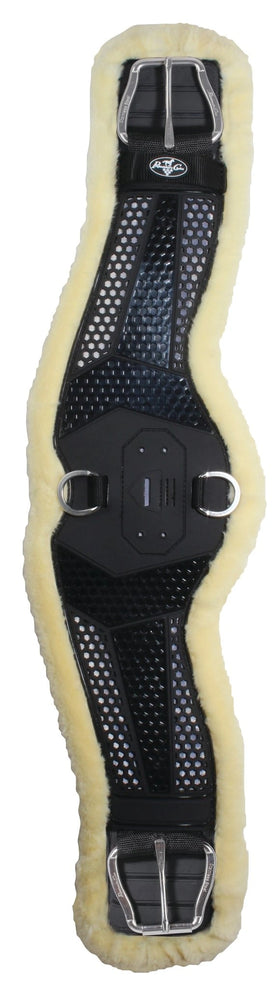
A quality cinch is a non-negotiable accessory for your Western saddle. It’s the primary piece of equipment that holds your saddle securely in place, connecting to the rigging on both sides. The right cinch ensures the saddle remains stable without causing discomfort or restricting your horse’s breathing. Materials like mohair, fleece, and neoprene are popular choices because they offer breathability and prevent chafing, keeping your horse comfortable even on long rides. When selecting a cinch, consider both its material and its shape to ensure it provides a secure, comfortable fit that complements your saddle and keeps you both safe.
Breast Collars
A breast collar is an essential piece of horse tack that provides an extra layer of security by preventing your saddle from slipping backward. This is especially important when riding over varied terrain with steep inclines or during disciplines that involve quick stops and turns. For trail riders who need their saddle to remain stable for hours, a breast collar is a must-have. It attaches to the D-rings on your saddle and fits across the horse's chest, ensuring everything stays exactly where it should. They come in a variety of styles, from simple, functional leather to elaborately tooled designs that add a touch of personal flair to your setup.
Saddle Fenders
Saddle fenders are the wide pieces of leather that hang down on either side of the saddle, connecting the seat to the stirrups. Their main job is to protect your legs from your horse's sweat and the friction of the stirrup leathers, preventing chafing and providing a more comfortable ride. The stirrups themselves are crucial for your stability and comfort. As many trail and endurance riders know, wider stirrups can help distribute your weight and reduce fatigue in your feet and ankles. Properly adjusted fenders and stirrups are key to maintaining a correct and balanced leg position, allowing for clear communication with your horse.
Related Articles
- Expert Guide to Western Saddle Parts for Riders 2026
- Saddlery Guide 2025: Expert Tips, Trends & Buying Advice
- English Saddle Guide: Choosing the Perfect Fit in 2025
- Dressage Saddle Guide 2025: Expert Tips for Perfect Fit
Frequently Asked Questions
How can I tell if a saddle truly fits my horse when I'm trying it out? The best way to check the fit is to place the saddle on your horse's back without a pad. It should sit level without tipping forward or backward. You should be able to slide two or three fingers between the gullet and your horse’s withers, ensuring there's enough clearance. The bars of the saddle should make even contact along your horse's back, without any gaps in the middle. A saddle that rocks, pinches, or creates obvious pressure spots is not the right fit.
Is buying a used saddle a good way to save money? A quality used saddle can be an excellent value, but you must inspect it thoroughly. The most critical part to check is the saddle tree. Place the saddle on a stand and gently try to flex the horn and cantle; any give, movement, or squeaking could mean the tree is broken. Also, look over the leather for deep cracks and check the stitching and rigging for serious wear. A well-maintained used saddle from a trusted brand is often a much better choice than a cheaply made new one.
What are the main pros and cons of synthetic versus leather saddles? The biggest differences are weight, maintenance, and feel. Synthetic saddles are significantly lighter and much easier to clean, which makes them a great choice for trail riding or for anyone who struggles to lift a heavy saddle. Leather saddles are the traditional option, prized for their longevity and the way they conform to the rider over time. While they require consistent cleaning and conditioning, many riders prefer the classic look and close-contact feel that only a quality leather saddle can offer.
Can a special saddle pad make up for a saddle that doesn't fit perfectly? This is a common misconception, but a saddle pad cannot fix a poor saddle fit. A pad’s job is to provide cushion and absorb sweat, not to correct structural issues. In fact, using thick pads to try and fill gaps or lift a pinching saddle can create new pressure points and make your horse even more uncomfortable. Your top priority should always be finding a saddle with a tree that properly fits your horse’s back; the pad is just the final layer of comfort.
My new leather saddle feels really stiff. What's the best way to break it in? A new leather saddle will naturally feel stiff, but it will soften and become more comfortable with time. The best way to break it in is simply to ride in it often. The movement and warmth from riding will help the leather mold to you and your horse. You can speed up the process by applying a good leather conditioner, focusing on areas like the fenders and stirrup leathers to improve their flexibility. A little patience goes a long way, as a good saddle only gets better with age.


