


With so many brands on the market, choosing the right pair of women's English riding boots can feel overwhelming. You want something comfortable, durable, and suited to your riding style, but where do you start? With over 30 years in the business, we’ve seen which brands consistently deliver on their promises of quality and performance. We’ve fitted countless riders and heard their feedback, giving us a unique insight into what truly works. To make your search easier, we’ve put together this guide to share what we’ve learned, from finding the perfect fit to caring for your investment for years to come.
Key Takeaways
- Prioritize a proper fit over aesthetics: A boot that fits correctly provides essential safety and support. Always measure your foot and calf carefully before buying, and remember that new leather boots should feel snug, as they will stretch and soften with wear.
- Select a boot style designed for your discipline: Your riding style determines the best boot for you, so choose flexible field boots for jumping, rigid dress boots for dressage, or versatile paddock boots with half chaps for lessons and everyday riding.
- Establish a simple care routine: Protect your investment by making boot care a habit. Wiping boots down after each ride, conditioning the leather regularly, and using boot trees for storage will significantly extend their life and maintain their appearance.
What Are the Different Types of Women's English Riding Boots?
Choosing the right riding boot can feel like a big decision, but it really comes down to your riding style and what feels most comfortable for you. English riding boots generally fall into two main categories: short paddock boots and classic tall boots. From there, the styles get more specific to suit different disciplines, from the hunter ring to the dressage court. Whether you're just starting lessons or preparing for your next show, understanding the key differences will help you find the perfect pair to support you in the saddle. Let's walk through the most common types so you can step into your stirrups with confidence.
Paddock Boots
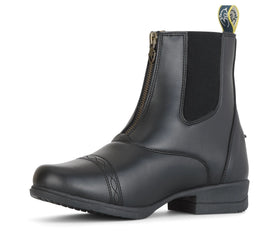
Paddock boots are the ankle-high workhorses of the riding world. You’ll see them on everyone from first-time lesson students to seasoned professionals doing daily chores around the barn. Because they stop at the ankle, they are much easier to fit than tall boots, since you don’t have to worry about calf width or height. They typically come in black or brown leather and synthetic options, often with a zipper or lace-up front. For riding, most people pair them with half chaps to get the grip and protection of a tall boot with the comfort and versatility of a short one. They are a fantastic, practical choice for everyday riding and schooling.
Tall Boots
Tall boots are the elegant, knee-high boots you probably picture when you think of English riding. They create a long, traditional silhouette and provide excellent support for your leg, helping you maintain a stable position in the saddle. This category is the standard for the show ring and includes a few distinct styles tailored for specific disciplines, which we'll cover next. Getting the right fit is crucial with tall boots; they should be snug through the calf and tall enough that they don't rub behind your knee once they drop and break in. A well-fitted pair of tall boots is a key piece of horse tack that can make a world of difference in your ride.
Field Boots
If you look closely at a pair of field boots, you’ll notice laces at the ankle. This is their defining feature, and it’s not just for show. The laces provide extra flexibility through the instep, allowing the rider to sink their heels down comfortably. This makes them the top choice for jumping disciplines like hunter/jumper and eventing, where a shorter stirrup length and deep heel are essential for balance over fences. Field boots are designed with a contoured fit through the calf to flatter the leg and offer a close contact feel against the horse. They give you that classic show-ring look while providing the function you need to perform your best.
Dressage Boots
Dressage boots are the epitome of formal riding attire. Unlike field boots, they have no laces at the ankle, presenting a sleek, seamless profile. They are intentionally much stiffer, often with reinforcement on the outside of the calf, to encourage a long, still leg position required in dressage. This rigidity helps riders give subtle cues to the horse. Many feature a high "Spanish topline," which is a cut that extends higher on the outside of the knee to create the illusion of a longer leg. While their stiffness means they can take longer to break in, the support they provide is unmatched for dressage riders.
Winter Riding Boots
For those of us who ride year-round in chilly climates, winter riding boots are a game-changer. Designed to keep your feet warm and dry, these boots are typically insulated and waterproof without adding too much bulk that would interfere with your feel in the stirrup. You can find them in both paddock and tall boot styles, so you don’t have to sacrifice your preferred fit for warmth. Investing in a good pair of winter boots means you can focus on your ride instead of your frozen toes, making those cold-weather barn days much more enjoyable and productive.
What Features Should You Look for in Riding Boots?
Finding the right pair of riding boots goes far beyond just picking a style you like. The best boots blend form and function, providing the comfort, support, and safety you need to feel confident in and out of the saddle. Think of them as a critical piece of equipment, just like your helmet or saddle. The right features can make a world of difference in your ride, helping you maintain the correct leg position and protecting you from the elements. When you’re shopping, it’s easy to get caught up in the look of a boot, but focusing on the details will ensure you make an investment that lasts for years. Let’s walk through the key features to keep an eye on so you can choose a pair that feels like it was made just for you.
Prioritize Comfort and Fit
Above all else, your riding boots must be comfortable. An ill-fitting boot can lead to painful blisters, sore feet, and an unstable leg position, which is the last thing you want to worry about when you’re riding. A proper fit means the boot is snug around your foot and ankle without pinching or rubbing. For many riders, especially beginners, ankle-high paddock boots are a great starting point. They are generally easier to fit than tall boots since you don’t have to worry about calf measurements, making the shopping process much simpler. When trying on any boot, wear the type of socks you’d normally ride in and try to shop later in the day when your feet are slightly swollen for the most accurate fit.
Look for Support and Stability
A good riding boot does more than just cover your foot; it provides essential support for your entire leg. Look for boots with a well-constructed sole and a defined heel to help keep your foot secure in the stirrup. Some modern designs even feature soles specifically engineered to stabilize your foot, giving you a more secure base of support while you ride. A sturdy shank, which is a supportive piece between the insole and outsole, can also reduce foot fatigue during long hours at the barn. This structural support helps you maintain a correct heels-down position and promotes better overall posture in the saddle, allowing you to focus on your connection with your horse.
Consider Weather Resistance
Your love for riding doesn’t stop when the weather turns, and your boots shouldn’t either. Whether you’re dealing with muddy paddocks, surprise rain showers, or chilly winter mornings, having a boot that can handle the elements is a must. Many boots are designed to be waterproof or water-resistant, keeping your feet dry and comfortable no matter the conditions. For cold-weather riding, look for insulated options that provide extra warmth without adding too much bulk. On the other hand, if you ride in a hot climate, a boot made from breathable materials will help keep your feet cool. Thinking about the typical weather in your area will help you choose a practical and comfortable pair.
Check for Durable Materials
Riding boots are an investment, so you want to choose a pair made from high-quality, durable materials that can withstand the rigors of barn life. Full-grain leather is a classic choice known for its longevity, comfort, and ability to mold to your foot over time. However, modern synthetic materials can also be an excellent option, offering durability and easier care at a more accessible price point. When inspecting a boot, pay attention to the details. Strong, even stitching and sturdy zippers are good indicators of quality construction. Choosing a boot from our collection of horse tack ensures you're getting a product built to last.
Don't Forget Safety Features
While style and comfort are important, safety is paramount. Riding boots are a crucial piece of safety equipment designed to protect you. The most important safety feature is a heel of about one to one-and-a-half inches. This heel prevents your foot from accidentally slipping all the way through the stirrup, which can be incredibly dangerous. Additionally, a riding boot should have a smooth or lightly textured sole that won’t get caught in the stirrup in the event of a fall. Some styles, like field boots, have laces at the ankle that offer flexibility, making it easier to achieve a secure heels-down position, which is another key element of safe riding.
Shop This Post

Featured in this article
Shires Moretta Clio Plus Paddock Boots - Black, Lace-Up Equestrian, Gently Used
$29.99
Shop Now →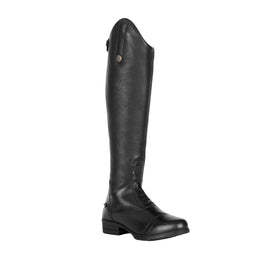
Our Favorite English Riding Boot Brands
With so many brands on the market, choosing the right pair of riding boots can feel like a big decision. You want something that’s comfortable, durable, and fits your riding style, but where do you even start? Over our 30 years in the business, we’ve seen which brands consistently deliver on their promises of quality and performance. We’ve fitted countless riders and heard their feedback, giving us a unique insight into what truly works in and out of the saddle.
To make your search easier, we’ve put together a list of our favorite English riding boot brands. These are the names we trust and recommend to our own family and friends. Each one has a reputation for excellent craftsmanship and a deep understanding of what equestrians need. Whether you’re a competitive rider looking for a polished show boot or a casual enthusiast who needs a sturdy pair for daily chores and lessons, you’ll find a reliable option here. Think of this as your expert-approved shortlist for finding the perfect boots.
Hooves and Paws Top Picks
At Hooves and Paws, we don’t just sell products; we stand behind them. Our top picks are the brands that have earned our trust through years of consistent quality and positive customer feedback. We select boots that offer the best combination of comfort, durability, and value, ensuring you get a product that lasts. Our curated collection of horse tack reflects our commitment to excellence. When you choose from our recommended brands, you can feel confident you’re investing in gear that’s built to perform and support you through every ride.
Ariat
Ariat is a powerhouse in the equestrian world, and for good reason. They are known for their innovative technology, which brings athletic-shoe comfort to riding boots. Ariat offers a huge selection of women's English riding boots, from performance boots designed for the show ring to more casual styles for everyday wear. With options ranging from their accessible Scout Paddock Boot to the premium Ravello Dress Boot, they have something for nearly every budget and need. Their commitment to quality craftsmanship makes them a go-to for riders at all levels.
Dublin
Dublin is a brand that riders have trusted for years to deliver practical, stylish, and comfortable footwear. They are known for creating boots that hold up to the demands of daily life at the barn while still looking sharp. Dublin boots are often praised for their comfortable fit right out of the box, requiring minimal break-in time. Whether you need a reliable pair of paddock boots for lessons or a sleek pair of tall boots for local shows, Dublin offers quality options that blend classic equestrian style with modern comfort and durability.
Mountain Horse
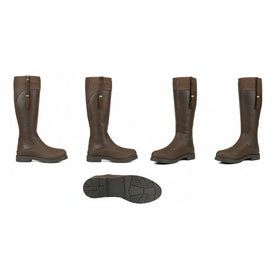
If you’re looking for boots that can handle anything, Mountain Horse is a fantastic choice. This brand is celebrated for its rugged, durable designs that are built to withstand tough conditions. Many of their boots feature excellent insulation and waterproof materials, making them a favorite among riders who don’t let cold or wet weather stop them. Mountain Horse successfully combines robust functionality with a polished, professional look, offering some of the best all-season boots on the market. They are a top choice for riders who need their gear to work as hard as they do.
TuffRider
TuffRider is a go-to brand for riders seeking quality and durability on a budget. They specialize in creating reliable, no-fuss equestrian gear that offers incredible value. Their boots are perfect for beginner riders, those in weekly lesson programs, or anyone who needs a sturdy, workhorse pair for daily schooling without a hefty price tag. While they may not have all the bells and whistles of premium brands, TuffRider boots are known for their solid construction and comfortable fit, making them a smart and practical choice for many equestrians.
Ovation
Ovation is all about combining performance with style. This brand is known for creating women's equestrian footwear that feels as good as it looks, with a focus on rider comfort. Ovation boots often feature high-quality materials and thoughtful design details that enhance the riding experience. They offer a great range of options, from field boots with classic styling to comfortable paddock boots perfect for long days at the barn. If you’re looking for a boot that provides both a polished appearance and all-day comfort, Ovation is a brand worth exploring.
How Much Do English Riding Boots Cost?
Figuring out your budget is one of the first steps in finding the perfect pair of riding boots. The cost can vary quite a bit depending on the brand, materials, and features you choose. To make it easier, here’s a simple breakdown of what you can expect to spend on your next pair.
Budget-Friendly Options ($50-$150)
If you're just starting your riding journey or need a reliable pair for occasional use, this is the perfect price range. These boots are typically made from durable synthetic materials that are easy to clean and maintain, which is a huge plus. They offer the essential safety features, like a proper heel, and the support you need without a major investment. This makes them a smart and practical choice for new equestrians, growing kids, or anyone who wants a low-maintenance backup pair.
Mid-Range Boots ($150-$300)
For the dedicated rider, mid-range boots offer a fantastic balance of quality and value. In this category, you’ll find boots made from genuine leather that mold to your leg for a more customized and comfortable fit over time. They provide enhanced comfort and durability for regular schooling and are polished enough for local shows. Many popular women's English riding boots from trusted brands fall into this price point, giving you plenty of great options to choose from.
Premium Boots ($300-$800+)
When performance and presentation are top priorities, premium boots are a worthy investment. These boots are crafted from high-end, full-grain leathers and often feature advanced comfort technology and elegant, show-ring-ready designs. They are built to withstand the demands of intense training and competition, offering a superior fit and feel that serious riders will appreciate for years to come. Think of them as a long-term partner for your equestrian goals.
Where to Find the Best Deals
Everyone loves a good deal, and you can find great prices on quality boots if you know where to look. Keep an eye out for seasonal sales, especially at the end of a show season, and always check the clearance section of your favorite online tack shop. Signing up for email newsletters is another great way to get alerts on promotions. You can often find best-selling products at a discount, so it pays to stay in the loop and snag a great pair for less.
Shop our full range of women's English riding boots to find a pair that supports your performance in and out of the arena.
How to Find the Perfect Fit
Finding a riding boot that fits like a glove is about more than just comfort; it’s a matter of safety and performance. A boot that’s too loose can cause chafing and won’t give you the stability you need, while one that’s too tight can be painful and restrictive. The goal is a snug, secure fit that feels like a second skin. Taking the time to measure correctly and understand the break-in process will ensure you end up with a pair of boots you’ll love for years to come.
How to Measure Your Feet and Calves
To get the most accurate measurements, grab a flexible measuring tape and put on the breeches and socks you normally wear for riding. It’s best to measure later in the day when your feet and legs are slightly swollen. For your foot size, trace your foot on a piece of paper and measure from your heel to your longest toe. For boot height, sit in a chair with your knees bent at a 90-degree angle and measure from the floor to the crease behind your knee. For calf width, stay seated and measure around the widest part of your calf. Taking these precise measurements is key, as finding a perfect off-the-shelf fit can be tricky. Your boots are a key piece of your horse tack, so getting the size right is essential.
Choose the Right Boot Width
The width of the boot’s shaft is just as important as the foot size. Most brands offer several calf widths, from slim to extra-wide, so you can find a match for your measurements. A properly fitted boot should be snug around your calf without pinching or feeling restrictive. If you can easily fit your whole hand down the side, they’re too loose. Keep in mind that different boot styles offer varying levels of flexibility. For example, field boots have laces at the ankle, which allow for more give and help you achieve that correct heels-down position needed for jumping. This design provides a bit more wiggle room for fit compared to stiffer dressage boots.
What to Expect When Breaking in Your Boots
New leather boots, especially tall boots, will feel stiff at first, and that’s completely normal. The break-in period is a necessary step to mold the leather to your unique shape. When you first try them on, they should feel very snug, but not painfully tight. They will also feel a bit too tall and may dig into the back of your knee. Don’t worry, as you wear them, the ankle will crease and the boot will "drop" by an inch or more. To ease the process, wear them around the house for short periods. If you need help, our team has decades of expertise in helping riders find the perfect gear. Remember, if you're looking for a boot that will look great in the show ring, you'll want to choose a pair of tall boots that, once broken in, fit perfectly.
Find the Right Boot for Your Discipline
The type of riding you do plays a huge role in choosing the right boot. Each discipline requires a slightly different position in the saddle, and your boots are designed to support that. A dressage rider needs a long, stable leg, while a jumper needs flexibility in their ankle to sink into their heels over a fence. It might seem like a small detail, but the right boot can make a big difference in your comfort and performance. Let's break down which boot styles work best for the most common English disciplines, so you can find the perfect match for your horse tack and riding goals.
Boots for Hunter/Jumper
If you spend your time in the hunter or jumper ring, field boots are your best friend. You can spot them by the laces over the instep. This isn't just for looks; the lacing system gives your ankle the flexibility it needs to maintain a correct heels-down position, especially when you shorten your stirrups for jumping. This design allows for a deep, secure seat while you're navigating a course. Field boots offer that classic, polished look for the show ring while providing the functional support and freedom of movement you need to perform your best.
Boots for Dressage
For the precision and elegance of dressage, you’ll want a pair of dress boots. Unlike field boots, they don’t have laces and are much more rigid in their construction. This stiffness is intentional, as it helps support a long, straight leg position, which is essential for giving subtle aids to your horse. Dress boots often feature a high Spanish topline to create a beautiful, elongated look. While they take a bit more time to break in, their formal appearance and supportive structure make them the perfect choice for the dressage court.
Boots for Eventing
Eventers need a boot that can handle it all: the elegance of dressage, the endurance of cross-country, and the precision of show jumping. Because of this, most event riders choose field boots. Their versatility is unmatched, offering the polished look required for the dressage phase and the ankle flexibility needed for the jumping phases. While some upper-level riders might have a separate pair of dress boots for dressage, a well-fitting pair of field boots is the go-to for its all-around performance and ability to transition seamlessly between the three phases of eventing.
Boots for Casual Riding
For everyday schooling, lessons, or trail rides, paddock boots are a fantastic and practical choice. These ankle-high boots are comfortable, easy to fit, and perfect for working around the barn. Most riders pair them with half chaps, which zip up over the calf to provide the grip and leg protection of a tall boot without the more restrictive fit. This combination gives you great flexibility and comfort, making it ideal for riders of all levels, from beginners to professionals who want a reliable boot for daily use.
Understand Return and Exchange Policies
Buying riding boots online can feel like a bit of a gamble, especially when it comes to getting that perfect, glove-like fit. That's why a clear and fair return policy isn't just a nice-to-have; it's a must. Before you click "add to cart" on that beautiful pair you've been eyeing, take a few minutes to read through the retailer's policies on returns and exchanges. This simple step can save you a lot of headaches and potential disappointment later on. A good policy gives you the confidence to purchase, knowing you have options if the boots don't work out for any reason. It shows that the company stands behind its products and genuinely cares about your satisfaction. Think of it as your safety net, ensuring you end up with a pair of boots you truly love and feel great riding in.
Check the Return Window
Most online stores give you a specific timeframe to send back a purchase, usually around 30 days. This window is your chance to try on the boots at home (on a clean, carpeted surface, of course!) and make sure they fit correctly and feel comfortable. Mark the last day for a return on your calendar so you don't miss it. Life gets busy, and it's easy to forget. Knowing you have a few weeks to make a final decision takes the pressure off and lets you be certain about your investment before committing.
Ask About Sizing Guarantees
Getting the size right is the biggest challenge when buying boots online. A proper fit is essential for both comfort and performance in the saddle. Look for retailers that offer resources to help you succeed. Many provide detailed sizing charts and guides on how to measure your feet and calves accurately. Taking the time to follow these instructions can dramatically reduce the chances of needing a return. Some shops might not offer a formal "guarantee," but their commitment to helping you find the right size speaks volumes about their customer service.
What to Look for in a Good Policy
A great return policy is about more than just getting your money back. Look for perks like free return shipping, which saves you from paying extra if the boots aren't right. A simple, straightforward exchange process is also key, making it easy to swap for a different size. Here at Hooves and Paws, we want you to be completely happy with your purchase, which is why we offer a 365-day satisfaction guarantee. We also provide free shipping across the continental U.S. with no minimums, so you can shop for your next piece of horse tack with total peace of mind.
Common Mistakes to Avoid When Buying Boots
Finding the perfect pair of riding boots can feel like a quest, but it doesn't have to be complicated. A great pair will be your trusted partner in the saddle for years to come. To help you make a smart investment, let's walk through some common missteps riders make when shopping for boots. Avoiding these will save you from discomfort, disappointment, and a trip to the returns counter.
Choosing Style Over Function
It’s easy to get swept away by a sleek, polished boot that looks incredible online. But if it doesn’t support you correctly in the saddle, it’s not the right boot for you. Function should always come first. Think about what you need your boots to do. If you’re competing, you’ll want a pair of tall boots that look sharp in the show ring. For daily schooling, however, comfort and durability are your top priorities. The good news is you don’t have to sacrifice style. Many modern horse riding boots are designed to offer both performance and a polished look, so you can find a pair that works hard and looks great.
Ignoring How to Find a Proper Fit
This is probably the most common mistake of all. A boot that’s too tight will pinch and cause blisters, while one that’s too loose can lead to chafing and an unstable leg position. Don’t just guess your size, especially with tall boots. As we covered earlier, you need accurate foot, calf, and height measurements to get the fit right. Paddock boots are generally simpler to fit since you only need your foot size, but for tall boots, the calf measurement is crucial. Taking the time to measure correctly ensures your boots will feel like a second skin, providing the support you need without any painful distractions.
Forgetting Your Riding Discipline
The type of riding you do heavily influences the best boot for you. Each discipline has its own needs and traditions. For example, hunter/jumpers often prefer field boots with laces at the ankle for added flexibility over fences. Dressage riders typically opt for stiffer dress boots to encourage a long, still leg position. If you’re just starting out or enjoy trail riding, versatile paddock boots are an excellent choice. Before you add a pair to your cart, think about your primary discipline. Choosing a boot designed for your sport will not only help you perform better but also ensure you look the part.
Overlooking Boot Materials
The material of your boot affects everything from its break-in period to its longevity and maintenance routine. Traditional leather boots are a classic for a reason: they’re durable, breathable, and mold to your leg for a custom fit over time. However, they do require regular cleaning and conditioning. On the other hand, synthetic boots are often more affordable, waterproof, and easier to wipe clean, making them a fantastic option for everyday riding or mucking stalls. Consider your budget, climate, and how much time you want to dedicate to care when weighing your options. Both materials can be found in our collection of best-selling products.
How to Care for Your English Riding Boots
Your riding boots are an investment, and with the right care, they can last for years of lessons, shows, and trail rides. Think of it as part of your cool-down routine after a ride. Taking just a few minutes to clean and store your boots properly protects the leather, maintains their shape, and keeps them looking sharp. A little effort goes a long way in preserving their quality and comfort, ensuring they’re always ready for your next ride. Let’s walk through the simple steps for daily care, deep cleaning, and proper storage.
Your Daily Care Routine
After every ride, take a few minutes to wipe down your boots. Use a slightly damp cloth or sponge to remove any dirt, sweat, or manure before it has a chance to set in and damage the leather. This simple step is the single best thing you can do to extend the life of your boots. For any stubborn dirt, especially around the soles or zippers, a soft-bristled brush works wonders. Many riders find that a horse face brush is the perfect tool for the job. This quick clean-up prevents grime from building up and keeps the leather supple.
How to Deep Clean and Condition Your Boots
Every so often, your boots will need a more thorough cleaning. Start by wiping them down with water, then use a sponge with a gentle leather soap to work away any deep-seated dirt. Once they’re clean, it’s time to condition. Conditioning is key to moisturizing the leather and preventing it from drying out and cracking. You can use a 2-in-1 cleaner and conditioner for convenience or apply a dedicated leather conditioner after cleaning. Work the product into the leather with a soft cloth, paying extra attention to areas that crease, like the ankle.
How to Store Your Boots Correctly
How you store your boots is just as important as how you clean them. After cleaning and conditioning, let them air dry completely at room temperature. Never place them near a direct heat source like a radiator or fireplace, as this can make the leather brittle. To help your boots keep their tall, elegant shape, use boot trees. If you don’t have boot trees, stuffing them with newspaper works in a pinch. Store them upright in a cool, dry place, like a closet or a dedicated boot bag, to protect them from dust and moisture.
Where to Buy Your Next Pair of Riding Boots
Deciding where to buy your riding boots is just as important as choosing the boots themselves. Your two main options are online retailers and local tack shops, and each offers a distinct set of benefits. Understanding what to expect from both can help you make the best choice for your needs, budget, and shopping style. Whether you prefer the convenience of shopping from home or the hands-on experience of an in-person visit, there’s a perfect option waiting for you.
Online Retailers vs. Local Tack Shops
Online retailers offer an incredible selection and the convenience of shopping anytime, anywhere. Brands like Ariat provide a huge variety of performance and casual women's English riding boots, often with perks like free shipping. Similarly, Ovation Riding has a great collection of women's equestrian footwear designed for both comfort and style. On the other hand, nothing beats a local tack shop for trying on boots in person. Places like Dover Saddlery stress the importance of finding the perfect fit, and their staff can help you select riding boots that are just right for your discipline.
What to Expect from Each Shopping Experience
When you walk into a local shop like Mary's Tack & Feed, you get personalized advice from experienced staff who can explain what makes a good riding boot and guide you to the best choice for the show ring. In contrast, online stores like Riding Warehouse often feature competitive pricing and a massive inventory of women's English riding boots, making it easy to compare brands. To ease any worries about buying online, look for flexible return policies. Here at Hooves and Paws, we give you total peace of mind with our 365-day satisfaction guarantee on all our horse tack and apparel.
Related Articles
- The Ultimate Guide to Women's Equestrian Riding Boots
- 9 Best Equestrian Riding Boots: Our 2026 Picks
- English Riding Boots Guide | Hooves & Paws
- English Riding Boots 101: The Complete Guide
Frequently Asked Questions
I'm just starting lessons. Do I really need expensive tall boots? Not at all. For your first lessons, the best and most practical choice is a pair of paddock boots. These ankle-high boots are comfortable, easier to fit, and more affordable. When you pair them with half chaps, you get the same grip and leg protection as a tall boot. This combination is the go-to for daily riding for equestrians at all levels, so it's a smart investment you'll use for a long time.
What's the most important thing to look for when trying on tall boots? The most crucial element is a snug fit through the calf. The boots should feel like a firm hug on your leg, tight enough that you can just zip them up over your breeches and socks. Don't be alarmed if they feel a bit too tall at first and press into the back of your knee; as you wear them, the ankle will soften and crease, causing the boot to "drop" into the perfect height.
Can I wear the same boots for jumping and dressage? Yes, you absolutely can, especially when you're not competing at the highest levels. If you need one boot to do it all, a field boot is your most versatile option. The laces at the ankle provide the flexibility needed for jumping, while the boot still offers a polished and traditional look suitable for the dressage ring. It's the perfect all-around choice for riders who participate in multiple disciplines.
Are leather boots always better than synthetic ones? Not necessarily, it really depends on your needs and priorities. High-quality leather is fantastic because it breathes and molds to your leg for a custom fit, but it requires regular cleaning and conditioning. Modern synthetic boots, on the other hand, are often more budget-friendly, waterproof, and incredibly easy to wipe clean. They are a great, low-maintenance choice for daily riding or for anyone in a wet climate.
How can I make my new boots more comfortable during the break-in period? The key is to take it slow. Start by wearing your new boots around the house for short periods to help the leather begin to soften and mold to your feet and ankles. Wearing a thicker pair of socks can also help gently stretch the leather. The initial stiffness is completely normal and is actually a sign of quality construction that will eventually lead to a supportive, custom fit.


