


A well-fitting riding boot can make all the difference between a great ride and a frustrating one. When your boots fit perfectly, they provide the support you need without pinching or rubbing, allowing you to focus completely on your horse. But finding that ideal fit involves more than just your shoe size. You need to consider calf width, boot height, and the shape of your foot. This guide is your personal roadmap to finding boots that feel like they were made just for you. We’ll cover how to take accurate measurements at home, what to look for in different brands, and how to avoid common fitting mistakes. We’ll also explain why the design of women's riding boots with heel styles is so crucial for both safety and proper leg position.
Key Takeaways
- Focus on function first: The most important features of any riding boot are a one to one-and-a-half-inch heel and a smooth sole. This combination is essential for safety, as it keeps your foot from slipping through or getting stuck in the stirrup.
- Match the material and fit to your needs: Decide between durable leather that conforms to your leg over time and easy-care synthetics that offer a quicker break-in. Taking your own calf and foot measurements at home is the best way to ensure a supportive, comfortable fit from the start.
- Choose a style that supports your discipline: The right boot is designed for how you ride. Field boots provide ankle flexibility for jumping, dress boots offer a sleek profile for dressage, and Western boots deliver rugged security for trail or ranch work.
What Makes a Great Women's Riding Boot?
Finding the right pair of riding boots is about more than just style. A great boot is a critical piece of equipment that blends safety, durability, and a perfect fit to support you in the saddle. When you’re looking for your next pair, think of it as an investment in your comfort and performance. The best boots feel like a natural extension of your leg, giving you the stability and confidence you need for a great ride, every time. Let’s break down the three key elements that separate a good boot from a great one.
Safety First: Heel Height and Essential Features
Before we talk about anything else, let’s talk about safety. The most important safety feature of any riding boot is its heel. A proper heel, typically between one and one-and-a-half inches, is essential to prevent your foot from slipping through the stirrup. This single feature can make all the difference in keeping you secure. Beyond the heel, look for a boot with a smooth or lightly treaded sole that won’t get caught during a dismount. Choosing a boot designed for your specific proportions will give you the support and comfort you need to ride your best, so you never have to settle for a pair that’s “close enough.” It’s a key part of your essential horse tack.
Built to Last: Materials and Durability
Good riding boots are strong, comfortable, and well-made. The material your boot is made from plays a huge role in its longevity and performance. Quality leather is the traditional choice for a reason: it’s incredibly durable, breathes well, and molds to your leg over time for a custom-like fit that helps your riding and looks elegant. While full-grain leather is a top-tier choice, many modern boots also use high-quality synthetic materials. These can offer a shorter break-in period, easier care, and a more accessible price point without sacrificing performance. Whichever material you choose, pay attention to the construction, from the stitching to how the sole is attached.
Finding Your Fit: Comfort and Support
A great boot should feel as good as it looks. Your boots should be comfortable for long periods, lightweight, breathable, and supportive. When you try on a pair, it should feel snug through the calf and ankle without pinching or restricting movement. The ankle should be soft and flexible, allowing you to drop your heel and communicate clearly with your horse. A supportive footbed will also prevent fatigue, whether you’re in the saddle for hours or walking around the barn. With over 30 years of experience, we know that the right fit is personal, and our team is always here to help you find it. You can learn more about our commitment to quality and expertise on our About Us page.
Our Top Picks for Women's Riding Boots
Finding the perfect pair of riding boots can feel like a quest, but it doesn't have to be complicated. The right boot for you will depend on your riding discipline, personal style, and of course, your budget. Whether you're schooling in the arena, competing in the show ring, or hitting the trails, there's a boot out there that offers the right mix of safety, comfort, and durability. We've sorted through the options to bring you our top picks, covering everything from timeless classics to modern innovators, so you can spend less time searching and more time in the saddle.
Think of this as your starting point. We’ll walk through brands known for their classic performance, traditional English style, Italian luxury, and cutting-edge design. We also have a category for smart, budget-friendly buys that don't compromise on quality. Each of these brands brings something unique to the table, so you can find a boot that feels like it was made just for you. Our goal is to help you feel confident in your choice, knowing you've selected a boot that will support you through every ride. Let's find your next favorite pair from our collection of horse tack and apparel.
Ariat: Classic Heritage Meets Modern Performance
If you’ve spent any time around a barn, you’ve heard of Ariat. They have earned a stellar reputation for a reason. Ariat boots masterfully blend traditional equestrian craftsmanship with modern performance technology, creating a boot that is both beautiful and incredibly comfortable. They are a favorite among riders of all levels because they are built for durability and support, holding up to the demands of daily riding. Whether you need a reliable boot for schooling or a polished pair for show day, Ariat consistently delivers quality you can feel in and out of the saddle.
Dublin: For a Touch of Traditional English Style
For riders who appreciate a timeless, elegant look, Dublin is an excellent choice. These boots are known for their classic English styling that is both refined and highly functional. Dublin pays close attention to the details, crafting boots that provide the structure and support needed for a secure ride. They offer a sophisticated silhouette that looks right at home in the dressage or hunter ring. If you value traditional aesthetics but still demand modern comfort and performance, Dublin boots are a fantastic option that will serve you well for years to come.
Franco Tucci: The Ultimate in Italian Luxury
When you think of Italian craftsmanship, you think of luxury, style, and impeccable quality, and Franco Tucci boots are no exception. These boots are the definition of an investment piece, made from stunning premium materials that look and feel incredible. But they aren't just about looks; Franco Tucci boots are designed for top-tier performance, providing a close-contact feel and support in the saddle. For the serious competitor or any rider who wants to treat themselves to the very best, these boots make a statement while delivering on their promise of excellence.
EGO7: Innovative Boots for the Modern Rider
EGO7 is designed with the modern rider in mind. This brand focuses on incorporating innovative materials and athletic design features to create a boot that offers exceptional comfort and performance. If you're looking for a boot with a sleek, contemporary profile that feels almost custom-fit right out of the box, EGO7 is a brand to watch. They are perfect for riders who appreciate cutting-edge technology and want a boot that supports an athletic riding style without sacrificing an ounce of elegance. EGO7 proves that you can have both high-tech function and sophisticated form.
Smart Buys: Great Synthetic and Budget-Friendly Boots
You don't have to spend a fortune to get a safe, comfortable, and durable riding boot. Many brands now offer fantastic synthetic options that provide a budget-friendly alternative to leather. These boots are often much easier to care for, requiring a simple wipe-down instead of extensive conditioning, which is a huge plus for busy riders. A great synthetic riding boot is perfect for everyday schooling, trail riding, or for new riders who aren't ready to invest in a premium leather pair. They offer solid performance and safety where it counts.
A Closer Look: The Best Riding Boot Brands and Models
Now that we’ve covered the key features to look for, let's talk about specific brands and models. The world of riding boots is vast, with options for every budget and discipline. Whether you're just starting lessons or preparing for the show ring, there's a perfect pair out there for you. To give you a better idea of what’s available, I’ve pulled together a few standout boots that riders consistently love. These picks range from affordable entry-level options to luxurious investment pieces. Think of this as your personal shopping guide to finding high-quality horse tack that fits your needs. We'll look at boots celebrated for their comfort, elegant designs that shine in the show ring, and versatile styles that look great even when you're not at the barn. Each brand brings something unique to the table, from innovative comfort technology to timeless Italian craftsmanship. My goal is to help you see what's possible so you can make a choice that feels right for your riding journey and your wallet. From the trusted heritage of Ariat to the high-fashion appeal of Penelope Chilvers, these examples represent the best of what's available. We'll break down what makes each one special, who it's best for, and why it might be the right fit for you. Let's explore some of the top contenders on the market.
Ariat Women's Palisade Show Tall Riding Boot
If you're new to riding and need a reliable tall boot that won't break the bank, the Ariat Palisade is a fantastic choice. It’s widely considered the best beginner tall boot for adults because it perfectly balances performance with a polished look suitable for shows. Ariat is known for its comfort technology, and this boot is no exception, offering support that keeps your feet happy during long lessons. The full-length zipper and elasticized panel ensure a snug, almost custom fit without the custom price tag. It’s a stylish, functional boot that gives you a professional appearance as you build your skills in the saddle.
Franco Tucci Sofia Tall Boots
For the dedicated equestrian looking to invest in a truly exceptional pair of boots, the Franco Tucci Sofia is the pinnacle of luxury. These boots are a work of art, handcrafted in Italy with exquisite attention to detail and premium materials. They are celebrated as a top-tier luxury show boot for a reason: the fit is impeccable, molding to your leg for a sleek, elegant silhouette. While they come with a higher price tag, they are built for serious competitors who demand the best in both performance and style. Think of them as an investment in your riding career, offering unparalleled quality that will stand out in any arena.
EGO7 Aries Dress Boots
Long days at the barn call for a boot that can keep up. The EGO7 Aries Dress Boots are designed for exactly that, delivering incredible all-day comfort without sacrificing an ounce of style. Made with a soft, high-quality leather, these boots feel broken-in almost immediately, saving you from the dreaded break-in period. They feature an elastic back panel that provides flexibility and a close fit, making them a practical choice for riders who spend hours training. The innovative design and durable construction make the EGO7 Aries a smart investment for anyone who values both performance and comfort in their daily riding gear.
Penelope Chilvers Tassel Knee High Boot
Not all riding boots are strictly for the ring. The iconic Penelope Chilvers Tassel Knee High Boot is a perfect example of equestrian style meeting everyday fashion. Made from beautiful vegetable-dyed Spanish leather, this boot is as durable as it is stylish. It features a sturdy rubber sole, making it comfortable enough for a walk in the country or a day in the city. Famously worn by Kate Middleton for nearly two decades, this boot has proven its timeless appeal. It’s a versatile choice for those who want a high-quality boot that looks just as good with jeans as it does with breeches.
DREAM PAIRS Affordable Collections
You don't have to spend a fortune to get a great-looking and functional riding boot. Brands like DREAM PAIRS offer a wide range of affordable riding boots that are perfect for casual riders, beginners, or anyone on a budget. These boots often come in synthetic materials that are easy to care for and feature practical details like side zippers for easy on-and-off and adjustable buckles for a better fit. While they may not have the longevity of high-end leather boots, they provide the classic equestrian look and necessary safety features, like a proper heel, for a fraction of the cost. They are a smart, stylish way to get started.
Shop This Post

Featured in this article
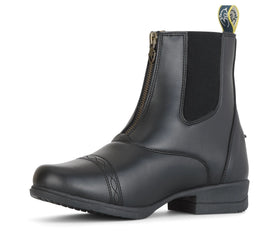
Shires Moretta Clio Plus Paddock Boots - Black, Lace-Up Equestrian, Gently Used
$29.99
Shop Now →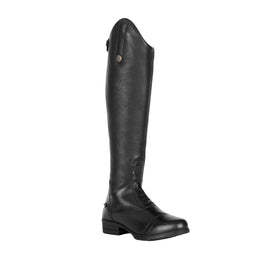
Choosing Your Style: Popular Boots and Heel Types
Finding the right pair of riding boots is about more than just looks; it’s about finding the perfect partner for your time in the saddle. The right style supports your specific discipline, keeps you safe, and gives you the confidence to ride your best. Whether you prefer the classic lines of an English boot or the rugged charm of a Western style, the key is to match the boot’s design to how you ride. Let’s walk through the most popular styles so you can find a pair that feels like it was made just for you.
English vs. Field Boots: What's the Difference?
If you ride English, your main choice will be between field boots and dress boots. Field boots are easy to spot because of the laces at the ankle. This feature isn’t just for show; it provides extra flexibility through the ankle, making it more comfortable to shorten your stirrups for jumping. This makes them the go-to choice for riders in disciplines like show jumping, eventing, and hunt seat. Dress boots, on the other hand, are sleeker and more rigid, with no laces. Their stiff construction encourages a long, elegant leg position, which is why they are the standard in the dressage world.
Exploring Western-Style Riding Boots
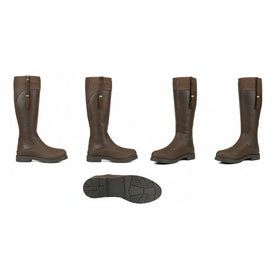
Western boots are in a class of their own, blending rugged function with personal flair. They typically have a higher shaft and a distinct, angled heel designed for security in a Western saddle. What really sets them apart is the artistry. From intricate stitching to exotic leathers, Western boots are a way to express your individual style. While they look great, they are built to be workhorses, providing the durability and comfort needed for long hours of ranch work or trail riding. They are a key part of your overall horse tack and riding wardrobe.
From the Show Ring to the Trail: Finding the Right Style
The boot you wear for a competitive event might not be the same one you pull on for a relaxing trail ride. A polished, stiff dress boot helps you maintain perfect form in the show ring, but it might feel restrictive on an all-day ride. For casual riding or trail adventures, you might prefer a more broken-in field boot or even a comfortable paddock boot paired with half chaps. The goal is to choose a style that enhances your performance and comfort for that specific activity. When you find a boot designed for your proportions and discipline, you’ll feel more secure and connected with your horse.
A Guide to Heel Shapes and Heights
No matter which style you choose, the heel is one of its most important safety features. A riding boot must have a heel of about 1 to 1.5 inches. This isn't an arbitrary rule; that specific height is designed to stop your foot from accidentally sliding all the way through the stirrup, which could lead to a serious accident. You should avoid boots with heels that are too high, as they can affect your balance and foot position. Likewise, flat-soled shoes offer no protection. The right heel provides stability and peace of mind, which is something our team at Hooves and Paws has understood for over 30 years.
How Do I Choose the Right Heel for My Discipline?
When you're shopping for riding boots, it’s easy to focus on the style or the material. But the heel is one of the most important features to consider, and it’s about much more than looks. The right heel is a crucial piece of safety equipment that’s designed specifically for the demands of your discipline. Whether you’re in a dressage arena, on a trail, or working cattle, the shape and height of your boot’s heel directly impact your safety in the stirrup and your comfort on the ground. Let's break down how to choose the perfect heel for the way you ride.
Matching Heel Height to Your Riding Style for Safety
The number one job of a riding boot's heel is to keep your foot from sliding through the stirrup. It’s a simple but critical safety feature. For English disciplines like dressage or jumping, a defined heel of about one inch is standard. This provides just enough of a ledge to catch the stirrup iron without getting in the way. Western boots, on the other hand, often feature a taller, more angled heel. This design offers extra security for riders who might make quick stops or sharp turns. No matter what kind of horse tack you use, matching your boot heel to your stirrup is a non-negotiable part of staying safe in the saddle.
How to Balance All-Day Comfort with Performance
Your riding boots need to perform well in the saddle, but they also need to be comfortable for all the hours you spend on your feet. A well-designed heel supports your foot and helps maintain proper alignment, which can reduce fatigue after a long day at the barn. The right pair of boots isn't just about looking the part; it's about finding the perfect blend of performance, safety, and comfort tailored to how you ride. Choosing a boot designed for your specific needs gives you the support required to ride your best, so you never have to settle. Many of our best selling products are favorites because they strike this exact balance.
Shop our full selection of women's riding boots with a heel to find styles that strike the perfect balance between performance, safety, and classic equestrian style.
What Should I Look for in Boot Materials and Construction?
A beautiful riding boot is great, but a well-made one is essential. The materials and construction are the heart and soul of your boots, directly impacting your safety, comfort, and how long they'll last. Think of it as the foundation of your riding gear. A boot built with quality materials and thoughtful design will support you through countless hours in the saddle, while a poorly constructed one can lead to discomfort and safety issues. When you're shopping, looking past the surface-level style to examine how a boot is put together is one of the smartest moves you can make. It’s the difference between buying a pair of boots for a season versus a pair that becomes a trusted part of your horse tack for years. From the classic debate between leather and synthetic materials to the often-overlooked details of the sole and ankle flexibility, every component matters. Understanding these elements will help you choose a boot that not only looks good but also performs exceptionally well, keeping you secure and comfortable whether you're training, competing, or enjoying a quiet trail ride. We'll walk through exactly what to look for so you can feel confident in your choice.
Leather vs. Synthetic: Which Material Is Right for You?
When it comes to materials, the main choice is between traditional leather and modern synthetics. Leather boots are a classic for a reason. They’re incredibly durable, breathable, and mold to your leg over time for a nearly custom fit. Think of them as a long-term investment that gets better with age. On the other hand, synthetic boots offer some great advantages. They are often more affordable, lighter, and require less break-in time and maintenance. While they may not offer the same personalized fit as leather, they provide excellent functionality and are a practical choice for growing riders or those looking for an easy-care option.
Don't Forget the Sole: What to Look For
The sole of your boot is one of its most important safety features. First, look for a smooth or lightly textured surface. This design is intentional, as it helps your foot slide free from the stirrup in the event of a fall, preventing you from being dragged. Second, a distinct heel of about one inch is non-negotiable. This heel acts as a stopper, keeping your foot from accidentally slipping all the way through the stirrup and getting stuck. It provides a critical layer of security. A well-designed sole gives you just enough grip for walking around the barn without compromising your safety in the saddle.
Ensuring the Right Flexibility for Your Ankle and Calf
A great riding boot offers support without feeling like a cast. You need flexibility in the ankle to properly apply leg aids and maintain a correct heel-down position. Look for boots that are designed to be soft and supple in this area. The same goes for the calf, which should allow for a close feel of your horse’s side. When you first try on boots, especially leather ones, expect them to feel snug. A secure fit around the ankle is normal and provides necessary support. However, "snug" should never mean painful. You want a boot that moves with you, not against you.
How to Measure for the Perfect Fit
Finding a riding boot that fits like a glove is the secret to comfort and confidence in the saddle. A boot that’s too tight can cause pain, while one that’s too loose won’t provide the stability you need. Taking a few simple measurements at home is the best first step to ensure you order the right size. It only takes a few minutes and can save you the hassle of a return. Grab a soft measuring tape and a friend to help, and you’ll be ready to find your perfect pair.
How to Measure Your Calf and Foot at Home
To get the most accurate measurements, make sure you’re wearing the same breeches and socks you’d typically wear for riding. First, while standing, measure your foot from the back of your heel to the tip of your longest toe. Next, sit in a chair with your feet flat on the floor and your knees bent at a 90-degree angle. Have a friend wrap the measuring tape around the widest part of your calf. For boot height, measure from the floor up to the crease behind your knee. Always measure both legs and use the larger of the two measurements when checking size charts.
Tips for Finding a Fit for Your Foot Shape
No two feet are exactly alike, and you should never have to settle for a boot that’s just “close enough.” Choosing a boot designed for your proportions will give you the support and comfort you need to ride your best. Many brands offer boots in various calf widths, like slim, regular, and wide, for a more customized fit. When browsing different styles of horse tack, always check the brand’s specific size guide, as measurements can vary. Pay attention to details about foot shape, as some brands are known to run narrower or wider than others.
Common Fitting Mistakes (and How to Avoid Them)
New leather boots should feel snug, but not painful. Expect them to be tight, especially around the ankle, as they need time to break in and mold to your leg. However, if you feel any sharp pinching at your ankle or behind your knee, the boots are likely too small. Another common mistake is choosing a boot that’s too wide in the calf. If you can easily fit several fingers in the gap at the top when the boot is zipped, it’s too loose and won’t offer proper support. Trying boots on at the end of the day can also help you find a more accurate fit.
Common Mistakes to Avoid When Buying Riding Boots
Choosing your next pair of riding boots is exciting, but a few common missteps can lead to discomfort or safety issues. Let's walk through the biggest mistakes we see riders make so you can shop with confidence and find a pair that truly works for you in and out of the saddle. By keeping these key points in mind, you'll be better prepared to invest in boots that are safe, comfortable, and built to last for many rides to come.
Mistake #1: Prioritizing Fashion Over Function
It’s easy to fall for a boot’s beautiful design or trendy look. But finding the right pair of riding boots is about more than just style; it’s about safety, comfort, and performance in the saddle. A boot that looks great but pinches your toes or lacks proper ankle support will only hold you back. The good news is you don't have to choose. Many of our best-selling products prove that top-tier performance and classic style can go hand-in-hand. Just remember to always put function first on your checklist.
Mistake #2: Ignoring Heel Height and Safety
The heel on a riding boot isn't just for looks; it's a critical safety feature. Its main job is to prevent your foot from sliding all the way through the stirrup, which is incredibly dangerous during a fall. The right pair of boots isn't just about looking the part; it's about safety tailored to how you ride. A boot with a flat sole simply isn't suitable for riding. Look for a defined heel that’s around one to one-and-a-half inches high. This small detail is a non-negotiable part of your essential horse tack and keeps you secure.
Mistake #3: Overlooking the Importance of the Sole
The sole is another functional detail that’s often overlooked. You might think a boot with a deep, grippy tread would be safer, but it's the opposite. A smooth sole helps prevent your foot from getting stuck in the stirrup if you fall. You want a sole with just enough texture for a secure grip without being so deep that it could get caught. The boot should also be tall enough to protect your leg from getting pinched by the saddle leathers. It’s this attention to detail that separates a true riding boot from a fashion boot and ensures you're ready for the ride.
What to Expect to Pay for Quality Riding Boots
Riding boots are one of the most important pieces of gear you'll buy. They're your direct line of communication to your horse and a critical safety tool that keeps your foot from slipping through the stirrup. Because they play such a big role, it's no surprise that the price tag on a new pair can range from surprisingly affordable to a serious investment. It really helps to know what you're getting for your money before you start shopping.
The good news is that there are fantastic options at every price point. You don't have to spend a fortune to get a safe, functional boot, but investing more can bring significant benefits in comfort, durability, and fit. Whether you're a weekend trail rider, a dedicated competitor, or just starting your equestrian journey, you can find a boot that fits your needs and your budget. Understanding the differences between an entry-level boot and a premium one will help you make a smart decision. Let's break down what you can expect to find in three common price ranges, so you can shop with confidence and find the perfect pair for your rides.
Entry-Level Finds: Great Boots Under $200
If you're just starting out or ride more casually, you can absolutely find a great pair of boots for under $200. In this price range, the focus is on core safety and function. You'll find boots with the essential one-inch heel needed to keep your foot securely in the stirrup. Most options will be made from durable synthetic materials, which are often easier to care for than leather. While they may not offer the supple, custom-like fit of a more expensive boot, they are a fantastic and practical choice. This is the perfect place to start your search for a reliable, no-fuss boot that gets the job done safely.
The Sweet Spot: Quality Boots from $200-$600
For many riders, the sweet spot for quality and value lies between $200 and $600. In this range, you'll see a significant jump in materials and construction. Most boots here are crafted from quality leather that offers better breathability and will mold to your leg over time for a more personalized fit. The craftsmanship is also more refined, leading to greater durability and comfort for long hours in the saddle. You’ll find a wide variety of styles, from classic dress boots to versatile field boots, making it easy to find a pair that suits your discipline. These boots are a solid choice for riders who want performance that lasts.
Investment Pieces: Premium Boots Over $600
When you're ready to invest in a pair of boots that feel like they were made just for you, look at options over $600. These premium boots are designed for serious, dedicated riders who demand the best in performance and comfort. They are typically made from the highest-quality leathers and feature superior craftsmanship, from the stitching to the sole. The result is a boot that offers an exceptional fit, incredible comfort, and long-lasting durability that can stand up to daily use. For equestrians who spend a lot of time training and competing, these boots are a worthwhile investment in their horse tack collection.
Care and Maintenance for Long-Lasting Boots
A great pair of riding boots is an investment, and just like any good investment, it needs a little attention to perform its best and last for years. Taking the time to clean and store your boots properly not only keeps them looking sharp but also protects the leather from breaking down. A few simple habits can make all the difference between a pair that lasts a season and one that becomes a trusted part of your riding gear for the long haul. Let's walk through the essentials of boot care.
Your Guide to Cleaning and Conditioning
Think of cleaning your boots as a post-ride cooldown. After every ride, take a minute to wipe them down with a damp cloth. This simple step removes sweat and dirt, which can slowly eat away at the leather if left to sit. For a more thorough clean, use a soft sponge with a gentle leather soap, then rinse them well. The most important step, though, is conditioning. Once your boots are clean and dry, apply a quality leather conditioner. This keeps the material soft and flexible, preventing those dreaded cracks. You can find excellent leather care products that will keep your boots in top shape.
How to Properly Store and Protect Your Boots
Where you keep your boots matters just as much as how you clean them. Always store them upright in a cool, dry spot away from direct sunlight, which can cause the leather to fade and become brittle. To help them keep their shape and stop the ankles from creasing and collapsing, slide a pair of boot trees inside. It’s a small step that makes a huge difference in preventing permanent damage. Also, try to avoid piling other gear on top of them. For an extra layer of defense, a good water and stain repellent spray can guard your boots against unexpected puddles or spills.
Related Articles
- The Ultimate Guide to Women's Equestrian Riding Boots
- English Riding Boots 101: The Complete Guide
- Riding Leather Boots 101: A Complete Guide
- Equestrian Riding Boots: The Ultimate Guide
Frequently Asked Questions
How should new riding boots actually feel when I try them on? Your new boots should feel snug all around, almost like a firm handshake for your leg and foot. You should expect them to be particularly tight around the ankle, as this provides crucial support. However, "snug" should never mean painful. If you feel any sharp pinching or your toes are cramped, they are too small. Remember that tall leather boots will "drop" an inch or so as the ankle softens, so a little extra height at first is actually a good thing.
I'm a beginner. Should I start with leather or synthetic boots? This really comes down to your budget and how much time you want to spend on upkeep. Synthetic boots are a fantastic starting point because they are more affordable, require very little break-in time, and are super easy to clean. Leather boots are a bigger investment upfront, but they will mold to your leg over time for a custom-like fit and can last for many years with proper care. You can't go wrong either way, so choose the option that best fits your current needs.
What's the real difference between field boots and dress boots? The easiest way to tell them apart is to look at the ankle. Field boots have laces at the ankle, which gives you more flexibility for jumping disciplines where you need a shorter stirrup. Dress boots do not have laces, giving them a very sleek and formal appearance. Their streamlined design is preferred in dressage because it helps create a long, elegant leg position.
How long will it take to break in my new leather boots? The break-in period for leather boots varies, but you should plan on a few weeks of consistent wear. It can take anywhere from five to ten rides for the leather to soften and start molding to your leg, especially around the ankle. To help speed things along, you can wear them around the house for short periods. A little patience at the beginning will result in a boot that feels like it was made just for you.
Can I just wear my regular fashion boots for riding? I would strongly advise against it. While some fashion boots might look the part, they are not designed with the specific safety features needed for riding. A proper riding boot has a specific heel height and a smooth sole designed to prevent your foot from getting stuck in the stirrup during a fall. Fashion boots often have soles with deep treads that can get caught, creating a very dangerous situation. It's always best to use gear designed for the sport.


