


Riding bareback is one of the best ways to improve your balance and deepen your connection with your horse. But let's be honest, it can feel a little intimidating without the security of a saddle. That's where a good bareback pad comes in. It's the perfect middle ground, giving you just enough grip and comfort to build your confidence safely. Using one helps you engage your core and find your true seat, turning you into a more skilled and intuitive rider. This guide will help you find the right pad to support your riding goals, whether you're just starting out or looking to refine your skills.
This guide is your companion for selecting the ideal bareback pad, blending cutting-edge innovations with trusted expert advice. You will discover what sets a bareback pad apart, why comfort and safety matter, and how to choose the right features and fit for your unique needs.
Ready to transform your riding experience? Let’s explore every essential aspect for a confident, enjoyable journey.
What Is a Bareback Pad and Why Use One?
Bareback pads have become a staple for equestrians seeking a closer bond with their horses. These versatile tools offer a unique way to enhance riding experience, blending tradition with modern innovation. Understanding what sets a bareback pad apart, the benefits it brings, and the trends shaping its popularity in 2025 is essential for any rider aiming for comfort and control.
What Is a Bareback Pad?
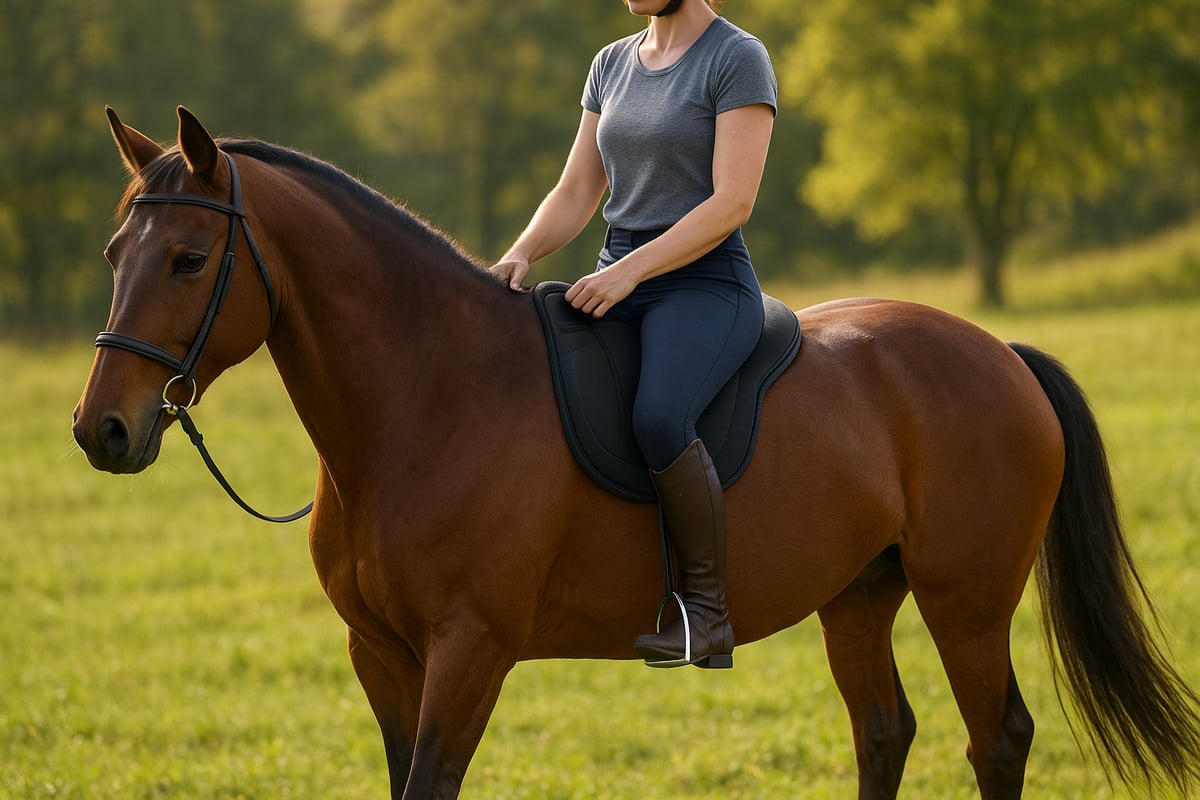
A bareback pad is a lightweight, cushioned pad designed to sit directly on the horse’s back, providing comfort for both horse and rider during bareback riding. Unlike traditional saddles, which feature rigid structures and stirrups, a bareback pad offers a flexible, minimalist approach. The pad distributes the rider’s weight more evenly, reducing pressure points and improving grip.
Classic bareback pads were simple cloth or felt layers, but today’s options include advanced materials and ergonomic shapes. Compared to traditional saddles, a bareback pad is much lighter, easier to handle, and intended mainly for casual riding, training, or building rider confidence. The evolution from basic designs to modern, feature-rich pads has made bareback riding more accessible and enjoyable for all experience levels.
How a Bareback Pad Improves Your Ride
Riding with a bareback pad strengthens the connection between horse and rider. Without the bulk of a saddle, riders can feel their horse’s movements more directly, allowing for better communication and responsiveness. This connection also encourages the development of balance and core strength, as the rider must rely on subtle body cues rather than fixed stirrups.
A bareback pad is also lightweight, which means the horse enjoys greater freedom of movement and less overall burden. Riders appreciate how easily a bareback pad can be used for casual hacks, groundwork, or even confidence-building sessions for those new to riding. Many equestrians find that using a bareback pad helps them progress their skills while keeping both horse and rider comfortable and secure.
Improving Comfort and Control on Your Horse
Comfort is critical for both horse and rider, and the right bareback pad plays a central role in achieving it. A well-designed pad prevents soreness by distributing pressure evenly across the horse’s back, reducing the risk of discomfort or injury. For the rider, the cushioning absorbs shock and minimizes fatigue, especially on longer rides.
Control is equally important, as it directly impacts safety and performance. Without a suitable bareback pad, riders may experience slipping, instability, or uneven weight distribution, which can lead to poor posture and increased risk of falls. Modern pads are engineered to tackle these issues, featuring non-slip surfaces and ergonomic shapes that enhance the riding experience for all involved.
Bareback Pad Trends to Watch in 2025
In 2025, the bareback pad market is experiencing notable growth. Sales data show a steady increase, reflecting a shift toward natural horsemanship and minimalist riding gear. Riders of all ages, particularly younger equestrians and those involved in training, are embracing the benefits of the bareback pad.
Social media platforms are amplifying this trend, with influencers and trainers showcasing innovative pad designs and riding techniques. Top brands are responding by introducing new materials and customizable features. As the community grows, the bareback pad continues to evolve, blending tradition and technology to meet the needs of modern riders.
What to Look for in a Bareback Pad
Selecting the right bareback pad can make all the difference in your riding experience. A well-chosen pad enhances comfort, control, and safety for both horse and rider. Let’s break down the most important features to consider before making your decision.
Choosing the Right Padding and Cushion
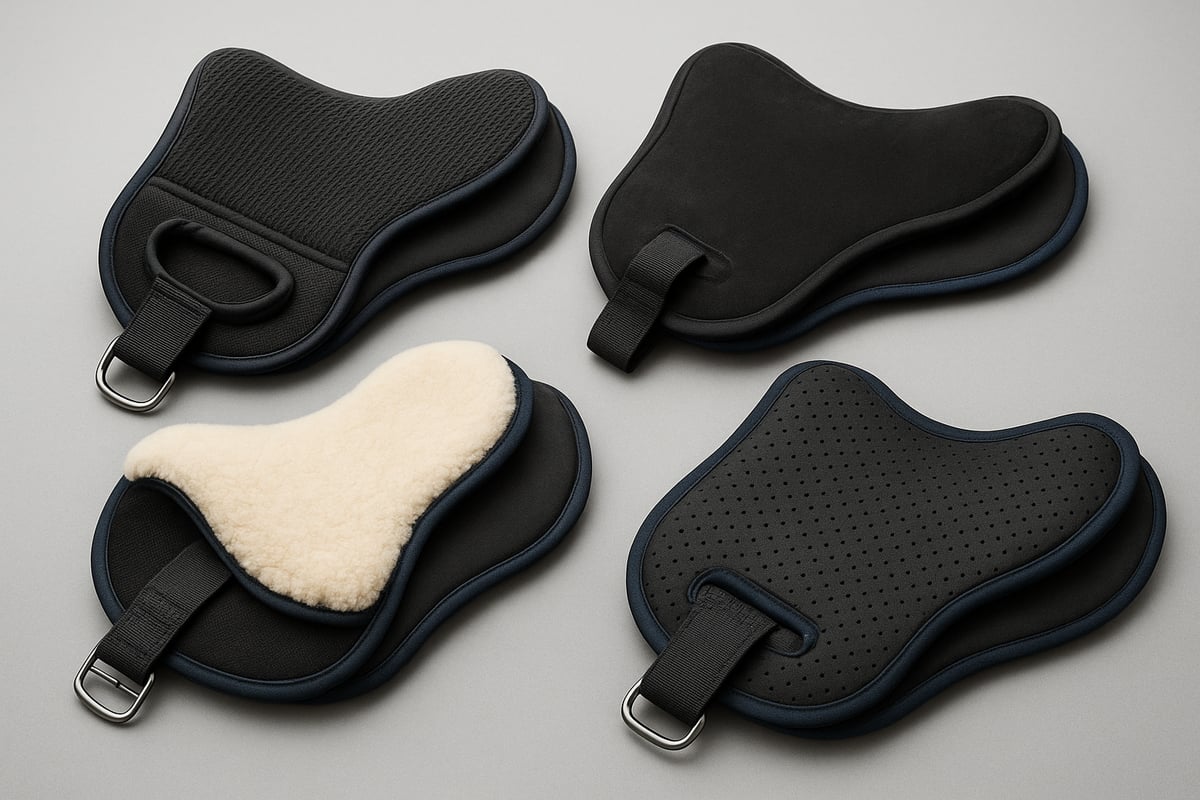
The core of any bareback pad is its padding. The right cushioning absorbs shock, protects your horse’s back, and keeps you comfortable during long or short rides. Common types include:
- Memory foam: molds to your shape for even pressure distribution.
- Gel: offers excellent shock absorption and resilience.
- Natural fibers (wool, felt): breathable, traditional, and eco-friendly.
- High-density foam: lightweight and supportive.
Thickness matters too. Thicker pads provide more comfort for extended sessions, while thinner options allow closer contact. For example, the Thinline® Bareback Pad’s unique cushioning blends shock absorption with a lightweight feel, making it suitable for a range of disciplines. When selecting a bareback pad, always match the padding to your riding style for optimal support.
A Guide to Bareback Pad Materials
Bareback pad materials directly impact durability, maintenance, and comfort. Here’s a quick comparison:
| Material | Pros | Cons |
|---|---|---|
| Synthetic | Lightweight, easy to clean | May lack breathability |
| Wool/Felt | Natural, wicks moisture | Needs special care |
| Suede | Excellent grip, classic look | Can be harder to maintain |
| Fleece | Soft, cushy feel | May retain sweat/odors |
Synthetic materials are popular for their low maintenance and durability, while natural fibers offer breathability and comfort for sensitive horses. Eco-friendly and hypoallergenic options are increasingly available, catering to riders with specific needs. Always weigh the pros and cons of each material when choosing a bareback pad.
Specialty Materials: Herculon and Merino Wool Fleece
Beyond the standard options, some specialty materials offer unique benefits for your ride. Herculon is a standout synthetic fabric known for its incredible durability and easy maintenance. It’s mold-resistant, quick-drying, and simple to clean, making it a practical choice for riders who value convenience and hygiene. This material is often used for the top layer of a pad and paired with a felt inner, which adds cushioning and helps the pad conform to your horse’s back. Another premium material you'll find in high-quality horse tack is Merino wool fleece. Often used for the girth or lining, this natural fiber is exceptionally soft and breathable, wicking moisture away to keep your horse’s back dry and comfortable while reducing the risk of skin irritation.
Considering Country of Origin
Where a bareback pad is made can tell you a lot about its quality and craftsmanship. Products manufactured in countries with a strong equestrian heritage, like the United States and Canada, often meet a higher standard of quality. For instance, the Mustang Sierra Herculon Bareback Pad is made in North America, reflecting a commitment to detail that riders can trust. Manufacturers in these regions frequently draw on generations of local knowledge to refine their designs for better function and durability. Taking a moment to research the manufacturer and the origin of their materials helps you make an informed choice, ensuring you invest in a product that will stand up to your riding needs. It's a key reason we carefully select the best-selling products for our customers.
Finding a Pad with Secure Grip
Grip is essential to prevent slipping and ensure safety. Bareback pad designs often use non-slip surfaces on the underside, such as neoprene or textured synthetic fabrics. For the rider, suede tops provide superior grip, while some synthetic options offer molded patterns for traction.
Adjustable girths and secure straps are vital for keeping the pad in place. Choosing the right girth is crucial, as it directly affects both comfort and security. For more details on selecting the best girth, see Choosing the right girth.
A secure bareback pad not only boosts rider confidence, but also helps protect your horse from discomfort caused by pad movement.
Choosing Between English and Western Styles
Bareback pads often draw inspiration from traditional English and Western riding, and your choice can influence the feel of your ride. Western-style pads are typically built for comfort and stability, much like their saddle counterparts. They often provide more support and cushioning, making them a great option for long trail rides where a relaxed position is key. This design is generally more forgiving, helping you feel secure during leisurely outings.
In contrast, English-style pads are designed to be lightweight and offer closer contact with your horse. They encourage you to use your own balance and core strength, which is excellent for training and improving your seat. If your goals involve agility or developing a more precise connection with your horse, an English-style pad is a fantastic tool. Ultimately, the best choice depends on your personal riding goals and what kind of horse tack you're most comfortable using.
Ensuring a Perfect Fit with Adjustability
A proper fit is key for both safety and performance. Bareback pads come in various sizes to accommodate horses and ponies of all shapes. Look for:
- Adjustable straps and girths for a snug fit
- Removable inserts for customizing thickness
- Compatibility with different girth types
- Multiple attachment points for stability
Ensuring your bareback pad fits well prevents pressure points, slippage, and uneven weight distribution. Take time to measure your horse and adjust the pad before each ride for the best results.
Extra Features for Comfort and Safety
Modern bareback pads often include features designed to enhance comfort and safety. Wither relief and spinal clearance help protect sensitive areas on your horse’s back. Reinforced panels or extra padding are ideal for horses prone to soreness.
Some pads offer built-in handles, which are particularly useful for beginners or therapeutic riding programs. Stirrups are available on certain models, but always consider the potential safety risks before using them.
Prioritizing these extra features can make your bareback pad more versatile and enjoyable, especially if you plan to use it for multiple types of riding or with different horses.
Advanced Designs for Spine Protection
The best bareback pads today do more than just provide a layer of cushioning; they are engineered with your horse’s anatomy in mind. One of the most significant advancements is the focus on spinal clearance. This design feature creates a channel along the center of the pad, ensuring no direct pressure is placed on the sensitive vertebrae of the spine. This is a crucial element for preventing soreness and potential long-term issues, especially for horses with high withers or sensitive backs. Choosing a pad with this thoughtful construction shows a true commitment to your horse’s comfort and well-being, allowing for a more relaxed and enjoyable ride for everyone.
Several innovative pads showcase this technology perfectly. For example, the Barefoot Physio Ride-On Pad offers the ability to insert shims, which allows you to customize the fit and create extra clearance over the spine. This is fantastic for tailoring the pad to your horse’s specific shape. Similarly, shock absorption is key to protecting the back from impact. The ThinLine Bareback Saddle Pad uses a unique material that excels at distributing pressure and minimizing shock, which benefits both you and your horse. These advanced designs show how bareback pads have evolved from simple mats to sophisticated pieces of tack that prioritize equine health.
Shop This Post

Featured in this article
Professional's Choice 100% Wool Felt Contoured Saddle Pad - Steam-Pressed Pressure Relief & Moisture Wicking
$158.99
Shop Now →
How to Choose the Right Bareback Pad
Selecting the ideal bareback pad can significantly enhance your riding experience, providing both comfort and security for you and your horse. With so many styles and features available in 2025, making the right choice means taking a closer look at your goals, your horse’s unique shape, and the practical details that matter most. Let’s break down what you need to know to find the perfect fit.
Matching a Pad to Your Riding Goals
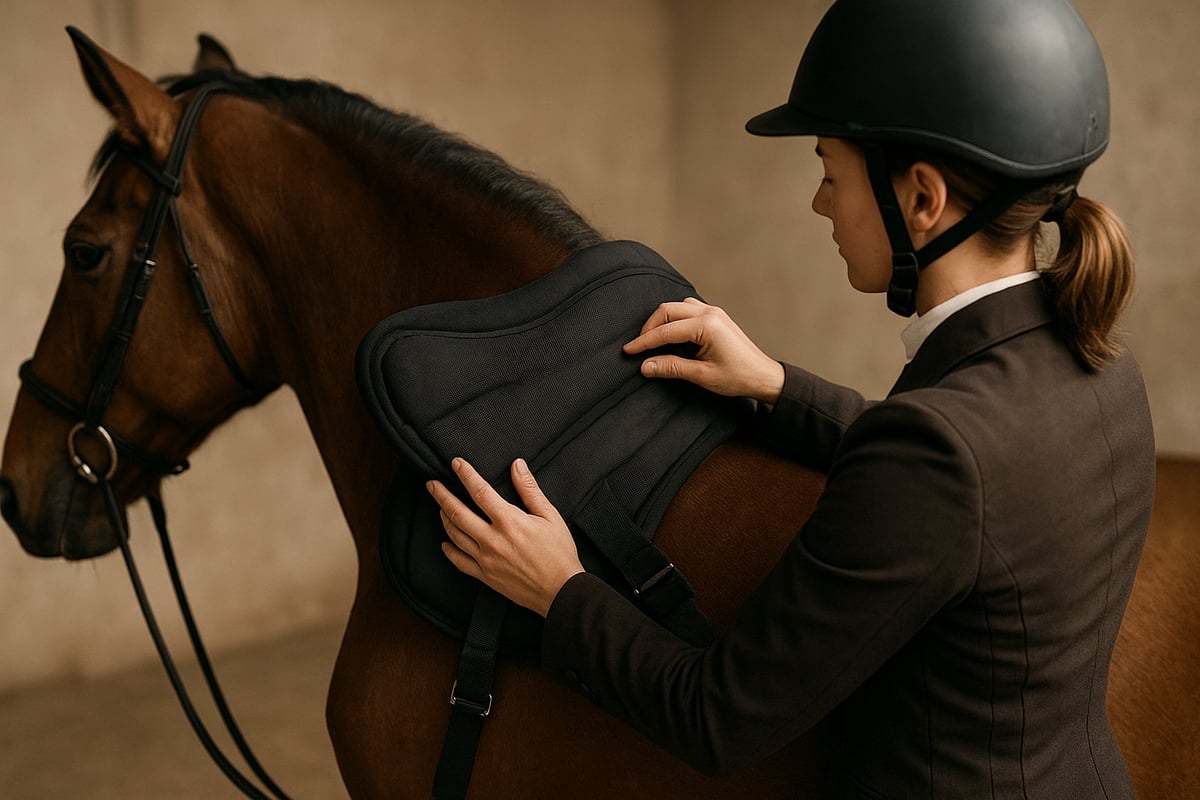
Start by identifying your main riding objectives. Are you a beginner seeking confidence, or an advanced rider focused on refining your balance? The bareback pad you choose should match your skill level and the types of activities you enjoy, such as trail riding, groundwork, or therapeutic sessions.
For beginners, pads with extra grip and built-in handles can make a huge difference in stability and confidence. More experienced riders may prefer streamlined designs that promote a closer feel and allow for subtle cues. If you’re training or rehabilitating, look for a bareback pad that supports your needs without limiting your horse’s movement.
Matching your pad to your ambitions ensures a safer and more enjoyable ride. Always consider how your goals might evolve, and choose a pad that can grow with your skills.
Considering Your Horse's Build and Sensitivity
Your horse’s back shape is just as important as your own preferences. High withers, flat backs, and swaybacks each require specific design features in a bareback pad to prevent discomfort and ensure even weight distribution.
Sensitive horses may benefit from thicker padding or hypoallergenic materials to reduce irritation. Senior horses or those with prominent spines often need pads with enhanced spinal clearance and pressure relief panels. Young or developing horses may require flexible, adaptable pads that accommodate changing musculature.
Take time to observe how your horse responds to different pads. Watch for signs of discomfort, such as pinning ears or reluctance to move, and adjust accordingly. The right bareback pad will promote relaxation and freedom of movement for your horse.
How to Measure for the Perfect Fit
Proper sizing is critical for both safety and comfort. Measure your horse’s back from the withers to the last rib to determine the right pad length. Most bareback pad brands offer size charts, so compare your measurements carefully to their guidelines.
For ponies, cobs, and draft breeds, look for manufacturers that provide a variety of sizes or custom options. Adjustable straps and removable inserts can help fine-tune the fit for unique shapes. Always perform a trial fitting before purchasing, and check return policies to ensure you can exchange if needed.
Accurate measurement prevents slippage and pressure points, which are essential for a secure, comfortable ride. For a deeper dive on comfort and fit, see The ultimate guide to equine comfort.
How Much Should a Bareback Pad Cost?
Bareback pad prices range from affordable entry-level models to premium designs with advanced features. When evaluating cost, consider materials, construction quality, and included extras such as handles or non-slip surfaces.
A higher price often reflects greater durability, better shock absorption, and a longer lifespan. However, some budget-friendly pads provide excellent value, especially for casual riders or those just starting out. Compare the cost per ride by estimating how often you plan to use your pad.
Look for warranties and satisfaction guarantees. Investing in a quality bareback pad can save you money over time by reducing the need for frequent replacements and minimizing potential discomfort for your horse.
Understanding the Price Range
You can find bareback pads at a wide variety of price points, from simple, budget-friendly options to premium models with specialized features. The cost is directly tied to the quality of materials, the complexity of the construction, and any extras included, like non-slip surfaces or ergonomic handles. A basic pad might be perfect for occasional, short rides, while a more expensive one made with advanced foam or gel is a better investment for frequent riders who prioritize shock absorption and durability. Think of it as choosing the right tool for the job—the more you ride and the more support you need, the more it makes sense to invest in higher-quality horse tack that will last.
Example Costs by Brand and Type
To give you a clearer picture, prices can range from around $80 for a simple pad to over $600 for a high-performance model. For instance, a popular option like the ThinLine Bareback Saddle Pad typically costs about $239. Other brands, such as Barefoot Saddles, price their pads based on size and features, with a pony pad around $199, an adult size at $285, and a specialized "Physio" pad costing $355. This shows how specific designs for different needs can influence the final price. Seeing these numbers helps you set a realistic budget and understand what features you can expect at various price levels.
Finding Sales and Discounts
While investing in a quality pad is important, you can still find great deals. Keep an eye out for seasonal sales or promotions at your favorite equestrian retailers. It’s not uncommon to find excellent pads on sale, like a Best Friend Slip-Resistant Bareback Pad marked down from $172.99 to $143.99. Signing up for email newsletters is a great way to get alerts for these discounts. Also, consider the overall value a retailer provides. Here at Hooves and Paws, we stand by our products with a 365-day satisfaction guarantee and free shipping, which adds significant value to your purchase and ensures you’re happy with your choice.
Our Favorite Bareback Pads for 2025
Several brands stand out for their innovation, reliability, and positive user feedback. Hilason, Thinline®, and Toklat are among the top choices, each offering pads tailored to different riding styles and horse conformations.
For example, Thinline® is praised for its advanced cushioning technology, while Toklat offers a range of sizes and materials to suit various needs. Hilason’s pads often feature ergonomic designs and enhanced grip surfaces.
Check for recent releases and updates, as brands frequently introduce improvements in padding, fit, and adjustability. Reading industry reviews and customer testimonials can help you identify the best bareback pad for your specific requirements.
Popular Brands to Consider
When you start looking for a bareback pad, a few names consistently come up, and for good reason. Brands like ThinLine®, Toklat, and Hilason have built solid reputations by delivering on quality and rider-focused design. ThinLine® is especially popular for its advanced cushioning technology. Their pads are known for being non-slip and excellent at absorbing shock, which makes a huge difference in comfort for both you and your horse. If superior support is at the top of your list, this is a brand worth checking out.
Toklat is another go-to brand, largely because of its versatility. They offer a great range of sizes and materials, making it easier to find a pad that suits your horse’s specific conformation and your riding needs. Hilason is also a strong contender, often praised for its ergonomic designs and enhanced grip. Their pads are built for stability, making them a great choice for riders who want to feel secure in their seat. Ultimately, exploring the different types of horse tack from trusted brands like these is the best way to find a perfect match.
Where to Buy Your Next Bareback Pad
Trusted equestrian retailers, both online and in physical stores, carry a wide selection of bareback pad models. Shopping in-store allows you to feel materials and test fit, which is especially helpful for unique horse shapes or sensitive riders.
Online stores offer convenience and access to a broader range of brands and reviews. Always verify the authenticity of the product and the reputation of the seller. Look for transparent return and exchange policies, which are essential if the pad does not fit as expected.
No matter where you purchase, prioritize knowledgeable customer support and clear sizing information. The right buying experience ensures you end up with a bareback pad that suits both you and your horse.
Using Customer Ratings to Guide Your Choice
Customer ratings offer a transparent look into how a bareback pad performs in the real world. Hearing from fellow riders can give you invaluable insight into a pad’s comfort, durability, and overall fit long before you make a purchase. For example, a product with dozens of reviews averaging 4.9 out of 5 stars, like the popular ThinLine Bareback Saddle Pad, signals high satisfaction among users. When browsing, pay attention to comments that mention horse breeds or riding styles similar to your own, as this feedback can be especially helpful in guiding your decision.
Looking for Product Videos and Endorsements
Sometimes, you just need to see a product in action. Product videos are a fantastic resource for visualizing how a bareback pad fits and performs on a moving horse. Many brands and retailers include short clips on their product pages to showcase key features and benefits. You can also find endorsements from professional trainers and equestrian influencers on social media, which can lend credibility and highlight innovative pad designs. These visual aids help you move beyond the product description and make a more confident, informed choice for your horse.
Checking Stock and Delivery Times
Once you’ve found the perfect pad, the last thing you want is a long wait. Before you commit, always check for stock availability and estimated delivery times, especially if you need it for an upcoming ride or event. At Hooves and Paws, we understand that excitement, which is why we offer same-day shipping on orders placed before 2 PM PST and free shipping across the continental U.S. with no minimums. It’s also wise to verify the seller’s return policy. A strong satisfaction guarantee, like our 365-day promise, ensures you have peace of mind and can make your purchase without worry.
How to Fit and Care for Your Bareback Pad
Proper fitting, regular care, and ongoing maintenance are vital for maximizing the comfort, safety, and longevity of your bareback pad. A well-maintained pad ensures both you and your horse enjoy every ride, while minimizing the risk of discomfort or injury.
Getting the Fit Right for Safety and Comfort
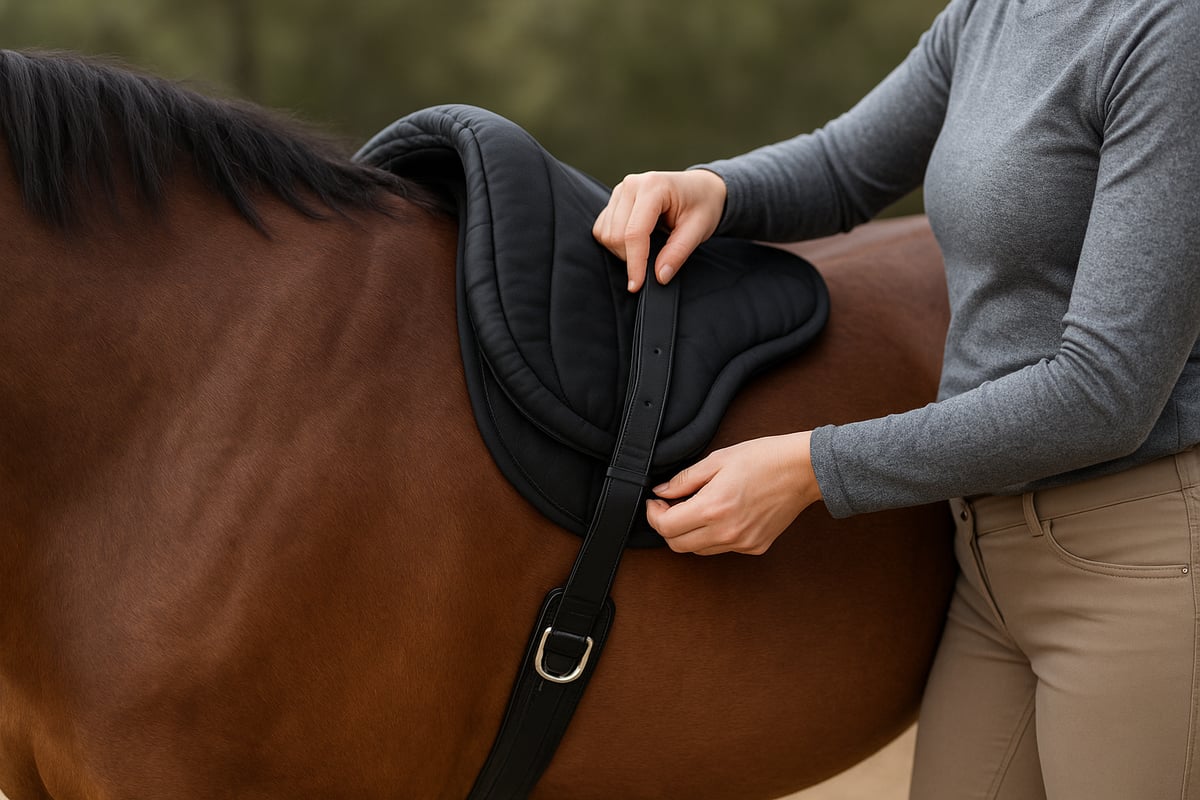
A correctly fitted bareback pad is essential for both rider security and your horse’s well-being. Place the pad gently on the horse’s back, aligning it just behind the withers. Attach the girth evenly on both sides, tightening it snugly but not overly tight to avoid restricting movement or causing pressure points.
Check that the pad lies flat without bunching or shifting. Look for pressure marks or signs of discomfort after short rides. Pads with anatomical shapes or wither relief features offer improved fit. For further guidance on the role of proper equipment in safe and effective riding, see the insights provided by Bareback Riding at Tucson Rodeo.
Layering with Other Saddle Pads
A common question is whether you can layer another saddle pad with your bareback pad. The answer is yes—it all comes down to your preference and your horse’s specific needs. Adding another layer can provide extra cushioning for longer rides or better pressure distribution for a sensitive back. You could also use a thin liner pad underneath to wick away sweat and keep your main pad cleaner. The key is to avoid creating too much bulk, which can make the pad shift and become unstable. Your goal is to strike a balance that enhances comfort without losing the close-contact feel that makes bareback riding so rewarding. When you're selecting a combination, think about the thickness and material of each piece of horse tack to make sure they work well together.
Easy Cleaning and Maintenance Tips
Regular cleaning extends the life of your bareback pad and keeps it hygienic for your horse. For synthetic pads, wipe down with a damp cloth after each ride. Wool or fleece pads need gentle brushing to remove hair and dirt, and occasional hand washing with mild soap.
- Air dry pads thoroughly before storage
- Avoid direct sunlight or high heat sources
- Inspect straps and buckles for debris
Store your pad in a cool, dry place to prevent mildew. Clean sweat and mud promptly to avoid buildup and odors. Maintaining a clean pad helps prevent skin irritation for your horse.
Specific Cleaning Instructions by Material
The material of your bareback pad dictates the best cleaning method. For synthetic pads, like those made from neoprene or other durable fabrics, maintenance is straightforward. After most rides, a simple wipe-down with a damp cloth is all you need to remove sweat and dirt. For a deeper clean, you can use a gentle soap and water solution, but always be sure to rinse it thoroughly. Natural materials require a bit more attention. For wool or fleece pads, start by using a stiff brush to remove loose hair and dried mud. When it’s time for a wash, use cool water and a mild soap specifically designed for wool to avoid damaging the fibers. Suede tops should never be saturated with water; instead, use a dedicated suede brush to lift dirt and restore the texture. Proper care for these materials will preserve their look and function for years.
When Is It Time to Replace Your Pad?
Frequent inspections help catch wear before it becomes a safety issue. Focus on high-stress areas like girth straps, padding, and stitching. Look for thinning, frayed edges, or loose threads, as these can lead to slipping or loss of support.
If the bareback pad no longer offers cushioning or grip, it is time to consider a replacement. Follow manufacturer recommendations for expected lifespan. Riding with a worn pad can compromise safety and comfort, so replace at the first sign of significant deterioration.
Solving Common Problems with Your Pad
Common issues with a bareback pad include slipping, bunching, or causing discomfort to horse or rider. If the pad shifts during rides, check for correct girth tension and ensure the underside material provides enough grip. For rider soreness, assess the thickness and type of padding.
- Adjust strap placement for better stability
- Try different pad materials for sensitive horses
- Monitor your horse’s back for signs of irritation
Addressing these problems early ensures a more enjoyable experience and extends the life of your bareback pad.
Staying Safe While Using a Bareback Pad
Prioritizing safety is essential for every rider using a bareback pad. Proper technique, awareness, and the right equipment help minimize risks and ensure a positive experience for both horse and rider. Let’s explore the key safety practices that every equestrian should follow in 2025.
How to Mount and Dismount Safely
Mounting and dismounting present unique challenges when using a bareback pad. Always check that the pad is secure before mounting. Using a mounting block reduces strain on your horse’s back and helps prevent the pad from slipping.
- Stand close to your horse, holding the reins in one hand.
- Place your foot securely on the mounting block.
- Swing your leg over smoothly, settling gently onto the bareback pad.
After mounting, check your balance before moving off. Practicing safe dismounting techniques is equally important—slide down gently, keeping your weight close to the horse to avoid pad shifting or discomfort.
Riding Tips for Better Stability and Control
Riding with a bareback pad requires refined balance and core engagement. Focus on aligning your body, keeping your heels down and your seat deep. Strengthening your core muscles improves stability and allows for subtle communication with your horse.
- Practice sitting trot and walk transitions to build confidence.
- Use gentle leg aids and a relaxed posture.
- Stay centered, especially during changes in speed or direction.
Integrating these techniques with your bareback pad enhances control and minimizes the risk of falls, creating a safer and more harmonious ride.
How to Prevent Sore Spots and Pressure Points
A well-fitted bareback pad helps distribute pressure evenly across your horse’s back. Regularly inspect your horse for signs of soreness, such as flinching, pinned ears, or hair loss along the spine. If discomfort appears, adjust the pad’s position or try a different model.
- Look for pads with spinal clearance or extra padding.
- Rotate between pads if riding frequently.
- Check for bunching, slippage, or uneven wear after each ride.
Promptly addressing pressure points protects your horse’s back health and supports long-term comfort.
Using Bareback Pads in Therapeutic Riding
Therapeutic riding programs often rely on specialized bareback pad designs. These pads may include handles, extra grip, or additional support for riders with physical challenges. When selecting a pad for therapy or special needs, prioritize stability and comfort features.
- Choose pads with secure handles for beginner or therapeutic riders.
- Look for non-slip materials and reinforced panels.
- Consider feedback from instructors or therapists to match individual needs.
A bareback pad tailored to therapeutic use can significantly boost confidence, safety, and enjoyment for all participants.
Recommended Safety Gear and Accessories
Never underestimate the importance of proper safety gear when riding with a bareback pad. A certified helmet is non-negotiable, and many riders also benefit from boots, gloves, and protective vests. Accessories like seat savers or grip gloves can further enhance security.
- Always perform a pre-ride safety check—inspect your pad, girth, and gear.
- Avoid using stirrups with a bareback pad unless specifically designed for them.
- Invest in quality protective equipment, such as those found in this riding helmets and safety gear collection, to further reduce risk.
By combining the right accessories with vigilant safety habits, you create a safer environment for both horse and rider.
The Debate on Using Stirrups
While some bareback pads come equipped with stirrups, their use is a topic of serious debate among equestrians. The primary concern is safety. Unlike a traditional saddle with a rigid tree, a bareback pad can easily slip or rotate if a rider loses their balance and puts their full weight into one stirrup. This creates a significant risk of the rider being unseated or getting tangled during a fall.
Many reputable manufacturers, such as ThinLine Global, specifically recommend against using stirrups with their pads, arguing that a well-designed pad provides enough grip and support on its own. The goal of bareback riding is to develop a secure, independent seat, and relying on stirrups can hinder that progress. While some riders feel they offer a bit of stability, it's crucial to weigh that feeling against the potential danger. For most riders, especially those building confidence, it's safer to forgo stirrups and focus on core strength and balance.
Helpful Accessories and Replacement Parts
A quality bareback pad is an investment in your riding, and knowing you can maintain it adds peace of mind. Many top brands support their products by offering replacement parts, so a single worn component doesn’t mean you need a whole new pad. It’s common to find replacement girths, billets, or even specialized non-slip patches available for purchase, allowing you to extend the life of your favorite pad.
Beyond repairs, you can also find accessories to customize your ride. Seat savers can add an extra layer of cushion for long trail rides, while specialized girths might offer a better fit for a uniquely shaped horse. When you're shopping, it's always a good idea to see what replacement parts and accessories are available for the models you're considering. Exploring a wide selection of horse tack can give you a better idea of all the options available to keep your gear in top condition.
What's New for Bareback Pads in 2025?
The bareback pad landscape in 2025 is evolving rapidly, shaped by technology, rider feedback, and a growing emphasis on both horse and rider well-being. As equestrians seek higher performance and comfort, manufacturers are responding with fresh innovations that set new standards in the industry.
Smarter Materials and Better Designs
Recent years have witnessed a surge in advanced materials for bareback pad construction. High-tech foams and gels are now common, offering superior shock absorption and comfort. Many pads feature lightweight composites that reduce bulk without compromising support.
Sustainability is also a major focus. Eco-friendly options, such as recycled polyester and natural wool blends, are increasingly available. These materials not only enhance the pad’s durability but also appeal to environmentally conscious riders.
Manufacturers are prioritizing ergonomic designs. Contoured shapes provide better spinal clearance, while antimicrobial linings contribute to cleaner, healthier riding experiences. The bareback pad market is responding to both performance needs and ethical considerations.
The Rise of Smart and Customizable Pads
Customization is a leading trend. Many bareback pad models now offer modular components, such as adjustable padding inserts and interchangeable girths. These features allow riders to fine-tune fit and comfort for various horses and disciplines.
Some innovative pads incorporate smart technology. Integrated sensors can track pressure distribution, helping riders optimize their position and reduce risk of soreness. Riders also enjoy a wider range of style choices, from personalized colors to custom embroidery.
The demand for a tailored bareback pad experience is driving brands to create solutions that adapt to individual preferences. As a result, riders can select pads that match both their aesthetic and functional requirements.
What Riders Are Looking for Now
The bareback pad market is seeing increased demand for minimalist, multi-use designs that suit both training and leisure. Eco-friendly materials and products with reduced environmental impact rank high on rider wish lists.
Social media plays a significant role in shaping purchasing decisions, with riders sharing reviews and recommendations widely. According to Bareback Riding World Standings Watch, the sport’s evolving dynamics and high-profile competitions are influencing preferences and driving innovation.
Rider satisfaction scores show a growing preference for pads that balance performance, comfort, and style. The bareback pad is no longer just a niche accessory, but a core part of modern equestrian practice.
Expert Predictions for the Future
Industry experts advise buyers to prioritize pads that offer both proven comfort and long-term durability. Trainers recommend trying different models, paying attention to fit and pressure distribution to avoid common pitfalls.
Looking ahead, expect further developments in smart technology, with more pads featuring data-driven insights for optimal riding. Veterinarians emphasize the importance of regular pad inspection and replacement to maintain back health.
For new buyers, the best approach is to stay informed, experiment with emerging features, and consult trusted sources. The bareback pad of the future will continue to blend science, sustainability, and user-driven innovation.
As you consider your options for the ideal bareback pad, remember that choosing the right one isn’t just about comfort—it’s about creating a safer, more connected experience for both you and your horse. We’ve covered the latest features, materials, and fitting tips so you can ride with confidence and ease in 2025. If you’re ready to put this knowledge into action and make your rides even more enjoyable, explore our carefully curated selection at Hooves and Paws. With free US shipping and flexible payment options, finding the perfect pad has never been easier. Buy Now
Frequently Asked Questions
Is a bareback pad a good choice for a beginner rider? Yes, it can be a fantastic tool for building confidence. A good pad helps you find your natural seat and balance without the complexity of a full saddle. To get started, look for a model with a suede top for extra grip or a secure handle for added stability. It’s always best to begin in a controlled environment, like an arena, with a calm and familiar horse.
How can I tell if my bareback pad is uncomfortable for my horse? Your horse will give you subtle clues. After a ride, run your hand over their back and check for any uneven sweat patterns, ruffled hair, or sensitive spots, which can indicate rubbing or pressure points. Also, pay attention to their behavior while you're tacking up and riding. If they seem tense, pin their ears, or are reluctant to move forward, it could be a sign that the pad isn't fitting correctly.
Can I use a regular saddle pad underneath my bareback pad for extra cushion? You certainly can, and it's a great way to add a bit more padding or simply keep your bareback pad cleaner. The key is to choose a thin, well-fitting saddle pad that won't bunch up or create instability. Too much bulk can cause the pad to shift, which can be unsafe. Your goal is to enhance comfort without sacrificing the close contact and security that makes bareback riding so effective.
What's the real difference between a budget-friendly pad and a more expensive one? The price difference usually comes down to the quality of the materials and the sophistication of the design. More expensive pads often use advanced materials like high-density foam or gel for superior shock absorption and feature ergonomic shapes with better spinal clearance. While a basic pad is fine for short, casual rides, investing in a higher-quality model is a smart choice for frequent riders who prioritize long-term durability and their horse's comfort.
Will using a bareback pad actually improve my riding skills? Absolutely. Riding without the rigid structure of a saddle encourages you to rely on your own balance and core strength to stay centered. You'll learn to feel your horse's movements more directly, which improves your timing, responsiveness, and overall communication. This develops a more secure and independent seat that will translate to better balance and control even when you're back in a traditional saddle.
Key Takeaways
- Prioritize a Custom Fit for You and Your Horse: Select a pad that suits your horse’s unique build and your personal riding goals. Look for key features like spinal clearance and non-slip materials to ensure your horse stays comfortable, while choosing a style that supports your specific activities.
- Focus on Balance, Not Stirrups: The goal of bareback riding is to develop a secure, independent seat. Use a mounting block to prevent the pad from shifting, and avoid stirrups, as they can create a safety risk on a pad without a rigid saddle tree.
- Maintain Your Pad for Longevity and Comfort: A proper fit and regular cleaning are essential. Check the girth and pad position before every ride, clean it according to the material's instructions, and inspect it often for wear to ensure it remains safe and comfortable for your horse.


