


We've all heard that frustrating clank of a pulled shoe or seen a fresh nick on a heel bulb. These common issues, often caused by overreaching, can mean lost riding time, extra farrier bills, and even painful injuries. A good pair of bell boots is the simple solution. But with so many styles and materials out there, choosing the right pair can feel overwhelming. This guide cuts through the noise. We’ll break down everything from getting the perfect fit to the different types available, helping you find the best bell boots horses can wear for comfort and durability.
Key Takeaways
- Prevent injuries before they happen: Bell boots shield your horse's sensitive heels and coronary bands from nicks, bruises, and lost shoes caused by overreaching. Use them for riding, turnout, or trailering to keep your horse sound.
- Match the boot to your horse's needs: Consider your daily routine: pull-on boots offer maximum security for turnout, Velcro styles are perfect for easy on-and-off use, and no-turn designs give sensitive horses stable, rub-free protection.
- Prioritize fit and daily care for lasting success: The right fit is key, so ensure there's a finger's width of space at the pastern and the boot just touches the ground at the heel. A quick daily cleaning prevents trapped dirt and moisture, which helps avoid skin irritation and makes your boots last longer.
What Are Bell Boots & Why Do Horses Need Them?
If you’ve spent any time around a barn, you’ve probably seen bell boots. They’re those bell-shaped pieces of protective horse tack that fit over a horse's front hooves, covering the hoof from the pastern down to the heel. While they might look like a simple accessory, they serve a very important purpose. Think of them as a helmet for your horse’s hooves. Also known as overreach boots, their main job is to protect the sensitive parts of the front feet, like the heel bulbs and the coronet band, from the horse's own hind feet.
When a horse moves, especially at speed or during athletic maneuvers, its back hooves can clip the back of its front hooves. This action, called overreaching, can cause painful injuries and even pull off a front shoe, which is frustrating for both you and your farrier. Bell boots provide a durable, shock-absorbing barrier that takes the brunt of the impact, keeping your horse’s hooves safe, sound, and properly shod. They are an essential piece of equipment for many horses, whether they're performing in an arena, working on the trail, or just enjoying time in the pasture. Investing in a good pair is a small step that can prevent big problems down the road.
How Bell Boots Prevent Overreach Injuries
The term "overreach" sounds pretty dramatic, and the injury it causes can be, too. It happens when a horse’s hind foot extends forward and strikes the heel area of the front foot on the same side. This can lead to bruises, cuts, and swelling, and in serious cases, it can cause significant damage that requires time off for recovery. Bell boots act as a simple yet effective shield against this. By covering the entire heel and pastern area, they create a cushion that absorbs the impact from the hind hoof. Instead of the hind shoe hitting a sensitive heel bulb, it hits the durable rubber or nylon of the bell boot, preventing injury and giving you peace of mind.
When Should Your Horse Wear Bell Boots?
So, how do you know if your horse needs bell boots? While some horses wear them for nearly every activity, there are a few key situations where they are especially recommended. You should consider using them during any kind of work, including riding, training sessions, and lunging, as this is when overreaching is most likely to occur. They are also a great idea for turnout, especially if your horse is playful or the ground is muddy, which can increase the chances of pulling a shoe. If you notice your horse frequently has scrapes or dirt marks on its front heels or is constantly losing shoes, that’s a clear sign it could benefit from wearing bell boots. Finally, they provide excellent protection during travel in a trailer.
During Specific Equestrian Disciplines
Whether you're in the jumper ring, practicing a dressage test, or cutting cattle, your horse is an athlete. During these demanding activities, the risk of overreaching increases as your horse engages its hind end and moves with more power and speed. Bell boots are essential for shielding your horse's sensitive heels and coronary bands from nicks and bruises that can occur during these complex movements. They act as a protective buffer, absorbing the impact and preventing lost shoes or painful injuries that could lead to downtime. For many riders, they are a non-negotiable piece of horse tack that ensures their partner can perform safely and confidently, day in and day out.
For Protection From Traction Studs
If you use traction studs for extra grip on grass or soft footing, bell boots are an absolute must. While studs are great for performance, they can cause serious puncture wounds if a horse overreaches and steps on itself. A standard rubber or neoprene bell boot might not be enough to stop a sharp stud. In this case, you need a pair made from heavy-duty, puncture-resistant material. These boots provide a tough, shock-absorbing barrier that takes the brunt of the impact, keeping your horse’s hooves safe from nasty injuries. Think of it as essential safety equipment—just like your helmet—when you add studs to your horse's shoes. Investing in the right leg protection is key.
While Hauling or During Turnout
Protection isn't just for when you're in the saddle. Bell boots are also a great idea for turnout, especially if your horse is playful or the ground is muddy, which can increase the chances of pulling a shoe. A horse romping in the pasture can easily overreach, and the suction from deep mud can make losing a shoe almost inevitable. Similarly, horses can step on themselves while shifting their balance in a trailer. Using bell boots during hauling and turnout provides an extra layer of security, helping to prevent costly farrier visits and injuries. It's a simple step that contributes to your horse's overall health and wellness by preventing common accidents before they happen.
Breaking Down the Types of Bell Boots
When you start shopping for bell boots, you’ll quickly notice they come in a few different styles. Choosing the right one isn't just about color or brand; it’s about what works best for your horse and your routine. The three main types you’ll encounter are pull-on, Velcro, and no-turn boots. Each has its own set of pros and cons, and the best choice often depends on factors like how much time you have for tacking up, your horse's sensitivity, and the type of riding you do.
For example, a boot that’s perfect for a quiet trail ride might not be secure enough for a cross-country course. Similarly, a boot that’s super easy to put on might not offer the same level of stability as another style. Understanding these key differences will help you find a pair that keeps your horse protected and comfortable without causing you any extra hassle. Let’s break down what makes each type unique so you can make a confident choice for your four-legged partner.
Pull-On Boots: The Secure, No-Fuss Option
Pull-on bell boots are exactly what they sound like: a single, continuous piece of rubber or synthetic material that you stretch and pull over the horse's hoof. Because they have no seams or fasteners, they are incredibly secure and are a favorite for high-intensity activities like jumping or turnout where a boot might otherwise get snagged or torn off. This seamless design offers 360-degree protection. The main trade-off is convenience. They can be a real workout to get on and off, especially when they’re new and stiff or when your hands are cold. However, for a fit-and-forget option that you know will stay put, nothing beats a classic pull-on.
Velcro Boots: For Quick and Easy Changes
If you value convenience, Velcro bell boots will be your best friend. These boots are open, wrapping around the pastern and securing with one or two sturdy Velcro straps. This design makes them incredibly easy and fast to put on and take off, which is a huge plus for daily use or if you struggle with the strength needed for pull-on styles. They’re a great all-around option for everything from schooling to light trail riding. The only potential downside is that the Velcro can sometimes wear out, collect debris, or come undone during rigorous exercise. Some guides on bell boots also note they can sometimes shift or spin more than other styles.
No-Turn Boots: When Stability Is Key
No-turn bell boots are designed to solve a common problem: boots that spin around the hoof. They feature a special anatomical shape or a small bulb on the inside that fits into the hollow at the back of the horse’s heel, which keeps the boot locked in place. This stability is fantastic for sensitive horses who might get rubs from a shifting boot or for performance disciplines where precise protection is critical. Most no-turn styles use Velcro closures for easy application. Properly selecting and fitting bell boots of this type is key, as a poor fit can negate the no-turn feature and cause discomfort.
Shop This Post

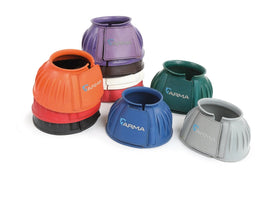
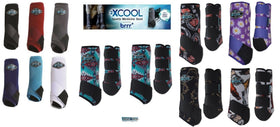
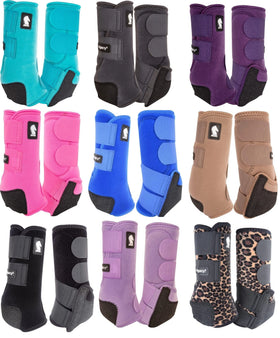
Our Top Picks: The Best Bell Boots for Horses
With so many bell boots on the market, finding the right pair can feel overwhelming. You want something that fits well, holds up to daily wear, and, most importantly, keeps your horse safe and comfortable. After years of fitting, testing, and hearing feedback from fellow equestrians, we’ve narrowed down our favorites. We looked for boots that deliver on their promises, whether that’s unbeatable durability, a no-fuss design, or superior stability.
From our own trusted brand to industry standouts, here are the five bell boots we recommend time and time again. Each one excels in a different area, so you can find the perfect match for your horse’s specific needs and your budget.
Hooves and Paws Premium: Best for Quality & Value
We developed our own line of bell boots because we believe every horse owner deserves access to high-quality, reliable gear that doesn’t break the bank. The Hooves and Paws Premium boots are designed with durable, flexible rubber that stands up to daily turnout. We know that bell boots are essential to protect horses from painful overreach injuries or pulling a shoe, so we made sure ours offer excellent coverage and a secure fit. They are a fantastic, all-around choice for everyday protection, combining the quality you expect with the value you deserve.
Professional's Choice No-Turn: Top Pick for Stability
If you have a horse that’s particularly active or tends to spin their boots, the Professional's Choice No-Turn is your answer. These boots are engineered to stay perfectly in place, thanks to an anatomical positioning bulb that prevents rotation. They are constructed from a tough, ballistic nylon that makes them incredibly durable and long-lasting, even for the most playful horses in the pasture. As one review notes, they are made from a strong, ballistic material and last longer than standard rubber boots. This makes them a top piece of horse tack for performance and turnout.
Davis PVC: Most Durable & Easiest to Clean
For a tough, no-nonsense boot that’s incredibly easy to care for, look no further than Davis PVC Bell Boots. These are a barn favorite for a reason. Made from a rugged PVC compound, they can handle mud, water, and anything else your horse throws at them without tearing or breaking down. After a muddy day, you can simply hose them off and they look good as new. Many riders recommend them for their tough PVC material and secure double-locking Velcro closures, which keep them firmly in place. They are the ultimate choice for convenience and durability.
USG Overreach Boots: The Best Budget-Friendly Pick
Finding affordable gear that actually lasts can be a challenge, but USG Overreach Boots deliver on both fronts. These boots are proof that you don’t have to spend a fortune for reliable protection. Made with a ribbed, tear-resistant rubber and sturdy Velcro fasteners, they offer excellent durability for their price point. One rider even found them to be the most durable option, lasting for months when other brands failed quickly. If you’re looking for a budget-friendly boot for turnout that can withstand some serious use, this is an excellent choice.
KL Select Pull-On: Ultimate No-Rub Comfort
For horses with sensitive skin, finding a boot that doesn’t rub or chafe is the top priority. The KL Select Pull-On boots are a fantastic solution. Made from pure, soft rubber, they are designed without any seams or closures that could irritate the pastern area. They are highly recommended for being very durable and thick at the bottom for protection, while remaining soft against the skin. Because they are pull-ons, you never have to worry about Velcro wearing out or coming undone in the field. They offer the ultimate secure, comfortable fit for sensitive horses.
How to Choose the Perfect Pair of Bell Boots
Finding the right bell boots can feel a bit like a puzzle, but it really comes down to three things: the material, the fit, and your horse’s specific needs. Whether your horse lives outside 24/7, has sensitive skin, or is particularly tough on their gear, there’s a perfect pair out there for them. Before you start shopping, take a moment to think about your horse’s daily routine and what you need the boots to do. Are they mainly for turnout protection, for support during intense rides, or for both? Answering that simple question is the best first step. From there, we can get into the details that will help you pick a pair that keeps your horse protected, comfortable, and ready for whatever you have planned. It’s all about matching the boot to the lifestyle.
Understanding the Market: Variety and Price Range
The market for bell boots is huge, and you can find a pair at almost any price point. You’ll see everything from simple, affordable rubber pull-ons to high-end, designer boots that can cost over $300. This wide range reflects the variety in materials and technology available. Basic boots offer solid, no-frills protection, while more expensive options might feature advanced materials like ballistic nylon or SuperFabric®, no-turn designs, and premium closures. The key is to remember that a higher price doesn't always mean it's the best boot for your horse. It's about finding the right balance of durability, features, and cost for your specific needs. We carry a wide selection of protective horse tack to ensure you can find that perfect fit for your budget and your horse.
Choosing a Material: Rubber, PVC, or Nylon?
The material of a bell boot tells you a lot about its durability, flexibility, and how it will feel against your horse’s skin. Gum rubber is a classic choice for sensitive horses because it’s soft, pliable, and does a great job absorbing impact. Standard rubber is a fantastic all-around workhorse; it’s strong, waterproof, and super easy to clean, making it a practical pick for everyday use. If your horse has a talent for destroying their wardrobe, you’ll want to look at PVC. It’s incredibly tough and built to resist wear and tear. For maximum durability, ballistic nylon is the top contender. It’s exceptionally strong and often comes with special shock-absorbing linings. Considering these options will help you find the right balance of protection and longevity in your next set of horse tack.
Exploring Other Materials: Leather and Advanced Fabrics
Beyond the common rubber and nylon options, you'll also find bell boots made from leather and other advanced fabrics. Leather bell boots offer a timeless, classic look and are known for their durability. Over time, they can mold to your horse's pastern, providing a nearly custom fit. This traditional material is a beautiful part of any horse tack collection, but it does come with a catch: maintenance. To keep leather soft and prevent it from cracking, you'll need to clean and condition it regularly. Proper tack care is essential for leather to last, which is a commitment not every owner has time for.
On the other end of the spectrum are bell boots made from high-tech, advanced fabrics. These modern materials are engineered for performance, often featuring superior shock absorption, moisture-wicking properties, and enhanced breathability. They are typically more resistant to scrapes and tears than even PVC or rubber, making them a great investment for horses in demanding disciplines or those who are just plain hard on their gear. While they might lack the traditional aesthetic of leather, they make up for it in convenience. Most are machine washable or can be easily hosed off, offering top-tier protection with minimal upkeep.
Must-Have Features for Comfort & Protection
Beyond the main material, a few key features can make a big difference in your horse’s comfort. For horses prone to rubbing, a soft fleece or neoprene lining around the top of the boot can prevent chafing and keep their pasterns happy. A secure closure is also non-negotiable. Look for strong, wide Velcro straps, or even a double-locking system, to ensure the boots stay put, whether your horse is playing in the pasture or working in the arena. A well-designed boot will also have a contoured, anatomical shape that fits snugly around the hoof without restricting movement. This design offers better protection right where it’s needed most, at the delicate heel bulbs.
Look for Expert-Informed Designs
The most effective bell boots are more than just a piece of rubber; they are thoughtfully engineered pieces of protective horse tack. Look for designs that reflect a deep understanding of equine biomechanics. A well-made boot will have an anatomical shape that contours to the hoof, providing coverage over the delicate heel bulbs without hindering your horse's natural movement. This expert-informed design ensures the boot acts as a reliable shield, absorbing the impact from a hind hoof during an overreach. Some of the best designs also incorporate features like a no-turn bulb, which fits into the back of the heel to prevent the boot from spinning and causing rubs. Choosing a boot with these features means you’re not just buying a product; you’re investing in your horse’s safety and comfort, whether they're in the pasture or under saddle.
How to Find the Perfect Bell Boot Fit
Getting the fit right is crucial for bell boots to do their job without causing other problems. When you put the boot on, it should be loose enough that you can comfortably slide one finger between the top edge and your horse’s pastern. This ensures it won’t rub or restrict blood flow. The bottom of the boot should just brush the ground behind the heel when your horse is standing squarely on a level surface. If it’s too long, your horse could step on it, causing a trip or tearing the boot. If it’s too short, it won’t offer enough protection to the heel bulbs and coronary band. Taking a moment to check the fit will save you a lot of headaches down the road.
Understanding Horse-Specific Sizing
Just like with our own shoes, you'll find that bell boot sizing isn't always consistent across different brands. A 'Medium' from one company might fit more like a 'Large' from another, which can be frustrating. A good starting point is to consider your horse's general build. For example, a Small often fits large ponies or finer-boned horses like Arabians, while a Medium is usually a safe bet for the average Quarter Horse or Thoroughbred. Bigger Warmbloods and draft crosses typically need a Large or X-Large. But these are just guidelines. The most reliable way to get it right is to break out the measuring tape. Always check the specific brand’s sizing chart and compare it to your horse's pastern and hoof measurements. This extra step is worth it to get the best fit for all their horse boots and make sure they're comfortable and fully protected.
Solving Common Bell Boot Fit Problems
Even with the perfect pair, you might run into a few issues. If you notice rubbing, the first step is to double-check the fit and make sure the boots are clean. Dirt and grit trapped underneath can easily irritate the skin. For horses in turnout, it’s a good practice to take the boots off daily, clean them, and check for any mud buildup inside. Trapped moisture is a perfect breeding ground for skin conditions like scratches. If the fit is correct but rubbing persists, consider switching to a pair with a fleece lining or trying a different material that might be softer on your horse’s skin. Regular checks will keep your horse comfortable and their boots in great working condition.
Bell Boot Care: Making Them Last
Bell boots are designed to take a lot of abuse, but that doesn't mean you can just set them and forget them. A little bit of regular care can make a huge difference in how long they last and, more importantly, how comfortable they are for your horse. Taking a few extra minutes each day will protect your investment and help prevent annoying rubs or skin irritations. Think of it as part of your regular grooming routine. By keeping your bell boots clean and in good shape, you ensure they can do their job effectively, protecting your horse from overreach injuries without causing other problems.
The Right Way to Put On & Remove Bell Boots
A great fit is your first line of defense against premature wear and tear. When you put the bell boots on, they should be loose enough around the pastern that you can comfortably slide one finger between the boot and your horse’s leg. This prevents rubbing and allows for proper airflow. The back of the boot should hang down so it just brushes the ground when your horse is standing still on a level surface. This positioning ensures it covers the heel bulbs completely. Taking the time to get the fit right not only keeps your horse comfortable but also helps the boots wear evenly.
Your Daily Cleaning & Care Routine
A quick daily check can save you a lot of trouble. If your horse wears bell boots during turnout, make it a habit to check for mud and debris caked on the inside. Trapped mud can hold moisture against the skin, creating the perfect environment for issues like scratches. A stiff brush can knock off dried dirt, and a simple rinse with the hose works wonders. Every so often, flip the boots inside out to give the interior and the Velcro a good cleaning. This keeps the closures sticky and ensures there’s nothing hiding inside that could irritate your horse’s skin.
When Should You Replace Your Bell Boots?
Even the best bell boots won't last forever. Depending on your horse and how often they’re worn, a pair might last anywhere from a few weeks to several months. Keep an eye out for signs of serious wear, like cracked material, significant tears, or Velcro that just won't stick anymore. While it might be tempting to squeeze a little more life out of a worn-out pair, it’s not worth the risk. A boot that fails at the wrong moment won’t protect your horse, and worn-down edges can cause nasty rubs. Since they are relatively inexpensive, it’s always a good idea to have a backup pair in your horse tack trunk.
How to Prevent Rubs and Velcro Failure
Preventing rubs is all about cleanliness and diligence. Before you even put the boots on, always brush any dirt or grit off your horse’s pasterns and hoof walls. After a ride, turnout, or trailer trip, make sure to remove the bell boots. This gives your horse’s skin a chance to breathe and dry out completely. Regularly inspect the inside of the boots, especially the top rolled edge, for any tears or rough spots that could cause friction. A clean boot on a clean leg is the best way to avoid irritation and keep your horse happy.
Other Protective Horse Boots to Consider
While bell boots are the go-to solution for protecting your horse’s heels and preventing lost shoes, they are just one piece of the puzzle when it comes to total leg safety. A horse's legs are incredibly complex and surprisingly delicate, and different activities place unique demands on them. An overreach injury is just one of many potential issues. Your horse can also strike the inside of its leg with the opposite hoof—an action known as brushing or interfering—or hit its tendons with a hind foot. This is why you’ll see a wide array of protective horse boots designed to shield everything from the cannon bone to the delicate tendons and ligaments running down the back of the leg. From basic splint boots for everyday flatwork to specialized tendon boots for jumpers and heavy-duty cross-country boots, each type is engineered to absorb impact and prevent scrapes in specific areas.
Choosing the right leg protection is just as important as choosing the right saddle pad or bit. It’s about matching the equipment to your horse’s conformation, way of going, and the work you’re asking them to do. A horse with a narrow build might be more prone to brushing injuries, while a powerful jumper needs support for the tendons that work so hard on takeoff and landing. Thinking about leg protection proactively, rather than waiting for an injury to happen, is one of the smartest things you can do as a horse owner. It’s an investment in your horse’s long-term soundness and your peace of mind. Let's look at some of the most common types of boots you might consider adding to your tack room.
Brushing Boots
Brushing boots are designed to do exactly what their name implies: protect a horse’s legs from brushing injuries. These happen when a horse’s hoof or shoe strikes the inside of the opposite leg during movement, which can cause everything from minor scrapes to more serious splints or cuts. These boots wrap around the lower leg, providing a durable, padded shield over the cannon bone and fetlock area. Typically made from flexible materials like neoprene or tough ballistic nylon, they are a key piece of horse boots and leg protection that absorbs impact without restricting movement. They are especially useful during fast-paced work like jumping or even lunging, and are a must-have for any horse that tends to travel close behind. Just like with bell boots, a snug, comfortable fit is essential to ensure the boots stay in place and provide the protection your horse needs.
Related Articles
- A Guide to Horse Leg Protection Boots
- Best Horse Boots for Trail Riding (2026 Guide)
- The Best Fly Boots of 2025: A Buyer's Guide
- Riding Leather Boots 101: A Complete Guide
- Best Equestrian Riding Boots Guide | Hooves & Paws
Frequently Asked Questions
Can my horse wear bell boots all the time, even in the pasture? While it's common for horses to wear bell boots during turnout, I don't recommend leaving them on 24/7 without daily checks. It's important to remove them at least once a day to clean out any trapped mud or dirt. This also gives your horse's skin a chance to breathe and dry out completely, which helps prevent skin irritations like scratches from developing.
How can I tell if my horse's bell boots don't fit correctly? A poor fit can cause more problems than it solves. If the boots are too tight, you won't be able to slide a finger comfortably between the top of the boot and your horse's pastern. If they're too long, you'll notice your horse stepping on the back of them, which can cause tripping or tear the boot. On the other hand, if they're too short, they won't properly cover the heel bulbs, leaving the area unprotected.
My horse is really tough on their gear. What's the most durable type of bell boot? If your horse has a talent for destroying things, you'll want to look for boots made from ballistic nylon or a heavy-duty PVC compound. While traditional rubber boots are great all-around options, ballistic nylon is specifically engineered to resist tears and punctures, and rugged PVC is built to withstand constant abuse. These materials are your best bet for longevity.
What's the best way to prevent the boots from rubbing my horse's skin? Preventing rubs comes down to three things: fit, cleanliness, and material. First, ensure the fit isn't too snug around the pastern. Second, always put the boots on a clean, dry leg and make sure to clean the inside of the boots regularly. For horses with especially sensitive skin, consider a boot with a soft fleece or neoprene lining at the top for an extra layer of comfort.
Do bell boots only protect against overreaching, or are there other benefits? Their primary job is definitely to protect the heel bulbs and coronary band from overreach injuries. However, they offer other great benefits, too. They are fantastic for preventing a horse from stepping on and pulling off a front shoe, especially in deep mud or sand. They also provide general protection against scrapes and bumps during travel or while playing in the pasture.


