


Your relationship with your horse is a conversation, and the bridle is your shared language. For that conversation to be clear and kind, every piece of your equipment must work in harmony. A bit that’s too harsh, a browband that pinches, or a poorly adjusted headstall can turn your gentle cues into confusing or painful signals. This guide will make you fluent in the language of your tack. We’ll break down all the essential western bridle parts, explaining how they work together to translate your requests into something your horse can easily understand.
Key Takeaways
- Focus on fit for comfort and control: A bridle that fits poorly can cause pain and miscommunication. Measure your horse before you shop and always check that key areas, like the throatlatch and browband, are adjusted correctly for a safe and responsive ride.
- Choose a style and material that suits your discipline: The right bridle depends on how you ride. Choose durable leather for a classic feel or low-maintenance synthetics for trail riding. Similarly, pick a secure browband style for training young horses or a simple one-ear bridle for a seasoned partner.
- Invest in quality and maintain it for safety: High-quality craftsmanship is key to safety, so always inspect for strong stitching and solid metal hardware. Protect your investment with a simple care routine, like wiping it down after each ride, to prevent cracks and breaks.
A Rider's Guide to Western Bridle Parts
A Western bridle might look like a complex puzzle of leather straps, but it’s really just three main components working together: the headstall, the bit, and the reins. Understanding how each part functions is the first step to ensuring a comfortable fit for your horse and clear communication between you both. Think of it as learning the ABCs of your tack. Once you know the individual pieces, you can confidently choose, fit, and use your bridle for a better ride every time. Let's break down what each part does.
Breaking Down the Headstall and Its Parts
The headstall is the framework that holds the bit in your horse’s mouth. It consists of several key straps. The crownpiece is the main strap that rests behind your horse's ears over the poll. Connected to it are the cheekpieces, which run down the sides of your horse's face and attach to the bit. Many bridles also have a browband to keep the crownpiece from sliding back and a throatlatch that fastens loosely under the throat for security. Finally, the curb strap sits under your horse's chin and works with the bit to apply pressure. Not all Western bridles have every piece, but they all serve a specific purpose in keeping your tack secure.
The Role of Bits and Curb Chains
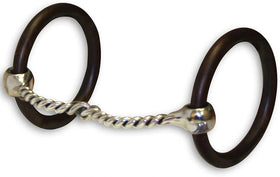
The bit is arguably the most important part of the bridle because it’s your primary line of communication. It rests in the space on your horse’s lower jaw where there are no teeth, called the bars. When you apply pressure through the reins, the bit sends a signal to your horse. Different bits work in different ways, but they all function through pressure and release. A curb bit, common in Western riding, uses leverage. When you pull the reins, the bit rotates, engaging the curb chain or strap under the chin. This combination of pressures is how you can communicate subtle cues for stops, turns, and changes in speed.
Reins: Your Direct Line of Communication
Your reins connect your hands to the bit, completing the communication circuit. They are your direct line for guiding your horse and giving cues. In Western riding, you’ll typically see split reins, which are two separate, long leather straps, or a single roping rein that forms a continuous loop. Split reins are great for neck reining and allow for easy adjustment, while roping reins are simple and prevent you from dropping one. Whichever style you choose from our horse tack collection, the function is the same: they translate the movements of your hands into clear signals your horse can understand.
Bridle Accessories and Decorative Parts
Slobber Straps and Horsehair Tassels
Beyond the essential straps, bridle accessories let you customize your setup for both function and style. Slobber straps are a perfect example. These small leather pieces connect your reins to the bit, creating a buffer that softens your cues and protects your horse’s mouth from accidental pinches. They’re especially helpful for training or for horses that are sensitive to direct bit pressure. On the decorative side, you have things like horsehair tassels. While they add a beautiful, traditional flair to your bridle, they also have a practical job, adding a little weight to help keep your reins from tangling. With the right accessories from our horse tack collection, you can build a setup for a ride that’s as comfortable as it is stylish.
Padded Browbands for Comfort
Your horse’s comfort should always be a top priority, and a padded browband is a simple upgrade that makes a big difference. The browband’s main job is to prevent the headstall from sliding back, but a standard leather one can sometimes rub or pinch the sensitive area on your horse’s forehead. A padded version provides a soft cushion that distributes pressure more evenly and eliminates friction, ensuring the bridle sits comfortably. This isn't just about feeling good—it's about clear communication. When your horse isn’t distracted by discomfort, they can focus better on your cues. A stable and comfortable bridle is the foundation for a responsive and harmonious partnership, making a padded browband a worthwhile investment in your horse's well-being.
Does Bridle Material Really Matter?
Choosing a bridle involves more than just picking a style you like. The material it's made from plays a huge role in your horse's comfort, the bridle's durability, and even how clearly you can communicate through the reins. Think about your riding discipline, the climate you live in, and how much time you want to dedicate to cleaning and maintenance. A trail rider in a rainy climate might need something different than a show rider in a dry one.
The right material provides a comfortable fit that prevents rubbing and sores, ensuring your horse stays focused and happy. It also affects the bridle's longevity. A well-made bridle from quality material can last for years, making it a smart investment in your horse's well-being and your own peace of mind. Let's break down the most common options so you can find the perfect match for you and your horse.
Why Leather Is the Traditional Choice
There's a reason leather is often considered the gold standard for bridles. It’s incredibly durable and has a classic look that never goes out of style. More importantly, quality leather molds to your horse's head over time, creating a truly custom and comfortable fit. This suppleness allows for better communication and feel through the reins.
While leather requires regular cleaning and conditioning to stay in top shape, its longevity makes it a worthwhile investment. A well-cared-for leather bridle can last a lifetime, becoming a trusted piece of your horse tack. For riders who prioritize tradition, feel, and a personalized fit, leather is an unbeatable choice.
The Case for Synthetics: Nylon and Biothane
If you're looking for a low-maintenance alternative to leather, synthetic materials are a fantastic option. Nylon is a popular choice because it's strong, lightweight, and incredibly easy to clean with just a bit of soap and water. It’s a practical, no-fuss material perfect for everyday riding, training, or hitting the trails.
Another great synthetic is Biothane, which offers the look and feel of leather without the upkeep. It’s completely waterproof and resistant to mold and mildew, making it ideal for riders in wet or humid conditions. Both nylon and Biothane are excellent headstall and bridle parts that offer durability and convenience without sacrificing performance.
Durable Options: Cotton and Double-Layer Nylon
Beyond the more common synthetics, cotton and double-layer nylon offer their own unique advantages for durability. Cotton is a natural fiber that’s both strong and soft, providing a comfortable feel against your horse’s skin, which is why it's often used for reins. For even more resilience, double-layer nylon is an excellent choice. It’s specifically designed to withstand the rigors of daily use, offering superior strength while still being lightweight and easy to handle. Both materials are incredibly low-maintenance and can be cleaned with simple soap and water. This makes them a practical choice for anyone who wants dependable horse tack without the extensive upkeep of leather.
Don't Forget the Hardware: What to Look For
When you're inspecting a bridle, don't just focus on the leather or synthetic straps. The hardware, including the buckles, rings, and bit attachments, is critical to the bridle's overall performance and safety. Low-quality hardware can rust, corrode, or even break under pressure, which is the last thing you want to happen during a ride.
Always look for stainless steel or solid brass fittings. These materials are strong, durable, and highly resistant to rust, ensuring your bridle remains reliable for years to come. The quality of the headstalls, reins, and parts can tell you a lot about the craftsmanship of the entire piece. Paying attention to these small details ensures you're getting a safe and long-lasting bridle.
Which Western Bridle Style Is Right for You?
Once you understand the individual parts, you can start looking at how they come together in different styles. Western bridles aren't a one-size-fits-all deal. The right style depends on your riding discipline, your horse's training level, and even their personal preferences. Some horses are sensitive to browbands, while others need the extra security a throatlatch provides.
Choosing a bridle style is about finding the perfect combination of function, comfort, and communication for you and your horse. From the minimalist one-ear headstall to the sturdy browband bridle, each design serves a specific purpose. Let's walk through the most common styles you'll find, so you can pick the best piece of horse tack for your needs.
One-Ear vs. Split-Ear: What's the Difference?
Simple, classic, and efficient, the split-ear or one-ear bridle is a popular choice for many Western riders. Instead of a browband, this headstall has a small slit or a shaped loop that one of the horse's ears slips through. This design is perfect for horses that get irritated by a browband pressing on their forehead or ears. It offers a clean, traditional look and is quick to put on.
Because they don't have a throatlatch for extra security, one-ear headstalls work best with shanked bits. They aren't recommended for use with snaffle bits, as there's a higher risk of the bridle slipping off, especially during more rigorous work or with a less experienced horse.
Best Disciplines for One-Ear and Split-Ear Headstalls
One-ear and split-ear headstalls are most at home in disciplines where subtle communication and a finished horse are key. Think of events like Western pleasure, reining, and ranch riding, where the horse is already well-trained and responsive to neck reining and seat cues. The minimalist design complements a horse that works calmly off a shanked bit. It's also a favorite for leisurely trail rides with a reliable partner. Because this style lacks the extra security of a throatlatch, it’s generally not the best choice for starting young horses, high-speed events, or when using a snaffle bit, where there's a greater chance of the bridle slipping. This style is a staple in many horse tack collections for riders with seasoned partners.
Browband Bridles: Your Go-To for Daily Riding
If you're looking for a versatile and secure option, the browband bridle is your go-to. This style features a strap that runs across the horse's forehead just below the ears, connecting the two sides of the headstall. A key feature of the browband bridle is the throatlatch, which buckles under the horse's throat to prevent the bridle from accidentally coming off over the ears.
This added security makes it an excellent choice for trail riding, training young horses, or any discipline where the bridle might get jostled. It’s also the preferred style for use with snaffle bits. For daily work and dependable performance, the browband bridle is a staple in any tack room.
When to Use a Browband for Different Disciplines
The browband bridle's secure design makes it a top choice across many Western disciplines, especially when reliability is key. If you're training a young or green horse, the added security of the throatlatch provides invaluable peace of mind, ensuring the bridle stays in place even during a spook or a sudden head toss. This same dependability makes it perfect for trail riding, where you might navigate through brush or uneven terrain. It's also the standard choice when using a snaffle bit, as the throatlatch prevents the headstall from being pulled over the horse's ears. Because of its versatility, a good browband bridle is a foundational piece of horse tack for nearly any rider, from the competitive arena to the backcountry trail.
Getting Show-Ready: Ornate and Double-Ear Bridles
When you want to make a statement in the show ring, an ornate or double-ear bridle is the way to go. The double-ear headstall features two separate, shaped loops for both of the horse's ears. This symmetrical design provides excellent balance and keeps the bridle securely in place.
These bridles are often crafted with presentation in mind, featuring detailed leather tooling, silver accents, and other decorative elements that catch a judge's eye. While they offer great security, their primary appeal is their polished appearance. A beautiful show bridle is the perfect finishing touch to complete your look for reining, pleasure, or halter classes.
Popular Decorative Styles and Colors
Beyond the structure of the bridle, the decorative details are where you can really express your personal style. Popular styles often feature intricate leather tooling, from classic basketweave to detailed floral patterns, that showcase incredible craftsmanship. Silver conchos, buckles, and plates add a touch of flash that looks stunning in the show pen. While traditional leather colors like tan, chestnut, and dark brown are always in style, you can also find bridles with colored accents to match your other gear. These decorative elements are the final touch that helps you and your horse present a polished, cohesive picture with your horse tack, whether you're competing in reining or just want to look your best on the trail.
The Futurity Knot Headstall
The Futurity Knot headstall is a unique style that perfectly blends form and function. Its defining feature is the distinctive knot design at the browband, which slides to allow for easy adjustment. This design isn't just for looks; it creates a secure and comfortable fit by keeping the cheekpieces in place without the need for a traditional browband. This versatility makes it a favorite among riders who need a reliable piece of equipment for both training and the show ring. Because it's so adjustable, it's a great option for fitting horses with uniquely shaped heads or for trainers working with multiple animals. The knot itself adds a touch of elegance, making it a standout choice that is both practical and stylish.
Going Bitless: Understanding Hackamores
Not every bridle uses a bit. A hackamore is a type of bitless bridle that communicates with the horse using pressure on the nose, chin, and poll instead of the mouth. The most traditional style is the bosal, which consists of a braided rawhide noseband (the bosal) connected to a headstall. The reins, called a mecate, are tied around the base of the bosal.
This setup is fantastic for starting young horses, giving them time to learn neck reining without introducing a bit too early. It's also a great option for horses with sensitive mouths or dental issues. With over 30 years of experience, the team at Hooves and Paws knows that finding the right equipment is key to building a strong partnership, and for many, that starts with a gentle approach like the hackamore.
The Loping Hackamore
The loping hackamore is a simple, gentle option often used for light work or as a break from the bit. It typically features a soft noseband, a browband, and a simple string throatlatch for security. This setup is ideal for warming up or cooling down a well-trained horse, allowing them to relax their jaw without the presence of a bit. It’s also a useful tool for introducing basic side-to-side cues to a young horse in a low-pressure environment. Think of it as a comfortable, minimalist bridle for those easy-going rides at home or for giving your seasoned partner a well-deserved rest from their usual work bridle.
The Mechanical Hackamore
Unlike softer bitless options, the mechanical hackamore uses leverage to apply pressure. It consists of a noseband connected to metal shanks, which amplify rein cues to put pressure on the nose and chin. This style is best suited for well-trained horses that are responsive to neck reining but may have a mouth injury or simply dislike bits. It can also be a good choice for new riders, as it prevents them from accidentally pulling on the horse's sensitive mouth. Because of the significant leverage it can create, this piece of horse tack is generally not recommended for young or green horses still learning the basics.
Side Pulls
A side pull is one of the most straightforward bitless bridles available. It functions much like a halter, with reins attaching to rings on either side of the noseband. When you pull on a rein, it applies direct pressure to that side of the horse's nose, clearly asking them to turn their head in that direction. This simple action-and-response mechanism makes it an excellent tool for starting young horses and teaching them the fundamentals of steering. It’s also a great choice for casual trail riding or for any horse that needs a gentle, uncomplicated option due to mouth sensitivity or injury.
Shop This Post

Featured in this article
AV Bob Avila Double Ring Snaffle Horse Bit - Sweet Iron Mouthpiece, 3" Rings - Multiple Sizes
$165.00
Shop Now →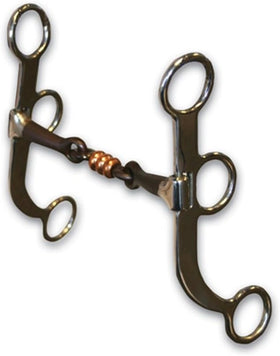

How to Find the Perfect Bridle Fit
Finding a bridle that fits correctly is one of the most important things you can do for your horse. A well-fitted bridle ensures your horse is comfortable, happy, and responsive to your cues. An improper fit, on the other hand, can cause pain and resistance, turning a pleasant ride into a frustrating one for both of you. Taking the time to get the size right from the start makes all the difference in your communication and your horse's well-being.
Understanding Standard Bridle Sizing
Just like a pair of jeans, a "Full" size bridle from one brand might fit differently than another. While manufacturers use standard categories like Pony, Cob, and Full, it's best to think of these as helpful guidelines rather than strict rules. The real key to a perfect fit is knowing your horse's specific measurements. Taking the time to measure from bit to bit over the poll, across the browband, and around the throatlatch ensures the bridle will sit comfortably without pinching or shifting. Most quality bridles offer good adjustability, but starting with the right base size makes all the difference. Before you start shopping, grabbing these few simple measurements will help you confidently choose the right size from the start.
From Mini to Draft: Finding the Right Size
You’ll generally see bridles labeled as Mini, Pony, Cob, Full (or Horse), and Draft. Minis are for Miniature Horses, while Pony sizes typically fit breeds like the Shetland or Welsh Pony. Cob is a great starting point for horses with shorter, broader heads, like many Arabians or Morgans. The Full size is the most common, fitting average Quarter Horses and Thoroughbreds. Finally, Draft sizes are for gentle giants like Clydesdales. Remember, these are just starting points, as a petite Quarter Horse might need a Cob size. This is why comparing your measurements to the manufacturer's size chart is so valuable when browsing our horse tack collection.
How to Measure Your Horse for a Bridle
Before you start shopping for new horse tack, grab a soft fabric measuring tape. The most critical measurement is from one corner of your horse's mouth, up over the poll (the area right behind the ears) where the headstall will sit, to the other corner of the mouth. This tells you the length needed for the headstall and cheekpieces. Next, measure for the browband by going from just behind one ear, across the forehead, to just behind the other ear. If you already have a bridle that fits your horse well, you can also measure its parts as a helpful guide.
A Checklist for the Perfect Fit
Once you have the bridle on your horse, use this simple checklist to confirm the fit. The bit should rest comfortably in the mouth, creating one or two soft wrinkles at the corners. For the headstall, you should be able to slide two fingers comfortably between the leather and your horse’s poll. The browband shouldn't pull the headstall into the base of the ears or have a large gap across the forehead. Finally, check the throatlatch. It’s not there to hold the bridle on; it just prevents it from coming off over the ears. You should be able to fit at least three, or even four, fingers between the throatlatch and your horse's jaw.
Common Fitting Mistakes to Avoid
A poorly adjusted bridle can create serious discomfort. If the cheekpieces are too long, the bit will hang too low and bang against your horse's teeth. If they're too short, the bit will pull the corners of the mouth too high and cause pinching. A tight browband can put pressure on the sensitive areas around the ears, causing headaches and irritation. Remember, a bridle that doesn't fit correctly can make your horse unwilling to cooperate or respond to your signals. At Hooves and Paws, our team knows that a comfortable horse is a happy partner, so always double-check your fit before every ride.
Ensuring Correct Bit Placement
The bit is your primary line of communication, so getting its placement right is essential for a clear conversation. It should rest gently on the bars of your horse's mouth—the space on the lower jaw where there are no teeth. A good rule of thumb is to adjust the cheekpieces so the bit creates one or two soft wrinkles at the corners of your horse's mouth. This position is stable enough that the bit won't clank against their teeth but relaxed enough that it doesn't create constant, uncomfortable pressure. Proper placement ensures your rein cues are translated into quiet, understandable signals, fostering a more responsive and willing partner.
The Problem with a Too-Tight Fit
While we've touched on this, it's worth repeating: a bridle that's too tight is more than just uncomfortable—it's a recipe for miscommunication and resistance. If the cheekpieces are adjusted too short, the bit will pull the corners of the mouth too high, causing pinching and constant pressure. On the other hand, if they're too long, the bit will hang low and bang against your horse's teeth. Similarly, a browband that’s too snug can pinch the sensitive area at the base of the ears, leading to head tossing and irritation. Always check these key pressure points to ensure your horse can focus on you, not on discomfort.
Special Considerations for One-Ear Bridles
One-ear and split-ear headstalls offer a clean, minimalist look, but their design comes with a specific safety consideration. Because they don't have a throatlatch for extra security, they work best with shanked bits. The leverage action of a shank bit helps keep the headstall stable. Using this style with a snaffle bit is generally not recommended, as there's a higher risk of the entire bridle slipping off over the ears, especially during a spook or a quick turn. When choosing from our horse tack collection, remember this pairing to ensure your rides are as safe as they are stylish.
How Your Bridle's Parts Work Together
A bridle is much more than just a set of leather straps; it’s your primary line of communication with your horse. The headstall, reins, and bit all work together as a system to translate your subtle cues into clear signals. While every part is important, the bit is the centerpiece of this conversation. As experts at the MU Extension point out, the bit is the main way you communicate with your horse. Understanding how these pieces function in harmony is key to building a responsive and trusting partnership. Let's look at how it all comes together.
Understanding Pressure and Release Cues
This is where the real conversation happens. Effective communication with your horse is all about the principle of pressure and release. When you pick up the reins, you apply gentle pressure through the bit. Your horse feels this cue and responds by softening, turning, or slowing down. The instant they give the correct response, you release that pressure. This release is their reward, telling them, "Yes, that's exactly what I was asking for." This constant give-and-take is a fundamental part of Western horse training. It’s a quiet dialogue that builds trust and understanding, turning your requests into a dance rather than a demand.
From Your Hands to Your Horse: How Signals Travel
Ever wonder how a small movement in your hands translates to your horse? It’s a direct line. Your cue travels from your hands, down the reins, to the bit and headstall. This system then applies pressure to specific points on your horse’s head, like the corners of the mouth, the tongue, the poll, or the nose. For this communication to be clear and kind, the bridle must be assembled and adjusted correctly. A poorly fitting bridle can muddle your signals or cause discomfort, which can lead to confusion and resistance. Making sure you have the right horse tack and that it fits perfectly ensures your messages are received exactly as you intend them.
Common Myths About Western Bits, Busted
Western bits sometimes get a bad rap, with some people labeling them as harsh without fully understanding their function. The truth is, a bit is only as severe as the hands holding the reins. Many western bits, especially those with shanks, are designed to work off of leverage, allowing for incredibly subtle and light cues. A skilled rider can use one with minimal pressure. As one expert explains, it's a common misconception to judge a bit by its appearance alone. The key is education. Understanding how a specific bit is designed to work and learning to use it with soft hands is what truly matters for humane and effective communication.
How to Spot a High-Quality Western Bridle
A bridle is more than just a piece of equipment; it’s one of the primary ways you communicate with your horse. Choosing a quality bridle is an investment in your horse’s comfort, your safety, and the clarity of your cues. While a flashy design might catch your eye, the real value lies in the materials and construction. A well-made bridle will stand up to years of use on the trail or in the arena, while a poorly made one can cause discomfort, break unexpectedly, and create training frustrations.
When you’re shopping, it’s helpful to know what separates a great bridle from a mediocre one. By paying attention to the leather, stitching, and hardware, you can find a piece of horse tack that is both beautiful and built to last. Think of it as choosing a trusted tool for your partnership with your horse. A quality bridle feels good in your hands, fits your horse correctly, and gives you the confidence that your equipment is secure every time you saddle up. Learning to spot these key features will help you make a smart purchase you won’t regret.
What Quality Craftsmanship Looks Like
The first thing to assess is the leather. High-quality leather is the foundation of a great bridle because it’s durable, flexible, and comfortable against your horse’s skin. It should feel supple and substantial in your hands, not stiff, dry, or plasticky. Good leather has a smooth, consistent grain and clean, well-finished edges. Rough, frayed edges are often a sign of lower-quality material and rushed production. A well-crafted bridle will feel balanced and thoughtfully made, indicating that the maker took pride in their work. This attention to detail ensures the bridle will not only look good but also perform reliably for years to come.
Why Stitching and Reinforcements Matter
Next, take a close look at the stitching. The stitches hold everything together, so they need to be strong and consistent. Quality stitching is a hallmark of a good bridle. Run your eyes along the seams; the stitches should be straight, evenly spaced, and tight, with no loose threads. Pay special attention to stress points, like where the bit and reins attach to the headstall. These areas should have reinforcements, such as extra layers of leather or additional stitching, to handle the pressure of daily use. This detail is crucial for durability and safety, ensuring the bridle won’t fail when you need it most.
Why Hardware Quality Matters for Safety
The hardware, including all the buckles, rings, and conchos, is critical for both function and safety. These metal components must be made from high-quality materials to prevent them from breaking under pressure, which could put you and your horse at risk. Look for hardware made of stainless steel or solid brass, as these metals are strong and resist rust and corrosion. Avoid cheap, plated metals that can easily chip, bend, or snap. Make sure the buckles are easy to fasten and unfasten but hold securely once adjusted. Smoothly functioning hardware makes tacking up easier and gives you peace of mind that your bridle is secure.
How to Make Your Western Bridle Last
A quality Western bridle is an investment in your horse's comfort and your safety. Just like any other important piece of equipment, it needs regular care to stay in top shape. Creating a simple maintenance routine doesn't have to be a chore, and it will pay off by extending the life of your tack and preventing unexpected breaks. Proper care keeps leather supple, hardware functional, and ensures your bridle is always ready for the next ride.
Taking a few minutes after each ride to clean and inspect your bridle is one of the best habits you can develop as a rider. It’s also the perfect time to check for any signs of wear and tear before they become a problem. Whether you have a traditional leather bridle or a modern synthetic one, knowing how to care for the material is key. Let’s walk through the essential steps for daily care, deep conditioning, and knowing when it’s time to invest in a new piece of horse tack.
Your Daily Bridle Care Checklist
Giving your bridle a quick once-over after every ride is the single best thing you can do for its longevity. Sweat and dirt can break down leather fibers over time, so getting them off quickly is crucial.
Start by unbuckling the reins and bit. Use a soft, damp cloth to wipe down all parts of the headstall, paying special attention to the areas that make direct contact with your horse. This simple wipe-down prevents grime from building up. Next, rinse the bit with clean water to remove any saliva or debris. While you’re at it, do a quick visual check of the stitching and leather, especially around buckles and stress points, to catch any potential issues early.
How to Condition Leather vs. Synthetic Tack
While daily wipe-downs are great, your bridle also needs occasional deep conditioning, though the method depends on the material. Leather is a natural skin, and it needs moisture to stay flexible and strong. After cleaning it with a dedicated leather soap, apply a quality conditioner with a soft cloth. This step-by-step process keeps the leather from drying out and cracking.
Synthetic tack, like nylon or biothane, is much simpler. It doesn’t require conditioning. You can clean it thoroughly with a bucket of mild soap and water, using a soft brush to scrub away any stubborn dirt. Just be sure to rinse it completely and let it air dry before storing it.
When Is It Time to Replace Your Bridle?
Even the best-cared-for bridle won’t last forever. Knowing when to retire it is critical for your safety. Make a habit of inspecting your tack for signs that it’s time for a replacement. Look for deep cracks in the leather, especially at fold-over points or near hardware. Check if the buckle holes have become stretched or elongated, as this can affect fit and security.
Frayed or broken stitching is another major red flag. If you see any of these issues, it’s time to start shopping for a new bridle. Storing your bridle in a cool, dry place away from direct sunlight will help it last longer, but wear and tear are inevitable. Don’t risk an accident; replacing worn-out horse tack is always the right call.
Practical Tips for Bridle Upkeep
Beyond the big deep-cleaning sessions, the small, everyday habits make the biggest difference in your bridle's lifespan. Think of it like brushing your teeth—a quick daily effort prevents bigger problems down the road. Giving your bridle a simple wipe-down with a damp cloth after every ride is the most effective way to combat the damaging effects of sweat and dirt, which can slowly degrade leather. This isn't just about keeping your horse tack looking good; it's about preserving its strength and safety. By making this a non-negotiable part of your post-ride routine, you ensure your equipment remains reliable and comfortable for your horse.
Using a Practice Bridle and Customizing Fit
A great way to preserve your best bridle is to not use it every day. Consider investing in a durable, everyday 'practice' bridle for schooling and trail rides. This saves your show bridle from the daily grind of sweat, sun, and dirt, keeping it in pristine condition for when it counts. At the same time, ensuring both your practice and show bridles are perfectly customized to your horse's fit is another form of upkeep. A bridle that fits correctly distributes pressure evenly, preventing straps from stretching and hardware from wearing out prematurely. A proper fit isn't just for comfort—it's a key part of making your investment last.
Ready to Shop? Let's Find Your Perfect Bridle
Choosing the right Western bridle can feel like a big decision, but it doesn't have to be complicated. The perfect bridle is one that fits your horse comfortably, suits your riding discipline, and holds up to regular use. Whether you're training in the arena, competing in a show, or hitting the trails, the goal is to find a piece of equipment that ensures clear communication and safety for both you and your horse. Think about your primary needs first. Do you need a rugged, no-fuss headstall for daily work, or are you looking for something with a bit more flair for the show ring? Answering that question is the first step to narrowing down the options. At Hooves and Paws, we've handpicked a selection of horse tack that meets our high standards for craftsmanship and durability, so you can shop with confidence.
Our Top Bridle Picks for Performance
When you invest in a high-quality bridle, you're paying for superior materials, expert craftsmanship, and a design that prioritizes your horse's comfort. Our top performance picks are often crafted from supple, high-grade leather that softens beautifully over time and stands up to the demands of rigorous training. Look for bridles with clean, even stitching and durable hardware made from stainless steel or solid brass that won't rust or break under pressure. Whether you prefer a classic, understated cowboy style for everyday riding or a unique design with special tooling for shows, a performance-focused bridle delivers reliability and a polished look.
Great Bridles That Won't Break the Bank
You don't have to spend a fortune to get a safe and reliable bridle. Many durable and affordable options offer incredible value without compromising on quality. Bridles made from strong, USA-tanned leather or tough, weather-resistant nylon can be excellent choices for daily use, training, and trail riding. Synthetic materials are especially practical, as they are easy to clean and maintain. When looking for a budget-friendly bridle, pay close attention to the hardware and stitching, as these are key indicators of its overall durability. We believe every rider deserves access to safe, dependable gear, which is why we stock a variety of best-selling products trusted by horse owners like you.
Browse our collection of western bridles and tack to find dependable gear built for the way you and your horse work together.
Trusted Brands to Look For
When you're shopping for a new bridle, it's easy to get caught up in brand names, but what you're really looking for is a reputation for quality. A trusted brand is one that consistently delivers on the fundamentals: supple, high-grade leather, clean and even stitching, and solid stainless steel or brass hardware that won't fail under pressure. These are the details that ensure your bridle is a safe and reliable tool for communication. At Hooves and Paws, we've done the homework for you, hand-selecting horse tack from makers who share our commitment to craftsmanship. Choosing a bridle from a reputable brand is an investment in your horse's comfort and your own peace of mind on every ride.
How to Choose the Right Bridle for Your Budget
Finding the right bridle within your budget is all about knowing what to prioritize. Start by focusing on the most critical elements: a proper fit and safe, sturdy construction. A simple, well-made leather or synthetic bridle that fits correctly is always a better investment than a highly decorated one with weak points. Understand the basic parts of a Western bridle, like the crownpiece, cheekpieces, and throatlatch, so you can assess the quality of each component. Once you've confirmed the fit and safety, you can then consider aesthetics and materials. This approach ensures you get the best possible bridle for your money.
Related Articles
- Horse Bridles: The Complete Guide for Riders
- Headstall vs Bridle: Key Differences
- Browband Headstall Guide
- Browband Headstall 101: Everything You Need to Know
- Expert Guide to Western Saddle Parts for Riders 2026
Frequently Asked Questions
How can I tell if my bridle is uncomfortable for my horse? Your horse will often give you clear signals if something is wrong. Look for behaviors like tossing their head, resisting having the bridle put on, rubbing their head against their leg or a fence post after a ride, or being overly fussy with the bit. These can all be signs that the fit is off. It could be a browband that's too tight, a bit that's pinching, or cheekpieces that are adjusted incorrectly. Always start by re-checking
Can I use a snaffle bit with any style of Western bridle? Not exactly. A snaffle bit works best with a browband-style bridle. The reason is safety. Browband bridles have a throatlatch, which is a crucial piece of security that prevents the entire bridle from accidentally slipping forward and off over your horse's ears. Simpler styles, like one-ear or split-ear headstalls, don't have a throatlatch, making them a less secure choice for direct reining with a snaffle.
How often should I be deep cleaning and conditioning my leather bridle? A good rule of thumb is to give your leather bridle a thorough cleaning and conditioning treatment about two to four times a year. However, this can change based on your situation. If you live in a very dry, dusty climate or ride almost every day, you might need to do it more often to keep the leather from drying out. If you ride infrequently or live somewhere humid, you can likely stick to a less frequent schedule. The key is to keep the leather feeling supple, not stiff or greasy.
Is a more expensive, highly decorated bridle better than a plain one? Not necessarily. While a beautiful show bridle with silver accents is stunning, its quality comes from the craftsmanship, not the decoration. A plain, well-made bridle crafted from high-quality leather with solid stainless steel hardware and even, tight stitching is a far better and safer investment than a flashy bridle made with cheap materials. Always prioritize the quality of the leather and hardware over the amount of decoration.
What is the main difference between a Western bridle and an English bridle? The biggest difference comes down to their design and how they're used. Western bridles are built for neck reining and working with a looser rein, which is why they often lack the noseband (or caveson) common on English bridles. English bridles are designed for direct rein contact, where the rider maintains a more consistent connection with the horse's mouth. This fundamental difference in riding style is reflected in every aspect of their construction.


