


A horse can catch a hind hoof on the heel of a front foot in a single stride, especially during fast work, turnout, or moments of excitement. That small impact can bruise the heel, cut the heel bulbs, pull off a shoe, or leave a horse sore.
Shop protective bell boots for horses to add a trusted layer of hoof and heel protection to your turnout or riding routine.
The bell boots purpose is to shield the hoof wall, heels, and heel bulbs from overreaching injuries. They are especially useful when a horse tends to step into its front feet. But they must be chosen and fitted carefully so they protect without rubbing, twisting, or interfering with movement.
Bell boots are simple in design, yet the best choice depends on your horse's way of going, daily routine, and sensitivity to pressure or moisture. Understanding the risk they address makes it easier to decide when they belong in a work, turnout, or travel setup.
What Is the Purpose of Bell Boots for Horses?
Bell boots, also called overreach boots, fit over the hoof to shield the heel bulbs and coronary band from a hind hoof that reaches too far forward. This protection matters because a horse can injure the front of its heel during movement. Especially when working quickly, changing balance, or moving over footing that affects its stride. The University of Minnesota's large-animal surgery guidance identifies bell boots as protection against heel-bulb lacerations caused by overreaching. Learn more about heel-bulb injuries.
How do bell boots prevent overreach injuries?
Overreaching, sometimes called grabbing, happens when a hind hoof contacts the heel of a front leg during the stride. The contact may cause a painful cut, bruising, or damage near the coronary band. A bell boot creates a durable barrier around that vulnerable area, so the hind hoof is more likely to strike the boot than the horse's skin. Research and veterinary education consistently emphasize appropriate leg protection as one part of preventing common exercise-related equine injuries. Michigan State University Extension explains equine leg protection.
Can bell boots help prevent lost front shoes?
Yes. When a hind hoof catches the edge of a front shoe, it can pull the shoe loose or remove it entirely. Bell boots help cover the heel and shoe area, reducing direct contact and giving the front foot an extra layer of protection. They are especially useful for horses that have a history of overreaching, pulling shoes, or striking themselves during active work.
Bell boots have a specific job, so it is important not to treat them as all-purpose leg protection. They do not wrap the tendons, and they do not provide the same brushing protection as brushing boots. Bell boots protect the hoof and heel area, while other boot styles are designed for different parts of the leg. Selecting protection based on your horse's movement, workload, and injury pattern is the safest approach.
For a suitable option, browse our protective bell boots for horses and check each product's fit guidance before adding it to your tack room.
How Can You Tell if Your Horse Needs Bell Boots?
Start by checking your horse's front feet and the hairline above them after exercise, turnout, or any fast work. Fresh nicks, cuts, scrapes, or scuffed hair around the front heel bulbs and coronary band can indicate that a hind hoof is catching the front foot. Even a small mark deserves attention because repeated overreaching can turn minor irritation into a painful heel injury.
Bell boots are especially worth considering when your horse clips the front heels with a hind foot. Moves closely behind, or shows repeated marks around the front heels and coronary bands. Proper leg protection during exercise can help reduce common equine leg injuries.
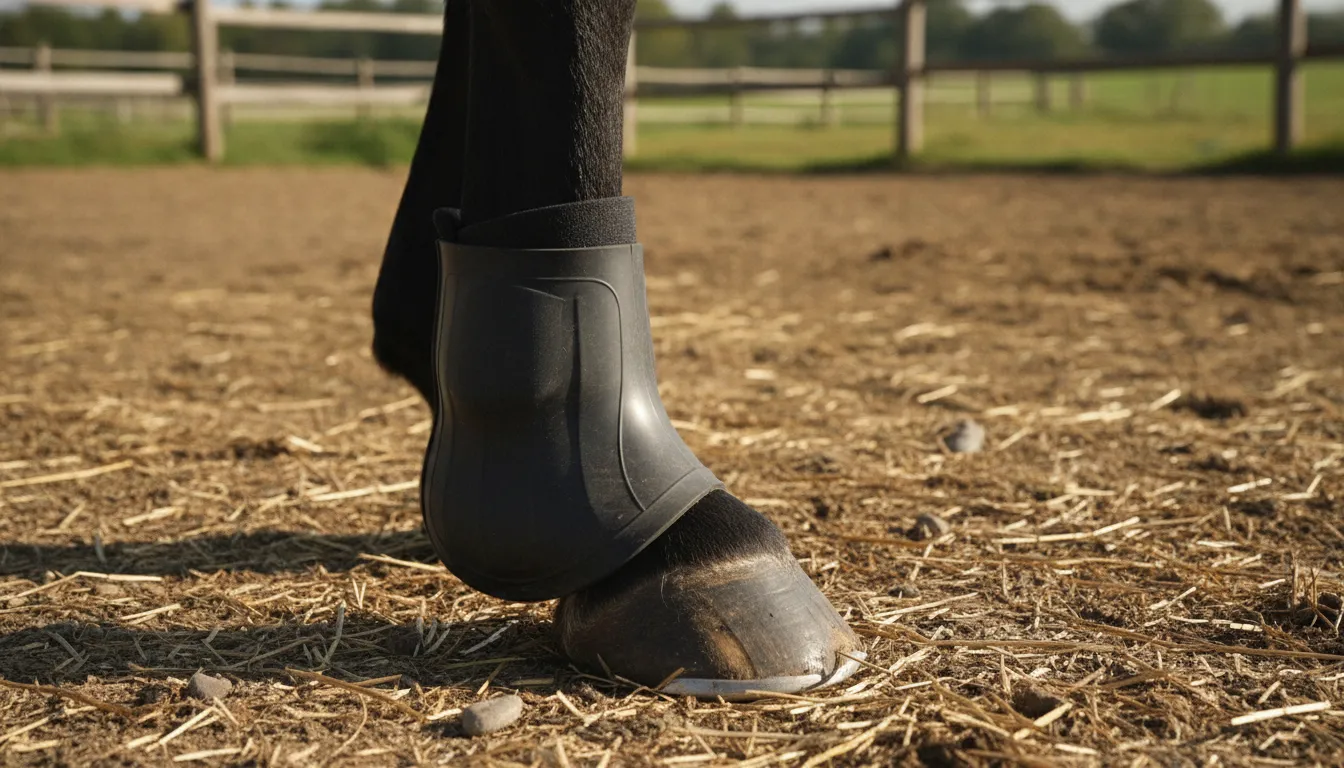
Watch for signs of overreaching
Some horses are more likely to overreach because of their stride, balance, conformation, speed, or footing. Pay close attention if your horse repeatedly clips a front heel with a hind hoof, particularly during transitions, jumping, fast work, or slippery conditions. Horses that move closely behind may also have less room between the hind and front feet, increasing the chance of contact. A horse that wears front shoes only may benefit from extra protection as well. Since a hind hoof can catch the edge of a front shoe and pull it loose.
The University of Minnesota's large-animal surgery guidance identifies overreaching as a cause of heel injury and explains that bell boots help prevent a horse from clipping itself. Michigan State University Extension likewise notes that appropriate leg protection during exercise can help prevent common equine leg injuries. These sources support using bell boots as a preventive tool, not waiting until a serious wound or lost shoe occurs. For related wound-care supplies and soundness guidance, explore our horse health and first aid collection.
Check the pattern, not just one mark
One scrape may come from an isolated incident, but recurring marks after similar activities suggest a pattern. Inspect both front feet, note when the marks appear, and watch your horse move if possible. If there is bleeding, swelling, heat, lameness, or a deep cut, remove the horse from work and contact your veterinarian. Bell boots can help prevent future contact, but they do not replace treatment for an existing injury or a professional assessment of gait and hoof balance.
Shop This Post

When Should Horses Wear Bell Boots?
Bell boots are most useful when a horse is likely to overreach, especially during activities that increase speed, excitement, fatigue, or uneven footing. They can be worn during work, turnout, and travel when the horse may strike a front heel or pull at a front shoe with a hind hoof. The right timing depends on the individual horse, its movement, and the conditions.
Use bell boots for work, turnout, or travel when overreaching is a concern. Remove them between sessions so the hoof and pastern stay clean and dry, and check the skin for rubbing or unusual heat.
During work and exercise
Many horses wear bell boots for riding, lunging, jumping, speed work, or other exercise when their hind feet may reach the front heels. They are especially sensible for horses that have a history of overreaching, lost front shoes, or heel-bulb injuries. Bell boots are one part of a broader leg-protection plan, and proper protection during exercise can help reduce common equine leg injuries, according to Michigan State University Extension: proper leg protection during exercise.
During turnout and travel
Turnout can create a higher-risk situation when a horse runs, plays, spins, or moves across slick or uneven ground. Travel may also justify bell boots if a horse shifts, loses balance, or becomes active in the trailer. They are frequently used for all three situations, work, turnout, and travel, when overreaching risk is present. Most horses need bell boots on the front feet only, because the front heels are the usual target of a hind hoof. During turnout, however, some horses benefit from protection on all four feet if they consistently strike or interfere behind.
Bell boots should not stay on full time by default. Remove them between sessions, then inspect the hoof, pastern, and heel bulbs for trapped dirt, moisture, rubbing, or heat. Clean and dry the area before putting them back on. If the boot shifts, pinches, or leaves a mark, stop using it until the fit is corrected. A well-chosen pair should protect without becoming a new source of irritation.
Bell Boot Types and Materials
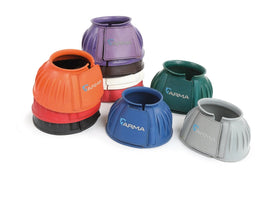
Bell boots differ in material, closure, and finish, so the best choice depends on your horse's routine, hoof shape, and sensitivity. A durable pair should protect the heel bulbs without trapping excessive moisture or shifting during movement. The main options include:
| Option | Best suited for | What to consider |
|---|---|---|
| Rubber | Everyday schooling, turnout, and horses that need sturdy overreach protection. | Durable and easy to clean, but can feel less flexible and may hold moisture if left on too long. |
| Synthetic or PU | Regular riding, eventing, and riders who want a lighter, flexible option. | Often combines flexibility with easy care. Inspect the finish and seams for wear. |
| Leather | Show environments, formal English work, and riders who value a traditional appearance. | Requires more care and conditioning. Fit carefully because leather can soften over time. |
| Fleece-lined | Sensitive horses or horses prone to rubbing around the pastern. | Provides a softer contact surface, but needs regular cleaning and thorough drying. |
| Pull-on | Simple, secure use when the boot is sized correctly. | Can be difficult to put on and remove, especially on horses that dislike handling. |
| Velcro or strap | Everyday riding and quick changes between activities. | Convenient, but keep closures clean and fastened firmly so they do not open. |
| Buckle | Riders who prefer an adjustable, traditional closure. | Offers controlled adjustment, though it takes longer to secure. |
| Double velcro | Active horses or riders who want added closure security. | Provides extra fastening support, but creates more material to keep clean. |
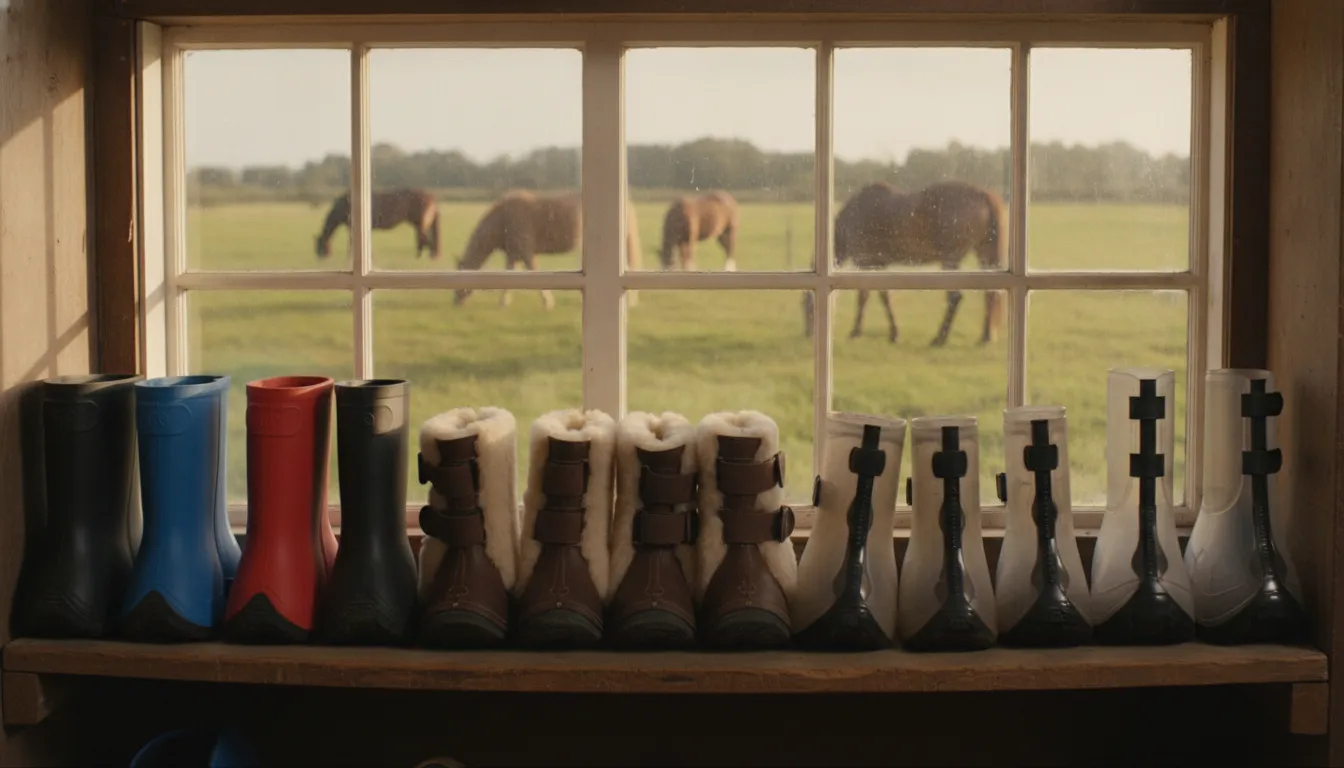
For jumping, fast work, or turnout with a history of overreaching, prioritize secure coverage and a closure that stays put. For sensitive skin, fleece-lined designs may be more comfortable, while rubber or synthetic styles are practical for muddy conditions. Bell boots are commonly used during work, turnout, or travel when overreaching risk is present. And they should be removed between sessions so the hoof and pastern stay clean and dry. Material and closure options are documented by the University of Minnesota and Dover Saddlery: learn about heel-bulb protection and review bell boot selection guidance.
Explore protective bell boots for horses to compare options for your horse's work and hoof-protection needs.
How to Choose and Fit Bell Boots Correctly
A well-fitted bell boot should protect the heel without becoming another source of pressure, rubbing, or interference. Use this check each time you select a size or try a new style. Especially if your horse has a pronounced pastern, wide hoof, or a history of pulling shoes.
-
Measure the hoof and consider pastern size
Start with the measurements recommended by the manufacturer, using your horse's hoof size and the amount of room needed around the pastern. Hoof shape matters as much as a simple length measurement. A boot that fits one horse comfortably may be too tight around another horse's heel or pastern. If you are between sizes, compare the product's sizing chart with your measurements rather than choosing by appearance alone. Use our View Size Guide option before ordering.
-
Choose the closure and material for the job
Decide whether a pull-on, hook-and-loop, buckle, or double-strap design is practical for your horse and routine. Pull-on boots can offer a secure fit, while adjustable closures may be easier when you need to fine-tune the fit. Rubber, synthetic, leather, and fleece-lined styles each have different handling and comfort characteristics. Choose a durable material for regular work, and consider a softer lining when minimizing friction is a priority.
-
Put the boot on over the hoof
Lift the horse's front hoof if needed and work the boot over the hoof so it fully covers the heel. The upper edge should sit above the coronary band, while the lower portion extends down over the hoof and heel. This coverage is central to the protective function of a bell boot. The University of Minnesota identifies bell boots as protection for the heel bulbs and explains their use against overreaching injuries. Read the veterinary reference for additional background.
-
Check snugness, movement, and pastern room
Once the boot is in place, check that it sits snugly without restricting heel movement or rubbing. There should be enough room around the pastern for comfortable movement, but not so much space that the edge catches or shifts. Run your fingers around the opening and inspect the skin after use. A boot that leaves pressure marks, heat, or hair loss needs a different size, shape, or material.
-
Watch for rotation or flipping
Walk the horse and watch the boot in motion. It should remain centered over the heel and should not rotate, slide, or flip upside down. Recheck the closure and fit after several minutes of movement, then inspect it again when the horse returns from work or turnout. If the boot repeatedly shifts despite correct placement, try another size or design from the leg-protection collection.
View the bell boot size guide and shop now to find a pair that fits securely and protects without rubbing.
Frequently Asked Questions
What is the purpose of bell boots?
Bell boots, also called overreach boots. Cover the hoof and heel bulbs to help protect the front heel and coronary band when a hind hoof reaches forward and strikes it. This protection is especially useful for horses that overreach during work or on unstable footing. Bell boots may also help prevent a hind hoof from catching and pulling off a front shoe. University of Minnesota veterinary guidance describes their role in reducing heel-bulb injuries.
How do I know if my horse needs bell boots?
Look for repeated nicks, scrapes, or cuts around the front heel or coronary band. Signs that the horse is clipping itself with a hind hoof, or a pattern of pulled front shoes. Horses that overreach during exercise, turnout, or travel are common candidates. If an injury is deep, recurring, or affecting soundness, consult your veterinarian or farrier.
Should horses wear bell boots full time?
Usually, no. Use them during activities when overreaching is likely, such as riding, turnout, or travel, then remove them between sessions. Check the hoof and pastern area for trapped moisture, dirt, heat, or rubbing before putting the boots back on. Clean and dry the boots and the horse's legs regularly.
Do horses wear bell boots on all four feet?
Most horses wear bell boots on the front feet because those heels are the usual target of an overreaching hind hoof. Some horses may benefit from protection on all four feet during active turnout or when their movement creates additional risk. Your farrier can help determine which feet need coverage.
How should bell boots fit?
The boot should extend above the coronary band and cover the hoof and heel, while remaining snug without rubbing or restricting normal movement. Leave adequate room around the pastern, and make sure the boot does not rotate, flip, or expose the heel when the horse moves. Recheck the fit after exercise, especially when trying a new size or closure.
Ready to Choose Protective Bell Boots?
The right bell boots can help support your horse's hoof and heel protection during the activities covered in this guide. Shop Now for protective bell boots and compare options designed for different riding, turnout, and fit needs. Review the closure and sizing details before choosing a pair that sits securely without restricting comfortable movement.


