
Fly Masks That Stay On
Filter and sort
10 products

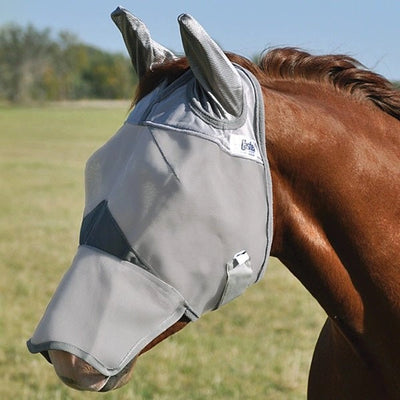

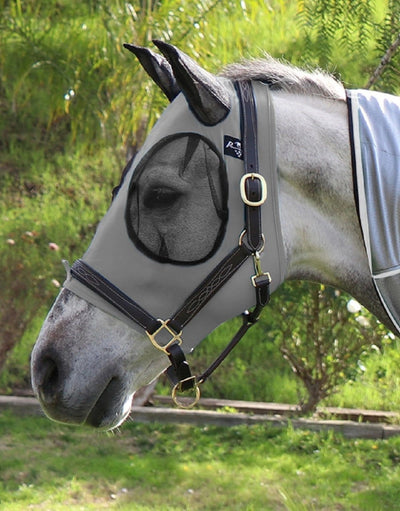
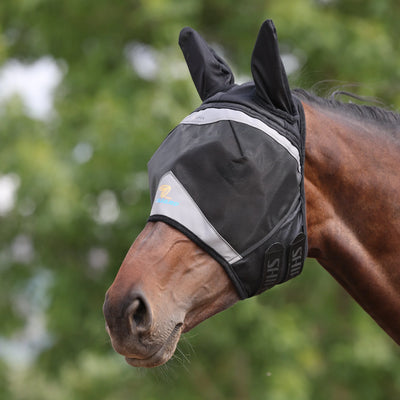
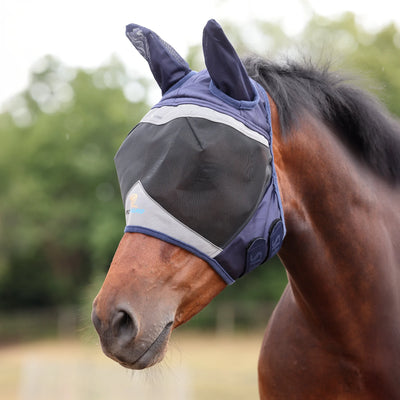

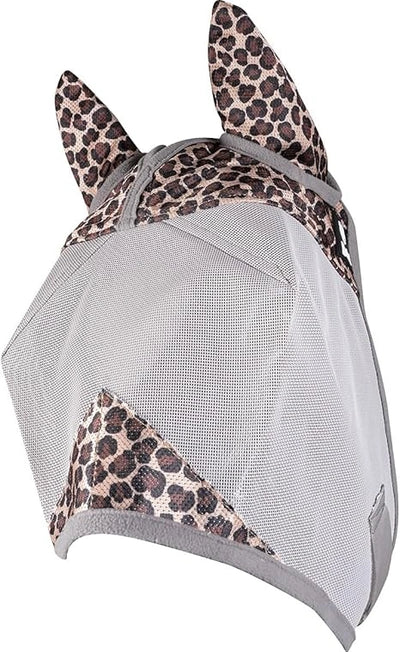

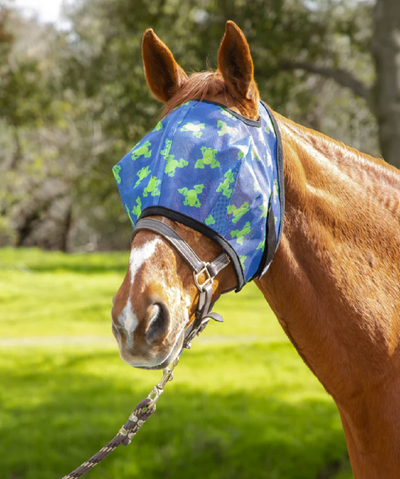

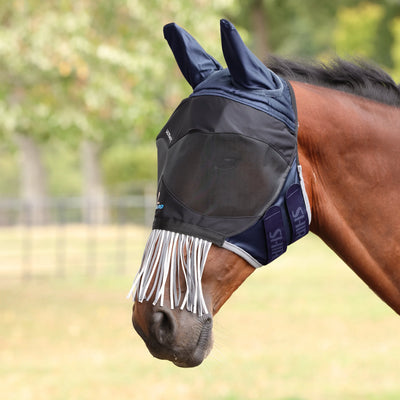

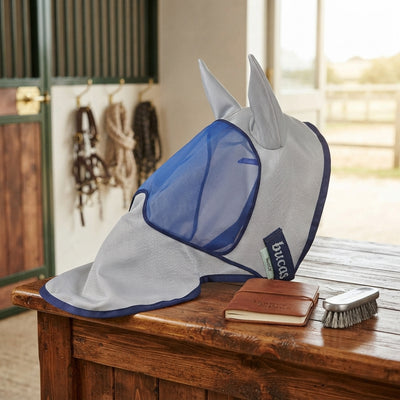

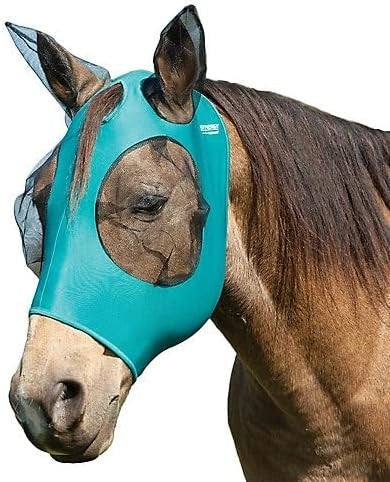

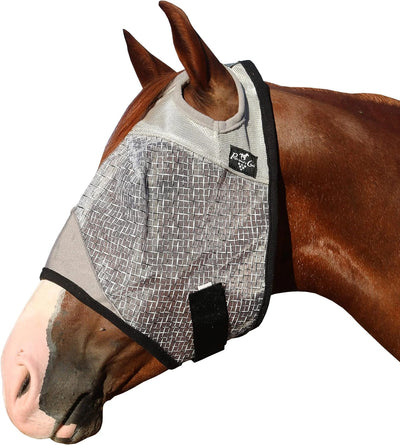

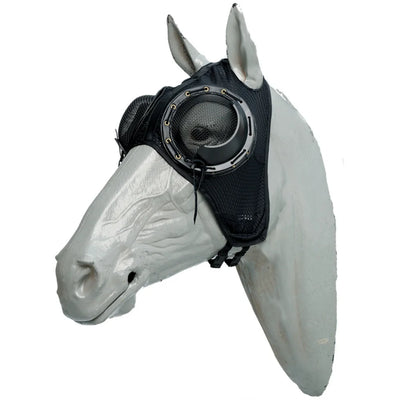
The most common complaint about a fly mask is not the mask, it is that the horse takes it off. Earless designs stay on better than eared ones, but you give up ear protection to get that — so the honest answer depends on whether your horse rubs, and on where the mask actually grips.
What Riders Are Actually Asking
Why does my horse keep getting his fly mask off?
Nine times out of ten it is the ears. A mask with ear covers gives the horse something to catch on a fence post or a paddock mate, and once the ear pulls free the whole mask follows. Riders who have tried both consistently report that earless masks stay on far better. If you need ear cover for gnats or sunburn, look for a soft lycra ear rather than a stiff mesh one, and check the throat strap is snug enough that you can just slide two fingers under it.
How far down the nose should a fly mask go?
Longer nose coverage protects a pink or sunburn-prone muzzle, but it also catches hay, seeds and grit, and a horse eating from the ground will pack it. If your horse has pink skin on the muzzle, take the longer nose and accept the cleaning. If not, a standard-length mask stays cleaner and rubs less.
Do the eye pockets really matter?
Yes, and this is the failure riders notice second. A mask with a soft or collapsing eye pocket lets the mesh sit against the eyelashes, which is exactly what the mask is meant to prevent. Look for a moulded or darted eye area that holds its shape when you press it, and check it again after a season of washing — that is when cheap ones give up.
Is UV protection worth paying for?
For a horse with a pink nose, blue eyes or a history of eye trouble, yes — that is the whole reason to use a mask in daylight rather than just at fly time. Most quality masks now block a high percentage of UV; the number matters less than actually keeping the mask on the horse, which is why fit comes first.
Turnout mask or riding fly veil — are they the same thing?
No. A turnout mask covers the eyes and often the ears and nose, and is built to survive a paddock. A fly veil or bonnet goes under the bridle while you ride and offers almost no protection from sun. If you are shopping for turnout, ignore the veils.
How to Choose the Right Fly Mask
- Start with earless if he rubs: Fewer things to catch means fewer masks in the mud. Add ear cover only if you have a gnat or sunburn reason.
- Press the eye pocket: If it collapses under a thumb it will sit on the lashes. A darted or moulded pocket holds its shape.
- Measure, do not guess the size: Cob, horse and warmblood run differently between brands. A mask that is too big slides; too small rubs at the cheekbone.
- Match the nose to the muzzle: Long nose for pink skin, standard for everything else — the long ones collect hay.
- Buy two: One on the horse, one in the wash. A mask caked in dust is an abrasive sitting against the eye.
What This Page Is Not For
This page is turnout masks only. If you want a fly veil to ride in, or a full fly sheet, those are different products and a mask will not do either job.
Brands Riders Trust
Cashel built its name on the Crusader and it is still the mask riders name first for fit. Professional's Choice makes the comfort-fit range that pairs with their neck covers. Shires covers the value end without giving up the eye pocket, and Farnam's Supermask is the one most people met first.
Every mask here is one we stock and can ship in two days from an American warehouse, and it is covered by our 365-day guarantee. Happy Tails, Happy Trails.
