


Cat litter storage is easiest to manage when you treat it as a moisture, cleanliness, and access problem rather than simply finding somewhere to hide a bag. The right setup keeps reserve litter dry and contained, makes refills less awkward, and helps prevent dust or spilled granules from spreading through the home. It should also fit your routine, whether you refill one box occasionally or maintain several boxes for multiple cats.
Read our cat litter care guide
The best cat litter storage setup keeps litter sealed or securely closed in a clean, dry location, while leaving an active supply easy to reach. Choose the container and placement based on the litter material, refill frequency, available space, and how comfortably you can lift or pour it.
From choosing a practical container to separating active and reserve supplies, a few simple criteria make the daily routine cleaner and more convenient. Start with the features that help litter stay protected without making refills harder.
What Makes Cat Litter Storage Work?
Good cat litter storage has four jobs: keep unused litter dry, contain dust and spills, make refills easy to reach, and fit the way your household actually moves through the space. A container that protects the litter but is awkward to lift or open may create more frustration than it solves. The best setup balances protection with simple, repeatable access.
Store reserve litter in a clean, dry, securely closed container or sealed original bag. Keep a smaller active supply near the box, and choose a setup that limits moisture exposure while making controlled refills straightforward.
Separate reserve litter from the active supply
Think of your inventory in two layers. The reserve supply is the unopened or mostly unused portion kept in a dry storage area. The active supply is the amount you can access comfortably when the box needs a refill. This separation keeps you from repeatedly opening the full reserve and lets you place a manageable amount closer to the litter box. It also makes it easier to notice when supplies are running low without moving a heavy container every time.
Prioritize dryness, containment, and access
A tight-fitting lid or locking closure can help limit exposure to humidity. For example, Petmate describes locking-lid and moisture-control features on one dedicated storage container, but that product is an example of useful criteria, not a Hooves and Paws product recommendation. Look for a container that is stable, easy to clean according to its manufacturer instructions, and practical to lift or pour from. A visible fill level, handle, or controlled-pour design may also make refilling less messy, if those features suit your space.
This guide focuses on storing litter cleanly and conveniently. For help choosing among litter materials and maintaining the box itself, see our guide to cat litter types and care. Keeping those subjects distinct makes it easier to choose a storage method around your existing litter routine, rather than treating storage as a substitute for proper box care.
What Bin Can I Put Cat Litter In?
The best container depends on how much litter you keep, where you store it, and how often you refill the box. An original bag can work for short-term storage when it is sealed tightly and kept dry. A clean, lidded bin is usually easier to organize and may offer better protection from household humidity. For a larger or frequently used supply, a dedicated rolling container can reduce lifting and make refills more convenient. A cabinet or shelf setup can work when the container fits securely and remains easy to reach.
Cat litter storage options compared| Option | Best use | Helpful criteria | Things to consider |
|---|---|---|---|
| Original bag | Short-term or reserve storage | Seal the opening, keep the bag upright, and store it in a dry location | The bag may be awkward to pour and offers less organization after opening |
| Sealed lidded bin | Everyday access with a simple setup | A secure lid, washable material, and an opening that makes scooping or pouring manageable | Check that the bin is clean and completely dry before adding litter |
| Dedicated rolling container | Frequent refills or movement between rooms | Wheels, a top or rear handle, a controlled pour opening, and a size that fits your storage area | Moving parts and spouts require regular inspection and cleaning |
| Cabinet or shelf setup | Organized storage in a small home | Stable placement, enough clearance to remove the lid, and visibility of the remaining supply | Do not force a container into a damp, cramped, or hard-to-access space |
Quick Summary
For most homes, choose a clean, dry, lidded container that is easy to lift, pour from, and wash. If portability matters, look for wheels and a handle. If humidity is a concern, a locking lid designed to keep moisture out is a useful feature category to compare. Petmate's official BetterBin listing illustrates these features, including a locking lid, roller wheels, a top handle, compact cabinet fit, and polypropylene construction: see the manufacturer's feature examples. This is provided for comparison guidance, not as a Hooves and Paws product recommendation.
Whatever bin you choose, label it clearly if your household stores more than one litter type. Prioritize a dry location and a setup that lets you refill without spilling or repeatedly carrying a heavy container across the home.
Shop This Post

Featured in this article
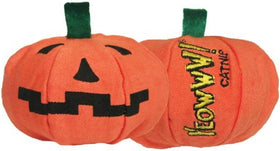
Ducky World Yeowww! 7" Organic Catnip Kicker for Barn Cats
$12.11
Shop Now →

Where Should Cat Litter Be Kept?
The best location balances moisture control with everyday access. A dry utility area, interior closet, or sturdy cabinet can work well when the floor is level and the container or bag will not be exposed to leaks. Choose a spot where you can lift, pour, or roll the litter without navigating around clutter. If refilling the box is awkward, the storage system is less likely to stay tidy.
Choose a dry, stable location
Avoid damp basements, uncovered porches, garages with roof leaks, and areas beside washing machines or utility sinks. Moisture can affect how litter pours and performs, especially when the material is designed to absorb liquid or form clumps. Clay litters commonly use sodium bentonite, a swelling clay that supports clumping. Silica gel litter is porous and absorbs urine through its crystals. These material differences are one reason sealed, dry storage matters, although storage does not replace following the product's instructions. Read the peer-reviewed review for background on litter materials.
Keep litter away from food and contamination
Store litter separately from cat food, treats, medications, and food-preparation areas. Even an unopened bag can collect dust on its exterior, while an opened container may be exposed during pouring. Keep the lid closed between refills, and place the supply where curious pets or children cannot knock it over. A low, accessible shelf may be practical, but it should not be so low that the container is exposed to spills or tracked debris.
For most homes, the simplest arrangement is an active supply near the litter box and a reserve supply in a dry storage area. Check both locations periodically, and move older unopened stock forward so it is used first.
How Do You Store an Opened Bag Between Refills?
Good cat litter storage keeps the material dry, identifiable, and easy to use without turning a refill into a messy chore. Treat an opened bag as a supply that needs protection and organization, not as a product that should be transferred automatically. The original packaging may be the simplest option when it can be closed securely and kept in a suitable location.
Keep reserve litter sealed and dry. Transfer it only when a clean, dry, suitable container offers better protection or handling, and label anything that leaves its original bag.
- Seal the opened bag before putting it away. Fold or close the top as securely as the packaging allows, then keep the reserve supply away from humidity, spills, and direct exposure to air. If the bag cannot be closed reliably, plan to use a suitable lidded container rather than leaving it open.
- Transfer only when the container is appropriate. If decanting improves cleanliness or access, use a clean, completely dry, food-safe container or one approved by its manufacturer for this type of material. Never pour new litter into a container that still holds old residue, moisture, cleaning chemicals, or another product. Keeping the litter in its original bag is also a sound general option when the package remains intact and manageable.
- Label the stored supply. Note the litter type and the date you opened or transferred it. A simple label helps prevent mix-ups when several varieties are stored and makes it easier to identify older material during the next refill.
- Inspect the container and surrounding area. Check that the lid closes securely, the container is dry, and there are no cracks, leaks, pests, or unusual odors. Keep the container where it cannot be tipped easily and where household members can handle it without struggling to lift or pour it.
- Portion what you need for easy access. Keep only a manageable working amount near the litter box or refill area. Store the remainder as reserve stock so the active supply is easier to handle and less likely to sit open during routine maintenance.
- Rotate older stock first. When adding a newly purchased bag or container, place it behind the older labeled supply. Use the oldest suitable litter first, while checking its condition before use. If it has become damp, contaminated, or noticeably changed, set it aside rather than mixing it into fresh material.
Review cat litter care before your next refill
How Can You Keep Stored Litter Clean and Easy to Use?
Clean cat litter storage starts with keeping the container itself dry, closed, and easy to handle. Use a clean scoop or measuring cup, close the lid after each refill, and avoid setting the scoop on floors or other dirty surfaces. If litter spills, remove it promptly so moisture, tracking, and contamination do not collect around the storage area.
Keep reserve litter in a dry, sealed container, use clean tools, and clean the container according to its material and the product label. Wash your hands after handling litter or the litter box. Extra precautions may be appropriate during pregnancy or when someone in the household has a weakened immune system.
Cleaning and disinfecting are not the same process. The CDC explains that cleaning physically removes dirt and germs with soap or detergent, while disinfecting uses chemicals to kill germs on a surface. For most pet items, cleaning is usually sufficient, but disinfection may be an additional step in some situations. Follow the cleaner or disinfectant label exactly, including directions about dilution, contact time, rinsing, ventilation, and whether the surface is appropriate for animals.
Do not pour fresh litter into a container that still has damp residue or old debris. Empty it, clean it with a suitable product, rinse if the label requires rinsing, and let it dry completely before refilling. Never mix cleaning chemicals. Store those products separately from litter and where cats cannot access them.
Stored litter is separate from litter-box hygiene, so this section is not a substitute for guidance on cat litter types and care. Cat feces can sometimes contain Toxoplasma gondii. The CDC recommends washing hands with soap and water after touching the litter box and wearing disposable gloves for litter-box handling when someone is pregnant, planning pregnancy, or has a weakened immune system. The CDC also recommends that another household member handle litter-box cleaning when possible in those circumstances. For personal health questions, follow guidance from a qualified healthcare professional.
To keep the setup practical, reserve one clean scoop for litter and check the container when you refill. If the lid no longer closes, the container develops cracks, or the litter appears damp or contaminated, stop using it for reserve supply and replace or clean the setup before continuing.
What Storage Setup Works for Small Spaces or Multiple Cats?
The best arrangement gives you two levels of access: a small active supply near the litter area and a separate reserve supply stored in a cooler, dry location. This keeps daily refills convenient without forcing every bag or container into a narrow bathroom, laundry room, or apartment closet.
Make the active supply easy to reach
In a small home, choose a location that lets you refill without carrying an awkward load across the room. A lidded container that fits under a shelf, inside a cabinet, or in a closet can keep the working supply contained. Check the full dimensions, including the lid and any handle, before assigning a storage spot. Leave enough clearance to open it fully and scoop or pour without scraping nearby walls.
Portability matters when litter boxes are spread across rooms. A container with a handle or wheels may be easier to move than a heavy bag, but it should still remain stable during transport. For a multi-cat home, a portable setup can support separate refill points, such as one active supply near the main boxes and another smaller working supply near a second level or isolated room. Split the supply only when both locations remain dry, secure, and easy to monitor.
Plan around automatic-box refills
Automatic litter boxes make refill access part of the routine. Keep the reserve supply close enough that replenishing the box does not become a separate chore, while leaving the unit's sensors, power connection, and moving parts unobstructed. Use the model's instructions for compatible litter and cleaning. The automatic litter box maintenance guide can help you plan the ongoing care and refill steps.
For broader guidance on choosing and caring for litter, see the cat litter types and care guide. Keep the storage plan focused on access and organization rather than changing litter types unnecessarily. Label separate supplies when multiple cats use different litter, and rotate the oldest usable supply first so reserve bags do not disappear behind newer ones.
Cat Litter Storage Checklist
A dependable storage setup should keep litter dry, easy to reach, and simple to monitor. Use this checklist when setting up a new container or reviewing the one you already have:
- Choose a dry location: Keep reserve litter away from damp floors, leaks, condensation, and areas prone to temperature swings. A cool, dry closet or cabinet is usually easier to manage than a garage or laundry area with moisture exposure.
- Use a suitable closed container: Select a clean, sturdy bin with a secure lid. The container should be easy for you to open, close, carry, and clean. Do not assume a decorative box is suitable unless its material and construction can handle the litter.
- Keep tools clean: Store the scoop, measuring cup, and any pour aid where they will not collect dust or contact dirty surfaces. Clean them according to the product directions when needed.
- Plan refill access: Place the active supply close enough to the litter box for convenient refills, while keeping reserve stock in a separate, organized location. Avoid positioning a heavy container where lifting or reaching feels awkward.
- Label and rotate: Mark the litter type and the date opened on the container or its label. Keep older usable stock in front and use it before newer stock.
- Check the setup regularly: Look for moisture, a damaged lid, unusual odors, spills, dust buildup, or tools that need cleaning. Replace or clean the setup when it no longer protects the contents or supports easy refilling.
The best cat litter storage arrangement is the one that protects the litter while fitting your household routine. If the container is difficult to access, hard to clean, or easy to forget, simplify the location or divide the supply into an active container and a clearly labeled reserve.
Read the cat litter care guide today
Frequently Asked Questions
What bin can I put cat litter in?
Use a clean, dry container with a secure, well-fitting lid. A dedicated litter bin can make pouring and moving supplies easier, while a sturdy food-safe or manufacturer-approved container can work for reserve litter. Choose a size you can lift safely, and label it with the litter type and date.
Where should cat litter be kept?
Keep unused litter in a cool, dry place that is convenient for refills, such as a closet or cabinet away from dampness. Store it separately from pet food, and make sure the container or bag cannot be reached by pets or children. Keep a smaller active supply near the litter box and the reserve farther out of the way.
How do you store an opened bag of cat litter?
Fold or seal the original bag tightly between uses, or transfer the litter to a clean, dry container that closes securely. Label the container, check for moisture or unusual odors before refilling, and use the oldest opened supply first. Avoid mixing different litter types unless you intentionally want to combine them.
How can you store cat litter in a small space?
Separate the amount used for routine refills from the reserve supply. Keep the active portion in a compact lidded bin or a stable shelf-level container, then place reserve bags or containers in a dry closet or cabinet. Choose a setup that leaves a clear path to the litter box and does not make heavy bags difficult to lift.
How do you keep stored cat litter and its container hygienic?
Keep the outside of the container clean, wash your hands after handling litter, and follow the product label when cleaning or disinfecting supplies. The CDC recommends regular handwashing after contact with pet items and provides additional litter-handling guidance for households with higher toxoplasmosis risk: CDC cleaning guidance and CDC toxoplasmosis prevention guidance.
Ready to simplify your cat-care routine?
A well-planned storage setup can make refills easier, keep supplies organized, and help your household maintain a clean, convenient routine. Review your space, choose features that suit your needs, and keep your cat's supplies accessible without adding clutter. Review cat litter care guidance before choosing a storage routine that fits your household.


