

Riding Helmet Safety Ratings
Filter and sort
6 products

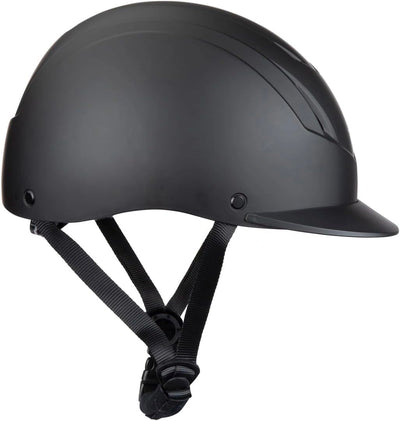

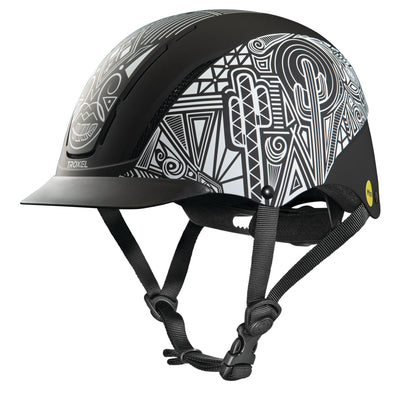

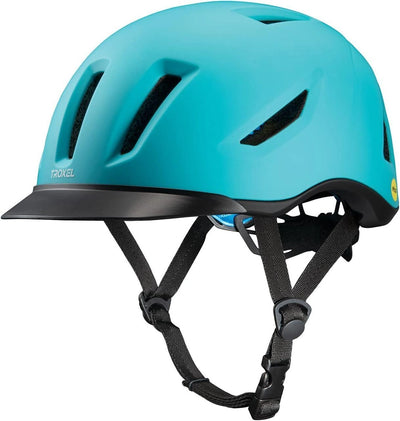
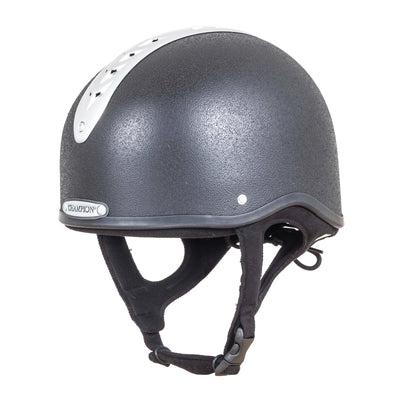
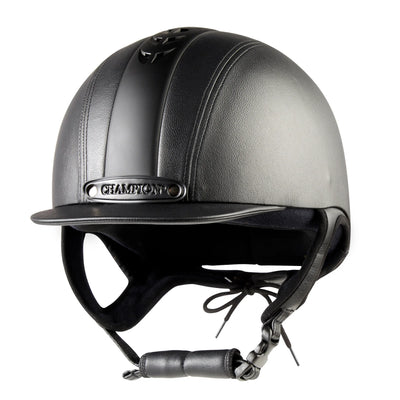

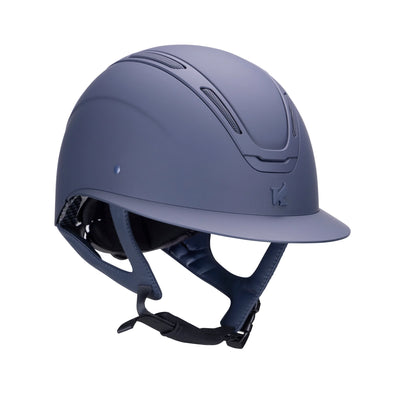
Two different things get called a helmet rating, and they answer different questions. Certification is pass or fail: a helmet either meets ASTM F1163 and carries the SEI mark, or it does not. Star ratings rank certified helmets against each other. You need the first. The second is newer, genuinely useful, and not yet published for every model on the shelf.
What Riders Are Actually Asking
What do ASTM and SEI actually mean?
ASTM F1163 is the American performance standard for equestrian helmets, covering impact attenuation and the retention system, with testing after temperature conditioning and water immersion. SEI, the Safety Equipment Institute, is the independent body that tests samples against that standard, audits the factory and licenses the mark. A helmet claiming ASTM without an SEI mark has not been through that verification. United States Pony Clubs currently accepts F1163-15 or F1163-23 carrying the SEI mark for North American members.
Is a western helmet as safe as an English one?
If it carries ASTM F1163 with the SEI mark, it is held to the same requirements. Low-profile western helmets are certified and tested as helmets; what differs is shell shape, brim and finish, not the standard behind them. A cowboy hat is not a helmet under any standard and offers no measured impact protection. If you want the western look with real protection, buy a certified low-profile helmet rather than a hat, and do not fit aftermarket covers the maker did not supply.
What is MIPS, and do I need it?
MIPS is a low-friction layer inside the helmet that permits roughly 10 to 15 mm of omni-directional movement between shell and head during an angled impact, aimed at rotational forces rather than straight-line ones. ASTM F1163 does not test rotational acceleration, so MIPS addresses something certification simply does not measure. That makes it a reasonable thing to pay for. It is not a guarantee, and the maker says so directly: no helmet or impact protection system protects a user from all injuries.
What are the star ratings I keep seeing?
The Virginia Tech Helmet Lab publishes one to five star ratings for equestrian helmets, first released in 2022 and rebuilt on a new methodology in April 2025. The current protocol pairs pendulum impacts at three head locations with oblique drop tests at speeds and anvil angles recommended by the FEI, scoring both linear and rotational motion. A lower STAR score is better. Certification and star rating are independent, so a certified helmet can still rate poorly. Look up your exact model.
When do I have to replace it?
After any impact, including a drop onto concrete that leaves no visible mark. The energy-absorbing liner crushes once and does not recover, which is why these are described as single-impact helmets. Beyond that, the widely repeated advice from makers and member organizations is five years from first use, based on liner and harness degradation rather than a tested expiry date. Troxel will replace a helmet involved in an accident for a small fee within two years of purchase, so keep your receipt.
How to Choose the Right Riding Helmet
- Look for the SEI mark, not the word ASTM: The mark is the evidence that an independent body tested samples and audited the factory.
- Fit before features: Level on the head, about one to two fingers above the brow, and it should not shift when you shake your head with the harness undone.
- Look up your model's star rating: Virginia Tech publishes them free. Certification is a floor, not a ranking, and the two are not the same thing.
- Decide about MIPS with open eyes: It targets rotational forces the ASTM test does not measure. Useful, not a promise, and no substitute for fit.
- Write the date inside it: The five-year clock runs from first use, not from the date on the box or the day you finally wore it.
What This Page Is Not For
This page is riding helmets for people. It does not cover the Cashel horse helmet, replacement liners, hat covers, helmet bags or body protector vests, and it is not medical advice. If you have hit your head, replace the helmet and see a doctor regardless of how the shell looks. Show ring turnout rules are a separate question from certification.
Brands Riders Trust
Troxel is the American western helmet most riders meet first, and it builds MIPS versions of the Spirit and the Terrain alongside its low-profile Sport and Liberty. Shires makes the Karben line, including a low-profile model certified to ASTM F1163-23 and the dual-certified Amity SMRT with a dial fit. Toklat brings the English side, with Ventair models and the Revolve X-Air MIPS skull cap for cross-country.
Every helmet here ships in two days from an American warehouse and is covered by our 365-day guarantee, so a size that does not sit right can be exchanged. Happy Tails, Happy Trails.
