

Bell Boots That Stay Put
Filter and sort
10 products

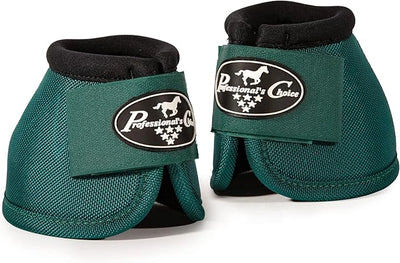
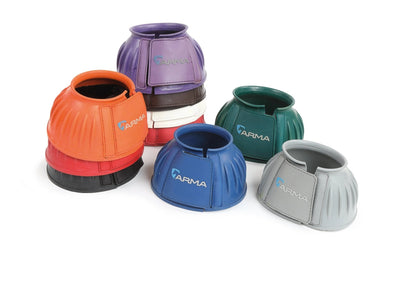

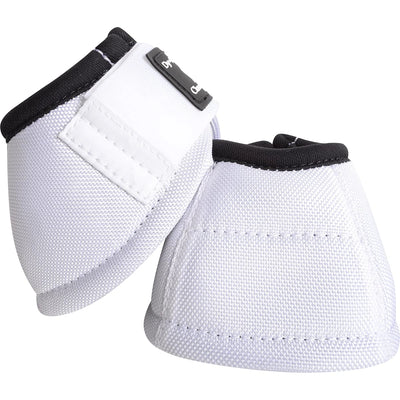
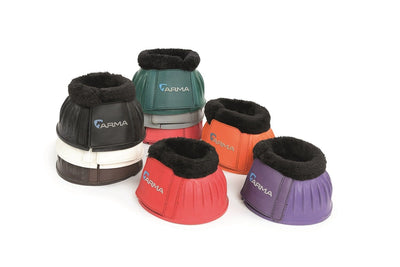

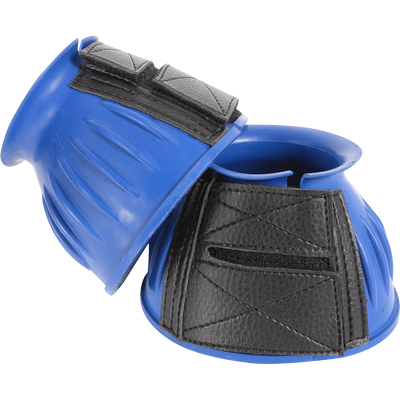

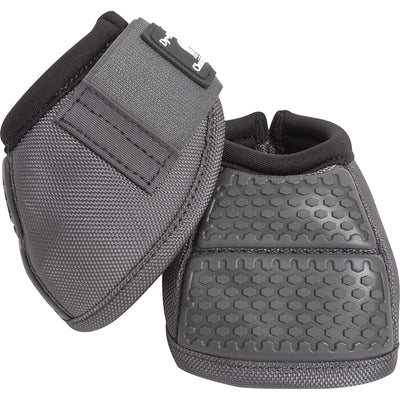

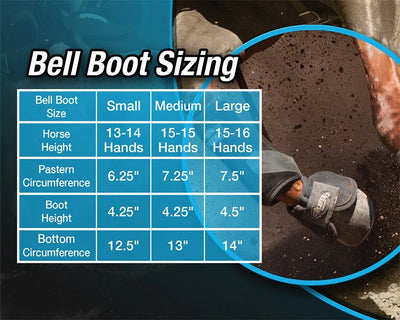

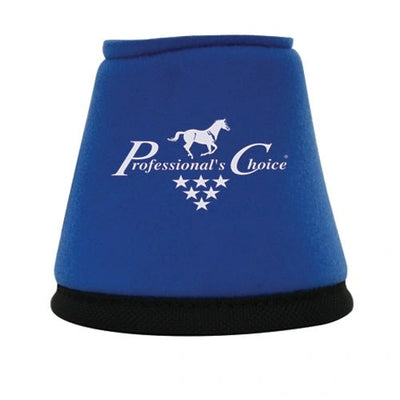

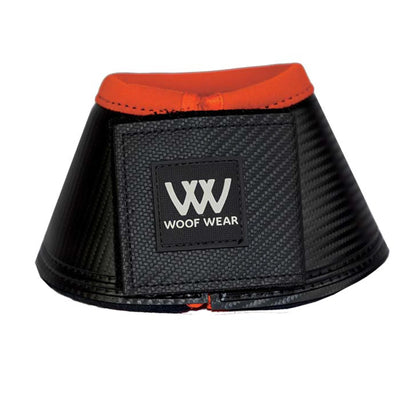

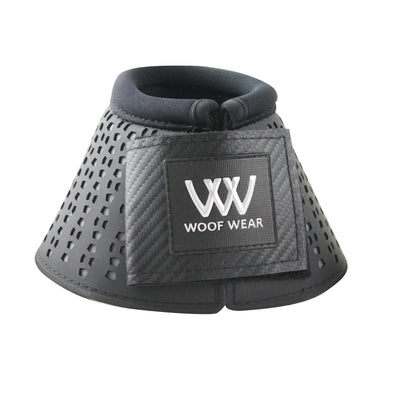
Two things go wrong with bell boots and both are avoidable. The first is that "no-turn" is a design intention, not a promise — plenty of boots labelled no-turn still spin. The second is sizing: Professional's Choice and Classic Equine both run small, so the size you wear in one brand is rarely the size you wear in another.
What Riders Are Actually Asking
Why do my no-turn bell boots still turn?
Because "no-turn" describes a shaped or weighted bottom edge, not a mechanism that locks the boot in place. It helps, and a good no-turn boot spins far less than a plain pull-on, but a boot that is even slightly too big will still rotate. If yours turn, the size is usually the culprit before the design is.
What size do I actually need?
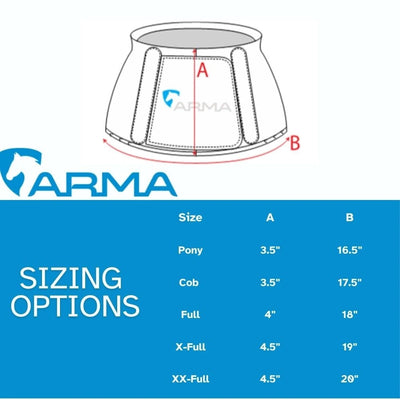
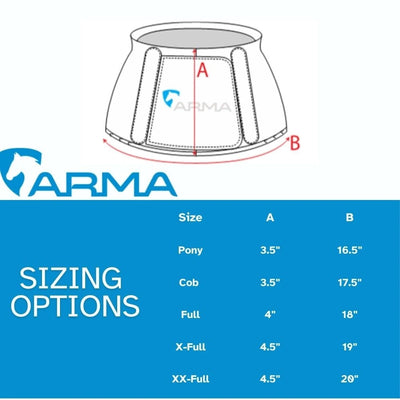
Measure, do not translate. Professional's Choice and Classic Equine both run small relative to their labels, so riders who assume a size carries across brands end up a size short. The boot should sit just above the heel bulbs and reach the coronet band when the leg is loaded, with room to slip a finger under the top edge. Too long and it treads on itself; too short and it does not protect the heel it exists to protect.
Pull-on or hook-and-loop?
Pull-on rubber is cheap, stays on, and is close to disposable — riders treat a ten-dollar pair as a consumable. Hook-and-loop is far easier on hands and hocks and is what you want if the boots come on and off daily, but the closure is the part that fails. If the boots live on a turnout horse for weeks, pull-on wins. If they go on for schooling, take the hook-and-loop.
Turnout or riding — does it change what I buy?
Yes. A turnout boot lives in mud and gets pulled at by paddock mates, so simple rubber and a tight fit beat clever features. A riding boot comes off after every session, so fleece or gel trim at the top edge is worth the extra because rubbing over an hour matters more than it does over a week.
Will bell boots stop him pulling shoes?
They significantly reduce it — that is the main reason most riders buy them — but no boot changes how a horse moves. If he is regularly overreaching, the boots are a stopgap and the conversation belongs with your farrier about breakover and shoeing cycle. Buy the boots, and book the farrier.
How to Choose the Right Bell Boot
- Size up if you are between: Both of the big Western brands run small. A boot that spins is nearly always a boot that is too big for the heel but too short for the pastern.
- Check the bottom edge: A no-turn boot has a visibly shaped or thickened lower rim. If the rim is uniform all the way round, it is a plain boot with a no-turn label.
- Ribbed or petal for the worst offenders: Ribbed rubber and petal-style boots resist spinning better than smooth ones, at the cost of catching more mud.
- Fleece top for daily wear: The top edge is where rubs happen. If they go on and off every day, pay for the trim.
- Buy a spare pair: Bell boots are the single most commonly lost item in any paddock. Everyone learns this once.
What This Page Is Not For
These are bell and overreach boots — heel and coronet protection only. They do nothing for the cannon, tendon or fetlock, so if you are protecting against interference higher up the leg you want splint or sport boots instead.
Brands Riders Trust
Professional's Choice built the Ballistic range that most Western riders reach for first, and Classic Equine's Dyno-Turn is its closest competitor. Cashel covers the trail and turnout end sensibly, and Weaver Leather's rubber pull-ons are the workhorse pair that lives in every trailer.
Thirty years of picking gear for our own horses, 2-day shipping from American warehouses, and a 365-day guarantee behind every order.
