

Splint, Sport & SMB Boots
Filter and sort
9 products
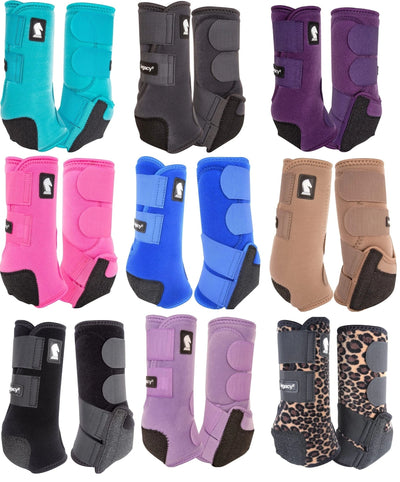
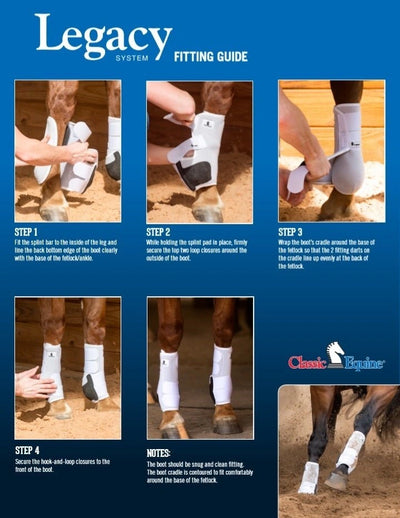

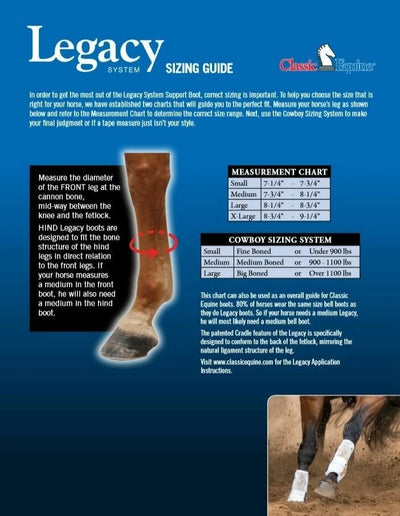

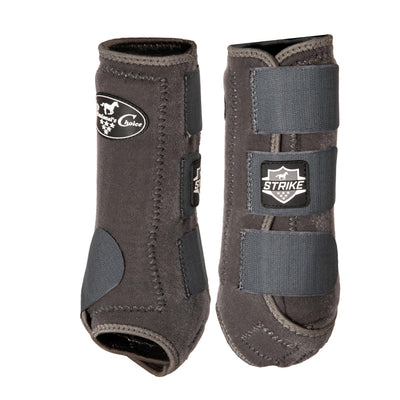

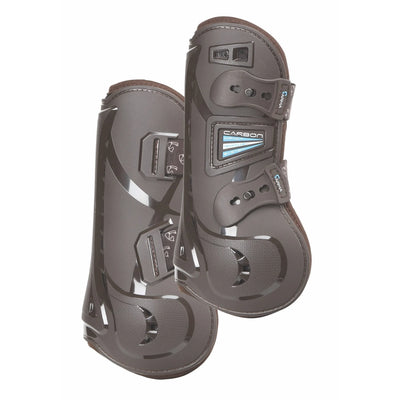

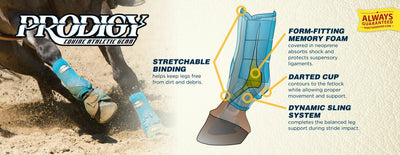

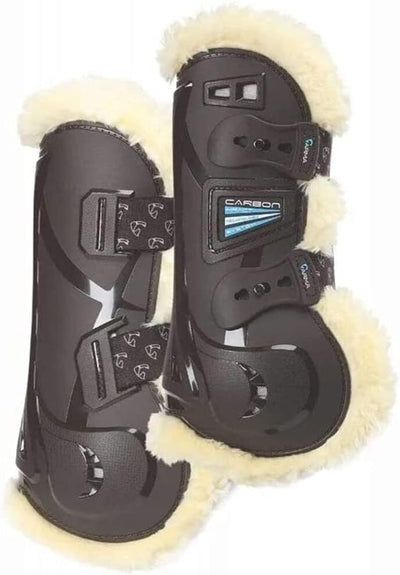

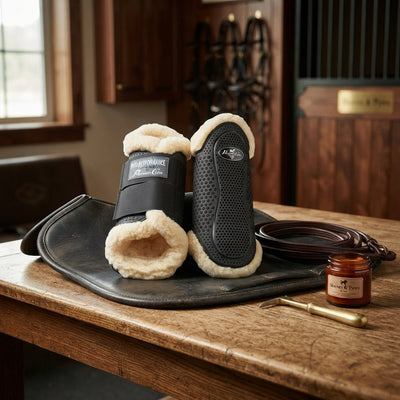

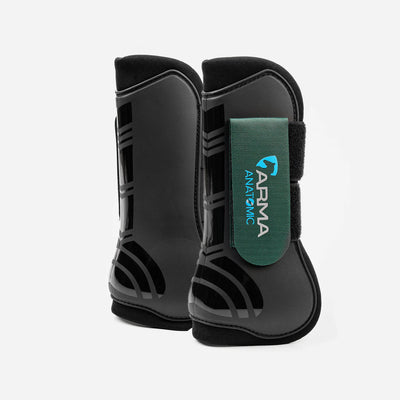

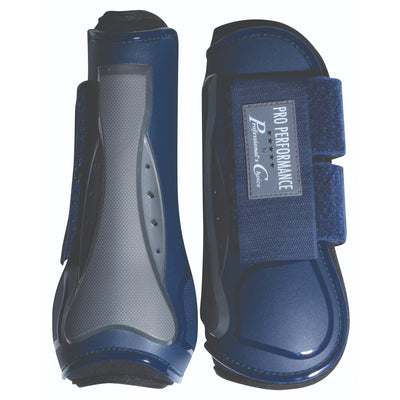
Splint boot, brush boot, galloping boot, sport boot, sports medicine boot, SMB. Six names, heavily overlapping products, and nobody in the industry cross-references them — which is why the same question keeps coming back on every forum. Here is the plain version.
What Riders Are Actually Asking
What is the actual difference between a splint boot and a sport boot?
A splint boot is the simplest form: a shaped pad that covers the inside of the cannon bone and the splint bone, to stop the opposite hoof striking it. A brush boot is the same thing under a British name. A sport or sports medicine boot wraps further round the leg, comes further down, and adds a strap that cradles the fetlock. So all sport boots protect against splint strikes, but not all splint boots do what a sport boot does.
Do SMB boots really support the suspensory?
This is the most contested claim in leg protection and it deserves a straight answer: the fetlock sling on a sports medicine boot does reduce fetlock extension under load, but the effect measured in studies is modest and it is not the same as clinical support for an injured suspensory. Buy them for impact protection and the fetlock cradle. If your horse has a diagnosed suspensory problem, the boot is not the treatment.
Do boots make my horse's legs too hot?
They do raise temperature under the boot, and this is a legitimate reason some riders school without them. Tendon cell damage has been demonstrated at sustained high temperatures in laboratory conditions. In practice: use perforated or ventilated boots for long work, take them off the moment you finish rather than leaving them on to cool down, and skip boots entirely for hacking on good ground.
Which boots for which job?
Flatwork and lungeing on good ground: a simple splint or brush boot, or nothing. Schooling with lateral work, barrels, reining or anything with hard turns: a sport or sports medicine boot with the fetlock strap. Jumping: a tendon boot in front with an open front so he still feels a rail, and a fetlock or ankle boot behind. Cross-country: full protective boots front and back, because the consequences of a strike at speed are different.
Front and hind — do I need both?
Most interference happens front, so a front pair is where to start. Hind boots matter for horses that work in tight turns or overreach, and for anything jumping at height. Hind boots are cut differently to clear the hock and are not interchangeable with fronts, so buy the pair intended for the leg.
How to Choose the Right Leg Boot
- Name is not the spec: Ignore what it is called, look at what it covers: does it reach the fetlock, and does it have a sling strap?
- Ventilation for long work: Perforated shells and vented linings measurably run cooler than solid neoprene. Worth it if the boots stay on more than half an hour.
- Neoprene or sheepskin: Neoprene grips and is washable; sheepskin is kinder against skin but holds heat and takes longer to dry. There is little published research comparing the two, so treat any confident claim with suspicion.
- Fit at the fetlock, not the cannon: A boot loose at the fetlock rotates and rubs. Size from the fetlock circumference where the brand gives you the choice.
- Wash them: Grit trapped inside a boot is an abrasive held against the leg by a strap. This is a more common cause of rubs than the boot itself.
What This Page Is Not For
This page is cannon, splint and fetlock protection. Heel and coronet protection is a bell boot, cooling is an ice boot, and shipping boots are a different product again — none of those belong here.
Brands Riders Trust
Professional's Choice effectively created the sports medicine boot category and the SMB and Ventech ranges are still the reference point. Classic Equine's Legacy line is its direct competitor and many riders prefer its closure. Shires covers the English splint and brush boot end at sensible money, and Toklat brings the wrap-style options.
Thirty years of picking gear for our own horses, 2-day shipping from American warehouses, and a 365-day guarantee behind every order.
