


The best fly boots for horses provide a strong shield that stops stable flies from biting thin skin and causing painful sores. High-quality boots use mesh fabric to let air flow while keeping bugs like gnats and flies from reaching the legs. As shown in research on livestock safety, these shields are a key part of fly season protection to reduce animal stress. Durable designs with secure straps stay in place during turnout or light riding. By stopping the steady stamping habits, fly boots also help protect hooves from chips and keep costly shoes from being knocked loose. For the best results, look for boots with soft fleece edges to stop rubs and stiff parts that keep the mesh upright all day.
Best fly boots for horses: the quick answer
The best fly boots for horses create a tough guard that stops biting flies from reaching the lower legs. Most experts say that well-made mesh boots are the best choice for long days in the field. These boots help keep your horse calm and stop them from stamping their feet in the mud. By using boots as part of your fly season protection plan, you can lower stress for your pets and keep them happy. These tools are a must for any horse owner who wants to keep their stock safe during the hot summer months.
Best boots for turnout
For horses that spend most of their time in the field, strength is the main goal. Turnout boots need to be tough enough to handle running, rolling, and play. You may want to choose durable fly leg guards that can stand up to daily use. Look for styles with fine screen mesh and rubber edges on the top and bottom. Strong boots also help stop skin sores caused by stable flies, which are known to be large pests for stock health. Using well-made gear is vital for turnout safety, as it keeps your horse from getting hurt.
Options for tender skin
If your horse has tender skin, you need to pick boots with great airflow. Soft, airy mesh helps keep the legs cool and dry even in high heat. It is wise to check these boots often to make sure no dirt or grit gets trapped inside. Clean boots help stop the small cuts and bites that can lead to skin sores. Using these tough guards is a smart way to protect your horse without using too much harsh spray on their legs. You should wash your boots often to keep them clean and working well. This helps keep a soft feel against the horse’s hair and skin.
How to find the right fit
A good fit is the key part of making fly boots work. If the boots are too loose, they will slide down or let flies crawl in. If they are too tight, they can cause heat to build up or rub the skin raw. You should measure your horse’s legs with care before you buy. Most boots come in sizes from pony to draft. Look for boots with strong straps that stay closed even during heavy work. A snug fit will ensure the boots stay in place all day long. This keeps your horse safe while they graze or rest in the sun.
A smart way to protect hooves
Fly boots do more than just stop bites. They also protect your horse’s hooves and shoes. When flies bite the legs, horses often stamp their feet to get relief. This constant stamping can crack the hoof wall or cause a shoe to come loose. Well-made boots stop the itch, so the horse stays quiet. This simple tool is a key part of horse care that keeps your horse happy all summer long. Our 365-day trust promise means you can try these boots with no risk to you. We ship same-day for orders placed before 2 PM PST to get your gear to you fast.
Which type of fly boot fits your horse?
Fly boots are more than just a summer fashion. They serve as a tough barrier against stable flies. These pests are a big threat to horse health and farm profits. When flies bite, horses stomp their legs to find relief. This constant movement can lead to cracked hooves or lost shoes. Using the right boots helps your horse stay calm and keeps their legs safe from harm.
Stiff mesh boots for active horses
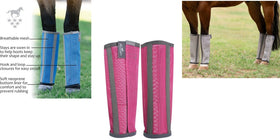
Stiff mesh boots are a top pick for horses that spend a lot of time in the field. This fabric holds its shape well and does not sag around the joints. These top-rated fly boots often have a stay-up design that works for all-day use. The mesh keeps a gap between the boot and the leg for air flow. This gap stops heat from building up and keeps your horse cool in the sun. It is a great choice for active horses that need tough gear.
Soft mesh for thin skin
If your horse has thin skin, soft mesh is the best path. These boots are light and soft so they move with the horse. They feel like a soft wrap and are less likely to rub during long days. Many durable fly leg guards use a mix of soft mesh and strong edges. This gives your horse the comfort they need without losing the shield from bugs. You can find these in our fly season protection set.
Fleece edges and sun shields
Some fly boots come with fleece at the top and bottom. This soft trim creates a seal that stops dust and grit from getting under the boot. Fleece also helps stop rubs on the soft heel area and makes the fit more snug. For horses with white socks or pink skin, sun-shield boots are a must. The sun can burn light skin fast, so these boots block rays while staying cool. At Hooves and Paws, we offer expert help and a 365-day promise on every pair.
| Boot Type | Best For | Strength | Air Flow |
|---|---|---|---|
| Stiff Mesh | Long turnout | Highest | Best |
| Soft Mesh | Thin skin | Medium | Good |
| Fleece-Trimmed | Dusty fields | High | Good |
| Sun-Shield | Pink skin | High | Medium |
Choosing between these types depends on your horse's life. An active horse in a large field needs the stay-up power of stiff mesh. A horse with thin skin will be much happier in a soft wrap. If your barn is very dusty, the fleece seal can save you from heel sores. Even the best fly boots for horses will not work if they do not fit right. We carry all these types to help you find the perfect match. Order before 2 PM PST for same-day shipping to your door.
Shop This Post

How to choose fly boots for turnout
Picking the best fly boots for horses during turnout needs a focus on toughness and stay-up power. When your horse is in the field, they move, run, and play. This activity can cause poor-quality boots to slip or sag. You need a design that stays secure to stop flies from getting inside.
Tough boots act as a physical barrier that stops stable flies from biting the lower legs. This safety is key because fly bites often lead to painful skin sores. Fly boots also help prevent horses from stamping due to fly itch, which can protect hooves and shoes.
Focus on a secure fit and stay-up design
A boot that sags is a safety risk and fails to block pests. Look for options with strong hook-and-loop closures that won't pop open during a gallop. Some of the top-rated fly boots use stretchy straps or curved shapes to follow the line of the leg. This snug fit prevents the gear from twisting or sliding down into the pastern area.
Many turnout boots feature a strong spine or stiff stay to help the mesh keep its shape. If the boot loses its shape, it will pool around the fetlock and create a gap where flies can enter. Daily checks of the straps will help you ensure the gear stays tight. If you notice a boot is starting to sag, it may be time to swap it out or fix the fit.
Choose tough fabrics for field life
Toughness is a must for any gear used in the pasture. Horses that are rough on their clothes need durable fly leg guards made from heavy-duty mesh. Look for fabrics that resist tears from brush or teeth. Air flow is also vital to keep the legs cool and prevent sweat or skin redness.
Mud is another factor to think about for turnout. Boots used in damp fields can pick up weight if the mesh holds on to water or dirt. Choose a fabric that is easy to hose off and dries fast. Some boots have rubber trim on the edges to help keep their shape and add a layer of safety against wear and tear.
Check your horse daily for safety
Even the best fly boots need daily care and checks. You should pull the boots off every day to look for signs of rubs, heat, or trapped dirt. If a horse has thin skin, they may need a soft lining on the edges of the boot. Keeping the boots clean is also vital, as dried mud can become rough and lead to sores.
Pasture checks are also a good time to look for damage to the boots. A small tear can quickly turn into a large hole that lets flies in. If your horse is known for tearing gear, look for boots with a high denier rating. Buying a set that can handle the wear of turnout will save you money and keep your horse bug-free all day.
What matters when choosing fly boots for riding?
Most horse owners use fly boots to keep their horses calm in the field. But you can also use them while you ride. When you are in the saddle, your horse needs to move freely. The top-rated fly boots for riding should not get in the way of a stride. If the boots are too stiff, they can pinch or block the joint. This can make the horse skip a step or feel sore. Look for soft mesh that bends as the horse walks, trots, and lopes.
Freedom of movement and flex
The best fly boots for horses allow for a full range of motion. During a ride, the horse's legs flex more than they do during turnout. If a boot is too tall, it might hit the knee or hock. This can cause the horse to act out or lose focus. You want a design that stays in place but gives the tendons room to work. Proper horse boots help the horse stay safe and relaxed while you work. Always test the flex by hand before you put them on your horse.
Weight also matters when you are active. Heavy boots can tire out a horse's legs on a long trail ride. Choose light fabrics that do not soak up water or sweat. Physical barriers like fly boots can reduce stable fly feeding on horse legs. This stops the horse from stamping while you are in the saddle. A calm horse is a safer horse for any rider. Light mesh boots provide this shield without adding bulk.
Stopping rubs and skin issues
Heat and sweat can build up fast under a boot during work. This mix of salt and heat can lead to skin sores. You need a boot that lets air flow to the skin. Airflow keeps the legs cool and dry. High-quality leg protection is key for riding comfort. It also helps stop skin issues. Check for soft edges or fleece lining to stop the boot from chafing. These soft parts help the boot sit well against the skin without digging in.
Dust and dirt can also get trapped inside the mesh. This grit acts like sand paper as the horse moves. It can rub away the hair or break the skin. To prevent this, always start with clean boots and clean legs. If you ride in a dusty arena, check the boots halfway through your ride. A quick shake can remove the dirt and keep the horse happy. Clean the boots often to keep the fabric soft and safe for daily use.
Correct fit for active work
Fit is the most vital part of choosing a boot for riding. A loose boot can slide down and trip the horse. A boot that is too tight can cut off blood flow or mark the skin. You should be able to fit one finger between the boot and the leg. The boot should feel snug but not hard. Ensure the straps are secure but do not pull too hard on the tendons. Check the fit again after a few minutes of walking to be sure nothing has moved.
Take the boots off as soon as you finish your ride. Even the best mesh boots can trap some heat. Removing them right away lets the legs cool down and breathe. Give the legs a quick brush or rinse to remove sweat and salt. If you plan to turn the horse out, you can swap to a fresh set of boots. This keeps the horse's skin healthy and ready for the next ride. Daily checks help you find any small issues before they become big problems.
How to fit fly boots without rubbing or slipping
A good fit is key to keeping your horse happy and safe. If boots are too loose, they slip down and can cause trips. If they are too tight, they may cut off blood flow or rub the skin raw. Physical barriers like fly boots only work well when they stay in place. Proper sizing helps prevent the horse from stamping, which keeps hooves and shoes in better shape.
Finding the right size
Before you buy, you must know the size of your horse's legs. Use a soft tape to find the width of the cannon bone. You also need to measure the length from the bottom of the knee to the top of the fetlock. Most brands list a size chart to help you pick the top-rated fly boots for your horse's build. If your horse is between sizes, it is often best to choose the larger one to allow for better airflow.
Steps for a secure fit
Putting on boots is a simple task that saves your horse from pests. You should check the fit every day during the fly season protection months. Follow these steps to ensure the boots stay secure without causing any harm:
- Brush the horse's legs to remove any dirt, mud, or loose hair that could get trapped under the mesh.
- Wrap the boot around the leg so the mesh stays upright and the straps face toward the back of the horse.
- Fasten the center strap first to hold the boot in place while you fix the top and bottom parts.
- Tighten the straps so the boot does not twist, but make sure you can still slide one finger under the edge.
- Watch the horse walk a few steps to see if the boots sag or if the horse seems stiff while moving.
- Check the boots after an hour of turnout to see if they have moved or if any heat has built up inside.
Watching for rubbing or slipping
Keep an eye out for signs that the fit is wrong. Look for hair loss, red skin, or sores around the top and bottom edges. These marks mean the boot is too tight or has grit stuck inside. If the boots bunch up at the bottom, they are likely too long or the straps are too loose. Well-made leg gear is needed for turnout safety, so fix any fit issues right away to keep your horse at ease.
Check the boots often for wear and tear. Sand or burrs can get stuck in the mesh and cause itching. Wash the boots with cool water and mild soap when they get caked with mud. Clean boots are less likely to rub and will last much longer through the hot summer weeks.
Daily care that keeps fly boots safe and effective
Buying the best fly boots for horses is a great first step, but daily care keeps them working well. Even the top gear needs a quick check to stay safe. Dirt and sand can get stuck under the mesh and rub the skin. Without a good plan, boots can cause more harm than good.
A small amount of work each day ensures your boots last for many seasons. You should take a few minutes each day to look at your horse's legs and the boots themselves. This check keeps your horse comfy and keeps the boots in top shape.
Check boots and straps every day
You must pull off the boots at least once a day to check the legs. Look for any heat, hair loss, or small bumps. Physical barriers like mesh boots work best when the skin stays dry and clean. Look for bot fly eggs or burrs that may have stuck to the fabric. Brush the hair smooth before you put the boots back on.
While you have them off, check the velcro straps to make sure they still grip tight. Hair and hay often get stuck in the hooks, making them weak. Use a stiff brush or a small pick to clean the velcro. This keeps it secure and does not let it slip while the horse moves. A tight strap prevents the boot from sagging and causing a rub.
Cleaning and moisture removal
Fly boots take a lot of abuse in the pasture. They pick up mud, grass, and manure as your horse moves. Shake out the dirt every day to keep the mesh clear. If they get very muddy, hose them off with cool water and let them dry in the sun.
For a deep clean, most boots can go in a wash machine on a cold, gentle cycle. Avoid using high heat in the dryer, as it can warp the mesh or melt the trim. Having a spare set from our fly protection store lets you rotate pairs. This gives one set time to dry while the other set is on the horse.
Signs it is time for new boots
Even the most durable fly leg guards will wear out over time. Look for holes in the mesh or loose threads at the seams that bugs could crawl through. If the stiff stays or boning inside the boot start to poke out, throw them away. These can cause deep cuts on the leg if they are left in place.
Sagging boots that bunch at the ankle can cause rubs and should be replaced. New boots ensure your horse stays safe from bites and avoids the stress of stamping all day long. Buying a fresh pair keeps your horse at ease during the peak of the season. It is a simple way to keep your horse calm and healthy when the bugs are at their worst.
Build a practical whole-horse fly protection plan
A single tool is rarely enough to stop all bugs, so you need a full plan that covers the horse from head to hoof. Using many methods at once is the best way to keep your horse happy in the summer heat. This whole-body approach is called integrated pest management, which means you use cleaning, natural tools, and real gear together. Each part of the plan helps the others work better. By doing this, you can lower the stress your horse feels when flies are most active.
Use multiple real shields
Real gear like boots and masks offers the best defense against bites, and stable flies are a major problem for livestock across the country. They bite the lower legs and cause a lot of pain, which makes horses stamp their feet to get relief. Constant stamping can crack hooves and loosen shoes over time. Using the best fly boots for horses blocks these flies from the legs. A complete gear set often includes:
- A mesh fly mask for eye and ear safety.
- A light fly sheet for the neck and back.
- Tough fly leg guards for all four legs.
These layers create a safe space for your horse to graze or rest. When you use all three pieces, you shield every part of the horse that flies like to bite.
Clean the barn area daily
Flies need a place to live and grow. They love to lay eggs in wet hay and old manure. If you keep the barn clean, you stop new flies from hatching, so pick out stalls every morning and remove wet spots. Keep your manure pile far away from the barn and turnout spots to reduce the local fly count. This step is a key part of an integrated pest management plan. When there are fewer flies in the air, your horse will stay much calmer. You can also use fans in stalls to keep the air moving, as flies have a hard time landing in a breeze.
Watch for gear fit and comfort
Even the best gear needs a quick check every day. Boots and masks can move when your horse rolls in the grass, so check each leg to make sure the gear is still in place. They should be snug but not so tight that they cut off blood flow. Look for any dirt or grass that might have slipped inside the boot. These small bits of trash can rub the skin and cause sores. If you see any hair loss or red spots, give the horse a break from the gear. Our family-owned shop offers a 365-day guarantee to make sure you get the right fit. We want your horses to stay safe and comfy in every season.
Frequently Asked Questions
Do fly boots for horses really work?
Yes, they act as a physical barrier that stops stable flies from biting. These pests cause a lot of stress and pain for horses. According to the National Center for Biotechnology Information, physical barriers are a key part of protecting livestock from these biting insects. This helps your horse stay calm. It also stops them from stamping their feet. Stamping can damage their hooves or loosen their shoes.
Are fly boots better than fly sprays for legs?
Fly boots often provide better long-term safety than sprays alone. Sprays can wear off quickly when a horse walks through tall grass or sweat. A boot stays on and keeps blocking pests for as long as it is worn. High-quality leg protection is critical for turnout safety and riding comfort. You can still use a light mist of spray near the hoof, but the mesh boot is a trusted way to stop bites throughout the day.
What is the best material for horse fly boots?
The best fabric is a breathable, heavy-duty mesh. You want a fabric that allows air to flow to keep the legs cool. It should also be stiff enough to stay up without sagging. Some of the top-rated fly boots use a soft trim to prevent rubs. Look for strong mesh for the best strength in the field. This fabric is easy to clean and resists tears from brush or grass.
How to prevent fly boots from sliding down?
Start by picking the right size for your horse's legs. Make sure the Velcro straps are clean and strong. You should pull the straps firm enough to keep the boot in place as the horse moves. Many boots use plastic ribs or stays to help the mesh keep its shape. If a boot keeps falling, it is likely too big. It may also mean the mesh has stretched out and needs to be replaced.
Ready to find the best fly boots to protect your horse?
Flies cause deep pain and stress for your horse during the hot summer months. This often leads to skin sores and joint strain from constant stomping. You can prevent these health issues now. Give your horse the relief they need for turnout safety and riding ease today. We ship all orders fast from our family shop to get you your supplies quickly. Our team picks every item to make sure it lasts. We use our thirty years of skill to help you find the right gear. Taking care of this now means your horse stays calm and happy.
Ready to shop? Shop fly season protection now to give your horse the very best care and comfort this season.


