


Choosing a dog kennel is easier when you start with your dog's measurements and daily routine rather than a breed label alone. The right kennel gives your dog room to stand, turn around, lie down, and relax while fitting the way you plan to use it at home, on the road, or during training.
Browse Dog Gear at Hooves and Paws
What size dog kennel should I choose?
Key Takeaway
Choose a dog kennel that lets your dog stand without ducking, turn around easily, lie down fully, and stretch comfortably. Measure your dog's body instead of relying only on weight or breed. For a puppy, choose an adult-size kennel with a secure divider that can be adjusted as the puppy grows.
A kennel should feel like a comfortable resting space, not a tight box. Start by measuring your dog from the tip of the nose to the base of the tail, then measure from the floor to the top of the head while your dog is standing. Add enough length and height for normal movement, and compare those results with the manufacturer's interior dimensions.
Many buying guides use about four extra inches as a starting point for length and height. It is not a substitute for checking the actual product measurements, because interior dimensions, bed thickness, door placement, and the shape of the kennel can change the usable space. If your dog is between two sizes, the larger option is usually the safer starting point when it still provides an appropriate resting environment.
Weight can be a useful secondary reference, but it should not be the only measurement. Two dogs with the same weight can have very different body lengths and shoulder heights. A long-backed dog may need a longer kennel, while a tall dog may need more headroom than a weight chart suggests.
How do I measure my dog for a kennel?
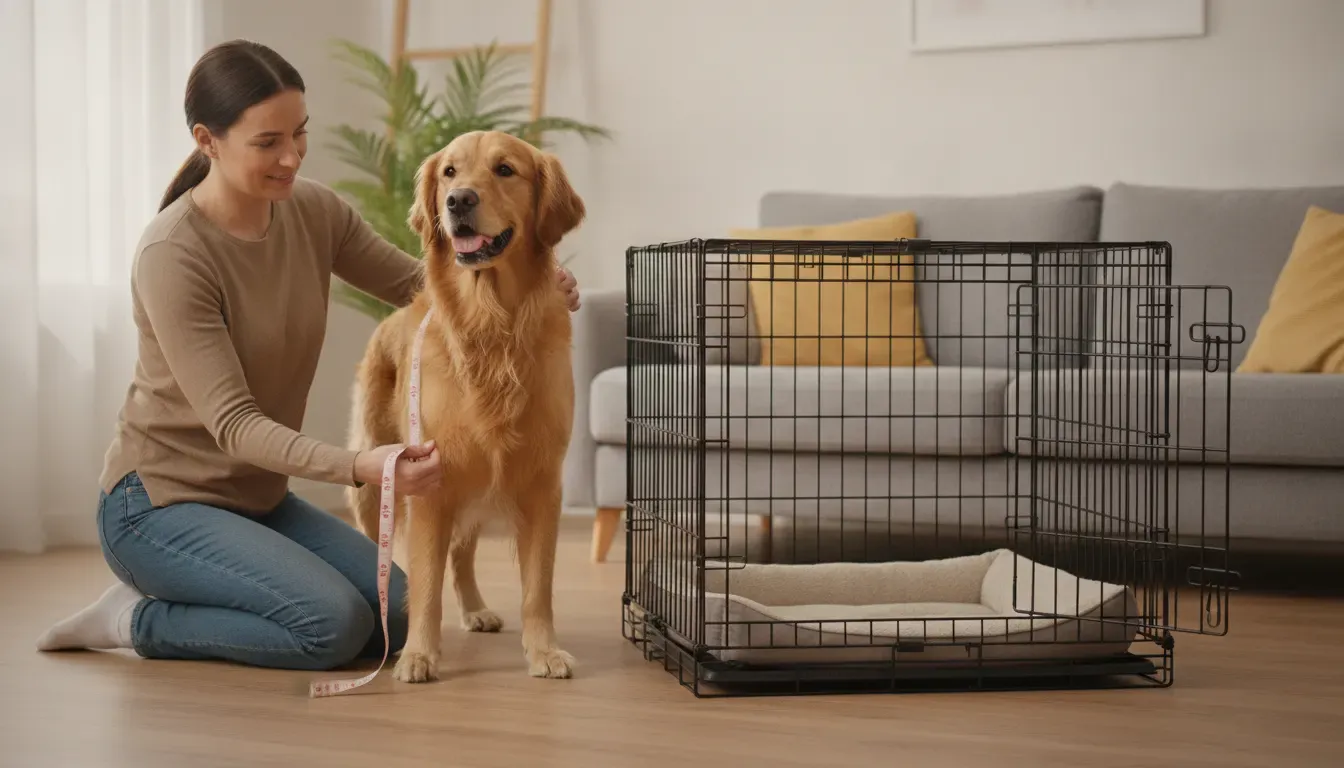
Measure your dog when they are standing naturally on all four feet. Keep the tape level and avoid pulling it tightly against the coat. If your dog is wiggly, ask another person to offer a calm treat while you take the measurements.
1. Measure body length
Measure from the base of the neck or the point where the collar rests to the base of the tail, or use the nose-to-tail-base method used by many crate-sizing guides. The key is to measure the full space your dog occupies when standing, then allow room for a comfortable turn and stretch. Do not include the tail in the kennel length calculation.
2. Measure standing height
With your dog standing, measure from the floor to the top of the head. For dogs with upright ears, include the highest point of the ears if the ears normally stand up. Add room above the head so your dog does not need to crouch.
3. Check the finished fit
After comparing the measurements with the kennel's interior size, picture your dog using the kennel with the intended bed or mat inside. Your dog should be able to enter without squeezing, turn around without hitting the walls, lie on their side, and sit or stand naturally. A divider can create a smaller puppy area, but it should never reduce the space below those basic movement needs.
Which dog kennel style fits your dog's routine?
Quick Summary
Wire kennels suit many homes because they provide airflow and visibility. Plastic kennels can offer a more enclosed feel and are useful for some travel needs. Soft-sided kennels are lightweight but better for calm, supervised dogs. Heavy-duty and furniture-style options serve specific durability, security, or home-design priorities.
There is no single best dog kennel material for every dog. Match the construction to your dog's chewing habits, activity level, anxiety triggers, cleaning needs, and the place where the kennel will be used.
| Style | Useful strengths | Best fit | Watch for |
|---|---|---|---|
| Wire kennel | Open airflow, visibility, foldable designs, and divider compatibility | Home use, growing puppies, and dogs that settle well with visual access | May need a properly fitted cover or quieter location for dogs that become overstimulated |
| Plastic kennel | Solid sides, a more enclosed den-like feel, and easy-to-clean surfaces | Dogs that prefer less visual activity and owners who want a sturdy travel option | Check ventilation, carry handles, and the actual interior dimensions |
| Soft-sided kennel | Light weight, portability, and quick setup | Calm adult dogs, short trips, events, and supervised indoor use | Not ideal for puppies, determined chewers, or dogs that push against fabric panels |
| Heavy-duty kennel | Reinforced construction, secure latches, and greater resistance to escape attempts | Strong, active dogs or owners who need extra durability | More weight, less portability, and a higher need to check sharp edges and hardware |
| Furniture-style kennel | Designed to blend with a room while providing a defined resting space | House-trained dogs that use a kennel calmly in a common living area | Decorative construction should not replace ventilation, safe latches, or correct sizing |
For a dog that is still growing, a wire kennel with a divider can be practical because the usable area can expand over time. For a dog that becomes distressed when confined, changing the material alone may not solve the problem. Use gradual, reward-based acclimation and consider a pet-proofed room, exercise pen, qualified trainer, or veterinarian when needed.
Explore Dog Accessories for Everyday Comfort
Shop This Post

Featured in this article
Doggie Design Alpine All Weather Dog Parka - Waterproof Fleece Lined Reflective - Multiple Sizes
$25.00
Shop Now →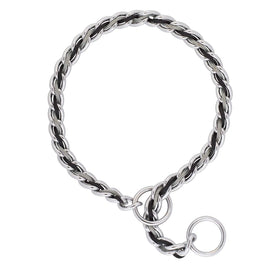
How can I make a dog kennel comfortable?
Key Takeaway
Comfort comes from the correct size, a stable location, safe bedding, and a predictable routine. Keep the kennel away from drafts and high-traffic stress, but close enough that your dog does not feel isolated. Airflow and easy cleaning matter more than decorative extras.
Place the kennel on a level surface where it will not rock or slide. A quiet corner of a family room often works better than a remote area, because the dog can rest while still feeling connected to the household. Avoid placing it directly beside a heater, in strong sun, or where a swinging door or busy walkway could startle your dog.
- Use a washable mat or bed that fits without blocking the door or reducing headroom.
- Choose bedding that matches your dog's chewing habits and temperature needs.
- Keep the entrance clear and make sure the latch closes securely.
- Use a fitted cover on a wire kennel only when it improves calm and never blocks ventilation.
- Inspect bars, seams, corners, and hardware regularly for damage.
- Clean accidents promptly with a pet-safe product and let surfaces dry before reuse.
A kennel is not a replacement for exercise, play, social contact, or bathroom breaks. The time a dog can comfortably spend inside varies by age, health, training, and individual tolerance. Never use a kennel as punishment or force a dog to remain confined when they are showing clear distress.
Is a dog kennel safe for travel?
Quick Summary
For travel, select a kennel that is correctly sized, well ventilated, secure, and appropriate for the vehicle or carrier rules involved. Test it at home first. Airline requirements vary, so check the current airline instructions and IATA pet travel guidance before buying for air travel.
For car travel, the kennel should sit where it can remain stable and should not slide, tip, or interfere with the driver. Follow the vehicle, kennel, and restraint instructions for the exact setup. A kennel that works well in a living room may be too bulky for your vehicle, while a lightweight soft-sided option may not provide enough protection for every dog or trip.
For air travel, do not assume that a kennel described as a travel kennel automatically meets the rules for a specific airline or route. Check the current carrier policy, ventilation expectations, hardware requirements, food and water instructions, and size limits before ordering. Allow extra time to acclimate your dog to the travel kennel, because a first-time introduction at the airport can add unnecessary stress.
Practice with short, positive sessions. Let your dog investigate the kennel with the door open, then gradually close it for brief periods while you remain nearby. A familiar mat and calm routine can help the kennel feel predictable, but never use travel day as the first test of whether your dog can settle inside.
How should I introduce my dog to a kennel?
Key Takeaway
Introduce the kennel as a safe choice, not a punishment. Start with the door open, reward calm investigation, and build duration slowly. If your dog shows persistent panic, heavy panting, drooling, frantic escape attempts, or other distress, stop increasing the time and ask a veterinarian or qualified trainer for guidance.
- Set up the kennel with the door secured open and place it in a calm area.
- Drop treats near the entrance, then just inside, so your dog can choose to approach.
- Offer a familiar toy or safe chew only when it is appropriate for your dog and supervision level.
- Feed meals near the entrance, moving the bowl farther inside as your dog relaxes.
- Close the door for a few seconds, reopen it before your dog becomes worried, and reward calm behavior.
- Increase duration gradually while varying your distance from the kennel.
- Continue offering exercise, interaction, and bathroom opportunities outside the kennel.
Every dog progresses at a different pace. A puppy may need frequent breaks and a smaller temporary area, while an adult dog with a negative confinement history may need a slower plan. The goal is not to make the dog tolerate an intimidating space. The goal is to build a positive association and a reliable place to rest.
What should I check before buying a dog kennel?
Quick Summary
Before buying, compare interior dimensions, door placement, latch security, ventilation, cleanup access, portability, and the kennel's intended location. Read the manufacturer's specifications, then confirm that the assembled kennel still leaves your dog room to stand, turn, lie down, and stretch.
- Interior dimensions: Compare the usable inside space, not only the outside measurements or listed weight range.
- Door placement: A front door may be enough, while a second door can help with room layout and access.
- Latch security: Make sure the closure matches your dog's strength and habits without creating sharp or exposed pinch points.
- Airflow: Look for adequate ventilation on every side that will be covered or placed close to a wall.
- Cleaning: A removable tray, washable surfaces, and accessible corners make everyday care easier.
- Growth: Puppies may benefit from a divider, but the divider must be secure and adjusted as the puppy grows.
- Portability: Consider handles, folding, weight, storage space, and whether the kennel fits your vehicle.
- Dog behavior: Choose stronger construction for persistent chewers or escape attempts, and choose calm acclimation over simply buying the most restrictive option.
Hooves and Paws has served horse, dog, and cat owners as a family-owned retailer since 1994. Its curated selection includes more than 18,000 SKUs, 25+ premium brand partnerships, and a 365-day satisfaction guarantee. For shopping convenience, the company offers free continental U.S. shipping with no minimum order threshold and same-day dispatch by 1 PM PST. Review product specifications carefully, then contact the retailer if you need help comparing options.
Use the full store collection to browse the broader catalog, or review the canine products guide for related dog-supply ideas. If you are also planning outdoor walks, the leashes and collars collection can help you build a complete everyday setup.
Frequently Asked Questions
What is the best dog kennel size?
The best dog kennel size gives your dog enough room to stand naturally, turn around, lie down fully, and stretch without being cramped. Measure your dog and compare the results with the manufacturer's interior dimensions instead of choosing only by breed or weight.
Should a dog kennel be bigger for a puppy?
Choose a kennel that will fit your puppy at their expected adult size, then use a secure divider to limit the usable area while they grow. The puppy area should still allow standing, turning, lying down, and comfortable rest. Adjust the divider as your puppy grows.
Are wire or plastic kennels better?
Wire and plastic kennels serve different routines. Wire offers airflow, visibility, folding designs, and often divider compatibility. Plastic provides more enclosed sides and can suit dogs that prefer less visual activity. Compare your dog's comfort, travel needs, cleaning routine, and behavior before choosing.
Can I use a soft-sided kennel for a puppy?
A soft-sided kennel can work for a calm, supervised dog, but it is usually a poor match for a puppy that chews, digs, or pushes against fabric. Check the manufacturer's guidance and choose a sturdier style when durability or escape resistance is a priority.
Can I use a dog kennel for air travel?
Possibly, but airline and route requirements vary. Confirm the current policy for the airline and destination, then compare the kennel's dimensions, ventilation, hardware, and construction with those requirements. IATA's pet travel guidance is a useful starting point, but the airline's current instructions control your booking.
How long can a dog stay in a kennel?
There is no single time limit that fits every dog. Age, health, training, exercise, bathroom needs, and individual comfort all matter. A kennel should not replace regular movement, play, social contact, or bathroom breaks. Reduce confinement and seek professional guidance if your dog shows persistent distress.


