

Sports Medicine Boots & Splint Boots
Filter and sort
10 products

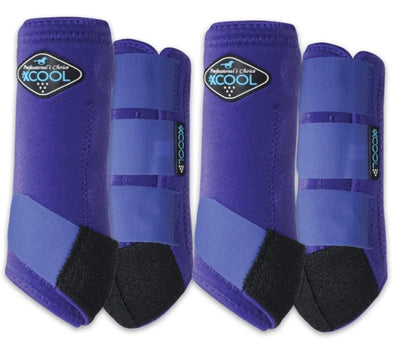
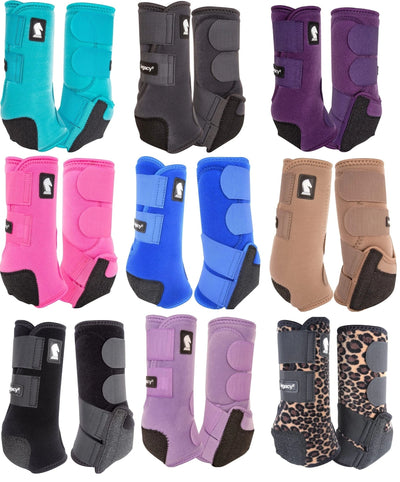


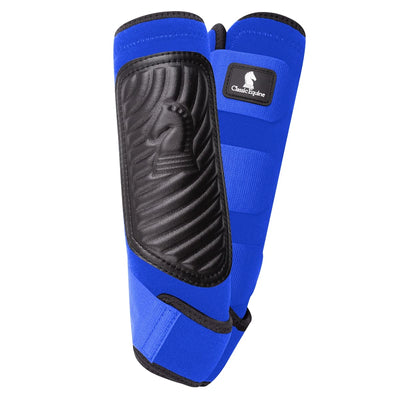

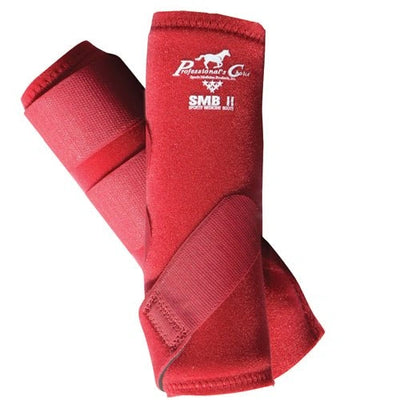

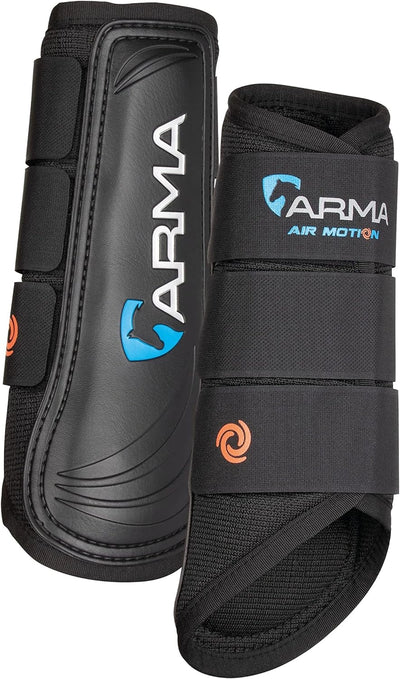

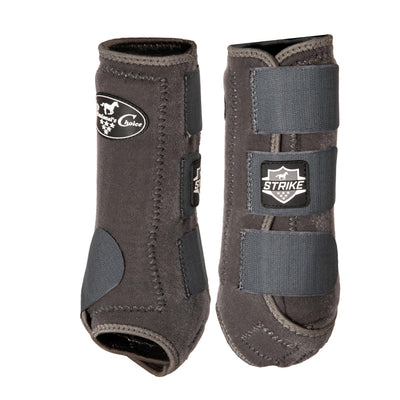

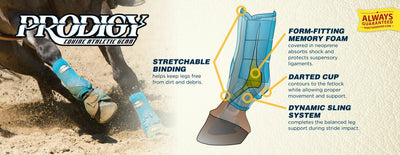

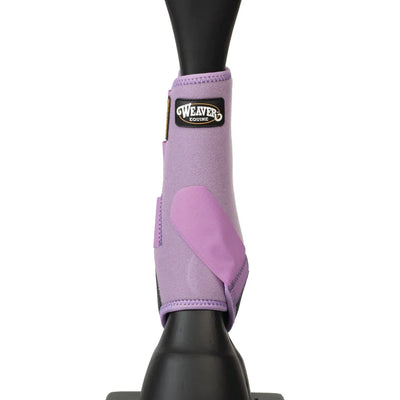

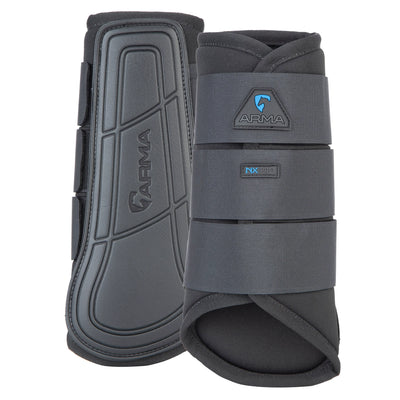
Sports medicine boots promise fetlock support, and that promise is argued about in every barn aisle: how much a neoprene boot can truly hold up a 1,200-pound horse is debatable, but what is not debatable is strike protection — a hind toe or an opposite hoof meeting a bare splint bone is exactly the injury these boots exist to stop. The honest starting point is knowing which job you are buying for.
What Riders Are Actually Asking
Do sports medicine boots actually support the leg, or just protect it?
Both camps are a little right. The manufacturer studies on suspensory-style boots show a measurable reduction in fetlock drop at speed — real, but modest. What nobody disputes is interference protection: barrel horses, ropers and young horses in turnout hit their own legs, and a padded boot over the splint bone and tendons turns a vet call into a scuff mark. Buy them first as armor; treat the support as a bonus, not a treatment for an existing injury.
SMB boots vs splint boots vs polo wraps — which do I need?
A splint boot is a hard or padded shield over the inside of the cannon — light, cool, and enough for most flatwork and trail miles. A sports medicine boot wraps the whole lower leg and slings under the fetlock, which adds support and full coverage for hard stops, spins and barrel turns. Polo wraps are gym chalk: cheap, adjustable, and genuinely useful, but they hold water, sag if wrapped tired, and a loose wrap mid-ride is its own hazard. If you have to pick one for western performance work, the SMB is the do-everything answer.
How tight should a sports medicine boot be?
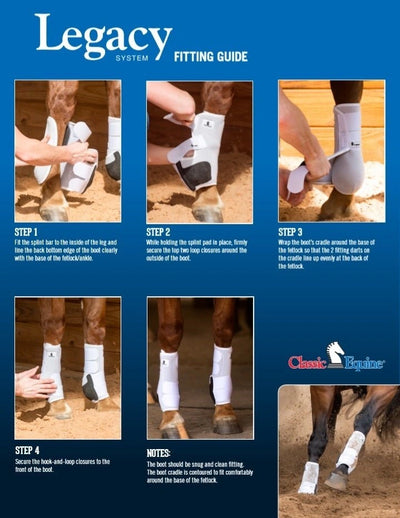
Snug enough that it cannot rotate, never tight enough to dent the tendon. The working rule: strap it so you can slide a finger under the top edge, with the tension coming from the middle straps rather than cranking the top one. The sling strap under the fetlock does the supporting — it should cradle, not squeeze. A boot that spins or slides down mid-ride is worse than no boot, because it ends up under the fetlock like a hobble.
Front boots only, or all four legs?
Fronts take the impact of stops and most interference strikes, so front-only is a legitimate budget choice for flatwork. The hind legs do the sitting in a stop and the pushing in a barrel turn, which is why performance riders run all four — and why the 4-pack sets exist. If your horse forges or you rope, do all four; if he travels clean at a walk-trot, fronts are a fine start.
Won't neoprene boots overheat my horse's tendons?
Heat is the fair criticism of any full-wrap neoprene boot — tendon temperature does climb under them, which is why ventilated designs like the perforated 2XCool line exist and why boots come off promptly after work. Practical rules: never turn a horse out in SMBs, pull them as soon as you dismount, and rinse and air-dry them so sweat and grit do not turn the lining into sandpaper. In serious summer heat, a ventilated boot or a plain splint boot is the kinder choice for easy rides.
How to Choose the Right Sports Medicine Boot
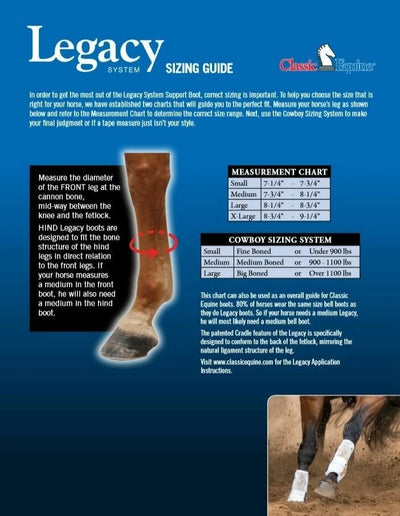
- Measure the cannon, do not guess by breed: Sizing runs on cannon circumference and horse build; a 15-hand Quarter Horse and a 15-hand Arab often take different sizes. Check the brand's chart against a soft-tape measurement.
- Match the boot to the job: Splint boots for flatwork and trails, full SMBs for speed events and young horses that interfere, sling-style hinds for horses that burn their fetlocks in the stop.
- Strap tension lives in the middle: Seat the boot high, tension the middle straps first, finish top and bottom just snug. If the top strap is doing the holding, the boot is the wrong size.
- Ventilation matters in the desert: Perforated neoprene runs measurably cooler. If you ride in high-desert summer heat, it is worth the upgrade over standard closed-cell boots.
- Buy the set if you rope or run barrels: Front-and-rear 4-packs cost less than two pairs bought a year apart, and matched wear means matched replacement.
What This Page Is Not For
This page is strike protection and support for work under saddle. It does not cover bell or overreach boots, turnout and medicine boots for injuries, ice or therapy boots, or shipping boots — and no boot on this page treats an existing lameness. A horse that is already sore needs a vet before it needs equipment.
Brands Riders Trust
Professional's Choice invented this category — the SMB line and the perforated 2XCool boots are the reference point everyone else measures against. Classic Equine is the other name western riders reach for: the Legacy2 system with its cradle fetlock strap, Flexion by Legacy for closer contact, and ClassicFit sling boots for hind fetlocks. On the English side, Shires ARMA brushing boots cover flatwork and turnout strikes at friendlier prices, and Weaver's Prodigy athletic boots split the difference for all-round riders. Between them you get every price point from schooling splint boots to show-pen sets.
Thirty years of picking gear for our own horses, 2-day shipping from American warehouses, and a 365-day guarantee behind every order.
