


Choosing the best flea treatments for cats is not just a matter of picking the fastest acting bottle on the shelf. The right option must match your cat's species, age, weight, health, lifestyle, and the needs of every other pet in the home. This guide compares the main treatment formats, explains the safety checks that matter most, and shows how to prevent a small flea problem from becoming a household infestation.
Shop Cat Parasite Control Options Today
What makes a flea treatment the best choice for your cat?
A good choice solves more than one problem. It should kill or control the flea life stages covered by its label, fit your cat's routine, and be practical for you to use correctly. A treatment that sits unopened in a cabinet does not protect your cat, while a treatment applied too often or to the wrong animal can create avoidable risk.
The U.S. Food and Drug Administration explains that flea products may come as oral medicines, collars, sprays, shampoos, powders, and topical spot-on products. The FDA also recommends involving a veterinarian, reading the label and package insert carefully, and using a product only for the species and situation listed on its label. Read the full FDA guidance on safe flea and tick product use before treating a cat with a health concern.
Which cat flea treatment format fits your routine?
There is no universal winner because convenience, coverage, and safety differ by cat. Use the comparison below as a starting point, not as a substitute for the product label or veterinary advice.
| Format | May suit | Important considerations |
|---|---|---|
| Topical spot-on | Owners who want a scheduled application | Apply only to the labeled location, species, age, and weight range. Keep pets separated until the product is dry when the label instructs you to do so. |
| Oral tablet or liquid | Cats that are difficult to treat topically or frequently get wet | Confirm that the product is labeled for cats and ask about interactions, health conditions, and the correct schedule. |
| Flea collar | Owners who prefer a wearable prevention format | Check the cat-specific label, fit, breakaway or safety features, replacement interval, and possible skin reactions. |
| Shampoo or rinse | Short-term cleaning during an active flea problem | It may remove or kill fleas present during bathing but should not be assumed to replace ongoing prevention. |
| Flea comb | Daily monitoring and gentle physical removal | Useful for checking the coat and removing fleas, but it does not provide lasting protection by itself. |
Topical treatments
Topicals are applied to the skin, usually in a location the cat cannot easily lick. They can be convenient when a cat resists pills, but application technique matters. Part the coat so the product reaches the labeled skin area, use the entire labeled dose for that cat's weight range, and never combine products unless a veterinarian specifically directs you to do so.
Do not bathe, handle, or let another pet groom the application area contrary to the label. Keep the package until the treatment period is over so you can check the active ingredient and directions if a reaction occurs.
Oral flea treatments
Oral products can be useful for cats that will not tolerate a topical application or for owners who prefer a medication given by mouth. Some products are available only through a veterinarian, and products differ in the parasites they address, how quickly they work, and how often they are given.
Never crush, split, or substitute a tablet unless the label or your veterinarian says it is safe. If your cat has a history of seizures, liver or kidney disease, digestive problems, or medication sensitivities, ask the veterinarian before choosing an oral option.
Flea collars
A collar can be convenient for a cat that tolerates wearing one and for an owner who wants a longer replacement interval. Fit it according to the instructions, check the skin and neck regularly, and make sure it is designed for cats. A collar is not automatically safer because it lasts longer. The cat's age, size, health, and exposure to other pets still matter.
Shampoos, rinses, and combs
A cat flea comb can help you inspect the coat, particularly around the neck, face, and base of the tail. Comb over a white towel or paper so you can see fleas or dark flea dirt. A bath may remove fleas from the coat, but many cats find bathing stressful, and a bath alone does not address fleas in the home or provide lasting prevention.
Shop This Post

Featured in this article
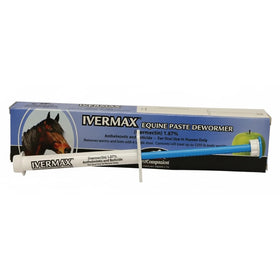
Durvet Ivermectin 1.87% Paste Apple Flavored Horse Wormer - Single Dose Broad Spectrum Dewormer for Bots and Strongyles
$21.99
Shop Now →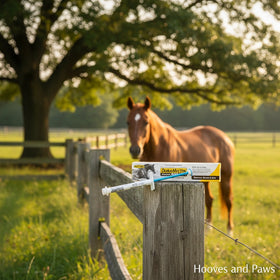
How should you choose a treatment for kittens and senior cats?
Kittens
Never estimate a kitten's treatment amount from an adult cat product. Read the minimum age and weight requirements every time, and weigh a growing kitten accurately rather than relying on an old estimate. If a kitten is too young or small for a particular product, a veterinarian can explain safer options and a practical plan for the household.
Flea infestations can be especially serious for small kittens because repeated blood loss can contribute to anemia. Pale gums, unusual weakness, rapid breathing, poor appetite, or marked lethargy require prompt veterinary attention. A flea comb may help with immediate physical removal while you arrange professional guidance, but it is not a complete prevention plan.
Senior, pregnant, nursing, or medically fragile cats
Ask a veterinarian before treating a pregnant or nursing cat, a cat with chronic disease, a cat recovering from illness, or a cat taking other medicines. The safest option may depend on the cat's history rather than the marketing claim on the front of a package. Keep a list of current medicines and supplements available when you ask for advice.
What flea treatment mistakes are dangerous for cats?
- Using a dog product on a cat: Some dog flea products contain ingredients that can be dangerous to cats. Permethrin exposure is a well-known emergency risk, so keep dog products away from cats and read the entire label before application.
- Using the wrong weight range: A larger tube or tablet is not a stronger version to divide at home. Product concentrations and directions vary, and inaccurate division can lead to under-treatment or overexposure.
- Combining products casually: Do not add a collar, topical, shampoo, spray, or oral product to another treatment unless the veterinarian or label confirms that the combination is appropriate.
- Ignoring the application site: A product meant for the skin should not be placed in the eyes, mouth, open wounds, or a location the cat can immediately lick unless the label says otherwise.
- Reapplying early: If you still see fleas, do not automatically repeat a treatment. Fleas can continue emerging from the environment, and early reapplication may be unsafe. Check the label and contact your veterinarian.
- Discarding the package: Keep the box, tube, lot information, and package insert. They help a veterinarian identify the product if your cat has a reaction.
The FDA notes that adverse events can occur even though flea and tick products have been used in many pets. If your cat develops tremors, drooling, vomiting, weakness, unusual agitation, trouble walking, seizures, or breathing difficulty after treatment, contact a veterinarian immediately and bring the product packaging.
Review Parasite Control Options for Your Pet
Do indoor cats need flea prevention?
Fleas can live inside a warm home throughout the year. An indoor cat may also share a building, porch, hallway, boarding facility, groomer, or veterinary waiting area with animals that carry fleas. A dog that goes outside can bring fleas indoors even when the cat never leaves the house.
That does not mean every cat needs the same product or schedule. Ask your veterinarian to evaluate local flea pressure, other pets, travel, outdoor access, and any prior flea reactions. If the plan includes ongoing prevention, put the next application or refill date on your calendar and follow the exact interval on the label.
How do you stop a flea infestation from returning?
- Confirm the problem: Check the coat with a flea comb and look for live fleas or flea dirt. A veterinarian can help distinguish flea irritation from allergies, mites, infection, or another skin problem.
- Make a pet-by-pet plan: Ask about every dog, cat, and other susceptible pet in the household. Never share one animal's medication with another species.
- Clean resting areas: Wash pet bedding and blankets according to the fabric care instructions. Focus on places where pets sleep, rest, and hide.
- Vacuum consistently: Vacuum rugs, upholstery, floor edges, under furniture, and carrier areas. Empty the vacuum according to the manufacturer's instructions so fleas and debris do not remain inside.
- Follow the treatment interval: Continue the veterinarian or label-directed plan even after you stop seeing adult fleas. New fleas can emerge from the environment after the first treatment.
- Recheck the cat: Use a comb and watch for scratching, hair loss, scabs, or skin redness. A return of symptoms is a reason to ask for guidance, not to stack additional products.
For broader feline wellness reading, Hooves and Paws also has a cat supplements guide. Supplements are not a replacement for flea control, but understanding the difference can help you keep a treatment plan focused and avoid adding unnecessary products.
What should you look for on a cat flea treatment label?

- Species: The label should clearly identify cats or kittens, not only dogs or multiple species with separate directions.
- Age and weight: Match the cat's current measurements to the exact package range.
- Active ingredient: Record it so your veterinarian can check for a duplicate or interaction.
- Coverage: Confirm whether the product addresses fleas alone or also covers ticks and other parasites. Broader coverage is not automatically better for every cat.
- Route and interval: Follow the directions for oral, topical, or collar use and do not improvise a schedule.
- Warnings: Read precautions about bathing, contact with children or other pets, pregnancy, illness, and handling the treated cat.
Shopping from a retailer with a broad pet-health selection can make comparison easier, but the final decision still belongs to the product label and your veterinary team. Hooves and Paws has served horse, dog, and cat owners since 1994, offers curated products from trusted brands, and provides a 365-day satisfaction guarantee. Review product details carefully, and contact the retailer if you need help locating a size guide or product specification.
Frequently Asked Questions
What is the most effective treatment for cat fleas?
The most effective treatment depends on your cat's age, weight, health, lifestyle, and the flea product's labeled coverage. A cat-labeled topical, oral treatment, or collar may be appropriate, but your veterinarian should help choose the active ingredient when your cat has health concerns. Household cleaning and treating other pets are also essential.
What is the safest flea treatment for kittens?
The safest option is one labeled for the kitten's exact age and weight and approved by your veterinarian when the kitten is very young, small, ill, or heavily infested. Never use an adult cat or dog product based on an estimate. A flea comb can support immediate removal while you arrange veterinary guidance.
Can I use dog flea medicine on my cat?
No. Use dog flea medicine on a cat only if a veterinarian has specifically instructed you to do so, which is uncommon. Many dog products have cat-specific warnings, and some ingredients, including permethrin in certain products, can cause serious toxicity in cats. Read the label and keep dog treatments separated from cats.
How often should I treat my cat for fleas?
Use the interval stated on the cat product label or provided by your veterinarian. Treatment schedules vary by format and product, and seeing a flea does not mean it is safe to reapply early. Fleas may continue emerging from the home after the cat has been treated.
Do flea collars work for cats?
A cat-specific flea collar can be useful when the cat tolerates it and the product is correctly fitted and used as directed. Check the label for the parasites covered, replacement interval, minimum age, and safety features. Monitor the neck for irritation and ask your veterinarian if your cat has a sensitive skin history.
How do I know if my cat has fleas?
Common signs include scratching, overgrooming, scabs, hair loss, skin irritation, restlessness, or small dark specks in the coat. Use a flea comb over a white surface to inspect the coat, but remember that a cat can have an allergy to flea saliva even when you do not see many fleas. A veterinarian can confirm the cause.
Shop Trusted Pet Health Products Today


