

Leather Dog Collars & Leads
Filter and sort
6 products

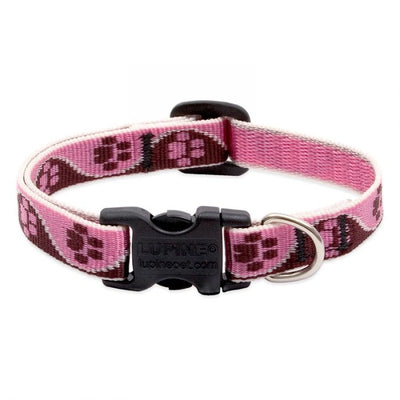
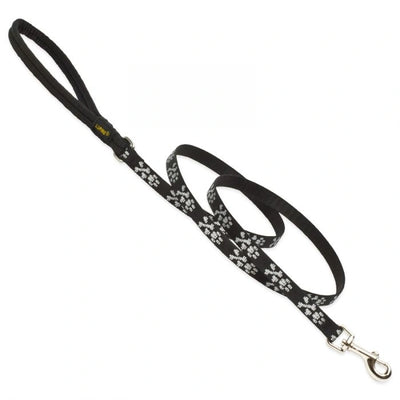

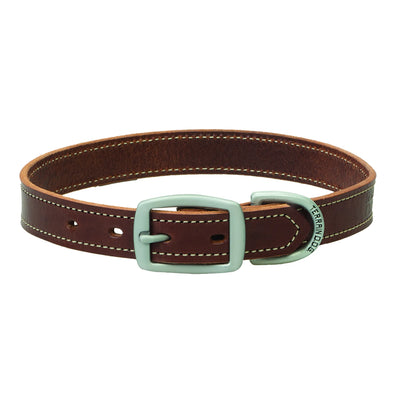

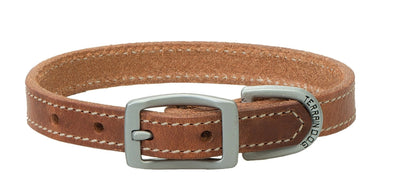

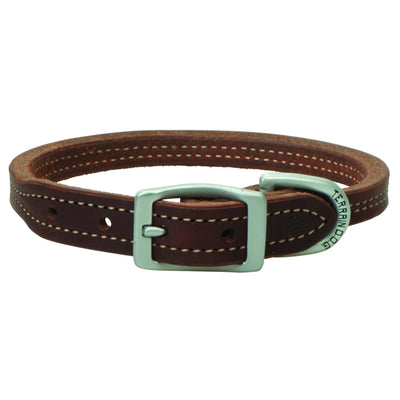

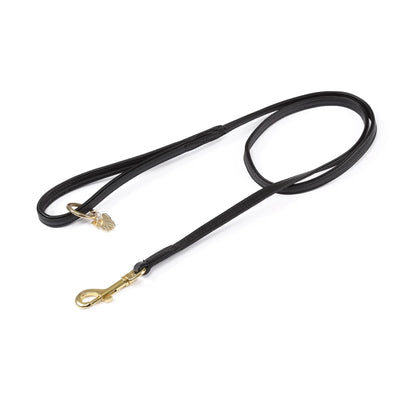
A barn dog wears his collar through irrigation ditches, burr patches and a daily roll in something regrettable. Pet-store hardware gives up in a season, which is why so many farm households end up buying harness leather once and being done with it. The genuine decisions are rolled or flat, how you carry identification, and what the buckle is made of.
What Owners Are Actually Asking
Is leather really better than nylon for a farm dog?
For a dog who lives outdoors, usually yes, with one honest exception. Harness and English bridle leather run around 8 to 10 ounces in thickness, they soften to the dog's neck instead of staying stiff, and they fail slowly at the stitching rather than fraying into a mess overnight. The exception is chewing. A puppy or a crate-chewer will destroy a hundred-dollar leather collar in an afternoon, and a nylon collar with a chew guarantee behind it, like Lupine's, is the smarter buy until the dog grows out of it.
Rolled or flat: which should I buy?
Coat length decides it more than anything else. A rolled collar presents a small round profile, so a Collie, Golden or anything with a heavy ruff keeps its neck hair instead of wearing a flat mat where the collar sits. A flat collar spreads pressure over a wider band, which suits short-coated and heavier dogs, and it is the only shape that takes a riveted nameplate properly. A few makers split the difference with a hybrid that is rolled through the neck and flattens where the buckle and plate go.
How do I size a collar so it actually fits?
Measure the dog's neck with a soft tape where the collar will sit, snug but not compressing, then add two inches. Once it is on you should slide two flat fingers under it easily and not be able to pull it over the ears. Watch how the maker measures: some list neck size, others list the total strap length from buckle to tip, and those two numbers differ by three or four inches. Leather stretches a little in the first month, so buy to the middle hole and expect to move down one.
Nameplate or hanging tag for identification?
A riveted brass or stainless plate sits flat, makes no noise, and cannot be pulled off by brush or a fence wire, which is why hunting and stock dog owners insist on them. The tradeoff is that the plate is permanent: a new phone number means a new plate or a new collar. A hanging tag updates in five minutes and costs a few dollars, but tags jingle, snag and get lost. Many barn owners run both, a plate for the permanent number and a tag for the microchip line.
What hardware actually survives a barn?
Solid brass will not rust, which is why it has been the traditional choice on working collars for a century, but it is softer than steel and a hard-pulling seventy-pound dog can eventually spring a light brass tongue. Stainless steel is the strongest of the three and the least common. Nickel-plated steel looks the same on the shelf and is the one to avoid outdoors: the plating chips at the buckle tongue and rust starts underneath within a season. Whatever you buy, check the D-ring is welded closed rather than a bent split ring.
How to Choose the Right Dog Collar
- Match the shape to the coat: Rolled for long hair and heavy ruffs, flat for short coats and for anything that needs a riveted plate.
- Measure the neck, add two inches: Then confirm two flat fingers slide under. Buy to the middle hole because leather gives a little.
- Check what the ring is made of: A welded D-ring holds. A split ring opens under a hard lunge, and that is usually the part that fails first.
- Decide on identification before you buy: A nameplate needs a flat section wide enough for the rivets. Fitting one later to a rolled collar rarely works.
- Oil it twice a year: Ten minutes with a leather conditioner after the wet season is the difference between five years and fifteen.
What This Page Is Not For
This page covers buckle collars and leads only. Harnesses, head halters, prong and slip collars, electronic collars, cat collars and long lines are not here. Nameplates are not fitted here either, so if you want one, choose a flat collar with a clear straight section and any saddler or engraving shop can set it for you in a few minutes.
Brands Riders Trust
Weaver Leather does the traditional end of this properly, with russet harness leather and English bridle leather collars and a hybrid that is rolled at the neck and flat where the buckle sits. Lupine is the one to name when the dog chews, because their guarantee covers the collar even then. Shires makes the Digby and Fox padded leather lead, which is the softest thing here on cold hands in February.
All of it ships in two days from an American warehouse, and the 365-day guarantee covers the collar even after your dog has worn it. Happy Tails, Happy Trails.
