


Your sweet, sleepy housecat is a natural hunter at heart, with instincts honed over thousands of years to stalk and forage for food. A simple bowl of kibble, while convenient, does nothing to satisfy this deep-seated need for a challenge. This can lead to boredom, stress, and even destructive behaviors. What if you could turn mealtime into a rewarding game? A cat puzzle feeder does exactly that. By making your cat work for their meal, these interactive cat toys provide crucial mental stimulation and can slow down fast eaters, turning a daily chore into the highlight of their day.
Key Takeaways
- Improve both physical and mental health: Puzzle feeders combat the risks of speed-eating, like vomiting and weight gain, by forcing a slower pace. They also provide essential mental stimulation by turning mealtime into a rewarding hunt.
- Choose wisely and introduce patiently: Success depends on matching the feeder's difficulty and style to your cat's personality. Start with an easy puzzle and use high-value treats to build a positive association, ensuring the new feeder is seen as a fun game.
- Keep mealtime engaging for long-term benefits: A puzzle feeder is most effective when it remains a challenge. Prevent boredom by rotating between different feeders and gradually increasing the difficulty as your cat becomes a puzzle-solving pro.
Is Your Cat Eating Too Fast?
Does your cat inhale their food in seconds, only to throw it all back up a few minutes later? You're not alone. This "scarf and barf" routine is a classic sign of a cat who eats too quickly. While it might seem like just a messy habit, speed-eating can actually cause health problems down the line. Understanding the risks is the first step, and thankfully, there's a simple and effective solution to help your feline friend slow down and enjoy their meals.
Why Fast Eating Can Be Risky
The most immediate consequence of eating too fast is often regurgitation, which is when your cat brings up undigested food right after a meal. It’s messy and means they aren't getting the nutrients they need. But the risks don't stop there. Gulping down food can lead to overeating and, over time, obesity. This extra weight puts your cat at a higher risk for serious conditions like diabetes and painful joint problems like osteoarthritis. In some cases, eating too quickly can also cause choking, bloating, or general stomach upset. It’s a habit that’s worth addressing for their long-term health and comfort.
How Puzzle Feeders Slow Down Mealtime
So, how do you get your little speedster to slow down? Puzzle feeders are a fantastic solution. These feeders are designed to make your cat work a bit for their food, turning mealtime into a fun and engaging challenge. Instead of gobbling from an open bowl, they have to paw, nudge, and think to get their kibble. This process naturally slows their eating pace and taps into their instinct to "hunt" for their meals. Puzzle feeders are more than just bowls; they are interactive cat toys that provide essential mental stimulation and physical activity, making mealtime a healthier and more satisfying experience.
3 Big Wins of Using a Cat Puzzle Feeder
Switching to a puzzle feeder does more than just slow your cat down at mealtime. It’s a simple change that can have a big impact on their physical health and mental happiness. By making your cat work a little for their food, you’re providing enrichment that addresses some of their most fundamental needs. From better digestion to a sharper mind, here are the key benefits of adding a puzzle feeder to your cat’s routine.
Better Digestion and Less Vomiting
If you’ve ever cleaned up a pile of barely-eaten food just minutes after filling the bowl, you know how frustrating speed-eating can be. When cats gulp down their food too quickly, their stomachs can’t always keep up, leading to regurgitation. Puzzle feeders solve this problem by making it impossible for your cat to inhale their entire meal in seconds. The obstacles and compartments force them to eat one or two kibbles at a time. This slower pace gives their digestive system time to work properly and significantly reduces the risk of vomiting. It turns a frantic feast into a more mindful meal.
A Smarter Way to Manage Your Cat's Weight
Just like with people, eating too fast can lead to overeating and weight gain in cats. A puzzle feeder naturally encourages portion control and helps your cat feel full on the right amount of food. By extending mealtime from a 30-second sprint to a 15-minute activity, you’re helping them register satiety before they’ve had a chance to overindulge. This simple adjustment can be a powerful tool for managing your cat’s weight and preventing obesity-related health issues down the road. Slowing down your cat's eating habits is a great step toward promoting better overall health and maintaining a healthy physique.
Satisfy Your Cat's Natural Hunting Instincts
Your sweet, sleepy housecat is a natural hunter at heart. In the wild, cats spend a large part of their day stalking and foraging for food. A simple bowl of kibble doesn’t offer that same satisfaction. Puzzle feeders tap into this instinct by turning mealtime into a hunt. This provides crucial mental exercise, which helps prevent boredom and the destructive behaviors that can come with it. These interactive cat toys challenge your cat to think, problem-solve, and use their paws and nose to find their reward. It’s an easy way to provide good mental exercise and keep your cat’s mind sharp and engaged.
Backed by Scientific Research
The benefits of puzzle feeders go beyond just slowing down a speedy eater; they're supported by research into feline behavior and health. Experts agree that encouraging cats to forage for their food is one of the best things you can do for them. This simple act of hunting for kibble provides essential mental stimulation, which can help reduce the stress and frustration that often lead to unwanted behaviors. By turning mealtime into a game, these interactive cat toys make your cat work for their food. This not only satisfies their natural instincts but also improves digestion by forcing a slower eating pace, which is a huge win for cats prone to vomiting after meals.
What Are the Different Types of Cat Puzzle Feeders?
Puzzle feeders are a fantastic way to make mealtime more engaging for your cat, but the term covers a wide range of products. From simple bowls with a few obstacles to complex toys that require some serious problem-solving, there’s a feeder for every feline personality and skill level. Understanding the different types will help you choose the perfect one to slow down your speedy eater and provide some much-needed mental stimulation. Each style offers a unique challenge that taps into your cat's natural instincts to hunt, forage, and play. Let's look at the main categories you'll find.
Slow Feeder Bowls: The Easiest First Step
Think of a slow feeder bowl as the entry-level puzzle. These are simply food bowls with built-in mazes, ridges, or other obstacles that your cat has to eat around. The design makes it impossible for them to gulp down their entire meal in seconds. Instead, they have to use their paws or tongue to maneuver the kibble out of the nooks and crannies. This simple change of pace forces them to eat more slowly, which can significantly improve digestion and reduce the chances of post-meal vomiting. They are an excellent starting point for cats who have never used a puzzle feeder before and are a simple swap for their regular bowl.
Interactive Puzzle Toys: A Fun Challenge
If your cat needs more of a mental workout, interactive puzzle toys are the next step up. These feeders require your cat to actively engage with the toy by sliding, spinning, or batting at different components to reveal their food. They turn mealtime into a rewarding game that satisfies their natural instinct to "work" for a meal. You can find a wide variety of interactive cat toys with different difficulty levels, from simple sliders to multi-step puzzles. This type of feeder is perfect for keeping your cat’s mind sharp and their body active, preventing boredom and the mischief that often comes with it.
Treat-Dispensing Feeders: For Meals and Snacks
Treat-dispensing feeders, often shaped like balls or wobblers, are a great way to get your cat moving. You fill the toy with kibble or treats, and as your cat pushes, rolls, and bats it around the room, the food dispenses a little at a time. This design encourages physical activity and makes your cat feel like a successful hunter chasing down its prey. It’s a fun way to serve a full meal or just a few snacks throughout the day. According to the Humane Society, this kind of enrichment is vital for an indoor cat's well-being, helping them stay physically fit and mentally stimulated.
Lick Mats and Foraging Mats: Great for Wet Food
Lick mats and foraging mats offer a different kind of sensory experience. A lick mat is a flat, textured mat designed for wet food, yogurt, or other spreadable treats. The act of licking is naturally calming for cats, so these mats can be a wonderful tool for reducing stress and anxiety during mealtime or thunderstorms. Foraging mats, also known as snuffle mats, are made of fabric strips where you can hide dry kibble. Your cat then has to use their powerful sense of smell to sniff out and find their food. Both options tap into natural behaviors and provide a gentle, engaging way to slow down eating.
Shop This Post

Featured in this article
Ducky World Yeowww! 7" Organic Catnip Kicker for Barn Cats
$12.11
Shop Now →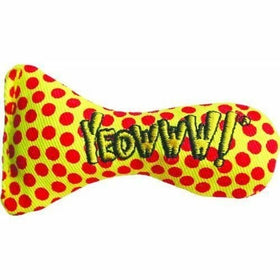

DIY and Alternative Puzzle Feeder Ideas
You don’t need to rush out and buy a fancy puzzle feeder to get started. In fact, you probably have everything you need to create a fun and engaging mealtime challenge for your cat right in your recycling bin. Trying out a few DIY options is a great way to see what types of puzzles your cat enjoys before you commit to buying one. It’s also a fantastic way to keep things fresh and exciting by rotating different homemade toys into their routine. These simple, low-cost ideas are perfect for testing the waters and providing some quick enrichment.
Disposable and Low-Cost Options
If the thought of cleaning another cat-related item makes you groan, these disposable options are for you. Using single-use items from around your house means you can provide a fun foraging experience with zero cleanup. Just toss it in the recycling bin when your cat is done.
Cardboard Egg Cartons
An empty cardboard egg carton makes for a perfect beginner puzzle feeder. Simply drop a few pieces of kibble or treats into each of the cups and let your cat figure out how to get them out. They’ll have to use their nose and paws to scoop out the food. Because the cartons are disposable, you don't have to worry about cleaning them. It’s a simple, effective, and free way to add a little challenge to their day.
Toilet Paper Tubes and Water Bottles
Empty toilet paper tubes are another fantastic, no-cost option. Just fill a tube with some kibble, fold in the ends to keep the food from spilling out immediately, and toss it to your cat. For a slightly more durable toy, you can use an empty plastic water bottle. Cut a few kibble-sized holes in the side, fill it with food, and screw the cap back on. Your cat will have to roll and nudge the bottle to make the food fall out, mimicking the fun of chasing prey.
Household Items as Feeders
For a more permanent but still budget-friendly solution, look no further than your own kitchen cabinets. Common household items can easily be repurposed into effective puzzle feeders that you can wash and reuse.
Ice Cube Trays
A standard ice cube tray is a brilliant and inexpensive slow feeder. Just scatter your cat’s dry food across the different compartments. This forces them to slow down and pick out the kibble piece by piece. Most ice cube trays are dishwasher-safe, making cleanup a breeze. For an extra challenge, you can even flip the tray upside down and hide kibble in the crevices on the bottom.
Using Dog Slow Feeder Bowls for Cats
Don't be afraid to browse the dog aisle for inspiration. Sometimes, a slow feeder bowl designed for a small dog can be an excellent and challenging puzzle for a cat. The patterns are often different from cat-specific bowls, and your cat may need to use their paws to scoop out the food, adding a layer of difficulty and dexterity. Thinking outside the box like this is a great way to keep your cat’s enrichment routine fresh and exciting. For more ideas on keeping your feline friend engaged, you can also explore a curated selection of interactive cat toys designed specifically to challenge their clever minds.
5 Favorite Puzzle Feeders for Fast Eaters
With so many puzzle feeders on the market, finding the right one can feel a little overwhelming. To help you out, I’ve gathered five of my favorite options that work for different types of cats and budgets. These feeders aren't just about slowing down your cat; they're about enriching their daily routine. A good puzzle feeder taps into your cat's natural instincts to hunt and forage, turning a simple meal into a rewarding challenge. This mental workout can help reduce boredom-related behaviors and build your cat's confidence.
When choosing, think about your cat's personality. Are they a paw-er or a digger? Do they get frustrated easily, or do they love a good challenge? We've selected a variety of feeders to match these different styles. From simple bowls with obstacles to complex interactive toys, there's a perfect fit for every feline. Let's look at some of the best options to make mealtime more mindful and fun for your furry friend.
Frisco Silicone Slow Feeder Mat with Stainless Steel Bowl
This feeder is a fantastic two-in-one solution for streamlining mealtime. On one side, you have a silicone slow feeder mat with raised patterns that make your cat work a bit for their food. On the other, there’s a stainless steel bowl, which is perfect for water. I love this design because it keeps everything in one place. The non-slip base means it won’t slide around your floor, even with an enthusiastic eater. Plus, the entire mat is dishwasher safe, which makes cleanup incredibly simple. It’s a practical and thoughtful design for any cat owner looking to combine feeding and hydration in one neat package.
Frisco Fish Shaped Ridges Slow Feed Bowl
If you're new to puzzle feeders or just want a simple, effective option that won't break the bank, this is the one for you. This bowl is incredibly budget-friendly and features cute, fish-shaped ridges that spread out your cat's food. This simple obstacle course forces them to slow down and eat more mindfully. It’s versatile enough to handle both wet and dry food, which is a huge plus. And like any good pet product, it’s top-rack dishwasher safe for no-fuss cleaning. It’s a straightforward, affordable way to see if a slow feeder is the right fit for your cat.
Trixie Cat Activity Feeder
For the clever cat who needs a bit more of a challenge, the Trixie Activity Feeder is a fantastic choice. This isn't just a bowl; it's a true interactive puzzle. It has various tunnels and tubes that require your cat to use their paws to fish out their kibble. I appreciate that you can adjust the difficulty by changing how much food is dispensed, allowing you to customize the challenge as your cat gets better at it. It holds a good amount of food and is also dishwasher safe. This feeder is one of the best cat toys for turning mealtime into a stimulating brain game that satisfies their problem-solving instincts.
Doc & Phoebe's Indoor Hunting Cat Feeder
This feeder is one of my absolute favorites because it brilliantly taps into a cat's natural hunting instincts. Instead of a bowl, you get three adorable, mouse-shaped feeders that you fill with dry food. You then hide these 'mice' around your home, encouraging your cat to hunt, stalk, and pounce on their meal. Watching a cat bat one of these around to get the food out is pure joy. It’s a wonderful way to provide both physical exercise and mental enrichment, mimicking the way they would hunt in the wild. This system makes your cat work for their food in the most engaging and instinctual way possible.
Catit Senses 2.0 Digger
If you have a cat that loves to use its paws to explore, the Catit Senses Digger will be an instant hit. This feeder is designed with five cups of different heights and widths. You place kibble or treats inside, and your cat has to 'dig' them out with their paws. This design encourages them to slow down and engage their brain and body in a natural scooping motion. It’s made from safe, BPA-free plastic and comes apart easily for thorough cleaning. It’s a great way to add variety to your cat’s feeding routine and satisfy their instinct to paw and forage for their food.
ALL-PAWS Interactive Puzzle Feeder
The ALL-PAWS Interactive Puzzle Feeder is an excellent choice for turning mealtime into an exciting challenge. This feeder is designed with various compartments and obstacles that engage your cat's natural hunting instincts, requiring them to paw, nudge, and think to access their food. By making them work for their meal, it effectively slows down their eating pace, which helps prevent common issues like vomiting and weight gain. More importantly, it provides essential mental stimulation, satisfying their instinct to forage. It’s one of the best interactive cat toys for promoting healthier eating habits while keeping your feline friend happy and engaged, making it a win-win for both of you.
How to Choose the Best Puzzle Feeder for Your Cat
With so many options on the market, picking the right puzzle feeder can feel a little overwhelming. The key is to find one that fits your cat’s unique personality and needs, because a feeder that works wonders for one cat might be completely ignored by another. The goal is to make mealtime more engaging and mentally stimulating, not more stressful. By focusing on a few important factors, you can find the perfect match that keeps your cat happy and healthy. When you’re ready to explore your options, you can find a great selection of interactive cat toys and feeders designed for feline fun. Think of it like picking out a new game for a friend; you want something they'll actually enjoy playing. We'll walk through the four main things to consider: the puzzle's difficulty, the safety of its materials, how easy it is to clean, and its overall stability. Getting these details right will help you choose a feeder that becomes a favorite part of your cat's daily routine instead of another piece of plastic collecting dust in the corner. It’s an investment in your cat’s well-being, turning a simple meal into a rewarding activity that taps into their natural instincts.
Consider Your Cat's Skill Level
Think about your cat’s personality. Are they a curious investigator who loves a good challenge, or are they more laid-back? Puzzle feeders come in various difficulty levels, from simple bowls with a few obstacles to complex toys that require multiple steps to solve. Starting with a puzzle that’s too hard can lead to frustration and cause your cat to give up entirely. It’s always best to begin with an entry-level feeder and gradually introduce more challenging ones as your cat gets the hang of it. This builds their confidence and keeps the experience positive and rewarding.
Choose Safe and Durable Materials
Since your cat will be eating directly from the feeder, safety is non-negotiable. Look for feeders made from high-quality, food-grade materials that are free from harmful chemicals like BPA, PVC, and phthalates. Materials like durable plastic, silicone, or ceramic are excellent choices. A well-made feeder will not only be safer but will also stand up to repeated use, especially if your cat is an enthusiastic eater. Avoid flimsy designs that could break apart, as small pieces can become a choking hazard. Your cat’s health is the top priority, so always choose products you can trust.
Think About How You'll Clean It
Hygiene is crucial when it comes to any food-related item. Puzzle feeders have nooks and crannies where wet food or kibble dust can get trapped, creating a breeding ground for bacteria. To keep your cat healthy, choose a feeder that is simple to take apart and wash thoroughly. Many feeders are dishwasher-safe, which makes cleanup a breeze. Be sure to check the cleaning instructions before you buy. It’s a good idea to avoid feeders with stickers or other components that prevent you from fully submerging them in water, as this can make proper sanitation difficult.
The Problem with Plastic: Rancid Oils
While plastic is a common and often budget-friendly material for puzzle feeders, it comes with a notable downside you should know about. Over time, the natural oils from your cat's dry food can soak into the surface of the plastic. When these oils are exposed to air, they can go bad, or become rancid. This can make any new food you add to the feeder taste and smell unpleasant, which might be why your cat suddenly starts rejecting their meals. If you've ever noticed a greasy film on a plastic feeder that just won't wash off, that's the issue. To avoid this problem entirely, consider feeders made from non-porous materials like ceramic or stainless steel, which won't absorb oils and are much easier to keep truly clean and fresh for every meal.
The Hidden Risk of Invisible Mold
A puzzle feeder is only beneficial if it’s clean, and some designs make proper hygiene a real challenge. Many feeders have stickers that can’t get wet or are constructed as a single, solid piece that doesn't come apart. This makes it incredibly difficult to wash and, more importantly, to dry every little corner and crevice. When moisture gets trapped in those hard-to-reach spots, it creates the perfect environment for mold to grow. This mold can be invisible to the naked eye but is still harmful if your cat ingests it with their food. When you're shopping, always look for feeders that can be fully disassembled, allowing for a thorough scrub and proper air-drying to keep your cat safe.
The Advantage of Machine-Washable Mats
For a completely different approach that’s incredibly easy to clean, consider a fabric foraging mat. These mats, often called "snuffle mats," have lots of soft fabric strips and pockets where you can hide dry food, encouraging your cat to use their powerful sense of smell to hunt for their meal. The biggest advantage is that most of these fabric mats can be tossed directly into the washing machine. This ensures a deep, hygienic clean that removes all food residue and bacteria, which is much harder to achieve with rigid plastic puzzles. They offer a great way to provide enrichment and are one of the simplest types of interactive cat toys to keep sanitary for your furry family member.
Look for a Stable, No-Slip Base
Imagine trying to solve a puzzle that keeps sliding away from you. It would be pretty frustrating, right? The same goes for your cat. A feeder that slips and slides across the floor can discourage your cat from using it. Look for a puzzle feeder with a non-slip base or one that is heavy enough to stay put during mealtime. This is especially important if you have smooth floors like tile or hardwood. A stable design ensures your cat can focus on the fun of foraging without the feeder becoming a source of annoyance.
What to Do If Your Cat Struggles With Their New Feeder
So, you’ve brought home a new puzzle feeder, but your cat is giving you a look that says, “You expect me to work for my dinner?” Don’t worry, this is a common reaction. A sudden change to mealtime can be confusing for our feline friends. The key is to introduce it with patience and make it a positive experience. If your cat is hesitant, it usually comes down to one of a few common issues. Let’s walk through what might be happening and how you can help your cat learn to love their new feeder.
Is the Puzzle Too Difficult?
It’s easy to overestimate how much of a challenge our cats want right away. If a puzzle is too hard from the start, your cat may decide it’s not worth the effort and give up. The first step is to make the feeder incredibly easy to solve. Let your cat get the food with minimal effort so they learn to associate the new object with a tasty reward. Once they understand the game, you can gradually make it more difficult. For example, start by just sprinkling some kibble on top of a slow feeder bowl before you put it inside the ridges.
Does Your Cat Dislike the Feeder Style?
Just like people, cats have different personalities and preferences. Some cats love to use their paws to bat and scoop, while others prefer to use their noses to nudge things around. A feeder that requires a lot of paw dexterity might frustrate a cat who would rather use their face. Think about how your cat usually plays. Observing them with their favorite cat toys can give you clues about what style of puzzle feeder they might enjoy most. If one type isn’t a hit, another one that better suits their natural instincts might be the perfect fit.
Recognizing Signs of Stress
The goal of a puzzle feeder is to provide fun mental enrichment, not to create anxiety around mealtime. It’s important to watch your cat for any signs of frustration. Are their ears flattened against their head? Is their tail twitching or thumping? Are they meowing complainingly at the feeder or walking away from it entirely? These are all signals that the puzzle is too stressful. If you notice this behavior, it’s time to take a step back. Make the puzzle much easier or put it away for a day or two before trying again.
What to Do When Your Cat Refuses the Feeder
If your cat is completely ignoring the feeder, you may need to do a little more to convince them it’s a good thing. Start by using their absolute favorite high-value treats instead of their regular kibble to build excitement. You can also try demonstrating how it works by using your own finger to push the food out. Sometimes, they just need to see it in action. If they continue to refuse, the feeder might just not be the right one for them. However, if the refusal is part of a broader loss of appetite, it’s always a good idea to check in with your veterinarian to rule out any underlying health issues.
How to Introduce Your Cat to a Puzzle Feeder
Switching your cat to a puzzle feeder is a great move, but it requires a little strategy. You can’t just swap their bowl for a puzzle and expect them to get it. A thoughtful introduction ensures your cat sees their new feeder as a fun challenge, not a frustrating obstacle. The key is to go at your cat’s pace and make the experience positive. Here’s how to set your feline friend up for success.
Start Simple and Build Up Slowly
When you first introduce a puzzle feeder, make it incredibly easy. You want your cat to win quickly to build confidence and understand the new object contains food. Start with a beginner-level puzzle or just sprinkle kibble around it. As they get the hang of it, you can gradually increase the difficulty. This slow progression keeps them engaged without causing frustration. Our collection of cat toys includes options for every skill level.
Use Their Favorite Food to Get Them Interested
Nothing motivates a cat quite like an irresistible snack. To get your cat interested in their new puzzle feeder, fill it with something they absolutely love. While regular kibble works, using high-value treats or a favorite wet food creates extra excitement. This makes solving the puzzle feel more rewarding and builds a strong positive association with the feeder. It’s especially helpful for picky or hesitant cats who might need a little extra convincing to try something new.
Give Each Cat Their Own Space
If you have more than one cat, mealtimes can feel like a competition, especially with puzzle feeders. To prevent one cat from stealing food or intimidating another, it’s best to feed them separately. Place their feeders in different rooms or on opposite sides of a large room to give them personal space. This allows each cat to focus on their own puzzle without feeling rushed or stressed, ensuring puzzle feeding remains a positive experience for everyone.
Let Your Cat Set the Pace
Every cat learns at their own pace, so patience is your best friend. Some cats might dive right in, while others are more cautious. Pay close attention to your cat’s behavior. Are they engaged, or are they showing signs of stress like tail flicking or walking away? If your cat seems frustrated, the puzzle might be too hard. Don't be afraid to take a step back and make it easier. The goal is enrichment, not a test. Following your cat's cues makes the transition smooth.
Keeping Your Cat Engaged with Their Feeder
Once your cat gets the hang of their new puzzle feeder, your job isn’t quite done. To make sure the benefits stick around, you’ll want to keep things interesting and engaging. A puzzle feeder that becomes too easy or predictable loses its power to stimulate your cat’s mind and slow down their eating. Think of it as a long-term enrichment plan rather than a one-time fix. The real magic happens when interactive feeding becomes a consistent, positive part of your cat’s daily life. This means paying attention to your cat’s progress and making small adjustments along the way.
Keeping the experience fresh involves a few simple strategies, like rotating different types of feeders to prevent boredom, ensuring they are always clean and appealing, and knowing when it’s time to introduce a new level of difficulty. By staying involved, you’re not just providing food; you’re providing a valuable mental workout that satisfies their natural instincts to hunt and forage. This ongoing engagement helps prevent behavioral issues stemming from boredom and strengthens the incredible bond you share with your feline friend. With a little effort, you can ensure that puzzle feeders remain a fun, effective, and rewarding tool for years to come.
Rotate Feeders to Prevent Boredom
Cats are incredibly smart, and they can get bored solving the same puzzle day after day. Just like their wild ancestors who faced different challenges with every hunt, your cat will benefit from variety. Keeping a rotation of two or three different puzzle feeders on hand is a great way to prevent mealtime from becoming monotonous. Switching them out every few days keeps your cat on their toes and ensures they are always using their brain to figure out how to get their meal. This variety makes feeding time a continuous source of enrichment, much like providing a mix of interactive cat toys keeps playtime fresh and exciting.
Remember to Keep It Clean
This one is crucial. A dirty puzzle feeder is not only unhygienic but can also deter your cat from using it. Bits of leftover wet or dry food can get stuck in the crevices, creating a breeding ground for bacteria and mold. Be sure to clean the feeder regularly according to the manufacturer’s instructions. Some are dishwasher-safe, which makes cleanup a breeze, but others require handwashing. For those, use hot, soapy water and a small bottle brush to scrub all the nooks and crannies. Always make sure the feeder is completely dry before you refill it to prevent any moisture from spoiling the food.
Turn Mealtime into Playtime
Puzzle feeders transform mealtime from a passive activity into an engaging game. You can enhance this experience by making it a shared activity. When your cat is working on a puzzle, offer gentle encouragement. Celebrating their success with praise or a gentle pet when they figure it out reinforces the positive association with the feeder. This turns feeding into a fun bonding moment rather than just a solitary task. The mental workout they get from the puzzle is a fantastic form of enrichment that helps curb boredom and prevent unwanted behaviors, making them a happier and more content companion.
When to Introduce a New Challenge
As your cat becomes a puzzle-solving pro, you’ll notice them getting the food out much faster. When a feeder no longer presents a challenge, it loses some of its mental stimulation benefits. This is your cue to level up! Many puzzle feeders have adjustable difficulty levels, so you can start by making the current one harder. If that’s not an option, or if they’ve mastered the toughest setting, it’s time to introduce a more complex puzzle. Gradually increasing the difficulty keeps your cat’s problem-solving skills sharp and ensures they continue to get the full cognitive benefits from their interactive meals.
Puzzle Feeders and Extended Absences
Life sometimes calls for a quick weekend trip, and finding a cat sitter on short notice isn't always possible. This leaves many of us wondering if our feline friends will be okay on their own for a couple of days. While you'll miss them terribly, the good news is that with the right preparation, your cat can be safe and comfortable. A key part of this setup is ensuring they have consistent access to food and something to keep their active minds busy. This is where a puzzle feeder can be an absolute game-changer, moving beyond just a mealtime tool to become an essential part of your short-term pet care plan.
Cats are creatures of routine, and our absence can disrupt their world, sometimes leading to stress or boredom. Some cats can even get separation anxiety, which is why leaving them with something to do is so important. Instead of just napping the day away waiting for you, a puzzle feeder gives them a job to do. It provides a valuable mental workout that satisfies their natural instincts to hunt and forage. This simple tool can help keep them calm and occupied, turning what could be a lonely weekend into an engaging one. It’s a proactive way to care for their emotional well-being while you’re away.
Can You Leave a Cat Alone for 2 Days with a Feeder?
Yes, for a short trip of up to two days, most adult cats will be fine on their own, provided you set them up for success. A puzzle feeder is an excellent tool for this situation because it dispenses food slowly and provides much-needed mental stimulation. Instead of leaving a big bowl of food that might be devoured in the first few hours, a puzzle feeder makes your cat work for their meal, turning feeding into an engaging challenge that combats boredom. Of course, you must also leave out multiple sources of fresh water. For extra peace of mind, having a friend or neighbor pop in once to check on them is always a great idea. By using interactive cat toys like puzzle feeders, you can leave knowing your cat is not just fed, but also entertained.
Related Articles
- 7 Best Interactive Cat Toys for Bored Cats
- 7 Best Interactive Cat Toys
- 5 Best Interactive Cat Toys for a Happy Cat
- 9 Best Cat Toys for Bored Cats (Expert Picks)
- 7 Top Rated Interactive Cat Toys for 2025
Frequently Asked Questions
Can I use wet food in a puzzle feeder? Absolutely. Many puzzle feeders are designed to work with both wet and dry food. Lick mats are specifically made for wet food and other spreadable treats. For other types of puzzles, look for ones made from silicone or ceramic, as they are non-porous and very easy to clean. Just be sure to wash the feeder thoroughly after every single use with wet food to prevent bacteria from growing.
My cat isn't overweight and doesn't vomit. Is there still a reason to use a puzzle feeder? Yes, definitely. While puzzle feeders are great for managing weight and preventing regurgitation, one of their biggest benefits is mental enrichment. A puzzle feeder turns mealtime into a stimulating activity that satisfies your cat's natural instinct to hunt and forage. This can prevent boredom, reduce stress, and curb unwanted behaviors, leading to a happier and more fulfilled cat overall.
What if my cat gets frustrated and won't eat from the feeder? This is a common concern, but it's usually fixable with a little patience. If your cat gives up, the puzzle is likely too difficult for them right now. The key is to start simple. Make it incredibly easy for them to get the food at first, so they associate the feeder with a reward. You can also use their favorite high-value treats to build excitement. If they still seem stressed, take a break and try again another day with an even easier setup.
How often do I need to clean these feeders? Hygiene is really important. If you're using wet food, you must wash the feeder after every meal, just as you would with a regular bowl. For dry food, you can get away with cleaning it every few days. Many feeders are top-rack dishwasher safe, which makes the process simple. A clean feeder is more appealing to your cat and prevents any harmful bacteria from building up.
Are puzzle feeders and interactive toys the same thing? That's a great question. Think of puzzle feeders as a specific type of interactive toy. The term "interactive cat toys" covers a wide range of products designed to engage your cat's mind and body, from simple wand toys to complex electronic gadgets. Puzzle feeders fall into this category because they require your cat to actively participate and problem-solve to get their food, making mealtime a fun and enriching game.


