


Scratching is a normal part of life for cats, but the right surface can make a major difference in where that behavior happens. A useful scratching option gives your cat an appropriate place to stretch, condition the claws, and leave familiar scent and visual marks.
A cat scratcher supports natural scratching by providing a designated surface for claw conditioning, whole-body stretching, and territorial marking. The best choice depends on your cat's preferred position, texture, size, and location, so observing existing habits is more reliable than choosing by appearance alone.
Before comparing materials or styles, it helps to understand what your cat is accomplishing when those paws reach for a scratching surface. That context makes each buying decision more practical and helps you create a setup your cat is likely to use.
What Does a Cat Scratcher Actually Do?
Scratching is normal feline behavior, not simply an attempt to damage furniture. A cat uses the motion to condition its claws, remove the outer dead layer, and maintain the sharp surfaces needed for climbing, play, exploration, and defense. The pulling action also gives the cat an opportunity to stretch through the shoulders, back, and legs, especially when the surface is tall enough for a full-body extension.
That is why a useful cat scratcher does more than protect a sofa. It gives your cat an appropriate place to perform an instinctive activity. Cats may scratch during play, after waking, while exploring indoors, or when they feel excited or stressed. Providing an appealing option can help guide that behavior toward a designated surface instead of leaving your cat to choose carpet, wallpaper, or upholstery.
Claw conditioning and full-body stretching
During a scratch, claws hook into the surface while the cat pulls backward. This action helps loosen and remove the outer keratin husk of the claw. At the same time, the cat can extend its body and engage its muscles through a satisfying stretch. A stable surface matters because a scratcher that shifts or collapses can make the activity less comfortable and less appealing.
Visible marks and scent signals
Scratching also communicates. The marks left by the claws create a visible signal, while scent glands in the paw pads leave an additional chemical marker. Together, the marks, discarded claw husks, and scent can signal the cat's presence to other cats. The behavior is therefore part grooming, part physical activity, and part communication. VCA Hospitals explains that cats use scratching for claw conditioning, stretching, and territorial marking: learn more about feline scratching behavior.
A cat scratcher supports normal claw care, stretching, play, and scent marking. Choose a stable surface that lets your cat use these behaviors comfortably rather than trying to stop scratching altogether.
Which Cat Scratcher Material Is Best?
There is no single best surface for every cat. The right choice depends on what your cat already scratches, how they use their claws, and whether they prefer a vertical, horizontal, or slanted motion. The ASPCA recommends offering different materials, including cardboard, carpet, wood, sisal, and upholstery, so you can observe which texture your cat chooses most consistently. Learn more about scratching preferences from the ASPCA.
| Material | A good fit when your cat... | What to consider |
|---|---|---|
| Corrugated cardboard | Enjoys a low, horizontal scratching surface | Offer it where your cat already scratches and monitor wear |
| Sisal | Likes to grip and rake a textured post | Pair the texture with a stable structure and suitable height |
| Carpet or upholstery | Seeks a soft, familiar textile texture | Choose a clearly designated surface to avoid confusing it with furniture |
| Wood | Shows interest in a firm, natural-feeling surface | Check regularly for splinters, sharp edges, or loosened pieces |
Cardboard can be a practical starting point for a cat that scratches with a horizontal motion. Cornell Feline Health Center notes that a cat drawn to horizontal carpet scratching may be more likely to use a flattened cardboard box or a log placed on its side. That example illustrates an important selection principle: match the surface and direction to the behavior you can already see rather than assuming a tall post will appeal to every cat.
Sisal, carpet, and upholstery provide additional textures to test. The ASPCA specifically lists these materials among the options owners can offer, but it does not make one material a universal winner. A cat that ignores sisal may use cardboard immediately, while another may prefer the resistance of a textured post. Grain can matter, too. Some cats favor a vertical grain for raking, while others prefer a horizontal grain for picking. Compare material and grain preferences with the ASPCA guidance.
Quick Summary
Start with the material and direction your cat already favors. If you are unsure, provide more than one surface and let your cat's repeated use guide the next purchase. A cat scratcher is most useful when its texture, orientation, and stability work together.
For a broader test of textures in a multi-pet home, shop cat scratchers and toys and introduce one option at a time. Keep the surface stable, avoid forcing your cat's paws onto it, and replace damaged material before it develops sharp or loose parts.
Shop This Post

Featured in this article
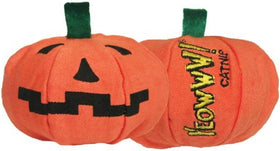
Ducky World Yeowww! 7" Organic Catnip Kicker for Barn Cats
$12.11
Shop Now →

Should You Choose a Vertical or Horizontal Cat Scratcher?
The best orientation is usually the one that matches how your cat already scratches. Watch the motion before you buy. A cat that reaches upward against a sofa arm, rug edge, or doorway may be more comfortable with a vertical surface. A cat that crouches and rakes across carpet may prefer a horizontal pad. Scratching can happen during indoor exploration and play as well as for claw maintenance, so the pattern you see around your home is useful buying evidence.
Vertical scratchers support an upward stretch and give cats a surface to grip at chest height. They are a practical choice for cats that scratch furniture sides or stretch tall after waking. Height matters, but stability matters just as much. A post that shifts, wobbles, or collapses can make the experience unpleasant and may discourage use. Choose a broad, secure base and enough usable height for your cat to extend comfortably.
Horizontal scratchers are often a better match for cats that work across rugs, carpet, or the floor. They can be easier for kittens, older cats, or cats that prefer a lower-access surface, although each cat should be assessed individually. A flat pad should stay in place while the cat rakes across it. If it slides, add a nonslip layer or position it where a wall or sturdy furniture helps limit movement.
Some cats prefer a slanted surface or use more than one direction. The ASPCA notes that cats can differ in their preference for horizontal, vertical, or slanted posts. While Cornell Feline Health Center recommends observing both orientation and preferred target material before choosing a scratcher. Read the ASPCA guidance on scratching preferences and let your cat's established habits guide the decision.
Choose vertical for upward stretching, horizontal for floor-level raking, and prioritize a stable surface in either format. If you are unsure, offer both orientations and observe which one your cat uses consistently.
For a multi-cat home, providing more than one orientation can reduce competition and give each cat a reasonable option. Start with the location and movement your cats already favor, then adjust if the scratcher is ignored or displaced. The goal is not to impose one format, but to make appropriate scratching easy, stable, and rewarding.
How Big Should a Cat Scratcher Be?
The right size depends less on a standard measurement than on how your cat actually scratches. Watch the full motion: does your cat stand tall and reach upward, stretch forward across the floor, or switch between both? A useful cat scratcher should give enough room for that preferred movement without forcing your cat to balance awkwardly or stop halfway through a stretch.
Allow a full-body stretch
For a cat that reaches up a wall, sofa side, or other vertical surface, choose a scratcher tall enough for the cat to extend its body comfortably. If the surface is too short, your cat may continue choosing the furniture that provides a better stretch. For horizontal scratchers, look for enough length for the cat to extend its front legs and pull its body forward without running off the edge.
Prioritize a stable base
Size is not only about the scratching surface. A tall scratcher needs a broad, dependable base so it stays planted when your cat leans into it. Watch for rocking, sliding, or tipping during normal use. A scratcher that shifts can make a cat cautious about returning to it, even when the height and texture are appealing. If your cat enjoys climbing as well as scratching, a safe cat tree with scratching surfaces may be a better fit than a narrow standalone post.
Plan for more than one cat
In a multi-cat home, one small scratcher may not offer enough access or personal space. Consider placing appropriately sized options in separate areas, especially if your cats use different rooms or prefer different scratching positions. This also lets you match each cat's setup to its observed behavior instead of expecting every cat to share one surface.
Before buying, measure the furniture or area where your cat already scratches and compare it with the scratcher's usable surface. The best dimensions are the ones that recreate the movement your cat is already choosing, with enough stability and room to use it confidently.
Where Should You Put a Cat Scratcher?
Placement can determine whether a new cat scratcher becomes part of your cat's routine or sits untouched. Start with the places your cat already chooses, then make the new surface easy to reach. A scratcher does not need to be hidden away. It should fit naturally into the spaces where your cat rests, moves, plays, and spends time with the family.
- Place one near an existing scratch target. If your cat scratches a sofa arm, rug, door frame, or another household surface, put the scratcher beside that area first. The familiar location gives your cat a clear alternative without requiring a major change in routine. Once your cat uses it consistently, you can move it gradually if needed. Avoid removing the original target immediately, since the goal is to make the preferred option easy to discover.
- Add a scratcher near sleeping areas. Cats often stretch and move through a short activity period after waking. A nearby scratcher lets your cat use that natural moment to scratch. Place it where the cat can see and reach it without squeezing behind furniture or navigating a cluttered corner. For a cat that prefers to stretch upward, choose a stable vertical option. For a cat that works across rugs or floors, a horizontal surface may be a better starting point.
- Use traffic paths and visible rooms. Hallways, doorways, and the edges of frequently used rooms can be practical locations. These spots keep the scratcher in your cat's daily environment rather than treating it as an isolated accessory. Make sure people can walk around it safely and that the base cannot slide when the cat pulls against it.
- Offer options in shared areas for multi-cat homes. In a home with more than one cat, place scratchers in more than one accessible area. A single unit in a busy or contested location may not work for every cat. Spread options through the rooms your cats use, and observe which surfaces, positions, and locations each cat chooses. You can shop cat scratchers and toys to build a setup around those preferences.
Put the first scratcher where your cat already scratches or relaxes, then add accessible options along familiar paths and in shared rooms. Watch what your cat chooses and adjust placement before assuming the surface itself is the problem.
Cat Scratcher Safety and Care Checklist
A cat scratcher should invite confident, full-body use without shifting, snagging, or shedding pieces into the surrounding area. Build a quick inspection into your regular pet-care routine, especially in a home where several cats share the same scratching surface.
Check the structure first
- Press gently against the base and post. It should remain stable rather than wobble, shift, or collapse when your cat leans into it.
- Look for loose fibers, unraveling rope, exposed fasteners, and detached trim. Remove or repair the scratcher if a piece can catch a claw or be pulled free.
- Inspect cardboard for torn sections, compressed edges, or fragments accumulating around the usable surface. Replace the insert or the entire unit when damage changes how the scratcher feels.
- Run your hand around exposed edges and corners. Any sharp, splintered, or rough area is a reason to stop using the item until it is safely resolved.
Keep the area clean and useful
Vacuum or sweep loose debris around the scratcher, then follow the product maker's cleaning directions. Avoid soaking materials that are not designed for moisture, and do not add cleaners, scents, or treatments unless the label specifically supports their use. A clean, intact surface is easier for your cat to approach consistently.
Know when to replace it
Replacement is appropriate when the base no longer stays steady, the scratching material is substantially worn, or damage creates a snagging or sharp-edge concern. Wear itself is not a failure: scratching is normal behavior that helps condition claws and provides stretching and territorial marking. The goal is to preserve a usable surface while retiring one that is no longer sound. Cats may prefer sturdy options that let them grip without shifting, so stability matters during every inspection. The ASPCA discusses stable scratching surfaces and varied cat preferences.
Redirect without force
If your cat returns to furniture, place an appropriate scratcher near that target and make the desired option easy to investigate. Play nearby or offer a familiar incentive, but let your cat choose to engage. Forcing paws onto a surface can create stress and avoidance, while calm redirection supports a more practical habit. Covering or removing an especially attractive inappropriate target can also help shift attention.
How Do You Get a Cat to Use a New Scratcher?
Start with what your cat already chooses. If they scratch the sofa vertically, offer a tall, stable surface nearby. If they scratch a rug or cardboard, try a horizontal cat scratcher with a similar feel. Cats vary in their preferred materials and direction, so matching the existing habit is often more effective than selecting a scratcher based only on appearance. A sturdy option that does not shift under pressure also gives your cat a more secure place to dig in.
Location matters just as much as the scratcher's surface. Put it beside the furniture, doorway, or other target your cat already uses, rather than hiding it in a quiet corner. Once your cat begins using it consistently, you can move it a short distance at a time. This gradual approach preserves the familiar routine while helping the scratcher fit better into your home.
Make the first interaction voluntary
Invite investigation without forcing contact. Play with a wand toy around the scratcher, or hang a suitable toy from it if the design allows. Familiar play cues can make the new object part of an enjoyable activity. A small amount of catnip may encourage some cats to investigate, although it will not appeal equally to every cat. You can also place the scratcher near a favorite resting spot, where stretching after a nap may naturally lead to scratching.
When your cat uses the surface, let the behavior continue and offer calm praise or a small reward afterward. If they return to furniture, gently redirect them toward the scratcher and make the unwanted target less appealing by covering or blocking it temporarily. Avoid scolding, grabbing the paws, or placing the paws onto the scratcher. Punishment is not an effective deterrent and forced handling can create stress or avoidance.
Match the new scratcher to your cat's preferred material, direction, and location. Reward voluntary use, redirect calmly, and wait for consistent use before moving it.
For play cues and familiar enrichment, explore our cat toys and scratch posts collection. It brings related options together so you can build a more inviting routine around the new scratcher.
Shop Cat Scratchers and Toys Today
Frequently Asked Questions
What material is best for a cat scratcher?
There is no single best material for every cat. Offer options such as corrugated cardboard, sisal, carpet, wood, or upholstery, then observe which surface your cat grips and returns to. Material preference can vary between individual cats. The ASPCA recommends trying multiple materials.
Should a cat scratcher be vertical or horizontal?
Match the orientation to your cat's existing behavior. A cat that stretches upward against furniture may prefer a tall vertical post, while a cat that scratches rugs or floors may prefer a horizontal pad. Some cats use slanted surfaces, so observing first is often the most useful guide.
Where should I put a new scratcher?
Start near the furniture, doorway, or other location your cat already scratches. You can also place one near a favorite sleeping area, since cats often stretch after resting. Keep the scratcher easy to reach, and use play nearby to encourage investigation rather than forcing your cat to use it.
Can kittens use a cat scratcher?
Yes. A kitten can be introduced to a stable, age-appropriate scratching surface as part of normal enrichment. Let the kitten explore at its own pace, reward interest, and choose a design without loose parts, sharp edges, or unstable movement.
What should I do if my cat ignores the scratcher?
Check whether the size, material, orientation, and location match what your cat already prefers. Try moving it beside the cat's current scratching target, adding play around it, or offering a different surface. Avoid pushing the cat's paws onto it, because that can create stress and avoidance.
Ready to Find the Right Cat Scratcher?
A well-matched scratcher can give your cat an inviting place to stretch, scratch, and explore while helping you choose supplies with their habits in mind. Browse the curated collection to compare options for your home and your cat's preferences. Shop cat scratchers and related cat toys at Hooves and Paws to get started.


