


Choosing dog food for food allergies can feel confusing when itching, ear trouble, or digestive changes may have several possible causes. The safest starting point is a veterinary conversation, not a quick switch between bags. A veterinarian can help determine whether food is a likely factor, set up an appropriate diet trial, and explain how to keep the results useful.
Shop dog treats and check ingredients with your veterinarian
What does dog food for food allergies actually mean?
A suspected food allergy is a reason to investigate with a veterinarian. It is not something a symptom list or a single food change can confirm. Diagnosis and diet planning depend on the dog's history and a controlled feeding plan.
A food allergy involves an immune response to an ingredient, often a protein. Food intolerance and other health issues can cause similar signs, so owners cannot reliably tell them apart by appearance alone. Skin itching, repeated ear problems, licking, or digestive upset can have causes unrelated to food. Fleas, environmental allergens, infection, and other conditions may need attention too.
Dogs can react to different ingredients. Chicken is sometimes assumed to be the only or most likely culprit, but food allergens may include a range of proteins and other ingredients. The American Kennel Club notes that reported allergens include beef and dairy as well as chicken. That is why removing one ingredient based on a guess may not answer the question.
A veterinarian may recommend a structured elimination diet to assess whether food plays a role. The process generally uses a selected diet for a defined period and limits other foods that could interfere. Follow the veterinarian's instructions for the specific dog, including what to feed, how long to continue, and when to report changes. Do not use this guide to diagnose an allergy or replace veterinary care.
How do you choose a food for a suspected allergy?
Start with the vet's plan, then match the food to that plan. The right option is not simply the bag with the fewest ingredients or the most appealing allergy-related label.
Ask the veterinarian what diet category they recommend and whether it needs to be a veterinary therapeutic food or another carefully selected option. Diets used in a diagnostic trial can differ from everyday over-the-counter foods. A food marketed as limited ingredient may still contain a protein the dog has eaten before, or ingredients that do not fit the veterinarian's protocol.
Discuss these questions before buying:
- What is the purpose? Is this food being used for a diagnostic trial, long-term feeding, or another nutrition goal?
- Which ingredients are allowed? Get clear guidance about proteins, treats, chews, supplements, flavored medications, and table scraps.
- How should the transition work? Follow veterinary advice about whether and how to change foods, especially if the dog has a sensitive stomach or other health needs.
- How will progress be tracked? Ask what signs to record, how often to check in, and when the plan should be reviewed.
- What happens if the dog will not eat it? Ask about acceptable alternatives before substituting a different food on your own.
Product labels help you compare foods, but they do not replace the diet plan. Read the full ingredient list and feeding directions. If the label or product information is unclear, contact the manufacturer or ask your veterinarian before adding it. Avoid assuming that a food is appropriate based only on words such as natural, sensitive, grain-free, or limited ingredient.
Bring a useful food history to the appointment. Write down the names or photograph the labels of current and previous foods, treats, dental chews, supplements, toppers, and flavored medications. Include how long your dog ate each item, when the signs began, and whether anything changed around that time. If you do not know every ingredient in an old product, say so rather than trying to reconstruct it from memory. The veterinarian can use the history to discuss which diet strategy makes sense and whether a particular protein is truly new for your dog.
Also mention age, appetite, existing health concerns, and any other feeding instructions your dog already follows. A food selected for an allergy investigation still has to suit the dog's broader nutritional and medical needs. Ask whether the proposed diet is intended only for the trial or could be considered for ongoing feeding later. Do not assume those are interchangeable purposes.

Shop This Post

Featured in this article
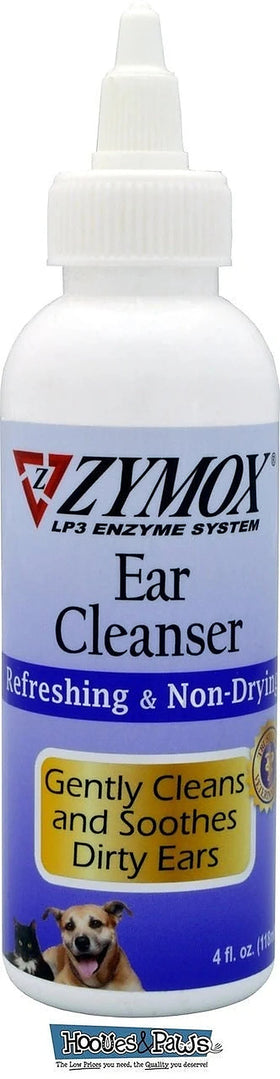
Zymox Otic Pet Ear Care with 0.5% Hydrocortisone - Enzymatic Ear Solution for Dogs & Cats - 1.25 oz
$22.49
Shop Now →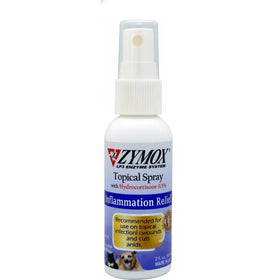
Which diet approaches should you compare?
The veterinarian's recommendation determines which options are appropriate. This table is a conversation aid, not a ranking or prescription. A product's suitability depends on the individual dog, its prior diet, and the purpose of the plan.
| Diet approach | Possible role | What to discuss with your veterinarian |
|---|---|---|
| Veterinary hydrolyzed-protein diet | May be selected for a supervised diagnostic trial or other clinical plan. | Confirm the exact product, feeding period, permitted extras, and follow-up plan. |
| Veterinary-selected novel-protein diet | May be considered when the veterinarian has reviewed the dog's food history. | Check whether the protein is genuinely new to the dog and appropriate for the trial. |
| Over-the-counter limited-ingredient food | May suit some feeding needs, but may not meet a veterinarian's diagnostic-trial requirements. | Review the full ingredient list and ask if it fits the specific purpose before purchase. |
| Current food with no change | Can be part of the history-gathering stage while the vet evaluates possible causes. | Ask whether to maintain the current routine or make a change before the appointment. |
Hydrolyzed-protein foods use proteins processed into smaller components. Novel-protein diets use a protein the dog has not previously eaten, as determined from its diet history. Neither label alone guarantees that a product is right for a particular dog. Your veterinarian can explain the rationale and help choose an option that fits the dog's health and nutritional needs.
It also helps to separate a diagnostic choice from a permanent shopping decision. During a trial, a veterinarian may prioritize a particular formulation and strict feeding rules so the result can be interpreted. If a trial supports a food-related problem, the longer-term plan may involve another discussion about nutrition, acceptable ingredients, and how to maintain the dog's overall diet. Ask the clinic what decisions can be made after the trial and whether you should schedule a review before switching to a different everyday food.
Cost, availability, and palatability are practical considerations, but raise them before the trial begins. Tell the veterinarian if you have trouble sourcing the prescribed option or if your dog has refused similar foods. That gives the clinic a chance to discuss a workable alternative within the plan. Making a last-minute substitution can introduce a different set of ingredients and make it harder to understand changes in symptoms.
How can you make a diet trial easier to follow?
Consistency is essential for interpreting a trial. A dog may receive calories from more than its bowl: training treats, dental chews, food used to give medication, scavenged snacks, and another pet's meals can all add ingredients. Ask the veterinarian what is permitted, then make the household routine match the plan.
- Write down the approved menu. List the selected food, approved treats if any, supplements, and medication instructions. Keep the directions where family members and pet sitters can see them.
- Measure and serve as directed. Follow the feeding amount recommended for your dog. Keep meal times and access to other animals' food as consistent as practical.
- Pause unapproved extras. Do not add a new chew, topper, flavored supplement, or table scrap unless the veterinarian says it is compatible with the plan.
- Track signs without over-interpreting them. Note the date, food, appetite, skin or ear observations, bowel changes, and any medication changes. A simple log is more useful than trying to remember several weeks at once.
- Check before making a substitution. If the food is unavailable, the dog refuses it, or symptoms change, contact the clinic for instructions rather than improvising.
Make the rules specific enough that someone else can follow them. For example, note where the approved food is stored, which person serves meals, and what to do if the dog begs while people are eating. If children, relatives, walkers, or pet sitters spend time with the dog, explain that even a small unapproved bite may conflict with the veterinarian's instructions. Keep the regular food separate from other pets' bowls, and pick up leftovers when the meal is finished if the dog tends to visit another feeding area.
Plan for predictable challenges before they happen. If you use rewards in training, ask whether a portion of the prescribed food can be set aside for that purpose. If medication is usually hidden in a treat, contact the clinic to discuss an acceptable way to give it. Do not stop a prescribed medicine or alter a dose on your own. A written plan for treats, medication, and meal access is easier to maintain than relying on each household member to make a new decision every time.
To keep a dog engaged without introducing food rewards, ask the veterinarian about using play, praise, or another non-food reward during the trial. For suitable dogs, an interactive toy such as a flying disc for play or a plush squeaky toy can provide a non-food activity. Choose toys based on the dog's play style, supervise play as needed, and remove damaged toys.

How should you read labels and manage treats?
Read the complete ingredient statement every time you buy. Do not rely only on the front-panel name or an online filter. Formulas and packaging can change, so confirm the current label even if you have purchased the same product before. If you cannot tell whether an ingredient is acceptable for the prescribed diet, ask the veterinary team before feeding it.
Ask your veterinarian how to interpret ingredient statements for the specific trial. If a product's ingredient or handling information does not answer your question, do not guess based on the flavor name or product description. Contact the manufacturer for clarification and share the response with the clinic if you are unsure how it fits. Keep a photo of the approved label on your phone or save the product information, so you can compare it when shopping or when someone else is helping with the dog's meals.
Treats need the same care as meals during a diagnostic trial. If the veterinarian approves a treat, check its ingredient list and offer only the amount allowed. Some owners use a portion of the approved daily food as a reward, but confirm that approach with the clinic first. A treat collection can help you browse options, but browsing does not establish that any item is safe for a specific allergy plan. Review products in the treats and chews collection only after confirming what fits your dog's instructions.
Also ask about supplements, dental products, flavored medicines, and food used to hide pills. The veterinarian may have an alternative or may decide an item is acceptable. Do not stop a prescribed medicine or supplement without veterinary advice. If more than one person feeds the dog, share the rules with everyone who may offer food.
What should you record as the trial continues?
A brief, dated record of food, routine changes, and symptoms gives you a clearer account to share at follow-up. Record observations rather than trying to decide what caused them.
Choose a format you can keep up with, such as a notebook, calendar, or notes app. Write down the diet and any accidental access to other food, along with changes in appetite, skin or ear signs, and bowel habits that your veterinarian asked you to monitor. Add dates for medication changes, bathing or grooming changes, travel, and other events the clinic considers relevant. A timeline can help everyone distinguish a gradual pattern from a single difficult day.
Keep descriptions concrete. Instead of writing only that your dog seemed worse, note what you saw, when it started, and whether it continued. If you take photos of visible skin changes, use similar lighting and framing when practical, and ask the veterinarian whether photos would be helpful. Do not delay care to collect more observations if your dog appears unwell or symptoms are severe.
Bring the log to the follow-up appointment and mention any breaks in the feeding plan honestly. An accidental treat, food stolen from another pet, or missed meal does not make the record useless. It gives the veterinarian context for deciding what to do next. Avoid extending, restarting, or ending the trial based on an isolated improvement or setback unless the clinic advises you to.
Common mistakes that can muddy the results
- Changing foods repeatedly. Frequent switches make it difficult to know what changed and may upset a dog's routine. Ask the vet before changing the plan.
- Choosing by marketing language alone. A label such as grain-free or sensitive does not establish that a food addresses the suspected trigger.
- Leaving treats out of the plan. Small extras still matter when a strict feeding protocol has been recommended.
- Assuming every skin or stomach symptom is an allergy. Other conditions can look similar and may require different evaluation.
- Stopping as soon as a sign improves. Follow the veterinarian's timeline and instructions. Improvement alone does not confirm a diagnosis.
- Trying a home-cooked recipe without professional guidance. A recipe that seems simple may not meet a dog's complete nutritional needs. Ask a veterinarian, and seek a veterinary nutrition professional if referred.
- Overlooking the household routine. A carefully selected food cannot tell you much if the dog also gets untracked snacks or regularly eats from another bowl. Make access part of the plan.
Contact your veterinarian promptly if symptoms worsen, the dog stops eating, or you have concerns about hydration or comfort. Seek urgent veterinary care for severe or rapidly worsening symptoms. Keep the clinic's contact details and any emergency instructions accessible.
If the dog has a sudden or severe reaction, do not wait to see whether changing food solves it. Contact a veterinary professional for advice about the immediate situation. For less urgent questions, write down what happened and call the clinic so it can guide you on whether to continue the feeding instructions, arrange an examination, or make another adjustment.
Frequently Asked Questions
Can I diagnose a food allergy by switching my dog's food?
No. A food change by itself cannot confirm an allergy. Similar signs can have other causes, and a veterinarian can advise whether a controlled diet trial or other evaluation is appropriate.
Is grain-free food the same as allergy food?
No. Grain-free describes the absence of certain grain ingredients, but it does not identify or avoid every possible food trigger. Choose a diet based on veterinary guidance, not a broad label.
Can my dog have treats during an elimination diet?
Ask the veterinarian who designed the trial. Some trials require avoiding unapproved treats and chews, while the clinic may suggest an acceptable reward or use of the selected food itself.
How long should my dog stay on the selected food?
Follow the veterinarian's timeline. The appropriate duration depends on the dog's situation and the purpose of the diet. Do not stop early or extend a trial without checking with the clinic.
What if my dog refuses the food?
Contact your veterinarian before adding toppings or replacing the diet. The clinic can help you decide whether a transition or an alternative is suitable for the plan.
Are over-the-counter limited-ingredient foods always appropriate?
No. They may be useful for some dogs, but they are not automatically suitable for a diagnostic trial. Ask the veterinarian to review the specific food and its ingredients for your dog's needs.
Shop treats and chews for your dog's approved routine today
With a clear veterinary plan, careful label checks, and a consistent household routine, you can make the next steps more manageable and give your veterinarian better information to guide your dog's care.


