


Fly season is not only an annoyance at the barn. Repeated bites and the constant need to stomp can make a horse uncomfortable and distract it during turnout. Lower-leg protection can help, but only when the boots fit comfortably, suit the footing, and are checked regularly.
Shop fly season protection now
Fly boots for horses help shield the lower legs from irritating insects, including biting flies that may cause welts and blood spots. They do not replace whole-horse fly management, and they cannot prevent every bite, so pair them with appropriate protection for the face and body when needed.
The right choice depends on more than mesh or color. Before buying, consider the horse's turnout environment, how the fastenings sit, and how easily the material cleans. Also consider what condition would tell you it is time to replace the boots. Start by looking at the insects and behaviors this equipment is meant to address.
What Do Fly Boots for Horses Protect Against?
Fly boots create a physical barrier around the lower legs, where insects can be especially persistent during turnout. Stable flies primarily feed on the front legs, and their bites can prompt a horse to stamp and switch its tail. House flies do not bite, but they can still annoy horses around the eyes, nostrils, and other areas. Horse and deer flies are larger biting pests that can cause welts or blood spots. These insects and their effects are described by Nebraska Extension and Penn State Extension.
Reducing nuisance around the legs may help limit repeated stomping and the distraction that comes with trying to dislodge flies. It does not mean boots prevent every bite or replace a broader fly-management plan. A boot can shift, collect moisture or debris, or leave areas uncovered if the size and shape do not suit the horse. Check the legs after initial wear and again after turnout. Remove the boots if you see rubbing, trapped grit, swelling, heat, or persistent irritation, and ask a veterinarian about wounds or skin changes that do not resolve.
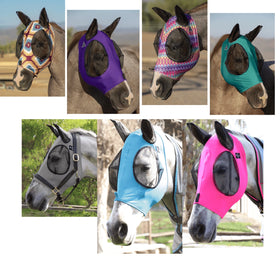
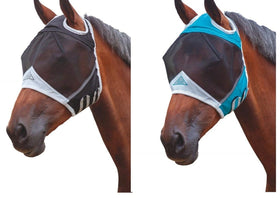
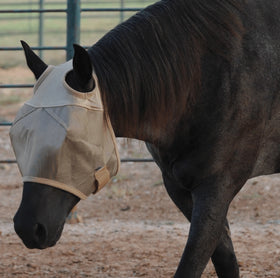
For stronger coverage, think in zones. Boots address the lower legs, while a fly mask helps protect the face and a fly sheet covers more of the body. Penn State notes that horse and deer flies can trigger stomping, kicking, bucking, and running. The right combination depends on where your horse is being bothered and how it responds. Our guide to complete fly-season protection explains how masks and sheets can complement boots.
Good fly control also includes the environment. UConn Extension recommends combining control products with measures such as removing manure, wet bedding, and feed or hay spills. Nebraska Extension likewise identifies animal-waste management as vital to a successful fly-control program. Boots can support that routine, but they cannot address breeding areas or protect the horse's face and body by themselves. When you are comparing options for your horse's conditions, browse fly season protection and prioritize appropriate coverage, secure fit, ventilation, and easy inspection.
How Should Fly Boots Fit Without Rubbing?
A good fit keeps the boot in place while your horse walks, grazes, and lies down. It should protect the intended area without pinching the skin, restricting movement, or collecting grit against the leg. Start with the manufacturer's size chart, since available sizing can range from pony and small horse through warmblood, draft, and oversize options. Measure and compare rather than choosing by your horse's usual blanket or halter size.
- Inspect the leg before fitting. Begin with a clean, dry leg. Run your hand over the hair and skin so you can notice existing dampness, swelling, scabs, heat, or a rough patch. Do not use a boot to cover a wound or persistent irritation. Ask your veterinarian about skin problems, swelling, or suspected infection before returning to turnout.
- Choose the design for your horse and use. Fitted and non-fitted fly boots are both available. A fitted design may follow the leg more closely, while a non-fitted style may offer a different balance of coverage and ease of use. Neither shape is automatically right for every horse. Check that the boot covers the area you intend to protect and does not interfere with the hoof, fetlock, or natural stride.
- Set the boot in the correct position. Smooth the material so there are no folded edges or twisted seams pressing into the skin. If the design includes stays, position them as directed so the boot remains upright rather than sagging. Coverage should stay consistent when the horse takes several steps, not shift toward the hoof or rotate around the leg.
- Adjust the closures carefully. Hook-and-loop closures can provide quick, adjustable fastening, but snug does not mean tight. Secure each closure according to the maker's instructions, then slide a finger beneath the edge. The boot should stay put without leaving a deep indentation, trapping skin, or making the horse resent handling. Recheck both sides of each leg because conformation may differ.
- Perform a movement check before turnout. Walk the horse forward and watch for shortened steps, striking at the boot, unusual stamping, or repeated attempts to remove it. Lift each leg if safe and confirm that the boot does not catch on the hoof. Make the first wear period a supervised trial, especially with a new material, closure, or taller coverage.
- Check again after turnout. Remove the boots and inspect the skin, hair, closures, and inside surface. Look for dampness, packed dirt, chafing, hair loss, pressure marks, or a boot that has shifted. Clean and dry the legs and boots as needed. Stop using the pair if rubbing persists, and reassess the size, design, and condition before trying again.
Key Takeaway
The best fit is secure, smooth, and comfortable before and after movement. Size from the manufacturer's chart, adjust closures without overtightening, and make skin and circulation checks part of every turnout routine.
Inspecting the boots during grooming makes these checks easier to maintain. A practical daily horse grooming routine can help you notice changes before a small fit issue becomes a larger care concern.
Shop This Post

Mesh, Nylon, or UV Protection: Which Features Matter?
The best fly boot balances insect coverage with the conditions your horse actually faces. Start with airflow and fit, then weigh durability, sun protection, closures, and coverage. A feature matters only if it works with your horse's movement, turnout environment, and daily care routine.
| Feature | What it can offer | What to check |
|---|---|---|
| Breathable mesh | Airflow through the boot, with a lighter feel in warm conditions. | Look for secure edges and a weave that is fine enough for the insects in your area. Inspect for tears after turnout. |
| Nylon or ripstop construction | A more substantial option for active horses and repeated use. | Confirm that the material still flexes comfortably and that the boot does not trap heat or moisture. |
| UV protection | Added coverage for horses spending time in bright pasture conditions. | Read the manufacturer's specific percentage or rating. Do not treat one product's claim as a promise for every boot. |
| Reflective details | Improved visibility in dim conditions, depending on the design. | Use reflective strips or closures as an added safety detail, not as a substitute for supervision. |
| Closures and stays | Adjustable hook-and-loop closures can help create a snug fit. Built-in stays may help a boot remain upright. | Fasten evenly and check that edges do not pinch, sag, twist, or rub. |
Retail collections commonly separate fly boots by airflow, durability, UV protection, size, and fitted versus non-fitted design. That is useful when comparing options, but the labels are only a starting point. Sizing also varies. Available ranges can include pony, small horse, horse, warmblood, draft, and oversize options, so measure against the maker's guide rather than choosing by name alone.
For example, one Weaver Equine product describes breathable mesh, UPF 50+ sun protection, adjustable hook-and-loop closures, built-in stays, and a four-pack for all four legs. Those are product-specific claims from that listing, not characteristics of every pair of fly boots for horses. Other listings describe 350D mesh, 1000D poly/vinyl mesh, or durable 300D textured nylon, showing why the product specification page deserves a close read before you buy.
Shop fly season protection for your horse and compare materials, sizing, closure styles, and coverage before choosing.
Key Takeaway
Choose the lightest design that provides dependable coverage without compromising fit. Prioritize ventilation for hot conditions, stronger construction for rough turnout, and documented UV protection when sun exposure is part of the concern. Whatever the material, remove and inspect the boots regularly for debris, moisture, stretched closures, and skin irritation.
When Can Horses Wear Fly Boots for Turnout?
Fly boots can be useful during turnout when insects are active, but the right choice depends on the horse, the pasture, and the boot's condition. Summer usually brings increased flying-insect activity, so boots may be appropriate during parts of the day when flies are persistent. They are not a substitute for observing your horse. Check the legs before turnout, confirm that each boot fits securely, and inspect again when the horse comes back in.
Use fly boots for horses when the legs need added insect protection and the turnout environment is suitable. Reconsider turnout wear in extreme heat, deep mud, rough terrain, or highly active groups, and remove the boots for regular skin and equipment checks.
Match turnout conditions to the boot
Heat and ventilation matter. On hot, still days, choose a breathable design and watch for sweating, trapped moisture, or unusual sensitivity. A horse that is working hard, running frequently, or standing in direct sun may need more frequent checks than a quiet horse in a shaded paddock. Product descriptions may identify pasture use, airflow, UV protection, or reflective details, but those features vary by design. Follow the manufacturer's instructions rather than assuming every boot is suitable for every condition.
Wet or muddy ground also deserves caution. Mud can collect at edges and closures, add weight, and increase rubbing. In a wet pasture, inspect the boots sooner and remove them if they become saturated, heavily soiled, loose, or twisted. Look closely at the terrain as well. Rocky ground, dense brush, fencing, and uneven footing can snag a boot. If horses play roughly, kick, or gallop together, watch for displaced boots and damaged fasteners. Herd activity is a practical reason to use a secure design and to check every leg after turnout, not a reason to leave boots on without supervision.
Turnout boots work best as part of a broader plan
Fly boots protect the lower legs, but they cannot address insects around the whole horse. Stable flies primarily feed on the front legs and can cause painful bites that prompt stamping and tail switching. House flies do not bite, yet they can still annoy horses. Nebraska Extension notes that stable and house flies develop in decaying organic matter. Including spilled hay or bedding mixed with urine and manure, while wet decomposing material creates favorable breeding conditions. Removing those sources is part of effective fly management.
UConn Extension likewise recommends combining insect-control products with manure management, cleaning feed and hay spills, and regularly removing manure and wet bedding. If you use a spray, wipe, feed-through product, or other insect-control product, read and follow its label directions, including age, health, medication, and application restrictions. Fly boots can complement that work, along with a properly fitted mask or sheet when appropriate. For a broader setup, explore fly season protection supplies.
There is no universal number of hours that suits every horse. Base turnout wear on weather, ground conditions, herd behavior, boot security, and the horse's skin. Remove the boots at night or whenever you cannot reasonably inspect them, and seek veterinary advice for persistent irritation, swelling, wounds, or suspected infection.
Cleaning and Inspecting Fly Boots
A consistent care routine helps fly boots stay comfortable and ready for turnout. Dirt, sweat, manure, bedding, and bits of hay can collect in mesh, seams, bindings, or closures. Trapped debris can create friction, while damp boots can stay uncomfortable against the lower leg. Make cleaning part of the same check that you use to assess your horse's legs and skin.
- Remove debris promptly. Take the boots off in a safe, calm area and shake or brush away loose dirt, dried mud, manure, and hay. Check the inside as carefully as the outside, especially around the top edge, seams, and any stays. If debris is stuck, follow the product maker's care directions rather than pulling aggressively on mesh or stitching.
- Wash according to the manufacturer. Use only the water temperature, soap, brush, or washing method recommended on the care label. Some materials and closures tolerate different cleaning methods, so avoid assuming that a favorite detergent or machine cycle is suitable for every pair. Rinse thoroughly if the instructions call for rinsing, because leftover cleaner may irritate sensitive skin.
- Dry completely before reuse. Place the boots in a well-ventilated area and allow all layers, edges, and closure surfaces to dry. Do not put damp boots back on simply because the outside feels dry. Wet organic matter can contribute to fly-management problems, and damp gear is more likely to hold grime against the leg. Keep a second clean pair available when conditions are wet or turnout is frequent.
- Inspect the boot and closure. Look for mesh tears, pulled threads, separated binding, rough edges, bent or exposed stays, stretched material, and worn hook-and-loop tabs. Confirm that each closure still fastens securely and that the boot keeps its intended shape. Retire a boot from use if damage creates a sharp edge, opens a gap, allows sagging, or prevents a stable fit.
- Check your horse after use. Examine the covered area for rub marks, swelling, heat, hair loss, or persistent irritation. Rotate clean, dry pairs when practical, and inspect both sets before the next turnout. Stop using gear that causes a recurring problem and ask a veterinarian about wounds, swelling, or irritation that does not settle.
For a broader maintenance habit, use this daily horse grooming routine alongside your equipment checks. The horse grooming and health checks guide can also help you notice changes that may be hidden when leg gear stays on for long periods.
When Is It Time to Replace Fly Boots?
Replace fly boots for horses when their condition changes the way they fit, protect, or move with the horse. There is no dependable calendar schedule because turnout, terrain, herd activity, cleaning, and the horse's individual habits all affect wear. Inspect each boot before use, and make replacement decisions from what you can see and feel.
Check the material and coverage
Small surface scuffs may not affect performance, but a hole, torn seam, or frayed panel can enlarge quickly during turnout. Replace a boot when damage leaves skin exposed, allows insects through, or creates a loose flap that could catch on vegetation or another object. Lost coverage matters even when the rest of the boot looks clean and usable.
Pay particular attention to the lower edge and any area that collects dirt or moisture. Rough binding, exposed stitching, or a hardened edge can rub with every step. If you can feel an abrasive spot with your fingers, do not assume it will be harmless against your horse's skin.
Evaluate closures, shape, and comfort
Closures should remain secure without being forced tight. Replace the boot if hook-and-loop tabs no longer hold, fasteners have stretched, or the closure pulls the material out of shape. Adjustable closures are intended to help create a snug fit, while built-in stays on some designs help prevent sagging, but neither feature can compensate for a worn-out boot. Product-specific closure and stay features vary, so follow the manufacturer's care and use guidance.
A boot that sags, twists, slips, or repeatedly exposes the top of the leg is no longer providing dependable coverage. Persistent rubbing is also a stop-use signal. Remove the boot and inspect the skin. For a wound, swelling, ongoing irritation, or suspected infection, keep the boot off and ask your veterinarian for guidance before putting it back on.
Replace fly boots when holes, failed closures, sagging, rough edges, lost coverage, or repeated rubbing compromise fit or comfort. Condition matters more than the calendar.
When a pair has reached the end of its useful condition, compare sizing, closure style, ventilation, and durability for your horse's actual turnout routine. Browse fly season protection to find replacement options alongside other seasonal supplies.
Frequently Asked Questions
What is the purpose of fly boots for horses?
Fly boots cover vulnerable lower-leg areas, especially where stable flies may bite, and can help reduce irritation and foot stamping during fly season. They work best as one part of a broader plan that also considers turnout conditions, manure management, and other protective gear.
Do fly boots for horses actually work?
They can help limit fly contact on the areas they cover, but no boot prevents every bite or replaces a complete fly-management routine. Check whether your horse is calmer and whether the boots stay correctly positioned, then adjust the setup if insects continue to bother the horse.
How long can a horse wear fly boots?
There is no universal wear time. Follow the manufacturer's directions and consider heat, moisture, terrain, herd activity, and your horse's tolerance. Check the boots and the skin after putting them on, during turnout when practical, and after removal. Take them off promptly if you find rubbing, trapped debris, swelling, or damage.
What are the best fly boots for horses?
The best choice is the one that fits your horse securely without rubbing and suits the conditions where the horse will wear it. Compare ventilation, material, closure design, coverage, durability, and cleaning requirements. Read the sizing information and product specifications rather than choosing solely by appearance.
How should you clean and care for fly boots?
Remove dirt, hair, manure, and moisture according to the care instructions for the specific boot. Let each boot dry fully before storage or reuse, and inspect seams, fasteners, edges, and mesh for wear. Replace a boot when damage or stretching prevents secure fit or leaves rough areas against the skin.
Get started with fly season protection
The right fly boots can make daily turnout care more manageable when they fit well, stay clean, and match your horse's routine. Review thoughtfully selected options for fit, coverage, and practical maintenance needs, then choose the protection that suits your horse and conditions. Shop fly season protection for your horse and take the next step toward a more comfortable fly-season routine.


