

Peak fly season brings mean pests that cause real pain and stress for horses. These biting bugs often lead to eye sores and skin wounds that are hard to heal. Finding the right gear is the first step toward a calm and happy horse.
Shop fly masks and fly sheets now at Hooves and Paws
A fly mask for horses acts as a vital shield against biting bugs that cause pain and stress. These tools use thin mesh to protect the eyes and face from pests while still letting the horse see and stay cool. Choosing the right fit is key because it stops bugs from crawling under the mesh and keeps the mask from rubbing the skin. According to expert studies, mesh gear is a strong physical barrier that stops the spread of pests and the germs they carry. By using these masks, you can stop eye sores and skin wounds without using only harsh sprays. This simple tool helps your horse stay calm in the field during the hottest parts of the summer.
As a family shop with 30 years of work, we know how much your horse means to you. Understanding why fly protection matters is the first step to keeping your horse safe and happy through the summer months.
Why Fly Protection Matters for Your Horse
Biting flies and other pests cause non-stop stress and hurt for horses during summer. A fly mask for horses blocks these bugs from reaching the eyes and face, which prevents painful sores and reduces disease risks. Adding a fly sheet extends this protection across the whole body.
Fly season is more than just a small pain for your horse. Biting flies and other pests cause non-stop stress and hurt that can ruin their summer days. When flies swarm, horses often spend their time stomping their hooves and switching their tails. They do this to chase away bugs instead of grazing on grass or resting in the shade. This high level of pain and stress can even lead to weight loss and poor health over time. A fly mask for horses acts as a strong tough shield to keep pests away from soft spots like the eyes and face. At Hooves and Paws, we have seen how the right gear helps horses stay calm and happy all season long.
Protect Against Eye Sores and Germs
Biting flies love the wet areas near a horse's eyes. These pests carry germs and dirt that can cause painful eye sores or red, itchy spots. Without help, a horse may rub its face on fence posts or its own legs to get relief. This rubbing can lead to deep scrapes or worse wounds that need a vet to fix. A fly mask for horses serves as a strong wall that blocks these bugs from landing on the face. This simple tool helps lower the risk of eye health issues caused by pests that carry nasty germs.
Safeguard Soft Skin from Sun Damage
Many horses have light skin or pink spots near their eyes and nose. These spots can burn very fast under the hot summer sun. Just like people need sunblock, these horses need help to avoid sun damage. Top fly masks often have UV blocks made in to shield the skin from harsh rays. This is vital for horses with light coats or white marks on their face. By blocking hot sun rays, you can prevent painful burns and skin health problems that can last for a long time. Keeping your horse cool and safe from the sun is a key part of summer horse care.
Reduce Stress and Disease Risks
Flies do more than just bite and annoy your horse. They can also spread bugs and sickness between horses in the same field. In some areas, bugs carry small germs from one horse to another. Recent research shows that biting pests are a major cause of stress in field horses. A horse that is always fighting flies is not calm or relaxed. By using full fly gear like masks and sheets, you help your horse stay quiet and still in the field. This peace of mind is just as vital as body health during the peak of the summer heat.
Types of Fly Masks: Which Style Is Right for Your Horse?
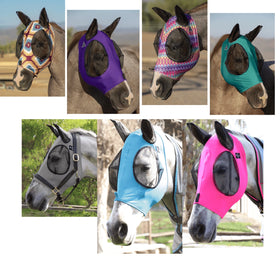
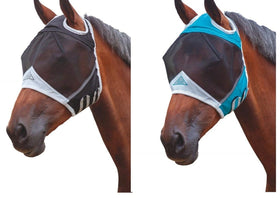
Fly masks come in several styles to match your horse's needs. Standard masks cover the eyes and brow, full face shields add nose protection, riding masks attach to bridles, and UV-blocking styles protect light skin from sun damage.
A good fly mask for horses acts as a strong wall against biting bugs. Research shows that mesh shields block insects that bother a horse's eyes and face. Hooves and Paws is family-owned and has helped horse owners for over 30 years. We know that picking the right mask is key for a happy horse. The right style keeps your horse calm and safe all summer long.
Standard Masks With and Without Ears
Standard masks cover the eyes and brow but stop at the jawline. Some models leave the ears open. These work well for horses that do not like their ears touched. But if bugs bother your horse's ears, you should use a mask with ear covers. These soft mesh caps give more fly season care and stop painful sores. We curate only the best gear to keep your horse at ease. When you choose a mask, think about how well the horse can see. Mesh types vary in how clear they look to the horse. You should pick a mesh that gives enough sight for what the horse is doing. A clear view helps them stay safe while they graze or play. Mesh that lets air flow is also a must. It keeps your horse from getting too hot. This keeps them cool even on the warmest days. Ear covers also block gnats and midges that like to bite thin skin. If your horse shakes their head a lot, these tiny bugs may be the cause. A mask with ears can solve this fast. It stops the itch before it starts. This leads to a much calmer horse in the pasture.
Full Face Shields and Nose Pieces
Some masks go further down the face to cover the nose. A nose piece helps shield the muzzle from both bugs and sun. This is a great choice for horses with white or pink skin. These horses can get bad sun burns if they stay out all day. The extra mesh piece keeps their skin cool and safe from UV rays. It acts like a sun shield they wear all day long. A full mask also stops flies from landing on the lips and nose. Many horses find this helpful. It stops them from tossing their heads to chase bugs away. By keeping the whole face covered, you reduce the stress your horse feels. This is a great way to care for a horse with a thin skin face. Hooves and Paws offers many full-face styles to fit any horse.
Unique Styles for Sun and Riding
Some masks use special cloth to block UV rays. These masks are vital for horses with light eyes or skin. They act like sun block for the face. You can also find fly bonnets that attach to a bridle. These are light and thin. They help keep bugs out of the ears while you ride. This keeps your horse focused on you instead of the flies. It makes your ride safer and more fun. There are also masks made for horses that are active. These stay on tight and do not slip. They use strong straps to stay in place. This is great if your horse likes to run or play. We test all our masks to make sure they last. With our 365-day promise, you can shop with peace of mind.
- Standard masks cover the eyes and brow for basic care.
- Ear covers protect horses with thin skin from bugs.
- Nose pieces block the sun and stop muzzle stings.
- Riding masks help horses stay calm and focus on work.
- UV masks act as a shield for horses with light-colored skin.
Shop This Post

How to Measure and Fit a Fly Mask Properly
Proper fit is vital for any fly mask for horses. Measure from the poll behind the ears to the middle of the muzzle, ensure the mesh stays clear of the eyes, and check for rubs daily. A snug seal keeps bugs out without causing pain.
A fly mask fit and UV guide is your first step to keep your horse happy. A mask that does not fit well can let bugs crawl inside. This causes stress and pain for your horse. If the mesh is too loose, your horse or its friends might pull it off. You must check the fit each day to stop rubs or skin sores from forming.
How to Find the Right Size
Use a soft tape to measure your horse. Start at the poll. This is the spot behind the ears. Pull the tape down to the middle of the face near the muzzle. This length helps you choose the right mask size. A good fit keeps the mesh far from the eyes to prevent eye irritation. If the mask is too short, it will not block all the flies.
Steps for a Safe Fit
- Check the space near the eyes to ensure the mesh does not touch the lashes or lids.
- Ensure the bottom edge of the mask sits about one inch below the cheekbone to block flies.
- Slide one finger under the edge of the mask at the throat to test for a snug but safe seal.
- Fasten all straps firmly so the mask stays in place during turnout or play.
- Watch your horse for any signs of rubbing or hair loss that may show a poor fit.
Daily Care for Comfort
Keep the mask clean to prevent skin issues. Dirt and oils can build up on the edges and hurt the horse. Regular cleaning stops this buildup and keeps the mask safe for long use. A clean mask also helps your horse see better while out in the sun. Always check for tears or loose threads that could cause a snag or allow bugs to enter.
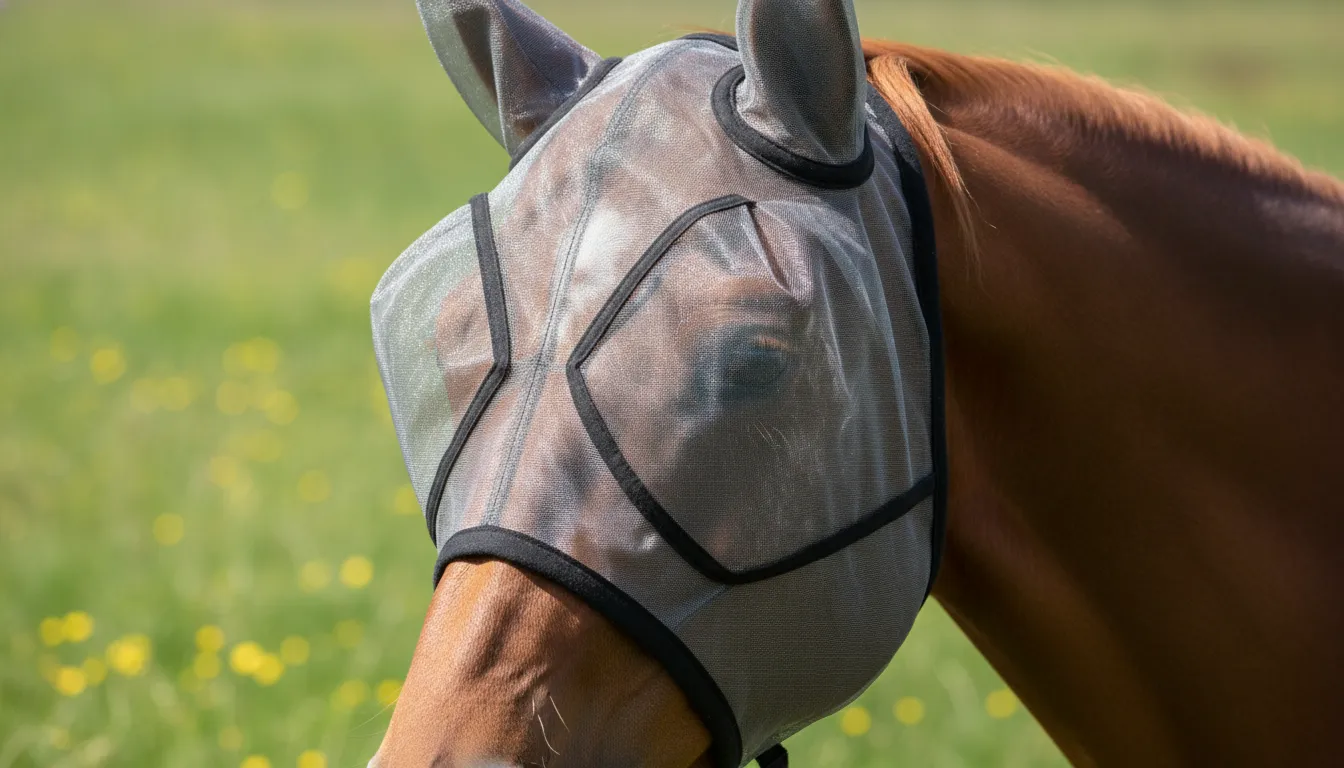
Fly Sheets vs. Fly Masks: When to Use Both
A fly mask for horses protects the face and eyes, while a fly sheet adds full-body coverage. In areas with high bug pressure, using both tools together provides the best defense against biting pests, sun damage, and coat fading.
Choosing between a fly mask and a full fly sheet often depends on how many bugs are in your area. While a fly mask for horses is a great first step, it only protects the face and eyes. In many cases, adding a sheet gives the full-body barrier your horse needs to stay calm and comfortable. These mesh barriers are needed because biting bugs cause high levels of stress and discomfort for horses in the field.
Matching Gear to Bug Pressure
The best choice for your horse should be based on the specific insect pressure in your area. If you only see a few flies near the face, a mask may be enough. But if your horse is constantly stomping or swishing its tail, a fly sheet is likely needed. In areas with very high pressure, you may even need a sheet with leg coverage to keep biting bugs away from the lower body. Using both tools offers the most full defense against pests. This setup creates a total shield that stops flies from reaching the skin. It is very helpful for horses with sweet itch or those prone to skin sores. Using a mask and sheet together can help your horse stay relaxed even during the peak of fly season.
Sun Protection and Coat Care
Protection from the sun is another key reason to use both a mask and a sheet. Fly sheets help protect the horse from UV rays, which stops the coat from fading in the sun. This is a big plus for owners who want to keep a dark or rich coat color all summer. Like masks, sheets with neck covers can extend this sun protection from the poll to the tail. Heat is a common worry when adding more gear, but light-colored sheets help reflect sunlight. This can keep your horse cooler than they would be without any coverage at all. High-quality mesh allows for plenty of air flow while still blocking harmful rays and biting pests. When the sun is at its strongest, this dual layer of protection keeps the skin safe and the body temp stable.
| Feature | Fly Mask Alone | Fly Mask + Fly Sheet |
|---|---|---|
| Protection Area | Face, eyes, and ears only | Full body, neck, and face |
| Insect Pressure | Best for low or mild pressure | Needed for high or heavy pressure |
| UV Coverage | Limits eye and face sun damage | Prevents full-body coat fading |
| Comfort Level | High air flow for face | Full relief from biting pests |
| Maintenance | Quick daily cleaning of mesh | Needs regular wash and repair |
| Ideal For | Horses with eye issues | Horses with skin allergies |
Fitting for Easy Movement
A good fit is vital when you use a fly sheet and mask together. The sheet must allow for full freedom of movement so it does not rub the shoulders or hips. If the gear is too tight, your horse might get sores or try to tear the sheet off. Check for signs of rubbing or hair loss around the chest and withers every day. Proper fit ensures your horse can graze and move naturally while staying fully protected.
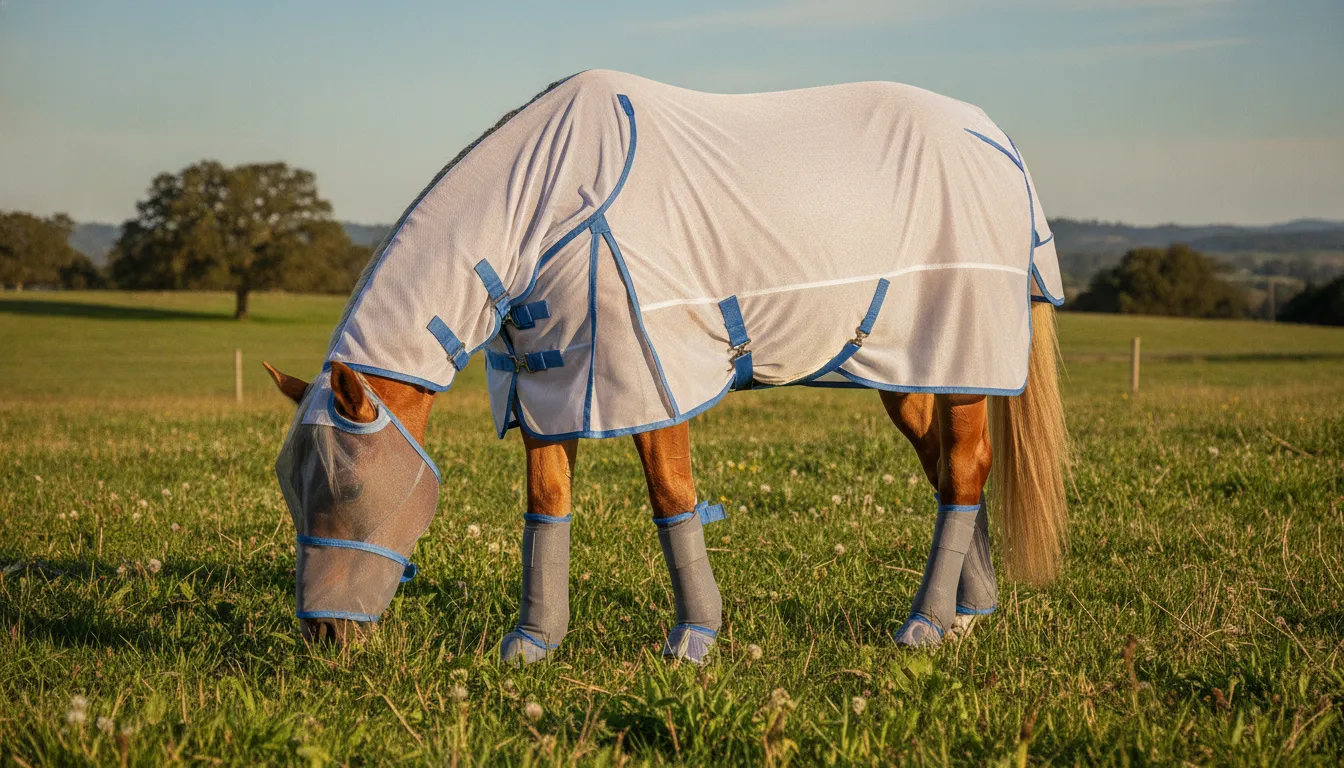
Keeping Your Horse Comfortable During Peak Fly Season
Beyond wearing the right gear, daily checks, regular cleaning, and smart turnout timing help your horse stay comfortable. A fly mask for horses combined with these barn habits reduces stress and prevents skin issues during peak fly season.
Caring for a horse in the hot summer months takes more than just shade and water. High fly counts can cause deep stress, leg stomping, and skin sores. Using a fly mask for horses helps stop these pests and keeps your horse calm. For the best results, you should use good gear and smart barn habits.
Check for Fit and Rubs Daily
Even the best gear can cause pain if it does not fit right. You must check your horse each day for hair loss or red skin. A tight fit is key to keeping bugs from crawling under the mesh. If you see rubs, the mask may be too snug or dirty. Taking the mask off each night gives the skin a rest and lets you find small sores fast. Daily checks also help you make sure the mask stays on. Some horses are experts at taking off their gear or playing with friends. A firm fit stops the mask from moving and blocking the horse's eyes. Tests show that biting bugs cause real stress in horses. Keeping the mesh in place is vital for their health.
Clean Your Gear Often
Dirt, sweat, and oils build up on the mesh over time. This grime can itch the skin and lead to eye germs. You should wash your fly masks and sheets once a week. Always follow the maker's rules to keep the mesh strong. Most masks can be hosed off, but a mild soap helps remove tough grease. Good winter storage helps your gear last for many years. Having a second mask on hand makes this job much easier. While one mask is drying, your horse can wear the spare. This swap keeps the gear fresh and cuts the risk of skin germs. When the fly season ends, clean all items well and store them in a dry spot. Our family-run shop has helped owners find the right gear for 30 years.
Change Turnout Times
Flies are often most active during the bright parts of the day. If the bugs are too thick, try changing when your horse goes out. Turning horses out in the early morning or late evening can bring big relief. During peak heat, a cool stall with a fan can be better than a field. Fans move the air, which makes it hard for flies to land and bite. You can also use fly spray as a help for your horse's gear. Spraying the legs and belly gives a second layer of safety where the mask does not reach. This mix of methods works best to keep your horse calm all day. Small changes in your barn plan can help your horse feel much better in the summer sun.
Features to Look for in Quality Fly Protection
Quality fly mask for horses gear uses strong ripstop mesh with UV protection, comfortable fit with adjustable straps, and light colors that reflect heat. These features ensure your horse stays cool, protected, and comfortable all season.
Strong Mesh and Sun Protection
When you buy a fly mask for horses, the mesh is the most vital part. High quality gear uses a 600 denier ripstop outer fabric. This weave is tough and stops tears even when your horse rubs on a fence. Research shows that mesh barriers are good at keeping biting pests away from a horse's eyes and face. You should also look for a high UV protection rating. This helps block the sun's rays. It also protects horses with light skin from painful burns. The mesh must let air flow through to keep your horse cool. Good air flow stops heat from building up under the mask. It also lets your horse see clearly. A mask that is too thick can make it hard for a horse to see the field. At Hooves and Paws, we pick items that balance strength with a clear view. Using gear that blocks bugs helps your horse stay calm while they graze in the sun.
Comfortable Fit and Extra Coverage
A great fly mask or sheet must stay in place without rubbing the skin. You should check the fly mask fit to ensure it is snug but not tight. Look for masks with stretchy edges and straps that are easy to change. These parts help you get a good seal. This keeps bugs from crawling inside the mask. Lined shoulders are also a big plus for fly sheets. Soft fleece or silk linings stop the fabric from rubbing the horse's coat as they walk. For full body care, search for sheets that have belly bands. These wide wraps cover the belly where many biting flies like to feed. Strong straps ensure the gear stays on when the horse runs or plays. A well fitted mask should sit far from the eyes to avoid any rubs. Make sure the mesh does not touch the lashes or the eye itself. This keeps your horse safe and happy all day long.
Cooling Colors and Yearly Checks
The color of your fly gear helps with heat control. Light colored sheets and masks are best because they reflect the sun. This helps keep your horse cooler than dark fabrics would. When gear reflects heat, your horse can stay out longer in the sun. This is vital for horses that spend most of their time in the field. It also helps to prevent the coat from fading in the bright light. Quality fly gear is built to last for more than one year. Still, you should check your gear every spring. The fabric can wear down from use, and bug pressure may change from year to year. A quick yearly check helps you find small tears before they get worse. High grade fly masks can last for many seasons if you wash them and store them well. We have seen that good care makes your gear work better for a long time.
Building Your Complete Fly Protection Kit
A complete kit pairs a fly mask for horses with a fly sheet, fly boots, and optional muzzle covers for full-body defense. Matching the gear to your local pest type and your horse's specific needs maximizes comfort and protection.
Combine Gear for Full Coverage
A full kit helps your horse stay calm and safe during the peak of fly season. Start with a fly mask for horses to protect their eyes and ears. This stops pests from causing stress or spreading infections. Many horses also need a fly sheet to cover their body and belly. Using these items together creates a strong barrier that reduces stomping and tail-swishing. You can find everything you need in our fly season protection collection.
Protect Legs and Muzzles
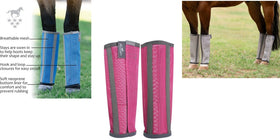
Biting flies often target a horse's legs, which leads to painful stomping and hoof damage. You can stop this by adding a set of fly boots to your gear. Our existing guide to fly boots shows how these mesh wraps block pests from the lower legs. For horses with pink skin or white noses, a mask with a nose cover is a great choice. These tools block UV rays and prevent sun damage on delicate skin according to data from the National Institutes of Health.
Match Gear to Local Pests
The best kit depends on the types of bugs in your area and your horse's habits. If your horse has sensitive skin, look for sheets with belly bands and neck covers. These features block small gnats and biting midges that cause itchy spots. Biting flies are a top cause of stress and discomfort for horses in fields. Research shows that nuisance insects create significant physiological stress for animals. As a family-owned shop with 30 years of experience, we can help you pick the right gear for your needs.
Frequently Asked Questions
Are fly masks good for horses?
Fly masks are a very useful tool for horse owners during the summer. These masks act as a strong wall that keeps biting bugs away from a horse's eyes and face. This helps stop eye sores and skin issues. According to the National Institutes of Health, mesh gear is a top way to guard horses from insects. Using a mask also lowers stress for the horse, which makes them feel better in the field all day long.
Can horses see through fly masks?
Yes, horses can see through these masks quite well. The mesh is made to let light in while keeping bugs out. Most masks use a fine screen that allows a clear view for the horse. It is vital to pick a mask that stays off the eyes to keep them safe. High-quality gear also blocks UV rays to stop sun damage. You should check the mask each day to make sure it is clean so the horse can see well.
Can horses wear fly masks overnight?
It is best to take fly masks off at night. Most bugs that bother horses are active during the day. While some horses can wear them at night, it can be hard for them to see in low light. Removing the mask gives you a chance to check the horse for any sores or rubs. It also lets you clean the mesh for the next day. Keeping the gear clean helps prevent skin issues and keeps the horse happy.
How do you know if a fly mask fits a horse well?
A good fit is key for horse safety. You should be able to slide one or two fingers under the edge of the mask. The mesh must sit well away from the eyes and lashes. If the mask is too tight, it may cause rubs or sores. A mask that is too loose will let flies crawl inside. As noted by Hooves and Paws, a proper fit keeps bugs out while letting the horse move freely.
Ready to find the right fly protection for your horse?
Shop fly masks and fly sheets now at Hooves and Paws
Waiting to protect your horse can lead to painful sores and eye issues that take many weeks to heal even with medical care. If you act now, you can stop these pests before they cause deep stress or scars that stay for a long time. Getting the right gear today means your horse stays calm and our family owned shop has the hand picked supplies you need.
Ready to shop? Talk to an expert at our shop if you have any questions. Shop our fly season protection collection to shop fly protection gear now with free shipping. We offer a full 365 day guarantee to keep you and your horse happy.


