


Choosing among horse breeds can feel like a choice between labels, but a breed name alone cannot tell you whether an individual horse suits your experience, plans, and daily routine. This guide explains the broad differences among common breed types and gives you a practical way to compare horses before you buy, adopt, or begin riding one.
What does a horse breed tell you?
A breed can offer clues about a horse’s history, typical build, and the work it was developed to do. It cannot guarantee a particular personality, skill level, health status, or fit for a specific rider.
A breed is a population of horses with shared ancestry and recognizable characteristics. Many breeds were shaped over generations for particular needs, such as carrying riders over long distances, working cattle, pulling loads, or performing in a defined riding discipline. That background can help you make a first shortlist.
Still, breed descriptions are tendencies, not promises. Horses within the same breed can vary in height, body shape, energy, training, confidence, and handling needs. Age, early experiences, current care, and individual history all contribute to the horse you meet. A well-trained individual of a breed you had not considered may be a better match than a horse that fits your original breed preference on paper.
Think of breed as one useful clue among several. Your decision should also account for soundness as assessed by an appropriate professional, the horse’s training and behavior, your riding ability, the work you want to do, and the practical cost and time of care.
It helps to separate a breed’s history from what a horse has learned. A breed may have been selected for a particular kind of work, but that does not mean every member has been trained for it. Ask whether the horse has actually performed the activities you plan to do, how recently, and under what conditions. A horse used to quiet arena lessons, for example, may need a gradual introduction to busy trails even if its breed is commonly used outdoors.
How do the main horse breed types compare?
Horse breeds are often grouped by general build and historical purpose. These broad groups are useful for orientation, though they are not strict rules. A horse may not fit neatly into one category, and members of the same group may have very different temperaments and abilities.
| Broad type | General build or background | May suit people considering | What to evaluate |
|---|---|---|---|
| Stock or ranch type | Often compact, strong, and agile, with working backgrounds | Western riding, ranch work, or versatile recreational riding | Training, responsiveness, fitness, and suitability for your intended tasks |
| Light riding horse | Usually built for riding and efficient movement | Recreation, trail riding, or a specific English or Western discipline | Movement, training level, pace, and rider-horse partnership |
| Sport type | Often selected for athletic movement and organized sport | Disciplines such as jumping, dressage, or eventing | Experience needs, training, conditioning, and the demands of the discipline |
| Gaited type | Some individuals and breeds are known for distinct inherited gaits | Riders seeking a particular gait or riding feel | Whether the horse’s actual movement and training meet your needs |
| Pony or small horse | Smaller stature; builds and purposes vary widely | Suitable-size riding, driving, or companion arrangements | Weight-carrying suitability, handling, temperament, and equipment fit |
| Draft type | Typically larger, heavier-built horses with pulling backgrounds | Driving, farm work, or riding when properly trained and equipped | Space, handling, feed needs, tack fit, and access to suitable care |
Use the table to identify useful questions, not to decide that a category is automatically right or wrong. If you are comparing two individual horses, list the same criteria for each: relevant experience, energy in the situations you expect, handling, care needs, and the support required. This makes it easier to notice practical differences without letting a familiar breed name dominate the decision.
Examples can make these groups easier to picture. American Quarter Horses are associated with stock-horse work and a wide range of riding uses. Thoroughbreds are commonly associated with racing and sport-horse backgrounds. Arabians are known for a distinctive breed history and are found in endurance and recreational settings. Appaloosas are recognized for their coat patterns, while Paint Horses are associated with both a breed registry and stock-horse traditions. Tennessee Walking Horses are among the breeds known for distinctive gaits. These descriptions do not tell you what any one horse can do or how it will behave.
Those examples also show why appearance and ability should not be confused. A coat pattern may help identify a type, but it does not tell you about training or handling. A racing background may mean a horse has had a specialized past, but it does not by itself determine its suitability for a new home or discipline. When a horse has changed jobs, ask about the transition and look for evidence of its current training rather than assuming its former role predicts the next one.
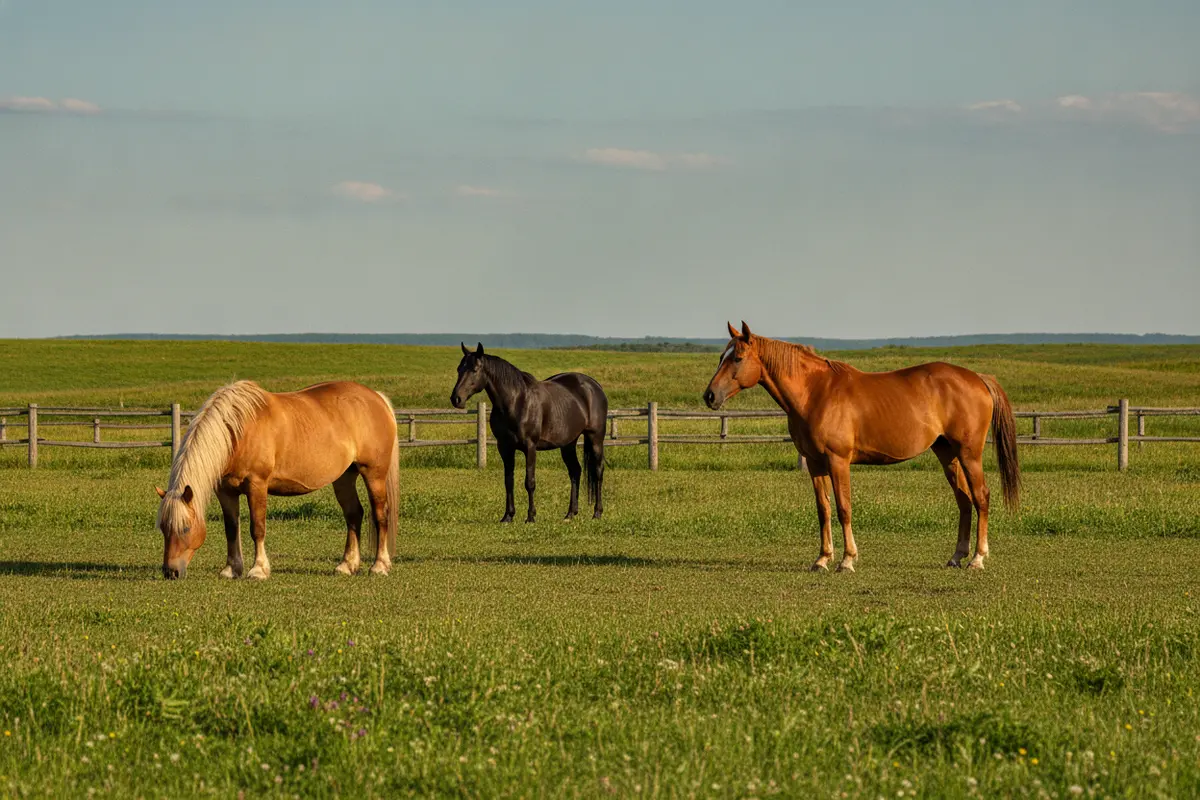
Which horse breed fits your riding plans?
Start with the activities you expect to do regularly, not with a breed you have seen in a picture or competition. A horse for quiet trail rides, lessons, ranch work, driving, and competitive sport may need different training and management. The right match depends on the actual individual and the support available to you.
- Recreational riding: Prioritize a calm, reliably trained horse whose pace and responses suit your confidence. Breed may help narrow the search, but an individual assessment matters more.
- Trail riding: Consider experience outside the arena, comfort with the environments you expect to encounter, and the horse’s conditioning. Ask what the horse has actually done, rather than assuming a breed is naturally trail-ready.
- Western disciplines: Some stock-type horses have histories connected with ranch and cattle work. Look for training relevant to your chosen activity and a horse that responds appropriately to your cues.
- English disciplines: Sport-horse backgrounds can be relevant for activities such as jumping or dressage. Match the horse’s training and movement to your own level and intended work. Compare equipment needs with options such as English tack and saddles.
- Driving or draft work: Larger, stronger horses may be bred or trained for pulling, but size alone does not establish suitability. Evaluate training, harness fit, space, and safe handling with experienced support.
- Family or beginner riding: Give priority to a horse with a suitable temperament and established training, evaluated by a knowledgeable person. “Beginner-friendly” should describe a specific horse and context, not be assumed from its breed.
Before contacting a seller or caretaker, turn your plan into a short requirements list. Write down your usual riding setting, the pace you can manage, how much instruction you will have, and whether you need a horse that can safely handle particular situations such as group rides or arena work. Label each item essential or preferred. For example, a rider taking weekly lessons may value an individual with steady schooling experience more than a particular color or breed. Someone planning occasional trail outings should ask about exposure to trails, traffic, water, and riding with others.
Equipment should follow the individual horse and discipline. For a Western setup, you can compare categories such as Western tack and gear, but confirm fit and purpose rather than choosing by breed name. If the horse will be ridden, include a correctly fitted helmet in your planning. Explore riding helmets for English and Western use and follow the helmet maker’s fit and replacement guidance.
Size, build, and care needs
Choose a horse whose size, movement, and everyday care needs fit your facilities and abilities. Breed averages are not a substitute for measuring the horse, checking equipment fit, and planning individualized care.
Height is only one part of fit. A horse’s body shape, muscle, age, condition, and movement can affect how a rider fits and what tack is appropriate. Two horses of similar height may need different equipment. The rider’s size and balance, the saddle or other equipment, and the horse’s comfort all matter. Have fit checked by a qualified person when needed, rather than selecting a saddle or bridle based on a breed label.
Large horses can require more space and appropriately sized equipment. Small horses and ponies still need suitable feed, turnout, hoof care, handling, and tack. Their smaller stature does not automatically make them easier to care for or safe for every child or adult. For any horse, plan access to appropriate forage, clean water, daily observation, exercise or turnout, grooming, hoof care, and veterinary and dental attention as advised by your horse-care professionals.
Breed and body type may inform questions about management, but individual needs should guide decisions. Ask the current caretaker about the horse’s normal routine, feed, turnout, workload, known sensitivities, and history. Before bringing a horse home, confirm that your boarding or home setup can safely accommodate that animal and that you have a realistic plan for ongoing care.
Make the care plan concrete before you commit. Identify who will provide daily checks when you are away, how you will arrange routine farrier and veterinary visits, and what your plan is for urgent care or transport. Ask the current caretaker how the horse is fed and managed, then discuss any proposed changes with knowledgeable equine professionals. A change in location, turnout, workload, or companions can require adjustment, so avoid assuming that a routine suitable for one horse will suit another simply because they share a breed.
Think through equipment access as well as space. Can you obtain tack and stable items in the horse’s size, and can someone knowledgeable help you confirm fit? A very large or unusually built horse may require more planning to find suitable gear, while a small horse may need properly sized equipment rather than a smaller version of whatever is already on hand. The goal is a safe, workable setup for the actual animal.
How should you assess an individual horse?
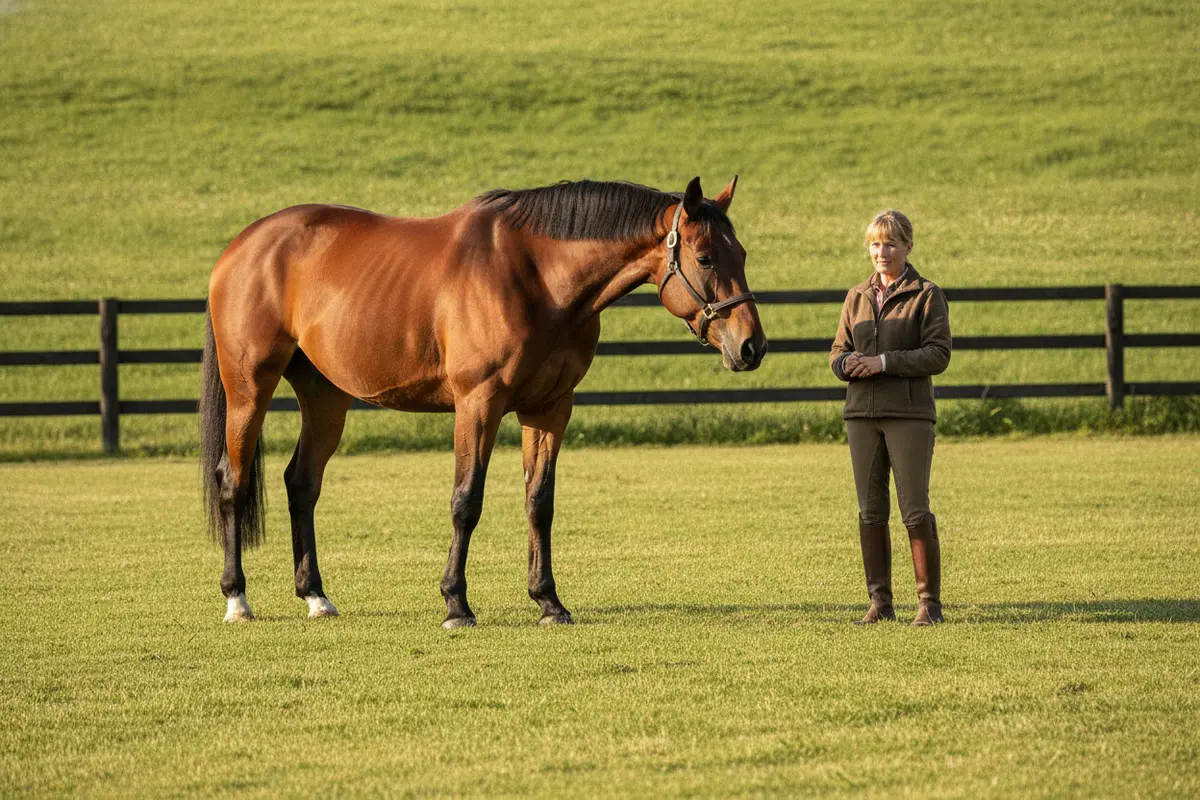
Meet the horse in an appropriate setting and bring an experienced, independent person if you are not confident assessing horses. Observe the horse at rest and in ordinary handling. Notice whether its behavior matches what you were told, and ask to see it handled and worked in a safe way appropriate to its training. A short visit cannot establish everything about health, training, or suitability.
- Clarify your purpose. Write down the activities you intend to do, how often you will ride, and what support you can access. Separate essential needs from preferences such as coat color or breed.
- Ask specific history questions. Find out the horse’s age, training, previous work, daily routine, handling experience, and any known health or behavior concerns. Request records where appropriate.
- Observe handling. Watch how the horse is caught, led, groomed, and prepared. Do not put yourself in a situation beyond your skill level or handle a horse without permission.
- See relevant work. If safe and suitable, observe the horse doing the activity you hope to do. A breed’s reputation cannot replace seeing the individual move and respond.
- Arrange an independent evaluation. Before a purchase or adoption commitment, seek an appropriate pre-purchase veterinary examination and discuss its scope with the veterinarian. A veterinary evaluation can inform a decision but cannot guarantee future health or performance. For further equine veterinary information, consult the American Association of Equine Practitioners, a professional veterinary association.
- Review the practical match. Confirm that you can provide suitable housing, feed, daily care, transport, equipment, and ongoing professional support.
Keep a written comparison after each visit, while details are fresh. Use the same headings for every horse: stated history, observed handling, relevant work seen, questions answered, questions still open, and the next professional input needed. Separate what you saw from what someone told you. If a seller says the horse is comfortable with trail groups but you only observed arena work, mark the trail experience as unverified and ask whether it can be assessed safely.
Also consider how the horse responds to ordinary transitions. Does it settle while being led? Can it be prepared without rushing the process? Does the handler appear to use familiar cues and equipment? These observations are not a complete behavior or health assessment, and they should not replace expert evaluation. They can, however, help you form precise follow-up questions and spot a mismatch between the horse’s routine and your own experience.
Be cautious of claims that a horse is perfect for every rider or discipline. Ask for clear details and take time to consider the answers. If behavior, soundness, or history is unclear, pause and ask a qualified professional for guidance. A careful decision protects both the horse and the people who will care for it.
Choosing equipment after choosing the horse
It is sensible to avoid buying an entire equipment set before meeting the horse. First confirm the horse’s measurements, discipline, intended use, and the advice of people familiar with its training. Then match individual items to the animal and rider. Products designed for a certain discipline can help you browse, but the product description and fit requirements should guide the final selection.
For riding, tack should fit the horse and support clear, comfortable communication. A bridle or bit should never be selected solely because it is associated with a particular breed. Ask an experienced instructor or tack professional for help if you are unsure. Hooves, legs, and body shape vary, so the same principle applies to boots, blankets, and other protective or comfort equipment: confirm measurements, intended use, and safe fit.
For example, riders comparing western equipment can browse a Western tack collection, while English riders may start with English tack and saddles. These are starting points for exploring product types, not recommendations that a given item fits a particular horse. Check the specific product information and ask for skilled fitting advice when appropriate.
Use a simple buying sequence to avoid duplicate or unsuitable purchases. First, list what is needed immediately for safe daily handling and the horse’s established routine. Next, confirm measurements and fit with a qualified person. Then check the item’s intended use, care instructions, and compatibility with the discipline. Finally, make optional upgrades only after you have used the basic setup and identified a real need. If an item does not fit or the horse’s routine changes, seek advice rather than trying to compensate with an unverified adjustment.
A practical horse-breed shortlist
Use these questions to turn a broad interest in horse breeds into a realistic shortlist:
- What will I do with the horse most weeks?
- What level of training and energy can I safely manage?
- Does the individual horse have experience with my intended activity?
- Can my facilities, schedule, and budget support this horse’s daily needs?
- Can I find suitable instruction, veterinary care, farrier care, and emergency support?
- Have I arranged an appropriate independent evaluation before committing?
- Will I choose equipment by individual fit and intended use instead of breed assumptions?
Once you have answered these questions, compare actual horses rather than trying to identify a universally best breed. Keep notes about each horse’s training, routine, behavior, health information, and the questions that remain. If two animals seem equally suitable, practical considerations such as the quality of the match, available support, and clarity of the horse’s history may help you decide.
For example, imagine that two horses both seem promising for a rider who wants relaxed weekend rides. One has a breed background the rider has long preferred but limited experience outside an arena. The other is a different breed and has documented experience in settings similar to the rider’s plans. That does not automatically make the second horse the right choice, but it gives the rider a clear point to investigate: whether its observed behavior, health evaluation, and care needs fit the situation. Compare what is known, what still needs assessment, and what support will be available after the horse arrives.
You can also use a three-column shortlist: “must have,” “would like,” and “needs professional review.” Put relevant training and a suitable handling level in the first column; preferences such as breed, markings, or color in the second; and unanswered questions about health, behavior, tack fit, or care in the third. This simple distinction helps keep preferences from replacing safety and practical requirements. Revisit the list after each meeting, because a real horse may change what you thought mattered most.
Horse ownership is a long-term commitment. A careful match is not only about what you hope to do in the saddle. It is also about the horse’s daily welfare, the rider’s safety, the time available for care, and the resources to meet changing needs over time.
Frequently Asked Questions
What is the best horse breed for a beginner?
There is no single best breed for every beginner. Look for an individual horse with training, temperament, and experience suited to the rider, and get help from a knowledgeable instructor or horse professional when evaluating a match.
Are some horse breeds calmer than others?
Breed background can offer broad tendencies, but calmness varies from horse to horse. Age, training, health, handling, and environment also affect behavior, so evaluate the individual rather than relying on a general breed description.
Which horse breed is best for trail riding?
A suitable trail horse needs relevant experience, appropriate conditioning, and behavior that fits the rider and the terrain. Many breeds and crossbred horses may be used for trail riding. Ask what the particular horse has done and observe it with experienced help.
Does a horse’s breed determine how much care it needs?
No. Breed and size can help you plan for space and equipment, but each horse’s needs depend on its health, age, condition, workload, and environment. Discuss an individual care plan with appropriate equine professionals.
Should I buy tack based on my horse’s breed?
No. Use the horse’s measurements, body shape, discipline, and the item’s intended use to guide equipment choices. Check fit and seek qualified advice rather than assuming that a breed name determines tack size or style.
Is a purebred horse automatically a better choice?
No. A horse’s suitability depends on the individual, not on whether it is purebred. Training, temperament, health information, experience, care needs, and fit for your plans are all important considerations.
The most useful horse-breed guide is one that helps you ask better questions about the individual horse in front of you. Let breed inform your search, then make the final decision based on a careful assessment of the horse, the rider, and the care you can provide.


