


A long ride is one of life’s greatest pleasures, but it shouldn’t end with aching ankles and knees. While many riders accept joint pain as part of the sport, your equipment is often the real culprit. The right stirrups can dramatically improve your comfort, absorbing shock and promoting better alignment from hip to heel. The development of the rider safety stirrup is a game-changer, offering peace of mind and serious support. This guide will help you understand these new technologies and choose the pair that will truly enhance your time in the saddle.
Key Takeaways
- Match your stirrup to your discipline and ensure the right fit: Your riding style, whether English or Western, determines the best design, while allowing a half-inch of space on each side of your boot is essential for safety.
- Consider materials and features for better performance and comfort: Stainless steel offers durability, aluminum provides a lightweight feel, and modern features like wide treads and shock-absorbing joints can reduce fatigue and improve stability.
- Prioritize safety features and quality construction: Modern safety stirrups with breakaway mechanisms are a crucial investment for riders of all levels, and choosing high-quality materials prevents the risk of your equipment bending or breaking.
What Are Horse Stirrups and Why Do They Matter?
If you've ever ridden a horse, you know that stirrups are much more than just a footrest. A stirrup is the frame or ring that hangs on each side of the saddle to hold your foot. This simple piece of equipment is fundamental to modern riding for two key reasons: it gives you a step up to mount your horse, and it provides a stable base to help you maintain balance and control once you're in the saddle.
Think of stirrups as your foundation. Without them, staying centered and communicating clearly with your horse becomes much more challenging. They allow you to use your legs more effectively for cues, absorb the horse's movement without losing your seat, and ride with greater confidence and security. Whether you're on a leisurely trail ride or competing in a show ring, the right stirrups are an essential part of your horse tack that directly impacts the quality and safety of your ride.
A Quick Guide to Stirrup Parts
At first glance, a stirrup looks simple, but its design is intentional. Most traditional stirrups are made of durable materials like iron or brass and have three main parts that work together. First is the "eye," which is the opening at the top where the stirrup leather threads through to attach it to the saddle. Next are the "arms" or "branches," which are the two sides that connect the eye to the base. Finally, there's the "tread" or "base," the flat platform where you place the ball of your foot. Understanding these basic components will help you compare different styles and features later on.
How Stirrups Help You Ride Better
The most immediate benefit of stirrups is the stable support they provide. This stability is what helps you keep your balance, reducing the muscle fatigue that can set in during long rides. When your feet are secure, you can maintain a correct and effective riding position with much less effort. Modern stirrups often go a step further by incorporating features designed for rider comfort and safety. Many designs now include mechanisms that allow your foot to release easily in case of a fall, which is a critical safety feature that helps prevent a rider from being dragged. This combination of stability, comfort, and safety makes stirrups an indispensable tool for any rider.
Which Stirrup is Right for Your Discipline?
Choosing the right stirrup is a lot like picking the perfect pair of shoes for an activity. You wouldn't go hiking in heels, and you shouldn't use a Western stirrup for a dressage test. The design of your stirrup directly impacts your balance, comfort, and safety in the saddle. Your riding discipline is the biggest factor in determining which style is best for you, as each is built to support the specific movements and leg positions required. From the close-contact design of English stirrups to the sturdy comfort of Western styles, there’s a perfect match for every rider. Let's look at the main types so you can find the right fit for your horse tack and riding goals.
The Lowdown on English Stirrups
If you ride English, you’re likely familiar with these classic irons. English stirrups are designed for close leg contact and precise communication with your horse. They typically feature a sleek metal construction, often with rubber pads on the tread to give your boot extra grip. You'll also find modern, high-tech versions with wider, more aggressive treads for enhanced stability, which is especially popular in jumping. The relatively narrow design helps you keep your heel down and your leg in the correct position for everything from flatwork to flying over fences. They provide just enough support without adding bulk, allowing for subtle leg aids.
Your Guide to Western Stirrups
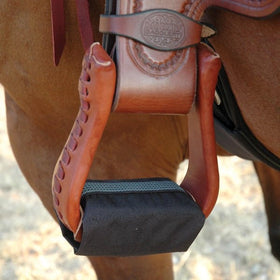
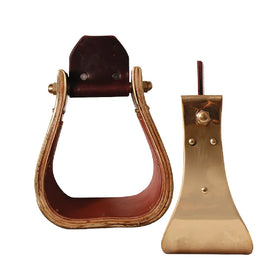
Built for long days in the saddle, Western stirrups prioritize comfort and stability. They have a much larger and wider footbed than their English counterparts, which helps distribute your weight and reduce fatigue on your feet and ankles. Traditionally, they are covered in leather to match the saddle and may have a wood or aluminum core for durability. This broad base gives you a solid platform to stand in when navigating rough terrain or performing quick maneuvers. Whether you're trail riding, working cattle, or reining, the sturdy design of a Western stirrup provides the security and comfort you need.
Safety First: Understanding Rider Safety Stirrups
Safety stirrups are a game-changer for riders of all levels and disciplines. Their primary purpose is to prevent your foot from getting trapped in the stirrup during a fall, which can lead to serious injury. These stirrups achieve this with clever designs, like a flexible or curved outer branch that opens under pressure or a side that breaks away completely. Peacock stirrups, which use a heavy-duty rubber band on the outside, are a popular choice for young riders. While they are essential for jumping and eventing, many trail and pleasure riders also choose them for extra peace of mind.
Stirrups for Specific Needs
Sometimes, a standard stirrup just doesn't cut it. That’s where specialty stirrups come in. This category includes designs created to solve specific problems, like joint pain or improper foot positioning. You can find options with angled treads that help keep your heels down or flexible joints that absorb shock, reducing stress on your ankles and knees. These "knee-saver" stirrups can make a huge difference in your comfort, especially during long rides. If you experience pain or struggle to maintain the correct leg position, exploring a specialty stirrup could be the key to a more enjoyable ride.
Steel, Aluminum, or Composite: Choosing Your Material
When you’re looking at stirrups, the material might seem like a small detail, but it makes a big difference in your ride. The material affects everything from the stirrup's weight and durability to its grip and overall feel under your boot. Long gone are the days when iron was the only option. Now, you can choose from classic stainless steel, lightweight aluminum, and innovative composite materials. Each one has its own set of benefits, so the best choice really comes down to your personal preference, riding discipline, and what you find most comfortable in the saddle. Let's walk through the most common options to help you find your perfect match.
Stainless Steel: The Tried-and-True Option
Stainless steel is the workhorse of the stirrup world for a reason. It’s incredibly strong, stands up to years of use, and won’t rust after a ride in the rain. This durability makes it a reliable choice for riders in any discipline. While they have a bit more heft than other options, many riders actually prefer that weight because it helps the stirrup hang properly, making it easier to find if you lose it mid-ride. Plus, they have a timeless, polished look that never goes out of style and is simple to clean. If you’re looking for a traditional, no-fuss stirrup that will last, stainless steel is an excellent pick for your horse tack.
Aluminum: The Lightweight Advantage
If you want a stirrup that feels almost weightless, aluminum or other lightweight alloys are fantastic options. Reducing the weight under your foot can help lessen joint fatigue on long rides and give you a closer feel with your horse. This makes them especially popular in disciplines like jumping or barrel racing, where every ounce counts. Aluminum stirrups often come in a wide array of anodized colors, so you can add a pop of personality to your saddle. Many designs also feature wide, grated treads or rubber pads to give you extra grip and security, ensuring your foot stays right where you want it.
Why Riders Love Modern Composite Stirrups
Don’t let the word “plastic” fool you; modern composite stirrups are engineered to be incredibly tough and resilient. These materials offer the best of both worlds: they are lightweight like aluminum but often come at a more budget-friendly price point. One of their biggest advantages is shock absorption. The slight flex in the material can help cushion impact, making for a more comfortable ride for your ankles and knees. They are also a great way to show off your style, as they come in nearly every color imaginable. Many of our best selling products include composite options because they offer such a great combination of performance, comfort, and value.
Explore our range of western riding gear to find stirrups, cinches, and saddle accessories built for riders of every level.
Engineered with High-Tech Materials
The evolution of stirrups didn't stop with new materials; it continued with advanced engineering. Today’s high-tech options use composites and lightweight aluminum alloys to solve common rider problems like joint pain and fatigue. These materials are not only incredibly tough but are also designed with a slight, intentional flex. This feature acts as a built-in shock absorber, cushioning the impact on your ankles and knees during every stride, which makes a world of difference on long trail rides. The engineering focus is on creating a stirrup that feels nearly weightless, helping you maintain a stable leg without the strain. When you're updating your horse tack, consider how these advanced designs offer a major upgrade in comfort and performance, all without compromising the strength you rely on.
Shop This Post

Featured in this article
Cashel Step Up Stirrup Extender - Adjustable Portable Horse Mounting Aid with Stainless Steel Hardware & Storage Bag
$44.99
Shop Now →
Your Stirrup Shopping Checklist: Key Features
Once you’ve narrowed down the right style and material for your discipline, it’s time to look at the details. The specific features of a stirrup can dramatically change your experience in the saddle, affecting everything from your safety to your joint comfort after a long ride. Think of these features as the fine-tuning that makes a good pair of stirrups truly great. Here are the key elements to consider when making your final choice.
Understanding Quick-Release and Safety Features
Safety should always be your top priority. Safety stirrups are designed with mechanisms that allow your foot to release easily in the event of a fall, which can prevent a rider from being dragged. You’ll find several types, including breakaway stirrups that open under pressure or peacock stirrups with a heavy-duty rubber band on one side that snaps off. While they are essential for beginners and young riders, many experienced equestrians choose them for peace of mind. Investing in a pair with a reliable quick-release feature is one of the smartest decisions you can make. You can explore a variety of safe and durable horse tack to find the perfect fit.
Seeking Stability? Look for Wide Treads
If you spend long hours riding, the width of your stirrup tread can make a world of difference. A wider footbed helps distribute your weight more evenly across the ball of your foot, reducing pressure points and fatigue. This simple design change can lessen the strain on your ankles, knees, and even your hips, making for a much more comfortable ride. Beyond comfort, a wide tread also provides a more stable base of support for your leg. This stability helps you maintain proper position and balance, whether you’re on a leisurely trail ride or navigating a challenging course. It’s a feature that supports both your comfort and your performance.
How Grip Patterns Keep Your Foot Secure
Losing a stirrup at the wrong moment can be frustrating and unsafe. That’s why a non-slip grip is such a vital feature. Modern stirrups often come with specially designed treads to keep your boot securely in place, no matter the weather. These can range from deep-grooved rubber pads to more aggressive metal "cheese grater" surfaces that offer maximum traction. A reliable grip gives you the confidence that your foot will stay put, allowing you to focus on your riding instead of your equipment. This secure connection provides a more stable leg, which translates to a more balanced seat and clearer communication with your horse. It’s a small detail that provides a major sense of security.
Easing the Impact: Shock-Absorbing Features
Riding is an athletic activity, and just like in any sport, protecting your joints is important. Many modern stirrups are engineered with shock-absorbing features to cushion the impact of your horse’s movement. Some designs, often called "flex" stirrups, have flexible arms or joints that bend slightly with each stride. This technology helps absorb concussion before it travels up through your ankles, knees, and lower back. For riders who jump or cover long distances, these stirrups can be a game-changer. They promote a smoother ride and can help reduce post-ride stiffness, keeping you comfortable in the saddle for years to come. Many of our best-selling products include these innovative features.
Considering Ergonomics and Design
Ergonomic Shaping for Comfort
Beyond the basic materials and features, the actual shape of a stirrup plays a huge role in your comfort. Modern stirrups are increasingly designed with ergonomics in mind, meaning they are built to work with the natural alignment of your body. Thoughtfully shaped stirrups can help position your foot correctly, which in turn encourages a better leg position and reduces strain on your ankles and knees. This focus on ergonomics also enhances safety. Many of these well-designed stirrups incorporate mechanisms that help your foot release more easily during a fall, providing an extra layer of protection. When you're shopping for new horse tack, paying attention to the ergonomic details can lead to a much more comfortable and secure ride.
The Role of an Offset Eye
One of the most impactful ergonomic features you might come across is an offset eye. The "eye" is the opening where the stirrup leather attaches to the stirrup. On a traditional stirrup, the eye is centered, causing the stirrup to hang flat against the horse's side. This means you have to twist your ankle and knee outward to get your foot into place. An offset eye is positioned more to one side, which angles the stirrup so it hangs perpendicular to the horse. This small change means the stirrup is already open and waiting for your foot, eliminating the need to twist your joints. For riders who experience knee or ankle pain, this simple design tweak can provide significant relief and make riding much more enjoyable.
Choosing a Color and Finish
Once you’ve sorted out all the functional aspects, you get to the fun part: aesthetics. Your stirrups are a great place to show off a bit of your personal style. While classic stainless steel has a timeless appeal, many modern materials, especially aluminum, come in a huge variety of anodized colors. You can choose a color that matches your saddle pad, complements your horse's coat, or just adds a fun pop of personality to your setup. At Hooves and Paws, we know that you want your equipment to perform well and look great, which is why we offer a wide selection of horse tack to suit every taste. Choosing a vibrant color doesn't mean you're compromising on quality; it just means you get to enjoy high performance with a personal touch.
Safety vs. Traditional Stirrups: What You Need to Know
When you're choosing stirrups, one of the biggest decisions is whether to go with a traditional design or a modern safety stirrup. While both will give your foot a place to rest, they function very differently, especially when things don't go as planned. Traditional stirrups, often called Fillis irons, are the classic, solid-frame design you see in many English disciplines. They’re sturdy, reliable, and have provided support for riders for centuries. They offer a stable base of support and are known for their durability and timeless look. Many riders love them for their classic aesthetic and straightforward function.
Safety stirrups, on the other hand, are engineered with a specific goal: to release your foot easily in the event of a fall. This distinction is the primary reason many riders, from beginners to seasoned competitors, are making the switch. But the differences don't stop there. They also vary in materials, weight, and features that can affect your comfort and stability in the saddle. Think of it this way: a traditional stirrup is built for support during the ride, while a safety stirrup is built for support and for a safe exit if you part ways with your horse unexpectedly. Let's break down exactly what sets them apart so you can make the best choice for your riding needs.
The Main Advantage of a Rider Safety Stirrup
The single most important difference is right in the name: safety. A traditional stirrup is a closed loop of metal or composite material. If you fall, there's a risk your boot could get caught, leading to a dangerous situation where you could be dragged. Safety stirrups are designed to prevent this. They feature a mechanism that opens or breaks away under pressure, such as a flexible arm or a rubber band that detaches. This allows your foot to slide free during a fall, significantly reducing the risk of serious injury. It’s a simple but brilliant innovation in horse tack that provides invaluable peace of mind.
Will a Safety Stirrup Affect Your Ride?
You might think that choosing safety stirrups means giving up comfort, but that’s not the case at all. Modern stirrups, both traditional and safety-focused, come with features designed to improve your ride. Many of our best selling products have wide footbeds that distribute pressure more evenly across the ball of your foot, which can reduce fatigue on long rides. You’ll also find options with padded or rubber treads for better grip and shock absorption. Some are even designed with an angle to help your foot sit in a more natural position, which can ease strain on your ankles and knees. These thoughtful designs mean you can focus on your performance without sacrificing comfort or security.
Busting Common Myths About Safety Stirrups
One common myth is that safety stirrups are only for beginners or kids. In reality, riders of all skill levels, including top professionals, use them because accidents can happen to anyone. Another misconception is that they are bulky or less effective than a traditional iron. While early designs may have been less refined, today’s safety stirrups are sleek, lightweight, and engineered for high performance across disciplines. They offer all the benefits of a great stirrup, like improved balance and support, with the added layer of protection. The idea isn't to replace tradition, but to enhance it with modern safety technology that helps keep you safe in the saddle.
How to Match Stirrups to Your Riding Style
Choosing the right stirrups isn't just about style; it's about finding the perfect match for how you ride. Different disciplines place unique demands on your body and your horse, and your stirrups play a huge role in providing the right support, safety, and comfort. Whether you're navigating a dressage test, rounding a barrel, or clearing a jump, the right pair of stirrups can make a world of difference in your performance and confidence in the saddle. Let's break down which stirrups work best for your specific riding style.
Best Stirrups for English Disciplines
English riding is all about precision and close contact with your horse, and the stirrups reflect that. Traditional English stirrup irons, often called Fillis irons, are designed to be functional and elegant without adding bulk. They help you mount and provide a stable base for your foot while you ride. You’ll find several variations, including jointed or "flex" stirrups that bend to ease pressure on your ankles and knees, which is a lifesaver during long rides. Lightweight composite stirrups are another popular modern option. For younger riders or anyone wanting extra peace of mind, peacock safety stirrups feature a heavy-duty rubber band on one side that pops off under pressure, freeing your foot in a fall.
Checking Competition Rulebooks
If you plan to show your horse, checking the rulebook for your discipline is a non-negotiable step before you invest in new stirrups. Organizations like the U.S. Equestrian Federation (USEF) have specific guidelines on what equipment is allowed in the show ring for disciplines like hunters, jumpers, and dressage. While many modern safety and performance stirrups are perfectly fine, some innovative designs might be restricted in certain classes. Taking a few minutes to review the latest rulebook can save you from the disappointment of being disqualified over a simple equipment violation. It ensures your chosen horse tack is not only safe and comfortable for you but also compliant with the standards of your sport.
Best Stirrups for Western Disciplines
Western riding calls for a different kind of support, and the stirrups are built accordingly. Generally wider and sometimes heavier than their English counterparts, Western stirrups provide a broad, comfortable platform for your foot. This is essential for the long hours often spent in a Western saddle. You’ll see them made from a range of durable materials, from classic wood and rawhide to modern aluminum and stainless steel. Styles vary, too. Bell stirrups have a wide base to prevent your foot from sliding through, while angled or offset stirrups are designed to reduce strain on your joints during trail rides. The right pair of horse tack will keep you secure and comfortable, no matter the terrain.
What to Look for in Jumping and Eventing Stirrups
When you’re jumping fences or racing against the clock, safety is your top priority. That’s why riders in disciplines like show jumping, cross-country, and barrel racing often choose safety stirrups. These are specifically designed to release your foot in an emergency. Styles like breakaway or quick-release stirrups have a mechanism that opens if you fall, preventing you from being dragged. Beyond safety, performance is key. Many jumpers and eventers also prefer flexible or jointed stirrups. These designs help absorb the shock of landing after a jump or making a sharp turn, which can reduce stress on your ankles and knees and help you maintain your balance when it matters most.
Getting the Right Fit: A Stirrup Sizing Guide
Getting the right stirrup size is non-negotiable for both safety and stability. The golden rule is to have about a half-inch of space, or a finger's width, on each side of your boot when it's in the stirrup. The best way to check this is to wear the riding boots you use most often when you measure. If the fit is too snug, your foot could get trapped during a fall. If it’s too loose, you risk your foot slipping through or losing your stirrup entirely. Once you have the right size, focus on your foot position. The ball of your foot should rest comfortably and securely on the center of the tread, giving you a solid base to balance from.
Common Stirrup Sizes
Stirrup sizes are measured by the internal width of the tread, from one branch to the other. For adults, the most common sizes are 4.5 inches and 4.75 inches, while children's stirrups typically range from 4 to 4.25 inches. However, these are just starting points. The most important factor is the width of your own riding boot at its widest point. A thick, insulated winter boot will require a larger stirrup than a slim, fitted show boot. This is why it's so important to measure with the footwear you'll actually be riding in. Getting this detail right is a crucial step in selecting the perfect horse tack for a safe and comfortable ride.
Stirrup Shopping? Avoid These Common Mistakes
Choosing the right stirrups is a big decision for any rider, and a few common mistakes can easily trip you up. It’s about more than just finding a style you like; it’s about ensuring your safety, comfort, and performance in the saddle. A poor choice can lead to discomfort, instability, or even a dangerous situation if you fall. By learning to spot these common pitfalls, you can invest in a pair of stirrups that will serve you and your horse well for years to come.
Many riders, especially when they're starting out, focus on aesthetics or price alone, but there's much more to consider. The wrong stirrup can affect your leg position, create joint pain, and most importantly, fail you when you need it most. We’ll walk through three of the most frequent errors riders make: getting the fit wrong, choosing poor-quality materials, and not fully understanding the safety features available. Knowing what to look for will help you make a confident and informed decision. Your stirrups are one of the most critical pieces of your tack, so let’s make sure you get them right.
Why a "Snug" Fit Is a Safety Risk
It might seem logical that a snug stirrup is a secure one, but that’s a common myth that can be dangerous. A stirrup that fits too tightly around your boot can prevent your foot from sliding free during a fall, which could lead to being dragged. To get the right fit, you should always test stirrups while wearing the riding boots you use most often. A good rule of thumb is to have about a half-inch of space on each side of your boot when it’s centered in the stirrup. This gives you enough room to easily slide your foot out when you need to, without being so loose that your foot feels unstable.
How to Spot Low-Quality Stirrup Materials
The material your stirrup is made from is its foundation for strength and reliability. It’s tempting to go for a cheaper option, but stirrups made from inferior metals or plastics can bend, crack, or break under the stress of riding. This compromises your safety and means you’ll just have to replace them sooner. When you’re shopping, inspect the stirrups for solid construction and a smooth finish. High-quality materials like stainless steel, aircraft-grade aluminum, and durable composites are built to last. You can find a wide selection of dependable horse tack from trusted brands that prioritize quality and rider safety.
Are You Sure You Know How Your Safety Stirrups Work?
With so many designs on the market, it’s easy to overlook or misunderstand the safety features that can make a huge difference in an emergency. Features like a breakaway arm or a flexible side are designed to release your foot if you fall, preventing serious injury. Don’t just assume a stirrup is safe because it’s labeled that way. Take the time to understand exactly how the mechanism works. Is it a hinge, a flexible branch, or a rubber band that breaks away? Knowing this will help you choose a feature that you’re comfortable with and that suits your riding discipline. These aren’t just fancy add-ons; they are a vital piece of safety equipment.
The Golden Rule: Release Branch Faces Out
This is one of the most critical safety checks for your gear. The part of the safety stirrup designed to open—often called the "release branch"—must always face outwards, away from your horse's side. Think of it this way: for the stirrup to open and release your foot in a fall, it needs clear space. If the release mechanism is facing the saddle or the horse, it can get caught or be unable to open under pressure, completely defeating its purpose. A quick way to double-check your setup is to look at your stirrups when you roll them up after a ride. The release branch should point toward the front of your saddle (the knee roll), not toward the back. Making this simple check a habit is a crucial part of using this essential piece of horse tack correctly.
Stirrup Brands We Trust in the Saddle
With so many brands on the market, picking the right stirrups can feel a little overwhelming. But don’t worry, we’ve done the homework for you. We believe in products that are built to last, and that’s why we only recommend brands that have earned the trust of riders everywhere. Whether you’re looking for a top-of-the-line investment or a reliable, budget-friendly pair, there’s a great option waiting for you. Below, we’ve broken down some of our favorite brands to help you find the perfect match for your saddle and your budget.
Our Handpicked Stirrup Collection
Here at Hooves & Paws, we take pride in curating a selection of products we’d use with our own horses. Our collection of horse tack includes a variety of stirrups designed to provide stability and support, whether you’re training in the ring or heading out on the trail. We focus on sourcing durable, high-quality stirrup irons that help you mount with confidence and keep your feet secure throughout your ride. Because we’re riders ourselves, we handpick every item to ensure it meets our standards for safety, comfort, and performance, so you can spend less time worrying about your gear and more time enjoying the ride.
Premium Brands Worth the Investment
If you’re ready to invest in a pair of stirrups that offer advanced features and exceptional craftsmanship, brands like Hilason are a fantastic choice. They are known for creating a wide selection of stirrups for nearly every discipline, from Western and English to barrel racing and endurance. These premium stirrups are typically crafted from high-strength materials like aircraft-grade aluminum and stainless steel, often incorporating genuine leather accents. Many also include thoughtful enhancements for comfort and safety, such as wider treads and shock-absorbing elements, making them a worthwhile investment for the serious equestrian.
Our Top Picks for Budget-Friendly Stirrups
You don’t have to spend a fortune to get a safe and reliable pair of stirrups. There are plenty of excellent, affordable options available that get the job done without compromising on quality. While you can find many budget-friendly stirrups on large online marketplaces, the key is to be a savvy shopper. Always read reviews from other riders and pay close attention to the materials used. Look for solid stainless steel or durable composite stirrups that feel sturdy. A lower price point shouldn’t mean you have to settle for less when it comes to your safety and your horse’s comfort.
How to Clean and Care for Your Stirrups
Your stirrups work hard every time you ride, providing stability and support. Giving them a little attention after you dismount not only keeps them looking great but is also a key part of your safety routine. Proper care extends their lifespan and ensures they’re always ready for a safe, comfortable ride. Here’s how to keep your stirrups in top condition.
Your Quick Cleaning and Maintenance Routine
Keeping your stirrups clean doesn’t have to be a chore. For daily upkeep, a quick wipe-down with a damp cloth after your ride is usually enough to remove sweat and dust. When they need a deeper clean, you can soak the stirrup pads in warm water for a few minutes to loosen stubborn dirt before scrubbing them with a brush. For stirrups with moving parts or joints, a light spray of a non-greasy lubricant will keep them functioning smoothly. Just be sure to wipe away any excess to prevent grime from building up. Consistent cleaning is one of the easiest ways to maintain all your horse tack and keep it performing its best.
Maintaining Modern Stirrups
Modern stirrups with features like flexible joints or safety release mechanisms require a bit more attention than their traditional counterparts. During your regular cleaning, take an extra moment to inspect these moving parts. Check any flexible or jointed areas for cracks or signs of wear, and make sure they move freely without sticking. If you use safety stirrups with a breakaway arm or rubber band, regularly examine the release mechanism to ensure it’s clean and not compromised by dirt or damage. This quick check is a crucial step in maintaining your horse tack, as it ensures these important safety and comfort features will work as intended when you need them most. A well-maintained stirrup is a safe stirrup.
The Right Way to Store Your Stirrups
Where you store your stirrups matters just as much as how you clean them. After they’re clean and dry, keep them in a place that’s protected from the elements. A dry, well-ventilated tack room is ideal. Avoid leaving them in direct sunlight, as UV rays can degrade materials like composites and plastics over time. Storing them inside a tack box or hanging them properly with your saddle prevents them from getting scratched, dented, or exposed to moisture that could cause rust. Taking this extra step ensures your gear stays in reliable condition for years to come. With over 30 years of experience, we know that quality equipment lasts longer when you care for it properly.
Signs It's Time for New Stirrups
Even the best stirrups won’t last forever. Make it a habit to inspect them regularly for signs of wear and tear. Look closely for cracks in the frame, especially near joints or where the stirrup leather attaches. Check for significant rust that could weaken the metal or any signs that the stirrup is bent or warped. The tread should also offer a secure grip; if it’s worn smooth, it’s time for a new pair. Never take a chance on damaged equipment. Your safety is the top priority, so if you spot any issues, it’s best to replace them with a new set from our collection of best-selling products.
How to Be a Smart Stirrup Shopper
Finding the best value in a pair of stirrups goes way beyond just looking at the price tag. A great deal means finding durable, comfortable, and safe stirrups that fit your riding style without breaking the bank. Think of it as an investment in your performance and your horse's comfort. A cheap pair that needs replacing in a year or causes joint pain isn't a good value at all. The right pair will support you for countless rides, providing stability and confidence in the saddle. Let's walk through how to spot a truly great deal and make a purchase you'll be happy with for years to come.
When to Look for Sales and Deals
Timing can make a big difference in how much you spend. Keep an eye out for seasonal sales, especially around major holidays or at the end of a riding season when new inventory is coming in. Signing up for email newsletters from your favorite retailers is also a smart move to get first dibs on promotions and exclusive offers. One of the biggest ways to save is by paying attention to shipping costs. At Hooves and Paws, we make it simple by offering free shipping on all orders in the continental U.S. with no minimum purchase. That means the price you see is the price you get, without any surprise fees at checkout.
Looking Beyond the Price Tag
The cheapest stirrup is rarely the best value. True value comes from features that enhance your ride and construction that lasts. First, always choose the correct size stirrups for your riding boots to ensure safety and comfort. From there, consider special features that address your specific needs. Look for stirrups designed to relieve joint stress, offer a lightweight feel, or help with proper leg positioning. Many modern designs include angled footbeds, wide treads, and padded grips, which make a huge difference in reducing fatigue on long rides. When you browse a quality horse tack collection, you can compare these features side-by-side to see which pair offers the most benefits for your budget.
Understanding the Price Range
Stirrup prices can range from surprisingly affordable to a significant investment, and it’s easy to wonder why. The difference usually comes down to materials, technology, and safety features. A basic, no-frills iron will get the job done, but a higher price often reflects the use of superior materials like aircraft-grade aluminum or advanced composites that are both lightweight and incredibly strong. You’re also paying for innovative features like shock-absorbing joints or quick-release mechanisms, which are smart investments in your long-term comfort and safety. Instead of focusing only on the price, think about the value. A well-made stirrup is a crucial piece of your horse tack that provides stability and security for countless rides, making it a worthy investment in your confidence and well-being in the saddle.
Choosing Stirrups That Will Last
A good pair of stirrups should last for years, so think of them as a long-term investment in your riding. The material is a huge factor in durability. Traditional stainless steel is incredibly strong, while lightweight aluminum and modern composites offer performance benefits without sacrificing strength. The right stirrup is fundamental to your stability and safety in the saddle. Modern stirrups provide much more than a place to put your foot; they offer advanced safety features and rider comfort that contribute to a better overall experience. Choosing a well-made pair from a retailer you trust ensures you’re getting a product backed by expertise and a commitment to quality, which is a core part of our family-owned business.
Related Articles
- Best Stirrups for Riders 2025: Top Picks & Buying Guide
- 7 Best Stirrups for Riders in 2025
- 4 Features of the Best Horse Equine Stirrup
- Elevate Your Ride: Why Shires Compositi Premium Profile Horse Equine Stirrups Are a Game Changer
Frequently Asked Questions
How do I know what size stirrup to buy? Finding the right size is crucial for your safety. The best way to check is to put on the boots you ride in most often and place your foot in the stirrup. You should have about a half-inch of space, or roughly a finger's width, on each side of your boot. If the fit is too tight, your foot could get stuck in a fall, and if it's too loose, your foot could slip through or feel unstable.
I get sore knees after riding. Can different stirrups really help with that? Yes, they absolutely can. Many modern stirrups are designed specifically to reduce stress on your joints. Look for options with flexible joints or shock-absorbing technology, as these features help cushion the impact from your horse's movement. Stirrups with wider treads can also provide relief by distributing your weight more evenly, and some even have angled footbeds that help keep your leg in a more natural and comfortable position.
Are safety stirrups just for beginners and kids? Not at all. While they are an excellent choice for new or young riders, safety stirrups are for anyone who wants an extra layer of protection. Accidents can happen to even the most experienced equestrians, and top professionals in disciplines like show jumping and eventing use them for that very reason. Think of them less as a beginner tool and more as a smart piece of equipment for any rider.
What's the most important difference between English and Western stirrups? The main difference comes down to their design purpose. English stirrups are typically lighter and narrower to allow for close leg contact and precise communication with your horse. Western stirrups, on the other hand, are built for comfort and stability during long hours in the saddle. They have a much wider and heavier base to support your foot and reduce fatigue.
How often should I replace my stirrups? There isn't a strict timeline for replacing stirrups; it all depends on their condition. You should get in the habit of inspecting them regularly for any signs of damage. Look for cracks, bending, deep rust, or a tread that has become worn down and slippery. If you notice any of these issues, it's time to replace them immediately to ensure your safety.


