


Choosing stirrups is not simply a matter of matching the hardware to your saddle. The right pair should support your balance, work with your riding discipline, fit your boots, and provide dependable grip through everyday rides and unexpected moments. A trail rider, dressage rider, and Western competitor may each need a very different design.
Shop horse stirrups, stirrup irons, and treads today to find a pair that fits your riding style and your boots.
The best stirrups horse riders choose balance security, comfort, and a correctly sized footbed. English irons tend to prioritize a precise, lightweight profile, while Western stirrups often offer a wider tread and more substantial construction. Safety designs with quick-release or breakaway features can add valuable protection, especially for young or inexperienced riders. Your boot width, riding style, preferred tread, and the materials suited to your discipline should guide the final choice.
Before comparing materials and specialty features. It helps to understand what stirrups actually do for the rider and how their connection to the saddle affects balance, control, and security.
What Are Horse Stirrups and Why Do Riders Need Them?
Horse stirrups are foot supports suspended from a saddle, one on each side. Each stirrup attaches to the saddle by a stirrup leather and includes a tread, or foot platform, where the rider places the boot. This simple arrangement gives the rider a stable point of contact without taking the place of a balanced seat.
When used correctly, stirrups help distribute the rider's weight and provide a practical foundation for posture. They allow a rider to steady the lower leg, maintain balance during transitions, and rise slightly to absorb movement when jumping or riding over uneven ground. They also act as an extension of the legs, helping the rider communicate through controlled leg position and pressure. Adjusting stirrup length correctly is therefore important for both balance and effective communication with the horse. Saddle selection guidance from Extension Horses notes that close-contact saddle designs can help riders communicate more readily through the seat and legs.
A brief history of paired stirrups
Early riders used different forms of foot support, but paired stirrups, with one support on either side of the horse, are generally associated with ancient Asia. Paired stirrups were established in China around the third to fourth centuries, then spread westward through trade and military exchange along routes commonly associated with the Silk Road. Their development changed how riders mounted, balanced, and remained secure in the saddle, and it influenced saddle design and cavalry tactics. Mad Barn's historical overview describes the invention of paired stirrups in China as a major development in cavalry and saddle design.
Why every saddle type uses them differently
English and Western saddles use stirrups for the same basic purpose, but the proportions and feel vary by discipline. English irons are often lighter and more compact to support a close-contact position. Western stirrups are commonly broader and heavier, providing a larger platform for riding boots and a more secure feel, especially during trail or ranch work. Dressage, jumping, trail, and Western riders may each prefer different tread shapes, widths, and safety features.
Fit matters as much as style. A stirrup that is too narrow can pinch a boot, while one that is too wide may allow the foot to slide too far through. Ill-fitting stirrups can reduce comfort and control and increase the risk of foot entrapment. Check the boot fit, tread grip, leather condition, and attachment hardware before every ride. Safety research also identifies safety stirrups as one part of a broader equestrian safety strategy alongside appropriate protective equipment. Review current equestrian safety guidance when building that strategy.
English vs Western Horse Stirrups: Key Differences
The saddle you ride in should guide your choice of stirrups horse riders use every day. English irons are designed for a close, balanced leg position and precise communication with the horse. Western stirrups are built around a larger stock saddle, longer hours in the saddle, and a broad, stable platform. Both styles support the rider's foot, but their shape, weight, materials, and tread feel noticeably different.
English stirrups are usually lighter metal irons, including traditional Fillis designs, flexible or comfort models, peacock safety irons, and offset styles. Their narrower profile keeps the rider's foot close to the horse and makes subtle leg aids easier. Flexi and comfort models may use an angled or moving tread to help reduce pressure through the ankle and knee. Peacock designs add a rubber band or release feature that can let the foot come free during a fall.
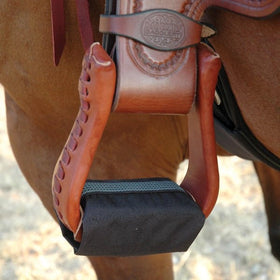
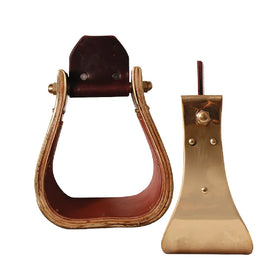
Western stirrups have a broader, heavier base that complements the deep seat and larger structure of a stock saddle. Common materials include wood, rawhide, metal, and composite combinations. The wider tread gives the boot more support, which can feel especially helpful during trail riding, ranch work, roping, or long days mounted. Bell, roper, oxbow, and tapadero styles each change the amount of coverage and protection around the foot.
| Feature | English stirrups | Western stirrups |
|---|---|---|
| Style | Fillis, flexi or comfort, peacock, offset, and dressage designs | Bell, roper, oxbow, tapadero, and other stock-saddle designs |
| Material | Stainless steel, aluminum, bronze, or flexible safety components | Wood, rawhide, metal, composite, and protective leather coverings |
| Tread width | Generally narrower for a close-contact leg position | Generally wider for boot support and stability |
| Discipline | Dressage, hunter, jumping, eventing, and general English riding | Trail, ranch, roping, reining, western pleasure, and general Western riding |
| Typical width sizing | Often about 4.75 to 5 inches, depending on the boot and rider | Often about 4.5 inches, with wider options for larger boots |
Width should never be chosen by discipline alone. Your boot must sit securely on the tread while leaving enough room to remove your foot without catching. Measure the boot at its widest point and check the manufacturer's fit guidance. A tread that is too narrow can pinch, while one that is too wide may not give the controlled feel you want. Riders shopping for a broader platform can compare stirrups for Western riding alongside their saddle and boot requirements.
Quick Summary
Choose lighter, narrower English irons for close contact and discipline-specific control. Choose broader Western stirrups when you want a stable platform that suits a stock saddle, Western boot, and longer rides. In either style, prioritize secure boot fit, comfortable tread support, and appropriate safety features.
Shop This Post

Featured in this article
Cashel Step Up Stirrup Extender - Adjustable Portable Horse Mounting Aid with Stainless Steel Hardware & Storage Bag
$44.99
Shop Now →
Safety Horse Stirrups: Why Quick-Release Designs Matter
A fall is an unavoidable possibility in riding, even when a horse and rider are experienced. Safety stirrups are designed for the moment when a boot becomes trapped, helping the foot release before the horse can pull the rider along the ground. Quick-release, breakaway, peacock, and flexible-hinge designs use different mechanisms, but they share the same purpose: reducing the risk created by a retained foot.
Safety stirrups can help a rider's foot disengage during a fall, which may reduce the chance of being dragged. They are especially valuable for young or novice riders, trail riding, and horses returning to work. But every rider should choose a release design suited to their discipline and riding conditions.
How do quick-release and breakaway stirrups work?
Traditional fixed irons can hold a boot in place if the rider falls and the leg remains angled through the stirrup. A peacock stirrup addresses this risk with a release band or flexible outer section that opens under pressure. Quick-release and breakaway models use comparable safety principles, while jointed or flexible-hinge designs allow the stirrup to move with the foot and ankle. The exact release point and replacement requirements vary by model, so read the manufacturer's instructions before riding.
Safety does not mean a stirrup is maintenance-free. Check release bands, hinges, joints, tread inserts, and attachment points regularly. Replace worn or damaged components promptly, and confirm that the release mechanism is not blocked by dirt, a boot, or an incorrectly fitted accessory. A safety design only helps if it can move as intended.
Who benefits most from safety stirrups?
Safety stirrups are a sensible consideration for children and new riders who are still developing balance and an independent leg. They can also add reassurance when riding an out-of-work horse that may react unexpectedly after time away from regular exercise. Trail riders may benefit because uneven terrain, branches, sudden wildlife, and changing footing create situations that are harder to predict than a controlled arena session.
Experienced riders should not treat safety irons as a substitute for correct boot fit, secure tack, supervision, or helmet use. Equestrian sports are associated with high rates of major injury, as reported in a recent review indexed by PubMed. Safety stirrups are commonly recommended as personal safety equipment because they address one specific fall hazard: the trapped foot.
When comparing stirrups for Western riding or English use, consider the release system alongside tread width, boot clearance, discipline, and rider experience. The best choice is one that releases reliably, stays comfortable during normal riding, and matches the saddle and conditions in which it will be used.
How to Choose Horse Stirrups by Material and Tread
The right material changes how stirrups feel beneath your boots, how much they weigh, and how they suit your discipline. English riders often choose stainless steel for its classic appearance and dependable strength. Bronze offers a distinctive finish that develops character over time, while aluminum and composite designs reduce weight without making the equipment feel flimsy. The best choice depends on whether you value traditional weight, easy handling, or a lighter feel for schooling and competition.
English stirrup materials
Stainless steel is a practical all-around option for English riding. It is easy to maintain and fits naturally with the clean, traditional look of a Fillis-style iron. Bronze can add warmth and visual character, and its patina changes as it ages. That finish is part of the appeal for riders who prefer tack with a more distinctive, established look.
Aluminum and composite irons are useful when reducing weight matters. A lighter stirrup can feel less noticeable during long rides and may appeal to riders who prefer a responsive, streamlined setup. For an example of this approach, see these durable lightweight stirrups. If knee or ankle comfort is a priority, an angled design may also be worth considering. These comfortable slanted stirrups illustrate how the tread angle can support a more relaxed leg position.
Western stirrup materials
Western stirrups are built to complement a broader, heavier saddle and the boots used for ranch work, trail riding, and other Western disciplines. Wood, rawhide, metal, and synthetic composites all have a place. Wood and rawhide offer a traditional appearance and may suit riders who appreciate classic craftsmanship. Metal provides a substantial feel, while synthetic composites can reduce weight and simplify maintenance.
Think about the environment as well as appearance. A rider who spends most of the time in an arena may choose differently from someone who rides on dusty trails. Works around livestock, or regularly encounters mud and rain. You can compare styles and browse stirrups for Western riding while keeping your boot shape and intended use in mind.
Choose a tread for dependable grip
The tread is the contact point between your boot and the stirrup, so it deserves as much attention as the frame. Replaceable synthetic inserts made from materials such as Neoprene, polymer, or rubber can add grip and make the platform more comfortable. Rubber-style surfaces are especially useful when moisture could make a smooth boot sole slide.
Roughed or textured treads generally offer more traction for wet conditions and trail work. Smooth treads can be appropriate in controlled settings, but they demand closer inspection because wear reduces their grip. Replace a tread when it becomes noticeably smooth, loses sections, or no longer holds your boot securely. Before each ride, check that the insert is seated properly and that the stirrup hardware is sound. A well-chosen frame cannot compensate for a worn contact surface.
How to Size and Fit Horse Stirrups for a Comfortable Ride
The right fit helps your boot stay centered, your leg hang naturally, and your foot release safely if you lose balance. Stirrup sizing depends on both the width of your riding boot and the length of your stirrup leathers, so check each part before you ride.
-
Measure your boot width first
Put on the boots you normally ride in and measure the widest part of the sole. Do not size stirrups around casual shoes, since a riding boot may have a different toe shape and heel. English irons commonly range from about 3.5 to 5.25 inches wide. Choose an opening that leaves roughly 1/4 to 1/2 inch of space on each side of the boot. That clearance should be enough for your foot to enter and leave without feeling loose inside the iron.
-
Choose the appropriate style and width
Western stirrups are typically wider, often around 4.5 to 5 inches, to accommodate broader Western boots and provide a stable platform. English riders may prefer a narrower iron when using slimmer paddock or field boots, while riders with wider soles may need a larger size. If the boot is pressed tightly against both sides, move up in width. If there is excessive room, the foot can slide too far forward or sideways, especially during active riding.
-
Set the initial stirrup length
Stand beside the saddled horse and let one leg hang naturally from the saddle. Adjust the leather so the stirrup tread reaches your ankle bone, or sits just below it. This gives you a useful starting point before you mount. You can also estimate length at home by multiplying your inseam by approximately 125 percent, then fine-tune it in the saddle. Different disciplines and body proportions may call for a slightly shorter or longer setting.
-
Check the length from the saddle
With the saddle balanced and your arm extended down, a common check is to place two fingers between the girth area and your elbow. The stirrup should be near your fingertips. This two-finger rule is only a starting reference, not a substitute for riding position. Your knee should remain comfortably bent, your heel should sit below your toe. And you should be able to keep your lower leg stable without reaching for the tread.
-
Test the fit before a full ride
Mount in a safe, controlled setting and check both stirrups at a walk. Your foot should rest on the ball of the foot, with the tread supporting you evenly. Confirm that you can remove your foot quickly and that the iron does not pinch the boot. Recheck the length after warming up, since your hips and knees may settle into a different position. When you are ready to compare widths, treads, and styles, view stirrups for Western riding and other saddle-seat options, then use the product's View Size Guide details before ordering.
Common Mistakes to Avoid When Buying Horse Stirrups
The right stirrup should support your boot without trapping it or allowing it to slide through. A poor fit can make it harder to maintain balance and precise leg communication, while a foot caught in a stirrup can create a serious fall hazard. Before choosing a new pair, look beyond appearance and compare the design with your boots, discipline, riding conditions, and safety priorities.
Choose a width that leaves practical clearance around your boot, select materials and tread for your discipline. Inspect wear before buying, keep both leathers even, and consider a safety-release design when foot entrapment is a concern.
Choosing the wrong width
An iron that is too narrow can wedge your boot and restrict comfortable movement. One that is too wide may let the foot slip too far through. Measure your boot at its widest point and check the manufacturer's interior dimensions rather than relying on a generic size label. As a starting point, many English irons measure about 4.75 to 5 inches. While Western designs often provide a broader platform, but boot shape and riding style still matter. Correct sizing helps reduce discomfort, improve control, and lower the risk of the foot slipping through, as noted in this stirrup fit guidance.
Prioritizing a trendy material over performance
Lightweight composite, aluminum, stainless steel, wood, and rawhide can all have a place in equestrian tack. The mistake is choosing based only on color, weight, or social-media appeal. A rider who spends hours on trails may need a durable tread and weather-tolerant construction, while a discipline requiring close contact may value a lighter profile. Match the material to your workload, boot, and maintenance habits. If you are shopping for stirrups for Western riding, compare the platform and tread with the boots you actually wear.
Ignoring tread wear and uneven leathers
Smooth or badly worn tread can reduce grip, especially in wet conditions. Replace a tread when its traction has disappeared, rather than waiting for the rest of the stirrup to fail. Before riding, check that both leathers are set to the same hole and that the stirrups hang evenly. Uneven length can affect posture, balance, and communication with your horse.
Overlooking safety release
Safety stirrups use a release or breakaway feature to help free the foot during a fall and reduce the risk of being dragged. They are worth considering for young or novice riders, nervous horses, trail riding, or anyone who places a high priority on foot-release protection. Inspect the mechanism regularly for rust, dirt, or restricted movement. Safety stirrups are one part of a broader riding safety plan, alongside appropriate footwear and other protective equipment. Research published in PubMed lists safety stirrups among tack options riders may consider for injury prevention.
How to Care for and Maintain Your Horse Stirrups
Routine care helps stirrups remain secure, comfortable, and ready for the next ride. After each use, wipe metal irons with a clean, slightly damp cloth to remove sweat, dust, and arena footing. Pay particular attention to the tread, where dirt can collect and reduce traction. Dry the irons thoroughly before storing them.
Inspect the tread regularly as part of cleaning. Replace a tread that has become smooth, cracked, loose, or worn enough to reduce grip. Even a sturdy iron can become less dependable when the rider's boot cannot stay positioned securely. If replacement treads are available for your model, use the correct fit and install them according to the manufacturer's instructions. If the iron or tread is damaged, retire it until it has been properly evaluated.
Check leathers and moving parts
Stirrup leathers need attention too. Wipe away dirt, then apply a suitable leather conditioner sparingly to keep the leather flexible. Avoid saturating the material, since excess moisture and oils can weaken or stretch it. Look closely for cracks, deep creases, stretched holes, thinning, or frayed edges, especially around the buckle and the section that carries the stirrup. Replace compromised leathers rather than relying on a temporary fix.
If you ride with safety, breakaway, or hinged stirrups, test and inspect the release mechanism regularly. Make sure hinges move as designed, are free of packed dirt, and are not bent, loose, or obstructed. Do not modify the mechanism or use a safety iron that does not release correctly. Follow the manufacturer's cleaning and inspection guidance, and replace parts only with compatible components.
Store stirrups in a suitable environment
Keep stirrups and leathers in a clean, dry, ventilated place away from extreme heat, direct sunlight, and damp conditions. Heat can accelerate leather deterioration, while persistent moisture may encourage mildew or corrosion. Let wet equipment dry naturally before putting it away, and avoid sealing damp leathers in a bag or trunk. A few minutes of care after every ride, followed by a more thorough inspection at regular intervals. Can extend the life of your equipment and help identify safety concerns before they become problems.
Shop the horse stirrups you need today
Frequently Asked Questions
What are the main types of stirrups for a horse?
The main choices are English irons, Western stirrups, and safety stirrups. English irons are generally lighter and suited to close-contact disciplines, while Western stirrups typically have a broader tread and heavier construction. Safety models add a release or breakaway feature designed to reduce foot entrapment during a fall.
How do safety stirrups work?
Safety stirrups use a quick-release, jointed, or breakaway mechanism that allows the foot to separate from the stirrup if the rider falls. This is intended to reduce the chance of being dragged by a trapped foot. Inspect the release mechanism regularly for rust, dirt, or anything that could prevent it from working correctly. Safety stirrups are one part of a broader riding-safety plan, not a substitute for a properly fitted helmet and sound tack. Research on equestrian injury prevention identifies safety stirrups among equipment options to consider.
How do you measure for horse stirrups?
Start with your riding boots, because the opening must provide comfortable clearance without allowing your foot to slide through. As a general guide, English irons often measure about 4.75 to 5 inches. While Western stirrups are commonly around 4.5 inches, but boot shape and personal comfort matter more than a number alone. Leave roughly one-quarter to one-half inch of space on each side of the boot and confirm the product measurements before ordering.
How should horse stirrup length be adjusted?
With your leg hanging naturally, an English stirrup often rests near the ankle bone as a starting point. Shorten it for jumping or other work that requires you to rise out of the saddle, and lengthen it for disciplines that use a deeper seat. Check the adjustment while mounted, then confirm that both sides are even and that you can keep your heel below your toe without forcing your leg position.
What is the difference between English and Western stirrups?
English stirrups are usually slimmer and lighter, matching close-contact saddles and English riding boots. Western stirrups are commonly wider and more substantial, with designs that accommodate larger work boots and provide a stable platform. Choose the style that matches your saddle and discipline first, then compare tread grip, foot clearance, material, and safety features. The right fit should support balance without restricting your movement.
Ready to Find the Right Horse Stirrups?
The right stirrups can help you match your riding style, boot fit, and comfort preferences with greater confidence. When you are ready to compare options, shop for horse stirrups, stirrup irons, treads, and accessories at Hooves and Paws. Review the styles and features that fit your saddle setup, then choose the option that feels right for your next ride.


