


Leaving your cat home alone does not mean enrichment should stop, but an unattended toy needs more thought than a quick battery check. The right choice depends on your cat's play style, the toy's moving parts, noise, timer, and how confidently it can be tested while you are present.
Shop Cat Toys and Scratching Essentials
The best automatic cat toys for when you are away are predictable, sturdy, and appropriate for your individual cat. Choose designs with secure battery compartments and no loose strings or small parts. Test each toy during supervised play, and treat it as supplemental enrichment rather than a replacement for interaction.
Those practical safeguards make it easier to decide whether a toy belongs in your cat's unsupervised routine. Start by examining the features that separate a useful away-from-home toy from one that should only be used while you are watching.
How to Choose Automatic Cat Toys for When You Are Away
Suitable unsupervised enrichment gives your cat a safe way to investigate, stalk, chase, or problem-solve for short periods while you are out. It should add useful activity to the home environment without pretending to provide supervision. The right choice depends on your cat's habits, your home's layout, and how the toy performs during a careful trial while you are present.
Quick Answer: The best automatic cat toys for when you are away are durable, made from non-toxic materials. Free of loose or easily swallowed parts, and appropriate for your cat's play style. Test each toy during supervised sessions first, then use it as supplemental enrichment rather than a replacement for interactive play.
Look first for a toy that creates an opportunity for natural behavior. Cats are predators by nature, and play allows them to exercise hunting skills. Movement, changing direction, or a simple challenge can encourage investigation and activity, which may help reduce boredom-related behavior problems in indoor cats. Cornell's feline behavior guidance recommends environmental enrichment as part of a broader plan for managing these behaviors, not as a single cure. Learn more about feline enrichment and play behavior from Cornell Feline Health Center.
Safety comes before entertainment
Durability matters because a toy used without you nearby must withstand normal batting, biting, and repeated movement without breaking into hazardous pieces. Choose non-toxic materials and inspect the toy regularly for loose components, cracks, frayed sections, or small pieces that could be swallowed. Cornell advises monitoring a cat's interaction with new toys to confirm that they are safe and durable, especially before leaving them unsupervised. A toy that was acceptable during a brief demonstration may not be suitable for extended access if your cat chews aggressively or pulls at attachments.
Battery security deserves its own check. If the toy uses batteries, the compartment should be firmly closed and inaccessible to a curious cat. Never rely on an enclosure that opens easily under repeated pawing or chewing. Place the toy in an open area where your cat can move around it without becoming trapped. And keep it away from stairs, unstable objects, cords, and busy human walkways. In a multi-cat home, provide enough enrichment opportunities to limit competition and tense, crowded play.
Automatic play supplements your relationship
Even a well-chosen automatic toy cannot read your cat's body language, remove a damaged part, or replace the bonding that comes from play with you. Cornell identifies interactive owner play as the most important way to build that bond and provide enrichment. Use automatic sessions to add variety during your absence, then continue offering hands-on play, attention, rest, scratching opportunities, and comfortable vertical spaces when you are home.
Before leaving, run the toy while watching your cat. Confirm that the noise, speed, and movement invite interest rather than stress, and remove it if your cat shows fear or fixation. For thoughtfully selected options, browse automatic cat toys and scratching essentials by your cat's needs.
Motion, Timers, and Formats That Work Best
Motion is often the first feature to evaluate because movement can trigger a cat's natural interest in chasing and investigating. Motion-activated toys can capture attention when your cat approaches, while toys with programmed sessions create activity at planned times. The best choice depends on how your cat responds during a short trial while you are home.
| Feature | What it can offer | What to check first |
|---|---|---|
| Motion activation | Starts activity when your cat approaches | Movement should not trap, frighten, or encourage unsafe chewing |
| Timer | Creates defined play windows | Use scheduled sessions instead of assuming continuous operation is best |
| Food dispensing | Adds a simple foraging challenge | Keep treats within the normal feeding plan and clean the chamber |
| Lights or visual movement | Provides visual stimulation | Watch for frustration when there is no physical object to catch |
Erratic movement can mimic the stops, starts, and changes of direction associated with prey. This may hold attention better than a toy that travels in one repetitive loop. However, unpredictable does not automatically mean better. If your cat watches without engaging, try a slower setting or a more predictable path. Some cats prefer to stalk a ground-level object, while others respond to movement that changes height or appears briefly before disappearing.
Timers are useful for creating defined play windows rather than leaving a motor running continuously. A toy can activate during a period when your cat is commonly awake, then stop so the room remains calm. Scheduled sessions also help preserve novelty. Turning the toy off when it is not in use can prevent the activity from becoming background noise and can help conserve its battery.
For cats drawn to visual movement, an LED feature may add another layer of stimulation. Use lights as one part of a varied setup, not as the only form of enrichment. A light that moves across an open floor may interest one cat, while another may lose interest quickly because there is no physical object to catch. Follow visual play with a toy that offers a tangible target when possible, and observe whether your cat becomes frustrated or simply disengages.
Food-dispensing formats combine investigation with the work of obtaining a small portion of food or treats. Research published in the Journal of the American Veterinary Medical Association identifies food-dispensing toys as a way to encourage activity and support weight management. They should still be used within your cat's normal feeding plan, not as an excuse to add unlimited treats. Choose a format that is easy to clean and begin with a simple challenge so your cat can learn how it works.
Rotation ties these formats together. Keep only a few options available, then switch the motion pattern, timer schedule, or format periodically. Cornell Feline Health Center guidance notes that introducing new toys and rotating older ones can help maintain interest. For a closer look at selecting movement that keeps cats engaged, explore these motion-based cat toys.
Shop This Post

Featured in this article
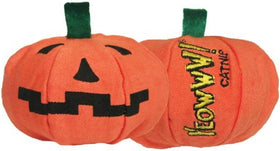
Ducky World Yeowww! 7" Organic Catnip Kicker for Barn Cats
$12.11
Shop Now →

How Do You Match a Toy to Your Cat's Play Style?
The best match begins with observation, not a product label. Does your cat stalk a toy across the floor, leap toward movement in the air, follow a beam of light, or lose interest when a motor gets noisy? Understanding a cat's individual play style can help you select a more engaging option, according to feline behavior guidance from Cornell Feline Health Center.
For ground chasers
If your cat crouches, pounces, and follows objects along the floor, look for a toy that keeps the action at ground level. Movement that changes direction can feel more like a moving target than a toy that travels in one predictable line. Begin with the slowest setting if available, and see whether your cat tracks the toy, approaches it, and returns for another turn. A cat that prefers stalking may enjoy pauses between movements rather than nonstop activity.
For light-focused cats
Some cats respond strongly to moving light and other visual stimulation. If your cat watches reflections, follows sunlight, or quickly notices a small moving glow, a light-based automatic toy may hold their attention. Keep the light directed away from your cat's eyes, and provide a physical toy or another appropriate way to finish the play sequence. A light alone does not give your cat something to catch, so observe whether it creates active engagement or only repeated watching.
For cats sensitive to sound
A noisy motor, clicking mechanism, or sudden sound can be more distracting than entertaining. Cats that flatten their ears, retreat, or stop playing when a toy activates may prefer a quieter option. Test the toy in the same room while you are present. If the sound changes your cat's body language, choose a quieter design or use a different format. A calmer toy is more useful than a feature-rich one your cat avoids.
For high-energy and older cats
High-energy cats may benefit from adjustable speed settings that let you increase the intensity gradually. Look for engaged chasing rather than frantic or frustrated behavior, and give your cat breaks. For an older cat, slower and more predictable movement may be a better fit than rapid, erratic action. Place the toy where it is easy to approach, with no need for a difficult jump or sharp turn. In either case, introduce the toy during supervised play first. Automatic cat toys for when you are away should supplement, not replace, interactive play with you.
A Safety Checklist for Unsupervised Play
Leaving an automatic toy available while you are away can add useful enrichment, but it should follow a deliberate safety routine. Cats investigate with their mouths and paws, and a toy that seems secure during a quick glance may loosen after repeated play. Inspect each toy before an absence, test it while you are home, and remove anything damaged or questionable.
Before you leave, complete these checks
- Inspect for loose parts. Look over the casing, wheels, attachments, seams, and any decorative pieces. Tug gently on components that your cat can reach. Remove the toy if a small part, covering, feather, bell, or other piece is loose enough to become a swallowing hazard. Cornell Feline Health Center guidance recommends checking toys for loose parts, strings, and other hazards that could be ingested: review its toy-safety guidance.
- Secure the batteries. Confirm that the battery compartment is fully closed and cannot be opened easily by a curious cat. Check for a secure screw or latch, and do not use the toy if the compartment is cracked, loose, or damaged. Batteries must remain inaccessible, since ingestion can cause serious injury.
- Remove strings and dangling loops. Do not leave long ribbons, yarn, cords, or loose loops attached during unsupervised play. They can be swallowed, wrapped around a cat, or create an entanglement risk. A moving toy does not make a string safe simply because it is marketed for cats.
- Confirm the materials and condition. Choose non-toxic materials that are durable enough for your cat's normal chewing and batting. Examine plastic, rubber, fabric, and seams for cracks, sharp edges, peeling surfaces, or fragments. Discard or repair according to the manufacturer's instructions when wear appears.
- Place the toy in an open area. Set it where your cat already plays, with enough clearance for movement. Keep it away from stairs, narrow gaps, unstable furniture, cords, and places where a toy could become wedged. The play area should also be safe for people who may walk through it.
- Clear human trip hazards. Secure charging cables and power cords, move the toy away from walkways, and check that mats or furniture will not slide if the toy bumps them. A safe cat activity can still create an accident if its placement obstructs a doorway or high-traffic path.
- Plan for multi-cat competition. In a home with several cats, provide enough separate resources to reduce crowding and conflict. Watch how they respond together before leaving them with a moving toy. If one cat guards it, chases another away, or play escalates, use separate spaces or choose additional toys rather than relying on one shared unit. Cornell advises providing enough resources to help avoid conflict between cats: learn more about reducing feline competition.
Run the complete setup while you are present, including the timer or motion sensor. Observe whether the toy tips, overheats, gets stuck, makes your cat anxious, or encourages unsafe chewing. If anything changes after repeated use, take it out of rotation. A careful checklist makes automatic cat toys for when you are away a more responsible part of enrichment, while your judgment and regular interactive play remain essential.
Cleaning, Testing, and Battery Maintenance
A reliable maintenance routine helps automatic toys remain engaging and reduces avoidable risks. Before relying on a toy during an absence, run it while you are home. Watch how your cat approaches it, check whether the motion works as expected, and observe whether any attachment loosens, sticks, or becomes accessible during play. Cornell Feline Health Center guidance recommends monitoring new toys for safety and durability before leaving them unsupervised: read the safety guidance.
Clean removable surfaces on a regular schedule
Start by separating washable components from the motor, controls, charging port, or battery compartment. Follow the product's care instructions for each material, and never soak an electronic housing unless the manufacturer specifically says it is waterproof. Wipe surfaces that collect fur, saliva, food dust, or tracked litter, then allow them to dry fully before reassembly. If a toy includes a removable treat chamber, clean it often enough that old food does not remain inside between sessions.
The goal is not to use a stronger cleaner than necessary. Use only cleaning supplies appropriate for the toy's materials and your cat's environment, and keep the device away from your cat until all cleaned parts are dry. The Centers for Disease Control and Prevention notes that cleaning and disinfecting pet supplies can help protect both pet and human health. See its pet-supply cleaning guidance for general hygiene principles.
Inspect wear before every unattended session
Look over the casing, seams, wheels, rotating elements, fabric covers, and any attached toy pieces. Check for cracks, sharp edges, loose fasteners, frayed material, or parts that could break away after repeated use. A durable casing matters for toys used frequently, but no construction is permanent. If your cat chews a component or repeatedly pulls at it, test that component again while present rather than assuming yesterday's setup is still safe.
Secure and replace batteries carefully
Confirm that the battery compartment is closed securely and cannot be opened easily by a curious cat. Batteries should remain inaccessible, since ingestion or damage can cause serious injury. Replace weak batteries according to the manufacturer's instructions, and inspect the compartment for corrosion or damage before installing new ones. Do not leave loose replacement batteries, packaging, or removed batteries in the play area. If the compartment no longer closes firmly, stop using the toy until it is repaired or replaced.
Turn devices off outside scheduled use
When a play session ends, switch the toy off unless its manufacturer requires another setting. This preserves battery power, gives the cat a break from repetitive stimulation, and keeps the toy meaningful when it starts again. Timed sessions are useful, but they do not remove the need for periodic inspection. A simple routine is to test the toy while present, clean removable parts, inspect for wear, confirm battery security, and turn the device off after its planned session.
Create a Better Away-From-Home Enrichment Routine
The most effective routine gives your cat more than a moving object to chase. Set up a small rotation of activities that encourages stalking, scratching, climbing, resting, and exploration. That variety matters because a toy can be interesting one day and easy to ignore the next.
Start by choosing one automatic toy for the planned absence, then pair it with a scratching surface and a secure elevated resting area. A scratching post supports a normal feline behavior used for territorial marking and claw maintenance. While vertical space gives your cat another way to observe the room and choose where to settle. Cornell Feline Health Center describes enrichment as a multi-faceted program that can include toys, vertical space, and scratching opportunities.
Rotate the experience, not just the toy
Keep only a few options available at one time. For example, leave a motion-based toy out on Monday, switch to a quiet activity on Wednesday, and bring the first option back later. Rotation can help preserve interest without requiring a larger collection. Change the location slightly when the area remains safe, such as moving a toy near a familiar scratching post rather than placing it in a walkway.
Use the timer to create defined periods of activity instead of continuous operation. A short session after you leave can invite investigation, while another scheduled session later can break up a long quiet stretch. Observe your cat's response before relying on the schedule. If the toy causes avoidance, frustration, or overstimulation, reduce the intensity or choose a different format.
Test the routine while you are home
Run the complete setup while you can watch. Confirm that your cat can approach and leave the toy comfortably. That it does not slide into a corner or block a preferred route, and that scratching or climbing equipment remains stable. Watch whether your cat interacts with the toy as intended, then inspect it before using it during an absence. Remove any part that becomes loose, damaged, or small enough to swallow. Automatic toys add useful enrichment when you are away, but they do not provide supervision.
Use this practical setup alongside enrichment strategies for indoor cats and ideas for toys for bored cats. Those resources can help you vary the environment without turning every absence into a shopping exercise.
When you return, put the automatic toy away if it is not designed for ongoing access, check its condition, and spend time playing with your cat yourself. Cornell notes that owner interaction remains the most important way to bond and provide enrichment. So automatic cat toys for when you are away should support your relationship with your cat, not replace it.
Frequently Asked Questions
Are automatic cat toys safe to leave out while I am away?
Only after you have tested the toy while present. Check that the casing is durable, materials are non-toxic, and no loose parts, strings, ribbons, or dangling loops could be swallowed or cause entanglement. Remove the toy immediately if it cracks, sheds pieces, or becomes damaged. Source: Cornell Feline Health Center safety guidance.
How long can my cat be left with an automatic toy?
There is no universal safe duration for every cat or toy. Use a timer for brief, predictable sessions rather than continuous operation, and observe your cat's response before using the toy during an absence. An automatic toy provides enrichment, not supervision, so arrange appropriate care for longer trips.
How should I manage batteries in an automatic cat toy?
Use the specified battery type, close the compartment fully, and confirm that the latch cannot be opened easily by your cat. Inspect the compartment during routine checks, and remove the toy if the cover loosens or the batteries become accessible. Batteries should remain completely secure to prevent ingestion or injury. Source: Cornell Feline Health Center.
What if my cat is sensitive to noise?
Choose a quiet motor and begin with the lowest practical intensity. Watch for hiding, startling, or avoidance, then stop using the toy if those responses continue. A cat's comfort matters more than a complex feature set, and slower, predictable movement may suit cautious or older cats better.
How often should automatic cat toys be cleaned?
Clean toys regularly, especially when they collect fur, dust, saliva, or food residue. Follow the manufacturer's care instructions, remove batteries before cleaning when appropriate, and let washable parts dry completely before reassembly. Regular cleaning of pet supplies helps protect pet and household health. Source: CDC guidance.
Do automatic toys replace interactive play with me?
No. They can add useful enrichment when you are busy or away, but they do not replace supervised play, attention, or bonding. Continue offering interactive sessions that let you respond to your cat's pace and preferences. Cornell identifies owner interaction as an important part of enrichment and bonding.
Ready to Build a Safer Enrichment Routine?
Choosing an automatic toy that fits your cat's play style, space, and supervision routine can make time alone more engaging while keeping safety checks at the center. Browse options with your cat's habits in mind, and test each toy while you are home before adding it to an away-from-home routine.


