


Choosing the best dog food is less about finding one magic brand and more about matching a complete, balanced formula to your dog's life stage, size, activity, health, and preferences. This guide gives you a practical way to compare labels and feeding options without getting distracted by packaging claims or a one-size-fits-all list.
What makes the best dog food a good fit?
The right food should meet your dog's nutritional needs, be appropriate for the intended life stage, provide clear feeding guidance, and work well for your dog's body condition and digestion. It should also be a food your dog will eat consistently and that you can store and serve safely.
There is no single food that is best for every dog. A growing puppy, a sedentary adult, an athletic working dog, and an aging dog may have different calorie and nutrient needs. Even two dogs of the same breed may need different amounts or a different format because their activity, body condition, appetite, and health are not identical.
The goal is a repeatable decision process. Use the label and your dog's response as starting points, then ask your veterinarian to help with individualized choices when your dog has a diagnosed condition, persistent digestive signs, weight concerns, or a major change in appetite.
How do you read a dog food label?
The front of a bag is designed to attract attention. The nutritional adequacy statement, guaranteed analysis, calorie information, feeding directions, ingredient list, and manufacturer details give you more useful information for comparison.
1. Find the nutritional adequacy statement
Look for wording that says the food is complete and balanced for a named life stage, such as growth, adult maintenance, gestation and lactation, or all life stages. The U.S. Food and Drug Administration explains that a complete and balanced claim is tied to meeting an Association of American Feed Control Officials nutrient profile or passing an AAFCO feeding trial. Read the FDA explanation of complete and balanced pet food.
A treat, topper, chew, or supplement is not automatically a complete diet. If a product is intended only for intermittent or supplemental feeding, it should not replace your dog's regular complete food unless your veterinarian gives you a specific plan.
2. Confirm the species and life stage
Make sure the label is for dogs, not cats or another species. Then check whether it is intended for growth, adult maintenance, reproduction, or all life stages. AAFCO identifies growth, maintenance, and gestation or lactation as distinct nutritional uses, and its consumer guidance notes that feeding directions may need to be adjusted for the individual animal.
3. Use the guaranteed analysis with context
Protein, fat, fiber, and moisture percentages can help you compare foods, but they are listed on an as-fed basis. A canned food with high moisture may show a lower percentage than a dry food even when the nutrient levels are more similar after accounting for water. Comparing products meaningfully may require a dry-matter calculation, especially when you are comparing different formats.
4. Check calories and feeding directions
Calories per cup, can, or other serving are essential when comparing foods. A cup of one formula may provide substantially more energy than a cup of another. Begin with the package directions, measure portions consistently, and watch your dog's body condition rather than assuming the same scoop works for every food.
AAFCO's dog and cat food label guide explains the purpose of nutritional adequacy, ingredients, calorie information, feeding directions, and other label sections.
Which formula is right for your dog's life stage?
Life stage is one of the most useful filters because nutrient ratios and energy needs change as dogs grow, maintain weight, reproduce, or age. Choose the food's intended use first, then compare other features such as texture, protein sources, and calorie density.
Puppies and growing dogs
Growth requires a carefully balanced diet, not simply the highest protein or calorie number you can find. Large and giant breed puppies need particular care because rapid growth and overfeeding can affect developing bones and joints. Look for a formula specifically intended for growth and, when appropriate, large breed growth. Your veterinarian can help you determine when a puppy should move to an adult formula.
Feed measured portions on a consistent schedule. Avoid adding vitamin or mineral supplements to a complete puppy food unless your veterinarian recommends them. More is not automatically better when a growing dog needs nutrient balance.
Adult dogs
Adult maintenance food is designed for dogs that have finished growing. The best adult formula depends on body condition, activity, size, appetite, and tolerance. A relaxed companion dog may need fewer calories per day than a dog that runs, hikes, works, or trains regularly.
Senior dogs
There is no universal senior age or single senior formula that fits every dog. Some older dogs remain active and maintain a healthy body condition on an adult maintenance food. Others need a lower calorie density, a different texture, or a veterinary diet because of a diagnosed health condition. Have your dog's weight, muscle condition, dental comfort, and health history guide the decision.
Shop This Post

Featured in this article
Zymox Otic Pet Ear Care with 0.5% Hydrocortisone - Enzymatic Ear Solution for Dogs & Cats - 1.25 oz
$22.49
Shop Now →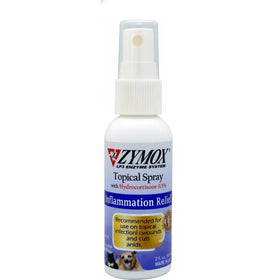
Does dog size and activity change the best food choice?
Size and activity can change both the formula and the amount you serve. Small dogs may benefit from a kibble size they can comfortably pick up and chew. Large dogs may do better with a formula designed for their size and a portion plan that prevents excess weight. The label's calorie statement helps you compare energy density, while your dog's body condition tells you whether the daily amount is working.
Small breed considerations
Small dogs have smaller stomach capacity, and some are selective eaters. A small-breed formula may offer appropriately sized pieces and a calorie density that supports their needs in a manageable portion. Avoid free-pouring food into the bowl. Small errors in portion size can add up quickly for a little dog.
Large and giant breed considerations
Large and giant dogs need a careful balance between calories, growth rate, and body condition. Growing large breeds should receive a diet intended for large-breed growth when recommended, because adult weight and skeletal development take longer than they do for many small dogs. Overfeeding is a concern even when the food itself is appropriate.
For large and giant breed nutrition, VCA's veterinary nutrition overview discusses controlled growth, body condition, calcium and phosphorus, calories, and activity. Use this information as general education, then rely on your veterinarian for your dog's individual plan.
Active, working, and athletic dogs
An active dog may burn more energy than a companion dog, but activity is not a license to feed unlimited amounts. Training treats, chews, table scraps, and toppers count toward daily intake. Weigh your dog regularly and adjust portions gradually if body condition changes.
Explore Trusted Dog Health Essentials
What ingredients should you look for?
Ingredient lists are useful for identifying protein sources, grains, fats, fibers, and ingredients your dog has previously tolerated or not tolerated. They are not a simple quality ranking. The first ingredient does not, by itself, prove that a food is nutritionally complete, safer, or better for your particular dog.
Look beyond the first ingredient
Consider the whole formula and its nutritional adequacy statement. A named animal protein may be useful information, but a balanced food also needs appropriate fats, carbohydrates, vitamins, minerals, and other nutrients. Compare the guaranteed analysis and calories alongside the ingredient list rather than treating one line as the final answer.
Be careful with marketing language
Words such as natural, premium, holistic, ancestral, or human grade can mean different things in different contexts. They may describe an ingredient or positioning, but they do not replace the nutritional adequacy statement. AAFCO notes that pet food labels include required, optional, and prohibited information, so read the smaller print as carefully as the front panel.
Grain-free is not automatically better
Grain-free and grain-inclusive foods can both be appropriate depending on the formula and the dog. Dogs do not need a grain-free label simply because it sounds more natural. If you are considering a grain-free or unusual diet because of itching, vomiting, diarrhea, or another health concern, speak with your veterinarian before making the change.
Raw, fresh, wet, and dry formats
Food format is a practical decision involving nutrition, storage, cost, palatability, dental comfort, and household routine. Dry food is easy to measure and store. Wet food can help with moisture intake and may be appealing to selective eaters. Fresh or raw products require extra attention to handling, storage, and complete-diet claims. The format matters less than whether the product is appropriate, complete and balanced for its intended use, and safe to serve.
North Carolina State University's veterinary hospital recommends starting with your veterinarian and evaluating the AAFCO statement, the company behind the food, life-stage fit, and transition plan. Its pet food evaluation guide is a useful reference for that process.
How much should you feed your dog?
Use the label's starting recommendation, but treat it as a starting point rather than a guarantee. The correct amount depends on the dog's weight, age, activity, metabolism, reproductive status, treats, and body condition.
- Measure food with a consistent measuring cup or kitchen scale.
- Divide the daily amount into the schedule that suits your dog and household.
- Count treats, chews, toppers, and supplements as part of the overall intake.
- Monitor ribs, waist, abdominal tuck, muscle, energy, stool quality, and weight trends.
- Adjust gradually when your dog is gaining or losing weight, and ask your veterinarian if the change is unexplained.
Free-choice feeding can make it harder to notice how much a dog is eating. Scheduled portions also make it easier to spot a reduced appetite, sudden increase in hunger, or other change that deserves attention.
What is the safest way to change dog food?
A gradual transition is usually easier on the digestive system than an abrupt switch. Over about seven days, begin with mostly the current food and a small amount of the new food. Increase the new food in stages while decreasing the old food if your dog is comfortable.
- Days 1 and 2: serve about 75 percent current food and 25 percent new food.
- Days 3 and 4: serve about half current food and half new food.
- Days 5 and 6: serve about 25 percent current food and 75 percent new food.
- Day 7: serve the new food if stool, appetite, and comfort remain normal.
Some dogs need a slower transition. If your dog develops repeated vomiting, significant diarrhea, marked lethargy, refuses food, or shows other concerning signs, stop treating the change as a normal adjustment and contact your veterinarian. Dogs with diagnosed conditions may need a specific transition schedule or therapeutic diet.
When should a veterinarian help choose the diet?
Do not use a general best-food list to self-treat a medical problem. A food marketed for skin, joints, digestion, or weight may not address the actual cause of a dog's signs. Your veterinarian can help distinguish a normal preference from a problem requiring testing, a therapeutic diet, or another treatment.
For condition-specific education, the Hooves and Paws sensitive stomach dog food guide covers a narrower digestive selection topic, while the dog skin allergies guide focuses on allergy signs and veterinary care. Those topics should not be confused with choosing a general everyday food.
How can you make a practical shopping decision?
Once you have checked the adequacy statement and matched the life stage, narrow the choice using the factors that matter for your dog and your routine.
- Write down the job the food must do. Is it for growth, adult maintenance, weight management, high activity, easier chewing, or a veterinarian-directed need?
- Compare calories per serving. This helps prevent accidental overfeeding when switching between brands or formats.
- Check the package size and storage routine. Choose a size you can keep fresh and handle safely.
- Review the ingredient list for known tolerances. Avoid ingredients your veterinarian has identified as a problem, but do not infer an allergy from marketing language alone.
- Plan the transition. Keep enough of the current food for a gradual change instead of switching because the new bag arrived.
- Track the result. Note appetite, stool, skin, energy, weight, and willingness to eat over the next few weeks.
Hooves and Paws has served horse, dog, and cat owners since 1994 and curates supplies with a focus on practical care and personal service. Browse the Dog Health Essentials collection for related dog wellness products, and read product information and reviews before adding anything to your routine.
Shop Dog Health Essentials Today
Frequently Asked Questions
What is the best dog food for every dog?
There is no single food that is best for every dog. Choose a complete and balanced formula that matches your dog's life stage, size, activity, health needs, and tolerance, then adjust portions based on body condition.
How do I know if dog food is complete and balanced?
Look for the nutritional adequacy statement on the package. It should identify the life stage or intended use and state that the food is complete and balanced, generally through an AAFCO nutrient profile or feeding trial language.
Is the first ingredient the most important part of dog food?
The first ingredient provides useful information, but it does not determine the quality or adequacy of the entire diet. Evaluate the full ingredient list, nutritional adequacy statement, calories, guaranteed analysis, and life-stage fit together.
Should puppies eat puppy food?
Most puppies need a food intended for growth, and large or giant breed puppies may need a formula specifically designed for their growth pattern. Ask your veterinarian when to transition to adult maintenance food and how much to feed.
Is grain-free dog food better?
Not automatically. Grain-free is a format or ingredient choice, not a universal quality marker. Choose based on complete nutrition and your dog's needs, and consult your veterinarian before changing the diet for allergy or health concerns.
How long should it take to switch dog food?
A gradual transition over about seven days works for many dogs, but some need more time. Slow down or contact your veterinarian if your dog develops repeated vomiting, significant diarrhea, refuses food, or shows other concerning signs.
Can I add supplements to a complete dog food?
Do not add vitamins, minerals, or other supplements automatically. A complete food is designed to provide the required nutrients for its intended use, and extra ingredients can be unnecessary or harmful. Ask your veterinarian before adding a supplement.
When should I ask a veterinarian about dog food?
Ask a veterinarian when your dog has persistent digestive signs, unexplained weight change, poor growth, food refusal, a diagnosed condition, pregnancy, nursing, or a suspected food allergy. A general buying guide should not replace an individualized diet plan.


