

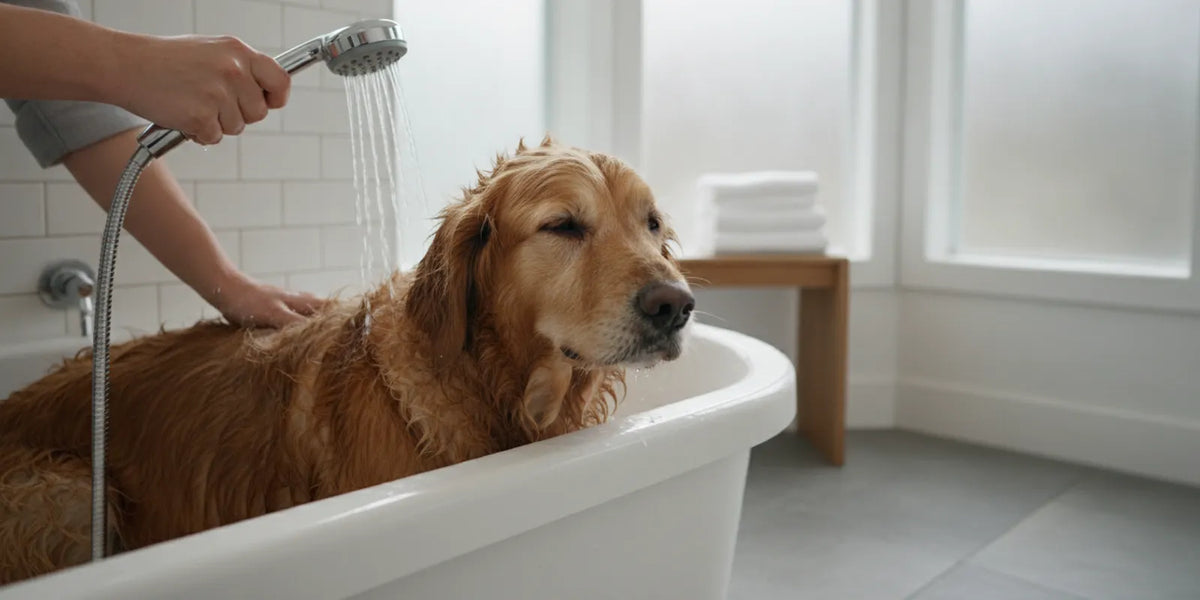
The best dog shampoo is one that suits your dog’s coat and bathing needs, cleans without leaving irritating residue, and is used as directed. A pleasant scent or a promise to solve every skin problem is not enough. Start with your dog’s coat, any known sensitivities, and the reason for the bath, then check the label before you buy.
What Makes a Dog Shampoo the Best Choice?
Choose a shampoo made for dogs, with directions that fit your dog’s coat and bathing needs. If your dog has ongoing itching, redness, sores, odor, or unusual hair loss, ask a veterinarian instead of trying to treat the problem with a new shampoo.
There is no single best dog shampoo for every dog. A short-coated dog who gets dusty on walks may need a simple rinse-off cleanser now and then. A dog with a dense, long, curly, or double coat may need a formula that is easy to work through and rinse completely. A dog with a diagnosed skin condition may need a product selected by a veterinarian.
Think of shampoo as one part of the grooming routine, not a cure-all. It can help remove dirt and ordinary coat buildup when used correctly. It cannot identify the reason a dog is scratching, and a fragrance or specialty ingredient does not prove a product is right for a particular animal.
Before shopping, answer three questions:
- Why does the dog need a bath? Routine dirt, a muddy outing, and a veterinarian-directed skin-care plan call for different decisions.
- What is the coat like? Coat length, density, texture, and tangles affect how easily shampoo spreads and rinses.
- Has the dog reacted to products before? If so, avoid guessing. Review the ingredient list and ask a veterinarian what to use.
Which Shampoo Type Fits Your Dog?
Product labels often describe shampoos by their intended use. Read those descriptions as a starting point, not a guarantee. The table below compares common categories and the questions to ask before choosing one.
| Shampoo type | May suit | Check before buying | Use extra care when |
|---|---|---|---|
| General dog shampoo | Routine bathing when the dog has no special care needs | That it is labeled for dogs and gives clear directions | Your dog has a history of irritation or is currently uncomfortable |
| Coat-focused shampoo | A coat that is long, dense, curly, or prone to tangles | Whether the directions address the coat type and rinsing | The coat mats easily or the product makes it hard to rinse fully |
| Fragrance-free or sensitive-skin formula | Owners looking to minimize fragrance or simplify ingredients | The full label and whether a veterinarian recommends it | There is persistent itching, redness, flaking, or a recurring odor |
| Medicated shampoo | A specific care plan recommended by a veterinarian | Active ingredients, contact time, frequency, and instructions | Always follow veterinary directions; do not substitute it for a diagnosis |
| Conditioning or detangling wash | Some coats that need additional grooming support | Whether it is a shampoo, a separate conditioner, or a combined product | Residue remains, or the coat becomes difficult to rinse and dry |
Use this comparison to narrow the options, then read the bottle itself. The product should clearly state that it is for dogs. Do not assume that a product made for people, horses, or another animal is interchangeable. Coat and skin needs differ, and a familiar ingredient name does not tell you whether the whole formula or its directions are suitable for your dog.
Match the choice to the coat, not just the breed name
Dogs of the same breed can still have different coat condition, grooming tolerance, and individual sensitivities. Consider what you see and feel: is the coat short or long, fine or dense, easily tangled, or carrying ordinary dirt from outdoor activity? A long or thick coat may take more time to wet and rinse than a short coat. Allow enough time for a thorough rinse instead of trying to save time with extra shampoo or a stronger formula.
If the coat is tangled, address the grooming issue separately from shampoo selection. Shampoo is not a replacement for brushing, and working through knots while the coat is wet may be uncomfortable. Use appropriate grooming tools gently, and ask a professional groomer or veterinarian for help when tangles are close to the skin, painful, or difficult to remove.
For example, a dog who comes home dusty after a walk and has no skin concerns may only need an ordinary dog shampoo when a bath is due. A dog whose coat mats easily may need a bathing plan that includes careful brushing and enough time to rinse. A dog who scratches night after night needs more than a new scent or a trial-and-error rotation of shampoos. In that case, contact a veterinarian to work out the next step.
Shop This Post

Featured in this article
Zymox Otic Pet Ear Care with 0.5% Hydrocortisone - Enzymatic Ear Solution for Dogs & Cats - 1.25 oz
$22.49
Shop Now →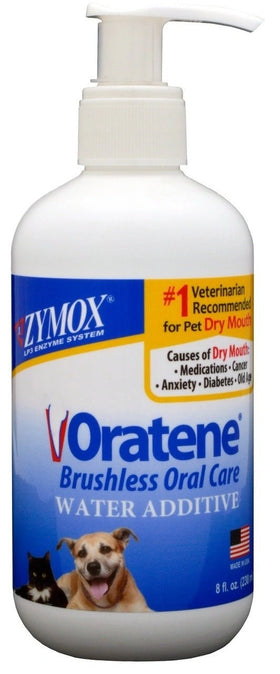
How Do You Read a Dog Shampoo Label?
Confirm the product is intended for dogs, read the directions and cautions, check the ingredient list, and make sure you can follow the rinse and use instructions. Ask your veterinarian about medicated products or recurring skin concerns.
Marketing words such as “natural,” “gentle,” or “premium” are not a substitute for checking the package. Look for a clear intended use, complete directions, warnings, and information about how to apply and rinse the shampoo. If the label is unclear or the product makes a medical-sounding promise, pause and ask a veterinary professional before using it.
Look for a clear purpose
A shampoo may be intended for ordinary cleaning, coat manageability, or a particular veterinary care plan. Choose a product for the job you actually have. Do not buy a medicated formula just because your dog is itchy, and do not expect a routine shampoo to resolve a skin problem that has not been assessed.
Check directions and cautions
Follow the product’s stated amount, application steps, and rinse instructions. If directions specify avoiding the eyes or face, take that seriously. Keep shampoo away from areas the label says to avoid, and do not leave a product on the coat for a longer period just to make it seem more effective. For medicated shampoo, ask the veterinarian who recommended it how often to use it and whether there is a required contact time.
Review ingredients with your dog in mind
Keep a note of products your dog has used without a problem and any products followed by irritation. If a reaction has happened before, show the ingredient list to your veterinarian. Do not rely on a short front-label claim to rule out a sensitivity. When you are unsure about an ingredient, seek professional guidance rather than testing several new products in quick succession.
Compare products by practical details
When two dog shampoos seem similar, compare the details that affect whether you can use them correctly. Check whether the product is for routine cleaning or a specialized purpose, how it is applied, whether it needs a separate conditioner, and what the label says about rinsing. Consider the amount of coat you need to cover and whether you can comfortably hold and rinse the dog during the bath. A bottle that sounds appealing but has directions you cannot follow is not a good fit.
Also think about the next bath, not only the first one. If a dog dislikes a long grooming session, a simple routine with supplies ready and a clear rinse plan may be easier to manage than adding several products. If a formula is recommended by a veterinarian, use it according to that plan instead of comparing it on scent or marketing claims. Keep the package so you can refer to the exact directions.
Make Bath Time Easier With a Simple Setup
A calmer bath often starts before the water runs. Gather towels, a non-slip surface, a brush suited to the coat, and the shampoo you have chosen. Check that the water is comfortable, keep the room secure, and plan where the dog will wait while you reach for supplies. A rushed bath can make it harder to apply and rinse shampoo thoroughly.
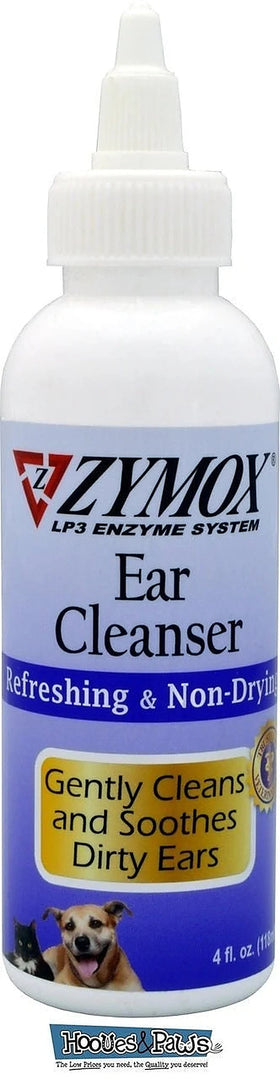
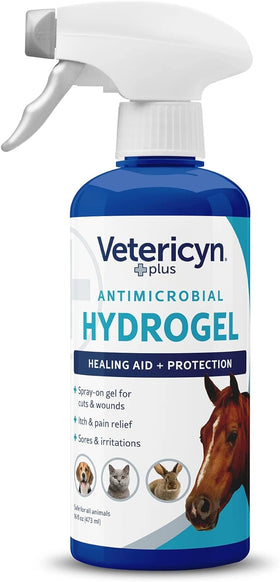
Product choice still comes first. If you are shopping for a shampoo and cannot find a dog-specific option that clearly fits your needs, do not substitute an unrelated grooming or pet product. Ask your veterinarian for direction, and check the product details before ordering. You can browse the retailer’s online store for pet supplies, but confirm an item’s purpose and label rather than assuming it is a shampoo.
Set up the bath in a helpful order
Place the towel and shampoo where you can reach them without leaving the dog unattended. If you use a tub or bathing station, check the footing and make sure the dog cannot slip when turning around. Decide beforehand how you will wet and rinse the underside and legs, since these areas can be easy to miss. If a second person is helping, agree on who holds the dog and who handles the shampoo so the dog is not startled by competing movements.
For a dog that is uncertain about baths, let the dog investigate the space before starting. Keep the first steps predictable, use a calm voice, and pause if the dog is struggling. Do not force a difficult bath when the dog may hurt itself or you. A groomer or veterinarian can suggest a safer approach when handling is a challenge, or when coat condition makes a home bath impractical.
How Should You Bathe a Dog With Shampoo?
Use the instructions on the shampoo bottle as the authority for that product. The following routine is a practical checklist for an ordinary bath, not a treatment plan for a skin condition.
- Brush first when the coat allows it. Loosen surface dirt and check for tangles. Do not pull at mats or painful areas; ask a groomer or veterinarian for help if brushing causes discomfort.
- Prepare the space. Place the supplies within reach and use a stable, non-slip bathing area. Keep the dog secure without forcing a stressful position.
- Wet the coat gently. Use comfortable water and avoid spraying directly into the eyes, nose, or ears.
- Apply the labeled amount. Work the shampoo through the coat as directed. Be gentle around the face and sensitive areas, and follow any label cautions.
- Rinse thoroughly. Take time to remove shampoo from the coat. If the label calls for a particular rinse or repeat step, follow it.
- Dry and observe. Towel-dry without rough rubbing, then let the dog finish drying in a comfortable place. Watch for signs of discomfort or a new reaction.
Do not bathe more often than needed simply because a product smells pleasant. Your dog’s lifestyle, coat, and veterinary advice should guide the routine. If baths repeatedly leave the coat or skin looking or feeling worse, stop using the product and ask a veterinarian for help deciding what to change.
After the bath, check the coat and routine
Once the dog is dry enough to handle comfortably, look over the coat for areas that still feel soapy, tangled, or damp. If you find residue, do not add more product; rinse again when appropriate and follow the label. Drying needs differ with coat length and density, so allow extra time for a thick coat and avoid leaving the dog chilled or uncomfortable. Use a towel gently, especially if the skin is already sensitive.
Make a brief note of the product and how the dog responded. Record whether the coat rinsed easily, whether the dog tolerated the process, and whether any new redness or discomfort appeared afterward. This simple record can help you avoid repeating an unsuitable product and give your veterinarian useful details if concerns arise. Do not assume that a pleasant-smelling coat means a skin issue is resolved.
When Is Shampoo the Wrong First Step?
A shampoo aisle cannot diagnose a skin problem. Persistent or worsening signs deserve veterinary attention, especially before using a medicated product or combining several treatments.
Itching can have many possible causes, and the right response depends on what is behind it. Repeated scratching, redness, sores, a strong or recurring odor, unusual flakes, or areas of hair loss are reasons to contact a veterinarian. Seek professional advice if a problem returns after bathing or seems to be spreading. The American Veterinary Medical Association is a professional veterinary resource; a veterinarian who knows your dog can advise on symptoms and appropriate care.
Do not try to cover an odor with perfume or use a stronger wash to scrub a sore area. Avoid combining medicated shampoos, sprays, topical products, or home remedies unless a veterinarian has confirmed that the combination is appropriate. If your dog seems acutely unwell or the skin problem is severe, contact a veterinary clinic promptly.
When you call, be ready to describe when the signs started, where they appear, how often the dog is bathed, and what products have been used. Keep the bottle or a photo of its label available. That information can help the veterinarian give advice specific to your dog rather than relying on a guess based on a product category.
What details should you track?
Separate what you have observed from what you suspect. Note the locations of skin changes, how often the dog scratches or licks, whether the signs began before or after a bath, and whether a new product or routine was introduced. Include the bathing frequency and any other topical products. Photos taken over time may help you describe whether an area is changing, but they do not replace an examination or diagnosis.
If there is no urgent concern, this information can make a routine veterinary conversation more productive. If signs are severe, spreading, or accompanied by a change in your dog’s general condition, do not wait to see whether a different shampoo helps. Let a veterinary professional decide whether bathing is appropriate and which product, if any, belongs in the care plan.
A Practical Dog Shampoo Shopping Checklist
Before adding a bottle to your cart, run through this short checklist:
- Does the package clearly say it is intended for dogs?
- Does the stated purpose match your dog’s ordinary grooming need or veterinary instructions?
- Can you read and follow the application, rinse, and caution directions?
- Have you checked the ingredient list against any known sensitivities or prior reactions?
- If the shampoo is medicated, has a veterinarian recommended it and explained its use?
- Are you buying it to clean the coat, rather than hoping it will diagnose or cure persistent symptoms?
- Do you have time and a suitable setup to rinse and dry the dog calmly?
If a product does not pass these checks, keep looking or ask a professional before using it. A simple, appropriate choice and careful use matter more than an elaborate list of claims.
Frequently Asked Questions
Can I use human shampoo on my dog?
Choose a shampoo labeled for dogs rather than assuming a human product is suitable. If you already used another product and your dog is uncomfortable, rinse as appropriate and contact a veterinarian for advice.
How often should I bathe my dog?
There is no one schedule for every dog. Coat, lifestyle, and individual needs vary. Follow veterinary guidance when your dog has a skin concern, and avoid bathing more often than necessary just to maintain a fragrance.
Is fragrance-free shampoo always the best choice?
Not necessarily. A fragrance-free formula may be one option for an owner seeking to avoid added scent, but it is not a guarantee that a product will suit every dog. Check the label and ask your veterinarian if your dog has a history of sensitivities.
Should I use medicated shampoo for itching?
Do not choose a medicated shampoo based on itching alone. Itching can have different causes, so ask a veterinarian whether an exam or a specific product is appropriate. Follow the recommended directions if a medicated wash is prescribed or advised.
What should I do if my dog reacts after a bath?
Stop using the product and contact your veterinarian for advice, especially if irritation is significant, getting worse, or accompanied by other concerning signs. Keep the product label so you can share its ingredients and directions.
Can a dog shampoo remove every odor?
A bath may remove ordinary dirt, but a persistent or recurring odor can have a cause that shampoo alone will not address. Ask a veterinarian if the smell continues, returns quickly, or comes with itching or skin changes.
The best dog shampoo is a dog-specific product that fits the coat and the reason for bathing, with directions you can follow carefully. When symptoms persist or you are unsure what your dog needs, get veterinary guidance before trying another formula.


