


Updated November 6, 2026
The best hoof hardener for your horse is the one made for its problem. Cross-linking liquids such as Keratex target weak, brittle or cracked walls, iodine-based Durasole targets thin, tender soles, Hawthorne Hoof Freeze is applied before hard work, and Leovet Hoof Lab uses plant-based ingredients. Apply any of them to a clean, dry hoof exactly as labeled.
Quick picks
We don't currently stock the four hardeners compared below, so these quick picks are the hoof-care products we do carry that a hardener routine depends on.
| Product | Best for | Why |
|---|---|---|
| Professional's Choice Coated Steel Hoof Pick | Picking out the hoof before every application | Coated steel pick with a plastic-coated grip |
| Shires EZI-Groom Hoof Brush and Pick | Scrubbing the wall and sole clean before a hardener goes on | Metal pick and stiff nylon bristles in one tool |
| Vetericyn Mobility Hoof Care | Thrush or white line separation rather than soft horn | Labeled for thrush, white line separation and seedy toe, with a blue dye that shows where you've treated |
| Toklat Simple Hoof Boot | Barefoot horses on rough ground while their feet toughen | TPU outsole and leather upper, in Regular and Slim sole profiles |
| Weaver Leather Horse Grooming Kit | Keeping a pick and brushes together at the barn | Seven-piece set with a hoof pick, in a mesh-bottom tote |
Have you ever wondered how a simple liquid can make a horse’s hoof so much tougher? It’s not magic—it’s chemistry. Many hoof hardeners for horses work by penetrating the outer hoof layers to reinforce its natural structure. A cross-linking formula such as Keratex, its maker says, cross-links the keratins and proteins inside the hoof to strengthen the horn. Instead of just coating the surface, it changes the horn itself. Understanding this process is key to seeing why it’s such an effective tool for managing common hoof problems.
Key Takeaways
- Pinpoint the problem before you buy: Different hoof hardeners solve different issues. Determine if you need to strengthen brittle walls, protect thin soles, or prevent cracks, then select a product specifically formulated for that job.
- Prep the hoof for proper absorption: For the hardener to work effectively, always apply it to a completely clean and dry hoof. Follow the label on where to apply it: most wall hardeners go on the hoof wall and sole and must be kept off the coronary band, and some are kept off the frog too.
- Think beyond the product: Your horse's environment and activity level play a huge role in hoof health. A quality hardener should support their lifestyle, whether they live in a wet climate or work on challenging terrain.
What Do Hoof Hardeners for Horses Actually Do?
If you're dealing with frustrating hoof issues, a hoof hardener might be exactly what your horse needs. Think of it as a strengthening treatment applied directly to the hoof. It’s a specially formulated liquid designed to toughen the hoof wall or sole, depending on the product, making them more resilient to daily wear and tear. For horses with weak, worn, or cracked hooves, a well-chosen hardener can help. It’s not just a cosmetic fix; it’s a way to build a healthier, more durable hoof from the outside in, providing the support your horse needs to stay sound and comfortable.
How Do Hoof Hardeners Work?
So, how does a simple liquid make a hoof so much stronger? It’s all about chemistry. It depends on the formula. Keratex Hoof Hardener, for example, is described by its maker as cross-linking the keratins and proteins within the internal structures of the hoof. Durasole, a sole hardener, is described as swelling and thickening the cell membranes of the exfoliating sole. Leovet Hoof Lab uses tannins from oak bark and horse chestnut, which its maker says bind to keratin. Read the label to see which approach a product takes.
Does Your Horse Need a Hoof Hardener?
Not sure if a hoof hardener is right for your horse? There are a few clear signs to look for. The most obvious indicators are brittle hooves that crack or chip easily. You might also notice that your horse’s soles are soft or sensitive, or that they frequently lose shoes. These problems often point to a weak hoof structure that could use extra support. Environmental changes, like moving from a wet to a dry climate, can also take a toll on hoof health. If you’re seeing any of these issues, talk to your farrier about whether a hoof hardener belongs in your care routine.
Why Use a Hoof Hardener?
Think of a hoof hardener as a strength-training program for your horse's feet. It’s not just a cosmetic fix; it’s a tool that works on a deeper level to build resilience from the inside out. By improving the hoof's internal structure, a quality hardener provides a solid foundation for overall hoof health. This proactive approach can help with common issues before they become serious problems. Many common hoof problems, from chipping and cracking to soft, tender soles, stem from a lack of structural integrity. A hoof hardener directly targets this by reinforcing the very fibers of the hoof wall and sole. Whether your horse is transitioning to barefoot, lives in a particularly wet climate, or just has naturally weaker hooves, a hardener can provide the support they need. Paired with good farrier care and nutrition, it’s one useful tool for tougher hooves.
Build Stronger, More Resilient Hooves
If you’re tired of dealing with hooves that chip and crumble, a hoof hardener can help. Cross-linking formulas work on the horn itself: instead of just coating the surface, products like Keratex Hoof Hardener strengthen the keratin proteins that make up the hoof wall. The aim is a more durable hoof that better withstands daily wear and tear while healthier horn grows down.
Stop Cracks and Chips Before They Start
Cracks and chips aren't just unsightly; they can compromise the entire hoof capsule and lead to bigger problems. A stronger hoof wall is your best defense. Hoof hardeners create a more durable surface that resists splitting and breaking, which is especially important for horses working on tough terrain. By reinforcing the hoof wall, these products can also help with lost shoes, a common frustration that disrupts your riding schedule. Keratex’s label, for example, says it prevents cracks and hoof breakage so that shoes stay on tight. A crack that is already there still has to grow out with the hoof, so ask your farrier about any crack that is deep or spreading.
Guard Hooves Against Moisture Damage
Constant exposure to wet, muddy conditions can wreak havoc on hooves, causing them to become soft and weak. Some hoof hardeners help here by limiting how much moisture the horn takes in. Keratex says its hardener keeps working whatever the weather and field conditions, and its label says it leaves no surface coating, so the foot can still breathe. For hooves that cycle between wet and dry, Keratex’s advice page suggests pairing the hardener with its Hoof Gel to keep excess water out. Wet, dirty conditions also favor thrush and white line problems, which is why some sole products, such as Durasole and Hawthorne Hoof Freeze, are also labeled for thrush and white line disease.
Provide Relief for Thin or Sensitive Soles
A horse with thin or sensitive soles can be uncomfortable and hesitant to move, especially on rocky or uneven ground. Hoof hardeners are excellent for providing extra support and protection in this area. By toughening the sole, the product creates a more durable barrier between the sensitive inner structures of the foot and the ground. This added resilience can help reduce soreness, so your horse moves more comfortably. Durasole’s maker, for example, says it creates a tough, living pad and is used on horses transitioning from shod to barefoot. Keratex’s label also lists soft soles prone to bruising among its uses and directs applying it to the sole.
Beyond the Bottle: Supporting Hoof Health from the Inside Out
A hoof hardener is a useful tool, but it's only one part of the puzzle. True, lasting hoof health comes from a combination of external care and internal support. Think of it like building a house—you need a strong foundation before you can worry about the paint. For your horse, that foundation is their diet and overall wellness. As a family horse business since 1994, we have seen that the healthiest animals are cared for from the inside out. By pairing a quality hoof hardener with a diet that provides all the essential building blocks, you’re setting your horse up for success from the ground up.
This comprehensive approach ensures that you're not just masking symptoms but addressing the root cause of poor hoof quality. Weak, brittle hooves are often a sign that something is missing internally. While a hardener provides immediate reinforcement and protection, proper nutrition works behind the scenes to grow a stronger, more resilient hoof over time. It’s a long-term strategy. Combining good external care with a focus on internal health gives your horse the best chance of strong, healthy hooves.
Nutritional Support for Hoof Health
So, where do you start with building hoof health from within? It all begins with what’s in your horse’s feed bucket. Nutrition is a major factor in growing strong, healthy hooves. Hoof horn grows slowly, so the hoof wall your horse has today grew over many months, which is why consistency is so important. A balanced diet provides the essential proteins, vitamins, and minerals that act as the raw materials for hoof growth. A topical product can protect the horn you have, but it can’t make up for a poor diet.
The Role of a Forage-Based Diet
The foundation of any good equine diet is high-quality forage. A diet based primarily on hay or pasture is essential not just for hoof health, but for your horse's entire system. Forage provides the fiber necessary to maintain a healthy digestive tract, which is critical for absorbing all the nutrients from their feed. Ask your veterinarian or an equine nutritionist to look over your horse’s whole ration, including hay or pasture, before you add anything for the feet.
Key Vitamins and Minerals for Strong Hooves
While a forage-based diet is the starting point, some horses may need extra support. Hoof supplements commonly feature biotin, a B-vitamin, along with the amino acid methionine and minerals such as zinc. Farnam, for example, sells its Horseshoer’s Secret hoof supplement with biotin. Whether your horse needs one, and how much to feed, is a question for your vet or nutritionist and the product label.
Shop This Post

Featured in this article
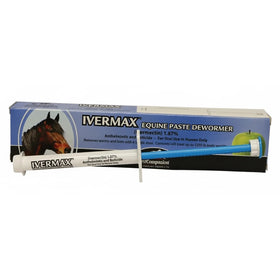
Durvet Ivermectin 1.87% Paste Apple Flavored Horse Wormer - Single Dose Broad Spectrum Dewormer for Bots and Strongyles
$21.99
Shop Now →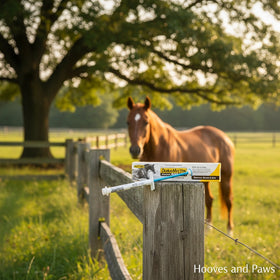
Our Top Picks for Hoof Hardeners
A Closer Look at Four Approaches
When your horse is dealing with cracked, brittle hooves, finding the right solution is a top priority. With so many options out there, it can be tough to know which one to trust. That's where we come in. Below are four hoof hardeners with very different approaches, each described from its maker’s own product page or label so you can compare like with like. We don’t currently stock these hardeners, so treat this as a buyer’s guide rather than a shopping list.
Keratex: For Seriously Strong Hooves
Keratex Hoof Hardener works, according to its maker, by cross-linking the keratins and proteins inside the hoof wall, essentially strengthening the hoof from the inside out. Keratex says its formula includes a flexibility agent as well as a hardening agent, so it hardens the hoof without making it brittle. The maker lists brittle, cracked, soft or weak hooves, thin soles, repeated shoe loss and the transition to barefoot among its uses. Keratex says a patent was granted for the formula and that it keeps working whatever the weather and field conditions. Directions: daily for one week, then twice weekly, on the lower half of the hoof and the sole, avoiding the coronary band and frog.
Professional Endorsements and Awards
Keratex says its hoof hardener is recommended by vets and farriers worldwide and that it has been voted Product of the Year and Editor’s Choice on several occasions by Horse Journal. Those are the maker’s claims; your own farrier’s opinion of your horse’s feet is the one that counts most.
Patented Formula and Key Features
Unlike products that simply coat the hoof, Keratex says this hardener absorbs into the horn to work from the inside out. It functions by cross-linking the keratin and protein molecules within the hoof’s internal structures, which builds genuine strength and resilience. The maker says it will not come off in the field and keeps working whatever the weather. Its label warns that it causes severe skin burns and eye damage, so wear gloves, protective clothing and eye protection and read the handling instructions before use. Our Keratex Hoof Hardener guide covers the application routine and label warnings in detail.
Durasole: The Go-To for Tender Soles
If your horse has sore, thin, or bruised soles, Durasole is worth a look. It’s formulated to target the sole and frog rather than the hoof wall. Its maker says it works by swelling and thickening the cell membranes of the exfoliating sole, creating a tough, living pad, and that it is ideal to alleviate sole soreness. The maker also says it is widely used on horses that work in hostile environments and on horses transitioning from shod to barefoot. It comes in a 4 oz squeeze bottle.
Additional Uses for Thrush and White Line Disease
Durasole’s maker also says it is effective in the control of thrush and white line disease when aerobic conditions are established and maintained at the infection site. In plain terms, the infected area has to be cleaned out and kept open to the air for it to work. Thrush or white line disease that keeps coming back, or that reaches sensitive tissue, needs your vet or farrier.
Iodine-Based Formula and Ingredients
Durasole is described by its maker as an iodine-based preparation that does not contain copper naphthenate or essential oils. The maker says it does not affect the proximal sensitive sole and can be used for extended periods without drying out the foot. The product page does not give a detailed schedule, so follow the directions on the bottle.
Hawthorne Hoof Freeze: For Pre-Workout Hardening
For performance horses or those with particularly tender feet, Hawthorne’s Hoof Freeze Hoof Hardener (its directions also call it Sole Freeze) is designed to be used ahead of hard work. Its maker says it aids in preventing and treating pain and soreness in horses’ hooves, particularly tender-footed horses, and that it should be applied prior to races, competitions or strenuous workouts. For a tender-footed horse, the directions say to stand the horse in a dry area, clean the hoof, and apply to the sole every 15 to 20 minutes, starting at least two hours before the work. The maker says it also combats thrush and white line disease.
Important Safety and Purchasing Information
When using a strong product like Hoof Freeze, proper application is critical for safety. Hawthorne says not to apply the product on or above the coronary band, the area where the hoof meets the leg and where new hoof grows. If it gets there, the maker says to clean it off thoroughly with soap and water and rub in petroleum jelly or a soothing lotion to prevent irritation. Hawthorne also cautions against over-hardening the hoof, which it says can encourage bruising and abscessing.
Leovet Hoof Lab Hoof Hardener: A Plant-Based Option
If you’re looking for a hardener built on plant ingredients, Leovet’s Hoof Lab Hoof Hardener, sold in the US through Toklat in a 200 ml size, takes a different approach. Leovet says it strengthens the hoof wall and sole and secures a firm seat for the shoe, and it names barefoot horses among its ideal uses. The maker states it does not contain glutaraldehyde. Its listed ingredients include biotin, coconut, linseed and sunflower oils, horse chestnut, oak bark tannin and wintergreen oil, with the tannins described as binding to keratin to harden the hoof. Note that the Toklat listing carries a California Proposition 65 warning, so read the label before use.
Ideal for Specific Hoof Issues
Leovet describes the hardener as ideal for horses with chipped and brittle hooves, low heels and separating hoof walls, as well as barefoot horses. The maker says it protects against hoof decay and makes the hoof significantly more durable. Neither the Leovet nor the Toklat page lists a schedule, so follow the directions on the bottle, and ask your farrier about separating walls or low heels, which usually need trimming and shoeing changes as well.
What to Look for in a Hoof Hardener
Choosing the right hoof hardener can feel overwhelming with so many options on the shelf. But it doesn't have to be complicated. By looking at a few key factors, you can confidently pick the best product to support your horse's specific needs. It’s all about comparing the ingredients, understanding the formula, considering the application process, and finding the best value for your budget.
Decoding the Ingredient List
When you’re comparing products, the ingredient list is your best friend. Some hardeners simply strengthen the hoof wall, while others offer more complex benefits. For example, Keratex says its hoof hardener contains both a hardening agent and a flexibility agent, so it strengthens brittle, weak hooves without making them rigid. Leovet takes a plant-based route with tannins and oils and says it contains no glutaraldehyde. Durasole is iodine-based. Knowing which approach you want narrows the field quickly.
Liquid, Gel, or Cream: Which Is Best?
Not all hoof hardeners are created equal, and their formulations are often designed for specific issues. Some are all-purpose, while others target a particular part of the hoof. For instance, Durasole Sole Hardener is formulated specifically to toughen up the sole of the hoof. Its maker describes it as iodine-based and says it thickens the exfoliating sole into a tough, living pad, which suits horses with thin or sensitive soles. Understanding whether you need an all-over treatment or a targeted solution for the sole, frog, or hoof wall will help you narrow down your options and find the perfect match for your horse.
Factor in Application and Drying Time
Let’s be practical: you need a product that fits into your routine. The application process and drying time are big factors to consider. Some formulas can be messy or require your horse to stand still for a long time, which isn't always easy. Keratex, for example, is brushed onto a clean hoof, and its maker’s advice page says horses can be more comfortable in a matter of days. Hawthorne Hoof Freeze, by contrast, is applied repeatedly over a couple of hours before work. Look for a hardener that offers a straightforward application so you can get the job done quickly and effectively.
Price vs. Performance: Finding the Best Value
While you want the best for your horse, budget is always a consideration. When comparing prices, think about value, not just the sticker price. A small, inexpensive bottle might seem like a good deal, but you might need to use more of it, more often. Compare bottle sizes (Durasole comes in 4 oz, Leovet in 200 ml and Keratex in 250 ml) against how much you’ll use on your schedule. Consider the cost per application and how long a bottle will last. This will help you make a smart investment in your horse’s hoof health without overspending.
How to Choose the Right Hoof Hardener for Your Horse
Walking into a tack shop or browsing online can feel overwhelming with so many hoof hardeners on the shelves. How do you know which one is right for your horse? The secret isn't finding a single "best" product, but finding the best product for your horse's unique situation. By looking at a few key factors, you can confidently pick a hardener that will deliver real results. Let's walk through how to match a product to your horse's specific hoof problem, environment, and daily activities.
Match the Hardener to the Hoof Problem
Before you buy, take a close look at your horse’s hooves. Are the walls brittle and cracking? Are the soles soft and sensitive? Different hardeners are formulated for different issues. For instance, a product like Keratex Hoof Hardener is designed to strengthen brittle, cracked, soft or weak hooves by cross-linking the proteins in the horn. If your horse has thin soles, you might look for a sole-specific hardener. Understanding the root cause is the first step to finding an effective solution. If you're unsure, your farrier is an excellent resource for identifying what your horse’s hooves need.
Does Your Climate Affect Hoof Health?
Where your horse lives plays a huge role in their hoof health. A horse in a wet, muddy pasture has different needs than one in a dry, arid climate. Constant moisture can soften the hoof, making it prone to issues like abscesses and lost shoes. A good hoof hardener should work with your environment. Some formulas create a moisture barrier, which is perfect for wet conditions. Keratex says its hardener is equally effective in wet and dry conditions.
Barefoot vs. Shod: Does It Matter?
Think about your horse's daily routine. A high-performance athlete puts more stress on their hooves than a retired pasture companion. Active horses need strong, resilient hooves to withstand the impact of their work. A quality hardener can help prevent cracks and keep shoes on tight, which is crucial for soundness. The right product can make a big difference for shod horses with brittle walls that won't hold a nail, or for barefoot horses needing extra support. Investing in proper hoof care is just as important as selecting the right horse tack for their job.
How to Apply Hoof Hardener Like a Pro
Getting the most out of your hoof hardener really comes down to proper application. It’s not just about slapping it on and hoping for the best; a little prep work and careful technique make all the difference. Think of it like painting a wall. You wouldn't just paint over dirt and expect a smooth, lasting finish, right? The same principle applies to your horse's hooves. A clean, prepped hoof allows the hardener to properly penetrate the horn and do its job effectively, creating a stronger, more resilient hoof wall and sole from the outside in.
Following the right steps also ensures you’re keeping your horse comfortable by avoiding sensitive tissues like the coronary band and frog. Taking a few extra minutes to apply it correctly can save you from dealing with persistent cracks and chips down the road. It also means you won't waste product or time reapplying sooner than you need to. Below, we’ll walk through the simple, step-by-step process to get the best results and help your horse put their best hoof forward. These tips apply to most hardeners, but always remember to read the specific instructions on the product you choose.
Step 1: Start with a Clean, Dry Hoof
First things first, you need a clean canvas. Before you even open the bottle of hardener, make sure your horse’s hoof is completely clean and dry. Use a hoof pick, such as the Professional's Choice Coated Steel Hoof Pick or the Professional's Choice Deluxe Hoof Pick, to remove all dirt, mud, and debris from the sole and hoof wall. If there’s any stubborn grime, a stiff brush helps; the Shires EZI-Groom Hoof Brush and Pick combines both. Here’s a pro tip: if you’ve recently used any hoof oils or greasy dressings, you’ll need to remove that residue so the hardener can soak in. Check your hardener’s label for how to degrease the hoof first. This step is essential for ensuring the product can actually strengthen the hoof instead of just sitting on the surface.
Step 2: Apply as Directed (Don't Wing It!)
Now that the hoof is prepped, it’s time to apply. Always read the directions on your specific product, as some formulas vary. Generally, you’ll want to apply the hardener to the lower half of the hoof wall and across the entire sole. Be careful to avoid the soft, sensitive areas. This means staying away from the coronary band (the hairline at the top of the hoof) and the frog (the V-shaped tissue in the middle of the sole). Focusing the application on the horn and sole targets the areas that need strengthening without causing irritation to the living tissues that supply the hoof with blood and nutrients. Keratex comes with a separate brush to make this precise job easier.
Application Frequency for Top Brands
How often you apply a hoof hardener depends on the product and your horse's specific needs. Most brands recommend a more intensive schedule at first, then tapering off for maintenance. For example, Keratex directs daily use for the first week, then twice weekly for maintenance. Hawthorne’s directions for hardening are to apply Hoof Freeze daily for one to three days or until the desired results are achieved. Always check the label for specific instructions, as this will give you the best roadmap for success with your chosen hoof care products.
How to Treat Thrush with a Hardener
Some hoof hardeners do double duty by also helping to treat common hoof ailments like thrush. Durasole’s maker says it is effective in controlling thrush and white line disease when the infection site is kept open to the air. Hawthorne’s thrush directions for Hoof Freeze are to place cotton on the frog, saturate it, gently press it into the crevices of the frog with a hoof pick, and repeat three times a week. If thrush or white line separation is the main problem rather than soft horn, a dedicated product such as Vetericyn Mobility Hoof Care, labeled for sole and frog damage caused by thrush, white line separation and seedy toe, may suit better. Ask your vet or farrier about any infection that is deep, smelly or keeps coming back.
Step 3: Be Precise and Protect Sensitive Tissue
Last but not least, let’s talk about safety for you. Hoof hardeners are chemical products, so it’s smart to protect yourself during application. Always wear a pair of durable gloves to keep the product off your skin; the Keratex label, for example, calls for protective gloves, clothing and eye or face protection. It’s also a good idea to wear safety glasses to protect your eyes from any accidental splashes, especially if your horse tends to be fidgety. Working in a well-ventilated area is also recommended. Taking these simple precautions makes the process safe and stress-free, so you can focus on caring for your horse’s hooves without any worries.
Areas to Avoid: Coronary Band, Frog, and Heel
Precision is key when you're applying a hoof hardener. While you want to cover the hoof wall and sole thoroughly, it's crucial to avoid the sensitive, living tissues. Steer clear of the coronary band (the soft hairline at the top of the hoof), which is where new hoof grows. Keratex’s directions also say to avoid the frog, while sole products such as Durasole are made for the sole and frog, so check the label of the product in your hand. We also keep wall hardeners off the heel bulbs. Think of it like this: you’re strengthening the armor, not the delicate structures underneath. Keeping your application neat and targeted ensures you get all the benefits without any of the drawbacks.
First Aid for Accidental Application
Even with a steady hand, accidents can happen. If you accidentally get some hoof hardener on the coronary band or other sensitive skin, don't worry. Follow the first-aid directions on the product label. Hawthorne, for example, says that if Hoof Freeze gets on or above the coronary band, you should clean it thoroughly with soap and water and rub in petroleum jelly or a soothing lotion to prevent irritation. Act quickly, and call your vet if the skin looks burned, swollen or sore.
Are You Making These Common Hoof Hardener Mistakes?
Using a hoof hardener can make a world of difference for your horse, but applying it correctly is key to getting the results you want. Like any powerful tool, there’s a right way and a wrong way to use it. A few common missteps can prevent the product from working effectively or, in some cases, even make hoof issues worse. By avoiding these simple mistakes, you can ensure your horse gets the full benefit of a stronger, healthier hoof structure. Let’s walk through what to watch out for so you can apply hoof hardeners with confidence and see real, lasting improvement.
Mistake #1: Using Too Much, Too Often
When you’re dealing with brittle, cracked hooves, it’s tempting to think that more is better. However, over-applying hoof hardener can make the hoof too rigid and prone to chipping. Each product has its own schedule. Keratex, for example, is used daily for the first week only, then twice weekly. Hawthorne says to use Hoof Freeze for hardening daily for one to three days or until you get the result you want. Follow the label of the product you are using, and remember that consistency over a few weeks matters more than extra coats.
The Risks of Over-Hardening: Bruising and Abscesses
It’s all about finding the right balance. While the goal is a stronger, more durable hoof, it’s crucial not to over-harden it. A healthy hoof needs some natural flexibility to absorb shock as your horse moves. When a hoof becomes too rigid from too much hardener, it loses that essential give. Instead of flexing with impact, the hoof transfers that force straight up into the sensitive inner structures of the foot. Hawthorne’s own directions warn that over-hardening can encourage bruising and abscessing; see the Hawthorne Hoof Freeze page. Following the product's instructions carefully helps you find that sweet spot between strength and flexibility, preventing these issues before they start.
Mistake #2: Applying in Wet or Dirty Conditions
For a hoof hardener to do its job, it needs to bond with the hoof wall. That means you should always apply it to a clean, dry hoof. If you apply it to a wet or muddy hoof, the product won’t be able to penetrate properly and will likely just wear off. While these products are excellent for protecting hooves from excess moisture, the application itself requires a dry surface. Take a few extra minutes to pick out and brush the hoof thoroughly, letting it air dry completely before you start. This simple prep step gives the formula the best chance to absorb.
Mistake #3: Mixing with Other Hoof Products
Did you know that some hoof care products don’t play well together? Hoof oils and greases can create a barrier that prevents hardeners from absorbing into the hoof wall. If you’ve been using oils, clean off the residue before your first hardener application, following the hardener’s label. Unless the label says otherwise, don’t layer oils or greases over a hardener while you are using it. Sticking to one type of treatment at a time gives the product the best chance to work as intended.
Hoof Care Tools We Carry
We don’t currently stock the hardeners above, but we do carry the everyday tools a good hardener routine depends on. A clean hoof is step one, and a full kit such as the Weaver Leather Horse Grooming Kit keeps a pick and brushes together. For barefoot horses that need protection on rough ground while their feet toughen, hoof boots such as the Toklat Simple Hoof Boot are another option to discuss with your farrier.
Related Articles
- Keratex Hoof Hardener: Does It Really Work?
- Best Hoof Oils for Dry, Cracked Hooves: How to Choose and Apply
Frequently Asked Questions
How quickly can I expect to see a difference after using a hoof hardener?
It depends on the product. Keratex’s advice page says horses can be more comfortable in a matter of days, while Hawthorne Hoof Freeze is applied in the hours before work. Visible changes such as less chipping and stronger new growth take longer, because they come as the hoof grows out. Stick to the label schedule for several weeks before judging the result.
Are hoof hardeners a good idea for barefoot horses?
They can help. Keratex, Durasole and Leovet all name barefoot horses or the transition to barefoot among their uses. A hardener can toughen the wall or sole so it better handles direct contact with the ground. A hardener is not a substitute for regular trimming, so plan any barefoot transition with your farrier.
How is a hoof hardener different from a hoof oil or conditioner?
A hardener aims to toughen the horn itself, either by cross-linking it, as Keratex does, or by thickening the sole, as Durasole does. Hoof oils and conditioners mainly add moisture or create a surface coating. Because an oily coating can stop a hardener absorbing, check the label before combining a hardener with oils or greases.
Can a hoof hardener make my horse's hooves too hard, and how often should I apply it?
Yes, overuse is a real risk: Hawthorne warns that over-hardening can encourage bruising and abscessing. Use the frequency on the label of the product you have, such as Keratex’s daily-for-a-week then twice-weekly routine. A hardener cannot diagnose pain or treat an abscess, so call your vet promptly for sudden lameness, heat, swelling, discharge or a deep crack.


