


Choosing the best horse boots for trail riding starts with the trail, not the product label. Gravel, sharp rock, mud, water, brush, steep descents, and long miles create different demands on the hoof and lower leg. This guide consolidates those trail-specific decisions into one practical framework, so you can choose protection for the actual risks your horse will face.
Shop Horse Boots and Leg Protection
The best horse boots for trail riding depend on your horse's hoof shape, movement, workload, and expected terrain. Hoof boots protect the foot from rough or abrasive ground, while leg boots help reduce injury from brushing, interference, and incidental impact. The right setup stays secure, avoids rubbing and debris buildup, and supplements, rather than replaces, regular farrier care.
A boot should solve a specific problem without creating a new one. A loose hoof boot can be lost miles from the trailer. A poorly placed leg boot can rub, trap grit, or restrict movement. Begin by identifying the protection goal, then measure carefully, test the setup close to home, and inspect it after every ride.
How Do You Choose the Best Horse Boots for Trail Riding?
There is no universal best boot for every horse. A barefoot horse crossing sharp rock may need hoof protection, while a horse that brushes its legs may need lower-leg coverage. A horse that overreaches may benefit from bell boots. A long, strenuous ride can justify a more complete setup than a short outing on maintained footing.
Start with the trail surface
Walk the route in your mind before shopping. Smooth dirt and maintained paths may place modest demands on the feet. Loose gravel, embedded rock, and abrasive stone increase the need for hoof protection and careful post-ride inspection. Mud and water make retention, drainage, and cleaning more important. Brush and narrow paths can increase the chance of a lower leg contacting vegetation or uneven ground.
Distance matters as well. On a short local ride, you can turn back quickly if a boot shifts. On a remote or all-day route, a lost boot or developing rub can become a serious management problem. The farther you travel from help, the more important it is to break in the equipment, carry basic removal supplies, and pause for checks.
Identify the horse-specific risk
Look at your horse's history and movement. A horse with sensitive soles or a barefoot transition may need hoof boots on firm, rocky ground. A horse that brushes or interferes may need brushing or splint protection. A horse that reaches forward with a hind hoof and catches the front heels may need bell or overreach boots. Use observation, farrier input, and the intended work to define the problem instead of buying the most covered style by default.
Healthy feet come first. The University of Minnesota Extension explains that hoof care supports long-term soundness and that regular trimming or shoeing should be based on the horse's individual needs. Review its horse hoof-care guidance when assessing balance, breakover, and routine care.
Define the coverage boundary
This article is intentionally a trail-protection decision guide, not a duplicate list of hoof-boot products or a general catalog of every horse leg boot. It covers how footing, distance, interference, overreach, fit retention, debris, and trail-day checks work together. A separate hoof-boot review can cover model-level comparisons, while a general leg-protection guide can explain every discipline and bandage style. Here, those topics are included only when they help a trail rider choose and use protection safely.
Which Boot Type Fits Your Trail Conditions?
Once you know the risk, compare boot types by function. Hoof boots and leg boots are not interchangeable. Some horses need one category, some need a combination, and some need no boots for a particular ride. The table below is a starting point, not a substitute for evaluating your horse's comfort and movement.
| Boot type | Primary job | Trail decision |
|---|---|---|
| Hoof boots | Shield the hoof from rough, sharp, or abrasive ground | Consider for barefoot horses, sensitive feet, rocky routes, and temporary protection. Retention and correct hoof shape are essential. |
| Brushing or splint boots | Protect the lower leg from incidental contact | Useful when a horse brushes or interferes. Keep grit out and place the protective area over the intended part of the leg. |
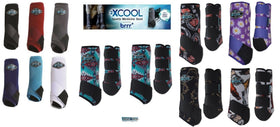
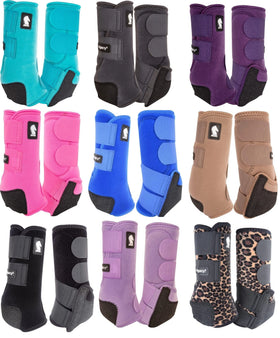
| Sports medicine boots | Provide broader lower-limb and fetlock coverage | Consider for strenuous or long-distance work when that coverage suits the horse. Fit and heat management still matter. |
| Bell or overreach boots | Protect heels and heel bulbs from overreach | Useful for a horse that catches its front heels or pulls shoes. They do not replace hoof or lower-leg protection when those risks also exist. |
| Open-front boots | Offer a different style of front-leg coverage | More closely associated with jumping and work over fences. Do not choose them automatically for trail use. |
Michigan State University Extension describes heavy-duty, all-around leg protection as appropriate for strenuous work such as endurance riding. Its horse leg-protection guide also emphasizes snug application, appropriate placement, and checking the horse after exercise. Those principles apply to trail riders even when the ride is recreational rather than competitive.
For a rocky trail, hoof boots may be the first priority. For a horse prone to brushing on uneven ground, add lower-leg protection only if the fit and conditions support it. For a horse that overreaches, bell boots may protect the heel area. A combination can be appropriate, but every additional piece adds another fit, heat, cleaning, and retention responsibility.
Shop This Post

When Should a Trail Horse Wear Hoof Boots or Leg Boots?
Hoof boots protect the foot where it meets the ground. Leg boots protect the lower limb from contact, interference, and some impact. Because the protection zones differ, a rider should not ask whether hoof boots or leg boots are universally better. Ask which part of the horse needs help on this particular ride.
Hoof protection for rough ground
Hoof boots can add a protective layer between the sole and sharp or abrasive footing. They may be useful for barefoot horses, horses transitioning from shoes, or horses that become tender on a particular route. They do not correct an unbalanced hoof, cure lameness, or replace a farrier's plan. If a horse is sore before the ride, a boot should not be used to conceal the problem.
Check the hoof before fitting. Pick out stones, look for unusual heat or tenderness, and confirm that the trim or shoeing is current. If the horse is short-strided, reluctant to move, or persistently uncomfortable, postpone the ride and seek professional advice.
Lower-leg protection for interference
Some horses contact one limb with another during movement. Uneven ground, fatigue, turns, speed, and changes in balance can make interference more likely. Brushing or splint boots can provide focused coverage, while sports medicine boots offer broader coverage for work that justifies it. The boot should sit over the area it is designed to protect, not simply wrap the leg tightly.
Extra coverage is not automatically safer. A boot that holds moisture and grit against the skin can create irritation. A boot that shifts can become a pressure point. A horse that moves differently in the equipment may be telling you that the size, placement, style, or combination is not right.
Bell boots for overreach
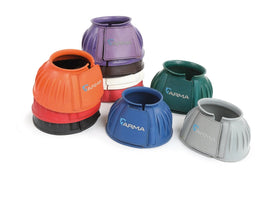
Bell boots, also called overreach boots, cover the hoof and heel area to help protect the heel bulbs and coronary band when a hind hoof reaches forward into a front foot. They can also help reduce the chance of a front shoe being pulled off. They do not replace a hoof boot or a lower-leg boot when the route presents those separate hazards.
Use the same trail-day discipline with bell boots as with any other equipment. Check that the boot does not twist, rub, or collect mud. Inspect the heel bulbs and pastern after a short test and again after the ride. If your horse has a recurring injury or soundness concern, involve a veterinarian or farrier rather than relying on equipment alone.
Explore the horse boots and leg protection collection when you have identified the protection category your horse needs. The collection is the appropriate shopping destination for this guide's trail equipment recommendations.
How Should Horse Boots Fit on a Trail Ride?
Fit is what turns a boot from protective equipment into a reliable part of a trail setup. Start with current measurements and the manufacturer's chart. Hooves change as they grow, and two horses with the same general size may have different hoof shapes or lower-leg proportions.
Hoof boot fit
Measure the hoof according to the maker's instructions, usually after a fresh trim. Check both length and width, along with any shape requirements. A boot should sit evenly, keep the heel or gaiter in the intended position, and resist rocking or rotating. An edge folded under the hoof, a loose heel captivator, or a closure that cannot be secured correctly is a reason to stop and reassess.
Leg boot fit
Apply leg boots to a clean, dry leg. Trapped grit can rub with every stride, especially when the trail is wet. The protective portion should cover the intended cannon bone, fetlock, or tendon area without pressing into soft tissue. Close the boot evenly. It should be snug enough to remain in place, but not so tight that it causes discomfort or restricts circulation.
Michigan State University Extension recommends snug leg protection and notes that hook-and-loop tails should point toward the horse's tail. For sports medicine boots, follow the manufacturer's directions for fetlock coverage and strap placement. Do not tighten an incorrect size until it feels secure. A wrong size remains wrong when it is over-tightened.
Movement and retention tests
After fitting, walk your horse on a level surface. Watch turns, a few steps backward, and a short trot in hand. Look for a shortened stride, head bob, hesitation, boot rotation, loose closures, or unusual attention to the legs. For hoof boots, listen for a loose boot and check whether it stays seated through changes of direction.
Repeat the inspection after a short local ride. Pay attention to warm skin, hair loss, swelling, rub marks, packed mud, and new sensitivity. A boot that moves during a short test is not ready for a long trail. Correct the underlying fit or choose a different design before increasing distance.
- Lost or rotating boot: Recheck measurements, hoof preparation, gaiter placement, and closure tension.
- Rubbing or warm skin: Remove the boot, clear debris, and identify the pressure point before using it again.
- Closure pressing into tissue: Reposition the boot or reassess the size. Do not solve pressure with more tension.
- Changed stride: Remove the equipment and evaluate whether the horse is uncomfortable or restricted.
What Hoof Care Should Come Before Boot Selection?
Boots are equipment, not a replacement for balanced feet. Before choosing protection, look at the hoof's current condition, the trimming or shoeing schedule, and any signs of soreness. This step is especially important when a rider is considering a demanding trail because uneven surfaces expose weaknesses in both fit and soundness.
Check balance and breakover
The University of Minnesota Extension explains that balanced hooves support movement and can reduce stress on the bones, tendons, and ligaments. Its guidance discusses the hoof-pastern relationship, heel support, and breakover. These are individual farrier decisions, but they matter to a boot fit because the hoof shape determines how the boot sits and moves.
Measure after the trim that the boot will actually follow. Do not assume last month's size remains correct. Ask your farrier how the horse's growth rate, shoes, barefoot status, workload, and terrain affect the timing of measurements and rides.
Know when to pause
Heat, tenderness, swelling, reluctance to stand, persistent stumbling, a changed stride, or repeated rubbing deserve attention. Remove the equipment and identify whether the concern comes from the hoof, the boot, or both. If the horse remains uncomfortable, pause the ride and contact a qualified farrier or veterinarian. A product cannot diagnose a soundness problem.
For hoof-care tools and related supplies, keep the equipment plan separate from this boot decision. The horse boots and leg protection collection remains the relevant destination when you are ready to compare protective equipment.
How Do You Break In, Clean, and Maintain Trail Boots?
New boots should be introduced close to home. Start with a clean, dry application and a short walk. If the horse remains comfortable, add a brief session at the trot, then gradually increase time. Include turns and mild changes in footing before attempting a remote or especially long ride.
- Prepare the application area. Pick out the hooves and brush dirt from the legs. Use clean, dry equipment and check that the correct boot is assigned to each leg or hoof.
- Test before adding distance. Walk, turn, and trot in hand. Remove the boots after the test and inspect for rubs, heat, swelling, packed grit, or movement changes.
- Pause on the trail. On a long route, check hoof boots after changes in footing and check leg-boot closures at natural breaks. Remove mud or debris before it becomes a pressure point.
- Clean after every ride. Rinse dirt from tread, seams, gaiters, and closures. Follow the maker's instructions for materials such as neoprene, leather, or hook-and-loop fasteners.
- Dry and inspect before storage. Air-dry the boots away from damaging direct heat. Look for stretched straps, cracked edges, worn soles, loose stitching, and weakened closures before the next ride.
Carry a hoof pick, a small brush, and a practical way to remove or secure a loose boot. If equipment repeatedly opens, slips, rubs, or changes the horse's way of going, turn back rather than tightening it excessively. The horse boots and leg protection collection can help you compare a different style when the current design does not retain its fit.
What Should You Check Before a Long Trail Ride?
A pre-ride inspection prevents small problems from becoming injuries or lost equipment several miles from home. Set aside enough time to check the horse in good light, and repeat a shorter inspection after the first few minutes of riding.
- Hooves: Pick out each foot and check for stones, cracks, heat, bruising, loose shoes, or unusual sensitivity.
- Legs and skin: Look for swelling, cuts, wet grit, hair rubs, or any area that could be covered by a boot.
- Fit: Confirm that shells, heel captivators, gaiters, fetlock cups, and straps sit as intended.
- Closures: Fasten evenly and make sure hook-and-loop tails are secure and directed appropriately.
- Movement: Walk, turn, and trot briefly. Watch for hesitation, shortened stride, head movement, or a loose boot.
- Trail kit: Pack a hoof pick, brush, basic first-aid supplies, and a way to remove or secure equipment.
Stop if a boot slips, fills with debris, rubs, opens repeatedly, or changes the horse's stride. Remove it and inspect the hoof or skin. If the issue cannot be corrected safely, turn back. A shorter safe ride is a better outcome than forcing a setup that has already failed its inspection.
Shop Trail-Ready Horse Boots Today
Frequently Asked Questions
What boots are best for trail riding?
The best choice depends on the horse, hoof shape, movement, distance, and footing. Hoof boots address rough or abrasive ground, lower-leg boots address brushing or impact risks, and bell boots address overreach. The best setup stays secure, does not rub, and matches a specific risk rather than adding unnecessary coverage.
Do horses need boots for trail riding?
Not every horse needs boots on every ride. Consider them when the route is rocky, abrasive, muddy, or otherwise likely to challenge the hoof or lower leg, or when your horse has an observed interference or overreach pattern. Boots supplement farrier and veterinary care. They do not replace an evaluation for soreness or lameness.
Are hoof boots and leg boots the same?
No. Hoof boots surround the foot and address contact with the ground. Leg boots cover parts of the lower limb and address brushing, interference, or impact. A trail horse may need one category, both categories, or neither. Choose according to the terrain, the horse's movement, and the work planned.
How can I tell whether a horse boot is comfortable?
A comfortable boot stays in place without rubbing, pinching, twisting, trapping grit, or changing the horse's stride. Test it close to home, then remove it and inspect the skin, hair, hoof, and closures. Warm skin, swelling, hair loss, repeated slipping, or unusual movement means the setup needs reassessment.
How long should I break in new trail boots?
There is no single schedule for every horse or boot. Start with a short walk, inspect the horse, and add time gradually only when the equipment remains secure and the horse moves normally. Introduce turns, a brief trot, and mild footing changes before attempting a long or remote ride.
Can I use the same boots in mud and water?
Only when the design and fit remain appropriate for those conditions. Mud and water can add weight, collect debris, or affect retention. Check the manufacturer's instructions, test the boots locally, and inspect them during and after the ride. Clean and dry them fully before storage.
View Horse Boots and Leg Protection
Prepare Your Horse's Trail Setup with Confidence
Trail protection works best when it is matched to the horse, the footing, and the distance ahead. Use the decision table and checklist to identify the right category, then measure, break in, and inspect the equipment before relying on it away from home. Hooves and Paws brings together curated equestrian supplies and trusted brands for horse owners who value practical guidance and personal service.


