


Your pet's health is the top priority, but the rising cost of medication can be a heavy burden. This leads many loving owners to explore more affordable options, like Canadian pet medicines. While the lower prices are tempting, it's easy to get lost in conflicting information and complex regulations. Is it a safe choice? Is it legal for U.S. buyers? Making a mistake isn't an option when it comes to their well-being. This guide gives you the clear, straightforward answers you need to make an informed decision for your furry companion.
This guide equips Canadian pet owners with essential knowledge for 2025, covering regulations, types of medications, how to access them, safety tips, and the latest trends. With up-to-date insights, you can ensure your pet receives safe, effective, and legal care. Use this guide to make informed decisions, protect your pet’s health, and gain peace of mind in the ever-evolving field of pet medicine.
How Are Pet Medicines Regulated in Canada?
Navigating the regulatory landscape for canadian pet medicines is essential for every pet owner in 2025. Canada employs a robust, multi-layered approach to ensure the safety and efficacy of all products used for animal health. Understanding these regulations helps protect both pets and their families from unnecessary risks. The following sections break down the key aspects of federal and provincial oversight, prescription and OTC distinctions, importation laws, veterinary roles, and recent regulatory changes.

Who's in Charge? Federal vs. Provincial Oversight
The regulation of canadian pet medicines begins with Health Canada’s Veterinary Drugs Directorate (VDD), the body responsible for approving new animal drugs and monitoring their safety. Each province and territory also has its own set of regulations, which may introduce additional requirements for distribution or access.
Prescription medicines, such as antibiotics, are strictly controlled and require direct veterinary oversight. Over-the-counter (OTC) products are also regulated but can be purchased without a prescription. Importation is tightly restricted, and only approved medicines can be brought into Canada.
For example, antibiotics are always prescription-only, reflecting a national commitment to antimicrobial stewardship. In 2023, over 80% of pet prescriptions required veterinary involvement. Compliance with these standards ensures safety and legal protection for both pets and owners. For more details on the federal approval process, visit the Health Canada's Veterinary Drugs Directorate.
Prescription vs. Over-the-Counter: What's the Difference?
The distinction between prescription and OTC canadian pet medicines is based on risk, potential side effects, and the need for professional oversight. Prescription products include antibiotics and heartworm preventives, which require a veterinarian’s diagnosis and ongoing monitoring.
Common OTC options, such as flea and tick treatments or nutritional supplements, are available from pet stores or pharmacies. However, self-medicating pets without a professional assessment can be dangerous. Even OTC products must meet strict Health Canada safety and efficacy standards before being sold.
For instance, flea collars sold over the counter must pass rigorous testing and approval processes. This careful regulation gives pet owners confidence in the products they choose for their animals.
Purchasing Pet Medicine Without a Prescription Online
Shopping for your pet's medications online can be a huge time-saver, especially for routine care. In Canada, several reputable online pharmacies provide a range of treatments, including over-the-counter (OTC) products that don't require a veterinarian's prescription. For instance, retailers like CanadaVet allow you to purchase many common medications directly, making it much easier to stay on top of your pet's needs. This is particularly helpful for non-prescription items or routine supplements that don't need direct veterinary supervision, simplifying how you manage your animal's ongoing health and wellness.
You'll also find other platforms designed for easy access to a wide variety of pet medications. Sites such as Canada Drugs Direct offer a broad selection of both prescription and non-prescription items, with a focus on making the ordering process quick and straightforward. The ease of shopping from home, often paired with competitive pricing and discounts, can be a significant benefit for any pet owner. This accessibility helps you find the treatments you need efficiently and affordably, which is always a win when managing your pet's care budget.
While the convenience of online shopping is undeniable, it's crucial to proceed with caution. Your pet's safety should always be the top priority, so take the time to verify that you're purchasing from a licensed pharmacy that complies with all Canadian regulations. A few minutes of research to confirm a retailer's legitimacy can make all the difference in ensuring the products you receive are both safe and effective. This diligence is a key part of responsible pet ownership and helps protect the health and well-being of your animal when you're shopping for their supplies online.
Can You Legally Buy Pet Meds Online?
Importing canadian pet medicines from abroad is subject to significant restrictions. Only approved drugs may be brought into Canada, and unauthorized importation can result in penalties. With the growth of online shopping, distinguishing between legitimate and illegal pharmacies is increasingly important.
Counterfeit or unapproved medications pose serious health risks to pets. Since the pandemic, online purchases of pet medicines have risen sharply, making vigilance essential. Always verify a pharmacy’s licensing status, and avoid websites that do not require a valid veterinary prescription for prescription products.
Engaging in illegal importation or buying from unverified sources can lead to fines and, more importantly, endanger your pet’s health. Responsible sourcing is key to safe medication use.
Why Your Vet Is Key to Getting Pet Medicine
Veterinarians play a central role in providing access to canadian pet medicines. Only licensed veterinarians can prescribe and dispense most animal drugs, and a physical or telemedicine examination is required before a prescription is issued.
Vets are also responsible for maintaining detailed records and ensuring proper follow-up care. Telemedicine has become more common in 2025, offering convenience for prescription renewals and consultations, especially in remote areas.
Maintaining an ongoing relationship with your veterinarian allows for better monitoring of your pet’s health and medication needs. In fact, 90% of Canadian pet owners consult their vet before starting a new medication, highlighting the importance of professional guidance.
What's New? Key Regulation Changes for 2025
In 2025, several updates impact canadian pet medicines. Health Canada has introduced new guidelines to strengthen antimicrobial stewardship, aiming to reduce inappropriate antibiotic use. Telemedicine rules have evolved, clarifying when remote prescribing is allowed and how records must be managed.
Labeling and packaging requirements have become stricter, with clearer instructions and warnings to enhance safety. There are also tighter controls on opioid analgesics to prevent misuse.
These regulatory changes affect both pet owners and veterinarians, ensuring higher safety standards. The overall goal is to enhance responsible medicine use, protect animal and public health, and adapt to new technologies in veterinary care.
Finding the Right Medicine for Your Pet in Canada
Navigating the landscape of canadian pet medicines means understanding the wide range of products available, from traditional pharmaceuticals to natural supplements. Each option serves a unique role in supporting animal health and requires careful consideration by pet owners.
A Breakdown of Pet Medication Types
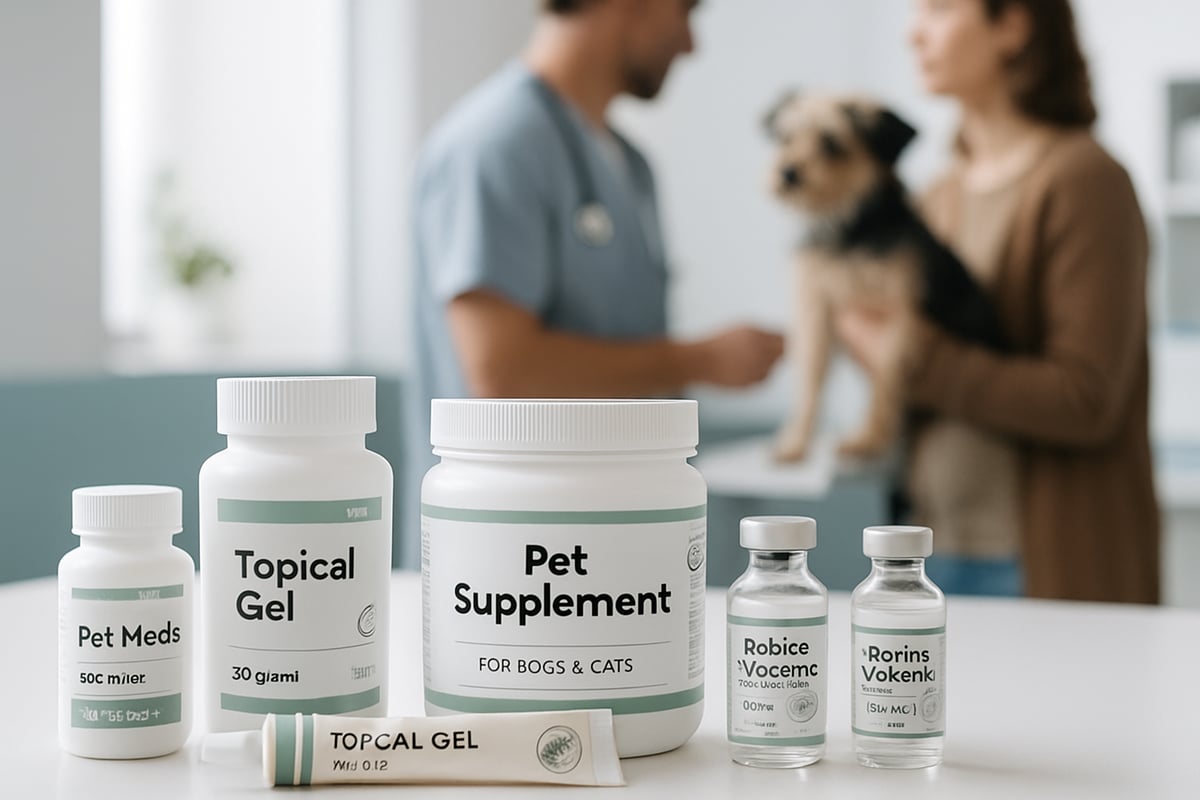
Canadian pet medicines can be grouped into several main categories, each with specific functions and regulations.
- Pharmaceuticals include antibiotics, anti-inflammatories, and pain relievers.
- Preventatives such as flea, tick, and heartworm products protect pets from common parasites. For a full overview, visit Parasite Control for Pets.
- Vaccines are classified as either core or non-core, depending on species and risk.
- Supplements address joint health, skin or coat issues, and anxiety.
- Biologics and specialty drugs are tailored for specific diseases or advanced treatments.
Each category of canadian pet medicines is subject to distinct regulatory oversight, ensuring safety and efficacy for pets.
Essential Medicines for Dogs and Cats
When it comes to canadian pet medicines, dogs and cats have access to a range of both prescription and over-the-counter treatments.
Popular options for dogs include Carprofen for arthritis, Apoquel for allergies, and Bravecto for flea and tick prevention. For cats, Revolution Plus is a leading multi-parasite preventive, Cerenia treats nausea, and Felimazole manages thyroid conditions.
According to 2023 sales data, these products rank among the top-selling canadian pet medicines. Choosing the right medication depends on your pet’s species, health status, and the specific condition being treated.
Popular Brand-Name Medications
When you're discussing your pet's health with your vet, a few brand names tend to pop up frequently. These are the trusted, go-to medications that have a proven track record for safety and effectiveness across Canada. Getting familiar with them beforehand can help you feel more prepared and confident during those important appointments. Think of this as a quick primer on the most common and effective medications veterinarians often recommend to keep dogs and cats feeling their best.
- Bravecto: A favorite for many pet owners, Bravecto offers powerful, long-lasting flea and tick prevention. A single dose protects your dog or cat for up to 12 weeks, which simplifies your treatment schedule. It’s available in different formulas, so you can find the right fit for your pet’s size and needs.
- Revolution Plus: This one is a powerhouse for cats. It’s an all-in-one parasite preventive that guards against fleas, ticks, heartworms, ear mites, and intestinal worms. Its broad-spectrum protection makes it a top choice for cat owners who want comprehensive coverage in a single monthly application.
- Apoquel: If your dog struggles with allergies, you know how relentless the itching can be. Apoquel is highly regarded for providing fast relief from the itching and inflammation caused by skin allergies, helping your dog feel comfortable again.
- Cerenia: This medication is a lifesaver for pets prone to nausea or motion sickness. Vets often recommend Cerenia to prevent vomiting in dogs and cats, whether it’s from a car ride or another underlying health issue. It’s a great tool to have on hand for potentially stressful situations.
- Simparica Trio: For dog owners who value convenience, Simparica Trio is a fantastic option. This single monthly chewable tablet combines protection against fleas, ticks, and heartworm disease, making your dog’s preventive care routine incredibly simple.
These medications are great examples of modern veterinary science, with a strong focus on preventing problems before they start. While it's helpful to know what's out there, remember that nothing replaces professional advice. It's absolutely essential to consult your veterinarian before giving your pet any new medication. They are the only ones who can assess your pet's unique health needs and confirm if a specific treatment is the right and safest choice for your furry family member.
Medication for Birds, Reptiles, and Other Exotic Pets
Not all canadian pet medicines are designed for dogs and cats. Birds, reptiles, and small mammals often require unique treatments.
Fewer drugs are officially approved for exotic pets, so veterinarians may use compounding to create customized solutions. Regulatory challenges can arise, especially for less common species.
For example, ivermectin is sometimes used in rabbits to treat parasites, but it must be administered under veterinary supervision. Always consult an exotic animal veterinarian to select safe and effective canadian pet medicines for these special companions.
Are Natural and Holistic Options Right for Your Pet?
Interest in natural canadian pet medicines is on the rise, with products like CBD oil, herbal supplements, and probiotics gaining popularity. Most of these are regulated as supplements, not drugs, so safety and efficacy standards may differ.
For instance, some owners use CBD oil to help manage canine anxiety. Sales of these alternative products have increased by 30% since 2022, reflecting growing demand.
It is critical to consult a veterinarian before starting any alternative canadian pet medicines, as some supplements can interact with prescription drugs or may not be suitable for every pet.
How to Read and Understand Pet Medicine Labels
Understanding the labels on canadian pet medicines is essential for safe and effective use. Key elements include:
- Active ingredients
- Dosage instructions
- Warnings and side effects
- Expiry date and storage directions
- Health Canada approval symbols
Look for the Drug Identification Number (DIN) for pharmaceuticals or the Natural Product Number (NPN) for supplements. Be cautious of counterfeit packaging, which may lack official markings or contain errors.
Careful label reading helps avoid dosing mistakes and ensures your pet receives only genuine canadian pet medicines.
Why U.S. Pet Owners Look to Canadian Pharmacies
While we're focused on providing the best pet supplies right here in the U.S., it's helpful to understand why some American pet owners explore Canadian pharmacies for their animal's medications. The primary drivers are often related to cost, convenience, and the promise of quality care. For families managing chronic pet health conditions, the cumulative expense of prescriptions can be substantial, leading them to search for more affordable alternatives. These northern retailers have built their models around addressing these specific needs, offering a different approach to sourcing pet pharmaceuticals that appeals to a budget-conscious and discerning audience.
Cost Savings and Price Guarantees
The most significant factor drawing U.S. customers to Canadian pet pharmacies is the potential for major cost savings. Many of these online stores, like CanadaPetCare and CanadaVet, structure their entire business around offering lower prices on common medications. They often feature a "lowest price guarantee," promising to match or beat competitor pricing on items like flea, tick, and heartworm preventatives. For pet owners with animals requiring long-term medication for conditions like arthritis or allergies, these savings can add up to hundreds of dollars a year, making a significant difference in their household budget and ability to provide consistent care.
Customer Incentives and Convenience Features
Beyond lower prices, Canadian online pharmacies attract customers with incentives designed to make shopping easy and rewarding. Many offer free shipping on certain orders and have loyalty programs where customers can earn points on purchases for future discounts. This model encourages repeat business by adding extra value to each transaction. While these perks are appealing, it's worth noting that many U.S.-based retailers offer similar benefits. For instance, at Hooves and Paws, we provide free shipping on all orders within the continental U.S. with no minimum purchase, ensuring you get the supplies you need without extra fees.
Customer Assurance and Support
Trust is a major component when purchasing medicine, and Canadian retailers work to build it through strong customer assurances. Many provide a money-back satisfaction guarantee, promising a refund if a customer isn't happy with their purchase. Furthermore, reputable sites like Canada Drugs Direct have licensed pharmacists review every prescription to ensure it's accurate and safe for the pet. This layer of professional oversight provides peace of mind, assuring owners that they are receiving legitimate and correctly dispensed medication. It’s a commitment to quality that every pet owner deserves, whether buying medicine from Canada or supplies from a trusted family-owned business in the States.
Major Canadian Online Retailers for Pet Medicine
For U.S. pet owners exploring their options, a few key names consistently appear in the Canadian online pet pharmacy space. These retailers have established themselves as leading sources for affordable pet medications and supplies, each with a slightly different focus. They are known for their wide selection of products for common pets like dogs and cats, covering everything from preventative treatments to prescription drugs for various health conditions. Understanding who these major players are can help you better assess their offerings and determine if they align with your pet's specific needs and your expectations for service and reliability.
CanadaPetCare
CanadaPetCare positions itself as a leading retailer for affordable dog and cat preventatives. The company's main focus is on making essential pet care supplies, particularly parasite control products, accessible to owners on a budget. They emphasize low prices to help customers save money on routine health maintenance for their pets. In addition to their cost-effective approach, they aim to create a convenient shopping experience by offering reward points and maintaining a blog with helpful information for pet owners, adding an educational component to their retail platform.
CanadaVet
CanadaVet offers a broad range of pet medications, supplements, and accessories selected by qualified veterinarians. Their product catalog includes treatments for common issues like fleas, ticks, worms, and heartworm disease for both dogs and cats. A key feature of their service is a "lowest price guarantee," which reinforces their commitment to affordability. They also offer incentives like free shipping on some orders and a rewards program, making them a competitive option for U.S. customers looking for value and a professionally curated selection of pet health products.
Canada Drugs Direct
Canada Drugs Direct provides a comprehensive pharmacy service, selling a wide variety of both prescription (Rx) and non-prescription pet medications online. This makes them a one-stop shop for owners who need to fill a veterinarian's prescription as well as purchase over-the-counter supplies. A critical part of their process is having licensed pharmacists verify every prescription order, which adds a layer of safety and professionalism. This verification step helps ensure that the medication is appropriate and correctly dispensed for the specific pet it's intended for.
Buying Canadian Pet Medicine for Delivery to the U.S.
While the benefits of ordering from Canadian pharmacies can be tempting, it's crucial for U.S. residents to understand the legal and regulatory framework governing these purchases. Importing prescription drugs—even for pets—is a process overseen by federal agencies in the United States, and there are specific rules that must be followed. Before placing an order, it's essential to do your research to ensure you are complying with the law and, most importantly, to guarantee the safety and well-being of your pet. Making an informed decision is the best way to protect your furry family member from the risks of unapproved or counterfeit medications.
Understanding the Legality and Regulations
Generally, the U.S. Food and Drug Administration (FDA) prohibits the personal importation of prescription drugs from foreign countries. The agency cannot guarantee the safety, efficacy, and quality of drugs that haven't gone through its rigorous approval process. While there are some limited exceptions for individuals, these typically do not apply to pet medications purchased from online Canadian pharmacies. Sourcing unapproved drugs can pose serious health risks, as the products may be counterfeit, expired, or improperly formulated. To learn more about the official rules, it's best to consult the FDA's personal importation policy directly before making any purchase from outside the country.
Getting Pet Medicines in Canada: A Step-by-Step Guide
Securing the right canadian pet medicines for your animal is a stepwise process that prioritizes safety, legality, and efficacy. By following these five essential steps, you can ensure the medications you use are appropriate and properly sourced. Let us walk you through the process from start to finish.
Step 1: Schedule a Consultation with Your Vet
The first step in obtaining canadian pet medicines is a thorough veterinary consultation. Accurate diagnosis is crucial before any medication is prescribed. During your visit, the veterinarian will examine your pet, discuss symptoms, and may recommend diagnostic tests such as bloodwork or imaging.
For example, a cat showing signs of thyroid issues will require blood tests before starting thyroid medication. This careful approach ensures your pet receives the correct treatment. Regular check-ups not only promote wellness but also help detect health problems early, making medication more effective.
Veterinary consultations are not just a legal requirement for prescriptions, they are the foundation of safe pet care. Always begin your journey with professional advice.
Step 2: Get the Prescription and Find a Pharmacy
Once a diagnosis is made, your veterinarian will issue a prescription for the appropriate canadian pet medicines. Prescriptions may be provided on paper or electronically, depending on the clinic’s system.
You can fill your prescription at a licensed veterinary clinic dispensary or a registered pharmacy. When filling the prescription, be prepared to provide your pet’s details, the veterinarian’s information, and the specific medication required. For instance, many pet owners choose to fill prescriptions at their vet’s office due to convenience and trusted handling.
In Canada, 70 percent of pet owners fill medications directly at the clinic, ensuring authenticity and compliance with regulations. Always confirm the pharmacy is licensed to dispense veterinary medications.
The Online Ordering Process Explained
Ordering pet medicine online offers convenience, but it requires careful attention to safety and legality. When choosing an online pharmacy, always confirm it is licensed and requires a valid veterinary prescription for any prescription medications. Be wary of websites that sell these drugs without one, as this is a major red flag. The Canadian government strictly controls the importation of animal drugs to protect pet health, and unapproved or counterfeit products purchased from unverified sources can pose serious health risks and lead to legal penalties. Before you buy, take a moment to check the pharmacy’s credentials. Health Canada offers guidance to help you confirm that an online source is legitimate, ensuring the medicine you receive is both safe and effective for your pet.
Step 3: How to Safely Buy Over-the-Counter Options
Some canadian pet medicines, such as flea treatments and nutritional supplements, are available over-the-counter (OTC). These can be purchased from pet stores, pharmacies, or reputable online retailers.
It is essential to verify that any OTC product has Health Canada approval. For example, when buying flea and tick treatments, choose trusted options like those listed on Flea and Tick Treatment Options. Beware of unauthorized sellers, as counterfeit or unapproved products can put your pet at risk.
Remember, OTC does not mean risk-free. Always consult your veterinarian if you are unsure about a product’s suitability for your pet.
Step 4: Explore Online Pharmacies and Telemedicine
With the rise of digital healthcare, canadian pet medicines are increasingly accessible online. Many pet owners now use telemedicine for prescription renewals and virtual consultations. When purchasing medication online, always verify the pharmacy’s legitimacy by checking for licensing and Health Canada recognition.
A legitimate online pharmacy will require a valid prescription for prescription drugs and provide clear information about products. Telemedicine is especially valuable for remote or busy pet owners, allowing for convenient access to professional guidance and medication refills.
In 2024, 60 percent of urban pet owners reported using online pharmacies, reflecting this growing trend. Stay vigilant and use only authorized platforms.
Step 5: Properly Store and Dispose of Pet Medicine
Proper handling of canadian pet medicines does not end with purchase. Store all medications in a cool, dry place, away from children and pets. Some require refrigeration or protection from light, so always follow label instructions.
When medications expire or are no longer needed, do not throw them in the trash or flush them. Instead, use pharmacy take-back programs or follow municipal disposal guidelines. Improper disposal can harm the environment or lead to accidental ingestion.
Returning expired medicines to a pharmacy is the safest option. Responsible storage and disposal protect your family, pets, and community.
How to Safely Give Your Pet Their Medicine
Ensuring the safe use of canadian pet medicines is vital for every pet owner. Proper administration, awareness of side effects, and responsible handling protect both pets and their families. With the right strategies, owners can maximize treatment benefits and minimize risks.

Tips for Getting the Dosage and Timing Just Right
Accurate dosing is essential when giving canadian pet medicines. Every medication should be calculated based on the animal’s weight and species. The main administration routes include oral, topical, injectable, and transdermal forms.
Tips for safe administration:
- Use pill pockets or treats for oral tablets.
- Apply spot-on treatments directly to the skin, not fur.
- Follow your veterinarian’s demonstration for injections.
- Always measure liquids with a dosing syringe.
Incorrect dosing can lead to treatment failure or adverse reactions. For more guidance, explore the Dog Health Essentials Guide, which covers practical tips and essential health products for dogs. Double-check instructions and consult your vet if unsure.
How to Spot and Manage Potential Side Effects
All canadian pet medicines can cause side effects. Common reactions include vomiting, diarrhea, lethargy, or allergic responses. Some pets may show swelling, hives, or difficulty breathing after medication or vaccines.
Key steps if side effects occur:
- Monitor your pet closely after starting new medicines.
- Contact your veterinarian if symptoms persist or worsen.
- Record any changes in behavior, appetite, or appearance.
Early recognition and prompt action can prevent complications. Reporting adverse events helps improve medication safety for all pets in Canada.
Preventing Dangerous Medication Interactions
Combining multiple canadian pet medicines or supplements increases the risk of drug interactions. Always inform your veterinarian about every product your pet takes, including natural remedies and over-the-counter items.
Common interaction risks:
- NSAIDs combined with steroids may cause stomach ulcers.
- Heartworm preventives can interact with certain flea medications.
- Senior pets or those with chronic conditions need extra caution.
Regular medication reviews with your vet ensure safe, effective therapy. Never start, stop, or change a medication without professional advice.
How to Tell if the Treatment Is Working
Ongoing monitoring is crucial for pets on canadian pet medicines. Owners should look for signs that treatment is effective, such as improved energy, appetite, or symptom relief. If there’s no improvement, dosage adjustments or alternative therapies may be needed.
Key steps:
- Attend all recommended follow-up appointments.
- Track your pet’s progress in a journal or app.
- Ask your vet about blood tests for medications like thyroid drugs.
About 40 percent of chronic cases require medication changes over time. Open communication with your vet leads to better outcomes and peace of mind.
How to Prevent Accidental Poisoning and Medication Errors
Medication errors are a leading cause of emergencies related to canadian pet medicines. The most common mistakes include giving the wrong dose, mixing up medicines between pets, or improper storage.
Prevention tips:
- Keep all medicines in childproof, pet-proof containers.
- Store medications as directed, away from heat or moisture.
- Dispose of unused or expired medicines through pharmacy take-back programs.
If accidental ingestion occurs, contact your veterinarian or a poison control resource immediately. Responsible handling of pet medicines protects your pet, your family, and the environment.
The Future of Pet Medicine: What's Coming to Canada in 2025?
The landscape of canadian pet medicines is evolving rapidly, driven by scientific breakthroughs, new technologies, and shifting expectations among pet owners. In 2025, several innovations are shaping how veterinarians and families care for their animals, with a strong focus on safety, effectiveness, and convenience.
Exciting Breakthroughs in Veterinary Drugs
Recent years have seen a surge in advanced pharmaceuticals tailored for pets. In 2025, canadian pet medicines include new approvals for biologics, gene therapies, and monoclonal antibodies. For example, monoclonal antibody treatments are now available for chronic conditions like canine osteoarthritis, offering targeted pain relief with fewer side effects.
The number of new pet drug approvals in 2024 and 2025 continues to climb, reflecting ongoing investment in animal health. Biologics, such as vaccines and immune modulators, are expanding treatment options for diseases once considered difficult to manage. These innovations allow veterinarians to provide more precise and effective care, ensuring pets benefit from the latest scientific advances in canadian pet medicines.
How Telemedicine and E-Prescriptions Are Changing Vet Care
The adoption of telemedicine has transformed access to canadian pet medicines, especially for pet owners in remote communities. Since 2022, there has been a 50 percent increase in telemedicine use, with virtual consultations becoming routine for follow-ups and minor health concerns.
E-prescription systems streamline the process of obtaining medications, reducing errors and saving time. Pet owners can now consult with veterinarians online, receive prescriptions digitally, and fill them through licensed pharmacies. This digital evolution in canadian pet medicines not only improves convenience but also ensures that medication management is closely monitored by veterinary professionals.
A New Focus on Personalized and Preventive Care
Personalization is a major trend in canadian pet medicines, with treatment plans increasingly tailored to an animal’s genetics, lifestyle, and health history. DNA testing is being used to guide drug choices, ensuring optimal response and fewer side effects. For example, certain breeds may require specific dosages or alternative medications due to genetic predispositions.
Preventive care is also gaining prominence, with a focus on vaccines and parasite control to reduce the need for more intensive treatments later. By integrating preventive strategies, canadian pet medicines are helping owners keep their animals healthy and avoid unnecessary risks.
What's on the Horizon for Natural Therapies?
Interest in natural and alternative therapies is surging, with research into CBD, herbal remedies, and nutraceuticals expanding rapidly. In fact, 25 percent of Canadian pet owners now use alternative therapies for their animals. Clinical trials are underway to better understand the benefits and safety of products like CBD oil for feline anxiety.
Most of these options are classified as supplements rather than drugs, so regulation remains a challenge. When considering natural therapies, it is essential to consult a veterinarian and choose reputable sources, such as those offering CBD for Dogs, Cats, and Horses. This ensures that natural canadian pet medicines are safe, effective, and legally compliant.
Your Role in Using Pet Medicines Responsibly
Responsible use of canadian pet medicines is increasingly emphasized by veterinarians and public health agencies. Antimicrobial stewardship programs educate owners on the correct use of antibiotics and other medications, aiming to prevent resistance and protect animal and human health.
Educational campaigns and updated guidelines encourage owners to follow veterinary advice, store medicines safely, and dispose of them properly. Initiatives like public safety programs help ensure that canadian pet medicines are used responsibly, supporting the wellbeing of pets and the broader community.
After learning how to navigate Canadian pet medicine regulations and keep your companions safe and healthy, it’s clear that trusted products and reliable service make all the difference. If you’re looking for quality pet medications, grooming supplies, or accessories for your horses, dogs, or cats, you deserve a source that understands your needs. At Hooves and Paws, you can find everything you need for peace of mind, with free US shipping and flexible payment options for added convenience. Ready to support your pet’s well being with confidence? Buy Now
Frequently Asked Questions
Is it actually legal for me, as a U.S. resident, to buy my pet's prescription medicine from a Canadian pharmacy? This is a bit of a gray area. Generally, the U.S. Food and Drug Administration (FDA) advises against the personal importation of prescription drugs because they can't guarantee the safety or effectiveness of products that haven't gone through their approval process. While many people do it, it's important to know that it comes with risks, as the products might not be regulated to the same standards you're used to.
How can I tell if a Canadian online pharmacy is legitimate and not a scam? A trustworthy online pharmacy will always ask for a valid prescription from your veterinarian for any prescription medication. That's the biggest green flag. Also, look for clear contact information, a physical address, and licensing credentials on their website. Be cautious of sites with prices that seem drastically lower than all others or that don't require a prescription—those are major red flags.
Why are pet medications often cheaper in Canada than in the U.S.? The price difference usually comes down to government regulations. Canada has a different system for regulating drug prices, which often results in lower costs for consumers. This isn't about a difference in quality for brand-name drugs, but rather a different approach to pricing and healthcare policy that extends to pet medications.
Do I still need a prescription from my U.S. vet to order from a Canadian pharmacy? Yes, absolutely. Any reputable online pharmacy, regardless of its location, will require a valid prescription from a licensed veterinarian before dispensing prescription medication. This is a critical safety measure to ensure your pet is getting the correct drug and dosage for their specific health needs. If a site offers to sell you prescription drugs without one, you should not use it.
What should I do if my pet has a negative reaction to medicine I purchased from Canada? Your first and only step should be to contact your local veterinarian or an emergency pet hospital immediately. Your pet's health is the top priority, and a professional needs to assess the situation right away. It doesn't matter where the medication came from; what matters is getting your pet the urgent care they need.
Key Takeaways
- Always Start with a Veterinary Consultation: A professional diagnosis is the essential first step before any treatment. Your vet is the only one who can provide a legal prescription and offer guidance on the correct use of both prescription and over-the-counter medications to ensure your pet’s safety.
- Verify Your Pharmacy to Ensure Safety and Legality: Purchase medications only from licensed veterinary clinics or accredited online pharmacies that require a valid prescription. For U.S. residents, be aware that the FDA has strict regulations against personally importing pet medications, as their safety cannot be guaranteed.
- Master Safe Medication Practices at Home: Your role is crucial after you have the medicine. Always follow dosage instructions carefully, monitor your pet for any side effects, and store all medications securely to prevent accidental ingestion and ensure the treatment is effective.


