


The right litter does more than cover odor. It can make the box easier to maintain and more comfortable for your cat to use, while the wrong texture, scent, or dust level may create daily frustration.
Shop trusted pet supplies at Hooves and Paws
Cat litter is absorbent material placed in an indoor litter box to manage feline waste. The best choice depends on your cat's preferences and your household's needs, including odor control, dust, tracking, cleanup, and whether you prefer clumping or non-clumping material.
Understanding how absorption and odor control work gives you a practical foundation for comparing clay, natural, crystal, paper, and other options. From there, you can choose a setup that supports clean routines without asking your cat to tolerate an uncomfortable box.
What Is Cat Litter and How Does It Work?
Cat litter is absorbent material placed in an indoor litter box to collect urine and feces, helping create a comfortable, manageable place for your cat to eliminate. As your cat uses the box, the litter absorbs moisture, reduces contact with waste, and makes routine cleaning more practical. The material and features you choose can affect both odor control and how comfortable your cat feels using the box.
Absorbency is the foundation
When litter absorbs urine, it helps keep the surface more manageable between cleanings. Some types absorb moisture into the litter itself, while clumping formulas form a solid mass around wet spots. That solid mass can be lifted out during scooping, leaving more of the unused litter in the box. Non-clumping litter does not form the same scoopable solid, so the entire contents may require more frequent changes.
Absorption is not the only way cat litter can address odor. According to Purina, some litters rely on absorbent materials such as silica gel or clay-based litter. While others use additives including activated charcoal or baking soda to trap odors. These mechanisms work differently, so a product that controls smell well for one household may not be the right fit for another. Read the product details and observe how your cat responds rather than assuming one feature guarantees better results.
Comfort and cleanliness matter too
Material choice affects the feel of the litter under your cat's paws, as well as tracking and dust around the box. Tracking refers to litter particles carried away from the box on paws, while dust describes fine particles released when litter is poured, moved, or scratched. High-dust litter can affect household cleanliness and airborne dust exposure, so a lower-dust option may be worth considering when mess is a concern.
Start with a clean box and a litter depth your cat can comfortably use. Then monitor odor, dust, tracking, and box behavior as part of the decision. A practical cat litter routine is not just about masking smell. It is about giving your cat a consistent, comfortable place to go while making daily care manageable for the people who share the home.
Cat Litter Types: Clay, Natural, Crystal, Paper, and More
The best cat litter is the one your cat will use consistently and your household can maintain comfortably. Start by separating two decisions: whether you want clumping or non-clumping litter, and which material fits your cat's preferences and your cleaning routine. Clumping litter forms scoopable solids when it contacts moisture, while non-clumping litter absorbs moisture without forming a removable clump. This difference affects daily cleanup and how often the entire box needs changing. Purina's overview of litter types also notes that odor control may come from absorption or additives such as activated charcoal or baking soda.
| Type | What to expect | Potential advantages | Considerations |
|---|---|---|---|
| Clumping clay | Forms solid clumps around urine for removal. | Usually straightforward to scoop and widely familiar to cats. | May be heavy or dusty. Check the actual product label for dust-control and scent details. |
| Non-clumping clay | Absorbs moisture without creating scoopable clumps. | Simple material choice for cats that accept it. | Moisture and odor can spread through the box, so full changes may be needed more often. |
| Corn or plant-based | Plant-based granules, available in clumping and non-clumping forms. | Can offer a different texture and may be lighter to carry than some clay products. | Granule size, tracking, dust, and clumping performance vary by formula. |
| Crystal | Silica-based granules absorb moisture and help control odor through absorption. | Often lightweight to scoop and visually easy to monitor for saturation. | The texture may not suit every cat, and the crystals can track outside the box. |
| Paper | Recycled paper pellets or granules absorb moisture without traditional clay clumps. | Typically low in tracking because larger pellets are less likely to cling to paws. | It may require more frequent full changes, and odor control depends on the specific product. |
| Wood or pellets | Wood-based pieces absorb moisture and may break down as they are used. | Can provide a distinct texture and may work well for cats that accept larger granules. | Pellet shape can feel unfamiliar, and the handling routine differs from clumping litter. |
For many households, unscented clumping clay is a practical starting point, but individual preference matters more than a general ranking. Some cats prefer fine granules under their paws, while others accept pellets or crystals. Scent can also be a deciding factor: a fragrance that seems pleasant to a person may be too strong for a cat. When comparing products, look beyond the material name and review the package details for dust, scent, granule size, and intended disposal instructions.
Shop This Post

Featured in this article
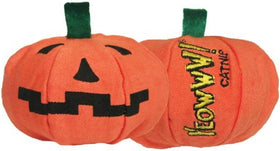
Ducky World Yeowww! 7" Organic Catnip Kicker for Barn Cats
$12.11
Shop Now →

How Do You Choose Cat Litter for Your Cat?
Choosing cat litter is a balance between what your cat will readily use and what fits your cleaning routine. A practical selection process can help you avoid buying a large quantity of a product your cat rejects.
- Start with your cat's established preference. If your cat consistently uses a particular texture or material, treat that as useful information. Many cats prefer unscented clay litter, but individual preference matters more than a general rule. If you are unsure, offer two different options in separate boxes and observe which one your cat uses more consistently. Avoid changing every variable at once, or it will be difficult to tell what your cat prefers.
- Decide whether unscented or scented is the better fit. Scented litter may appeal to people who want to mask odors, but a strong fragrance can be unwelcome to some cats. Unscented litter is a sensible starting point when you do not know your cat's preference. Odor control can also come from absorption or additives such as activated charcoal or baking soda, so read the product details rather than judging performance by fragrance alone. Purina explains several odor-control approaches.
- Check dust and tracking before prioritizing extras. Dust refers to fine particles released as litter is poured or disturbed. A high-dust option can make the surrounding area harder to keep clean and increase airborne dust exposure. Tracking means pieces of litter carried out of the box on paws. Look for product information that clearly describes dust and tracking, then place a washable mat outside the box to help contain scattered pieces. These details often matter more in small rooms or homes with multiple boxes.
- Match clumping to your maintenance routine. Clumping litter forms solid, scoopable pieces when it contacts moisture, while non-clumping litter does not form those same removable clumps. Clumping can make spot-cleaning more convenient, but non-clumping may suit a household that prefers a different texture or material. Consider how often you can scoop, how much litter you can store, and whether more frequent full changes would fit your schedule.
- Set a modest starting depth and reassess. A shallow bed of about one to two inches is a commonly cited starting point. If your cat digs heavily, scatters litter, or avoids the box, reassess the depth and surrounding setup instead of simply adding more. Cleanliness, box location, and access can affect acceptance as much as the litter itself.
- Transition gradually. Mix a small amount of the new litter into the familiar litter, increasing the proportion over several changes if your cat continues to use the box comfortably. You can also keep one box with the familiar option while introducing the new one in another box. If your cat persistently avoids the box or shows sudden elimination changes, pain, or blood, contact a veterinarian rather than treating the issue as a product preference.
The best choice is the one your cat reliably accepts and your household can maintain consistently. Compare quality, convenience, and value together, then let your cat's behavior guide the final decision.
How Should You Set Up and Maintain the Litter Box?
Start with enough boxes, a practical location, and a litter depth your cat can use comfortably. In a home with multiple cats, the common recommendation is one litter box per cat, plus one extra when space allows. This gives cats more choice and can reduce competition around a single box. Place boxes in quiet, easy-to-reach areas where your cat can see and leave comfortably, rather than hiding them in a cramped corner or beside a noisy appliance.
Use one box per cat plus an extra when possible, begin with a one-to-two-inch litter bed, and scoop every day. Adjust the setup to your cat's comfort and the litter's instructions.
Choose an accessible box and location
Many cats do well with an open box because it provides visibility and easy access. An open design may be especially practical for kittens or senior cats. However, some shy cats prefer the privacy of a covered box. Watch how your cat approaches, enters, and leaves the box instead of assuming one style is best for every household. The box should be large enough for your cat to turn around and position comfortably, with an entrance that does not create an unnecessary obstacle.
Keep the box away from food and water, and avoid placing it where your cat may feel trapped. If you use an automatic system, the litter itself still matters. Clumping litter is commonly used in self-cleaning boxes, but compatibility varies by model. For the machine-specific features, fit, and cleaning considerations, see our automatic litter box guide. This article focuses on selecting and maintaining the cat litter, whether your box is traditional or automated.
Set the depth, then build a daily routine
A one-to-two-inch layer is a useful starting point for many cats. Too little litter may not provide enough coverage, while an overly deep bed can be wasteful or uncomfortable for a cat that prefers a shallow surface. Begin with the recommended range, then observe whether your cat digs, avoids the box, or pushes litter out. Refill as needed so the bed remains consistent, but do not keep adding new litter indefinitely without removing soiled material.
Scoop waste at least once each day. Daily scooping helps keep the box more inviting, and scratching around outside the box can be a sign that your cat is unhappy with waste left inside. Use a scoop suited to the litter type, remove clumps or solid waste thoroughly, and check the corners where damp material can collect. A mat outside the box can help catch tracking, but it does not replace regular floor cleaning.
Know when to complete a full change
The right full-change schedule depends on the litter formula, the number of cats using the box, and how well daily scooping removes waste. Clumping litter and non-clumping litter do not follow the same routine. Non-clumping litter generally needs more frequent complete changes, while some guidance gives longer intervals for clumping litter. Follow the product directions and use the box itself as feedback: strong persistent odor. Damp material that cannot be removed, or a visibly saturated bed means it is time to empty and clean it.
When changing the box, discard the used litter, wash the container with mild soap and water, rinse it well, and dry it completely before adding fresh litter. Avoid sudden changes in litter, box location, or box style when possible. A clean, predictable setup makes it easier for your cat to use the box consistently.
Troubleshooting Cat Litter Problems Safely
Most cat litter problems have a practical starting point: check cleanliness, texture, scent, depth, and location before changing several things at once. A gradual, observant approach makes it easier to identify what your cat dislikes.
Reducing odor and tracking
Odor can come from missed clumps, an overfilled box, or a litter type that does not suit your routine. Scoop at least daily, remove waste promptly, and follow the product's directions for full changes rather than assuming one schedule fits every material. If odor remains, compare an unscented option with a formulation that uses absorption, activated charcoal, or baking soda. These are different odor-control approaches, and none should be treated as a guarantee.
Tracking means litter carried outside the box on paws. Place a washable mat at the exit and sweep or vacuum regularly. If dust is the larger concern, choose a lower-dust option and pour it slowly. High-dust litter can affect household cleanliness and airborne dust exposure, so watch how both your cat and household respond.
When a transition does not go smoothly
Do not remove familiar litter immediately if your cat resists a new type. Offer the new material alongside the familiar option, or blend in a small amount at first, then increase it gradually only if your cat continues using the box. Keep the box clean and avoid introducing multiple changes at once. A shallow bed, often around one to two inches, may also be more comfortable than a deep layer.
If your cat refuses the box, review the basics: location, access, cleanliness, litter depth, scent, and whether another pet is creating stress nearby. Persistent avoidance is not simply a behavior problem. Sudden elimination changes, straining or apparent pain, blood, or other concerning signs warrant prompt advice from a veterinarian.
Safe litter hygiene
Wear disposable gloves when handling litter or material that may be contaminated, and wash your hands with soap and water afterward. The Centers for Disease Control and Prevention recommends gloves when touching soil or sand that cat feces may have contaminated, plus thorough handwashing afterward. People who are pregnant, immunocompromised, or otherwise at higher risk should discuss toxoplasmosis prevention with a healthcare provider and follow that provider's guidance: CDC litter and toxoplasmosis prevention guidance.
Make one change at a time, keep the box consistently clean. And treat sudden or persistent litter-box changes as a reason to contact your veterinarian, not as a problem to solve with litter alone.
Frequently Asked Questions
What kind of cat litter is best?
The best choice is the one your cat will use consistently and your household can maintain comfortably. Unscented clay is a common starting point because many cats prefer it, but compare clumping, dust, tracking, odor-control features, and your cat's individual response. If you change materials, transition gradually rather than replacing a familiar litter all at once.
How often should cat litter be changed?
There is no universal schedule. Clumping litter is often completely changed about monthly, while non-clumping litter may need a weekly or every-other-week change, depending on use and condition (Good Housekeeping). Follow the product directions, remove waste regularly, and change it sooner if odor, saturation, or your cat's behavior indicates a problem.
How often should I scoop the litter box?
Scoop at least once a day as a practical baseline. Daily removal helps keep the box more inviting and makes it easier to notice changes in urine, stool, or bathroom habits. If your cat scratches outside the box or avoids it, check cleanliness and other possible causes instead of simply masking the issue with fragrance.
How many litter boxes should I have?
A common recommendation is one litter box per cat, plus one extra when space allows (Good Housekeeping). Place boxes in accessible, quiet areas where cats can use them without feeling trapped. In a multi-cat home, distributing boxes can also reduce competition for access.
What should I do if my cat suddenly stops using the box?
First, check for routine issues such as a dirty box, a recent litter change, difficult access, or an unpleasant location. Persistent avoidance, sudden elimination changes, pain, or blood can indicate a health concern and warrants prompt veterinary attention. Do not punish your cat, and keep a familiar litter option available while you investigate.
Ready to Find the Right Cat Litter?
Choosing cat litter that suits your cat's preferences and your household routine can make daily care simpler and more comfortable. Shop pet supplies and learn more about cat care products from Hooves and Paws to explore thoughtfully curated options for your cat and the rest of your animal family.


