


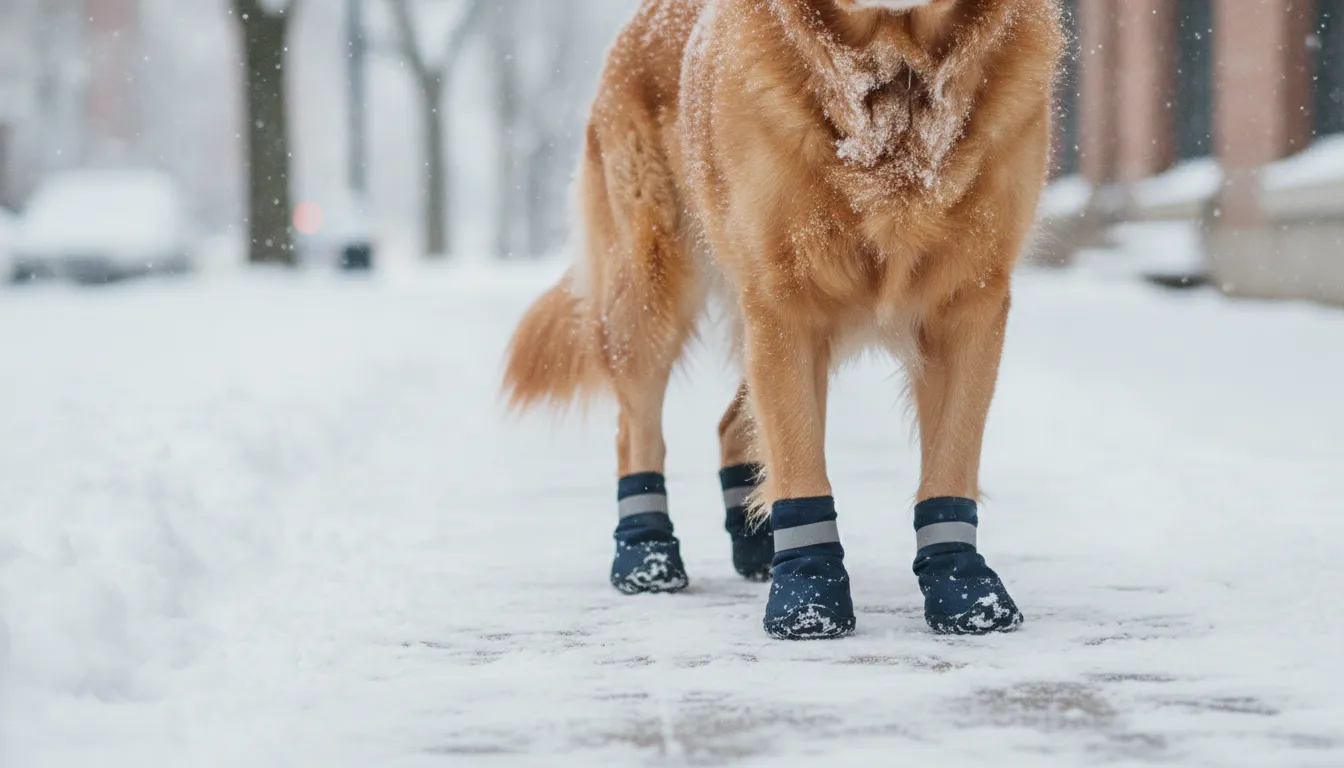
Dog boots for winter can make cold-weather walks more comfortable when snow, ice, frozen ground, and deicing products challenge your dog's paws. The right pair should do more than look sturdy. It should match the conditions you face, stay on without rubbing, provide useful traction, and let your dog move naturally. This guide explains what to look for, how to measure, how to introduce boots, and when paw wax or a shorter walk may be a better choice.
Shop dog apparel and outdoor accessories
Do dogs need boots in winter?
Some dogs tolerate cold weather well for a brief walk on dry ground. Others have sensitive pads, thin coats, long fur between the toes, previous paw injuries, or little experience with winter surfaces. Small dogs, senior dogs, and dogs with health conditions may also need a more conservative winter routine. A veterinarian can help you make a plan for an individual dog, especially if your dog has recurring paw problems or trouble walking in the cold.
Boots are most useful when a walk exposes paws to one or more specific hazards:
- Snow and ice: Packed snow can form uncomfortable balls between toes, while rough ice can scrape or cut paw pads.
- Deicing products: Rock salt and other ice melts may irritate paws and can be harmful if a dog licks residue from its feet.
- Frozen, abrasive ground: Long walks on hard, frozen surfaces can contribute to dryness, cracking, or soreness.
- Low traction: A sole with appropriate grip can give a dog more confidence on slippery paths.
- Long outdoor activity: Hiking, working, or playing in deep snow creates different demands than a quick trip outside.
Boots are not a license to stay outside indefinitely. Check your dog throughout the outing, watch body language, and return indoors if paws become cold, wet, painful, or irritated. The American Kennel Club also recommends considering the surface and purpose when choosing dog footwear, rather than treating every boot as an all-purpose solution.
What should dog boots for winter protect against?
Start with the actual winter conditions in your area. A lightweight boot that works for occasional salted sidewalks may not provide enough insulation or traction for a snowy trail. Conversely, a heavy, stiff boot can be unnecessary for a short neighborhood walk and may be harder for a dog to accept.
Snow and snow buildup
Snow can collect between the toes, particularly when a dog has longer hair around the paw. As the snow compacts, it can pull at hair and create pressure with each step. A boot that covers the paw and fits closely around the lower leg can reduce direct contact with wet snow. Keep the opening free of packed snow, and check inside the boots after every longer outing.
Ice and frozen ground
Ice may be uneven, sharp, or slippery. Look for a sole with enough tread for the surfaces your dog uses. Traction should support normal movement without making the boot so rigid that your dog cannot flex the paw. On unfamiliar trails, begin with a short route so you can learn how the sole performs.
Road salt and ice melt
Deicing products vary, but many can irritate paws. The ASPCA notes that some common deicers can cause irritation through contact and can create additional health risks if ingested. Boots can reduce contact, but they do not eliminate the need to inspect and clean paws. After a walk, remove the boots, wipe or rinse the paws, dry carefully between the toes, and store the boots where they can dry completely.
Cold and wind
Insulation may matter more for prolonged exposure than for a quick bathroom break. Consider a warmer design if your dog will spend significant time outdoors, but do not use boot warmth as a substitute for an appropriate winter schedule. Watch for shivering, lifting paws, reluctance to continue, weakness, or other signs that your dog needs to come inside.
Shop This Post

Featured in this article
Doggie Design Alpine All Weather Dog Parka - Waterproof Fleece Lined Reflective - Multiple Sizes
$25.00
Shop Now →
How do you choose the right winter dog boot features?
Use this feature checklist before comparing specific pairs:
| Winter condition. | Useful boot features. | What to check. |
|---|---|---|
| Snow and slush. | Water-resistant upper and enough shaft coverage. | Clear packed snow from the opening and dry the interior after use. |
| Ice and frozen ground. | Flexible sole with purpose-appropriate traction. | Test the stride on a short route and watch for slipping or stiffness. |
| Salted sidewalks. | Secure closure and materials that are easy to rinse. | Remove boots promptly, rinse or wipe paws, and inspect for irritation. |
| Long outdoor activity. | Comfortable fit, secure closure, and suitable insulation. | Check paws during the outing and return indoors if your dog is cold or uncomfortable. |
- Traction: Choose tread suited to packed snow, sidewalks, or mixed terrain. Deep tread is not automatically better if it makes the boot heavy or awkward.
- Secure closures: Adjustable straps, hook-and-loop fasteners, or another reliable closure should hold the boot in place without pinching.
- Flexible construction: A dog should be able to place the paw and walk without fighting a rigid shell.
- Water resistance: A water-resistant exterior can help keep paws drier in snow and slush. It does not mean the boot will remain dry in deep water.
- Coverage: A taller shaft may be useful in deeper snow, while a lower design may be easier for a new wearer to accept.
- Visibility: Reflective trim can make a dog easier to see during shorter winter days, but it is not a replacement for a leash, light, or reflective outerwear.
- Easy cleaning: Salt and grit should not remain trapped in seams or tread. Choose a design you can inspect and clean after walks.
Think about the product as part of a winter system. Your dog may also benefit from a warm coat, a reflective layer, a towel near the door, and a paw-care product for days when boots are not practical. Hooves and Paws carries dog outerwear and accessories in its dog apparel and accessories collection, including products for outdoor routines and cold-weather comfort.
How do you measure a dog for winter boots?
Accurate measurement is the foundation of a comfortable fit. Follow the manufacturer's sizing directions because size charts differ, and measure all four paws if the instructions request it. Front and rear paws are not always identical.
- Place the paw on a sheet of paper while your dog is standing and bearing normal weight.
- Mark the front of the longest toe and the back of the paw, including the natural pad area specified by the size chart.
- Measure the widest part of the paw.
- Repeat the process for the other paws and record the largest relevant measurement.
- Compare the measurements with the product's chart, not with a general small, medium, or large label.
A paw lifted in the air can appear smaller than it is during a walk. If your dog will not stand still, take several measurements and use the most consistent result. Keep the tape or ruler snug, but do not compress the paw.
The boot should allow the toes to rest naturally without being squeezed together. It should not twist when your dog walks, slip off when the leg flexes, or rub the dewclaw. After a short indoor test, remove the boot and inspect for red marks, dampness, hair pulled into the closure, or pressure points. A dog that repeatedly licks one foot or suddenly changes gait may be telling you the fit needs attention.
How should you introduce dog boots for winter?
Many dogs need time to understand the new sensation. The familiar high-stepping motion some dogs show during the first boot session is usually a sign that the footwear feels unusual, not proof that the dog can never wear boots. Progress in small steps and stop before frustration builds.
A simple introduction plan
- Let your dog investigate: Place the boots on the floor and reward calm sniffing or touching.
- Touch the paws: Handle each paw as you normally would during grooming, then briefly touch the boot to it.
- Try one boot: Put on one boot indoors, secure it correctly, and offer praise. Remove it after a short, calm interval.
- Add the remaining boots: Increase the number only when your dog is relaxed enough to move normally.
- Practice on a clean surface: Walk across the room, then around the house, checking that the boots stay aligned.
- Take a short outdoor test: Choose a familiar, low-risk route and observe your dog's stride.
Do not force a dog through distress. If your dog freezes, tries to chew the boot, vocalizes, or shows sustained discomfort, remove the boots and try again later with a shorter session. You may need a different shape or style. A calm introduction is more valuable than completing one long walk on the first day.
Are dog boots better than paw wax in winter?
Boots and paw wax solve different problems. Boots create a physical barrier between the paw and the surface. Paw wax can provide a thin protective layer and help moisturize dry pads, but it does not offer the same coverage or traction as footwear.
Wax may be a practical option for dogs that will not tolerate boots, short walks, or days when snow is light and the main concern is dry, exposed pavement. For example, Musher's Secret paw protection wax is described by the manufacturer as a paw barrier for outdoor conditions. Follow the product directions and apply only as appropriate for your dog's paws.
Boots may be the better choice for deep snow, abrasive ice, heavy salt exposure, or activities where traction and full coverage matter. Some owners use both options at different times. Never assume a product is safe simply because a dog can lick it. Check the label, prevent excessive ingestion, and ask your veterinarian about a product if your dog has allergies, open sores, or a medical condition.
For indoor traction or floor protection rather than deep snow, Doggie Design Non-Skid Dog Socks may address a different need. Socks should not be treated as a direct replacement for weather boots unless their design and care instructions specifically support outdoor winter use.
Find cold-weather dog gear for your next walk
How do you keep winter dog boots clean and comfortable?
Build a simple post-walk routine:
- Remove each boot gently instead of pulling hard against the leg.
- Check the paw pads, between the toes, nails, and dewclaw area.
- Wipe or rinse away visible salt, grit, and slush.
- Dry the paws, especially between the toes, before the next boot session.
- Follow the boot manufacturer's cleaning instructions and avoid harsh cleaners that could remain against the skin.
- Air-dry the boots fully before storing them together as a pair.
- Check straps, seams, tread, and closures for wear before the next outing.
Do not continue using a boot with a rough edge, torn seam, damaged closure, or worn tread. A damaged boot can change the fit and create a new rubbing point. Keep a spare pair or an alternative paw-care plan if winter walks are part of your regular routine.
What signs mean a dog's paws need attention?
Inspect paws after a winter outing, even when your dog seems fine. Contact a veterinarian if you see persistent limping, bleeding, swelling, deep cracks, blisters, significant redness, discharge, or pain that does not improve after coming indoors. Also seek veterinary guidance if your dog is unusually weak, shivering, confused, or unable to warm up.
Salt and ice melt can be especially concerning because a dog may ingest residue while grooming. If you think your dog swallowed a deicer or is showing gastrointestinal or neurologic symptoms, contact a veterinarian or an animal poison service promptly. Do not wait for symptoms to become severe.
Boots should never conceal a problem. If a dog suddenly refuses to walk in footwear that previously fit well, examine the paw and the boot. Seasonal changes in coat, nail length, swelling, or weight can change the fit.
A practical winter dog boot buying checklist
Before ordering, answer these questions:
- Will the boots be used on snow, ice, salted sidewalks, trails, or more than one surface?
- Does the design offer the traction and coverage needed for those conditions?
- Have you measured the paws while your dog is standing and checked the current size chart?
- Can you secure the boots without pinching the leg or covering the paw too tightly?
- Will your dog have time to practice indoors before the first winter outing?
- Can the boots be cleaned, dried, and inspected after every use?
- Do you have a backup plan, such as a shorter walk or paw-care product, if your dog cannot tolerate them?
When you compare dog boots for winter, the best choice is the one that fits your dog and the conditions you actually encounter. A secure, comfortable boot used on an appropriate outing is more useful than a feature-heavy pair that slips, rubs, or stays in the closet.
Shop dog apparel and accessories for winter walks
Frequently Asked Questions
Can dogs wear boots in snow?
Yes, many dogs can wear boots in snow when the boots fit correctly and the dog has been introduced to them gradually. Check for snow buildup, wetness, rubbing, and cold paws during and after the walk.
How long can a dog wear winter boots?
There is no universal time limit because conditions, boot design, fit, and the individual dog all matter. Start with short sessions, check paws frequently, and bring your dog inside if the feet become wet, cold, painful, or irritated.
How do I stop dog boots from falling off?
Start with accurate measurements and follow the product's sizing chart. Secure each closure according to the instructions without overtightening. If a boot twists or slips during an indoor test, try a different size or design instead of simply tightening it more.
Should dog boots be tight or loose?
They should be secure without squeezing the paw or restricting circulation. The boot should stay aligned as your dog walks, allow natural toe movement, and leave no persistent red marks or pressure points after removal.
Do dog boots protect against road salt?
Boots can reduce direct contact between paws and road salt, but they do not remove every risk. Wipe or rinse paws after walks, keep boots clean, and prevent your dog from licking salt residue or contaminated footwear.
Can I use paw wax instead of dog boots?
Sometimes. Paw wax may be useful for short walks, dry pads, or dogs that cannot tolerate footwear, but it does not provide the same coverage or traction as a winter boot. Choose based on the surface, weather, and your dog's needs.
What if my dog refuses to walk in boots?
Remove the boots and return to brief indoor practice with rewards. Try one boot at a time and use a shorter session. If your dog remains distressed, consider another design or a different paw-protection plan, and ask your veterinarian if discomfort persists.
Sources and further reading
- American Kennel Club: Choosing the Right Dog Boots or Shoes for Your Dog
- ASPCA: Is It Safe to Use De-Icers Around Your Dog?
- VCA Animal Hospitals: Four Strategies for Cold Weather Paw Protection
- American Veterinary Medical Association: Cold Weather Animal Safety
Hooves and Paws helps horse, dog, and cat owners find thoughtfully selected supplies backed by knowledgeable service. Browse the dog apparel and accessories collection to compare products for your dog's everyday routine.


